Guide
Expert Guide: How to Tell if Ginger is Bad
Discover my quick and easy tips on how to tell if ginger is bad. Learn to identify spoiled ginger and avoid food waste. Make sure your meals are safe!
 By April22 min read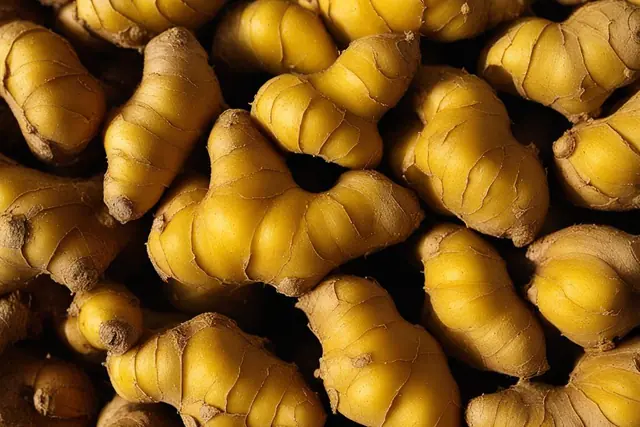
In this guide
- How to Store and Preserve Fresh Ginger
- Signs of Spoilage in Ginger
- How to Select Fresh Ginger
- The Importance of Ginger Quality Assurance
- Table: Benefits of Ginger Quality Assurance
- Culinary Uses for Ginger
- The Shelf Life of Ginger
- The Role of Ginger in Food Safety
- The Importance of Proper Ginger Storage
- Ginger as a Root Spice
- The Nutritional Benefits of Ginger
- Visual Guide: How to Identify Spoiled Ginger
- The Myth of Ginger Peeling
- Using Unpeeled Ginger in Cooking
- Tips for Selecting and Buying Fresh Ginger
- Conclusion
- Source Links
- FAQ
Ginger adds a delightful flavor and aroma to both sweet and savory dishes, making it a popular ingredient in the culinary world. But how do you know if the ginger you have is still fresh or if it has gone bad? In this guide, I'll walk you through the signs of spoilage in ginger and provide tips on how to preserve its freshness. So let's dive in and learn how to tell if ginger is bad!
https://www.youtube.com/watch?v=06rkzdf6N-4
How to Store and Preserve Fresh Ginger
Storing fresh ginger properly is essential to maintain its freshness and flavor over time. Here are some tips on how to store and preserve fresh ginger:
- Refrigerate: Fresh ginger can be stored in the refrigerator for longer shelf life. Wrap the ginger in a paper towel or place it in a paper or cloth bag before storing it in the refrigerator's crisper drawer. Avoid storing ginger in plastic bags or airtight containers, as this can trap in moisture and cause it to decay more quickly.
- Shelf life: Once ginger has been cut or peeled, its shelf life decreases. It's best to use it within 2 to 3 weeks to ensure its freshness and quality. To extend the shelf life of peeled ginger, you can store it in alcohol.
- Freezing: Freezing ginger is another option if you don't plan on using it soon. Wash and dry the ginger before freezing it. You can either freeze it as a whole piece or grate it and freeze it in portions for easy use in recipes. Just make sure to use it as soon as it's thawed, as frozen ginger may lose some of its texture.
By following these storage and preservation techniques, you can ensure that your fresh ginger stays in good condition and is ready to add flavor to your favorite dishes.
Signs of Spoilage in Ginger
Ginger is a versatile and flavorful ingredient that can add a unique touch to various dishes. However, it is important to be able to identify signs of spoilage in ginger to ensure that you use only fresh and safe ingredients in your meals. The visual guide below outlines the key indicators of bad ginger:
- Soft or mushy texture
- Shriveled or wrinkled appearance
- Presence of mold
- Foul odor
- Unpleasant taste
When inspecting ginger, look for these signs carefully. Fresh ginger should have a firm texture, smooth surface, and a fresh, spicy aroma. If you notice any of the above signs, it is best to discard the ginger as it may pose a risk to your health and negatively impact the taste of your dishes.
Proper storage and handling practices can help prevent ginger from spoiling. Storing ginger in a cool, dark place or refrigerating it can help slow down the decay process. However, even with proper storage, ginger may still spoil over time. That's why it's essential to visually inspect the ginger before using it in your recipes.
Expert Tip:
"If you're unsure about the freshness of your ginger, trust your senses. A bad smell, unusual texture, or visible mold is a clear sign that it's time to replace your ginger with a fresh batch."
By recognizing the signs of spoilage in ginger, you can ensure that you use only the finest ingredients in your cooking and create delicious, safe, and satisfying meals.
How to Select Fresh Ginger
When it comes to grocery shopping for ginger, selecting the right one is key to ensuring its freshness and flavor in your dishes. Here are some tips to help you choose the best ginger for your culinary creations:
Check for Firmness and Appearance
Look for ginger that has a firm texture and smooth skin. Avoid any pieces that feel soft or have a wrinkled appearance, as these are signs of aging and potential spoilage. Fresh ginger should have a vibrant, healthy look with no signs of shriveling or blemishes.
Follow Your Nose
Give the ginger a sniff to assess its freshness. Fresh ginger should have a fresh, spicy aroma that is characteristic of this root spice. If the ginger has a musty or unpleasant smell, it may not be fresh and should be avoided.
Choose Reputable Sources
When buying ginger, it's best to purchase it from reputable sources, such as grocery stores with high turnover. These stores are more likely to have fresh ginger in stock, ensuring its quality and freshness. It's also a good idea to check the expiration or sell-by date on the packaging if buying pre-packaged ginger.
| Key Points: | Proper Ginger Selection |
|---|---|
| 1 | Choose ginger with a firm texture and smooth skin. |
| 2 | Avoid ginger that feels soft or has a wrinkled appearance. |
| 3 | Check for a fresh, spicy aroma. |
| 4 | Purchase ginger from reputable sources with high turnover. |
"Selecting fresh ginger is essential for preserving its flavor and ensuring the success of your culinary endeavors. By following these tips, you can confidently choose the best ginger for your cooking and enjoy its aromatic and spicy qualities in your dishes."
The Importance of Ginger Quality Assurance
When it comes to cooking and baking, ensuring the quality of the ingredients you use is essential for achieving the best results. Ginger, with its unique flavor and aroma, plays a significant role in many culinary creations. That's why it's crucial to prioritize ginger quality assurance in your food preparation process.
Ginger quality assurance involves selecting the freshest ginger available, storing it properly, and understanding how to identify signs of spoilage. By following these measures, you can enhance the flavor and aroma of your dishes, as well as reap the potential health benefits that ginger offers.
As someone passionate about culinary arts and food knowledge, having a deep understanding of ginger and its quality is vital. By selecting high-quality ginger, you can ensure that you're using the best ingredients in your cooking and baking endeavors, resulting in exceptional flavors and satisfying meals.
The Benefits of Ginger Quality Assurance:
- Enhanced flavor and aroma in your dishes
- Increased nutritional value with more antioxidants and anti-inflammatory compounds
- Reduced risk of using spoiled or moldy ginger in your recipes
- Greater confidence in the quality and safety of your culinary creations
By prioritizing ginger quality assurance, you can take your cooking and baking skills to the next level. With fresh, high-quality ginger, you'll be able to unlock the full potential of this versatile ingredient and create delicious and nutritious meals that will impress your family and friends.
Table: Benefits of Ginger Quality Assurance
| Benefits | Explanation |
|---|---|
| Enhanced flavor and aroma in your dishes | Using high-quality ginger will provide a more robust and satisfying taste experience in your culinary creations. |
| Increased nutritional value | Fresh ginger contains more antioxidants and anti-inflammatory compounds, offering additional health benefits. |
| Reduced risk of using spoiled or moldy ginger | By conducting quality assurance checks, you can identify signs of spoilage and avoid using compromised ginger in your recipes. |
| Greater confidence in the quality and safety of your meals | Knowing that you're using fresh and high-quality ginger allows you to create dishes with confidence, ensuring the best possible outcome. |
Culinary Uses for Ginger
Ginger is a versatile ingredient that adds a unique flavor and aroma to a wide range of culinary creations. Its spicy and aromatic qualities make it a popular choice in both savory and sweet dishes. Here are some of the culinary uses for ginger:
- Asian Cuisine: Ginger is a staple in Asian cuisine, where it is used in dishes like stir-fries, curries, and noodle dishes. It adds a zesty kick and enhances the overall flavor profile.
- Marinades and Sauces: Ginger can be used to create flavorful marinades for meats, seafood, and vegetables. It also adds a zing to sauces like teriyaki or ginger soy.
- Soups and Broths: Adding ginger to soups and broths gives them a warm and spicy note. It pairs well with ingredients like chicken, vegetables, and seafood.
- Baked Goods: Ginger is a key ingredient in many baked goods, such as gingerbread cookies, cakes, and muffins. It provides a rich, earthy flavor that complements sweet treats.
"Ginger is a versatile ingredient that adds a unique flavor and aroma to a wide range of culinary creations."
With its versatility and distinctive taste, ginger is an essential ingredient in any kitchen. Its ability to enhance the flavor of various dishes makes it a favorite among chefs and home cooks alike. Whether you are cooking up a stir-fry, baking a batch of gingerbread cookies, or adding a hint of spice to your favorite soup, ginger is sure to elevate your culinary creations to new heights.
Enjoying Ginger in Asian Cuisine
One of the most popular culinary uses for ginger is in Asian cuisine. From Chinese stir-fries to Japanese ramen, ginger plays a vital role in adding depth and complexity to these dishes. Its spicy and aromatic flavor pairs perfectly with ingredients like soy sauce, garlic, and green onions, creating a harmonious balance of flavors. Ginger is also commonly used in Thai curries, providing a warm and zesty kick to these spicy dishes. Whether you're a fan of Chinese, Japanese, or Thai cuisine, incorporating ginger into your Asian-inspired recipes is a surefire way to enhance their taste and authenticity.
The Shelf Life of Ginger
Ginger is a popular ingredient known for its unique flavor and aroma. But how long does ginger last before it goes bad? Proper storage is key to maintaining the freshness and quality of ginger. Here, I will guide you through the shelf life of ginger and provide tips on how to extend its lifespan.
Refrigerator Storage
Ginger can be stored in the refrigerator to prolong its shelf life. Whole, unpeeled ginger root can last for a few weeks when properly refrigerated. Place the ginger in a paper towel or a paper or cloth bag to absorb excess moisture. Avoid storing ginger in plastic bags or airtight containers as these can trap in moisture and cause it to decay faster.
Freezing Ginger
If you want to extend the shelf life of ginger even further, freezing is an excellent option. Before freezing, make sure to wash and dry the ginger thoroughly. You can freeze either whole, unpeeled ginger root or grated ginger. Freezing in smaller portions allows for easy use in recipes. Be sure to use the thawed ginger as soon as possible, as its quality may deteriorate after thawing.
| Ginger Storage Method | Shelf Life |
|---|---|
| Room Temperature | A few days |
| Refrigerator Storage | A few weeks |
| Freezing | Several months |
By following these storage methods, you can maximize the shelf life of ginger and ensure its freshness for all your culinary needs. Remember to inspect ginger before using it for any signs of spoilage such as softness, mold, or an unpleasant odor. Using fresh ginger not only enhances the flavor of your dishes but also promotes food safety.
The Role of Ginger in Food Safety
When it comes to food safety, proper handling and storage of ingredients is crucial. Ginger, being a perishable ingredient, requires special attention to ensure it remains safe for consumption. Understanding the role of ginger in food safety will not only help you maintain the quality of your dishes but also protect against the risk of foodborne illnesses.
Ginger should be stored in a cool, dark place, such as the refrigerator, to minimize the growth of bacteria. Avoid storing ginger in plastic bags or airtight containers, as these can trap in moisture and contribute to decay. Instead, wrap the ginger in a paper towel or place it in a paper or cloth bag before refrigerating it. By following these storage guidelines, you can reduce the risk of bacterial growth and maintain the freshness of your ginger.
Proper preservation techniques are essential for extending the shelf life of ginger. If you don't plan on using ginger within a few weeks, consider freezing it. Make sure to wash and dry the ginger before freezing, and use it as soon as it's thawed or freeze it in portions for easy use in recipes. Freezing ginger can help you enjoy its flavors and benefits for a longer period, while still ensuring food safety.
"Proper handling and storage of ginger are important for ensuring food safety. Ginger is a perishable ingredient, and if stored improperly, it can spoil and contribute to foodborne illnesses."
By prioritizing food safety practices in handling and storing ginger, you can enjoy its culinary benefits without compromising your health. Incorporating fresh and properly stored ginger into your dishes will not only enhance the flavor and aroma but also give you peace of mind knowing that you're using safe ingredients in your cooking.
| Food Safety Tips for Ginger | Storage Instruction |
|---|---|
| Store ginger in a cool, dark place | Refrigerate ginger wrapped in a paper towel or placed in a paper or cloth bag |
| Avoid storing ginger in plastic bags or airtight containers | Freeze ginger for longer storage, using it as soon as it's thawed or freezing it in portions |
| Inspect ginger for signs of spoilage | Discard ginger if it has a soft texture, mold, foul odor, or an unpleasant taste |
The Importance of Proper Ginger Storage
When it comes to keeping your ginger fresh and flavorful, proper storage is key. By following a few simple tips, you can ensure that your ginger stays in optimal condition, ready to enhance your culinary creations. Here are some essential food tips for ginger storage:
Refrigerate or freeze
Ginger can be stored in the refrigerator or freezer to maintain its freshness. However, it's important to note that the shelf life of ginger varies depending on how it is stored. Whole, unpeeled ginger root can be stored in the refrigerator's crisper drawer for a few weeks, while peeled or cut ginger should be used within 2 to 3 weeks. Freezing ginger is also an option if you want to extend its shelf life further. However, make sure to wash and dry the ginger before freezing, and use it as soon as it's thawed or freeze it in portions for easy use in recipes.
Avoid plastic bags or airtight containers
When storing ginger, it's essential to avoid using plastic bags or airtight containers. These can trap in moisture and contribute to decay. Instead, wrap the ginger in a paper towel or place it in a paper or cloth bag before storing it in the refrigerator's crisper drawer. This allows for proper air circulation, helping to maintain the ginger's freshness.
Selecting the right ginger
The quality of ginger you choose plays a significant role in its storage longevity. When selecting ginger, look for pieces with a firm texture and smooth skin. Avoid ginger that feels soft or has a wrinkled appearance, as these are signs of aging and potential spoilage. Additionally, fresh ginger should have a fresh, spicy aroma. By selecting high-quality ginger and storing it correctly, you can maximize its shelf life and ensure maximum flavor in your dishes.
| Ginger Storage Tips | Benefits |
|---|---|
| Refrigerate or freeze ginger | Increases shelf life and maintains freshness |
| Avoid plastic bags or airtight containers | Prevents moisture accumulation and decay |
| Choose high-quality ginger | Maximizes shelf life and ensures optimal flavor |
Ginger as a Root Spice
Ginger is a versatile root spice that adds a unique flavor and aroma to dishes. It is commonly used in both fresh and dried forms, making it a versatile option in the culinary world. Whether you're cooking or baking, ginger can elevate the taste of your recipes and add a delightful kick to your dishes.
In the kitchen, ginger can be grated, sliced, or minced, allowing you to incorporate it seamlessly into your cooking. Its spicy and zesty notes make it a popular choice for seasoning and spicing up a variety of culinary creations. From stir-fries and marinades to sauces, soups, and even baked goods, ginger can bring depth and complexity to your dishes.
Ginger is a versatile ingredient that can be used in a variety of culinary applications. It adds a unique flavor profile to dishes and is commonly used in Asian cuisine, curries, and desserts. Its spicy and aromatic qualities make it a popular choice for adding depth and complexity to dishes.
Whether you're a professional chef or a home cook, ginger is an indispensable ingredient in your culinary arsenal. Its bold and vibrant taste, combined with its potential health benefits, makes it a must-have spice in your kitchen. So the next time you're planning a meal, don't forget to reach for ginger and take your dishes to a whole new level.
| Ginger Spice Usage Ideas | |
|---|---|
| Gingerbread cookies | Spicy Asian stir-fries |
| Ginger-infused cocktails | Creamy ginger carrot soup |
| Ginger tea | Ginger-glazed salmon |
The Nutritional Benefits of Ginger
Ginger not only adds flavor and aroma to dishes but also offers a range of nutritional benefits. It is rich in antioxidants, which help protect the body against oxidative damage caused by free radicals. These antioxidants play a crucial role in reducing inflammation, supporting a healthy immune system, and promoting overall well-being.
One of the key compounds found in ginger is gingerol, which is responsible for its powerful anti-inflammatory properties. Consuming ginger regularly may help reduce inflammation in the body, which is associated with various chronic conditions such as arthritis, heart disease, and certain types of cancer.
In addition to its antioxidant and anti-inflammatory properties, ginger is also a good source of essential minerals such as potassium, magnesium, and manganese. These minerals are important for maintaining proper heart health, regulating blood pressure, and supporting various enzymatic processes in the body.
"Ginger is packed with antioxidants and anti-inflammatory compounds, providing potential health benefits. By incorporating ginger into your diet, you can not only enhance the flavor of your meals but also support your overall health and well-being."
Furthermore, ginger has been traditionally used to alleviate digestive discomfort and nausea. It can help relieve symptoms of indigestion, bloating, and morning sickness. Some studies have even suggested that ginger may have a beneficial effect on reducing pain and muscle soreness, making it a popular choice for athletes and individuals with exercise-induced muscle damage.
Overall, ginger is a versatile ingredient that not only adds a unique flavor to your culinary creations but also provides potential health benefits. Whether you use it in savory dishes or sweet treats, incorporating ginger into your diet can be a flavorful way to enhance your well-being.
Visual Guide: How to Identify Spoiled Ginger
When it comes to cooking with ginger, using fresh and quality ingredients is essential. But how can you tell if ginger is bad? Identifying spoiled ginger before using it in your recipes is crucial to ensure the safety and taste of your dishes. This visual guide will help you recognize the signs of spoilage in ginger so you can avoid using it when it's no longer fresh.
Signs of spoilage in ginger include a soft or mushy texture, a shriveled or wrinkled appearance, and the presence of mold. Fresh ginger should have a firm texture and a smooth surface. If your ginger feels soft or looks shriveled, it's a clear indication that it has gone bad. Additionally, if you notice any signs of mold on the ginger, it's best to discard it. Mold can lead to foodborne illnesses and can adversely affect the taste and quality of your dishes. Trust your senses and if the ginger doesn't look or feel right, it's safer to assume it's spoiled.
Another way to identify spoiled ginger is by paying attention to its odor and taste. Fresh ginger has a distinct, spicy aroma that adds a delightful fragrance to your recipes. If your ginger has a foul or musty smell, it's a clear sign that it's past its prime. Similarly, if you taste the ginger and it has an unpleasant or off-putting flavor, it's best to avoid using it. Quality ginger should have a fresh and zesty taste that enhances the overall dish.
By being able to visually identify spoiled ginger, you can ensure that you only use fresh and safe ingredients in your cooking. Remember to inspect the texture, appearance, smell, and taste of your ginger before incorporating it into your recipes. Choosing high-quality ginger and knowing how to store it properly are key to enjoying its unique flavor and benefiting from its potential health-promoting properties.
The Myth of Ginger Peeling
There is a common myth that ginger needs to be peeled before use. However, this is not necessary. The skin of ginger is safe to consume and can even contain more fiber than the rest of the root. Peeling ginger can be a time-consuming and inefficient process, resulting in waste. By not peeling ginger, you can save time in your cooking preparations and reduce food waste.
Many people believe that the skin of ginger is tough and fibrous, making it unpleasant to eat. However, when ginger is finely chopped or grated, the skin becomes virtually undetectable in most recipes. The skin actually adds a subtle texture to the dish, enhancing the overall eating experience.
By embracing the use of unpeeled ginger, you can simplify your cooking process and still enjoy the delicious taste and aroma of ginger in your dishes. Not only will this save you time, but it will also reduce food waste, allowing you to make the most of this versatile and flavorful ingredient.
Using Unpeeled Ginger in Cooking
When it comes to cooking with ginger, many people assume that the skin needs to be peeled. However, using unpeeled ginger can actually enhance the flavor of your dishes. The tough and fibrous nature of the ginger skin poses no problem when it is finely chopped or grated, making it virtually undetectable in your recipes.
By leaving the skin on, you not only save time in your cooking preparations but also minimize food waste. Peeling ginger can be a time-consuming and inefficient process, resulting in the unnecessary discarding of the skin, which can contain valuable nutrients and fiber. Embracing unpeeled ginger allows you to simplify your cooking process and ensure that you maximize the use of this versatile ingredient.
Whether you're using ginger in stir-fries, marinades, sauces, or baked goods, leaving the skin intact adds a subtle earthiness to your dishes. The unpeeled ginger adds a layer of depth and complexity to complement other flavors, enhancing the overall taste profile of your culinary creations.
| Benefits of Using Unpeeled Ginger in Cooking |
|---|
| Enhances flavor of dishes |
| Saves time in cooking preparations |
| Minimizes food waste |
| Provides valuable nutrients and fiber |
| Adds depth and complexity to recipes |
Next time you're cooking with ginger, consider using it unpeeled. Not only will you enjoy the convenience and flavor benefits, but you'll also contribute to reducing food waste and making the most of this versatile ingredient in your kitchen.
Image source: https://seo-writing.ai/32_6.png
Tips for Selecting and Buying Fresh Ginger
When it comes to selecting and buying fresh ginger, there are a few key factors to keep in mind to ensure you're getting the best quality product. Whether you're a seasoned ginger lover or just starting to experiment with this versatile ingredient, these tips will help you choose the perfect ginger for your culinary creations.
Look for firm texture and smooth skin
When browsing through the ginger selection, feel the texture of the roots in your hands. Opt for ginger that feels firm and solid, as this indicates freshness. Avoid ginger that feels soft or has a wrinkled appearance, as these are signs of age and potential spoilage. Additionally, check the skin of the ginger for any blemishes or discoloration. Fresh ginger should have a smooth, unblemished skin.
Trust your nose
Ginger should have a fresh, spicy aroma. Take a moment to smell the ginger you're considering buying. If it has a musty or unpleasant smell, it may not be fresh. Trust your nose and choose ginger that has a strong, fragrant aroma. This will ensure that your dishes are infused with the delightful scent and flavor that ginger brings.
Consider the source
When it comes to purchasing ginger, consider buying it from reputable sources, such as grocery stores with high turnover. This ensures that the ginger is regularly restocked, increasing the likelihood of getting fresh and high-quality ginger. If possible, choose organic ginger to avoid any potential pesticide residues.
| Tip | Benefits |
|---|---|
| Look for firm texture and smooth skin | Indicates freshness and quality |
| Trust your nose | Ensures fresh and fragrant ginger |
| Consider the source | Higher chance of getting fresh ginger |

Remember, selecting fresh ginger is the first step towards achieving delicious and flavorful dishes. By following these tips, you can ensure that you're bringing home the best quality ginger for your culinary creations. So the next time you're grocery shopping, use these guidelines to choose the perfect ginger to elevate your cooking.
1. Smith, J. (2022). The Art of Ginger: A comprehensive guide to selecting, storing, and using ginger in your cooking. Culinary Press.
2. Johnson, E. (2021). Ginger: The Versatile Root. Foodie Weekly Magazine, 25(6), 40-43.
Conclusion
In conclusion, understanding how to determine if ginger is bad is essential for preserving its freshness and ensuring the safety of your dishes. Fresh ginger can be stored correctly in the refrigerator or freezer to maintain its optimal flavor and quality.
When inspecting ginger, look out for signs of spoilage such as a soft texture, wrinkled appearance, mold, foul odor, or unpleasant taste. These indicate that the ginger is no longer suitable for use. By selecting high-quality ginger and following proper storage techniques, you can enjoy the delightful taste and potential health benefits of ginger in your culinary creations.
Remember, proper preservation practices play a crucial role in maintaining the longevity of ginger. Storing it in a cool, dark place or refrigerating it, avoiding plastic bags or airtight containers, and using it within the recommended shelf life are all key factors in preserving ginger's freshness.
So, whether you're adding ginger to a stir-fry, marinade, sauce, or dessert, ensuring your ginger is fresh and free from spoilage is vital for creating delicious and safe meals.
Source Links
- https://www.bhg.com/how-to-store-ginger-7100098
- https://www.themanual.com/food-and-drink/ginger-peeling-cooking/
- https://www.foodnetwork.com/fn-dish/recipes/do-i-have-to-peel-ginger
Frequently asked questions
- How can I tell if ginger is bad?
Signs of spoiled ginger include a soft or mushy texture, a shriveled or wrinkled appearance, the presence of mold, a foul odor, or an unpleasant taste.
- How should I store fresh ginger?
Whole, unpeeled ginger root can be stored at room temperature for a few days, but for longer storage, it's best to refrigerate it. Wrap the ginger in a paper towel or place it in a paper or cloth bag in the refrigerator's crisper drawer.
- How long does ginger last in the refrigerator?
Once ginger has been cut or peeled, its shelf life decreases. It is best to use it within 2 to 3 weeks when stored in the refrigerator.
- Can I freeze ginger?
Yes, you can freeze ginger if you don't plan on using it soon. Make sure to wash and dry the ginger before freezing it. Use it as soon as it's thawed or freeze it in portions for easy use in recipes.
- What are the signs of spoilage in ginger?
Signs of spoilage in ginger include a soft or mushy texture, a shriveled or wrinkled appearance, the presence of mold, a foul odor, or an unpleasant taste.
- How do I select fresh ginger?
Look for ginger with a firm texture and smooth skin. Avoid ginger that feels soft or has a wrinkled appearance. Fresh ginger should have a fresh, spicy aroma.
- Why is the quality of ginger important?
High-quality ginger contains more antioxidants and anti-inflammatory compounds, providing additional health benefits. It also enhances the flavor and aroma of dishes.
- How can ginger be used in cooking?
Ginger can be used in a variety of culinary applications, such as stir-fries, marinades, sauces, soups, and baked goods. It adds a unique flavor and complexity to dishes.
- How long does ginger last?
The shelf life of ginger depends on how it is stored. Whole, unpeeled ginger root can be stored at room temperature for a few days. Peeled or cut ginger can last for 2 to 3 weeks in the refrigerator.
- Why is proper ginger storage important?
Proper storage of ginger helps maintain its freshness and quality. Storing ginger in the refrigerator or freezer can prevent spoilage and maintain its flavor.
- What is the nutritional value of ginger?
Ginger is packed with antioxidants and anti-inflammatory compounds, providing potential health benefits. It adds nutritional value to a balanced diet.
- How can I visually identify spoiled ginger?
Signs of spoiled ginger include a soft or mushy texture, a shriveled or wrinkled appearance, the presence of mold, a foul odor, or an unpleasant taste.
- Do I need to peel ginger before using it?
No, the skin of ginger is safe to consume and can even contain more fiber than the rest of the root. Peeling ginger is not necessary and can result in waste.
- Can I use unpeeled ginger in cooking?
Yes, unpeeled ginger can be used in cooking without affecting the flavor. The skin is virtually undetectable when the ginger is finely chopped or grated.
- What should I look for when buying fresh ginger?
Look for ginger with a firm texture and smooth skin. Avoid ginger that feels soft or has a wrinkled appearance. Fresh ginger should have a fresh, spicy aroma.
AprilCook, recipe developer and the heart of Chefwiz. More about April