Guide
How to Peel Ginger: Techniques for Fresh and Dried
Explore the ropes of how to peel ginger! Follow my journey into unveiling techniques for fresh and dried ginger, making your cooking hassle-free.
 By April22 min read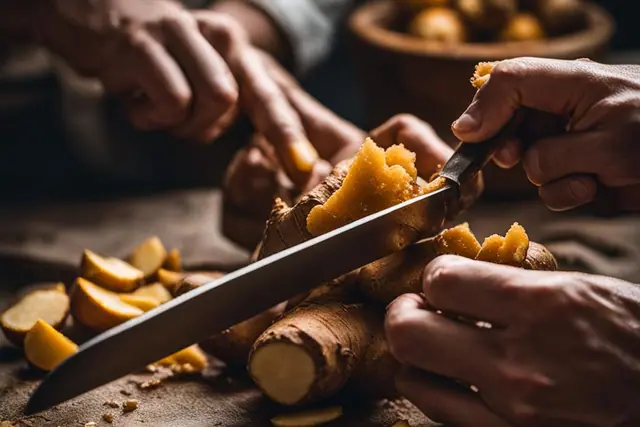
In this guide
Ginger, with its aromatic flavor, adds a delightful touch to various culinary creations. Whether you're using fresh or dried ginger, peeling it properly is essential to fully enjoy its taste and benefits. In this article, I will guide you through the techniques of peeling ginger, providing you with the skills to elevate your cooking game.
Why Peel Ginger?
Ginger is a versatile ingredient that adds not only flavor and aroma to your culinary creations but also brings a host of health benefits. By peeling ginger, you can remove the fibrous outer skin and access the flavorful flesh, allowing for easier incorporation into your dishes. Whether you're a seasoned chef or an amateur cook, peeling ginger is an essential step to maximize the potential of this culinary gem.
Ginger has long been cherished for its unique taste and fragrance. Its spicy, slightly sweet flavor profile adds depth and complexity to a wide range of dishes, from soups and stir-fries to marinades and dressings. By peeling ginger, you can fully unlock its potential and infuse your recipes with its distinct essence.
In addition to its culinary benefits, ginger is also renowned for its health-enhancing properties. It is known to boost the immune system, relieve nausea, and aid digestion. By incorporating peeled ginger into your recipes, you not only elevate the taste but also reap the many health benefits this ingredient has to offer.
| Benefits of Peeling Ginger | Keywords |
|---|---|
| Enhances flavor and aroma | flavor, aroma, culinary, ingredient |
| Unlocks the full potential of ginger | ginger, culinary, ingredient |
| Provides health benefits | ginger, health benefits, culinary, ingredient |
Whether you're looking to add a kick of flavor to your dishes or enjoy the numerous health benefits ginger offers, peeling ginger is a vital step. In the following sections, we will explore various techniques and methods to peel ginger, allowing you to make the most of this incredible ingredient in your cooking.
Cleaning Ginger
When it comes to preparing ginger, it is important to start with clean and fresh roots. Cleaning ginger is a simple process that ensures your ginger is free from any dirt or impurities. To clean ginger, you will need a vegetable brush and water.
Here is a step-by-step guide on how to clean ginger:
- Fill a bowl with water or use running water to wet the ginger root.
- Take the vegetable brush and gently scrub the ginger, removing any dirt or debris. Pay extra attention to the crevices and bumps on the ginger.
- Rinse the ginger thoroughly under running water to remove any remaining dirt.
Cleaning ginger ensures that you are working with a clean and hygienic ingredient, enhancing the overall taste and quality of your dishes. Once the ginger is clean, you can proceed with peeling and using it in your favorite recipes.
| Benefits of Cleaning Ginger: |
|---|
| Removes dirt and impurities |
| Enhances the quality and flavor of ginger |
| Maintains hygiene in your culinary preparations |
By following these simple steps, you can ensure that your ginger is clean and ready to be used in your culinary creations. Clean ginger not only enhances the taste of your dishes but also promotes good hygiene in your kitchen. So, don't forget to give your ginger a good clean before incorporating it into your next recipe!
The Easiest Way to Peel Ginger
Peeling ginger can be a daunting task, but fear not! I have discovered the easiest way to peel ginger using just a spoon or a paring knife. With these simple techniques, you'll be able to peel ginger effortlessly and efficiently, saving you time in the kitchen.
When it comes to peeling fresh ginger, a spoon is your best friend. Start by holding the ginger firmly in one hand. Take the edge of the spoon and gently scrape away the skin from the ginger. The skin should come off easily, revealing the beautiful flesh underneath. The spoon method is especially handy for peeling larger pieces of ginger.
However, if you have older and tougher ginger, a paring knife can be a more effective tool. Simply use the knife to carefully remove the skin, making sure to remove any remaining tough parts. Be cautious while using the knife and always keep your fingers away from the blade to avoid any accidents.
| Peeling Ginger | Advantages |
|---|---|
| Spoon Method | Easy and safe |
| Paring Knife Method | Effective for tough ginger |
Whether you choose the spoon or the paring knife method, make sure to wash and dry the ginger before peeling. This will help remove any dirt or impurities and ensure a clean and flavorful ginger for your recipes.
https://www.youtube.com/watch?v=v908vjRX8Gc
Expert Tip: Chilling Ginger
For even easier peeling, you can try chilling the ginger in the freezer for a few minutes before using the spoon or knife. The cold temperature helps to firm up the ginger, making it less prone to slipping and easier to handle.
Now that you know the easiest way to peel ginger, you can confidently incorporate this flavorful ingredient into your culinary creations. Peel away and unlock the amazing potential of ginger in your dishes!
Slicing Ginger
Slicing ginger is a versatile technique that allows you to create different shapes and sizes for your culinary endeavors. Whether you prefer ginger coins or thin lengthwise pieces, slicing ginger adds both visual appeal and flavor to your dishes.
Ginger Coins
To create ginger coins, start by peeling the ginger using a spoon or paring knife. Once peeled, slice the ginger across the grain of the fibers to achieve circular-shaped coins. These ginger coins are perfect for stir-fries, garnishes, or infusing flavor into soups and broths.
Thin Lengthwise Pieces
If you have smaller knobs of ginger, slicing them into thin lengthwise pieces is a great option. This technique creates long, slender strips that can be used in a variety of dishes, such as salads, sushi rolls, or pickled ginger. These thin slices add a delicate touch of ginger flavor to your recipes.
Experiment with different slicing techniques to find the shape and size that suits your cooking style and preferences. Sliced ginger not only enhances the taste of your dishes but also adds a touch of elegance to your culinary creations.
| Type of Ginger Slice | Uses |
|---|---|
| Ginger Coins | Stir-fries, garnishes, soups, broths |
| Thin Lengthwise Pieces | Salads, sushi rolls, pickled ginger |
"Slicing ginger allows you to create beautiful and flavorful additions to your dishes. Whether it's crispy ginger coins or delicate lengthwise pieces, the visual impact and taste will leave a lasting impression."
Julienne Ginger
Julienne ginger is a technique that involves cutting ginger into thin matchstick-like pieces. It adds a unique texture and visual appeal to your dishes, making them more visually appealing and flavorful. Julienne ginger is versatile and can be used in various recipes, from stir-fries to salads and soups.
To julienne ginger, start by peeling the ginger using a spoon or a paring knife, as mentioned in the previous section. Once peeled, slice the ginger into thin coins. Stack the coins and cut them into thin matchstick-like pieces. The result will be beautiful ginger matchsticks that can be used as a garnish or incorporated into your dishes.
When julienning ginger, it's important to ensure that the matchsticks are evenly cut and of a similar size. This will ensure even cooking and a consistent texture. You can also adjust the thickness of the matchsticks based on your preference and the recipe you are preparing.
| Benefits of Julienne Ginger: |
|---|
| - Adds a unique texture and visual appeal to dishes |
| - Enhances the flavor of stir-fries, salads, and soups |
| - Provides a fresh and spicy kick to your recipes |
Now that you know how to julienne ginger, give it a try in your next culinary adventure. Whether you're adding a touch of elegance to a salad or creating a flavorful stir-fry, julienne ginger is sure to impress both your taste buds and your guests.
Chopping Ginger
When it comes to preparing ginger, chopping it into small pieces or mincing it can be a versatile and convenient option. Chopped ginger adds both flavor and texture to a wide variety of dishes, while minced ginger provides a finer texture and greater distribution of flavor. Whether you're making a stir-fry, curry, or soup, knowing how to chop ginger properly is a valuable skill in the kitchen.
Chopping Techniques
To chop ginger, start by peeling it using a spoon or a paring knife, as mentioned in the previous section. Once the ginger is peeled, cut off a manageable piece that you can comfortably hold and control while chopping. Place the ginger on a cutting board and hold it firmly with one hand, using your fingers to keep it steady.
Next, use a sharp chef's knife to make a series of horizontal cuts into the ginger, about 1/4 inch apart. Be sure to hold the knife at a slight angle to create diagonal slices. Once you have made the horizontal cuts, rotate the ginger 90 degrees and make vertical cuts in the same manner. The result should be a grid-like pattern of small ginger pieces.
Finally, hold the ginger slices together and begin to chop them into even smaller pieces by rocking the knife back and forth over the ginger. Continue chopping until you have achieved the desired size of chopped ginger. If you prefer a finer texture, you can further mince the ginger by using a back-and-forth motion with the knife, pressing it down firmly to create a paste-like consistency.
Chopped ginger is a versatile ingredient that can be used in numerous recipes, including marinades, sauces, soups, and stir-fries. Its distinct flavor and aroma add depth and complexity to your culinary creations. Now that you know how to chop ginger into small pieces or even mince it, you can confidently experiment with new recipes and elevate the taste of your dishes.
Grating Ginger
Grating ginger can be a messy process, but with the right tools and techniques, it becomes much easier. One of the best tools for grating ginger is a microplane grater. This type of grater has small, sharp holes that allow you to finely grate the ginger, resulting in a smooth texture and releasing its intense flavor. To make grating even easier, try freezing the ginger before grating it. Freezing the ginger helps to firm it up, making it easier to handle and grate without creating a messy pulp.
When grating ginger, hold the microplane grater at a slight angle and firmly rub the frozen ginger against the grater's surface. The ginger will start to grate into fine shreds, collecting on the other side of the grater. Be careful of your fingers as you grate and use a gentle, downward motion to prevent any accidental cuts. Make sure to grate only as much ginger as you need for your recipe, as grated ginger tends to lose its flavor and aroma quickly.
Grated ginger is a versatile ingredient that can be used in various dishes, such as stir-fries, marinades, and dressings. Its fine texture allows it to distribute evenly throughout the dish, infusing it with its distinctive taste. So the next time you need grated ginger for your recipe, grab your microplane grater, and enjoy the convenience and flavor it brings to your culinary creations.
| Method | Pros | Cons |
|---|---|---|
| Microplane Grater | - Produces fine, uniform shreds - Releases intense ginger flavor - Easy to use and clean |
- Requires caution to avoid cuts - Frozen ginger may melt quickly |
| Box Grater | - Grates ginger quickly - Can handle larger quantities |
- Produces coarser shreds - Difficult to clean between the grater's holes |
| Food Processor | - Grates large quantities easily - Can be used for other ingredients |
- Generates ginger puree rather than shreds - Requires cleaning a larger appliance |
As the table above demonstrates, the microplane grater is the superior choice for grating ginger. Its fine shredding capability allows for better flavor extraction and texture in your dishes. While other methods, such as using a box grater or food processor, may be convenient for shredding larger quantities of ginger, they often result in coarser shreds or puree-like consistency, which may not suit every recipe. Therefore, investing in a microplane grater is a worthwhile addition to your kitchen utensils.
Storing Ginger
Ginger is a versatile ingredient that adds flavor and depth to a variety of dishes. To ensure that your ginger stays fresh and flavorful for as long as possible, proper storage is key. Here are some tips on how to store ginger in both the refrigerator and freezer.
Refrigerator Storage
Storing ginger in the refrigerator is a great way to extend its shelf life. Start by selecting a fresh ginger root with smooth, firm skin. Avoid any roots that appear soft or wrinkled. Once you have your ginger, wrap it in a slightly damp paper towel to help retain its moisture.
Next, place the wrapped ginger in an airtight container or resealable plastic bag. This will prevent the ginger from absorbing any odors from other foods in the refrigerator. Store the container or bag in the crisper drawer, which offers a cool and humid environment ideal for ginger storage.
Freezer Storage
If you want to store ginger for an extended period, the freezer is your best option. Freezing ginger not only allows you to keep it fresh for up to six months but also makes it easier to grate or slice when needed.
To freeze ginger, start by peeling and cutting it into small pieces or grating it. Place the ginger in an airtight container or wrap it tightly in plastic wrap or a freezer bag. Make sure to label the container or bag with the date to keep track of its freshness.
When you're ready to use the frozen ginger, simply remove the desired amount and return the rest to the freezer. You can grate or slice the ginger while it's still frozen, making it easier to incorporate into your recipes.
By following these storage methods, you can ensure that your ginger stays fresh and flavorful, ready to enhance the taste of your favorite dishes whenever you need it.
Using Ginger in Recipes
Ginger is a versatile ingredient that can enhance the flavors of a wide range of recipes. Its unique taste and aroma make it a popular choice for seasoning meat, adding spice to marinades and dressings, and bringing depth to soups. Let's explore some delicious ginger recipes and discover how to incorporate this powerful ingredient into your cooking.
Marinated Ginger Soy Chicken
"The combination of ginger and soy sauce adds a delightful umami flavor to this marinated chicken dish. The ginger-infused marinade tenderizes the meat, while the soy sauce provides a savory base. Serve this dish with steamed rice and your choice of vegetables for a satisfying meal."
Ingredients:
- 4 boneless, skinless chicken breasts
- 2 tablespoons grated ginger
- 4 tablespoons soy sauce
- 2 tablespoons honey
- 1 tablespoon rice vinegar
- 1 clove garlic, minced
- 1 tablespoon vegetable oil
Instructions:
- In a small bowl, whisk together the grated ginger, soy sauce, honey, rice vinegar, minced garlic, and vegetable oil.
- Place the chicken breasts in a shallow dish and pour the marinade over them. Make sure the chicken is evenly coated. Cover the dish and refrigerate for at least 1 hour, or overnight for maximum flavor.
- Preheat the grill or a skillet over medium-high heat. Cook the chicken for 6-8 minutes per side, or until the internal temperature reaches 165°F (74°C).
- Remove the chicken from the heat and let it rest for a few minutes before slicing. Serve hot and enjoy!
Ginger Carrot Soup
"This creamy ginger carrot soup combines the natural sweetness of carrots with the warm, spicy flavor of ginger. It's a comforting and nutritious soup that can be enjoyed as an appetizer or a light meal. Serve it with a dollop of sour cream or a sprinkle of chopped fresh herbs for an added touch of freshness."
Ingredients:
- 1 pound carrots, peeled and chopped
- 1 onion, diced
- 2 tablespoons grated ginger
- 4 cups vegetable broth
- 1 cup coconut milk
- 2 tablespoons olive oil
- Salt and pepper to taste
Instructions:
- In a large pot, heat the olive oil over medium heat. Add the diced onion and grated ginger, and sauté until the onion becomes translucent.
- Add the chopped carrots to the pot and cook for a few minutes, stirring occasionally.
- Pour in the vegetable broth and bring the mixture to a boil. Reduce the heat and simmer for about 20 minutes, or until the carrots are tender.
- Using an immersion blender or a regular blender, purée the soup until smooth. If using a regular blender, work in batches and be careful when blending hot liquids.
- Return the puréed soup to the pot and stir in the coconut milk. Season with salt and pepper to taste.
- Simmer the soup for another 5 minutes to heat through. Serve hot and enjoy!
Ginger Lime Dressing
This refreshing ginger lime dressing is the perfect accompaniment to salads, grilled vegetables, or even as a marinade for tofu or seafood. The combination of tangy lime, zesty ginger, and a hint of sweetness creates a bright and flavorful dressing that will elevate any dish."
Ingredients:
- 2 tablespoons grated ginger
- 2 tablespoons lime juice
- 2 tablespoons honey
- 2 tablespoons rice vinegar
- 1/4 cup olive oil
- Salt and pepper to taste
Instructions:
- In a small bowl, whisk together the grated ginger, lime juice, honey, rice vinegar, olive oil, salt, and pepper.
- Taste the dressing and adjust the seasonings according to your preference.
- Drizzle the dressing over your favorite salad or use it as a marinade for grilled vegetables, tofu, or seafood.
- Store any leftover dressing in an airtight container in the refrigerator for up to one week.
| Recipe | Description |
|---|---|
| Marinated Ginger Soy Chicken | This dish combines the flavors of ginger and soy sauce to create a delicious marinated chicken. |
| Ginger Carrot Soup | This creamy soup showcases the natural sweetness of carrots with a hint of ginger spice. |
| Ginger Lime Dressing | A refreshing dressing that combines tangy lime, zesty ginger, and sweet honey. |
Benefits of Ginger
Ginger is not only a flavorful ingredient that adds a unique touch to dishes, but it also offers a range of health benefits. Incorporating ginger into your recipes can provide immune-boosting properties, relief from nausea, and aid digestion.
As an immune-boosting ingredient, ginger contains antioxidant and anti-inflammatory compounds that can help strengthen your immune system. This can be especially beneficial during cold and flu seasons when you want to support your body's natural defenses.
Ginger is also well-known for its ability to relieve nausea. Whether you're experiencing morning sickness, motion sickness, or post-operative nausea, ginger can help alleviate these discomforts. It works by reducing inflammation and soothing the stomach, making it a natural remedy that many people find effective.
In addition to its immune-boosting and anti-nausea properties, ginger is a digestive aid. It stimulates the production of digestive enzymes, which can enhance the breakdown of food and promote better absorption of nutrients. If you're experiencing indigestion, bloating, or other digestive issues, adding ginger to your meals or drinking ginger tea can help soothe and relieve these symptoms.
Summary:
Ginger offers a range of health benefits, including immune-boosting properties, relief from nausea, and aid in digestion. By incorporating ginger into your recipes, you can not only enhance the flavor of your dishes but also provide additional health benefits for you and your family.
Choosing the Best Ginger
When it comes to selecting ginger, choosing the right root can make a significant difference in your culinary experience. To ensure the best flavors and ease of peeling, keep these tips in mind:
Look for Smooth Roots
When buying ginger, opt for roots that are smooth and firm to the touch. Avoid any roots that have wrinkled or soft spots, as these may indicate age or damage. Smooth ginger roots are generally easier to peel, allowing for a smoother and more efficient cooking process.
Go for Young Ginger
Young ginger is known for its tender flesh and thin skin, making it easier to peel compared to mature ginger. The thin skin of young ginger can be effortlessly scraped off, saving you time and effort in the kitchen. Additionally, young ginger tends to have a milder flavor, perfect for those who prefer a subtler ginger taste in their dishes.
Inspect for Blemishes
Before purchasing ginger, examine the roots for any blemishes or signs of damage. Avoid ginger that has mold, dark spots, or dried-out ends, as these may affect the flavor and quality. Choosing blemish-free ginger ensures that you're working with fresh and flavorful roots.
By following these guidelines, you can confidently select the best ginger for your recipes. Remember to choose smooth and young roots, free from blemishes, to enhance your cooking experience and unlock the full potential of this versatile ingredient.
Tips for Peeling Ginger
Peeling ginger can be a daunting task, but with a few tips and tricks, you can make the process easier and more efficient. Whether you're using a spoon, opting for frozen ginger, or storing unpeeled ginger for better flavor and freshness, these tips will help you master the art of peeling ginger.
Use a Spoon for Easy Peeling
One of the easiest ways to peel ginger is by using a spoon. Simply hold the ginger firmly and use the edge of a spoon to scrape away the skin. The spoon helps to remove the thin outer layer of the ginger without wasting any of the flavorful flesh. This method is particularly useful for fresh ginger that is not too tough.
Opt for Frozen Ginger for Easier Grating
If you find grating fresh ginger to be a messy and challenging task, try using frozen ginger instead. Freezing ginger helps to retain its juice and makes it easier to grate. Simply wrap the ginger tightly in plastic wrap or place it in a freezer bag before freezing. When you're ready to use it, grate the frozen ginger directly into your recipes. The frozen ginger will grate easily and add a burst of fresh flavor to your dishes.
Store Unpeeled Ginger for Better Flavor and Freshness
Did you know that storing ginger unpeeled can help to enhance its flavor and freshness? When ginger is left unpeeled, it retains its natural oils and flavors, which can add depth and complexity to your dishes. To store unpeeled ginger, simply place it in a cool, dry place away from direct sunlight. This method will ensure that your ginger stays fresh and flavorful for longer periods.
| Tips for Peeling Ginger |
|---|
| Use a spoon for easy peeling |
| Opt for frozen ginger for easier grating |
| Store unpeeled ginger for better flavor and freshness |
With these tips, peeling ginger will no longer be a challenging task. Whether you're using a spoon, grating frozen ginger, or storing unpeeled ginger, you'll be able to unlock the full potential of this versatile ingredient in your culinary creations.
Proper Storage of Ginger
Ginger, whether fresh or dried, requires proper storage to maintain its flavor and freshness. By following these storage techniques, you can ensure that your ginger stays in optimal condition for an extended period.
Storing Fresh Ginger:
1. Choose a cool and dry place: Find a spot in your pantry or kitchen that is away from direct sunlight and heat sources.
2. Wrap it in a paper towel: Place the fresh ginger in a paper towel to absorb any excess moisture and prevent it from becoming moldy.
3. Store in an airtight container: Place the wrapped ginger in an airtight container or a resealable plastic bag to keep it from drying out.
Storing Dried Ginger:
1. Keep it in a glass jar: Transfer the dried ginger to a glass jar with a tight-fitting lid. This will help to preserve its flavor and protect it from moisture.
2. Store in a cool, dark place: Place the jar in a cupboard or pantry away from sunlight and heat to prevent the dried ginger from losing its flavor.
3. Label and date: Don't forget to label the jar with the date of storage to ensure that you use the dried ginger within its recommended shelf life.
Following these storage guidelines will help you keep your fresh and dried ginger fresh and flavorful for a longer period. By having properly stored ginger on hand, you can enhance the taste of your dishes and enjoy its many culinary benefits.
| Storage Method | Fresh Ginger | Dried Ginger |
|---|---|---|
| Cool and Dry Place | ✔️ | ✔️ |
| Wrap in Paper Towel | ✔️ | No |
| Airtight Container | ✔️ | No |
| Glass Jar | No | ✔️ |
| Cool, Dark Place | No | ✔️ |
| Label and Date | ✔️ | ✔️ |
Cooking with Ginger
Ginger is a versatile ingredient that can elevate your dishes with its unique flavor and aroma. Whether you're sautéing, stir-frying, or simmering, ginger adds a delightful zing to your recipes. Let's explore some delicious ginger-infused dishes and techniques that will surely impress your taste buds.
Recipes
When it comes to cooking with ginger, the possibilities are endless. Here are a few mouthwatering recipes to get you started:
- Ginger Garlic Stir-Fry: Sauté thinly sliced ginger and minced garlic in a hot wok with your choice of vegetables and protein for a quick and flavorful meal.
- Lemon Ginger Chicken: Marinate chicken breasts in a mixture of lemon juice, grated ginger, honey, and soy sauce. Grill or bake for a juicy and aromatic chicken dish.
- Ginger Carrot Soup: Simmer diced carrots, ginger, onions, and vegetable broth until tender. Blend until smooth and garnish with fresh herbs for a comforting and nutritious soup.
These recipes are just the tip of the iceberg. Feel free to experiment with ginger in various cuisines and dishes to discover your own personal favorites.
Technique
When cooking with ginger, it's important to use the right technique to maximize its flavor. Here's a simple technique to extract the most out of your ginger:
- Peel and grate fresh ginger using a microplane grater.
- Heat a small amount of oil in a pan.
- Add the grated ginger and sauté for a minute until fragrant.
- Continue with your recipe, adding other ingredients and enjoying the delicious ginger-infused flavors.
This technique works well for dishes like curries, stir-fries, and soups where you want the ginger flavor to permeate throughout the dish.
With its vibrant taste and numerous health benefits, ginger is a valuable ingredient in any kitchen. Get creative, experiment with different recipes and techniques, and let ginger transform your meals into culinary masterpieces.
Conclusion
In conclusion, peeling ginger doesn't have to be a daunting task. With the right techniques, it can be a simple and enjoyable process. By mastering the art of peeling ginger, you can enhance the flavors of your dishes and elevate your culinary skills.
Remember to choose smooth and firm ginger roots, preferably young ginger for easier peeling. Cleaning the ginger thoroughly before peeling is essential to ensure its freshness. Use a spoon or a paring knife to remove the skin, depending on the ginger's texture. Once peeled, you can slice, julienne, chop, grate, or store the ginger according to your culinary needs.
Whether you're using ginger as a seasoning, spice, or a key ingredient in your recipes, it adds a unique flavor and aroma to your dishes. Additionally, ginger provides numerous health benefits, such as boosting the immune system and aiding digestion. So, don't hesitate to incorporate ginger into your cooking and explore the wide range of possibilities it offers in the kitchen.
Source Links
- https://www.simplyrecipes.com/recipes/how_to_peel_and_chop_ginger/
- https://www.alphafoodie.com/how-to-peel-ginger-quickly-and-easily/
- https://www.foodnetwork.com/how-to/packages/food-network-essentials/how-to-peel-ginger
Frequently asked questions
- Why should I peel ginger?
Peeling ginger allows you to remove the fibrous skin and access the flavorful flesh, making it easier to incorporate into your culinary creations.
- How do I clean ginger?
To clean ginger, simply dip the root into a bowl of water or use running water. Use a vegetable brush to scrub away any dirt.
- What is the easiest way to peel ginger?
The easiest way to peel ginger is by using a spoon. Hold the ginger firmly and use the edge of the spoon to scrape away the skin. If the ginger is old and tough, a paring knife can be used to remove the skin more effectively.
- How do I slice ginger?
After peeling the ginger, you can slice it into ginger coins by cutting it across the grain of the fibers. Alternatively, for smaller knobs of ginger, you can slice it into thin lengthwise pieces.
- How do I julienne ginger?
To julienne ginger, stack the ginger coins and cut them into thin matchstick-like pieces.
- How do I chop ginger?
Chopping ginger involves cutting it into smaller, bite-sized pieces. You can chop ginger into cubes or even further mince it for a finer texture.
- What is the best way to grate ginger?
The best way to grate ginger is with a microplane grater. However, grating fresh ginger can be messy, so it's recommended to freeze the ginger first and grate it while it's still frozen.
- How should I store ginger?
Ginger can be stored in the refrigerator for up to 3 weeks. It's best to store it in an airtight bag in the crisper drawer. Alternatively, you can freeze ginger for up to 6 months by wrapping it tightly in plastic wrap or a freezer bag.
- How can I use ginger in recipes?
Ginger can be used in a wide range of recipes, including seasoning meat, adding flavor to marinades and dressings, and enhancing the taste of soups.
- What are the health benefits of ginger?
Ginger has numerous health benefits, including boosting the immune system, relieving nausea, and aiding digestion.
- How do I choose the best ginger?
When buying ginger, look for smooth, firm roots without any blemishes. Young ginger has thinner skin and is easier to peel, so try to choose younger ginger for the best peeling experience.
- Do you have any tips for peeling ginger?
Here are a few tips for peeling ginger: use a spoon for easy peeling, opt for frozen ginger for easier grating, and store unpeeled ginger for better flavor and freshness.
- How should I store fresh and dried ginger?
Proper storage of ginger is essential to maintain its flavor and freshness. Whether it's fresh or dried ginger, store it in a cool, dry place to extend its shelf life and preserve its quality.
- How can I cook with ginger?
Ginger can be used in various cooking techniques, including sautéing, stir-frying, and simmering. Experiment with different recipes and techniques to discover the versatility of ginger in your culinary creations.
AprilCook, recipe developer and the heart of Chefwiz. More about April