Guide
How to Properly Store Tea: Keep Your Blends Fresh
Discover how to properly store tea to keep your favorite blends fresh and full of flavor in my easy, step-by-step guide. Unleash your inner tea connoisseur!
 By April15 min read
In this guide
- Factors Affecting Tea Shelf Life
- Best Practices for Tea Location
- Recommended Tea Storage Materials
- Importance of Proper Packaging and Sealing
- Fresh Tea Storage: Buying in Small Quantities
- Does Tea Expire? Understanding Shelf Life
- How to Prevent Flavor Absorption and Oxidation
- The Importance of Avoiding Odor Contamination
- The Importance of Keeping Tea Dry
- Tips for Buying and Using Tea
- Conclusion
- Source Links
- FAQ
Proper tea storage is essential for maintaining the shelf life, quality, and flavor of your favorite blends. By following these easy tips, you can ensure that your tea stays fresh and delicious for longer.
First, it's crucial to protect your tea from factors that can degrade its quality. Avoid exposing your tea to light, heat, moisture, odor, and air, as these elements can quickly deteriorate its flavor and aroma.
Next, store your tea in an airtight container, away from direct light and heat sources. Opt for a tin or dark jar with an airtight lid and keep it in a dry pantry or cabinet.
By taking these simple steps, you can ensure that your tea retains its freshness and flavor, allowing you to fully enjoy your favorite blends.
Factors Affecting Tea Shelf Life
When it comes to maintaining the freshness and quality of tea, several factors can have a significant impact on its shelf life. These factors include exposure to light, heat, moisture, odor, and air. Light and heat, in particular, can quickly degrade the tea, leading to a loss of flavor, aroma, and overall quality.
Oxidation is another crucial factor to consider when it comes to tea storage. Different types of tea undergo varying degrees of oxidation, which can greatly affect their taste. For example, green teas are minimally oxidized, while oolong and black teas undergo more substantial oxidation. Properly storing tea can help slow down this oxidation process and preserve the flavor.
To ensure the longevity of your tea, it is important to store it in airtight containers that are away from direct light and heat sources. Avoiding moisture and strong odors is also crucial. By following these guidelines, you can extend the shelf life of your tea and continue to enjoy its full flavor and aroma.
https://www.youtube.com/watch?v=kbH3lBBllTg
Best Practices for Tea Location
When it comes to storing tea, the location plays a crucial role in maintaining its freshness and flavor. Here are some best practices to follow:
1. Store tea away from strong odors: Tea has the ability to absorb odors, so it's important to keep it away from strongly scented items. Store your tea in a separate cabinet or drawer, away from spices, coffee, or any other aromatic areas in your kitchen.
2. Dark cabinet or opaque container: Light can degrade the quality of tea, so it's best to store it in a dark cabinet or a completely opaque container. Avoid using glass or see-through containers, as they allow light to penetrate the tea.
3. Separate teas: Different teas have distinct flavors and aromas. To prevent flavor contamination, it is recommended to store delicate teas separately from strongly scented teas. This will help preserve the unique characteristics of each tea.
4. Avoid humid areas: Humidity can affect the quality of tea by causing it to absorb moisture. Avoid storing tea in humid areas of your kitchen or house, such as near the stove or sink. Instead, choose a dry pantry or cabinet for optimal storage.
| Location Best Practices | Benefits |
|---|---|
| Store tea away from strong odors | Preserves the original flavor of the tea |
| Use a dark cabinet or opaque container | Protects tea from light degradation |
| Separate teas | Prevents flavor contamination |
| Avoid humid areas | Preserves tea quality by preventing moisture absorption |
Recommended Tea Storage Materials
When it comes to properly storing tea, choosing the right packaging materials is key. The material of the tea packaging can play a significant role in preserving its freshness and flavor. Here are some recommended tea storage materials:
- Opaque Packaging: It is recommended to use opaque packaging if possible to prevent light from penetrating the tea. Light can degrade the quality and flavor of tea over time.
- Food-Safe Materials: The packaging should be made of food-safe materials to ensure the tea's safety and prevent any contamination.
- Ceramic Containers: Glazed ceramics are a popular choice for tea storage containers. They are non-reactive and help maintain a stable temperature, protecting the tea from heat and light.
- Metal Containers: Non-reactive metals like stainless steel and tin are also suitable options for tea storage. They provide airtight protection and help preserve the freshness of the tea.
- Non-Leaching Plastics: Look for opaque, non-leaching plastics specifically designed for food storage. These plastics are safe and do not transfer any chemicals or flavors to the tea.
It is important to note that while wood containers may look aesthetically pleasing, they can have odors that can influence the taste of the tea. It is recommended to avoid using wood containers for tea storage to maintain the tea's original flavor.
By choosing the right tea storage materials, you can ensure that your tea stays fresh and flavorful for longer, allowing you to enjoy the perfect cup every time.
| Tea Storage Material | Advantages |
|---|---|
| Opaque Packaging | Prevents light exposure |
| Food-Safe Materials | Ensures tea's safety |
| Ceramic Containers | Non-reactive, stable temperature |
| Metal Containers | Airtight protection |
| Non-Leaching Plastics | Safe and odor-free |
Importance of Proper Packaging and Sealing
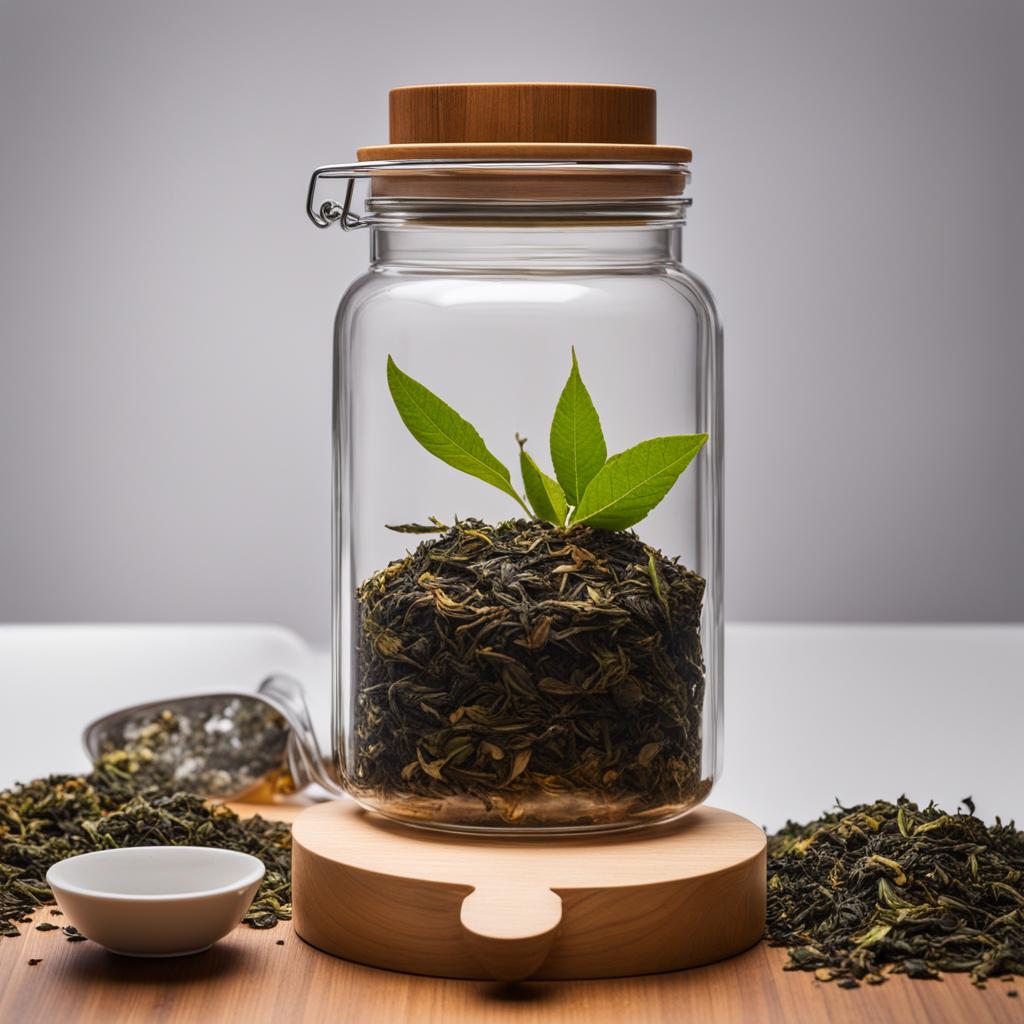
Proper packaging and sealing play a crucial role in maintaining the freshness and quality of tea. Using multi-ply bags with an inner layer of foil or glassine is highly recommended for long-term storage. These bags create a barrier that prevents water, air, or grease from contaminating the tea, ensuring its integrity and flavor.
A tight seal is essential to protect tea from air exposure, which can lead to oxidation and loss of freshness. There are various options available for achieving a secure seal, such as double lids, odor-free silicone seals, and resealable plastic 'zippers'. These sealing mechanisms ensure that the tea stays protected and retains its quality over time.
Investing in quality packaging is essential, even if the tea is initially poorly packaged by the vendor. By transferring the tea to multi-ply bags with a tight seal, you can significantly prolong its shelf life and enjoy its optimal flavor for an extended period.
| Packaging Material | Advantages |
|---|---|
| Multi-ply bags with foil or glassine inner layer | Prevents water, air, and grease contamination |
| Double lids | Ensures a secure seal and protects against air exposure |
| Odor-free silicone seals | Creates an airtight environment for tea storage |
| Resealable plastic 'zippers' | Provides convenience and maintains freshness |
Fresh Tea Storage: Buying in Small Quantities
To ensure the best flavor and freshness of your tea, it is recommended to buy fresh tea in small quantities. While some teas, such as aged pu-erhs or oolongs, are suitable for long-term storage, most teas are best consumed when they are at their freshest and most vibrant. By purchasing tea in smaller amounts, you can enjoy the full flavor profile and aroma of the tea without the risk of it becoming stale or losing its potency over time.
Buying fresh tea in small quantities allows you to have greater control over your inventory and ensure that you are always consuming tea that is of the highest quality. It also allows you to explore different tea varieties and flavors without committing to a large quantity that may eventually lose its freshness. Small quantities of tea are more likely to be consumed within a reasonable time frame, maximizing the enjoyment of each cup.
While buying fresh tea in small quantities is ideal, it's important to consider availability. If fresh tea is not readily accessible in your area, you may want to explore online options and inquire with your favorite tea vendors if they offer shipping services. This way, you can still enjoy the benefits of fresh tea even if local options are limited.
Tips for Buying Fresh Tea in Small Quantities:
- Look for trusted tea vendors who prioritize freshness and quality.
- Consider purchasing sample sizes or sampler packs to try different teas before committing to larger quantities.
- Check for the harvest date or ask the vendor for information on the tea's freshness.
- Examine the packaging to ensure it is designed for long-term freshness.
- Store the tea properly in airtight containers away from light, heat, moisture, and strong odors to maintain its quality.
By following these tips and buying fresh tea in small quantities, you can enjoy the true essence of each tea and savor the unique flavors and aromas that make tea such a delightful beverage.
Does Tea Expire? Understanding Shelf Life
Tea does not have a strict expiration date, but it can become stale over time. Most teas come with a best-before date, which indicates that the tea's flavors should remain the same until that date if stored properly. However, tea can lose its freshness and develop a weaker flavor over time. It is important to consume tea before it becomes stale, especially if it is not an aged tea.
Stale tea can occur due to tea deterioration, where the tea leaves lose their flavor and aroma over time. This deterioration can happen when the tea is exposed to factors such as light, heat, moisture, odor, and air. These elements can degrade the quality of the tea, causing it to become stale and less enjoyable.
To prevent tea from becoming stale, it is crucial to store it properly. This includes keeping it in an airtight container, away from direct light and heat sources. Storing tea in a cool, dark place can help preserve its flavors for a longer period. Additionally, buying tea in smaller quantities and consuming it within a reasonable time frame can ensure that you enjoy it at its freshest.
By understanding the shelf life of tea and taking proactive measures to store it correctly, you can savor the full flavors and aromas of your favorite blends. Remember to check the best-before date on your tea packaging, and if in doubt, use your senses to determine if the tea has become stale. Tea is meant to be enjoyed fresh, so make the most of its flavors while they last.
Table: Factors Affecting Tea Shelf Life
| Factors | Effect on Tea Shelf Life |
|---|---|
| Exposure to light | Can lead to flavor and aroma degradation |
| Exposure to heat | Can cause tea to become stale and lose its freshness |
| Moisture | Can lead to tea deterioration and loss of quality |
| Odor exposure | Can result in flavor contamination and affect the taste of tea |
| Air exposure | Can cause tea to lose its freshness and develop a weaker flavor |
How to Prevent Flavor Absorption and Oxidation
When it comes to storing tea, two important factors to consider are flavor absorption and oxidation. Both can greatly impact the taste and quality of your tea. To ensure that your tea retains its original flavor, it is vital to store it in an airtight container.
Tea is known for easily absorbing other flavors, which can alter its taste. To prevent flavor absorption, I recommend storing your tea in a container that seals tightly, such as a resealable jar or pouch. This will help protect it from any surrounding smells or odors.
Moreover, oxidation can significantly affect the taste of certain types of tea, especially green teas. By storing your tea in an airtight container, you limit its exposure to air, which helps preserve its freshness and prevent oxidation. This is particularly important if you want to enjoy the full flavor and aroma of your tea.
So, whether you're a fan of delicate green teas or robust black teas, remember to keep them in an airtight container. Doing so will ensure that your tea maintains its flavor and quality for a longer period.
Table: Tips for Light and Heat Storage
| Tips | Explanation |
|---|---|
| Store tea away from direct light | Prevents light degradation and flavor loss |
| Avoid glass or see-through containers | Blocks light penetration |
| Choose opaque containers or tins | Provides a dark environment for tea storage |
| Keep tea in a cool location | Prevents heat degradation and flavor loss |
| Avoid storing tea near heat sources | Minimizes exposure to high temperatures |
| Store tea in a closed cupboard or pantry | Offers a consistent and cool environment |
The Importance of Avoiding Odor Contamination
When it comes to proper tea storage, one of the key factors to consider is avoiding strong odors. Tea has a remarkable ability to absorb odors, and this can have a significant impact on its flavor. Storing tea near strongly scented items, such as spices or coffee, can result in your tea taking on these unwanted aromas. To preserve the original flavors of your tea, it is crucial to store it away from anything with a strong smell.
Aromatic areas in your kitchen or home should also be avoided when storing tea. Even if you're a fan of the scents wafting from your favorite candles or essential oils, these aromatic areas can permeate the packaging of your tea and alter its taste. To ensure that your tea maintains its intended flavor profile, store it in a separate location away from any strongly scented items.
Separating scented teas from pure teas is another important step in avoiding odor contamination. Different tea blends can have distinct aromas, and when stored together, these scents can mix and affect the taste of each tea. To fully appreciate the unique flavors of your teas, it's best to keep scented and unscented teas in separate containers or compartments.
Table: Best Practices for Avoiding Odor Contamination
| Store Tea Away From... | Avoid Aromatic Areas | Separate Scented and Unscented Teas |
|---|---|---|
| Coffee beans | Candles and essential oils | Herbal blends |
| Spices | Fragrant flowers | Aromatic fruit infusions |
| Strongly scented foods | Freshly brewed coffee or tea | Pure black, green, or white teas |
By being mindful of the potential for odor contamination, you can ensure that your tea maintains its natural and intended flavors. Storing tea in a separate area away from strong odors, avoiding aromatic zones, and keeping scented teas separate from pure teas are all key steps in preserving the quality of your favorite brews.
The Importance of Keeping Tea Dry
Proper dry storage is crucial for maintaining the freshness and quality of tea. Preventing moisture absorption is essential to ensure that the tea retains its flavor and aroma. Storing tea in the refrigerator or freezer may seem like a good idea, but it can actually lead to moisture damage due to condensation. Therefore, it is best to avoid storing tea in these environments.
In order to protect tea from moisture, it is recommended to store it in a cool, dry place. A closed cupboard or pantry is an ideal location. It is important to note that matcha and other tea powders are exceptions to this rule. While they can be stored in the refrigerator or freezer, it is still advisable to keep them separate from other food items to prevent odor absorption.
By ensuring that tea remains dry until it is steeped, you can preserve its freshness and enjoy a flavorful cup every time. So, remember to store your tea in a dry location away from moisture, and avoid the common misconception of refrigerating or freezing it.
| Moisture Level | Impact on Tea |
|---|---|
| High Moisture | Causes tea to become damp and lose flavor |
| Excess Moisture | Can lead to mold growth and spoilage |
| Dry Environment | Preserves tea freshness and flavor |
As shown in the table above, maintaining a dry environment is crucial for tea storage. High moisture levels can cause tea to become damp and lose its flavor. Excess moisture, on the other hand, can lead to mold growth and spoilage. By storing tea in a dry location, you can preserve its freshness and enjoy the full flavor of your favorite blends.
Tips for Buying and Using Tea
When it comes to buying tea, there are a few tips and tricks to keep in mind to ensure that you are getting the best quality and flavor. Here are some recommendations for buying and using tea:
- Look for teas from a recent harvest: Tea is at its freshest when it is newly harvested. Look for teas that are labeled as being from a recent harvest to ensure optimal flavor and quality.
- Consider buying in bulk: If you are a regular tea drinker, buying in bulk can be a cost-effective option. However, it's important to assess your tea-drinking habits and buy only what you can consume within the recommended shelf life.
- Start with sample sizes: If you're trying out a new type of tea, it's a good idea to start with a sample size. This allows you to taste the tea and determine if you enjoy the flavor before committing to a larger quantity.
By following these tips, you can ensure that you are buying and using tea in the most optimal way. Whether you're a tea connoisseur or just starting to explore the world of tea, these guidelines will help you make the most of your tea-drinking experience.
Image source: https://seowriting.ai/32_6.png
Conclusion
Properly storing tea is crucial for preserving its freshness, flavor, and overall quality. By following a few simple guidelines, you can ensure that your favorite blends remain delicious and enjoyable for longer.
First and foremost, it is important to avoid factors that can compromise the tea's integrity. Keeping tea away from light, heat, moisture, odor, and air is essential. These elements can quickly degrade the tea and lead to a loss of flavor and aroma.
Additionally, the location where you store your tea plays a significant role in its preservation. Storing tea in a dark cabinet or completely opaque container, away from any strong odors, is recommended. It is also advisable to separate scented teas from pure teas to maintain their original flavors.
Choosing the right storage materials is equally important. Opaque packaging, such as glazed ceramics, non-reactive metals, or non-leaching plastics, can help prevent light from penetrating the tea. It is advisable to use containers with airtight seals to protect the tea from air exposure.
By adopting these practices and being mindful of the shelf life of different teas, you can ensure that your tea stays fresh, flavorful, and enjoyable. So, take the time to store your tea properly and savor every sip.
Source Links
- https://www.thespruceeats.com/how-to-store-tea-properly-766319
- https://theteacupoflife.com/2022/04/how-to-store-tea-properly-keep-it-fresh-longer.html
- https://www.realsimple.com/food-recipes/shopping-storing/food/tea-storage
Frequently asked questions
- How should I store tea to keep it fresh?
Proper tea storage involves avoiding light, heat, moisture, odor, and air exposure. Store tea in an airtight container, in a dark cabinet, away from direct light and heat sources.
- Why is it important to store tea in a dark cabinet or opaque container?
Storing tea away from light helps preserve its flavor and aroma. Opaque containers prevent light from penetrating the tea and causing degradation.
- What materials are suitable for storing tea?
Suitable materials for tea storage include glass, metal, tin, ceramic, and opaque, non-leaching plastics. Avoid using containers made of wood, as they may have odors that can affect the tea's taste.
- How should tea be packaged to maintain its freshness?
Tea should be packaged in multi-ply bags with an inner layer of foil or glassine for long-term storage. Ensure a tight seal on the packaging to protect the tea from air exposure.
- Should I buy fresh tea in small quantities?
It is recommended to buy fresh tea in small quantities to ensure the best flavor and freshness. Long-term storage is generally reserved for aged teas.
- Does tea have an expiration date?
Tea does not have a strict expiration date, but it can become stale over time. Most teas come with a best-before date, indicating that the tea's flavors should remain the same until that date if stored properly.
- How can I prevent flavor absorption in tea storage?
Store tea in an airtight container to prevent it from absorbing other flavors. This is especially important for keeping the taste of green teas intact.
- What role does light and heat play in tea storage?
Light and heat can degrade the freshness and quality of tea. It is important to store tea away from direct light and heat sources to preserve its flavor and aroma.
- How can I prevent odor contamination in tea storage?
To prevent flavor contamination, store tea away from strongly scented items and separate teas with different scents. This helps maintain the original flavors of the teas.
- Why is it important to keep tea dry?
Tea should be kept dry at all times to prevent moisture absorption, which can affect its quality. Avoid storing tea in the refrigerator or freezer to prevent condensation and moisture damage.
- Should I consider buying tea from a recent harvest?
Purchasing tea from a recent harvest ensures a longer shelf life. When buying in bulk, it is important to assess your tea-drinking habits and consume tea within its recommended shelf life.
- How can I make sure that my tea stays fresh and delicious?
By following proper tea storage techniques, such as avoiding light, heat, moisture, odor, and air, and using suitable materials and packaging, you can ensure that your tea stays fresh and delicious for longer.
AprilCook, recipe developer and the heart of Chefwiz. More about April