Guide
Unsure How to Tell if Ground Beef is Bad? I Have the Answers!
Find out how to tell if ground beef is bad using my easy-to-follow guide. Keep your meals safe and savor the flavor with expert advice!
 By April19 min read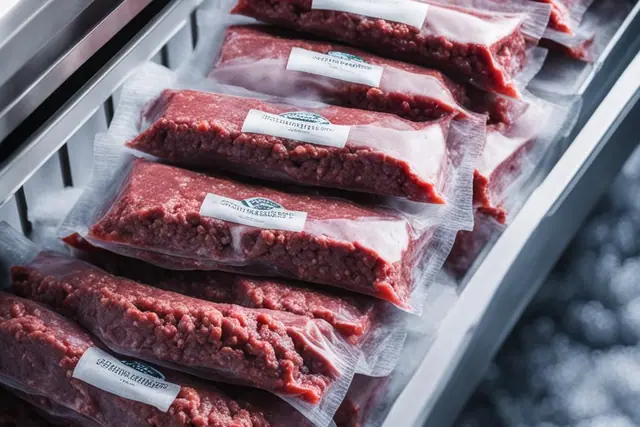
In this guide
- How Long Does Ground Beef Last?
- Signs of Bad Ground Beef
- How to Store Ground Beef
- How to Freeze Ground Beef
- How to Thaw Ground Beef
- How to Tell if Cooked Ground Beef is Bad
- How Long Does Cooked Ground Beef Last in the Fridge?
- How to Store Cooked Ground Beef in the Fridge
- What Does Bad Cooked Ground Beef Taste Like?
- What Does Bad Beef Smell Like?
- How to Preserve Cooked Ground Beef
- Ground Beef Safety Guidelines
- Conclusion
- Source Links
- FAQ
Hey there, meat lovers! We all know that ground beef is a staple in many delicious recipes, from juicy burgers to savory meatballs. But what happens when your once-fresh ground beef starts to raise some doubts? How can you tell if it's gone bad?
Worry not, because I've got you covered. In this article, I'll walk you through the signs of spoilage, proper storage techniques, and even how to determine if cooked ground beef is still safe to eat. So put on your apron, and let's dive into the world of ground beef freshness!
https://www.youtube.com/watch?v=MpPOfSP9JkM
How Long Does Ground Beef Last?
Ground beef is a versatile ingredient that is commonly used in various dishes. However, it's important to know how long ground beef can last to ensure its freshness and safety. Proper storage is crucial in maintaining the quality and shelf life of ground beef.
Raw ground beef can be refrigerated for 1 to 2 days before it starts to spoil. To extend its shelf life, ground beef can be stored in the freezer for up to 4 months. It is important to check the expiration and sell-by dates on ground beef packaging to ensure its freshness.
When storing ground beef in the refrigerator, it should be kept in the coldest part, typically toward the back. Raw ground beef should be refrigerated for 1 to 2 days, while cooked ground beef can be refrigerated for 3 to 4 days. If you're not planning to use the ground beef within these timeframes, it's best to freeze it to maintain its quality.
Proper storage and handling of ground beef are essential to prevent foodborne illnesses. By understanding how long ground beef lasts and following recommended guidelines, you can ensure the safety and enjoyment of this popular ingredient.
Signs of Bad Ground Beef
When it comes to ground beef, it's important to be able to identify signs of spoilage to ensure your safety and the quality of your meals. Here are some key indicators to look out for:
- Color: One of the easiest ways to determine if ground beef has gone bad is by its color. Fresh ground beef is typically bright red or pink. If you notice any discoloration, such as a gray or greenish tint, it's best to discard it.
- Texture: The texture of ground beef can also give you clues about its freshness. If the meat feels slimy or sticky to the touch, it is a sign of spoilage and should not be consumed.
- Smell: Your sense of smell is another powerful tool in detecting bad ground beef. If the meat has a sour, ammonia-like, or unpleasant odor, it is a clear indication that it has gone bad and should be thrown away.
Remember, these signs of spoilage apply to both raw and cooked ground beef. It's always better to err on the side of caution and discard any meat that shows these indications. Properly handling, storing, and cooking ground beef is crucial for maintaining food safety and enjoying delicious meals.
| Signs of Bad Ground Beef | Indicators |
|---|---|
| Color | Gray, greenish tint |
| Texture | Slimy or sticky |
| Smell | Sour, ammonia-like, or unpleasant odor |
Understanding the signs of bad ground beef is essential for ensuring food safety and minimizing the risk of foodborne illnesses. By being vigilant and attentive to color, texture, and smell, you can confidently determine if the ground beef is fit for consumption or if it needs to be discarded.
How to Store Ground Beef
When it comes to storing ground beef, proper handling and storage techniques are essential to maintain its freshness and prevent bacterial contamination. Follow these guidelines to ensure that your ground beef stays safe and delicious:
Refrigeration
After purchasing ground beef, it's important to store it in the refrigerator as soon as possible. Raw ground beef should be kept in the coldest part of the fridge, usually towards the back, at a temperature of 40°F (4°C) or below. This will help slow down the growth of bacteria and maintain the quality of the meat.
Raw ground beef can be refrigerated for 1 to 2 days before it starts to spoil. It's best to consume or cook the meat within this time frame to ensure its freshness. If you don't plan on using it right away, you can also freeze it for later use.
Freezing
If you need to store ground beef for a longer period, freezing is a great option. Before freezing, ensure that the ground beef is properly packaged to prevent freezer burn and maintain its quality. Tightly wrap the meat in plastic wrap, foil, or freezer-safe zip-top bags. You can also flatten the meat to save storage space.
Ground beef can be stored in the freezer for up to 4 months without compromising its taste and texture. However, it's important to note that the longer the meat is frozen, the more its quality may deteriorate. Therefore, it's always recommended to consume the frozen ground beef within the suggested time frame for the best results.
By following these storage guidelines, you can keep your ground beef fresh, safe, and ready for your next delicious meal.
| Ground Beef Storage Guidelines | Refrigeration | Freezing |
|---|---|---|
| Temperature | 40°F (4°C) or below | 0°F (-18°C) or below |
| Shelf Life | 1 to 2 days | Up to 4 months |
| Storage Method | Keep in the coldest part of the refrigerator | Tightly wrap in plastic wrap, foil, or freezer-safe bags |
How to Freeze Ground Beef
When it comes to preserving ground beef for later use, freezing is a reliable method. Freezing can extend the shelf life of ground beef and ensure that it stays fresh and safe to consume. Here are some steps to follow when freezing ground beef:
- Choose freezer-safe packaging: It is essential to use appropriate packaging when freezing ground beef. You can tightly wrap the meat in plastic wrap or aluminum foil. Alternatively, you can use freezer-safe zip-top bags, removing as much air as possible to prevent freezer burn.
- Properly label the packaging: To ensure easy identification, label the packaging with the date of freezing. This will help you keep track of how long the ground beef has been in the freezer.
- Flatten the ground beef: Flatten the ground beef before freezing to save storage space. This allows for more efficient freezing and quicker thawing when you're ready to use it.
- Store in the coldest part of the freezer: Place the packaged ground beef in the coldest part of your freezer, typically the back. This ensures that it freezes quickly and maintains its quality.
By following these steps, you can freeze ground beef effectively and keep it fresh for future use. It's important to note that frozen ground beef can be safely stored for up to 4 months. After that, its quality may start to deteriorate.
| Freezing Ground Beef | Duration |
|---|---|
| Freezer Storage | Up to 4 months |
Remember, freezing ground beef is a convenient way to preserve it, but proper thawing and cooking methods should be followed to ensure food safety. Always thaw ground beef in the refrigerator or using other safe methods before cooking.
Now that you know how to freeze ground beef properly, you can stock up when it's on sale or save leftovers for later use. Freezing is a great way to prevent food waste and ensure that you always have ground beef on hand when you need it.
How to Thaw Ground Beef
Thawing ground beef properly is essential to maintain its quality and ensure food safety. There are a few different methods you can use, depending on how quickly you need to thaw the meat.
Refrigerator Thawing
The best and safest method for thawing ground beef is in the refrigerator. This slow thawing process allows the meat to defrost gradually, minimizing the growth of bacteria. To thaw ground beef in the refrigerator, follow these steps:
- Place the frozen ground beef in a shallow dish or on a plate to catch any drips.
- Transfer the dish to the refrigerator and allow the meat to thaw overnight.
- Ensure that the refrigerator temperature is set below 40°F (4°C) to prevent bacterial growth.
Remember to plan ahead and allow enough time for the ground beef to thaw completely before you plan to use it.
Microwave Thawing
If you need to thaw ground beef more quickly, you can use the microwave. However, this method requires extra caution to prevent uneven cooking or the partial cooking of the meat. Follow these steps for microwave thawing:
- Place the frozen ground beef on a microwave-safe plate and cover it loosely with a microwave-safe lid or plastic wrap.
- Set the microwave to the defrost setting or use 30% power if there is no defrost setting.
- Thaw the ground beef in short intervals, typically 2-3 minutes, and rotate or flip it between intervals to ensure even thawing.
- Check the temperature of the ground beef frequently with a food thermometer to ensure it reaches a safe temperature of 40°F (4°C) or above.
Cold Water Thawing
If you need to thaw ground beef quickly and don't have access to a microwave, you can use the cold water thawing method. This method is faster than refrigerator thawing but requires more active monitoring. Follow these steps for cold water thawing:
- Make sure the ground beef is tightly sealed in a leak-proof plastic bag to prevent water from entering.
- Fill a large bowl or sink with cold tap water and submerge the sealed package of ground beef.
- Change the water every 30 minutes to keep it cold.
- Continue thawing the ground beef until it is fully defrosted. Small packages may thaw in about an hour, while larger ones may take several hours.
Regardless of the thawing method you choose, it is important to cook the ground beef immediately after it has thawed to a safe temperature to ensure food safety.
How to Tell if Cooked Ground Beef is Bad
Cooked ground beef, just like raw ground beef, can go bad if not stored or handled properly. It's important to know the signs of spoilage to ensure food safety. Here are some key indicators to look out for:
Color:
One of the first signs that cooked ground beef may be bad is a change in color. If the meat has turned brown or gray, it is best to discard it. Fresh cooked ground beef should have a vibrant brown color.
Texture:
The texture of cooked ground beef can also give you clues about its freshness. If the meat feels slimy or sticky to the touch, it is a sign of spoilage. Fresh cooked ground beef should have a firm texture.
Smell:
Another important factor to consider is the smell. If the cooked ground beef has a sour or unpleasant odor, it is a clear indication that it has gone bad. Trust your senses and discard the meat if it doesn't smell right.
Remember, when in doubt, it is always better to err on the side of caution and throw away cooked ground beef that you suspect may be bad. Food safety should always be a top priority to prevent foodborne illnesses.
| Signs of Bad Cooked Ground Beef | Indicators of Fresh Cooked Ground Beef |
|---|---|
| Brown or gray color | Vibrant brown color |
| Slime or stickiness | Firm texture |
| Sour or unpleasant odor | No unusual smell |
It is important to note that these signs are not definitive proof of spoilage but can serve as strong indicators. If you have any doubts about the safety or freshness of cooked ground beef, it is best to discard it to avoid any potential health risks.
How Long Does Cooked Ground Beef Last in the Fridge?
When it comes to cooked ground beef, it's important to know how long it can be safely stored in the refrigerator. Proper storage can help maintain the quality and freshness of the meat, while also ensuring food safety. So, how long does cooked ground beef last in the fridge?
According to food safety guidelines, cooked ground beef can be refrigerated for 3 to 4 days. It is crucial to store the meat in a shallow, airtight container to prevent bacterial contamination. This not only helps preserve the flavor and texture of the meat but also minimizes the risk of foodborne illnesses.
To maximize the shelf life of cooked ground beef, it should be stored in the coldest part of the refrigerator, which is typically the back. It's essential to maintain a refrigerator temperature of 40°F (4°C) or below to ensure food safety.
After the 3 to 4-day mark, it is recommended to discard any remaining cooked ground beef to avoid the potential risks of consuming spoiled food. When in doubt, trust your senses. If the meat develops an off smell, unusual texture, or an off taste, it's best to err on the side of caution and avoid consuming it.
Table: Storage Guidelines for Cooked Ground Beef in the Fridge
| Storage Time | Temperature | Storage Container |
|---|---|---|
| 3 to 4 days | 40°F (4°C) or below | Shallow, airtight container |
Remember, when it comes to food safety, it's always better to be safe than sorry. By following proper storage guidelines and paying attention to the signs of spoilage, you can enjoy cooked ground beef safely and without any concerns.
How to Store Cooked Ground Beef in the Fridge
After enjoying a delicious meal of cooked ground beef, it's important to store any leftovers properly to maintain their freshness and ensure food safety. One of the best ways to store cooked ground beef in the fridge is by using an airtight container.
When choosing a container, opt for one that is leak-proof and tightly sealed. This will help prevent any cross-contamination and keep your cooked ground beef from absorbing any odors from other foods in the fridge. Additionally, using an airtight container will also help preserve the moisture and flavor of the meat.
Place the container of cooked ground beef on the lowest shelf of your refrigerator. This will help prevent any potential drips or spills from contaminating other foods. It's important to keep the temperature inside your fridge at or below 40°F (4°C) to minimize bacterial growth and maintain food safety.
| Storage Tips for Cooked Ground Beef in the Fridge |
|---|
| • Store in an airtight container |
| • Place on the lowest shelf |
| • Maintain a temperature of 40°F (4°C) or below |
By following these storage tips, you can ensure that your cooked ground beef stays fresh and safe to eat for up to 3 to 4 days. Remember to always use your senses to check for any signs of spoilage before consuming any leftovers.
Remember:
"Proper storage is key to maintaining the quality and safety of cooked ground beef. By storing it in an airtight container on the lowest shelf of your refrigerator, you can prolong its freshness and prevent contamination."
What Does Bad Cooked Ground Beef Taste Like?
When it comes to determining whether cooked ground beef has gone bad, your taste buds can be a valuable tool. Bad cooked ground beef will have a sour or unpleasant taste that is noticeably different from fresh, flavorful meat. Trust your senses and avoid consuming ground beef that tastes off.
Aside from a sour taste, bad cooked ground beef may also have a putrid or foul odor. These unpleasant smells are a clear indicator that the meat has spoiled and should not be consumed. It's crucial to prioritize food safety and always err on the side of caution when it comes to questionable meat.
"Bad cooked ground beef will have a sour or unpleasant taste. Trust your senses and avoid consuming ground beef that tastes off."
Remember, cooked ground beef can still go bad even after being stored properly in the refrigerator. If you notice any unusual tastes or smells, it's best to discard the meat and prioritize your health. Don't take chances when it comes to consuming spoiled food.
Summary:
- Bad cooked ground beef has a sour or unpleasant taste.
- It may also have a putrid or foul odor.
- Trust your senses and avoid consuming ground beef that tastes off.
- Discard any cooked ground beef that has gone bad to prioritize food safety.
What Does Bad Beef Smell Like?
When it comes to detecting spoilage in beef, our sense of smell plays a crucial role. Bad beef will emit distinct odors that can be a telltale sign of spoilage. If you notice any of these smells, it is best to discard the meat to avoid any potential health risks.
One of the common smells associated with bad beef is a sour odor. This smell is often described as similar to the scent of spoiled milk or rotten eggs. It indicates the presence of bacteria that have started to break down the meat, causing it to spoil. Another unpleasant smell that can indicate bad beef is an ammonia-like odor. This smell is often associated with aged, spoiled meat. It is important not to consume beef with this odor as it may pose a risk of foodborne illnesses.
"If you detect any of these smells when dealing with ground beef, it is best to discard it to avoid foodborne illnesses."
Another indicator of bad beef is a putrid or foul odor. This smell can be quite strong and unpleasant, often described as a combination of rotting garbage and sulfur. It is essential not to ignore this smell and to dispose of the beef immediately.
Table: Signs of Bad Beef Smell
| Smell | Indication |
|---|---|
| Sour odor | Presence of bacteria, spoilage |
| Ammonia-like odor | Sign of aged, spoiled meat |
| Putrid or foul odor | Strong, unpleasant smell indicating spoilage |
Remember, trust your senses when it comes to assessing the freshness of beef. If you detect any of these smells, it is better to be safe than sorry and discard the meat to protect yourself and others from potential foodborne illnesses.
How to Preserve Cooked Ground Beef
Preserving cooked ground beef is a great way to extend its shelf life and reduce food waste. By storing it properly in airtight containers and utilizing the freezer, you can enjoy the convenience of having cooked ground beef on hand for future meals. Here are some tips on how to preserve cooked ground beef:
Storing in Airtight Containers
After cooking ground beef, allow it to cool completely before transferring it to airtight containers. This will help prevent moisture buildup and reduce the risk of bacterial growth. Choose containers that are leak-proof and properly sealable to maintain freshness and prevent odors from spreading to other foods in the refrigerator.
Freezing for Long-Term Storage
If you want to preserve the cooked ground beef for an extended period, freezing is the way to go. Place the cooled ground beef in freezer-safe containers or zip-top bags, removing as much air as possible to prevent freezer burn. Label the containers with the date of freezing to keep track of its freshness. Frozen cooked ground beef can remain safe to eat for up to 4 months.
Thawing and Reheating
When you're ready to use the preserved cooked ground beef, thaw it in the refrigerator overnight. This slow thawing method ensures even defrosting and maintains the quality of the meat. If you need to thaw the ground beef quickly, you can use the microwave or place the sealed container in cold water, changing the water every 30 minutes. Once thawed, reheat the ground beef thoroughly before consuming to kill any potential bacteria.
| Preservation Method | Storage Duration |
|---|---|
| Refrigeration in Airtight Containers | 3 to 4 days |
| Freezing in Freezer-Safe Containers or Bags | Up to 4 months |
By following these guidelines, you can preserve your cooked ground beef safely and enjoy its versatility in various dishes down the line. Remember to always practice proper food safety measures and discard any cooked ground beef that shows signs of spoilage.
Ground Beef Safety Guidelines
When it comes to handling ground beef, safety should always be the top priority. Proper cooking temperatures, refrigeration, and freezing techniques are key to preventing bacterial contamination and ensuring food safety. Let's dive into some important ground beef safety guidelines:
Cooking Temperature
Ground beef should always be cooked to an internal temperature of 160°F (71°C) to eliminate any harmful bacteria that may be present. Using a food thermometer is the best way to ensure that the meat has reached the proper temperature.
Refrigeration
After purchasing ground beef, it should be promptly refrigerated to maintain freshness and prevent bacterial growth. Raw ground beef can be refrigerated for 1 to 2 days before it starts to spoil. It is important to store it in the coldest part of the fridge, usually towards the back, and keep it separate from other foods to avoid cross-contamination.
Freezing
If you're not planning to use ground beef within a few days, freezing is a great option to prolong its shelf life. To freeze ground beef, tightly wrap it in plastic wrap, foil, or freezer-safe zip-top bags. It can be stored in the freezer for up to 4 months without sacrificing quality.
Bacterial Contamination
Ground beef is more prone to bacterial contamination than whole cuts of meat due to the increased surface area exposed to potential contaminants. It is crucial to follow proper handling and storage practices to minimize the risk of bacterial growth. Always wash your hands thoroughly before and after handling raw ground beef, avoid cross-contamination with other foods, and ensure that it is cooked to the appropriate temperature.
| Safe Minimum Internal Temperatures | Ground Beef |
|---|---|
| Ground Beef | 160°F (71°C) |
Conclusion
In conclusion, ensuring the safety of ground beef is crucial for protecting yourself and others from foodborne illnesses. By following proper storage, handling, and cooking practices, you can maintain food safety and prevent spoilage.
Remember to store raw and cooked ground beef in the refrigerator, making sure to consume it within the recommended time frames. Freezing ground beef is a great option for extending its shelf life, but be sure to package it properly to avoid freezer burn.
When determining if ground beef is bad, trust your senses. Look out for changes in color, texture, and smell. If the meat appears discolored, feels slimy, or has an unpleasant odor, it's best to err on the side of caution and discard it.
By being vigilant about food safety and utilizing the tips and guidelines provided, you can enjoy ground beef without compromising your health. Remember, when it comes to ground beef, it's always better to be safe than sorry.
Source Links
- https://www.wikihow.com/Tell-if-Ground-Beef-Has-Gone-Bad
- https://cullyskitchen.com/how-to-tell-if-cooked-ground-beef-is-bad/
- https://finance.yahoo.com/news/store-ground-beef-safe-easy-195224163.html
Frequently asked questions
- How can I tell if ground beef is bad?
Ground beef can go bad if it smells funky, changes color, or feels slimy. If it has a gray or greenish color, mold, or a sour odor, it should be discarded.
- How long does ground beef last?
Raw ground beef can be refrigerated for 1 to 2 days. It can be stored in the freezer for up to 4 months.
- What are the signs of bad ground beef?
Ground beef that has turned gray, green, or has mold should be discarded. Slimy or sticky ground beef is also a sign of spoilage. If it smells sour or has an unpleasant odor, it is best to throw it away.
- How should I store ground beef?
Ground beef should be stored in the refrigerator as soon as possible after purchasing. It should be kept in the coldest part of the fridge. Raw ground beef can be refrigerated for 1 to 2 days, while cooked ground beef can be refrigerated for 3 to 4 days. For longer storage, ground beef can be frozen.
- How do I freeze ground beef?
To freeze ground beef, wrap it tightly in plastic wrap, foil, or freezer-safe zip-top bags. Flatten the meat to save storage space and ensure it is properly sealed to prevent freezer burn. Ground beef can be frozen for up to 4 months.
- How do I thaw ground beef?
The best and safest way to thaw frozen ground beef is in the refrigerator. If you need a quicker thawing method, the ground beef can be thawed in the microwave or submerged in cold water, changing the water every 30 minutes.
- How can I tell if cooked ground beef is bad?
Cooked ground beef that has changed color, texture, or has an unpleasant smell should not be consumed. If it has turned brown or gray, feels slimy or sticky, or has a sour odor, it should be discarded.
- How long does cooked ground beef last in the fridge?
Cooked ground beef can be safely refrigerated for 3 to 4 days. After that time, it should be discarded to avoid foodborne illnesses.
- How should I store cooked ground beef in the fridge?
Cooked ground beef should be stored in a sealed and leak-proof container in the refrigerator. It should be placed on the lowest shelf to prevent cross-contamination. The temperature inside the fridge should be maintained at or below 40°F (4°C) to ensure food safety.
- What does bad cooked ground beef taste like?
Bad cooked ground beef will have a sour or unpleasant taste. It is best to trust your senses and not consume meat that tastes off.
- What does bad beef smell like?
Bad beef will have a distinct sour or ammonia-like smell. It may also have a putrid or foul odor. If you detect any of these smells when dealing with ground beef, it is best to discard it to avoid foodborne illnesses.
- How can I preserve cooked ground beef?
Cooked ground beef can be preserved by storing it in an airtight, leak-proof container in the refrigerator. For longer-term storage, it can be frozen. Properly wrapped and labeled, cooked ground beef can be stored in the freezer for up to 4 months.
- What are the ground beef safety guidelines?
Ground beef should be cooked to an internal temperature of 160°F (71°C) to ensure the elimination of harmful bacteria. It should be stored in the refrigerator or freezer within a safe time frame to prevent bacterial contamination. Proper handling, storage, and cooking practices are essential for food safety.
AprilCook, recipe developer and the heart of Chefwiz. More about April