Guide
Know Your Veggies: How to Tell if Green Beans are Bad
Unlock the secrets of your produce aisle! Discover how to tell if green beans are bad with these simple tips. Enjoy only fresh and healthy veggies!
 By April16 min read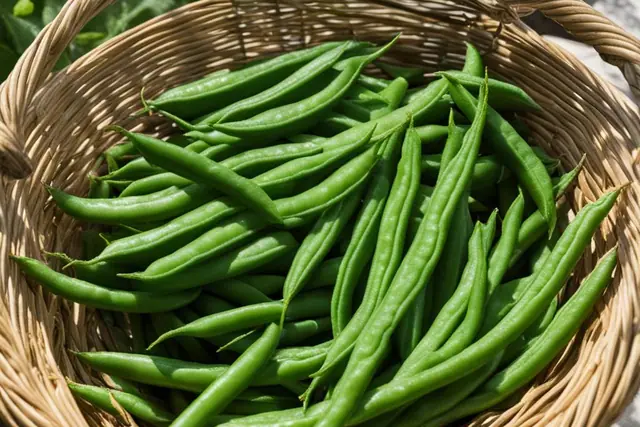
In this guide
- The Visual Inspection: Checking Color and Appearance
- Testing the Texture: Firmness and Snap Test
- Detecting Odor: A Sign of Spoilage
- Proper Storage: Extending Shelf Life
- Nutritional Benefits: Why Green Beans Are Worth It
- Cooking Tips: Delicious Ways to Enjoy Green Beans
- The Lifespan of Fresh Green Beans
- Assessing Green Beans: Visual Guide
- Conclusion
- Additional Tips for Handling and Using Green Beans
- Stay Educated: Expand Your Food Knowledge
- Conclusion
- Source Links
- FAQ
Hey there! Are you a fan of green beans? Well, I sure am! But, have you ever wondered how to tell if those lovely green beans are still fresh or if they've gone bad? Don't worry, I've got you covered! Let's dive into the world of green beans and discover the key indicators that will help you determine their freshness.
https://www.youtube.com/watch?v=fEX3lJVd2A8
Green beans are a popular vegetable in many households, and it's important to know how to spot the signs of spoilage. By paying attention to changes in color, texture, and odor, you can ensure that you're only enjoying the best and healthiest green beans out there.
The Visual Inspection: Checking Color and Appearance
When it comes to determining the freshness of green beans, visual indicators play a crucial role. By carefully examining the color and appearance of the beans, you can quickly identify any signs of spoilage. Here are the key things to look out for:
- Color: Fresh green beans should have a vibrant green color. If you notice any yellowing or browning, it's a clear indication that the beans have gone bad.
- Appearance: Take a close look at the beans for any spots, blemishes, or discoloration. These can be signs of spoilage and should be avoided.
By visually inspecting the green beans before cooking or consuming them, you can ensure that you only enjoy fresh and healthy produce.
| Condition | Appearance |
|---|---|
| Fresh | Vibrant green color, no spots or blemishes |
| Bad | Yellow or brown color, spots or discoloration |
Visual indicators are an effective way to assess the quality of green beans. Remember to trust your instincts and discard any beans that show signs of spoilage. Now that you know what to look for, let's move on to the next section to explore additional methods of determining the freshness of green beans.
Testing the Texture: Firmness and Snap Test
When it comes to assessing the freshness of green beans, texture plays a crucial role. Fresh beans should have a firm and crisp feel to them, indicating their optimal quality. To test the texture of green beans, try the firmness and snap test.
The firmness test involves gently pressing the beans with your fingers. Fresh green beans should feel firm and sturdy, almost like they have a slight snap to them. If the beans feel soft or mushy, it's a clear sign that they have started to spoil.
Another method to determine the texture of green beans is the snap test. Simply take a bean and try bending it in half. A fresh bean will snap easily, breaking cleanly without any resistance. If the bean bends without breaking or feels rubbery, it's an indication of spoilage.
Testing the Texture: Firmness and Snap Test
| Texture Test | Result |
|---|---|
| Firmness Test | Firm and crisp |
| Soft or mushy | |
| Snap Test | Snaps easily |
| Bends without breaking or feels rubbery |
By performing these simple tests, you can quickly determine whether your green beans are fresh or past their prime. Remember, freshness is key when it comes to flavor and nutritional value, so don't hesitate to assess the texture of your green beans before using them in your favorite recipes.
Detecting Odor: A Sign of Spoilage
When it comes to determining the freshness of green beans, one important indicator to consider is odor. While not all varieties of green beans develop a distinct smell when they go bad, a sour or unpleasant odor is a clear sign of spoilage. To ensure that you are consuming only fresh and safe green beans, it's essential to trust your sense of smell.
When inspecting the green beans, give them a gentle sniff. Fresh green beans should have a mild, earthy aroma. However, if you detect any off smells, such as a sour or rancid odor, it's best to discard the beans. This odor indicates that the beans have started to decompose and may pose a health risk if consumed.
While odor is an important indicator of spoilage, it's always recommended to consider other signs as well, such as changes in color and texture. By being mindful of these indicators, you can confidently assess the freshness of your green beans and make informed decisions about whether to use or discard them.
Proper Storage: Extending Shelf Life
When it comes to prolonging the shelf life of green beans, proper storage is essential. By following a few simple steps, you can ensure that your green beans stay fresh and delicious for longer.
To start, it's important to store your green beans in a cool and dry place, such as the refrigerator. This helps slow down the spoiling process and maintains their crispness. To prevent moisture buildup, place the beans in a plastic bag or an airtight container before placing them in the fridge.
If you're looking to extend the shelf life of your green beans even further, consider blanching and freezing them. Blanching involves briefly boiling the beans and then cooling them in ice water. This process helps maintain their color and texture. Once blanched, the beans can be stored in the freezer for up to 8 months, allowing you to enjoy them long after their peak season.
| Storage Method | Shelf Life |
|---|---|
| Refrigerator (plastic bag or airtight container) | 5-7 days |
| Freezer (blanched) | Up to 8 months |
"Proper storage is key to extending the shelf life of green beans. Storing them in the refrigerator and considering blanching and freezing can help preserve their freshness for longer periods of time."
By implementing these storage methods, you can minimize waste and always have fresh green beans on hand for your favorite recipes. Whether you're steaming, roasting, or stir-frying them, properly stored green beans will add a vibrant and nutritious element to your meals.
Nutritional Benefits: Why Green Beans Are Worth It
When it comes to nutritional benefits, green beans are a true powerhouse. These vibrant vegetables are not only delicious but also packed with essential nutrients that contribute to overall health and well-being.
One of the key advantages of green beans is their high protein content. Protein is an essential macronutrient that plays a vital role in building and repairing tissues, as well as supporting a healthy immune system. Incorporating green beans into your diet can help boost your protein intake and support muscle growth and repair.
In addition to protein, green beans are an excellent source of fiber. Fiber is important for maintaining a healthy digestive system and can help regulate blood sugar levels and lower cholesterol. By including green beans in your meals, you can increase your fiber intake and promote better digestion and heart health.
Furthermore, green beans are rich in essential vitamins and minerals, including vitamins K, A, and C. These vitamins are known for their antioxidant properties, which help protect cells from damage caused by harmful free radicals. Additionally, green beans contain folate and potassium, which are crucial for maintaining healthy blood pressure levels and supporting brain function.
The Nutritional Benefits of Green Beans:
- High protein content for muscle growth and repair
- Rich in fiber for better digestion and heart health
- Abundant in vitamins K, A, and C for antioxidant protection
- Excellent source of folate and potassium for blood pressure and brain function
With their impressive nutritional profile, green beans are a valuable addition to any diet. Whether steamed, roasted, or included in a tasty recipe, these versatile vegetables offer a range of health benefits that are worth exploring.
Cooking Tips: Delicious Ways to Enjoy Green Beans
Green beans are a versatile ingredient in the culinary arts, offering a wide range of possibilities for creating delicious dishes. Whether you prefer steaming, roasting, grilling, or incorporating them into casseroles, there are countless ways to enjoy the natural flavors and textures of green beans.
Here are some creative cooking tips and recipes to inspire your culinary adventures:
Steamed Green Beans with Garlic Butter
Simple yet flavorful, steamed green beans with garlic butter make a quick and healthy side dish. Fill a pot with an inch of water, bring it to a boil, and place the green beans in a steamer basket. Steam them for about 5-7 minutes until they are tender but still crisp. In a separate pan, melt butter and sauté minced garlic until fragrant. Toss the steamed green beans in the garlic butter, season with salt and pepper, and serve hot.
Roasted Green Beans with Parmesan
Roasting green beans enhances their natural sweetness and adds a delicious crispy texture. Preheat your oven to 425°F (220°C), spread the green beans on a baking sheet, and drizzle them with olive oil. Season with salt, pepper, and garlic powder. Toss the beans to evenly coat them with the seasonings, then roast for 15-20 minutes or until they are tender and slightly caramelized. Sprinkle with grated Parmesan cheese before serving.
Grilled Green Bean Salad
Grilling green beans gives them a smoky flavor and charred finish, perfect for creating a vibrant salad. Toss the green beans in olive oil, salt, and pepper, then grill them over medium heat for 3-4 minutes per side until they are tender with grill marks. Transfer the grilled beans to a bowl and let them cool slightly. Add cherry tomatoes, sliced red onions, crumbled feta cheese, and a drizzle of balsamic vinaigrette. Mix gently and serve as a refreshing summer salad.
These are just a few examples of how you can elevate the flavors of green beans in your culinary creations. Don't be afraid to experiment with different seasonings, sauces, or cooking techniques to discover your own favorite ways to enjoy this nutritious and versatile vegetable.
The Lifespan of Fresh Green Beans
When it comes to the freshness and shelf life of green beans, it's important to understand how long they can last before they spoil. Proper storage and timely consumption are essential to maintain their quality and prevent any potential health risks.
Fresh green beans can typically last for about 5-7 days when stored properly in the refrigerator. This means placing them in a plastic bag or airtight container to keep them fresh and crisp. It's also important to note that they should be consumed within this time frame to ensure their optimal freshness and taste.
However, if green beans show any signs of spoilage, such as changes in color, texture, or odor, it is best to discard them. Consuming spoiled green beans can lead to foodborne illnesses and unpleasant digestive issues.
| Signs of Spoilage | Action |
|---|---|
| Yellow or brown color | Discard |
| Limp or slimy texture | Discard |
| Sour or unpleasant odor | Discard |
By being aware of these signs and taking proper precautions, you can ensure that you only enjoy fresh and delicious green beans while maintaining food safety.
Assessing Green Beans: Visual Guide
When it comes to determining the freshness of green beans, a visual inspection can provide valuable clues. By observing the color, texture, and appearance of the beans, you can quickly assess if they are still good to eat. Here is a visual guide to help you understand the common signs of spoilage in green beans:
Browning:
If you notice brown spots or discoloration on the beans, it's a sign that they have started to spoil. Fresh green beans should have a vibrant green color throughout.
Mold:
Presence of mold on the beans is a clear indication of spoilage. Mold can appear as fuzzy patches in various colors, including white, blue, or green. Discard any beans with mold to avoid potential health risks.
Slimy Texture:
When green beans become slimy to the touch, it suggests that bacteria have multiplied, leading to spoilage. Fresh beans should feel firm and have a crisp texture. Avoid consuming beans with a slimy texture.
Wrinkling:
Wrinkling or shriveling of the beans is another sign of deterioration. Fresh green beans should be plump and smooth. If they appear shriveled or wrinkled, it's best to discard them.
By referring to this visual guide, you can easily identify common signs of spoilage in green beans and make informed decisions about their freshness. Remember to trust your senses and prioritize food safety when assessing the quality of your produce.
Conclusion
Knowing how to tell if green beans are bad is essential for maintaining food safety and ensuring that you enjoy fresh and flavorful vegetables. By paying attention to key freshness indicators like color, texture, and odor, you can easily determine if green beans are still good to eat. Proper storage and timely consumption can also help prolong the shelf life of green beans, allowing you to enjoy them for longer. Trust your senses and discard any beans that show signs of spoilage to avoid any potential health risks.
In conclusion, here are some tips to help you assess the freshness of green beans:
- Check the color and appearance - fresh green beans should have a vibrant green color, while yellow or brown beans are a clear sign of spoilage.
- Test the texture - fresh beans should feel firm and crisp, and they should snap apart easily when bent.
- Take note of any off smells - a sour or unpleasant odor indicates that the beans have spoiled.
- Store green beans properly in the refrigerator and consume them within 5-7 days for optimal freshness.
By following these tips, you can confidently assess the freshness of green beans and enjoy delicious and healthy vegetables in your meals. Remember to always prioritize food safety and discard any beans that are past their prime.
Additional Tips for Handling and Using Green Beans
When it comes to handling and cooking green beans, there are a few extra tips and tricks that can help you make the most out of this versatile vegetable. Whether you're a seasoned chef or a beginner in the kitchen, these tips will ensure that your green beans turn out delicious every time.
Proper Washing and Trimming
Before cooking green beans, it's important to give them a thorough wash. This helps remove any dirt or debris that may be present. After washing, trim the ends of the beans with a sharp knife or snap them off by hand. This step not only enhances the appearance of the dish but also ensures that the beans cook evenly.
Blanching for Optimal Texture
If you prefer your green beans to have a crisp texture, blanching is the way to go. To blanch green beans, simply cook them in boiling water for a short amount of time, usually 2-3 minutes, and then immediately transfer them to a bowl of ice water to stop the cooking process. This quick cooking method helps retain the vibrant green color and crispness of the beans.
The Perfect Pairings
Green beans pair well with a wide variety of ingredients, so feel free to get creative with your flavor combinations. Some popular pairings include garlic, lemon, almonds, bacon, and Parmesan cheese. You can sauté green beans with garlic and olive oil for a simple and flavorful side dish or toss them with lemon juice and toasted almonds for a refreshing salad. The possibilities are endless!
| Tips | Details |
|---|---|
| Washing and Trimming | Gently wash green beans and trim the ends before cooking. |
| Blanching | Blanch green beans for 2-3 minutes and then transfer them to ice water to retain their crisp texture. |
| Pairings | Experiment with different flavors like garlic, lemon, almonds, bacon, and Parmesan cheese. |
| Storage | Store green beans in a plastic bag or airtight container in the refrigerator to maintain freshness. |
By following these tips and tricks, you can handle and cook green beans like a pro. From proper washing and trimming to blanching for optimal texture, these techniques will help you achieve delicious results. Pair your green beans with complementary ingredients and store them properly to ensure their freshness. Enjoy the versatility and nutritional benefits of green beans in your meals!
Stay Educated: Expand Your Food Knowledge
As a culinary enthusiast, it's essential to continuously expand your food knowledge beyond just knowing how to tell if green beans are bad. By nurturing your curiosity and exploring various topics related to grocery shopping, culinary arts, and food safety, you can enhance your culinary skills and become a more informed cook.
Immerse Yourself in Culinary Arts
To deepen your understanding of the culinary world, consider diving into the vast realm of culinary arts. Explore online resources, such as cooking classes and tutorials, that offer valuable insights into different cooking techniques, flavor combinations, and innovative recipes. Learning from experienced chefs and culinary experts can elevate your cooking skills and inspire you to experiment with new flavors and cuisines.
Master the Art of Grocery Shopping
Grocery shopping may seem like a mundane task, but it plays a significant role in creating delicious and wholesome meals. Take the time to educate yourself on various aspects of grocery shopping, such as understanding food labels, selecting fresh produce, and making sustainable choices. By becoming a savvy shopper, you can ensure that you bring home quality ingredients and support sustainable food practices.
Prioritize Food Safety
Food safety should be a top priority for every cook. Familiarize yourself with best practices for handling, storing, and preparing food to minimize the risk of foodborne illnesses. Learn about proper temperature control, safe cooking temperatures, and effective methods for preventing cross-contamination. By implementing sound food safety practices, you can protect yourself and your loved ones while enjoying the culinary delights you create.
Expand your food knowledge by immersing yourself in culinary arts, mastering the art of grocery shopping, and prioritizing food safety. This continuous learning journey will not only enhance your culinary skills but also deepen your appreciation for the art of cooking and the role food plays in our lives.
Conclusion
In conclusion, I hope this article has helped you understand how to tell if green beans are bad and provided valuable insights into maintaining food safety. Remember, it's essential to check the color, texture, and odor of green beans before consuming them.
To dispose of bad green beans, I recommend composting them rather than throwing them in the regular trash. This not only reduces waste but also helps create nutrient-rich compost for your garden. Simply seal the spoiled beans in a plastic bag to prevent odors and pests, and then add them to your compost bin.
Always prioritize food safety and proper storage to extend the shelf life of green beans. Trust your senses and discard any beans that show signs of spoilage. By following these tips, you can confidently navigate the produce aisle and enjoy the freshest and most delicious green beans.
Source Links
- https://www.eatlikenoone.com/how-to-tell-if-green-beans-are-bad.htm
- https://ginabnutrition.com/veganism/how-to-tell-if-green-beans-are-bad-a-simple-guide/
- https://jennabraddock.com/how-to-tell-if-green-beans-are-too-bad-to-eat/
Frequently asked questions
- How do I know if green beans are bad?
You can check for changes in color, texture, and odor. If the beans have turned yellow or brown, feel limp or slimy, or have a sour or unpleasant odor, they have likely gone bad.
- What should fresh green beans look like?
Fresh green beans should have a vibrant green color and should not have any spots or blemishes on them.
- How should fresh green beans feel?
Fresh green beans should feel firm and crisp to the touch. When you bend them, they should snap apart easily.
- Can green beans go bad even if they don't smell bad?
While some green beans may develop an off smell when they have gone bad, this is not always the case. It's important to check for other signs of spoilage, such as changes in color and texture, even if the beans don't smell bad.
- How should I store green beans to keep them fresh?
Green beans should be stored in a plastic bag or airtight container in the refrigerator. You can also blanch the beans and freeze them for longer storage.
- What are the nutritional benefits of green beans?
Green beans are a good source of protein and fiber, as well as vitamins K, A, and C, folate, and potassium.
- How can I cook green beans?
Green beans can be steamed, roasted, grilled, or cooked in an air fryer. They are also a popular addition to casseroles and can be used in various recipes.
- How long do fresh green beans last?
When stored properly in the refrigerator, fresh green beans can last for about 5-7 days.
- How can I visually determine if green beans are bad?
Signs of spoilage in green beans include browning, mold growth, a slimy texture, and wrinkling. You can refer to our visual guide for more information.
- What should I do with green beans that have gone bad?
If green beans have gone bad, it is best to discard them. You can seal them in a plastic bag before throwing them away to prevent odors and pests or dispose of them in a compost bin.
- What are some additional tips for handling and using green beans?
Properly storing green beans, blanching and freezing them for longer storage, and exploring different cooking methods and recipes can help you get the most out of your green bean cooking experience.
- How can I expand my food knowledge?
To become a more informed and confident cook, consider exploring additional topics related to grocery shopping, culinary arts, and food safety. Online resources such as courses, articles, and tutorials can provide valuable information and enhance your culinary skills.
AprilCook, recipe developer and the heart of Chefwiz. More about April