Guide
Know the Signs: How to Tell if Pork Chops Have Gone Bad
Unsure whether your pork chops have gone bad? I've got a quick guide to help you detect bad pork. Keep your meals safe with "pork chops gone bad" tips!
 By April20 min read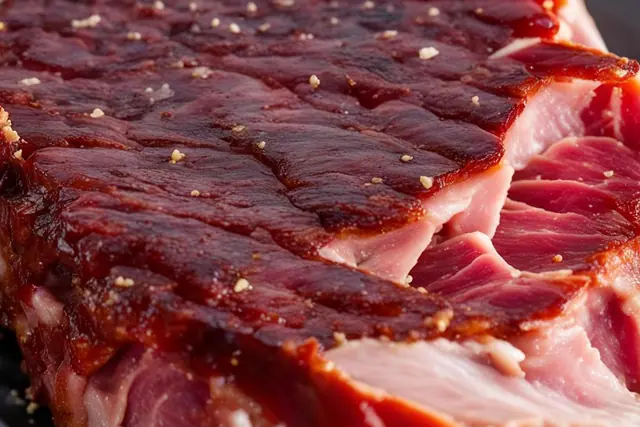
In this guide
- Signs of Bad Raw Pork Chops
- How to Determine If Cooked Pork Chops Are Bad
- Storing Pork Chops Properly
- Health Risks of Eating Bad Pork Chops
- How to Determine If Pork Chops Are Cooked Properly
- Recognizing Spoiled Pork Chops
- What Makes Pork Go Bad
- How Freezing Affects Pork's Shelf Life
- The Importance of Proper Pork Storage
- The Role of Smell and Touch in Assessing Pork Quality
- The Impact of Temperature on Pork Spoilage
- The Importance of Trusting Your Senses
- Conclusion
- Source Links
- FAQ
Hey there, pork chop lovers! Today, I want to talk about a topic that every meat enthusiast should be aware of: how to tell if pork chops have gone bad. As much as we all love a juicy and flavorful pork chop, it's important to know when to steer clear and prevent any unpleasant surprises on your dinner plate.
When it comes to determining if your raw pork chops have gone bad, your senses are your best allies. Pay close attention to their appearance and smell. Here are some signs you should be on the lookout for:
- Color: Fresh pork chops should be pink in color. If they appear grey or dull-looking, it's a clear indication of spoilage.
- Texture: Run your fingers over the surface of the pork chops. Fresh ones should not feel slimy or sticky. If they do, it's a sign that they have gone bad.
- Odor: Take a whiff of the pork chops. Fresh pork should have a clean, fresh smell. If they emit a sour or unpleasant odor, it's best to steer clear.
Remember, trust your senses when assessing the quality of raw pork chops. Now, let's dive deeper into the signs of bad pork chops and how to ensure you're consuming safe and delicious pork.
Signs of Bad Raw Pork Chops
When it comes to determining if raw pork chops have gone bad, there are several key signs to look out for: color, texture, and odor. These indicators can help you assess the freshness and safety of your pork chops.
Color: Fresh pork chops should have a pink color. If they appear grey or dull, it is a sign that they have spoiled.
Texture: Spoiled pork chops may feel slimy or sticky to the touch. Fresh pork chops, on the other hand, should have a moist but not slimy texture.
Odor: One of the most telling signs of spoilage is the odor. Fresh pork chops should have a clean, fresh smell. If they emit a sour or rancid odor, it is best to discard them.
Table: Signs of Bad Raw Pork Chops
| Signs | Indications of Spoilage |
|---|---|
| Color | Grey or dull-looking |
| Texture | Slime or stickiness |
| Odor | Sour or rancid smell |
By being mindful of these signs, you can ensure that you are consuming fresh, safe pork chops. Trust your senses and always prioritize food safety when preparing and consuming pork.
How to Determine If Cooked Pork Chops Are Bad
After enjoying a delicious meal of pork chops, it's essential to know how to determine if any leftovers are still safe to eat. While cooked pork chops can last for a few days when stored properly, signs of spoilage can indicate that they have gone bad and should not be consumed. To ensure the safety of your food, it's crucial to use your senses and look out for specific indicators.
First and foremost, trust your sense of smell. If the cooked pork chops have a foul or unpleasant odor, it is a strong sign that they have spoiled. A sour or rancid smell is a clear indication that bacteria have started to grow, and consuming the meat could lead to foodborne illnesses.
Additionally, check the texture of the cooked pork chops. If they feel slimy or sticky to the touch, it is a sign of spoilage. Fresh cooked pork chops should have a moist yet clean texture. Sliminess indicates bacterial growth and is a warning sign that the meat has gone bad.
By relying on your senses of smell and touch, you can determine if cooked pork chops are still safe to eat. If they have a bad odor or feel slimy, it's best to err on the side of caution and avoid consuming them. Ensuring the safety of your food is key to protecting your health and well-being.
Table: Signs of Spoiled Cooked Pork Chops
| Signs of Spoilage | Indicators |
|---|---|
| Odor | Foul, sour, or rancid smell |
| Texture | Slime or stickiness |
Storing Pork Chops Properly
When it comes to preserving the freshness and quality of pork chops, proper storage is essential. Whether you have raw, uncooked pork chops or cooked leftovers, following the right storage methods will help extend their shelf life and prevent spoilage. Let's explore how to store pork chops correctly to maintain their optimal flavor and safety.
For raw pork chops, it is crucial to keep them refrigerated at all times. Place the pork chops in a tightly sealed container or leave them in their original packaging. This will help prevent cross-contamination and keep the meat fresh. Remember to check the sell-by date and consume the pork chops within 3-5 days if handled properly.
If you have more pork chops than you can consume within a few days, freezing them is a great option. However, it's important to freeze the pork chops before the sell-by date to ensure their quality. Place the pork chops in a tightly sealed container or wrap them tightly in freezer-safe bags to prevent freezer burn. When properly frozen, pork chops can last for up to 6 months in the freezer.
By following these storage guidelines, you can enjoy delicious and safe pork chops for longer periods. Remember to always label your stored pork chops with the date and use your senses to determine their freshness before consuming.
https://www.youtube.com/watch?v=Mdize_3x_IA
| Storage Method | Temperature | Shelf Life |
|---|---|---|
| Refrigeration | Below 40°F (4°C) | 3-5 days after sell-by date |
| Freezing (before sell-by date) | 0°F (-18°C) | Up to 6 months |
Health Risks of Eating Bad Pork Chops
Consuming bad pork chops can pose significant health risks. Pork is more susceptible to bacteria, such as Trichinella spiralis, which can cause a foodborne illness called Trichinosis. This infection occurs when you eat undercooked or raw pork that contains the Trichinella parasite. The parasite can penetrate your intestinal wall, causing symptoms such as abdominal pains, diarrhea, vomiting, fever, and chills. In severe cases, Trichinosis can lead to muscle pain, breathing difficulties, and even heart and brain damage. It is best to avoid eating pork chops that you suspect to be bad to prevent foodborne illnesses and related health risks.
Proper cooking techniques, such as cooking pork chops to the recommended internal temperature, can help kill the Trichinella parasite and reduce the risk of infection. Additionally, practicing good food hygiene, including proper storage and avoiding cross-contamination, is essential to prevent bacterial growth and foodborne illnesses. Always trust your senses and use caution when handling and consuming pork to ensure your health and well-being. If you suspect that you have consumed bad pork or are experiencing any symptoms after eating pork, it is crucial to seek medical advice.
The Symptoms of Trichinosis
The symptoms of Trichinosis typically appear within one to two days after consuming contaminated pork. These symptoms can vary in severity but may include:
- Abdominal pain and cramping
- Diarrhea
- Vomiting
- Fever
- Chills
- Muscle pain and tenderness
- Swelling of the face and eyelids
"I experienced severe abdominal pain and muscle cramps after eating undercooked pork chops. It was a frightening experience, and I had to seek medical attention. I learned the hard way that proper cooking and handling of pork is crucial for your health." - John, Trichinosis survivor
Remember, it is better to be safe than sorry when it comes to consuming pork. Pay attention to the signs of spoilage, cook your pork thoroughly, and practice good food hygiene to protect yourself from health risks associated with bad pork chops.
| Health Risks | Prevention Tips |
|---|---|
| Trichinosis | - Cook pork to at least 145 degrees Fahrenheit - Practice good food hygiene - Avoid eating undercooked or raw pork |
| Foodborne illnesses | - Store pork properly in the refrigerator or freezer - Avoid cross-contamination with other foods - Use your senses to assess pork quality |
How to Determine If Pork Chops Are Cooked Properly
When it comes to cooking pork chops, it's essential to ensure they are cooked properly to guarantee food safety. One of the most reliable ways to determine if pork chops are adequately cooked is by using a meat thermometer to measure their internal temperature. By following the recommended temperature guidelines, you can be confident that your pork chops are safe to eat.
According to the USDA, pork chops should reach an internal temperature of at least 145 degrees Fahrenheit. This temperature should be measured after a 3-minute rest period. However, for added safety, you can choose to cook them to 160 degrees Fahrenheit. It's crucial to insert the thermometer into the thickest part of the chop without touching the bone to get an accurate reading.
By using a meat thermometer, you can ensure that your pork chops reach the desired temperature, eliminating any potential risks of undercooked meat. The internal temperature is the most reliable indicator of doneness and guarantees food safety. Trusting the thermometer and following the recommended guidelines is crucial for enjoying a perfectly cooked pork chop.
| Pork Chop Doneness | Internal Temperature |
|---|---|
| Medium-Rare | 145°F |
| Medium | 160°F |
| Well-Done | 170°F |
Remember, the recommended internal temperature for pork chops ensures not only food safety but also optimal taste and texture. Overcooking can result in dry and tough pork chops, while undercooking can put your health at risk. By using a meat thermometer, you can achieve the perfect level of doneness and enjoy delicious, safe-to-eat pork chops every time.
Recognizing Spoiled Pork Chops
When it comes to the freshness and safety of pork chops, recognizing the signs of spoilage is crucial. By trusting your senses and paying attention to certain indicators, you can determine if your pork chops have gone bad.
First, let's talk about the appearance. Fresh pork chops should have a vibrant pink color. Any discoloration, such as a grey or dull appearance, is a clear sign of spoilage. Additionally, inspect the texture. Spoiled pork chops may feel slimy or sticky, indicating bacterial growth. In contrast, fresh pork chops should have a moist, but not slimy, texture.
Next, it's important to rely on your sense of smell. Fresh pork chops should have a clean, fresh odor. If you detect any sour or rancid smells, it's a strong indication that the pork chops have gone bad.
By familiarizing yourself with these signs, you can confidently assess the quality of your pork chops and ensure that you are consuming safe and fresh meat. Trust your senses and rely on visual cues, texture, and odor to recognize spoiled pork chops.
Table: Signs of Spoiled Pork Chops
| Signs | Indicators of Spoilage |
|---|---|
| Color | Grey or dull appearance |
| Texture | Slime or stickiness |
| Smell | Sour or rancid odor |
What Makes Pork Go Bad
When it comes to understanding why pork goes bad, several factors come into play. One of the primary culprits is bacteria. Throughout the various stages of pork processing, from the time the animal is alive to the final packaging, bacteria can be introduced and grow rapidly if not properly controlled and managed.
The presence of bacteria in the animal before slaughter, inadequate processing and packaging methods, as well as suboptimal conditions during post-packaging storage, all contribute to spoilage. Stress levels in the animal can also affect the quality of the meat. Bacterial growth is accelerated within the temperature danger zone of 40 to 140 degrees Fahrenheit, making proper handling, processing, and storage crucial in preventing pork from going bad.
The table below summarizes the factors that contribute to pork spoilage:
| Factors | Description |
|---|---|
| Bacteria | Present in the animal before slaughter and can multiply rapidly if not controlled |
| Processing and Packaging Methods | Inadequate methods can introduce bacteria and compromise the quality of the pork |
| Post-Packaging Storage Conditions | Improper storage can lead to bacterial growth and spoilage |
| Stress Levels of the Animal | Stressed animals produce lower quality meat that is more prone to spoilage |
By understanding these factors and taking appropriate measures to ensure proper handling, processing, and storage, you can help prevent pork from going bad and enjoy safe and fresh meat for your meals. Trust your senses when assessing the quality of pork and use the information provided in this article to make informed decisions about the pork you consume.
How Freezing Affects Pork's Shelf Life
When it comes to extending the shelf life of pork, freezing is a popular and effective method. Freezing pork can help maintain its quality and freshness, allowing you to enjoy it at a later date. Proper freezing techniques ensure that the pork remains safe to eat and free from spoilage.
When raw pork chops are properly frozen, they can last for up to 6 months past the sell-by date. It's important to freeze the pork before the sell-by date to prevent any potential spoilage during the thawing process. While freezing slows down bacterial growth, it doesn't completely halt it, so it's essential to assess the quality of defrosted or cooked frozen pork chops using your senses.
The freezing process can affect the texture of the pork chops, making them slightly more tender. However, it's important to note that freezing can cause some moisture loss, which may affect the overall taste and juiciness of the pork chops.
When thawing frozen pork chops, it's best to do so in the refrigerator overnight or under cold running water. This slow and controlled thawing process helps maintain the quality of the meat. Avoid thawing pork chops at room temperature, as this can lead to bacterial growth and potential foodborne illnesses.
| Freezing Pork Chops | Thawing Pork Chops |
|---|---|
| - Freeze pork chops before the sell-by date - Use a tightly sealed container or freezer bag - Label with the date of freezing - Store at 0°F or below |
- Thaw in the refrigerator overnight - Thaw under cold running water - Avoid thawing at room temperature |
By following proper freezing and thawing techniques, you can ensure that your pork chops remain safe and retain their quality. Enjoy delicious pork chops even when they're out of season, thanks to the benefits of freezing!
The Importance of Proper Pork Storage
When it comes to ensuring food safety, proper storage of pork is of utmost importance. By following the right practices for refrigeration, packaging, and respecting the sell-by date, you can significantly reduce the risk of spoilage and related health hazards.
Refrigeration is key to maintaining the freshness and quality of pork. Raw pork chops should always be stored in sealed containers or their original packaging to prevent cross-contamination. Placing them in the coldest part of the refrigerator, usually below 40 degrees Fahrenheit, helps inhibit bacterial growth and ensures their safety.
Pay attention to the sell-by date on your pork packaging and consume the pork chops within 3-5 days if handled properly. Beyond this timeframe, the risk of spoilage increases. Trust your senses when assessing the freshness of pork chops before cooking. Give them a quick smell, look for any unusual discoloration or sliminess, and ensure they feel moist rather than sticky. These simple checks can go a long way in safeguarding your health.
| Food Safety Tips for Proper Pork Storage: |
|---|
| Always refrigerate raw pork chops in sealed containers or their original packaging. |
| Store pork chops in the coldest part of the refrigerator, below 40 degrees Fahrenheit. |
| Check the sell-by date and consume pork chops within 3-5 days. |
| Trust your senses - smell, look, and touch the pork chops for freshness before cooking. |
By implementing proper storage practices, you can maintain the freshness and quality of your pork, ensuring a safe and enjoyable dining experience.
The Role of Smell and Touch in Assessing Pork Quality
In addition to visual cues, your sense of smell and touch play vital roles in determining the quality of pork. When it comes to assessing the freshness and safety of pork chops, trusting your senses is essential.
Firstly, let's talk about smell. Fresh pork should have a clean, fresh smell. If something smells off or unpleasant, it may indicate that the pork has gone bad. On the contrary, spoiled pork chops may emit a sour or rancid odor. So, take a whiff and trust your nose to guide you in determining if the pork is still good to eat.
Next, we have touch. The texture of pork can tell you a lot about its quality. Fresh pork should feel moist and clean to the touch. However, if the pork chops feel slimy or sticky, it is a sign that they may have started to spoil. Trust your sense of touch and rely on your judgment to assess the texture of the pork chops.
By paying attention to the appearance, smell, and texture of pork, you can ensure that you are consuming fresh, safe, and high-quality meat. Trusting your senses is a valuable tool in your quest for delicious and wholesome pork dishes.
Additional Tips for Assessing Pork Quality
- Look for any discoloration or changes in color. Fresh pork should be pink, while spoiled pork may appear grey or dull.
- If the pork chops have a slimy or sticky texture, it is best to avoid consuming them.
- Remember that proper storage and handling also play a significant role in maintaining pork quality.
- If in doubt, it is always better to err on the side of caution and discard any pork that you suspect has gone bad.
By using your senses and following these tips, you can confidently assess the quality and freshness of pork chops before cooking and enjoying them. Trusting your senses is an essential skill that will help you create delicious and safe meals for yourself and your loved ones.
The Impact of Temperature on Pork Spoilage
Temperature plays a significant role in the spoilage of pork. Bacterial growth is accelerated within the temperature range of 40 to 140 degrees Fahrenheit, which is commonly known as the danger zone. It is critical to keep pork at temperatures below 40 degrees Fahrenheit in the refrigerator or properly frozen to prevent spoilage and ensure food safety.
Exposure to temperatures within the danger zone allows bacteria to multiply rapidly, increasing the risk of spoilage. When pork is stored at temperatures above 40 degrees Fahrenheit, bacteria can grow and multiply, leading to the development of unpleasant odors, discoloration, and texture changes. This can result in pork that is no longer safe or enjoyable to consume.
To maintain the freshness and safety of pork, it is important to handle and store it properly. Refrigerate raw pork chops in sealed containers or their original packaging to keep them at a consistently low temperature. If you plan to freeze pork, do so before the sell-by date to prevent spoilage during thawing. Proper temperature control is essential in preserving the quality and avoiding the growth of harmful bacteria that can lead to pork spoilage.
| Temperature Range | Danger Zone | Bacterial Growth | Spoilage |
|---|---|---|---|
| Below 40°F | No | Minimal | Delayed |
| 40°F - 140°F | Yes | Rapid | Increased |
| Above 140°F | No | No | No |
As shown in the table above, temperatures below 40 degrees Fahrenheit inhibit bacterial growth and delay spoilage. In contrast, temperatures within the danger zone of 40 to 140 degrees Fahrenheit promote rapid bacterial growth, leading to increased spoilage. Temperatures above 140 degrees Fahrenheit, such as during cooking, effectively kill bacteria and prevent spoilage.
By understanding the impact of temperature on pork spoilage and taking appropriate measures to control it, you can ensure that the pork you consume is safe, fresh, and enjoyable.
The Importance of Trusting Your Senses
When it comes to assessing the freshness and safety of pork chops, trusting your senses is of utmost importance. As humans, we rely on our senses to navigate the world around us, and this includes determining the quality of our food. By using our sense of smell, sight, and touch, we can make informed judgments about the freshness and safety of pork chops.
Our sense of smell is a powerful tool when it comes to assessing the quality of pork chops. Fresh pork should have a clean, fresh smell. If something smells off or unusual, it could be an indication that the pork chops have gone bad. Trusting your sense of smell can help prevent you from consuming spoiled meat and potentially getting sick.
In addition to smell, our sense of sight plays a crucial role in determining the freshness of pork chops. Fresh pork should have a pink color, while spoiled pork may have a grey or dull appearance. Any deviations from the normal color could be a sign of spoilage. Trusting your sense of sight can help you identify pork chops that should not be consumed.
Remember, when in doubt, throw it out!
Lastly, our sense of touch can also provide valuable information about the quality of pork chops. Fresh pork should not feel slimy or sticky to the touch. If the pork chops have a slimy texture, it is best to discard them. Trusting your sense of touch can help ensure that you are handling safe and fresh pork chops.
By trusting our senses of smell, sight, and touch, we can make informed judgments about the freshness and safety of pork chops. It is better to be cautious and discard any pork chops that seem off or unusual. Trust your judgment and rely on your senses to ensure that you are consuming safe and enjoyable pork.
Conclusion
In conclusion, recognizing the signs of pork chops gone bad is crucial for ensuring food safety and preventing potential illness. By trusting your senses and paying attention to the color, texture, and odor of both raw and cooked pork chops, you can determine their freshness and quality.
Proper storage and handling are also essential in maintaining the freshness of pork chops. Keep them refrigerated in tightly sealed containers or their original packaging. Additionally, freezing pork chops before the sell-by date can extend their shelf life.
Remember to trust your judgment when assessing the quality and safety of pork chops. If something smells off, looks unusual, or feels slimy, it's better to be safe and discard the pork chops. Trusting your senses and following the guidelines provided in this article will help you enjoy safe and enjoyable pork.
Ultimately, maintaining food safety is of utmost importance when it comes to consuming pork. By staying vigilant and being aware of the signs of spoilage, you can ensure that the pork chops you consume are fresh and safe to eat. So, trust your senses and take the necessary steps to protect your well-being.
Source Links
- https://gingerdivine.com/how-do-you-know-if-pork-is-bad/
- https://www.tastingtable.com/829436/warning-signs-your-pork-has-gone-bad/
- https://homecookbasics.com/pork-chops-gone-bad/
Frequently asked questions
- How can I tell if raw pork chops have gone bad?
Look out for changes in color, texture, and odor. Fresh pork chops should be pink in color, while spoiled chops may appear grey or dull. They should not feel slimy or sticky. The smell of fresh pork chops is clean and fresh, while bad ones emit a sour or rancid odor.
- How can I determine if cooked pork chops are bad?
Assess the smell and texture of cooked pork chops. If they give off a bad odor or feel slimy, it is a sign that they have gone bad and should not be consumed.
- How should I store pork chops to maintain their freshness?
Keep raw pork chops refrigerated in a tightly sealed container or in their original packaging. They can last in the fridge for up to 5 days after the sell-by date. If you want to freeze pork chops, do so before the sell-by date, and they can last for up to 6 months in the freezer.
- Are there health risks associated with eating bad pork chops?
Yes, consuming bad pork chops can pose health risks. Pork is susceptible to bacteria, such as Trichinella spiralis, which can cause Trichinosis. Symptoms include abdominal pains, diarrhea, vomiting, fever, and chills.
- How can I determine if pork chops are cooked properly?
Use a thermometer to measure the internal temperature of the pork chops. The USDA recommends cooking pork chops to an internal temperature of at least 145 degrees Fahrenheit after a 3-minute rest period. Ground pork should reach a minimum internal temperature of 160 degrees Fahrenheit.
- How can I recognize spoiled pork chops?
Look out for changes in color, texture, and odor. Spoiled pork chops may have a dull or grey appearance, feel slimy or sticky, and emit a sour odor. Trust your senses to determine if the pork chops have gone bad.
- What causes pork to go bad?
Bacterial growth is the primary cause of pork going bad. Factors such as the presence of bacteria in the animal before slaughter, processing and packaging methods, post-packaging storage conditions, and the stress levels of the animal can all contribute to spoilage.
- How does freezing affect the shelf life of pork?
Freezing can extend the shelf life of pork. When frozen properly, raw pork chops can last for up to 6 months past the sell-by date. However, freezing slows bacterial growth but does not completely stop it, so it's still important to assess the quality of defrosted or cooked frozen pork.
- Why is proper storage of pork important?
Proper storage of pork is crucial for food safety. Raw pork chops should be kept refrigerated in sealed containers or their original packaging. It's recommended to consume them within 3-5 days if handled properly. Freezing pork before the sell-by date and using tightly sealed containers helps maintain its quality and prevent spoilage.
- How do smell and touch play a role in assessing pork quality?
Smell and touch are important senses in determining the freshness of pork. Fresh pork should have a clean, fresh smell, while spoiled pork may emit a sour or rancid odor. The texture of fresh pork should be moist and clean, not slimy or sticky.
- How does temperature affect pork spoilage?
Bacterial growth in pork is accelerated within the danger zone temperature range of 40 to 140 degrees Fahrenheit. To prevent spoilage, it's crucial to keep pork at temperatures below 40 degrees Fahrenheit in the refrigerator or properly frozen.
- Why is it important to trust your senses when assessing pork quality?
Trusting your senses is essential to ensure the freshness and safety of pork chops. Your sense of smell, sight, and touch can help you determine if pork chops have gone bad. If something smells off, looks unusual, or feels slimy, it's best to discard the pork chops to avoid potential health risks.
AprilCook, recipe developer and the heart of Chefwiz. More about April