Guide
Know Your Meat: How to Tell if Ground Turkey is Bad
Get the scoop on how to tell if ground turkey is bad. I share key signs to look for ensuring your meal is fresh, safe, and delicious. Enjoy peace of mind!
 By April20 min read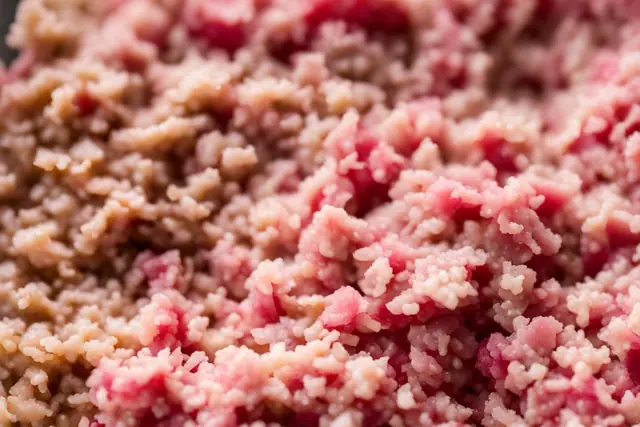
In this guide
- Ground Turkey Shelf Life and Storage Tips
- Signs of Spoiled Ground Turkey
- Health Risks of Consuming Spoiled Ground Turkey
- Proper Handling and Storage of Ground Turkey
- The Importance of Monitoring Ground Turkey's Color
- Recognizing Odor Changes in Ground Turkey
- Checking the Texture of Ground Turkey
- The Consequences of Consuming Spoiled Ground Turkey
- Tips for Safe Grocery Shopping and Ingredient Selection
- Incorporating Ground Turkey into Delicious Recipes
- Proper Storage and Shelf Life of Ground Turkey
- The Role of Freezing in Extending Ground Turkey's Shelf Life
- The Importance of Proper Handling and Hygienic Practices
- Conclusion
- Source Links
- FAQ
Ground turkey is a popular protein option that can be used in a variety of dishes. However, it is important to know how to determine if ground turkey has gone bad to ensure food safety.
The USDA recommends using uncooked ground turkey within one to two days of purchase and freezing it within that time to extend its shelf life. Proper storage and handling are crucial to maintaining the quality and safety of ground turkey.
https://www.youtube.com/watch?v=1XcBFMz0Ejk
Ground Turkey Shelf Life and Storage Tips
When it comes to ground turkey, understanding its shelf life and proper storage is essential for maintaining food safety and quality. Ground turkey has a relatively short shelf life of one to two days in the refrigerator. To maximize its freshness and extend its shelf life, freezing is recommended.
Here are some key tips for storing ground turkey:
- Keep ground turkey on the bottom shelf and in the coldest part of the refrigerator.
- Set the refrigerator temperature below 40°F (4°C) to slow down bacteria growth.
- Store ground turkey in its original sealed packaging to minimize exposure to air and potential cross-contamination.
- If you don't plan to use the entire package, store the remaining portion in an airtight container or wrap it tightly with food-grade plastic wrap, labeling it with the date of storage.
By following these storage tips, you can help maintain the quality and safety of your ground turkey, ensuring it stays fresh for longer periods.
Table: Comparison of Ground Turkey Shelf Life in the Refrigerator and Freezer
| Storage Method | Shelf Life |
|---|---|
| Refrigerator (40°F or below) | 1 to 2 days |
| Freezer (0°F or below) | 3 to 4 months |
The table above summarizes the different shelf life of ground turkey when stored in the refrigerator and freezer. Freezing ground turkey can significantly extend its shelf life, allowing you to stock up and use it at your convenience.
Signs of Spoiled Ground Turkey
When it comes to ground turkey, it's important to be able to recognize the signs of spoilage to ensure both the quality and safety of the meat. Here are some key indications that ground turkey has gone bad:
- Unpleasant Odor: Fresh ground turkey should not have any sour or unpleasant odors. If the meat smells off or has a strong, foul scent, it is likely spoiled and should not be consumed.
- Unusual Color: While the color of ground turkey may naturally dull over time, if it has a brown, gray, yellow, or green hue, it is a clear sign of spoilage and should be discarded.
- Altered Texture: Good ground turkey should feel moist but not slimy, sticky, or dry. Any unusual textures, such as sliminess, stickiness, or excessive dryness, indicate spoilage.
- Off Taste: Even if there are no visible signs of spoilage, bad ground turkey may have an off taste. If the meat tastes strange, even when seasoned or flavored, it is best to err on the side of caution and not consume it.
Remember, if you encounter any of these signs, it is crucial to discard the ground turkey to avoid the risk of foodborne illnesses.
It's worth noting that these signs are not exclusive to ground turkey and can apply to other meats as well. To ensure food safety, always trust your senses and prioritize proper storage, handling, and cooking techniques to maintain the quality and freshness of your ground turkey.
| Signs of Spoiled Ground Turkey | Action |
|---|---|
| Unpleasant Odor | Discard the ground turkey |
| Unusual Color | Discard the ground turkey |
| Altered Texture | Discard the ground turkey |
| Off Taste | Discard the ground turkey |
Health Risks of Consuming Spoiled Ground Turkey
Consuming spoiled ground turkey can have serious health consequences, as it can lead to foodborne illnesses caused by bacteria such as Listeria monocytogenes, E. coli, and Salmonella. These bacteria can pose a significant risk to human health, especially for individuals with weakened immune systems. Symptoms of foodborne illnesses include vomiting, nausea, diarrhea, and in severe cases, more serious complications. It is crucial to prioritize food safety and avoid consuming ground turkey that is potentially spoiled to reduce the risk of adverse health effects.
Bacterial contamination in spoiled ground turkey can occur due to improper storage and handling. When ground turkey is stored at temperatures above 40°F, bacteria can multiply rapidly, increasing the chances of spoilage. Cross-contamination is another concern, as bacteria from raw meat can spread onto other surfaces or foods if proper hygiene practices are not followed.
To minimize the health risks associated with spoiled ground turkey, it is essential to practice proper food safety measures. This includes storing ground turkey in the refrigerator promptly after purchase, setting the temperature below 40°F to inhibit bacterial growth, and using the meat within the recommended timeframe. Additionally, it is important to cook ground turkey to the proper internal temperature of 165°F to kill any potential bacteria.
| Ground Turkey Storage and Handling Tips |
|---|
| Store ground turkey in the refrigerator promptly after purchase. |
| Set the refrigerator temperature below 40°F to inhibit bacterial growth. |
| Use ground turkey within the recommended timeframe. |
| Cook ground turkey to the proper internal temperature of 165°F. |
| Practice good hygiene, such as washing hands before and after handling raw ground turkey. |
Proper Handling and Storage of Ground Turkey
When it comes to ground turkey, proper handling and storage practices are essential for maintaining its quality and ensuring food safety. Whether you're storing ground turkey in the refrigerator or the freezer, following these guidelines will help maximize its shelf life and minimize the risk of spoilage.
Refrigerator Storage: Ground turkey should be stored in the refrigerator promptly after purchase, either in its original packaging or transferred to an airtight container. Keep the temperature of the refrigerator set below 40°F to inhibit bacterial growth. Remember to place the ground turkey on the bottom shelf, which is the coldest part of the fridge.
Freezer Storage: If you won't be using the ground turkey within one to two days, it's best to store it in the freezer. Freezing ground turkey can help extend its shelf life to three to four months. Be sure to label the packaging with the date of storage to keep track of its freshness.
Proper Handling: When handling ground turkey, it's important to practice good hygiene. Wash your hands thoroughly before and after touching raw ground turkey to prevent cross-contamination. Additionally, avoid leaving ground turkey at room temperature for an extended period and cook it thoroughly to a safe internal temperature of 165°F to kill any potential bacteria.
Table: Ground Turkey Storage Guidelines
| Storage Method | Shelf Life |
|---|---|
| Refrigerator | 1-2 days |
| Freezer | 3-4 months |
By following these proper handling and storage practices, you can enjoy the versatility of ground turkey while ensuring its safety. Remember to always check for signs of spoilage, such as changes in color, odor, or texture, before consuming ground turkey. Prioritizing food safety is key to minimizing the health risks associated with consuming spoiled meat.
The Importance of Monitoring Ground Turkey's Color
When it comes to ground turkey, monitoring its color is crucial in determining its freshness and potential spoilage. Fresh ground turkey should have a light pink or beige color. This indicates that the meat is still in good condition and safe for consumption. However, if you notice that the ground turkey has a brown, gray, yellow, or green hue, it is a clear sign that it is no longer fresh and should be discarded immediately.
Visual inspection of the color can provide valuable insights into the quality of ground turkey. Any abnormal coloration could indicate the presence of harmful bacteria or other contaminants, which can pose health risks if consumed. Therefore, it is essential to pay close attention to the color of ground turkey before using it in your recipes.
Remember, color changes in ground turkey can occur as it ages, but it is important to distinguish between natural discoloration and spoilage. By observing the color closely, you can ensure that the ground turkey you are using is fresh and safe for consumption. If in doubt, it is always better to err on the side of caution and discard any ground turkey that exhibits abnormal coloration to protect yourself and your loved ones from potential foodborne illnesses.
Recognizing Odor Changes in Ground Turkey
When it comes to determining the freshness of ground turkey, paying attention to changes in odor is crucial. Fresh ground turkey should not have a strong or foul smell. If you unwrap the package and detect a sour or unpleasant odor, it is a clear indication that the ground turkey has gone bad. Trust your senses and rely on your sense of smell to identify spoiled ground turkey and avoid consuming potentially harmful meat.
Proper food safety practices require us to prioritize the freshness of our ingredients. Ground turkey that has spoiled can harbor harmful bacteria, leading to foodborne illnesses and unpleasant symptoms. By recognizing the changes in odor, we can take proactive steps to protect our health and ensure a safe dining experience.
Keep in mind that ground turkey, like any other perishable food item, has a limited shelf life. By storing it properly in the refrigerator promptly after purchase and using it within one to two days, we can help maintain its freshness and minimize the risk of spoilage. Remember, if in doubt, trust your nose and dispose of any ground turkey that has an off-putting odor to ensure food safety for you and your loved ones.
Summary:
- Fresh ground turkey should not have a strong or foul odor.
- An unpleasant or sour smell is a clear sign that the ground turkey has spoiled.
- Trust your sense of smell and dispose of any ground turkey with an off-putting odor.
- Proper storage and prompt use can help maintain the freshness and safety of ground turkey.
| Common Odor Changes in Ground Turkey | |
|---|---|
| Odor | Implication |
| Sour or unpleasant | Ground turkey has gone bad and should be discarded |
| Foul or pungent | Ground turkey is no longer fresh and may be unsafe to consume |
| Rancid or putrid | Ground turkey is spoiled and should not be eaten |
By being aware of these common odor changes, you can confidently assess the freshness of ground turkey and make informed decisions about its consumption. Remember, it's better to be safe than sorry when it comes to food safety!
Checking the Texture of Ground Turkey
When it comes to determining the quality and potential spoilage of ground turkey, paying attention to its texture is crucial. The texture of fresh ground turkey should be moist and tender, without any sliminess, stickiness, or dryness. If you notice any of these textural changes, it is a clear indication that the ground turkey has gone bad and should not be consumed.
Properly checking the texture of ground turkey can help you avoid potential health risks associated with spoilage. If the texture feels slimy, it may indicate bacterial growth, which can lead to foodborne illnesses. A sticky texture could be a sign of improper handling or storage conditions, increasing the risk of contamination. Dryness in ground turkey may indicate that it has been exposed to air for an extended period, affecting its overall quality and safety.
Remember, engaging your senses and trusting your instincts are important when assessing the texture of ground turkey. If it doesn't feel right, it's best to err on the side of caution and discard it to avoid potential foodborne illnesses. Prioritizing food safety is essential to protect your health and the well-being of those who consume the food you prepare.
Summary:
- Fresh ground turkey should have a moist and tender texture, without any sliminess, stickiness, or dryness.
- A slimy texture may indicate bacterial growth and potential foodborne illnesses.
- A sticky texture could suggest improper handling or storage conditions, increasing the risk of contamination.
- Dryness in ground turkey may indicate extended exposure to air, affecting its quality and safety.
- When in doubt, trust your senses and discard ground turkey with an abnormal texture to prioritize food safety.
Table: Ground Turkey Texture Assessment
| Texture | Indication |
|---|---|
| Moist and tender | Good quality |
| Slimy | Potential bacterial growth |
| Sticky | Improper handling or storage conditions |
| Dry | Prolonged exposure to air |
The Consequences of Consuming Spoiled Ground Turkey
Consuming spoiled ground turkey can have serious health consequences. When ground turkey goes bad, it can become a breeding ground for harmful bacteria that can cause foodborne illnesses. These illnesses can lead to symptoms such as vomiting, nausea, diarrhea, and in severe cases, more serious complications, especially for individuals with weakened immune systems.
Ground turkey that has spoiled may contain bacteria like Listeria monocytogenes, E. coli, and Salmonella. These bacteria can cause various health risks, ranging from mild discomfort to life-threatening conditions. It is crucial to prioritize food safety and avoid consuming ground turkey that shows signs of spoilage.
Visual indicators such as changes in color, texture, odor, and taste can help determine if ground turkey has gone bad. If the meat has a brown, gray, yellow, or green hue, it is a clear indication that it is no longer fresh and should be discarded. The texture of spoiled ground turkey may feel slimy, sticky, or dry. Additionally, if the meat smells sour or unpleasant, it is best to err on the side of caution and avoid consuming it.
In order to minimize the risk of foodborne illnesses associated with consuming spoiled ground turkey, it is important to practice proper storage and handling techniques. This includes promptly refrigerating ground turkey after purchase, setting the refrigerator temperature below 40°F, and using the meat within one to two days. If ground turkey will not be used within this timeframe, it should be stored in the freezer to extend its shelf life. By following these guidelines and prioritizing food safety, you can reduce the likelihood of experiencing the negative consequences of consuming spoiled ground turkey.
Tips for Safe Grocery Shopping and Ingredient Selection
When it comes to grocery shopping for ground turkey, ensuring food safety and selecting the right ingredients is crucial. Here are some tips to help you make informed choices:
- Inspect the packaging: Before purchasing ground turkey, carefully examine the packaging. Avoid packages that are damaged, torn, or swollen, as these could indicate contamination or spoilage.
- Check for freshness: When selecting ground turkey, pay attention to the appearance and smell of the meat. It should have a light pink or beige color, and no unpleasant odors. If the ground turkey looks discolored or has a sour smell, it is best to choose a different package.
- Avoid slimy or sticky meat: Touch the packaging to assess the texture of the ground turkey. Fresh meat should feel moist but not slimy or sticky. If it has an off texture, it may be an indication of spoilage.
- Consider organic or free-range options: If you prefer a more ethically sourced ground turkey, look for organic or free-range varieties. These options often have higher animal welfare standards and may provide a different flavor profile.
By following these tips, you can ensure that you are selecting safe and high-quality ground turkey for your meals.
"Choosing fresh and safe ingredients is the foundation of a delicious and healthy meal."

| Aspect | Tips |
|---|---|
| Packaging | Check for any damage, tears, or swelling in the packaging. |
| Appearance | Look for a light pink or beige color, avoiding any discoloration. |
| Odor | Avoid packages with unpleasant or sour smells. |
| Texture | Ensure the meat feels moist and not slimy or sticky. |
| Consideration | Opt for organic or free-range options for alternative sourcing. |
Incorporating Ground Turkey into Delicious Recipes
Ground turkey is a versatile ingredient that can be used in a variety of delicious recipes, making it a popular choice for culinary enthusiasts. Its mild flavor and lean profile make it a healthy alternative to ground beef in many dishes. Whether you're in the mood for a comforting bowl of chili, flavorful meatballs, a savory sauce, or a filling for tacos or stuffed peppers, ground turkey can offer endless possibilities in the kitchen.
One of the great things about ground turkey is its flexibility in absorbing flavors and spices, allowing you to experiment with different seasonings to achieve the desired taste. From classic herbs like rosemary and thyme to bold spices like chili powder and cumin, you can customize your ground turkey recipes to suit your preferences. Add some diced onions, minced garlic, or chopped bell peppers for added texture and flavor.
Ground turkey is also a culinary chameleon, seamlessly adapting to various cooking techniques. You can sauté it with vegetables, simmer it in a delicious sauce, or bake it into meatballs or patties. Its versatility means you can create a wide range of dishes, from comforting weeknight meals to impressive dinner party entrées.
- Turkey Chili: Simmer ground turkey with tomatoes, beans, spices, and your choice of vegetables for a hearty and nutritious chili.
- Turkey Meatballs: Mix ground turkey with breadcrumbs, herbs, and Parmesan cheese, then bake or pan-fry for tasty meatballs to enjoy with pasta or as a standalone appetizer.
- Turkey Tacos: Sauté ground turkey with onions, garlic, and taco seasoning, then serve in warm tortillas with your favorite toppings like lettuce, tomatoes, cheese, and salsa.
- Turkey Stuffed Peppers: Fill bell peppers with a mixture of ground turkey, rice, onions, and spices, then bake until tender and flavorful.
So, the next time you're looking for a lean and protein-packed option for your meals, consider incorporating ground turkey into your culinary creations. Let your creativity flow and explore the endless possibilities that ground turkey offers in terms of flavors, textures, and cooking techniques. From comforting classics to innovative dishes, ground turkey can be the star of your next delicious recipe.
Proper Storage and Shelf Life of Ground Turkey
When it comes to ground turkey, proper storage is essential to ensure its quality and safety. Ground turkey has a short shelf life of one to two days in the refrigerator. To extend its shelf life, it can be stored in the freezer for three to four months if frozen from the date of purchase. By following these storage guidelines, you can enjoy ground turkey without worrying about spoilage or foodborne illnesses.
When storing ground turkey in the refrigerator, it's important to keep it in its original packaging or transfer it to an airtight container. This helps minimize exposure to air and potential cross-contamination. It's also crucial to set the refrigerator temperature below 40°F to slow down bacterial growth. Keeping ground turkey on the bottom shelf and in the coldest part of the refrigerator further ensures its freshness.
For longer-term storage, freezing ground turkey is the way to go. Before freezing, make sure to label the packaging with the date of purchase. This helps you keep track of its storage time. When freezing ground turkey, it's recommended to use airtight freezer bags or containers to prevent freezer burn and maintain its quality.
Remember that when it comes to ground turkey, proper storage is key to maintaining its freshness and safety. By following these storage guidelines, you can enjoy ground turkey for an extended period without compromising its quality.
Table: Ground Turkey Storage Guidelines
| Storage Method | Shelf Life |
|---|---|
| Refrigerator | 1-2 days |
| Freezer (from date of purchase) | 3-4 months |
The Role of Freezing in Extending Ground Turkey's Shelf Life
Freezing ground turkey is a simple yet effective way to extend its shelf life and maintain its quality. When ground turkey is frozen, it slows down bacterial growth and the rate of spoilage, allowing you to safely consume it for a longer period. By freezing ground turkey, you can ensure that it remains fresh and safe to eat even beyond its short refrigeration timeframe.
When you have ground turkey that you won't be using within one to two days, it's recommended to store it in the freezer. Freezing ground turkey from the date of purchase helps preserve its freshness and reduces the risk of spoilage. By keeping it in the freezer, you can extend its shelf life to three to four months, providing you with more flexibility in meal planning.
Proper freezing techniques are essential to maintain the quality of ground turkey. It's best to freeze ground turkey in its original sealed packaging to minimize exposure to air and potential cross-contamination. If you're not using the entire package at once, transfer the remaining portion to an airtight container or wrap it tightly with food-grade plastic wrap. Don't forget to label it with the date of storage, so you can keep track of its frozen shelf life.
When you're ready to use frozen ground turkey, make sure to thaw it properly in the refrigerator or using the defrost function on your microwave. Avoid thawing ground turkey at room temperature, as it can promote bacterial growth. Once thawed, cook the ground turkey thoroughly to kill any bacteria that may have developed during storage. By following these freezing and thawing guidelines, you can enjoy the extended shelf life of ground turkey while ensuring food safety.
Advantages of Freezing Ground Turkey:
- Extends shelf life to three to four months
- Slows down bacterial growth
- Maintains freshness and quality
- Provides flexibility in meal planning
Tips for Freezing Ground Turkey:
- Store ground turkey in its original packaging or an airtight container
- Label the package with the date of storage
- Thaw frozen ground turkey in the refrigerator or using the defrost function on the microwave
- Cook ground turkey thoroughly after thawing to ensure food safety
By taking advantage of freezing as a preservation method, you can make the most of ground turkey's short shelf life and enjoy its deliciousness for an extended period. Remember to always prioritize food safety and follow proper storage and cooking practices to ensure the highest quality and freshness of your ground turkey.
The Importance of Proper Handling and Hygienic Practices
When it comes to ground turkey, proper handling and hygienic practices are of utmost importance to ensure food safety. By following a few key guidelines, you can reduce the risk of contamination and enjoy this versatile protein option without worry.
Storing Ground Turkey
After purchasing ground turkey, it is crucial to store it promptly in the refrigerator. This can help prevent the growth of harmful bacteria and maintain the freshness of the meat. Make sure to keep the ground turkey on the bottom shelf of the refrigerator, away from other foods, to avoid cross-contamination. Store it in its original packaging or transfer it to an airtight container to minimize exposure to air and potential bacterial contamination.
Handling Ground Turkey
Proper handling of ground turkey is essential for preventing the spread of bacteria. Always wash your hands thoroughly with soap and water before and after handling raw ground turkey. This simple practice can help reduce the risk of cross-contamination and the potential for foodborne illnesses. Additionally, ensure that all utensils, cutting boards, and surfaces used for handling raw ground turkey are properly cleaned and sanitized to avoid any bacterial contamination.
Cooking Ground Turkey
When cooking ground turkey, it is important to ensure it reaches the proper internal temperature to kill any potential bacteria. The USDA recommends cooking ground turkey to an internal temperature of 165°F (74°C) to ensure its safety. Use a food thermometer to accurately measure the temperature and make sure the meat is thoroughly cooked before serving.
By practicing proper handling and hygienic practices, you can enjoy ground turkey in your favorite recipes while minimizing the risk of foodborne illnesses. Remember to store it correctly, handle it with clean hands and utensils, and cook it thoroughly to ensure the safety of your meals.
Conclusion
In conclusion, it is crucial to prioritize food safety when it comes to ground turkey. Properly identifying signs of spoilage and understanding the potential health risks associated with consuming spoiled meat is essential. By paying attention to changes in color, texture, odor, and taste, you can determine if ground turkey has gone bad and take appropriate action.
Remember to practice proper storage, handling, and cooking techniques to maintain the quality and safety of ground turkey. Store the meat promptly in the refrigerator, set the temperature below 40°F, and consider freezing if it won't be used within one to two days. Practicing good hygiene in the kitchen, such as washing hands before and after handling raw ground turkey, can also minimize the risk of foodborne illnesses.
If you have any doubt about the freshness or safety of ground turkey, it is best to err on the side of caution and discard it. By following these guidelines and prioritizing food safety, you can enjoy ground turkey without compromising your health. Stay informed, stay vigilant, and make informed choices when it comes to your food.
Source Links
- https://www.eatingwell.com/article/8035840/how-to-tell-if-ground-turkey-has-gone-bad/
- https://www.purewow.com/food/how-to-tell-if-ground-turkey-is-bad
- https://gingerdivine.com/how-to-tell-if-ground-turkey-is-bad/
Frequently asked questions
- How long does ground turkey last in the refrigerator?
Ground turkey has a short shelf life of one to two days in the refrigerator.
- Can I freeze ground turkey?
Yes, freezing ground turkey can extend its shelf life to three to four months.
- How should I store ground turkey in the refrigerator?
Ground turkey should be kept on the bottom shelf and in the coldest part of the refrigerator, with a temperature set below 40°F.
- Should I store ground turkey in its original packaging?
Yes, it is best to leave ground turkey in its original sealed packaging to minimize exposure to air and potential cross-contamination.
- What are the signs that ground turkey has gone bad?
Signs of spoilage include unpleasant odors, changes in color (brown, gray, yellow, or green), slimy or sticky texture, and off taste.
- Can consuming spoiled ground turkey make you sick?
Yes, consuming spoiled ground turkey can lead to foodborne illnesses, with symptoms like vomiting, nausea, diarrhea, and potential complications for individuals with weakened immune systems.
- How should I handle and store ground turkey?
Ground turkey should be stored in the refrigerator promptly after purchase, either in its original packaging or transferred to an airtight container. If not used within one to two days, it should be stored in the freezer.
- What should ground turkey look like when it's fresh?
Fresh ground turkey should have a light pink or beige color.
- How should ground turkey smell when it's fresh?
Fresh ground turkey should not have any strong or foul odors. If it smells sour or unpleasant, it is likely spoiled.
- How should fresh ground turkey feel?
Fresh ground turkey should feel moist but not slimy, sticky, or dry.
- What are the health risks of consuming spoiled ground turkey?
Consuming spoiled ground turkey can lead to foodborne illnesses caused by bacteria like Listeria monocytogenes, E. coli, and Salmonella.
- How can I ensure the ground turkey I purchase is safe?
When grocery shopping for ground turkey, select packages that are not damaged, torn, or swollen. Avoid purchasing if the packaging shows signs of contamination or if the meat feels slimy or sticky.
- What can I cook with ground turkey?
Ground turkey is a versatile ingredient that can be used in a variety of delicious recipes, including chili, meatballs, sauce, and fillings.
- How long can I store ground turkey in the freezer?
Ground turkey can be stored in the freezer for three to four months if frozen from the date of purchase.
- How does freezing extend the shelf life of ground turkey?
Freezing ground turkey slows down bacterial growth and the rate of spoilage, allowing for an extended shelf life.
- Why is proper handling and hygienic practices important when it comes to ground turkey?
Proper handling and hygienic practices minimize the risk of foodborne illnesses associated with bacterial contamination. This includes storing the meat properly, avoiding cross-contamination, and cooking it to the proper internal temperature.
- What are the consequences of consuming spoiled ground turkey?
Consuming spoiled ground turkey can lead to foodborne illnesses, with symptoms like vomiting, nausea, diarrhea, and potential complications for individuals with weakened immune systems.
AprilCook, recipe developer and the heart of Chefwiz. More about April