Guide
How to Peel Ginger: Techniques for Fresh and Dried
Discover how to peel ginger effortlessly! From dried roots to fresh ones, I share my best tips to get the most out of your ginger.
 By April21 min read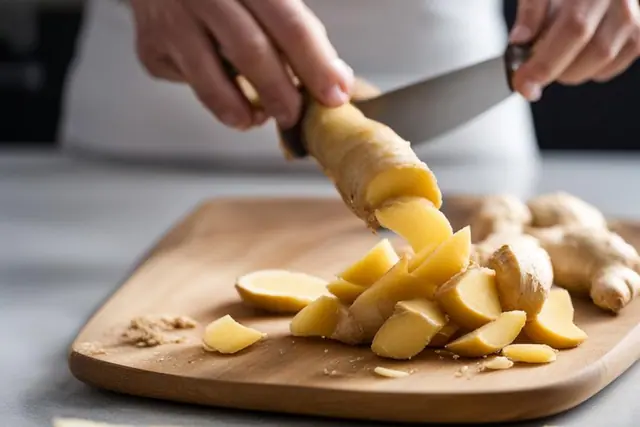
In this guide
- Why Peel Ginger?
- Tools for Peeling Ginger
- How to Peel Ginger with a Spoon
- Alternative Methods for Peeling Ginger
- Slicing Ginger
- Chopping Ginger
- Grating Ginger
- Storing Ginger
- Other Uses for Ginger
- Ginger Health Benefits
- Tips for Cooking with Ginger
- Ginger in Culinary Arts
- Conclusion
- Additional Keywords
- Source Links
- FAQ
Learning how to peel ginger is essential for any home cook and can elevate your culinary skills. Ginger is a versatile spice that adds flavor, aroma, and depth to a wide range of dishes. It can be used in both fresh and dried forms, and knowing the proper techniques for peeling and preparing ginger can make a significant difference in the quality of your meals. In this article, I will explore various methods for peeling ginger, as well as tips for storing it and using it in different recipes.
Why Peel Ginger?
Peeling ginger is not always necessary, but it is often recommended for several reasons. Firstly, the skin of ginger can have a fibrous and papery texture, which can be unpleasant to chew on in certain dishes. Peeling the ginger ensures a smooth and consistent texture in your recipes. Additionally, the skin of ginger can sometimes have a mild bitter taste, which may affect the overall flavor of the dish. By peeling the ginger, you can eliminate any potential bitterness and allow the natural flavors to shine through. Whether you are using fresh ginger or dried ginger, peeling can enhance the culinary experience.
Peeling ginger ensures a smooth and consistent texture in your recipes and eliminates potential bitterness, allowing the natural flavors to shine through.
When peeling ginger, it's important to keep in mind that the skin can vary in thickness and texture. Fresh ginger tends to have thinner skin that is easier to peel, while dried ginger may have a tougher and more leathery skin. Regardless of the form you are using, peeling ginger can enhance the overall quality of your dishes by creating a more pleasant eating experience. It also allows the full flavors of ginger to infuse into your recipes, adding a delightful spice and aroma.
Enhancing Flavor and Texture
- Peeling ginger ensures a smooth and consistent texture in recipes.
- Eliminates any potential bitterness from the skin.
- Allows the natural flavors to shine through.
Optimizing Culinary Experience
- Peeling ginger enhances the overall quality of dishes.
- Creates a more pleasant eating experience.
- Allows the full flavors of ginger to infuse into recipes.
Next, let's explore the different tools you can use to peel ginger effectively.
Tools for Peeling Ginger
When it comes to peeling ginger, having the right tools can make the process much easier. While a vegetable peeler or paring knife can be used, they may not be the most effective options. The uneven shape of ginger can make it challenging to peel with these tools, and they may remove more flesh than necessary. The best tool for peeling ginger is a simple spoon. The curved shape of the spoon allows for better access to all areas of the root, and the blunt edge helps remove only the thin skin without wasting any flesh.
Using a spoon to peel ginger is a practical and efficient method. It minimizes the risk of accidents and maximizes the yield of ginger. With a spoon, you can easily glide through the ginger's skin, gently lifting it away while leaving behind the precious flesh. This technique is especially useful when dealing with small and irregularly shaped ginger roots.
Not only does using a spoon for peeling ginger save time and effort, but it also ensures that you get the most out of your ginger. You won't have to worry about accidentally scraping off too much of the root or losing any of the valuable flesh. With a spoon in hand, you can confidently peel ginger with precision and ease, ready to embark on your culinary adventures.
https://www.youtube.com/watch?v=v908vjRX8Gc
- The best tool for peeling ginger is a spoon.
- A spoon allows for better access to all areas of the root and removes only the thin skin without wasting any flesh.
- Using a spoon is a practical and efficient method, especially for small and irregularly shaped ginger roots.
- Using a spoon saves time, effort, and ensures that you get the most out of your ginger.
So, next time you find yourself peeling ginger, reach for a spoon and enjoy the simplicity and effectiveness of this underrated tool.
How to Peel Ginger with a Spoon
To peel ginger with a spoon, start by washing the root and removing any dirt with a vegetable brush or by running it under water. Then, hold the ginger firmly in one hand or place it on a kitchen surface. Take a spoon, preferably a teaspoon or larger, and press it firmly against the ginger's skin. Use downward or upward motions (whichever is more comfortable for you) to peel away the skin, similar to using a vegetable peeler. The spoon will easily remove the thin skin while preserving the flesh underneath.
Peeling ginger with a spoon is a simple and effective method that ensures minimal waste and a smooth peeling process. The curved shape of the spoon allows for better access to all areas of the ginger root, making it easier to remove the skin without losing any flesh. This technique is especially useful when working with fresh ginger, as it can be more delicate and prone to damage from other peeling tools. By using a spoon, you can confidently peel ginger and incorporate its vibrant flavor into a wide range of dishes.
Not only does peeling ginger with a spoon save time and effort, but it also provides a satisfying and practical experience in the kitchen. The smooth, ergonomic handle of the spoon allows for a comfortable grip, reducing the risk of slips or cuts during the peeling process. Whether you are a seasoned chef or a novice cook, using a spoon to peel ginger is a valuable technique to have in your culinary repertoire. So, the next time you're preparing a recipe that calls for ginger, grab a spoon and enjoy the simplicity and efficiency of peeling ginger with ease.
Benefits of Peeling Ginger with a Spoon
- Less waste: Peeling ginger with a spoon allows you to remove only the thin skin while preserving the flesh underneath, minimizing waste and maximizing the usable portion of the root.
- Easy and efficient: The curved shape of the spoon provides better access to all areas of the ginger root, making the peeling process quick, smooth, and hassle-free.
- Safe and comfortable: The smooth handle of the spoon offers a comfortable grip, reducing the risk of slips or cuts during the peeling process.
- Suitable for fresh ginger: Fresh ginger can be delicate and more challenging to peel with other tools. Using a spoon ensures gentle and effective peeling without damaging the flesh.
Peeling ginger with a spoon is a practical and efficient method that can be easily incorporated into your cooking routine. Whether you're preparing stir-fries, curries, soups, or baked goods, this technique enables you to enjoy the full flavor and aroma of ginger while minimizing waste and ensuring a smooth peeling process. So grab a spoon and discover the joy of peeling ginger with ease!
Alternative Methods for Peeling Ginger
While using a spoon is the easiest and most efficient way to peel ginger, there are alternative methods you can use if the spoon is not suitable. If the ginger is older and the skin has become tough and shriveled, a paring knife may be your best option. Carefully cut away the skin, making sure to remove only the outer layer without wasting any flesh. It is important to note that the thinner, younger ginger root does not necessarily need to be peeled unless desired for aesthetic reasons. You can choose the method that works best for your needs and preferences.
| Method | Description |
|---|---|
| Paring Knife | If the ginger is old and tough, use a paring knife to carefully remove the skin while preserving the flesh underneath. Ensure you only peel the outer layer and avoid wasting any ginger. |
| Young Ginger | If the ginger is young and thin-skinned, you can choose to leave the skin intact. Young ginger does not necessarily need to be peeled unless desired for aesthetic reasons. |
These alternative methods provide options for peeling ginger based on the condition of the root and individual preferences. Whether you prefer the ease of a spoon or the precision of a paring knife, each method can effectively remove the skin and allow you to fully enjoy the flavors of ginger in your culinary creations.
Slicing Ginger
Once you have peeled the ginger, there are various ways to prepare it for different recipes. Slicing ginger into coins is a common method that is versatile and can be used for various dishes. Simply slice the ginger across the grain of the fibers into the desired thickness. This method allows you to control the size and shape of the ginger pieces, whether you prefer thin or thick slices. Sliced ginger coins can be added to stir-fries, soups, or even used for making candied ginger.
If your recipe calls for julienned ginger or ginger matchsticks, you can easily achieve this by stacking the ginger coins and slicing them into thin, matchstick-like strips. This julienne-cut ginger adds texture and visual appeal to dishes, especially in stir-fries or salads. The thin, elongated strips of ginger allow for even distribution throughout the dish, ensuring a burst of flavor in every bite.
To summarize, slicing ginger is a versatile technique that allows you to create various shapes and sizes for your culinary creations. Whether you opt for ginger coins, julienned strips, or any other sliced form, ginger adds a unique flavor and aroma to your recipes, enhancing the overall taste experience.
Slicing Ginger: Tips and Tricks
- Always use a sharp knife when slicing ginger to ensure clean cuts and prevent any mishaps.
- For easier slicing, choose a ginger root that is firm and free of wrinkles or soft spots.
- To make slicing easier, you can peel the ginger before slicing or leave the skin on for added texture and flavor.
- Experiment with different thicknesses of ginger slices to find what works best for your recipes.
- Be cautious when handling the knife and keep your fingers away from the blade to avoid any accidents.
Chopping Ginger
Chopping ginger is a simple yet essential technique that allows you to create smaller, bite-sized pieces of this aromatic root. After peeling and slicing the ginger into thin strips or coins, you can line them up and chop them down into smaller, more manageable pieces. This method is perfect for adding texture and flavor to a variety of dishes, from quick bread and cakes to stir-fries and marinades.
If you prefer a finer texture, you can continue chopping the ginger in a semi-circular motion until it reaches your desired consistency. This minced ginger can be incorporated into recipes that require smaller ginger pieces or a more subtle flavor profile. It blends effortlessly into sauces, dressings, and soups, infusing them with the distinctive taste and aroma of ginger.
To make the most of your chopped or minced ginger, it's important to use a sharp knife and a steady cutting surface. A chef's knife or Santoku knife works well for this task, allowing you to control the size and shape of the chopped ginger. Remember to practice safe knife handling techniques and always keep your fingers curled away from the blade to prevent any accidents.
Next, let's explore the various methods for grating ginger and discover how this technique can enhance your culinary creations.
Grating Ginger
Grating ginger can be a bit trickier due to its fibrous texture, but it is a great way to extract the maximum flavor from the root. The best tool for grating ginger is a microplane grater, as it allows you to create fine shreds of ginger without losing any juice.

However, grating fresh ginger can get messy, and you may end up losing some juice unless you grate it over a small dish. An alternative method is to freeze a knob of ginger and grate it directly from the frozen state using the microplane grater. This not only makes grating easier but also helps keep the ginger fresh for longer.
| Grating Ginger | Messiness | Juice Retention | Freshness |
|---|---|---|---|
| Fresh Ginger | Messy | Some juice loss | Shorter freshness |
| Frozen Ginger | Less messy | No juice loss | Longer freshness |
Whether you choose to grate fresh ginger or frozen ginger, the microplane grater will ensure that you achieve the desired texture and maximize the flavor of this aromatic spice. Experiment with grating ginger in your favorite recipes and enjoy the vibrant taste and aroma it adds to your dishes.
Storing Ginger
Properly storing ginger is crucial to maintain its quality and flavor. Fresh ginger can be stored at room temperature for several days in a cool, dark location. However, for longer storage, it is best to keep it in the refrigerator. Place the ginger in an airtight bag or container and store it in the crisper drawer. This can extend the shelf life of ginger up to 3 weeks.
For even longer storage, you can freeze the ginger for up to 6 months. Tightly wrap the ginger in plastic wrap or a freezer bag before placing it in the freezer. Frozen ginger can be grated directly from the frozen state or used in various recipes without thawing.
| Storage Method | Duration |
|---|---|
| Room Temperature | Several days |
| Refrigerator | Up to 3 weeks |
| Freezer | Up to 6 months |
By properly storing ginger, you can ensure that it stays fresh and ready to use whenever you need it. Whether you prefer fresh ginger or dried ginger, having a supply on hand allows you to add that unique flavor to your dishes and reap the benefits of this versatile spice.
Other Uses for Ginger
Ginger is not just limited to its culinary uses; it has a wide range of applications beyond the kitchen. Here are some other ways you can make the most of this versatile spice:
- Ginger Powder: Drying and grinding ginger can produce ginger powder, which can be used as a key spice in both sweet and savory dishes. Its deep flavor and aroma can enhance a variety of recipes.
- Ginger Paste: By blending fresh ginger with water or oil, you can create ginger paste. This can be stored in the refrigerator and used in curries, marinades, dressings, and more.
- Ginger Tea: Ginger tea is a popular beverage known for its soothing and comforting properties. Simply steep fresh ginger in hot water and enjoy the health benefits and pleasant flavor.
- Ginger Extract: Ginger extract is a concentrated form of ginger that can be used in small amounts to add intense ginger flavor to recipes. It is commonly used in baking and confectionery.
- Ginger Oil: Ginger oil is derived from the ginger root and can be used for various purposes. It is often used in aromatherapy, massage oils, and skincare products for its therapeutic properties.
These are just a few examples of how ginger can be utilized beyond its traditional culinary role. Incorporating ginger into your daily life can not only enhance your meals but also provide you with additional health benefits and a range of flavorful experiences.
Ginger Health Benefits
Ginger is not just a flavorful spice; it also offers numerous health benefits. Incorporating ginger into your diet can have a positive impact on your overall well-being.
One of the key health benefits of ginger is its immune-boosting properties. Ginger contains antioxidants and anti-inflammatory compounds that help strengthen the immune system and protect against illnesses.
Ginger also aids in digestion by promoting the production of digestive enzymes and reducing inflammation in the gastrointestinal tract. It can help alleviate symptoms such as bloating, indigestion, and nausea.
Research suggests that ginger may have positive effects on blood pressure and cholesterol levels. It has been found to help lower blood pressure and reduce LDL cholesterol levels, thereby reducing the risk of heart disease.
Ginger Health Benefits - Summary
| Health Benefit | Description |
|---|---|
| Immune-Boosting | Ginger contains antioxidants and anti-inflammatory compounds that strengthen the immune system. |
| Digestion | Ginger aids in digestion by promoting the production of digestive enzymes and reducing inflammation in the gastrointestinal tract. |
| Blood Pressure | Ginger may help lower blood pressure, reducing the risk of heart disease. |
| Cholesterol | Ginger has been found to reduce LDL cholesterol levels, contributing to heart health. |
These are just a few of the many ways that ginger can benefit your health. Incorporating ginger into your diet can be as simple as adding it to your meals or enjoying a cup of ginger tea. However, it's important to note that while ginger has several potential health benefits, it should not replace medical advice or treatment. If you have any underlying health conditions or concerns, it's always best to consult with a healthcare professional.
Tips for Cooking with Ginger
When it comes to cooking with ginger, there are a few tips and tricks that can help you make the most of this flavorful spice. Whether you're using fresh ginger or dried ginger, understanding how to incorporate it into your recipes can enhance the taste and aroma of your dishes. Here are some essential tips for cooking with ginger:
- Start with a small amount: Ginger has a strong and pungent flavor, so it's best to start with a small amount and adjust according to your taste preferences. You can always add more ginger if you want a stronger flavor, but it's difficult to reduce the intensity once it's added.
- Balance with other flavors: Ginger has a distinct flavor that can complement a variety of ingredients. When using ginger in your recipes, consider balancing its strong taste with other flavors like garlic, citrus, or herbs. This will create a harmonious blend of flavors in your dish.
- Choose the right form: Depending on your recipe, you can choose between using fresh ginger or dried ginger. Fresh ginger is known for its vibrant and zesty flavor, while dried ginger has a more concentrated and earthy taste. Consider the flavor profile you want to achieve and select the appropriate form of ginger.
- Experiment with different cuisines: Ginger is widely used in various cuisines around the world, from Asian stir-fries to Caribbean curries. Don't be afraid to experiment with different recipes and explore how ginger can enhance the taste of different dishes.
By following these tips, you can elevate your cooking with the distinctive flavor and aroma of ginger. Whether you're making ginger-infused sauces, marinades, soups, or desserts, ginger can add a delightful spice to your culinary creations.
Table: Common Ginger Recipes
| Recipe | Description |
|---|---|
| Ginger Chicken Stir-Fry | A flavorful and aromatic dish featuring tender chicken pieces, crisp vegetables, and a ginger-infused sauce. |
| Gingerbread Cookies | Deliciously spiced cookies with a soft and chewy texture, perfect for the holiday season. |
| Ginger Soy Salmon | A simple yet elegant dish, where the bold flavors of ginger and soy sauce enhance the natural taste of salmon. |
| Carrot Ginger Soup | A creamy and comforting soup made with roasted carrots and fresh ginger, providing a warm and satisfying meal. |
| Ginger Limeade | A refreshing and tangy drink made with freshly squeezed lime juice, ginger syrup, and sparkling water. |
These are just a few examples of the many delicious recipes that can be made with ginger. From savory to sweet, ginger can add a unique and delightful flavor to a wide range of dishes. So why not get creative in the kitchen and explore the endless possibilities of cooking with ginger?
Ginger in Culinary Arts
Ginger is a staple in the culinary arts, bringing a delightful combination of flavor, spice, and aroma to a wide range of dishes. Its versatility and unique taste make it a beloved ingredient in various cuisines around the world. Whether you're preparing a stir-fry, baking gingerbread, or creating a zesty marinade, ginger adds depth and complexity to your culinary creations.
As an aspiring chef or home cook, experimenting with ginger can lead to exciting flavor profiles and innovative recipes. Its distinct taste can complement both savory and sweet dishes, allowing you to explore a multitude of culinary possibilities. From adding a hint of warmth to a soup or stew, to infusing desserts with a refreshing zing, ginger is a versatile ingredient that enhances the overall dining experience.
When using ginger in your recipes, it's important to understand how different forms of ginger, such as fresh or dried, can impact the flavor and intensity. Fresh ginger tends to have a stronger and more vibrant taste, while dried ginger offers a concentrated and more intense flavor. By balancing the amount of ginger and exploring various cooking techniques, you can learn to harness its unique characteristics and create dishes that truly showcase the magic of this beloved spice.
Exploring the Versatility of Ginger
Ginger can be used in both sweet and savory dishes, allowing you to expand your culinary repertoire. Here are some delicious examples of how ginger can be incorporated into your cooking:
- Gingerbread: Create the perfect holiday treat with the warm and festive flavors of gingerbread. From gingerbread cookies to houses, ginger is the star ingredient that adds a delightful spice and aroma to these classic treats.
- Ginger Ale: Make your own ginger ale at home by combining ginger, sparkling water, and a touch of sweetness. This refreshing beverage is a perfect balance of ginger's zesty kick and a hint of sweetness.
- Ginger Chicken: Infuse your chicken dishes with the complex flavors of ginger. Whether you're stir-frying, roasting, or grilling, ginger adds a delightful tang and depth to the overall taste.
- Ginger Marinade: Elevate your marinades by incorporating ginger into the mix. The natural enzymes in ginger help tenderize meat while infusing it with a zesty and aromatic flavor.
- Ginger Dressing: Whip up a tangy ginger dressing to drizzle over salads or use as a marinade for grilled vegetables. The combination of ginger's spiciness with a hint of sweetness and acidity creates a dressing that takes your salads to the next level.
- Ginger Soup: Warm up on a chilly day with a comforting ginger-infused soup. Whether it's a spicy ginger carrot soup or a creamy ginger butternut squash soup, the addition of ginger adds depth and complexity to the flavors.
By embracing ginger in your culinary adventures, you can create dishes that are both delicious and memorable. Its distinct flavor and versatility make it a valuable spice in the culinary world, allowing you to explore new taste sensations and delight your taste buds.
Conclusion
In conclusion, peeling ginger is an essential technique for home cooks looking to elevate their culinary skills. Whether you're using fresh ginger or dried ginger, knowing the proper peeling techniques can make a significant difference in the flavor and texture of your dishes. By following the methods outlined in this article, such as using a spoon or a knife, you can easily peel ginger without wasting any flesh. Experiment with different ways to slice, chop, grate, and mince ginger to add depth and flavor to your favorite recipes. With the knowledge of how to peel ginger and the versatility it offers in cooking, you can create dishes that are bursting with the irresistible aroma and taste of this incredible root.
Ginger is a versatile ingredient that can be used in various cuisines and cooking techniques. From stir-fries and curries to baked goods and beverages, ginger adds a unique flavor profile to any dish. By understanding the techniques for peeling ginger, you can confidently incorporate this beloved spice into your culinary creations. Whether you're making gingerbread, ginger cookies, ginger ale, or ginger chicken, the first step is mastering the art of peeling ginger. So grab a spoon or a knife and start exploring the world of ginger-infused cuisine.
Additional Tips for Cooking with Ginger
Here are a few additional tips to keep in mind when cooking with ginger:
- Taste your ginger before using it to ensure it is not overly bitter or pungent.
- Adjust the amount of ginger according to your personal preference and the specific recipe.
- Fresh ginger tends to have a stronger flavor than dried ginger, so you may need to use less of it.
- Experiment with different recipes and cuisines to explore the versatility of ginger in both sweet and savory dishes.
By following these tips and techniques, you can unlock the full potential of ginger in your cooking and create flavorful and aromatic meals that will delight your taste buds.
Additional Keywords
When it comes to ginger, the possibilities are endless. You can use this versatile ingredient to create a variety of delicious dishes that will tantalize your taste buds. From classic gingerbread and ginger cookies to refreshing ginger ale and ginger beer, there are so many sweet treats you can whip up using ginger. If you're a fan of savory dishes, you can try making ginger chicken with a flavorful marinade or a tangy ginger sauce. And don't forget about ginger dressing, perfect for adding a zesty twist to your salads. If you're in the mood for something comforting, why not try a hearty ginger soup? The warming, spicy flavor of ginger adds depth and complexity to any soup recipe.
Whether you're baking, cooking, or simply experimenting in the kitchen, ginger is a spice that can take your culinary creations to the next level. So why not get creative and start incorporating ginger into your favorite recipes? With its unique flavor and aroma, ginger can transform ordinary dishes into extraordinary ones. So grab some ginger, sharpen your knives, and let your imagination run wild. You might just discover a new favorite recipe that will have everyone asking for seconds!
Remember, the key to using ginger in your cooking is to start with high-quality, fresh ginger and to peel it using the techniques we've discussed. Once you've mastered the art of peeling ginger, you'll be able to confidently use it in a wide range of recipes, from baked goods to savory dishes. So go ahead, embrace the power of ginger, and let your taste buds be your guide. You'll be amazed at the depth of flavor that this humble root can bring to your culinary creations.
Source Links
- https://www.alphafoodie.com/how-to-peel-ginger-quickly-and-easily/
- https://www.bhg.com/recipes/how-to/how-to-peel-ginger/
- https://www.simplyrecipes.com/recipes/how_to_peel_and_chop_ginger/
Frequently asked questions
- Why is peeling ginger recommended?
Peeling ginger ensures a smooth texture and eliminates any potential bitterness from the skin, allowing the natural flavors to shine through.
- What tools can I use to peel ginger?
The best tool for peeling ginger is a spoon, but a vegetable peeler or paring knife can also be used.
- How do I peel ginger with a spoon?
Wash the ginger, hold it firmly, and use a spoon to press against the skin and peel it away in downward or upward motions.
- What alternative methods can I use to peel ginger?
If the ginger skin is tough, you can use a paring knife to carefully cut away the skin without wasting any flesh.
- How can I slice ginger?
Slice ginger into coins, lengthwise into thin pieces, or stack ginger coins and slice them into matchstick-like strips for julienned ginger.
- How can I chop ginger?
After slicing ginger into strips, line them up and chop them down into smaller, bite-sized pieces. Continue chopping for a finer texture or mince the ginger into small pieces.
- What is the best tool for grating ginger?
A microplane grater is the best tool for grating ginger, but you can also freeze the ginger to make grating easier.
- How should I store ginger?
Fresh ginger can be stored at room temperature for a few days, but for longer storage, keep it in the refrigerator in an airtight bag or container. You can also freeze ginger for up to 6 months.
- What other uses does ginger have?
Ginger can be turned into ginger powder, ginger paste, ginger tea, ginger extract, ginger oil, and used in various recipes like gingerbread, ginger cookies, and ginger ale.
- What are the health benefits of ginger?
Ginger has potential health benefits such as alleviating nausea, aiding digestion, boosting the immune system, regulating blood pressure, blood sugar levels, and cholesterol. However, always consult a healthcare professional for personalized advice.
- Any tips for cooking with ginger?
Taste your ginger before using it, adjust the amount according to your preference and recipe, and remember that fresh ginger has a stronger flavor than dried ginger.
- How does ginger contribute to the culinary arts?
Ginger is a versatile ingredient that adds a unique flavor profile to various dishes, from stir-fries and curries to baked goods and beverages.
- Can you provide additional keywords related to ginger?
gingerbread, ginger cookies, ginger ale, ginger beer, ginger chicken, ginger sauce, ginger marinade, ginger dressing, ginger soup
AprilCook, recipe developer and the heart of Chefwiz. More about April