Guide
How to Cut Ginger for Maximum Flavor
Unlock the secret of how to cut ginger for maximum flavor in your dishes. Follow my easy steps for the best ginger-flavored foods.
 By April16 min read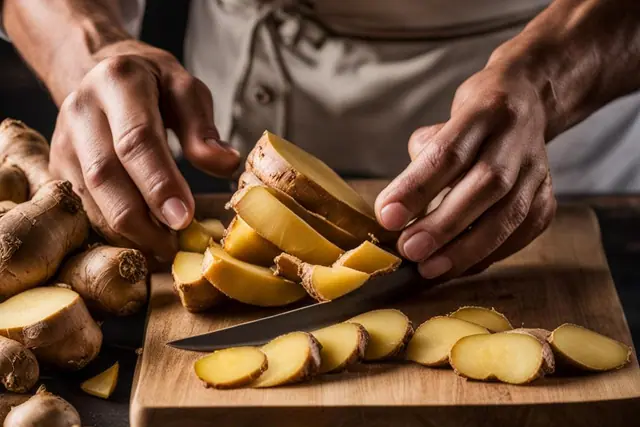
In this guide
- Understanding Ginger
- Physical Removal Method
- Doubling the Ingredients
- Adding Sweetness
- Doubling Other Spices
- Creamy Ingredients for a Milder Ginger Flavor
- Adding Acid
- Understanding Ginger Cutting Techniques
- Peeling Ginger
- Various Ginger Cutting Techniques
- Grating Ginger
- Making Ginger Paste
- Storing and Preserving Ginger
- Conclusion
- Source Links
- FAQ
Ginger is a versatile spice that adds a zesty flavor to dishes. Whether you're making a stir-fry, curry, or a ginger-infused beverage, cutting ginger correctly can enhance its taste and aroma. In this section, I'll share some expert cutting techniques to help you maximize the flavor of ginger in your cooking. Let's dive in!
Understanding Ginger
Ginger is a versatile root that is commonly used as a spice to add flavor and aroma to dishes. It can be enjoyed in various forms, including fresh, dried, or powdered, each offering its unique characteristics. Ginger root has a warm and zesty taste, making it a popular ingredient in both sweet and savory recipes. Its distinct flavor profile adds depth and complexity to a wide range of cuisines.
Whether you're a fan of Asian stir-fries, Indian curries, or even baked goods, ginger spice can be a game-changer in your cooking endeavors. Its ability to complement and enhance the flavors of other ingredients is what makes it such a prized spice in the culinary world.
"Ginger is like a magic ingredient in my kitchen. It has this incredible ability to transform a dish and bring out the best flavors. I love the freshness and zest it adds to my stir-fries and the warmth it lends to my gingerbread cookies. It's truly a pantry staple for me!"
Chef Sarah Thompson
Benefits of Ginger Flavoring
- Ginger adds a zesty and vibrant flavor to dishes
- It enhances the taste of other ingredients
- Ginger aids digestion and has anti-inflammatory properties
- It can help alleviate nausea and reduce muscle soreness
With its culinary and health benefits, ginger is a root worth getting to know better. In the next sections, I will share different cutting techniques for ginger, as well as tips on peeling, storing, and preserving this aromatic spice. Let's dive in and unlock the full potential of ginger in your cooking!
Physical Removal Method
If you find that you've added too much ginger to your dish and want to remove it, you can use the physical removal method. This technique is especially effective for dishes with larger pieces of ginger. To remove the ginger, simply use a slotted spoon or a fork to scoop out the ginger pieces from the dish. Be gentle to avoid disturbing the other ingredients. This method allows you to salvage your dish while adjusting the ginger flavor to your desired taste.
Table:
| Steps | Action |
|---|---|
| 1 | Locate the pieces of ginger in the dish. |
| 2 | Use a slotted spoon or a fork to carefully lift out the ginger. |
| 3 | Continue removing any excess ginger until you achieve the desired flavor. |
Remember, it's always better to start with less ginger and gradually add more, tasting as you go, to avoid overpowering your dish.
By using the physical removal method, you can easily adjust the ginger flavor in your dish to suit your preferences. This handy technique allows you to salvage your recipe without compromising its overall taste. Give it a try the next time you find yourself with too much ginger in a dish!
Doubling the Ingredients
When you find yourself with an overpowering ginger flavor in your dish, one effective method to dilute the taste is to double the other ingredients while keeping the amount of ginger the same. By doing so, you spread the ginger flavor among a larger quantity of ingredients, resulting in a milder overall taste. This technique works particularly well with dishes that have a good balance of flavors and where the ginger is not the star ingredient.
For example, if you're making a stir-fry that calls for one tablespoon of ginger, you can simply double the amount of vegetables, protein, and sauce in the recipe while still using only one tablespoon of ginger. This will help to reduce the intensity of the ginger flavor without compromising the overall flavor profile of the dish. Remember to adjust the other seasonings and spices accordingly to maintain the desired taste.
Additionally, doubling the ingredients can also be beneficial when cooking for a larger group or if you prefer a more subtle ginger flavor. By increasing the quantity of all the other components in the recipe, you can achieve a well-balanced dish that satisfies a variety of taste preferences. Experiment with this technique and adjust the amounts according to your personal taste preference, keeping in mind the flavor profile you wish to achieve.
https://www.youtube.com/watch?v=ShK2T85r7dc
Table of Ingredients Doubling:
| Original Recipe | Doubled Recipe |
|---|---|
| 1 tablespoon ginger | 1 tablespoon ginger |
| 1 cup vegetables | 2 cups vegetables |
| 4 ounces protein | 8 ounces protein |
| 1/4 cup sauce | 1/2 cup sauce |
| Additional seasonings to taste | Additional seasonings to taste |
By doubling the ingredients in this stir-fry recipe, the ginger flavor will be distributed among a larger quantity of vegetables, protein, and sauce, resulting in a milder taste. This technique can be applied to various recipes, allowing you to enjoy the benefits of ginger without it overpowering the dish.
Adding Sweetness
When cooking with ginger, its strong and spicy flavor can sometimes overpower the dish. To balance out the heat and counteract the strong taste, adding sweetness is a great option. By incorporating sugar or honey into your recipe, you can create a harmonious blend of flavors that will enhance the overall taste.
However, it's important to note that adding sweetness should be done cautiously to avoid making the dish too sweet. Start by adding small amounts of sugar or honey, tasting as you go, until you achieve the desired level of sweetness. Remember that the goal is to balance the flavors, not to overpower the ginger with excessive sweetness.
Adding sweetness can be particularly beneficial in dishes that have a lot of heat or spice. The natural sugars in sweeteners help to temper the fiery sensation on your taste buds and create a more well-rounded flavor profile. So, the next time you find yourself with a ginger-forward dish that needs a bit of mellowing, reach for some sugar or honey and let the sweetness work its magic.
"The natural sugars in sweeteners help to temper the fiery sensation on your taste buds and create a more well-rounded flavor profile."
Here's a simple table summarizing how adding sweetness can counteract the heat of ginger:
| Benefits of Adding Sweetness |
|---|
| Counteracts the strong taste of ginger |
| Helps balance out the heat in spicy dishes |
| Creates a harmonious blend of flavors |
| Enhances the overall taste of the dish |
| Caution: |
| Be cautious not to make the dish too sweet |
Adding sweetness to your ginger-infused recipes can be the perfect way to achieve a balanced and delicious flavor. Experiment with different amounts of sugar or honey to find the right level of sweetness that complements the ginger without overpowering it. Enjoy the delightful interplay of flavors that this simple technique can bring to your dishes.
Doubling Other Spices
When it comes to cooking with ginger, sometimes the strong flavor can be overpowering. Thankfully, there are ways to enhance the overall flavor of your dish while masking the intensity of ginger. One effective technique is to double the other spices in your recipe. This not only adds depth and complexity to the flavor profile but also helps to balance out the strong taste of ginger.
By increasing the quantity of other spices, such as cumin, coriander, or turmeric, you can create a harmonious blend of flavors that complements the ginger without overpowering it. It's important to note that not all spices work well together, so it's best to choose spices that pair nicely with ginger and the overall theme of your dish. Taste-testing along the way will help you find the perfect balance of flavors.
Remember, the goal is not to completely eliminate the taste of ginger, but rather to enhance it in a way that is more palatable for your personal preference. Doubling other spices creates a symphony of flavors that work together to create a well-rounded dish with a subtle ginger undertone. So go ahead and experiment with different spice combinations to find the perfect balance for your ginger-infused creations.
Creamy Ingredients for a Milder Ginger Flavor
When it comes to toning down the strong flavor of ginger, incorporating creamy ingredients can work wonders. The smooth and rich texture of creamy ingredients helps to mellow out the bold taste of ginger, creating a more balanced and enjoyable culinary experience.
One way to incorporate creamy ingredients is by adding yogurt or coconut milk to your dishes. These dairy or plant-based ingredients not only provide a creamy consistency but also complement the flavor of ginger. For savory dishes like curries, the addition of yogurt or coconut milk can help to create a delicious and milder ginger-infused sauce.
For those with a sweet tooth, consider serving ginger-heavy desserts with a scoop of ice cream. The creamy nature of the ice cream provides a delightful contrast to the intense ginger flavor, resulting in a more nuanced and enjoyable dessert.
Adding Acid
When it comes to balancing the strong flavor of ginger, adding acid can be an effective technique. Acidic ingredients like lemon or lime juice, as well as a touch of vinegar, can help increase the acidity in a dish and mask the intense ginger flavor. However, it's important to be cautious with the amount of acid you add. Too much can make the dish overly tart and overpower the other flavors.
Acid is known for its ability to cut through richness and balance flavors, making it a useful tool in modifying the taste of dishes. By incorporating acid, you can create a harmonious blend of flavors, with the ginger's heat being mellowed by the acidity.
"Adding acid is a great way to mask the strong ginger flavor and create a more balanced taste in your dishes."
Experiment with the amount and type of acid you add to find the right balance for your palate. Start with a small amount and taste as you go, adjusting accordingly. Remember, the goal is to enhance the overall flavor profile of the dish while still allowing the unique essence of ginger to shine through.
| Adding Acid | Effect on Ginger Flavor |
|---|---|
| Lemon or lime juice | Refreshing and brightens the ginger flavor |
| Vinegar | Introduces tanginess to mask the strong ginger flavor |
Incorporating acid is just one of many techniques you can use to modify the flavor of ginger in your dishes. Whether you prefer to add sweetness, double other spices, or choose a creamy ingredient, the key is to find the right balance that suits your taste buds. By experimenting with different methods, you can unlock the full potential of ginger and create delicious culinary masterpieces.
Understanding Ginger Cutting Techniques
When it comes to using ginger in your cooking, knowing the right cutting techniques can make a big difference in the flavor and texture of your dishes. Whether you're slicing, dicing, or julienning ginger, each method offers a unique outcome that can enhance your culinary creations. Let's take a closer look at these cutting techniques.
Slicing Ginger
Slicing ginger involves cutting the root into thin, round pieces. This technique is perfect for garnishing dishes or adding ginger rounds to beverages like tea or cocktails. The thin slices of ginger not only provide a visual appeal but also infuse your dishes with a subtle ginger flavor.
Dicing Ginger
Dicing ginger involves cutting the root into small, uniform cubes. This technique is ideal for recipes that require a more intense ginger flavor. The diced ginger pieces blend well with other ingredients, distributing their flavor evenly throughout the dish. It's commonly used in stir-fries, soups, and marinades.
Julienning Ginger
Julienning ginger creates long, thin strips that resemble matchsticks. This technique is often used in Asian cuisine and adds both flavor and texture to dishes. The julienne ginger strips can be stir-fried, added to salads, or used as a garnish. They provide a pronounced ginger taste and a slightly crunchy texture.
Experiment with these cutting techniques to find the one that best suits your cooking style and desired outcome. Each method offers a unique way to incorporate ginger into your dishes, allowing you to explore different flavors and presentations. So, the next time you're preparing a recipe that calls for ginger, consider the cutting technique that will enhance the overall taste and appearance of your dish.
Peeling Ginger
Peeling ginger is an optional step in preparing this versatile spice, but it is recommended for aesthetic reasons. The thin skin of young ginger doesn't necessarily need to be peeled, but older ginger with papery skin may benefit from peeling. There are a few different methods you can use to remove the skin from ginger. One popular technique is to use a spoon to gently scrape away the skin. Start at the edge of the ginger and work your way around, applying light pressure to remove the skin without taking off too much of the flesh. Another method is to use a paring knife to carefully remove the skin. Hold the ginger firmly and use the knife to peel away the skin in gentle, downward strokes. Be cautious when using a knife, as it can be sharp and require precision. Whichever method you choose, the key is to remove only the skin, leaving as much of the flesh intact as possible.
Once the ginger is peeled, it is ready to be used in various cutting techniques, such as slicing, julienning, chopping, or mincing. Each method creates a different texture and flavor profile, allowing you to customize your dishes to your liking. Experiment with different cutting techniques and see which ones work best for the particular dish you are preparing. Remember to taste and adjust the flavors as you go along, to ensure that the ginger enhances the overall taste of your dish without overpowering it. Enjoy the zesty and aromatic flavors that ginger brings to your cooking!
Various Ginger Cutting Techniques
When it comes to cutting ginger, there are several techniques you can use depending on the desired texture and presentation of your dish. Each cutting method offers a unique flavor profile and can elevate your culinary creations. Let's explore some popular ginger cutting techniques:
Slicing Ginger
Slicing ginger into rounds is a simple and versatile cutting technique. These ginger rounds can be used to add a burst of flavor to beverages like tea or infused water. They also make for a visually appealing garnish on top of stir-fries or soups. Sliced ginger adds a subtle ginger flavor without overpowering the dish.
Julienne Ginger
Julienne strips are a classic and widely used method for cutting ginger. These thin, matchstick-like pieces are perfect for stir-fries, salads, and noodle dishes. The slender shape of julienne ginger allows it to cook quickly, while still imparting a bold ginger flavor. It also adds an attractive texture to your recipes.
Chopping Ginger
Chopping ginger into small pieces is an excellent option when you want a more intense ginger flavor in your dish. The smaller size of the ginger pieces allows for better distribution and infusion of flavor. Chopped ginger works well in recipes that require a stronger ginger presence, such as marinades, curry pastes, or gingerbread.
Mincing Ginger
If you want to incorporate ginger into your dish in a subtle yet impactful way, mincing is the way to go. Mincing ginger creates tiny, finely chopped pieces that mix seamlessly into sauces, dressings, or desserts. This method ensures that the ginger flavor is evenly distributed throughout your recipe, providing a harmonious taste.
Experiment with these different ginger cutting techniques to find the one that best suits your cooking style and the flavor profile you want to achieve. Each method brings its own unique qualities to your dishes, allowing you to create culinary masterpieces with the spicy, aromatic goodness of ginger.
Grating Ginger
When it comes to incorporating the bold flavor of ginger into your dishes, grating is a convenient and effective method. To grate ginger, start by ensuring you have a piece of ginger that is firm and free from any soft spots. Keeping a piece of ginger in the freezer beforehand can make grating easier and prevent it from becoming mushy. Once you're ready to grate, simply scrape away the peel of the desired portion using a spoon or a vegetable peeler.
Now, it's time to bring out the microplane grater, a tool specifically designed for grating ginger and other small ingredients. Hold the grater at a slight angle, and gently rub the ginger against the grater, moving it up and down. The sharp, fine edges of the grater will effortlessly shred the ginger into fine, moist pieces.
Tip: Grated ginger adds moisture and texture to your recipes, making it ideal for marinades, dressings, and baked goods.
Whether you're looking to add a touch of ginger to your salad dressing or infuse the flavors of ginger into a marinade, grating ginger is a simple and efficient technique. It allows for easy incorporation of the ginger's distinct taste without overwhelming your dish. So, grab your microplane grater and start enjoying the versatility of freshly grated ginger in your culinary creations!
Making Ginger Paste
Creating ginger paste is a simple process that allows you to have this versatile ingredient readily available for your cooking needs. By blending ginger into a smooth or coarse paste, you can enhance the flavor of your recipes and customize the intensity of ginger taste. Here's how to make ginger paste:
- Peel and cut the ginger into small cubes to prepare it for blending.
- Place the ginger cubes in a blender or food processor.
- Blend the ginger until it becomes a smooth or coarse paste, depending on your preference.
Ginger paste can be stored in airtight containers in the refrigerator for up to two weeks, or in the freezer for longer-term preservation.
Now that you have ginger paste on hand, you can easily incorporate it into a variety of dishes. Use it as a base for marinades, sauces, or curries, or add it to soups, stir-fries, or dressings. The possibilities are endless! Experiment with different amounts of ginger paste to achieve the desired level of flavor in your recipes.
Storing and Preserving Ginger
Proper storage is key to keeping ginger fresh and flavorful for longer periods. Here are some tips to help you store and preserve ginger:
Refrigerator Storage
Ginger can be stored in the refrigerator to prolong its shelf life. Simply place unpeeled ginger in a resealable plastic bag or an airtight container, and store it in the vegetable crisper drawer. This will help maintain the freshness and prevent the ginger from drying out. Remember to check and remove any moldy or shriveled ginger to ensure the rest of your supply remains fresh.
Freezer Storage
If you want to keep ginger for an extended period, consider freezing it. Start by peeling and grating the ginger, then place it in an airtight container or freezer bags. Label the container with the date and the quantity of ginger. Frozen ginger can be stored for up to six months, and you can easily grab the desired amount whenever you need it. Frozen ginger can be grated directly into recipes without the need for thawing.
Preserving in Vinegar
Another method to preserve ginger is by storing it in vinegar. First, peel and slice the ginger, then place the slices in a jar filled with rice vinegar or apple cider vinegar. Seal the jar tightly and store it in a cool, dark place. The vinegar helps prevent the growth of bacteria and molds, keeping the ginger fresh for an extended period. The preserved ginger is a great addition to stir-fries and other dishes.
| Storage Method | Duration | Recommended Use |
|---|---|---|
| Refrigerator | Up to 3 weeks | For shorter-term storage and ease of access |
| Freezer | Up to 6 months | For longer-term storage and convenience |
| Vinegar Preservation | Several months | For a tangy twist and extended shelf life |
By following these storage and preservation techniques, you can ensure that your ginger remains fresh and readily available whenever you need it. Whether you refrigerate, freeze, or preserve it in vinegar, you'll have a flavorful ingredient to enhance your culinary creations.
Conclusion
In conclusion, cutting ginger correctly is key to maximizing its flavor and aroma in your dishes. Whether you're using physical removal, dilution techniques, or other methods, finding the right balance is essential to achieving the desired taste.
Experimenting with different cutting techniques, such as slicing, dicing, or julienning, can help you discover your preferred way of incorporating ginger into your cooking. Remember that each cutting technique offers a unique texture and presentation for your dishes.
Ultimately, by understanding the various cutting techniques and utilizing them effectively, you can elevate the taste of your ginger-infused recipes. So go ahead, get creative, and add a zesty touch to your culinary creations with the versatile and flavorful spice - ginger!
Source Links
- https://www.spiceography.com/too-much-ginger/
- https://www.simplyrecipes.com/recipes/how_to_peel_and_chop_ginger/
- https://spicecravings.com/how-to-cut-ginger
Frequently asked questions
- How do I cut ginger for maximum flavor?
There are various cutting techniques you can use, such as slicing, dicing, or julienning, depending on the desired texture and presentation of your dish.
- Should I peel ginger before cutting it?
Peeling ginger is optional but recommended for aesthetic reasons. Young ginger doesn't need to be peeled, but older ginger with papery skin may benefit from peeling.
- What is the best way to grate ginger?
Keeping a piece of ginger in the freezer makes grating easier. Simply scrape away the peel of the desired portion and use a microplane grater to grate the ginger. Grated ginger adds moisture and texture to recipes.
- How do I make ginger paste?
To make ginger paste, peel and cut ginger into cubes, then blend it in a blender or food processor until smooth or coarse. Ginger paste can be stored in the refrigerator or freezer for future use.
- How should I store and preserve ginger?
Fresh ginger can be stored on the kitchen counter, in the refrigerator, or in the freezer. It is best to store ginger in a cool, dark place if it will be used within a week. For longer storage, ginger can be stored in the refrigerator or freezer. Proper storage ensures the freshness and flavor of ginger.
AprilCook, recipe developer and the heart of Chefwiz. More about April