Guide
Simple Steps: How to Tell If an Orange Is Bad
Unsure how to tell if an orange is bad? Let me guide you through the key signs of spoilage with these easy steps. Get citrus-smart today!
 By April15 min read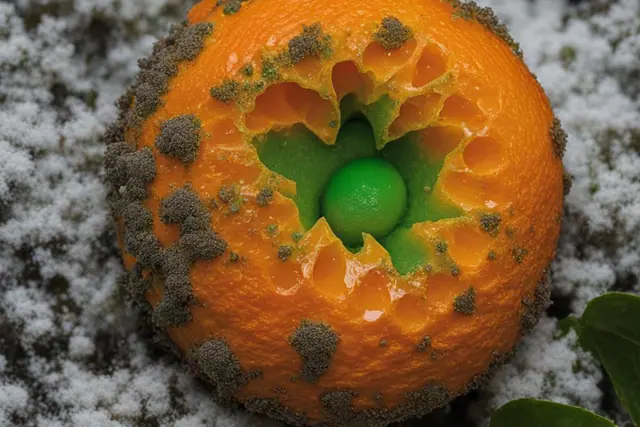
In this guide
Greetings, citrus enthusiasts! As an orange lover myself, I know how disappointing it can be to bite into a bad orange. But fear not! I'm here to guide you through the simple steps of determining if an orange is past its prime. So, grab an orange and let's get started!
https://www.youtube.com/watch?v=qE9OBlWB36U
Now that we have our oranges and the key takeaways in mind, let's dive deeper into each aspect of determining if an orange is bad. From appearance to taste, we'll cover everything you need to know to keep your oranges fresh and delicious.
Why Appearance Matters
When it comes to determining the freshness of an orange, appearance plays a crucial role. By observing the physical characteristics of the fruit, you can quickly assess whether it is still good to eat or if it has gone bad. Here are some key indicators to look out for:
- Mold Growth: Check for any visible signs of mold on the surface of the orange. Mold growth is a clear indication of spoilage and should be avoided.
- Discoloration: Look for dark brown spots or patches on the skin of the orange. Discoloration is often a sign that the fruit is no longer fresh and may have started to decay.
- Wrinkled Skin: If the skin of the orange appears wrinkled or shriveled, it suggests that the fruit has lost its moisture and is past its prime.
- Dark Spots: Dark spots on the skin of the orange can be a sign of bacterial or fungal growth. These spots can make the fruit unappetizing and should be avoided.
- Dull Color: A vibrant, bright color is a good indication of freshness. If the orange has a dull or faded color, it may be an indication that it is no longer at its peak quality.
- Unappealing Appearance: Overall, trust your instinct and look for any visual cues that make the orange appear unappealing. If it doesn't look appetizing, it's best to avoid consuming it.
By paying attention to these appearance-related factors, you can ensure that you are selecting and enjoying the freshest oranges.
Why Smell Matters
The sense of smell is connected to our ability to taste, making it a key factor in determining the quality of food. When an orange starts to spoil, the breakdown of compounds can release unpleasant odors, indicating that the fruit is no longer suitable for consumption. By paying attention to the smell, you can protect yourself from consuming rotten fruit.
| Signs of a Bad Orange | Smell | Appearance | Texture | Taste |
|---|---|---|---|---|
| Off smell | + | - | - | - |
| Sour aroma | + | - | - | - |
| Pungent odor | + | - | - | - |
| Unpleasant odor | + | - | - | - |
| Fermented smell | + | - | - | - |
| Stale smell | + | - | - | - |
As the table illustrates, the presence of an off smell is a reliable indicator that an orange has gone bad, while the appearance, texture, and taste may not always be as definitive. Therefore, relying on the sense of smell is essential in determining the freshness and quality of an orange.
Checking the Texture
When determining if an orange is good or bad, one important factor to consider is its texture. By feeling the surface of the orange, you can gather valuable information about its freshness and quality. Here are some key points to keep in mind:
Soft Spots and Bruising
Soft spots on an orange indicate that it is starting to spoil. These areas may feel spongy or mushy to the touch and might have a darker color than the rest of the fruit. Similarly, any visible bruising on the orange's skin is a sign of damage and potential spoilage. It's best to avoid oranges with soft spots or bruising, as they may have an unpleasant taste and texture.
Rubber and Pithy Texture
Another indication of a bad orange is a rubbery or pithy texture. If the fruit feels overly rubbery when squeezed, it's a sign that the orange may have deteriorated. Additionally, a pithy texture, where the white part of the orange's skin feels thick and dry, can also indicate spoilage.
Hard Spots
On the flip side, hard spots on the orange can also be a cause for concern. These areas may feel tough and resistant to pressure. Hard spots could be a sign that the orange has started to dry out or is past its prime. It's best to avoid oranges with hard spots, as they may lack juiciness and freshness.
By paying attention to the texture of an orange and looking out for any soft spots, bruising, rubbery or pithy areas, and hard spots, you can make an informed decision about whether the fruit is still good to eat. Remember that a fresh orange should have a firm and smooth texture, indicating that it's ripe and ready to enjoy.
| Texture | Indication |
|---|---|
| Soft spots | Possible spoilage |
| Bruising | Potential damage and spoilage |
| Rubber texture | Possible deterioration |
| Pithy texture | Possible spoilage |
| Hard spots | Possible dryness and deterioration |
Taste Test
When it comes to determining if an orange is bad, one of the most effective methods is conducting a taste test. By examining the flavor profile of the orange, I can quickly identify any signs of spoilage.
If I detect a sour taste or a bitter aftertaste, it's a clear indication that the orange has gone bad. Off flavors or a loss of flavor altogether can also point to spoilage. It's important to trust your taste buds and not consume oranges with an unpleasant taste.
Remember, a fresh and ripe orange should have a vibrant, citrusy flavor that is enjoyable to eat.
Performing a taste test is simple. Just take a small bite of the orange and pay attention to the taste and aftertaste. If there are any signs of sourness, bitterness, or an unpleasant flavor, it's best to discard the orange to avoid any potential health risks.
Table: Signs of Bad Oranges
| Signs | Indications of Bad Oranges |
|---|---|
| Sour taste | The orange has a sour flavor when bitten into. |
| Bitter aftertaste | An unpleasant bitterness lingers in the mouth after consuming the orange. |
| Off flavor | The orange has an unusual or off-putting taste. |
| Loss of flavor | The orange lacks the vibrant and refreshing taste characteristic of fresh oranges. |
| Unpleasant taste | The orange has an overall unpleasant taste. |
Refer to the table above for a summary of the signs to look out for when performing a taste test on oranges.
Weight as an Indicator
When it comes to determining the freshness of an orange, weight can be a valuable clue. A lightweight orange may suggest that it has lost its juiciness and freshness. As oranges age, they tend to lose moisture, which can result in a lighter weight. So, if you pick up an orange and it feels noticeably lighter than others of the same size, it could be a sign that the orange is past its prime.
In addition to its weight, take other factors into consideration to confirm the freshness of the orange. By examining the appearance, smell, texture, and taste, you can gain a more comprehensive understanding of its quality. A lightweight orange, combined with other signs of spoilage, can help you make an informed decision about whether or not to consume it.
Table: Signs of a Bad Orange
| Signs of a Bad Orange |
|---|
| Mold growth |
| Discoloration |
| Wrinkled skin |
| Dark spots |
| Dull color |
| Unappealing appearance |
| Off smell |
| Sour aroma |
| Pungent odor |
| Unpleasant odor |
| Fermented smell |
| Stale smell |
| Soft spots |
| Bruising |
| Rubber texture |
| Pithy texture |
| Hard spots |
| Sour taste |
| Bitter aftertaste |
| Off flavor |
| Loss of flavor |
| Unpleasant taste |
By keeping an eye out for these signs, including a lightweight orange, you can ensure that you only consume oranges that are fresh and at their best. Don't hesitate to trust your senses and use them as a guide in determining the quality of your oranges.
Signs of Deterioration
When it comes to determining the freshness of an orange, there are several signs of deterioration to look out for. These indicators can help you identify whether the orange is still good to eat or if it has gone bad.
Loss of Firmness
One of the key signs that an orange is deteriorating is a loss of firmness. When you pick up the orange, it should feel plump and firm in your hand. However, if the orange feels soft or mushy, it is a clear indication that it has begun to spoil. The loss of firmness is often accompanied by a change in texture, making the orange less enjoyable to eat.
Uneven Texture and Shriveling
Another noticeable sign of a deteriorating orange is an uneven texture and shriveling. As the orange ages, the skin may become wrinkled and dry, creating an unappealing appearance. Additionally, the fruit inside may develop a pithy texture, making it less juicy and enjoyable. These changes in texture can be a clear indication that the orange is past its prime and should be discarded.
Lack of Juiciness, Freshness, and Sweetness
When an orange is no longer fresh, it often loses its characteristic juiciness, freshness, and sweetness. As the fruit deteriorates, it may become dry and lack the burst of flavor that is typically associated with a ripe orange. If you bite into an orange and find it lacking in juiciness, freshness, and sweetness, it is likely that the fruit has gone bad.
Loss of Flavor and Bad Texture
Finally, a deteriorating orange may also exhibit a loss of flavor and have a bad texture. The once vibrant and refreshing taste of the orange may be replaced with an unpleasant or off flavor. Additionally, the texture of the fruit may become mushy, mealy, or grainy, which can be a strong indication that the orange is no longer good to eat.
By keeping an eye out for these signs of deterioration, you can ensure that you enjoy oranges that are fresh, juicy, and delicious.
The Role of Color
In determining the freshness of an orange, the color plays a significant role. A dull color or the presence of dark patches on the orange can be indicators that it has gone bad. A fresh orange should have a vibrant and glossy appearance, signifying its peak ripeness and juiciness. When an orange lacks glossiness, it can be a clear indication of a lack of freshness.
"The color of an orange can tell you a lot about its quality and taste. When an orange is no longer fresh, it can lose its vibrant color and develop dark patches. So, if you notice a dull color or dark spots on an orange, it's best to avoid it."
Color can be a useful visual cue when examining the freshness of an orange. A lack of glossiness may also suggest that the orange has been stored for an extended period, causing it to lose its natural freshness and flavor. It's important to choose oranges that have a bright, vibrant, and glossy color for the best taste and quality.
The Role of Color in Determining Orange Freshness
When inspecting an orange, pay attention to its color. A dull color or dark patches may indicate a lack of freshness and flavor, making it less desirable for consumption. Opt for oranges with a vibrant color and a glossy appearance, as they are more likely to be juicy and delicious.
| Signs of Fresh Oranges | Signs of Bad Oranges |
|---|---|
| Bright, vibrant color | Dull color |
| Glossy appearance | Dark patches |
| Firm texture | Lack of freshness |
Proper Storage to Avoid Spoilage
When it comes to keeping your oranges fresh and delicious, proper storage is key. The way you store your oranges can greatly impact their shelf life and overall quality. Here are some tips on the best way to store oranges to avoid spoilage and ensure that you can enjoy their juicy goodness for as long as possible.
Room Temperature Storage: Oranges can be stored at room temperature for a short period of time, usually up to a week. Make sure to keep them in a cool, dry place away from direct sunlight and other fruits that release ethylene gas, which can cause the oranges to ripen and spoil faster.
Refrigerator Storage: For longer shelf life, it is recommended to store oranges in the refrigerator. Place them in a plastic bag or airtight container to help retain moisture and prevent them from drying out. The cool temperature of the fridge will slow down the ripening process and keep the oranges fresh for up to two weeks.
Mesh Bags for Storage: Consider storing your oranges in lightweight mesh bags rather than plastic bags. Mesh bags allow for better airflow, reducing the chances of moisture buildup and mold growth. Additionally, they help prevent bruising and keep the oranges separate, minimizing the risk of one spoiled orange contaminating the others.
| Storage Method | Shelf Life |
|---|---|
| Room Temperature | Up to 1 week |
| Refrigerator | Up to 2 weeks |
By following these storage recommendations, you can maximize the freshness and flavor of your oranges. Remember to check them regularly and discard any oranges that show signs of spoilage, such as mold, discoloration, or an off smell. With proper storage, you can enjoy the vibrant and zesty taste of fresh oranges whenever you desire.
How Long Do Oranges Last?
When it comes to the shelf life of oranges, various factors can affect their freshness and quality. The storage method plays a crucial role in determining how long oranges can last. Here's what you need to know:
Room Temperature Storage
Whole oranges stored at room temperature typically last about 10 to 14 days. However, it's important to note that room temperature storage may cause the oranges to lose their juiciness and freshness more quickly. To maximize their shelf life, it's recommended to consume them within the first two weeks.
Refrigerator Storage
If you want your oranges to last longer, refrigeration is the way to go. When stored in the refrigerator, whole oranges can stay fresh for up to a month. The cool temperature helps slow down the natural ripening process and maintains their flavor and juiciness. Make sure to store them in a breathable bag or container to prevent moisture buildup.
Cut Oranges
Unlike whole oranges, cut oranges have a shorter shelf life due to their exposure to air. Once sliced, oranges should be consumed within 3 to 4 days when stored in the refrigerator. To maintain their freshness, it's best to store cut oranges in an airtight container to minimize oxidation.
| Storage Method | Shelf Life |
|---|---|
| Room Temperature | 10 to 14 days |
| Refrigerator | Up to a month |
| Cut Oranges (Refrigerator) | 3 to 4 days |
Recognizing the Signs of Bad Oranges
When it comes to determining whether an orange is bad or not, there are several key signs to look out for. By paying attention to visual changes, texture alterations, off smells, and performing a taste test, you can easily determine if an orange is still good to eat.
Visual changes in an orange can be a clear indicator of spoilage. Look for any signs of mold, discoloration, or dried spots on the fruit. These visual cues can help you identify if the orange has gone bad and should be discarded.
Texture alterations can also provide valuable insight into the freshness of an orange. Check for softness, mushiness, or dryness. These changes in texture can be indicative of spoilage and should be taken into consideration before consuming the orange.
Remember that an off smell is a definite red flag that the orange has gone bad. If you detect any unpleasant odors, such as a sour or fermented smell, it's best to avoid consuming the fruit.
Lastly, performing a taste test can be a final confirmation of whether an orange is bad or not. If the orange tastes sour, bitter, or has an off flavor, it is likely spoiled and should not be consumed. Loss of flavor or an unpleasant taste can also be indications of spoilage.
| Signs of Bad Oranges | How to Recognize |
|---|---|
| Visual Changes | Look for mold, discoloration, or dried spots |
| Texture Alterations | Check for softness, mushiness, or dryness |
| Off Smell | Look out for sour or fermented smells |
| Taste Test | Perform a taste test for sourness, bitterness, or off flavors |
By being aware of these signs of bad oranges, you can avoid consuming spoiled fruit and ensure that you enjoy the best quality oranges.
Conclusion
So, there you have it – a comprehensive guide on how to tell if an orange is bad. By paying attention to the appearance, smell, texture, and taste of an orange, you can easily determine its freshness and quality.
When checking the appearance, be on the lookout for mold growth, discoloration, and wrinkled skin. These are clear signs that the orange has gone bad and should be discarded.
Next, trust your sense of smell. If the orange emits a sour, pungent, or unpleasant odor, it has likely spoiled. A fermented or stale smell is also an indication of spoilage.
Don't forget to feel the texture. Soft spots, a rubbery or pithy texture, and hard spots all point to an orange that has seen better days.
Lastly, perform a taste test. A sour or bitter taste, loss of flavor, or an unpleasant aftertaste indicate that the orange is no longer good to eat.
By following these simple steps, you can ensure that you only consume fresh and delicious oranges, avoiding any negative effects on your health. So, the next time you reach for an orange, remember to give it a thorough inspection before taking a juicy bite!
Source Links
- https://homecookbasics.com/how-to-tell-if-an-orange-is-bad/
- https://www.doesitgobad.com/do-oranges-go-bad/
- https://www.studiodelicious.com/how-to-tell-if-orange-is-bad/
Frequently asked questions
- What are the signs that an orange is bad?
Some signs that an orange has gone bad include mold growth, dark brown discoloration, dried-up or wrinkled skin, and a sour or unpleasant odor.
- How can I check the texture of an orange?
By feeling the texture of an orange, you can determine if it is still good to eat. Look for soft spots, spongy or bruised areas, rubbery or pithy texture, and hard spots.
- What should a fresh orange taste like?
A fresh orange should have a sweet and pleasant taste. If it tastes sour, bitter, or has an off flavor, it may be spoiled.
- Can the weight of an orange indicate freshness?
Yes, a lightweight orange may indicate that it has lost its juiciness and freshness. Compare it to a fresh orange of the same size to determine if it feels lighter.
- What are some other signs of a bad orange?
Other signs of a bad orange include loss of firmness, an uneven texture, shriveling, lack of juiciness, lack of sweetness and flavor, and a general lack of freshness.
- How does the color of an orange affect its freshness?
If an orange has a dull color, dark patches, or lacks glossiness, it may be a sign that it is no longer fresh.
- How should I store oranges to prevent spoilage?
Oranges can be stored at room temperature for a short period of time, but for longer shelf life, refrigeration is recommended. Storing them in lightweight mesh bags can help prevent bruising and spoilage.
- How long do oranges typically last?
Whole oranges stored at room temperature usually last about 10 to 14 days, while refrigerated oranges can last up to a month. Cut oranges, however, only last about 3 to 4 days in the refrigerator.
- What are the key signs of bad oranges to look out for?
Signs of bad oranges include visual changes such as mold, discoloration, or dried spots, texture alterations like softness, mushiness, or dryness, off smells or unpleasant odors, and a sour or unpleasant taste.
- How can I determine if an orange is past its prime?
By considering the appearance, smell, texture, and taste of an orange, you can easily determine if it is no longer fresh. Signs of spoilage can include mold growth, discoloration, soft spots, an off smell, and a sour or unpleasant taste.
AprilCook, recipe developer and the heart of Chefwiz. More about April