Guide
Spotting Spoiled Produce: How to Tell If a Tomato Has Gone Bad
Unsure about your tomatoes? I'll guide you on how to tell if a tomato has gone bad, ensuring you always enjoy fresh, ripe produce. Stay informed and safe!
 By April20 min read
In this guide
- Visual Inspection
- Smell Test
- Texture and Firmness
- Critters in the Garden: Watch out for Worms
- Tomato Storage Tips
- Alternative Uses for Overripe Tomatoes
- The Importance of Selecting Fresh Tomatoes
- The Impact of Temperature and Humidity on Tomatoes
- The Shelf Life of Different Tomato Varieties
- How to Store Tomatoes on the Stem
- Freezing Tomatoes for Future Use
- Delicious Recipes for Using Bruised Tomatoes
- The Importance of Discarding Moldy Tomatoes
- Conclusion
- Source Links
- FAQ
Biting into a plump, ripe tomato is one of the joys of summer. But it's important to know when a tomato has gone bad to avoid any unpleasant surprises. Here are some easy ways to tell if a tomato is no longer fresh and should be discarded.
https://www.youtube.com/watch?v=O_2DfIE9lfI
Visual Inspection
When it comes to determining the freshness of a tomato, a visual inspection can provide valuable insights. Look for tomatoes with smooth, blemish-free skin. These are indicators of a fresh tomato that is still in its prime. However, be cautious of tomatoes with visible signs of rot, such as bruises or spots. While it is possible to cut around a small bruised area, a tomato covered in spots should be discarded.
Another visual cue to watch out for is the presence of fluid or leakage. If a tomato is seeping fluid, it is a clear sign that it is past its prime. The fluid can indicate the breakdown of the tomato's structure, making it unsuitable for consumption.
| Signs of Fresh Tomatoes | Signs of Rotten Tomatoes |
|---|---|
| Blemish-free skin | Visible bruises or spots |
| No leakage or fluid | Seeping fluid |
By visually inspecting tomatoes, you can quickly assess their quality and determine if they are suitable for use. Remember, a fresh tomato should have smooth skin, free from blemishes, bruises, or spots, and should not be leaking any fluid.
Smell Test
When it comes to determining the freshness of a tomato, relying on your sense of smell can be a helpful tool. By giving the tomato a sniff, you can quickly assess whether it is still good to eat or if it has gone bad.
An unpleasant odor is a clear indication that the tomato is no longer fresh and should not be consumed. A fresh tomato, on the other hand, will emit a pleasant, aromatic tomato-y smell, especially near the stem end. This inviting scent is a good indicator that the tomato is still flavorful and safe to eat.
Remember, taste and smell are closely linked, so if a tomato has an off or unpleasant smell, it will likely have an unpleasant taste as well. Trust your nose when it comes to assessing the freshness of a tomato, and if the smell is off, it's best to avoid consuming it.
Smell Test
Another way to determine if a tomato has gone bad is by giving it a sniff. If the tomato has an unpleasant odor, it will also have an unpleasant taste. A fresh tomato should have a pleasant, aromatic tomato-y smell, especially near the stem end. If the smell is off or unpleasant, it's best to avoid consuming the tomato.
By utilizing the smell test, you can quickly assess the freshness of a tomato before taking a bite. Trust your senses and remember that a fresh tomato should have a pleasant aroma that enhances its overall flavor.
Texture and Firmness
When determining the freshness of a tomato, paying attention to its texture and firmness is key. A fresh and ripe tomato should feel smooth, supple, and heavy for its size. This indicates that the fruit is plump and juicy, guaranteeing a burst of flavor in every bite. On the other hand, if a tomato feels wrinkled or mushy to the touch, it is a clear sign that it is past its prime and should be discarded.
By feeling the texture of a tomato, you can assess its ripeness and overall quality. A firm and smooth texture indicates that the tomato is at its peak, while a wrinkled or mushy texture suggests that it has started to deteriorate. When selecting tomatoes for your culinary creations, opt for ones that feel firm and supple, as they will provide the best taste and texture.
It's important to note that the texture and firmness of a tomato can vary depending on its variety. For example, smaller cherry or grape tomatoes tend to have a firmer texture compared to larger beefsteak tomatoes. So, when choosing tomatoes for specific recipes, consider the desired texture and select accordingly.
Table: Tomato Texture and Firmness Guide
| Texture and Firmness | Ripeness | Quality |
|---|---|---|
| Smooth and supple | Ripe | High |
| Wrinkled or mushy | Overripe | Low |
Critters in the Garden: Watch out for Worms
When cultivating a garden and growing your own fresh produce, it's important to be aware of potential pests and critters that can find their way into your plants. One such critter that often poses a threat to garden-fresh tomatoes is the worm. These little stowaways can quickly turn a delicious tomato into an unsightly mess. It's essential to keep an eye out for any signs of infestation to ensure the quality and safety of your harvest.
Worms in tomatoes are not only unappetizing but can also affect the overall taste and texture of the fruit. These pests can burrow into the tomato, leaving behind tunnels and feces, resulting in unpalatable bites. To avoid consuming these unwanted guests, it's crucial to inspect your tomatoes carefully before consuming or using them in your favorite recipes.
Watch Out for Worms in Your Tomatoes
To check for worms, examine the exterior of the tomato for any visible entry points or signs of damage. Look for small holes or tunnels that might indicate the presence of worms. Additionally, inspect the stem end and the bottom of the tomato, as worms often enter through these areas. If you notice any soft spots or discoloration, it could be a sign of worm infestation.
In some cases, you may even be able to spot the worms themselves. These critters are usually small and pale in color, blending in with the flesh of the tomato. Take a close look at the tomato, paying attention to the crevices and folds where worms may hide. If you do spot worms, it's best to discard the affected tomatoes to prevent the spread of infestation to other produce in your garden or kitchen.
| Steps to Prevent Worm Infestation |
|---|
| 1. Regularly inspect your tomatoes for signs of infestation. |
| 2. Practice good garden hygiene by removing any fallen or rotting tomatoes from the ground. |
| 3. Consider using natural pest control methods, such as placing netting or screens over your tomato plants. |
| 4. Rotate your crops each year to disrupt the lifecycle of pests. |
| 5. Avoid overwatering your plants, as this can create a damp environment that attracts worms. |
By staying vigilant and taking steps to prevent worm infestation, you can ensure that your garden-fresh tomatoes remain healthy and delicious. Remember, thorough inspection and proper pest control practices are key to enjoying the fruits of your labor without any unwanted surprises.
Tomato Storage Tips
Proper storage is key to extending the shelf life of tomatoes and preserving their flavor and freshness. Here are some essential tips for storing tomatoes:
Room Temperature is Best
Tomatoes are perishable and should be kept at room temperature. Avoid storing them in the refrigerator, as this can affect their texture and taste. Instead, find a cool, dry place away from direct sunlight and heat sources.
Keep Them Separated
Tomatoes release ethylene gas, which can accelerate the ripening process and cause other fruits and vegetables to spoil more quickly. To prevent this, store tomatoes separately from other produce.
Avoid Unnecessary Handling
Excessive handling can bruise tomatoes and lead to spoilage. Handle them gently and avoid squeezing or pressing on them. It's best to store them in a single layer, if possible, to prevent unnecessary bruising.
Check Regularly for Ripeness
Tomatoes are perishable and can ripen quickly, so it's important to check them regularly. Remove any tomatoes that show signs of spoilage, such as mold or rot, to prevent them from affecting the others.
Consume Within a Few Days
Tomatoes have a relatively short shelf life, so it's best to consume them within a few days of purchase for optimal flavor and freshness. If you have an abundance of ripe tomatoes, consider preserving them by making sauces or freezing them for future use.
By following these storage tips, you can maximize the shelf life of your tomatoes and ensure that they stay fresh and tasty longer. Remember, proper storage is crucial for maintaining the quality and safety of your tomatoes.
Alternative Uses for Overripe Tomatoes
When you find yourself with a surplus of overripe tomatoes that are no longer suitable for fresh consumption, don't throw them away just yet. Overripe tomatoes can still be put to good use in a variety of alternative ways. By getting creative in the kitchen, you can transform these tomatoes into delicious sauces, salsas, and more.
Freezing for Future Cooking
One option for using overripe tomatoes is to freeze them for later use. Freezing not only helps to preserve their flavor but also makes it easier to incorporate them into your favorite recipes. To freeze overripe tomatoes, simply wash and remove any damaged or spoiled sections. Then, chop them into smaller pieces or puree them, depending on your preference. Place the tomatoes in airtight freezer-safe containers or bags, label them with the date, and store them in the freezer until needed. These frozen tomatoes can be conveniently added to soups, stews, sauces, or even salsas when you're ready to cook.
Making Homemade Sauce
Overripe tomatoes are perfect for making homemade sauces. Whether it's marinara, tomato-based pasta sauce, or even barbecue sauce, the soft texture of overripe tomatoes lends itself well to creating rich and flavorful sauces. Simply remove any bruised or moldy parts, dice the tomatoes, and cook them down with your preferred seasonings and spices. Allow the sauce to simmer until it thickens to your desired consistency. You can then use it immediately or store it in the refrigerator or freezer for later use.
Creative Salsas and Dips
Overripe tomatoes can add a unique twist to homemade salsas and dips. Their softer texture and slightly sweeter taste can enhance the flavors of traditional salsa recipes. Chop the tomatoes, mix them with onions, peppers, cilantro, lime juice, and any other desired ingredients, and voila! You have a delicious salsa to enjoy with chips or as a topping for tacos and other dishes. Additionally, overripe tomatoes can be blended with other ingredients like avocados or sour cream to create flavorful tomato-based dips.
| Alternative Use | Description |
|---|---|
| Freezing | Preserve overripe tomatoes by freezing them for future use in soups, stews, sauces, and salsas. |
| Homemade Sauce | Turn overripe tomatoes into delicious homemade sauces by cooking them down with seasonings and spices. |
| Salsas and Dips | Create flavorful salsas and dips by combining chopped overripe tomatoes with other ingredients. |
Don't let those overripe tomatoes go to waste. Get creative in the kitchen and explore the alternative uses mentioned above to make the most out of your produce. By finding new ways to utilize overripe tomatoes, you can reduce food waste while still enjoying their delicious flavors in a variety of dishes.
The Importance of Selecting Fresh Tomatoes
When it comes to cooking, selecting fresh and high-quality ingredients is essential for achieving the best flavor and culinary results. This holds especially true for tomatoes, which are a staple in many dishes. Fresh tomatoes not only contribute to the overall taste but also enhance the visual appeal of your creations.
When selecting tomatoes, there are a few key factors to consider. First and foremost, look for tomatoes that are firm and plump, free from any blemishes or bruises. The texture should be smooth, and the tomato should feel heavy for its size. These signs indicate that the tomato is fresh and at its peak ripeness, ensuring optimal flavor.
Additionally, consider the variety of tomato you are choosing. Different varieties have varying levels of sweetness, acidity, and juiciness, which can impact the flavor and overall taste of your dishes. Beefsteak tomatoes, for example, are known for their meaty texture and rich flavor, while cherry tomatoes offer a burst of sweetness.
Remember, the quality of your ingredients directly affects the outcome of your dish. By selecting fresh and ripe tomatoes, you'll be able to bring out the best flavors and create culinary masterpieces that will delight your taste buds.
The Impact of Temperature and Humidity on Tomatoes
When it comes to the freshness and longevity of tomatoes, temperature and humidity play a crucial role. Understanding how these factors affect tomatoes can help you store them properly and enjoy their optimal quality. Here's a closer look at how temperature and humidity can impact tomatoes:
Temperature
Tomatoes are sensitive to temperature changes, and storing them at the right temperature is essential. While it may be tempting to refrigerate tomatoes, it's best to store them at room temperature. Refrigeration can cause the texture of tomatoes to become mealy and negatively impact their flavor. Instead, find a cool, dry place, like a countertop, away from direct sunlight and heat sources, to store your tomatoes.
Humidity
Humidity levels can also affect the shelf life and quality of tomatoes. High humidity can lead to mold growth and spoilage, while low humidity can cause tomatoes to dry out and become shriveled. To maintain the ideal humidity for storing tomatoes, keep them in a well-ventilated area. Avoid storing tomatoes in plastic bags or containers, as this can trap moisture and accelerate spoilage.
By understanding and controlling temperature and humidity, you can prolong the freshness and flavor of your tomatoes. Remember to store them at room temperature in a cool, dry place, and avoid exposing them to extreme temperature fluctuations or high humidity levels. With proper storage, you can enjoy the delicious taste of tomatoes in your favorite recipes for longer.
| Temperature | Humidity | Storage Recommendation |
|---|---|---|
| Room temperature | Moderate | Store tomatoes in a cool, dry place, away from direct sunlight and heat sources. |
| Refrigerator temperature | High | Avoid storing tomatoes in the refrigerator as it can impact their texture and flavor. |
| Low temperature | Low | Avoid exposing tomatoes to extreme temperature fluctuations as it can cause spoilage. |
Remember, proper storage is key to maintaining the freshness and quality of tomatoes. By keeping them at the right temperature and humidity levels, you can enjoy delicious and flavorful tomatoes in your meals.
The Shelf Life of Different Tomato Varieties
When it comes to the shelf life of tomatoes, it's important to note that different varieties have varying levels of longevity. Smaller tomatoes, such as cherry or grape tomatoes, tend to have a longer shelf life compared to larger beefsteak tomatoes. This is because smaller tomatoes have a thicker skin and higher acidity, which helps them stay fresh for a longer period.
Table: Shelf Life of Different Tomato Varieties
| Tomato Variety | Shelf Life |
|---|---|
| Cherry Tomatoes | Up to 2 weeks |
| Grape Tomatoes | Up to 2 weeks |
| Roma Tomatoes | 1 to 2 weeks |
| Beefsteak Tomatoes | 3 to 5 days |
| Heirloom Tomatoes | 3 to 5 days |
As shown in the table, cherry and grape tomatoes can stay fresh for up to 2 weeks when properly stored. On the other hand, beefsteak and heirloom tomatoes have a shorter shelf life of around 3 to 5 days. It's important to consume beefsteak and heirloom tomatoes within this timeframe to ensure optimal flavor and quality.
So, when selecting tomatoes for prolonged storage, it's advisable to opt for smaller varieties like cherry or grape tomatoes. Not only will they last longer, but they also offer a burst of flavor in each bite. Remember to store them properly in a cool, dry place away from direct sunlight and heat sources to maximize their shelf life.
How to Store Tomatoes on the Stem
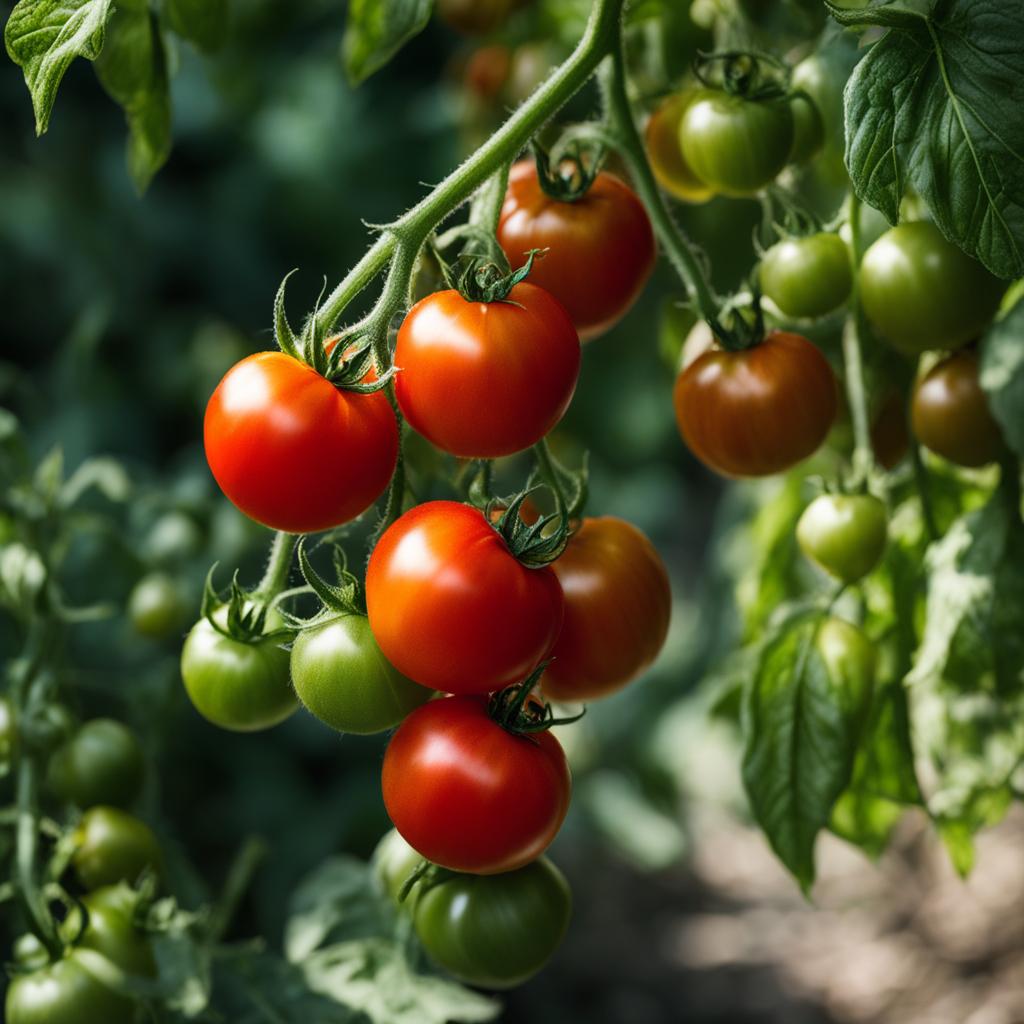
When it comes to storing tomatoes, keeping them on the stem can help maintain their freshness for a longer period. The stem provides some protection against moisture and bacteria entering the fruit, ensuring that your tomatoes stay delicious and ready to use whenever you need them.
To store tomatoes on the stem, start by selecting tomatoes with intact stems. These are often sold as a pack and can be easily found in grocery stores or farmers markets. Once you have your tomatoes, it's important to store them properly to maximize their shelf life.
To store tomatoes on the stem, place them in a single layer with some space between each tomato. This allows for proper air circulation and prevents them from touching each other, which can lead to bruising or accelerated spoilage. It's best to store the tomatoes stem-side down to maintain their freshness. You can use a shallow tray or a perforated container to store them.
Remember to check the tomatoes regularly for any signs of spoilage or mold. If you spot any soft or moldy tomatoes, remove them immediately to prevent the spread of bacteria to the other tomatoes. By following these storage tips, you can enjoy the freshness of tomatoes on the stem for an extended period and add a touch of vibrant flavor to your dishes.
Freezing Tomatoes for Future Use
When you find yourself with ripe or overripe tomatoes that you won't be able to use immediately, freezing them is a great option to extend their shelf life. Freezing tomatoes is a simple process that allows you to preserve their flavor and use them later in sauces, soups, or other dishes. Here are some steps to freeze tomatoes:
- Start by washing the tomatoes thoroughly under cool water.
- Remove any bruises or unhealthy-looking sections by cutting them out.
- Decide how you want to freeze the tomatoes. You can freeze them whole, cut into halves or quarters, or even smash them for a more convenient storage option.
- If you choose to freeze them whole, place them on a baking sheet lined with parchment paper, making sure they don't touch. Freeze them until solid.
- If you prefer to freeze them in smaller portions, cut them into desired sizes and place them in a single layer on a baking sheet. Again, make sure they don't touch. Freeze them until solid.
- Once the tomatoes are frozen, transfer them to airtight freezer bags or containers. Label them with the date and contents.
When you're ready to use the frozen tomatoes, simply remove them from the freezer and let them thaw at room temperature. The texture of the tomatoes may change slightly after freezing, making them best suited for sauces, soups, or other cooked dishes. Avoid using previously frozen tomatoes in fresh salads or dishes where texture is important.
Freezing tomatoes allows you to enjoy the flavors of summer all year long. By properly storing and freezing ripe or overripe tomatoes, you can minimize waste and always have a supply of tomatoes on hand for your favorite recipes.
Delicious Recipes for Using Bruised Tomatoes
When you have bruised tomatoes that you can't use for slicing or salads, don't let them go to waste! Instead, turn them into flavorful dishes that celebrate the unique texture and taste of slightly damaged or overripe tomatoes. Here are a few delicious recipes that you can try:
Slow-Roasted Tomatoes
Slow-roasting bruised tomatoes brings out their natural sweetness and intensifies their flavor. Simply cut the tomatoes in half, place them on a baking sheet, drizzle with olive oil, sprinkle with salt and pepper, and roast them in a preheated oven at 325°F (163°C) for about 1-2 hours, or until they are shriveled and slightly caramelized. These slow-roasted tomatoes are perfect for adding to pasta dishes, sandwiches, or as a topping for bruschetta.
Gazpacho
Gazpacho is a refreshing and vibrant chilled soup that is perfect for hot summer days. Bruised tomatoes are ideal for gazpacho because their softer texture blends easily into a smooth and silky soup. Combine the tomatoes with cucumber, bell pepper, garlic, onion, olive oil, vinegar, and a dash of hot sauce, then blend until smooth. Serve the gazpacho chilled and garnish with fresh herbs for a burst of flavor.
Tomato Salsa
Transform your bruised tomatoes into a zesty and tangy tomato salsa. Finely chop the tomatoes and combine them with diced onion, jalapeno pepper, cilantro, lime juice, salt, and pepper. Let the flavors meld together for a while before serving. This homemade tomato salsa is perfect for dipping tortilla chips, topping tacos, or adding to grilled meats for an extra burst of freshness.
These recipes provide creative ways to use bruised tomatoes without sacrificing flavor or quality. So the next time you find yourself with tomatoes that aren't perfect, remember that they still have plenty of culinary potential. Embrace their unique characteristics and turn them into delicious dishes that will delight your taste buds.
The Importance of Discarding Moldy Tomatoes
When it comes to tomatoes, mold is a clear indication of spoilage. Moldy tomatoes should always be discarded to ensure food safety and avoid potential health risks. Mold can penetrate beneath the surface of the tomato, making it unsafe to consume, even if only one tomato shows signs of mold. It's crucial to check all tomatoes for any signs of mold and discard any affected ones.
Mold can cause various health problems if ingested, including allergic reactions and respiratory issues. It's important to remember that the presence of mold indicates the growth of fungi, which can produce toxins harmful to humans. Consuming moldy tomatoes can lead to food poisoning, especially for individuals with weakened immune systems or allergies. To prioritize your health and safety, it's best to err on the side of caution and dispose of any moldy tomatoes.
To prevent the growth of mold, proper tomato storage is key. Store tomatoes in a cool, dry place away from direct sunlight and heat sources. Avoid refrigerating tomatoes, as the cold temperature can negatively affect their texture and taste. By practicing proper storage techniques and regularly checking for mold, you can enjoy delicious and safe tomatoes in your meals.
| Signs of Moldy Tomatoes | Prevention and Safety Tips |
|---|---|
| Visible mold growth on the surface | Regularly inspect tomatoes for signs of mold |
| Musty or unpleasant odor | Store tomatoes in a cool, dry place |
| Soft or mushy texture | Avoid refrigerating tomatoes |
| Discolored or slimy appearance | Dispose of any moldy tomatoes |
By being vigilant and proactive in identifying and discarding moldy tomatoes, you can ensure the freshness and safety of your meals. Remember to prioritize proper storage practices and regular inspections to prevent the growth of mold and enjoy the full flavor and nutritional benefits of fresh tomatoes.
My Personal Experience with Moldy Tomatoes
"I once made the mistake of unknowingly using a moldy tomato in a pasta dish. The result was not only an unpleasant taste but also a stomachache and feeling unwell for hours afterward. Since then, I've become much more vigilant when it comes to checking my tomatoes for any signs of mold. It's a simple yet important step to ensure the safety of my meals and protect my health."
Conclusion
Knowing how to tell if a tomato has gone bad is essential for avoiding spoiled produce and ensuring the freshness and safety of your culinary creations. By utilizing visual inspection, smelling for odor, checking texture and firmness, and being mindful of storage practices, you can confidently enjoy the delicious taste of fresh tomatoes while minimizing waste.
When conducting a visual inspection, look for blemish-free tomatoes with smooth skin. Discard any tomatoes with spots or fluid leakage, as they are past their prime.
Smelling the tomatoes can also provide clues to their freshness.
A pleasant, aromatic tomato-y smell indicates freshness, while an off or unpleasant odor is a sign of spoilage.
The texture and firmness of a tomato can also indicate its freshness. Fresh tomatoes should feel smooth, supple, and heavy for their size. Wrinkled or mushy tomatoes are already past their prime and should be discarded. Remember to watch out for worms and discard any tomatoes with signs of infestation.
Proper storage plays a crucial role in prolonging the shelf life of tomatoes. Avoid refrigerating them and store them in a cool, dry place instead. If you have overripe tomatoes, consider freezing them for future use in sauces or salsas. And remember, when in doubt, it's better to err on the side of caution and discard any tomatoes that show signs of spoilage or mold.
Source Links
- https://www.eatingwell.com/article/7994529/is-it-safe-to-eat-bruised-or-moldy-tomato/
- https://www.thekitchn.com/how-to-tell-if-a-tomato-is-good-bad-23402454
- http://www.missouribotanicalgarden.org/Portals/0/Gardening/Gardening Help/Visual Guides/Tomato Fruit Problems.pdf
Frequently asked questions
- How can I tell if a tomato has gone bad?
There are a few ways to assess a tomato's freshness. Visual inspection is one method – look for tomatoes with taught, blemish-free skin and avoid ones with spots or leaking fluid. You can also give it a sniff – a fresh tomato should have a pleasant, tomato-y smell. Finally, check the texture and firmness – fresh tomatoes should feel smooth, supple, and heavy for their size.
- What should I do if I find worms in my tomatoes?
If you spot any worms in your tomatoes, it's best to discard the affected ones. These critters can make a snack or a home out of your tomatoes, so it's important to keep an eye out for any signs of infestation.
- How should I store tomatoes to prolong their freshness?
Tomatoes should be kept at room temperature, in a cool, dry place away from direct sunlight or heat sources. Avoid storing them in the refrigerator, as this can affect their texture and taste.
- Can I still use overripe tomatoes?
Absolutely! Overripe tomatoes can still be used in various ways, such as making sauces, salsas, or slow-roasting them. You can even freeze them for later use in cooking.
- How do I know if a tomato is moldy?
If you spot any mold on a tomato, it's crucial to discard it. Mold can penetrate beneath the surface of the tomato and make it unsafe to consume. Even if only one tomato shows signs of mold, it's best to discard it and check the others for any signs of mold as well.
- Why is it important to select fresh tomatoes?
Selecting fresh, ripe tomatoes is crucial for achieving the best flavor and quality in your culinary creations. Fresh tomatoes not only provide superior taste but also contribute to the overall visual appeal of your dishes.
- What's the best way to store tomatoes on the stem?
If you have tomatoes with the stem intact, you can store them in a single layer with space between them, stem-side down. This can help provide some protection against moisture and bacteria entering the fruit.
- Can I freeze tomatoes for future use?
Yes, you can freeze tomatoes for later use. Whether whole, cut, or smashed, remove any bruises or unhealthy-looking sections before freezing. Thaw the frozen tomatoes when you're ready to use them, such as in sauces or soups.
- What can I do with bruised tomatoes?
Bruised tomatoes can still be used in recipes that don't require pristine slices. Slow-roasting, making gazpacho, or creating a simple tomato salsa are excellent ways to make use of slightly damaged or overripe tomatoes.
- Why is it important to discard moldy tomatoes?
Moldy tomatoes should be discarded because mold can penetrate beneath the surface, making them unsafe to consume. Even if only one tomato shows signs of mold, it's best to discard it to prevent the spread of mold to others.
AprilCook, recipe developer and the heart of Chefwiz. More about April