Guide
Deciphering Spoilage: How to Tell if Bacon is Bad
I reveal the secrets on how to tell if bacon is bad. Don't fret about spoiled bacon anymore with these easy tips to detect freshness.
 By April22 min read
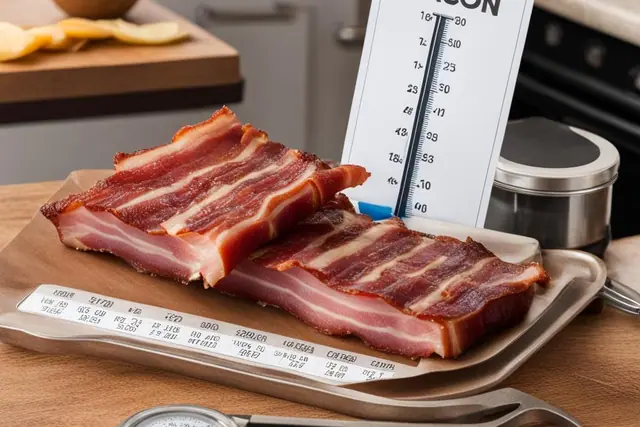
In this guide
- Checking the Expiration Date
- Checking the Packaging
- Smelling for Spoilage
- Examining Color and Texture
- Storing Uncooked Bacon
- Storing Cooked Bacon
- Thawing Frozen Bacon
- Disposing of Spoiled Bacon
- Safety Precautions and Risks
- Extended Tips and Ideas
- Bacon Spoilage: Conclusion on Food Safety and Proper Storage
- References
- Share Your Experience
- Source Links
- FAQ
Hey there, bacon lovers! Today, I'm going to tackle a topic that might make your stomach churn—how to tell if bacon is bad. We all know that bacon is a beloved meaty treat, but just like any other food, it can go bad if not handled and stored properly. So, let's dive into the nitty-gritty of bacon spoilage and learn how to identify when our savory strips have gone from delicious to downright spoiled.
https://www.youtube.com/watch?v=iOmzrdOf8dw
Checking the Expiration Date
When it comes to determining the freshness of bacon, checking the expiration date is a crucial step. Most bacon packages have a use-by or sell-by date printed on them. The use-by date indicates the date when the bacon reaches its peak quality, and it is recommended to discard it if it is past this date. This ensures that you are consuming bacon at its freshest and safest state. If the package only has a sell-by date, it's best to use the bacon within one week of that date. However, it's important to note that properly stored bacon can still be consumed up to 7 days past the sell-by date, making it a versatile ingredient in the kitchen.
Checking the expiration date is a quick and easy way to gauge the freshness of bacon. By being mindful of these dates, you can ensure that you are using bacon that is still within its recommended shelf life. This not only guarantees the best flavor and quality but also helps to prevent any potential health risks associated with spoiled bacon.
Table: Bacon Expiration Dates
| Expiration Date | Guidelines |
|---|---|
| Use By Date | The date when bacon reaches its peak quality. Discard if past this date. |
| Sell By Date (Only) | Use within 1 week of the sell-by date. |
| Sell By Date (with Proper Storage) | Can be consumed up to 7 days past the sell-by date if properly stored. |
Table: Bacon Expiration Dates. The table provides a summary of the different expiration dates found on bacon packages and guidelines for consumption based on these dates.
Checking the Packaging
When it comes to determining the freshness of bacon, checking the packaging is crucial. The way bacon is packaged can provide valuable insights into its quality and potential spoilage. Here are some key factors to consider:
- Vacuum-sealed packaging: Look for bacon that is tightly sealed in a vacuum package. This type of packaging helps to remove excess air, reducing the risk of oxygen exposure and the spoilage process. If the packaging is loose or puffed up, it may indicate a bad seal and potential spoilage. It's best to avoid consuming bacon with compromised packaging.
- Visible signs of a bad seal: In some cases, the bacon packaging may appear to be intact but still have a bad seal. One way to check for this is by gently pressing on the package. If you feel air escaping or hear a hissing sound, it could be a sign of a faulty seal. In such cases, it's advisable to discard the bacon to avoid any potential health risks.
- Considering oxygen exposure: Oxygen exposure can accelerate the spoiling process of bacon. When exposed to oxygen, bacteria can multiply rapidly, leading to spoilage. It is therefore essential to look for bacon that has been well protected from oxygen exposure. Vacuum-sealed packaging is the best option, ensuring that the bacon remains fresh and safe to consume.
In summary, checking the packaging of bacon is an essential step in determining its freshness. Look for vacuum-sealed packaging that is intact and free from any signs of a bad seal. By ensuring proper packaging, you can help ensure the quality and safety of the bacon you consume.
Why Vacuum-Sealed Packaging Matters
Vacuum-sealed packaging plays a crucial role in preserving the freshness of bacon. By removing excess air, vacuum-sealed packaging helps to reduce oxygen exposure, which can lead to spoilage. It creates an airtight barrier that prevents bacteria from multiplying and extends the shelf life of the bacon.
"Vacuum-sealed packaging is a game-changer when it comes to preserving the quality of bacon. It keeps the product fresher for longer by reducing oxygen exposure and preventing bacterial growth."
In addition to extending the shelf life, vacuum-sealed packaging also helps to maintain the flavor and texture of the bacon. By minimizing exposure to air, it helps to preserve the natural smoky taste and prevents the bacon from becoming dry or tough.
The Importance of Intact Packaging
Intact packaging is another crucial aspect to consider when checking the freshness of bacon. If the packaging is damaged, it can allow oxygen to enter, increasing the risk of spoilage. Additionally, a compromised seal can also lead to bacterial contamination and the growth of harmful pathogens.
"When it comes to bacon, intact packaging is essential. It ensures that the bacon remains protected from oxygen exposure and helps to maintain its quality and safety."
By examining the packaging for signs of damage or a bad seal, you can make an informed decision about the freshness and safety of the bacon. It's always better to be safe than sorry and discard any bacon with compromised packaging.
Smelling for Spoilage
When it comes to checking if bacon has gone bad, one of the most reliable methods is to rely on your sense of smell. A good bacon should have a mild, smoky scent due to the curing process. However, if you detect a sour or sulfuric smell coming from the bacon, it's a clear indication of spoilage. The bacteria present in spoiled bacon produce an unpleasant odor as they multiply, giving off a distinct, off-putting smell. Sometimes, the smoky scent can overpower the bad smell, so it's important to check for additional signs of spoilage to ensure that the bacon is still safe to consume.
In addition to the smell, other visual and tactile cues can help determine if the bacon has gone bad. This includes checking for signs of discoloration, slimy texture, and mold growth. Discoloration, such as a greenish-grey or orangish/brown hue, indicates oxidation and the presence of bad bacteria. If the bacon feels slimy to the touch, it means that bacteria have started breaking down the meat, and it should be discarded. Mold growth, whether visible to the naked eye or in the form of fuzzy spots, is also a clear sign of spoilage. If any of these signs are present, it's best to err on the side of caution and avoid consuming the bacon.
Smelling for Spoilage
- A good bacon should have a mild, smoky scent
- A sour or sulfuric smell indicates spoilage
- Check for additional signs of spoilage such as discoloration, slimy texture, and mold growth
- Visible mold or fuzzy spots are a clear indication of spoilage
- When in doubt, discard the bacon to avoid the risk of food poisoning
"A sour or sulfuric smell coming from the bacon is a clear indication of spoilage."
To summarize, smelling for spoilage is an effective way to determine if bacon has gone bad. A good bacon should have a smoky scent, while a sour or sulfuric smell indicates spoilage. It's important to consider other signs such as discoloration, slimy texture, and mold growth to ensure the bacon is safe to consume. When in doubt, it's always better to discard the bacon to avoid the risk of foodborne illness.
| Signs of Spoilage | What it Indicates |
|---|---|
| Strong sour or sulfuric smell | Bacterial spoilage |
| Discoloration (greenish-grey or orangish/brown) | Oxidation and presence of bad bacteria |
| Slimy texture | Bacterial breakdown of the meat |
| Mold growth | Decay and bacterial growth |
Examining Color and Texture
When it comes to determining if bacon is bad, examining its color and texture can provide valuable insights. Fresh bacon should have a distinct appearance with pink and red hues marbled with white fat. This combination of colors is a sign of freshness and indicates that the bacon is still safe to consume. However, if you notice any changes in color, such as a greenish grey or orangish/brown tint, it is a clear indication that the bacon has oxidized and spoiled. Discoloration is a key visual cue that should not be ignored, as it signifies the presence of harmful bacteria.
In addition to observing color, it's essential to pay attention to the texture of the bacon. Fresh bacon should have a firm and slightly crisp texture. However, if you notice a slimy or sticky consistency, it is a clear sign that bacteria have started to break down the meat, indicating spoilage. A slimy texture is an unmistakable indicator that the bacon has gone bad and should be discarded immediately.
Another visible sign of spoilage is the presence of mold on the bacon. Mold growth can occur due to improper storage or prolonged exposure to oxygen. If you notice any fuzzy or discolored patches on the bacon, it is crucial to discard it. Mold can produce toxins that are harmful if consumed, and it is always better to err on the side of caution to protect your health.
"Fresh bacon should have a distinct appearance with pink and red hues marbled with white fat."
| Color and Texture | Indication |
|---|---|
| Pink and red hues marbled with white fat | Fresh and safe to consume |
| Greenish grey or orangish/brown tint | Oxidized and spoiled |
| Slime or stickiness | Indicates bacterial breakdown and spoilage |
| Mold growth | Should be discarded immediately |
Storing Uncooked Bacon
When it comes to storing uncooked bacon, proper refrigeration is key to maintaining its freshness and quality. Here are some essential tips for storing uncooked bacon:
- Keep it in the fridge: Uncooked bacon should always be stored in the refrigerator to prevent bacterial growth. The ideal temperature for refrigeration is between 34°F and 40°F (1°C and 4°C).
- Use an airtight container: To protect the bacon from exposure to air and moisture, store it in an airtight container or wrap it tightly in plastic wrap or aluminum foil.
- Consider freezing: If you have uncooked bacon that you won't be able to use within a week, freezing is a great option. Place the bacon in a freezer-safe bag and remove as much air as possible before sealing.
- Label and date: To ensure proper rotation and avoid confusion, label the packaging or container with the date you stored the bacon.
By following these guidelines, you can extend the shelf life of uncooked bacon and ensure that it stays fresh and safe to consume.
"Proper refrigeration is crucial for keeping uncooked bacon fresh and safe to eat. Storing it in the fridge, using an airtight container, and considering freezing are all effective strategies to maintain its quality." - Bacon Expert
Comparing Shelf Life: Fridge vs. Freezer
Here's a comparison of the shelf life of uncooked bacon when stored in the fridge versus the freezer:
| Storage Method | Shelf Life |
|---|---|
| Refrigerator (34°F to 40°F / 1°C to 4°C) | Up to 1 week |
| Freezer (0°F / -18°C or below) | 6 to 12 months |
It's important to note that while uncooked bacon can be stored for a longer period in the freezer, prolonged freezing may affect its texture and taste. It's best to use frozen bacon within a reasonable timeframe to enjoy it at its best.
Now that you know how to properly store uncooked bacon, you can ensure its freshness and enjoy delicious bacon whenever you want!
Storing Cooked Bacon
After enjoying a delicious breakfast or brunch with bacon, it's important to know how to properly store any leftover cooked bacon to maintain its freshness. Storing cooked bacon correctly can extend its shelf life and ensure that it remains safe to eat for a longer period of time.
One of the key steps in storing cooked bacon is to place it in an airtight container. This helps to prevent moisture and odors from seeping in, which can cause the bacon to spoil more quickly. An airtight container also helps to maintain the flavor and texture of the bacon, making it taste as good as when it was freshly cooked.
When storing cooked bacon in the refrigerator, it's important to wrap the bacon strips in a paper towel before placing them in the airtight container. This helps to absorb any excess grease, preventing the bacon from becoming soggy or oily during storage. It's also a good idea to label the container with the date to keep track of how long the bacon has been stored.
If you have a large amount of cooked bacon that you won't be able to consume within a week, it's recommended to freeze it for longer storage. Before freezing, make sure the bacon has cooled completely. Place the bacon in a freezer-safe container or wrap it tightly in aluminum foil or freezer paper. Frozen cooked bacon can last up to 6 months, but it's important to note that the longer it is frozen, the more it may start to lose its texture and taste.
Tips for Storing Cooked Bacon:
- Place cooked bacon in an airtight container to maintain freshness.
- Wrap bacon strips in a paper towel to absorb excess grease.
- Label the container with the date to keep track of storage time.
- Freeze cooked bacon for longer storage, up to 6 months.
Thawing Frozen Bacon
Thawing frozen bacon properly is important to ensure its safety and taste. There are a few different methods you can use to thaw frozen bacon depending on your time constraints.
Thawing in the Refrigerator
One of the best ways to thaw frozen bacon is to do it slowly in the refrigerator. Simply place the bacon in its original packaging or in a sealed container and let it thaw overnight. This gradual thawing process helps maintain the quality of the bacon and prevents the growth of harmful bacteria. Remember to place the bacon on a plate or in a container to catch any liquid that may come out during thawing.
Thawing in Cold Water
If you need to thaw bacon quickly, you can use the cold water method. Keep the bacon in its packaging and place it in a sealed plastic bag. Fill a large bowl or sink with cold water and submerge the bag of bacon in it. Change the water every 30 minutes to ensure that it stays cold. It usually takes about 30 minutes to thaw a pound of bacon using this method.
Thawing in the Microwave
If you're in a hurry, you can use the defrost function on your microwave to thaw frozen bacon. Make sure to follow the manufacturer's instructions for defrosting bacon or use the "low" or "defrost" setting if there is no specific bacon setting. Be cautious when using the microwave as it can partially cook the bacon if left in for too long. It's best to check the bacon frequently during the defrosting process to ensure it doesn't start cooking.
| Thawing Method | Time Required |
|---|---|
| Refrigerator | Overnight |
| Cold Water | Around 30 minutes per pound |
| Microwave | Varies depending on microwave settings |
Disposing of Spoiled Bacon
When you have spoiled bacon, it's important to dispose of it properly to prevent any potential health hazards. Here are some steps to follow for safe and effective disposal:
- Place the spoiled bacon, along with its original packaging, in a freezer bag or tightly sealed container.
- Ensure that the bag or container is securely closed to prevent any leakage or odor.
- Dispose of the bag or container in an outdoor trash can, if possible. This helps prevent the smell from spreading inside your kitchen.
If you don't have access to an outdoor trash can, double-bagging the spoiled bacon can help contain the odor. Additionally, it's a good practice to clean the area where the bacon was stored or prepared to eliminate any remaining bacteria or odors.
While disposing of spoiled bacon, it's important to handle it with care and avoid contact with your skin or other surfaces. This helps minimize the risk of bacterial contamination and potential foodborne illnesses.
| Disposal Steps | Recommendations |
|---|---|
| Place spoiled bacon and packaging in a freezer bag or container | Use a secure and tightly sealed bag or container to prevent leakage and odor. |
| Dispose of the bag or container in an outdoor trash can | If possible, dispose of the spoiled bacon outside to minimize indoor odor. |
| Consider double-bagging for added odor control | If an outdoor trash can is not available, double-bagging can help contain the smell. |
| Clean the area where the bacon was stored or prepared | Thoroughly clean and sanitize surfaces to eliminate any remaining bacteria or odors. |
Remember, it's crucial to handle bacon fat properly as well. Instead of pouring it down the drain, store it in a sterilized jar and use it for cooking or flavoring other dishes. This helps prevent plumbing issues and reduces waste.
By following these disposal guidelines, you can ensure the proper and safe removal of spoiled bacon from your kitchen, minimizing the risk of foodborne illnesses and maintaining a clean environment.
Safety Precautions and Risks
When it comes to bacon spoilage, there are important safety precautions to keep in mind to protect yourself and your loved ones from potential risks. Consuming spoiled bacon can lead to food poisoning, as it can harbor harmful bacteria such as salmonella, E. coli, and staphylococcus. These bacteria can cause a range of health issues, from mild stomach upset and diarrhea to more severe illnesses like kidney and nerve damage.
It's crucial to understand that cooking bacon won't eliminate these bacteria, as they are heat resistant. Therefore, it's vital to identify signs of spoilage and avoid consuming bacon that has gone bad. Be on the lookout for expiration dates, packaging integrity, smell, color, and texture to determine if the bacon is safe to eat.
Proper storage is also essential in minimizing the risk of bacon spoilage. Uncooked bacon should be stored in the refrigerator, preferably in an airtight container or freezer bag, to prevent exposure to oxygen and bacteria. Cooked bacon should be stored in a separate airtight container in the fridge. If you have a large quantity of cooked bacon that won't be consumed within a week, freezing it is a good option for longer storage.
Quick Tips for Bacon Safety:
- Check the expiration date and packaging integrity before consuming bacon.
- Trust your sense of smell - if the bacon has a sour or unpleasant odor, it may be spoiled.
- Inspect the bacon's color and texture - discoloration, slimy texture, and mold growth are all signs of spoilage.
- Store uncooked bacon in the refrigerator, and cooked bacon in a separate airtight container.
- When in doubt, discard any potentially spoiled bacon to avoid the risk of food poisoning.
By following these safety precautions and being aware of the risks associated with spoiled bacon, you can ensure the well-being of yourself and your family when enjoying this delicious meat product.
Extended Tips and Ideas
When it comes to bacon, there are endless possibilities for incorporating it into different recipes and dishes. Here are some tips and ideas to make the most out of your bacon:
Bacon in Breakfast and Brunch
Start your day off right by adding bacon to your morning meals. Whether you prefer crispy or chewy bacon, it can be the star of your breakfast sandwich, paired with eggs, lettuce, and tomato. You can also crumble it over pancakes or waffles for a sweet and savory combination. If you're feeling adventurous, try using bacon as a wrap for avocado or asparagus for a delicious twist.
Bacon in Soups and Salads
Bacon adds a burst of flavor and texture to soups and salads. Crumble cooked bacon on top of a creamy potato soup or sprinkle it over a hearty vegetable soup for an extra savory kick. In salads, bacon pairs well with leafy greens, tomatoes, and avocado. For a unique twist, toss bacon with roasted Brussels sprouts or add it to a classic Cobb salad.
Bacon in Main Dishes
Bacon can take center stage in main dishes, adding richness and depth of flavor. Wrap bacon around chicken or pork tenderloin before baking or grilling for a juicy and flavorful result. You can also use bacon to stuff chicken breasts or pork chops, creating a delicious filling. For a vegetarian option, sauté bacon and mix it with pasta, sun-dried tomatoes, and spinach for a tasty and comforting meal.
| Dish | Ingredients | Instructions |
|---|---|---|
| Bacon-Wrapped Chicken | Chicken breasts, bacon slices, salt, pepper, garlic powder |
|
| Bacon and Spinach Pasta | Pasta, bacon, spinach, garlic, olive oil, Parmesan cheese |
|
These are just a few ideas to get you started, but don't be afraid to get creative in the kitchen. Bacon can elevate the flavors of any dish and add a touch of indulgence. So go ahead, experiment with different recipes, and enjoy the versatility of this beloved ingredient!
Bacon Spoilage: Conclusion on Food Safety and Proper Storage
Properly handling and storing bacon is crucial to ensure food safety and avoid the risks of consuming spoiled meat. By following the guidelines provided in this article, you can determine if bacon has gone bad and take necessary precautions to protect your health.
When checking for spoilage, always start by examining the expiration date on the packaging. If the bacon is past its use by date or the sell by date, it's best to discard it. Additionally, pay attention to the packaging itself. Loose or compromised packaging can allow oxygen to enter, leading to spoilage even before the expiration date.
Smell and visual cues are also important indicators of spoilage. A sour or sulfuric smell, along with discoloration or a slimy texture, are all signs that bacon has gone bad. Mold growth is another clear indication that the bacon should be thrown away.
Finally, proper storage is essential in maintaining bacon's freshness. Uncooked bacon should be stored in the refrigerator, preferably in an airtight container or freezer bag. Cooked bacon should also be refrigerated in an airtight container to prolong its shelf life. Freezing can be an option for longer storage, although the texture and taste may be affected after a few months.
By being aware of these guidelines and practicing proper storage methods, you can confidently enjoy bacon while ensuring your food safety. Remember, when in doubt, it's always better to err on the side of caution and discard potentially spoiled bacon to prevent foodborne illness.
Table: Bacon Spoilage Signs and Precautions
| Signs of Bacon Spoilage | Precautions |
|---|---|
| Sour or sulfuric smell | Discard the bacon |
| Discoloration (greenish grey, orangish/brown) | Throw away the bacon |
| Slimy texture | Dispose of the bacon |
| Mold growth | Do not consume, discard immediately |
| Expired or compromised packaging | Avoid consuming, check for proper seal |
| Proper storage (refrigeration, airtight containers) | Maximize freshness and prevent spoilage |
References
When compiling this article, I relied on information from reputable sources to provide accurate and reliable information on how to determine if bacon is bad. The following references were used:
- Food Safety and Inspection Service of the USDA: A trusted source for food safety guidelines and information. It provides comprehensive resources to ensure safe consumption of various food products.
- Kitchensanity: A valuable website that offers insights and tips on a wide range of food-related topics. It provides practical advice for cooking, storing, and identifying quality ingredients.
- FoodSafety.gov: An online portal that combines food safety information from various US government agencies. It serves as a reliable source for consumers looking for guidance on safe food handling and storage.
By referring to these sources, I aimed to present factual data and expert opinions to help you make informed decisions regarding the freshness and safety of your bacon. It's important to note that the information provided in this article is intended for general knowledge and should not replace professional advice or specific instructions provided by manufacturers or healthcare professionals.
Remember, proper storage and regular inspections are key to avoiding the consumption of spoiled bacon. If you have any doubts about the freshness or safety of your bacon, it's always better to err on the side of caution and discard it.
| References | Sources |
|---|---|
| 1 | Food Safety and Inspection Service of the USDA |
| 2 | Kitchensanity |
| 3 | FoodSafety.gov |
Share Your Experience
Hey there, fellow food enthusiasts! I want to hear all about your encounters with spoiled bacon and other culinary disasters. Let's connect on "Rotten Records," a platform where you can share your experiences and photos of rotten food.
By sharing your knowledge, you can help others identify the signs of food spoilage and make more informed decisions about their food safety. Did you come across bacon that turned a peculiar color or had an unbearable smell? Let's document it! Together, we can create a valuable resource that benefits everyone.
Join me on "Rotten Records" and let's compile a collection of cautionary tales to raise awareness about food spoilage. Share your experiences and photos, and together, we'll build a community dedicated to preserving the freshness and quality of our favorite foods.
Source Links
- https://www.atablefullofjoy.com/how-to-tell-if-bacon-is-bad/
- https://www.wikihow.com/Tell-if-Bacon-Is-Bad
- https://www.doesitgobad.com/does-bacon-go-bad/
Frequently asked questions
- How can I tell if bacon is bad?
Checking the expiration date, ensuring the packaging is still sealed properly, and examining for signs of spoilage such as a sour smell, slimy texture, discoloration, or mold growth can help determine if bacon has gone bad.
- What should I look for in the expiration date?
Bacon packages usually have a use by or sell by date printed on them. The use by date indicates the date when the bacon reaches its peak quality and should be discarded if it is past this date. The sell by date is used by stores to manage their inventory, and if this is the only date on the package, it is recommended to use the bacon within 1 week of the sell by date.
- How can I check the packaging for spoilage?
The packaging of bacon should be intact and vacuum-sealed. If the packaging is loose or ballooned out, it indicates a bad seal and the bacon should not be eaten. A bad seal allows oxygen to enter the package, which can lead to the spoiling process.
- What should I look out for in terms of smell?
Fresh bacon should have a mild, smoky scent due to the curing process. If the bacon has a sour or sulfuric smell, it indicates spoilage. The bacteria present in spoiled bacon produce odor as they multiply, resulting in a distinct unpleasant smell.
- How can I examine the color and texture to determine spoilage?
Fresh bacon should have a pink and red color marbled with white fat. If the bacon has turned greenish grey or orangish/brown, it indicates oxidation and the presence of bad bacteria. Additionally, if the bacon has a slimy texture, it means that bacteria have started to break down the meat, indicating that it needs to be discarded. Mold growth on bacon is also a sign of spoilage and should be an indication to throw it out.
- How should I store uncooked bacon?
Uncooked bacon should be stored in the refrigerator, preferably in an airtight container or a freezer bag, to prevent exposure to oxygen and bacteria. It can be kept in the fridge for up to 1 week. Freezing uncooked bacon is also an option for longer storage.
- How should I store cooked bacon?
Cooked bacon should be stored in the refrigerator in an airtight container to maintain its freshness. It can last for 5-7 days in the fridge. If you have a large amount of cooked bacon that you won't be able to consume within a week, it's recommended to freeze it for longer storage.
- How should I thaw frozen bacon?
It's best to thaw frozen bacon in the refrigerator overnight. Alternatively, you can use the defrost function on your microwave, following the manufacturer's instructions. Avoid thawing bacon at room temperature to prevent bacteria growth.
- How should I dispose of spoiled bacon?
Place the spoiled bacon, along with its original packaging, in a freezer bag and throw it away in an outdoor trash can if possible. If you have leftover bacon fat, store it in a sterilized jar and use it for cooking or flavoring other dishes.
- What are the safety precautions and risks of consuming spoiled bacon?
Consuming spoiled bacon can lead to food poisoning, as it contains harmful bacteria such as salmonella, E. coli, and staphylococcus. These bacteria are heat resistant, meaning that cooking the bacon won't eliminate them. It's important to be cautious and avoid consuming spoiled bacon to prevent foodborne illness.
- What are some extended tips and ideas for using bacon?
If you have leftover bacon, you can add it to burgers, breakfast burritos, sandwiches, salads, dips, or tacos to enhance the flavor. Baking bacon is also a popular method that results in less mess and delicious crispy bacon. Get creative and explore different culinary uses for bacon to avoid wastage.
- Are there any references for the factual data in this article?
The information presented in this article is based on factual data from sources such as the Food Safety and Inspection Service of the USDA, Kitchensanity, and FoodSafety.gov.
- How can I share my experience with spoiled bacon?
Consider sharing your experience and photos on platforms like "Rotten Records." By sharing your knowledge, you can help others identify the signs of food spoilage and make more informed decisions about their food safety.
AprilCook, recipe developer and the heart of Chefwiz. More about April