Guide
Key Indicators: How to Tell if a Whole Turkey is Bad?
Navigate your way through the holiday season safely with my guide on "how to tell if a whole turkey is bad".
 By April12 min read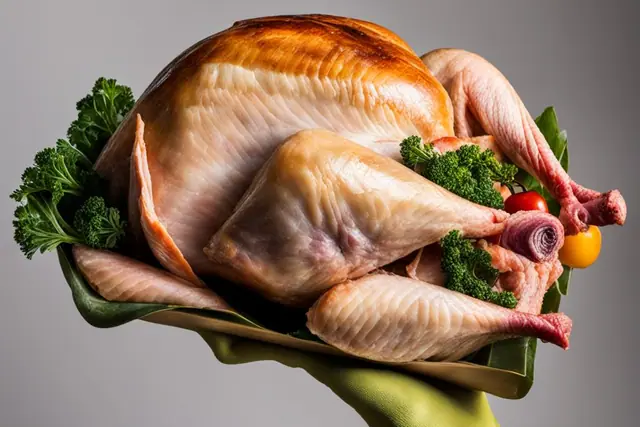
In this guide
Hey there! So, you've got a whole turkey sitting in your fridge, but you're not quite sure if it's still good to eat. Don't worry, I've got you covered! Knowing how to identify a spoiled whole turkey is essential to keep your meals delicious and free from any potential risks. Let's dive into the key indicators that can help you determine if that turkey is bad or not.
First of all, pay attention to any changes in color. Fresh turkey should have a nice, pinkish hue. If you notice any discoloration, such as a grayish tone or dullness of the skin, it might be a sign that the turkey has gone bad.
Next, trust your nose! A bad turkey will give off unpleasant odors like sulfur, rotten eggs, a sour smell, or anything that just doesn't seem right. Fresh turkey should have no smell at all, so if something seems off, it's better to be safe than sorry.
Lastly, let's talk texture. When you touch a fresh turkey, it should feel smooth and dry. If the skin feels slimy, sticky, or has a weird spongy consistency, that's a clear indication that the turkey has spoiled.
Remember, when in doubt, toss it out! Food safety should never be compromised. It's better to discard a potentially bad turkey than risk foodborne illnesses and a not-so-pleasant experience at the dinner table. Stay safe and enjoy your Thanksgiving feast!
https://www.youtube.com/watch?v=iBKYgThIBbM
Ways to Tell if a Fresh Turkey is Bad
When it comes to determining the freshness of a whole turkey, there are several key indicators to look out for. By paying attention to the turkey's appearance, smell, and texture, you can ensure that you are cooking and serving a safe and delicious meal. Here are three easy ways to tell if a turkey is bad:
- Look: Fresh turkey should have white and pink skin without any cuts or bruising. If you notice a change in color to grayish, dullness or grayness of the skin, visible broken bones, lesions, or dark spots, it is a sign that the turkey is spoiled.
- Smell: The smell of a fresh turkey should be neutral, with no unpleasant odors. If the turkey emits a sulfur or rotten egg smell, a sour or rancid smell, or any gamey or foul odors, it is a clear indication that it has gone bad.
- Texture: The texture of the turkey is another important clue to its freshness. Fresh turkey should have smooth, dry skin. If the turkey feels slimy, sticky, or has a spongy consistency, it is best to discard it as it has likely spoiled.
By checking these three factors – look, smell, and texture – you can easily determine if a whole turkey is bad and should not be consumed. Remember, when in doubt, it's always better to be safe than sorry when it comes to food safety.
Comparing the Characteristics of Fresh and Spoiled Turkey
| Characteristics | Fresh Turkey | Spoiled Turkey |
|---|---|---|
| Color | White and pink skin | Grayish or dull skin |
| Smell | Neutral | Sulfur, rotten egg, sour, rancid, gamey, or foul odors |
| Texture | Smooth and dry skin | Slimy, sticky, or spongy consistency |
Smell - An Obvious Sign of Spoilage
When it comes to identifying whether a whole turkey is bad or not, your sense of smell can be a powerful tool. The nose knows, as they say. Fresh turkey should have no smell at all. It should be odorless. However, if you detect a sulfur or rotten egg smell, a sour or rancid odor, or any gamey or foul smell coming from the turkey, it is a clear indication that it has spoiled and should not be consumed.
The unpleasant smell is caused by the growth of bacteria in the turkey, which can lead to foodborne illnesses if ingested. Trust your nose, and if something seems off, it's better to be safe than sorry. Don't take any chances with your health.
Remember, the sense of smell is one of our strongest instincts and an important tool for determining the freshness and safety of the turkey. If it doesn't smell right, it's best to discard it and avoid any potential risks.
Smell Test: A Quick Guide
- Sniff the turkey: Take a good whiff of the turkey. It should have no smell or any unpleasant odors.
- Watch out for sulfur, rotten egg, sour, or gamey smells: If you detect any of these strong and unpleasant odors, it's a sign of spoilage.
- Trust your sense of smell: If something smells off, don't chance it. Discard the turkey and ensure your safety.
Remember, when it comes to determining whether a whole turkey is bad, trust your sense of smell. It's better to be safe than sorry when it comes to food safety. If you detect any suspicious odors, discard the turkey to avoid potential health risks.
| Smell | Possible Interpretation |
|---|---|
| No smell | Turkey is fresh |
| Sulfur or rotten egg smell | Turkey is spoiled |
| Sour or rancid odor | Turkey is spoiled |
| Gamey or foul smell | Turkey is spoiled |
Looks - Visual Indicators of Spoilage
When it comes to identifying a spoiled whole turkey, the appearance is a significant factor to consider. Fresh turkey should have white and pink skin, indicating its freshness. The skin should be smooth and intact, without any cuts, bruises, or blemishes. These visual cues can help determine if the turkey is still safe to consume or if it has gone bad.
Signs of spoilage in the looks of a turkey include a change in color. A fresh turkey should have a vibrant and healthy color, but if it starts turning grayish or develops a dullness or grayness on the skin, it may indicate spoilage. Additionally, visible broken bones, lesions, or dark spots on the turkey can also be indicators that it has gone bad.
Table: Visual Indicators of Spoiled Turkey
| Signs of Spoilage | Indication |
|---|---|
| Change in color to grayish or dullness of skin | Possible spoilage |
| Visible broken bones, lesions, or dark spots | Possible spoilage |
To ensure the safety of your meal, it is important to inspect the look of the whole turkey before cooking or serving it. Any suspicious changes in color, texture, or appearance should be taken seriously, and it is recommended to discard the turkey to avoid any potential risks of foodborne illnesses.
By being aware of the visual indicators of spoilage, you can confidently determine whether a whole turkey is safe to consume or not. Remember, when it comes to food safety, it's always better to be cautious and prioritize your well-being.
Texture - A Reliable Clue of Spoilage
When it comes to determining the freshness of a whole turkey, texture can be a key indicator. The texture of a fresh turkey should be smooth and dry to the touch. However, if you notice that the turkey feels slimy, sticky, or has a spongy consistency, it is a definite sign that the turkey has gone bad and should be discarded immediately.
Remember, the texture of the turkey can change as it spoils, so it's essential to trust your senses. If the turkey doesn't feel right, it's best to err on the side of caution and choose not to use it. Consuming spoiled turkey can lead to foodborne illnesses and unpleasant symptoms, which is why it's crucial to prioritize food safety.
Additionally, it's worth noting that texture changes can also occur in cooked turkey. Leftovers that have become slimy or mushy may indicate spoilage and should be thrown away to avoid any potential health risks.
Table: Signs of Turkey Spoilage
| Indicators | Good Turkey | Bad Turkey |
|---|---|---|
| Texture | Smooth and dry | Slime, stickiness, sponginess |
| Smell | No odor | Sulfur, rotten eggs, sour, gamey, foul |
| Looks | White and pink skin, no cuts or bruising | Grayish color, dullness, visible broken bones, lesions, dark spots |
By paying attention to the texture of the turkey, you can easily determine if it is still safe to consume. Trust your senses and remember that when it comes to food safety, it's better to be safe than sorry. So, if in doubt, it's always best to discard the turkey and choose a fresh one to ensure a delicious and safe meal.
How Long Does a Turkey Last?
When it comes to the shelf life of a turkey, it's important to know the timelines for both raw and cooked turkey. Fresh, raw turkey can last in the refrigerator for a couple of days, while frozen turkey can be stored for much longer. It's crucial to follow proper food storage guidelines to ensure the turkey stays safe to eat.
If you have a fresh whole turkey, it's best to cook it within a couple of days of purchase. However, if you're not planning to cook it immediately, you can store it in the refrigerator at a temperature of 40 degrees Fahrenheit or below. Be sure to check the label for any specific recommendations from the manufacturer.
On the other hand, if you have a frozen turkey, it can last in the freezer for up to a year. To thaw a frozen turkey, it's safest to do so in the refrigerator. Allow approximately 24 hours of thawing time for every four to five pounds of turkey. This slow thawing method helps ensure that the turkey thaws evenly and stays at a safe temperature throughout the process.
| Turkey Type | Refrigerator Storage | Freezer Storage |
|---|---|---|
| Fresh Raw Turkey | 2-3 days | Not applicable |
| Frozen Raw Turkey | Not applicable | Up to 1 year |
| Cooked Turkey | 3-4 days | Up to 6 months |
Once the turkey is cooked, it can be stored in the refrigerator for 3-4 days. If you have leftovers that you don't plan to consume within that time frame, it's best to freeze them. Cooked turkey can be stored in the freezer for up to 6 months. Proper storage containers or freezer bags can help maintain the quality of the turkey for a longer period.
Remember, these timelines are general guidelines, and it's essential to use your judgment and senses to determine if the turkey is still safe to eat. If you notice any signs of spoilage, such as an off smell, unusual texture, or changes in color, it's best to discard the turkey to avoid any risk of foodborne illnesses.
Storing Raw Turkey Safely
When it comes to storing raw turkey, proper food safety practices are essential. By following the guidelines below, you can ensure the freshness and safety of your turkey:
Refrigeration
Raw turkey should be stored in the refrigerator at a temperature of 40 degrees Fahrenheit or below. This helps to slow down the growth of bacteria and prevent spoilage. Make sure the turkey is securely wrapped or placed in a leak-proof container to avoid cross-contamination with other foods.
Recommended Time Frame
Pay attention to the recommended time frame for consuming packaged turkey. It is important to follow the instructions on the packaging and consume the turkey within the specified period. This helps to ensure maximum freshness and minimize the risk of consuming spoiled turkey.
Thawing and Cooking
If you have frozen turkey, it should be thawed and cooked before the expiration date. Thawing should be done in the refrigerator, allowing approximately 24 hours of thawing time for every 4-5 pounds of turkey. Once thawed, cook the turkey promptly to ensure it reaches a safe internal temperature of 165 degrees Fahrenheit.
Remember, proper storage and handling of raw turkey are crucial for food safety. By following these guidelines, you can enjoy a delicious and safe turkey meal.
What to Do if You're Uncertain
If you find yourself uncertain about the freshness of a whole turkey, it's essential to prioritize food safety and take appropriate action. Consuming a spoiled turkey can lead to foodborne illnesses and unpleasant symptoms that nobody wants to experience. To ensure your well-being and that of your loved ones, here's what you should do:
Trust Your Senses
First and foremost, trust your senses when determining the freshness of a whole turkey. If you detect any unusual or off-putting smells, such as a sulfur or rotten egg odor, a sour or rancid smell, or any gamey or foul odors, it is likely spoiled and should be discarded immediately. Remember, fresh turkey should have no smell at all.
Additionally, pay attention to the looks and texture of the turkey. Signs of spoilage include a change in color to grayish or a dullness of the skin. You should also look out for visible broken bones, lesions, or dark spots on the turkey. As for texture, fresh turkey should have smooth, dry skin. If you notice a slimy or sticky texture or a spongy consistency, it's a clear indication that the turkey has gone bad.
Err on the Side of Caution
When in doubt, it's always better to err on the side of caution and discard the turkey. As the saying goes, "better safe than sorry." It's not worth risking potential foodborne illnesses and the associated discomfort and health risks. By choosing to prioritize food safety, you can protect yourself and your loved ones.
Remember, if you're uncertain about the freshness of the turkey, it's best to trust your instincts and dispose of it. Don't take any chances when it comes to your health and well-being.
Following these simple guidelines will help you make informed decisions about the freshness of a whole turkey. By relying on your senses and prioritizing food safety, you can ensure that the meals you prepare are delicious, enjoyable, and most importantly, safe to consume.
Conclusion
After understanding the key indicators and ways to tell if a whole turkey is bad, it is clear that ensuring the freshness of our food is essential for our health and well-being. By paying attention to the smell, looks, and texture of the turkey, we can easily identify any signs of spoilage and make an informed decision about its consumption.
Remember, a foul or rancid smell, a change in color to grayish, broken bones, lesions, or dark spots, as well as a slimy or spongy texture, are all indications that the turkey has gone bad. When in doubt, it is always better to discard it and avoid the risk of foodborne illnesses.
Knowing how to tell if a whole turkey is bad empowers us to prioritize food safety and ensure the enjoyment of our meals. So, the next time you're handling a turkey, trust your senses and don't compromise on freshness. By doing so, you'll be able to serve delicious and safe meals to your loved ones.
Source Links
- https://catheadsbbq.com/how-to-tell-if-turkey-is-bad/
- https://homecookbasics.com/how-to-tell-if-a-whole-turkey-is-bad/
- https://www.thekitchn.com/tips-to-tell-if-your-lunch-meat-has-gone-bad-260374
Frequently asked questions
- How can I tell if a whole turkey is bad?
You can tell if a whole turkey is bad by checking its smell, appearance, and texture. Any unpleasant odor, changes in color, or slimy texture indicate spoilage.
- What are the signs of spoilage in a turkey?
Signs of spoilage in a turkey include a sulfur or rotten egg smell, a sour or rancid smell, gamey or foul odors, a change in color to grayish or dullness, visible broken bones, lesions, or dark spots, and a slimy or sticky texture.
- How long can a fresh turkey last?
A fresh turkey can last in the fridge for a couple of days. Frozen turkey can last up to a year.
- How should I store raw turkey safely?
Raw turkey should be stored in the refrigerator at a temperature of 40 degrees or below. Packaged turkey should be consumed within its recommended time frame, while frozen turkey should be thawed and cooked before its expiration date.
- What should I do if I'm uncertain about the freshness of the turkey?
If you're uncertain about the freshness of the turkey, it's best to err on the side of caution and discard it. Consuming spoiled turkey can lead to foodborne illnesses and unpleasant symptoms.
AprilCook, recipe developer and the heart of Chefwiz. More about April