Guide
Expert Guide: How to Tell If a Pomegranate Is Ripe
Crack the code on how to tell if a pomegranate is ripe with my expert guide. Unleash the full flavor potential of this superfruit today!
 By April16 min read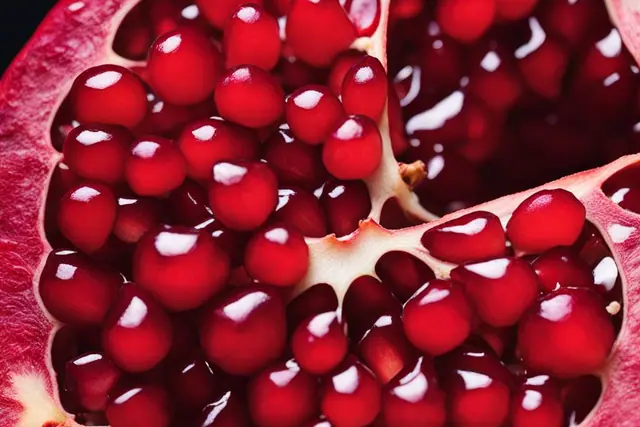
In this guide
- Understanding Pomegranate Anatomy
- Recognizing a Ripe Pomegranate
- Stages of Pomegranate Ripeness
- The Pomegranate Harvest Season
- Buying a Good Pomegranate
- Storing Pomegranates
- How to Pick a Pomegranate
- Do Pomegranates Ripen After Picking?
- How Long Until a Pomegranate Goes Bad? Storing Pomegranates
- 5 Ways to Use Stored Pomegranates That Become Overripe
- Conclusion
- Source Links
- FAQ
Pomegranates are a delicious and nutritious fruit known for their vibrant red color and unique taste. But how can you tell if a pomegranate is ripe and ready to enjoy? In this expert guide, I will share with you the key indicators to look out for when determining the ripeness of a pomegranate.
https://www.youtube.com/watch?v=0HCyTCQJKBc
Understanding Pomegranate Anatomy
When it comes to determining the ripeness of a pomegranate, understanding its anatomy is key. Let's take a closer look at the different parts of a pomegranate and how they can indicate the fruit's ripeness.
Pomegranate Skin
The skin of a ripe pomegranate should have a deep red color, indicating that it is fully matured. The skin should also be smooth and firm, with no traces of green. A healthy pomegranate will have a leathery skin that protects the juicy arils inside.
Pomegranate Seeds and Arils
Inside the pomegranate, you'll find the seeds, also known as arils. These arils should be plump and brightly colored when the pomegranate is ripe. Avoid pomegranates with shriveled or discolored arils, as these may be signs of overripeness or decay.
Pomegranate Stem and Blossom Ends
The stem of a ripe pomegranate should be healthy and firmly attached to the fruit. Avoid pomegranates with loose or dried-up stems, as they may indicate that the fruit is past its prime. Additionally, the blossom ends of a ripe pomegranate may have a slight indentation, another clue to its ripeness.
| Indicators of Pomegranate Ripeness | Signs of an Unripe Pomegranate |
|---|---|
| Deep red color | Predominantly green color |
| Smooth and firm skin | Skin with traces of green |
| Plump and brightly colored seeds | Shriveled or discolored seeds |
| Healthy and attached stem | Loose or dried-up stem |
| Slight indentation in the blossom ends | No indentation in the blossom ends |
Understanding the anatomy of a pomegranate can help you make an informed decision when selecting ripe fruits. By paying attention to the skin, seeds, stem, and blossom ends, you can enjoy the full flavor and juiciness of a perfectly ripened pomegranate.
Recognizing a Ripe Pomegranate
When it comes to enjoying the deliciousness of pomegranates, it's essential to know how to recognize when they are ripe and ready to eat. Here are some key indicators to look for when determining the ripeness of a pomegranate:
- Color: A ripe pomegranate will have a deep, rich reddish-brown color. This indicates that the fruit is fully mature and bursting with flavor.
- Weight: Feel the pomegranate in your hand and assess its weight. A ripe pomegranate should feel heavy for its size, indicating that the seeds inside are full and juicy.
- Shape: Look for a pomegranate with a round, smooth shape. Avoid fruits that are misshapen or have any soft spots, as these may be signs of spoilage.
- Skin: The skin of a ripe pomegranate should be leathery and firm. It should not have any wrinkles or blemishes. Avoid pomegranates with green patches, as this can be a sign of immaturity.
In addition to these visual cues, there are a couple of other methods you can use to determine if a pomegranate is ripe. When tapped, a ripe pomegranate will make a metallic, bell-like sound. You can also perform the fingernail test by gently pressing the skin of the fruit. If it gives slightly and springs back, it is likely ripe and ready to enjoy.
By paying attention to the color, weight, shape, skin, sound, and using the fingernail test, you can confidently select ripe pomegranates that will satisfy your taste buds and provide you with all the nutritional benefits these delightful fruits have to offer.
References:
- The Spruce Eats - How to Pick a Ripe Pomegranate
- Healthline - How to Tell If a Pomegranate Is Ripe
Stages of Pomegranate Ripeness
When it comes to pomegranates, ripeness plays a crucial role in determining their taste and texture. Pomegranates go through different stages of ripeness, with each stage offering a unique experience for the palate. Let's take a closer look at the stages of pomegranate ripeness:
Unripe:
Unripe pomegranates have a predominantly green color and are typically sour or tart in taste. The seeds inside the fruit are not fully developed and may be hard or underdeveloped. It's best to avoid consuming unripe pomegranates as they lack the desirable sweetness and juiciness.
Ripe:
A ripe pomegranate is a true delight to the senses. It has a deep red color, indicating that the fruit is packed with flavor. The seeds, or arils, are plump and have a sweet and juicy taste. The texture of the fruit is firm, making it satisfying to bite into. Ripe pomegranates are perfect for enjoying fresh or adding to recipes for a burst of vibrant flavor.
Overripe:
As pomegranates continue to ripen, they eventually reach an overripe stage. Overripe pomegranates have a wrinkled skin and may appear slightly shriveled. The arils inside may have lost some of their juiciness and flavor. While these fruits may not be ideal for eating as-is, they can still be utilized in various ways, such as juicing, baking, or making jelly.
To fully enjoy the flavor and sweetness of pomegranates, it's essential to choose fruits that are ripe and avoid those that are unripe or overripe. Pay attention to the color, texture, and taste to ensure a delightful pomegranate experience every time.
| Stage of Ripeness | Color | Taste | Texture |
|---|---|---|---|
| Unripe | Predominantly green | Sour or tart | Underdeveloped seeds, firm texture |
| Ripe | Deep red | Sweet and juicy | Firm |
| Overripe | Wrinkled skin | Loss of flavor | Soft or mushy |
The Pomegranate Harvest Season
When it comes to pomegranates, the harvest season is an exciting time. This is the period when these delicious fruits reach their peak ripeness and are ready to be picked from the trees. The pomegranate harvest season typically falls between September and November, although the exact timing can vary depending on the specific climate and location.
During the harvest season, it’s important to know how to identify ripe pomegranates. One of the key indicators is the color of the fruit. Ripe pomegranates have a deep, rich red hue, indicating that they are at their sweetest and juiciest. Additionally, the skin of a ripe pomegranate should be leathery and smooth, with no traces of green.
When picking pomegranates during the harvest season, pay attention to the blossom ends of the fruit. Ripe pomegranates may have a slight indentation at the blossom ends, which is a good sign of their readiness for picking. By carefully selecting ripe pomegranates during the harvest season, you’ll be able to enjoy their vibrant flavors and unique taste.
| Harvest Season Tips: |
|---|
| Picking Time: September to November |
| Ripe Color: Deep, rich red |
| Skin Texture: Leathery and smooth |
| Blossom Ends: Slight indentation |
With this knowledge about the pomegranate harvest season, you can confidently select and enjoy the ripest and most flavorful fruits. Whether you choose to consume them fresh or use them in various culinary creations, the harvest season is the perfect time to indulge in the abundance of ripe pomegranates.
Buying a Good Pomegranate
When it comes to buying a pomegranate, there are a few key indicators to look out for. These indicators will help ensure that you select a ripe and flavorful pomegranate. First, take a look at the shape of the fruit. A ripe pomegranate will have flattened or angular sides, indicating that it has developed fully. Avoid fruits that have round or bulging sides, as they may not be fully ripe.
Next, consider the weight of the pomegranate. A ripe pomegranate should feel heavy for its size, as this signifies that it is filled with juice. Give the fruit a gentle squeeze to determine its weight. If it feels light, it may be underripe or dried out. On the other hand, if it feels too heavy, it may be overripe or have a high moisture content.
Lastly, pay attention to the skin tone of the pomegranate. A ripe pomegranate should have a smooth and leathery skin, free of any green spots. The color of the skin can vary depending on the variety of pomegranate, but it should generally be deep red or reddish-brown. Avoid fruits with a greenish hue, as they may not be fully ripe.
By considering these indicators of quality, you can confidently choose a ripe and delicious pomegranate for your culinary creations. Remember to select pomegranates with flattened or angular sides, a heavy weight, and a smooth, leathery skin. These qualities will ensure that you enjoy the full flavor and juiciness of this wonderful fruit.
Table: Tips for Buying a Good Pomegranate
| Indicator | Description |
|---|---|
| Shape | Look for flattened or angular sides, indicating full development. |
| Weight | Choose pomegranates that feel heavy for their size, indicating juice content. |
| Skin Tone | Opt for pomegranates with smooth, leathery skin and no green spots. |
Storing Pomegranates
Proper storage is crucial to maintain the freshness and flavor of pomegranates. The storage method will depend on whether you have a whole pomegranate, pomegranate seeds, or pomegranate juice.
If you have a whole pomegranate, you can store it at room temperature for a few weeks. Make sure to keep it in a cool, dry place away from direct sunlight. If you want to extend its shelf life, you can refrigerate it for up to two months. Remember to place it in a breathable bag or wrap it in a paper towel to prevent moisture buildup.
To store pomegranate seeds, refrigeration is the best option. You can keep them in an airtight container or a sealable bag in the refrigerator for about a week. If you don't plan to use them within that time, consider freezing them. Place the seeds in a freezer-safe container or bag and store them in the freezer for up to a year.
If you have pomegranate juice, it's essential to store it properly to maintain its quality. Refrigerate the juice in a tightly sealed container for a few days. If you want to store it for a longer period, freezing is an option. Pour the juice into an airtight container or ice cube trays and freeze it for up to six months.
Table: Pomegranate Storage Recommendations
| Storage Method | Duration |
|---|---|
| Whole Pomegranate at Room Temperature | A few weeks |
| Whole Pomegranate in the Refrigerator | Up to two months |
| Pomegranate Seeds in the Refrigerator | About a week |
| Pomegranate Seeds in the Freezer | Up to a year |
| Pomegranate Juice in the Refrigerator | A few days |
| Pomegranate Juice in the Freezer | Up to six months |
By following these storage recommendations, you can enjoy the delicious taste and health benefits of pomegranates for an extended period. Whether you have a whole fruit, seeds, or juice, the right storage conditions will help preserve their quality.
How to Pick a Pomegranate
When it comes to picking a pomegranate, using the right technique is crucial to ensure you select a ripe and flavorful fruit. To do this, you'll need a pair of pruning shears to cut the stem close to the branch. This method helps prevent any damage to both the fruit and the tree. Pomegranates do not ripen after being picked, so it's important to choose ripe fruits for harvesting.
By using pruning shears, you can cleanly remove the pomegranate from the tree, minimizing any potential bruising or tearing of the skin. This helps maintain the fruit's freshness and flavor. Remember to handle the pomegranates with care, as they can be easily damaged due to their delicate nature.
Picking a pomegranate at the right time is essential to ensure optimal ripeness. Look for fruits with a deep red color, a heavy weight for their size, and a smooth and leathery skin. These are all signs of a ripe pomegranate that is bursting with juicy arils.
Table: Pomegranate Picking Guidelines
| Guidelines | Details |
|---|---|
| Use pruning shears | To cut the stem close to the branch |
| Choose ripe fruits | Look for deep red color, heavy weight, and smooth skin |
| Handle with care | Pomegranates are delicate and can be easily damaged |
By following these picking guidelines, you can ensure that you select the ripest and most flavorful pomegranates for your enjoyment.
Do Pomegranates Ripen After Picking?
As a lover of pomegranates, I often find myself wondering if these delicious fruits continue to ripen after being picked. To satisfy my curiosity, I delved into the world of pomegranate ripening to find the answer.
Unlike many other fruits, pomegranates are non-climacteric, meaning they do not ripen further once harvested. It's crucial to pick pomegranates at their optimal ripeness to enjoy their full flavor. Leaving them on the tree for too long can cause the fruit to split and lose its delectable taste.
So, next time you're picking pomegranates, make sure to select ripe fruits that are ready to be enjoyed right away. Don't wait for them to ripen off the tree, as it simply won't happen. Trust me, the flavor of a perfectly ripe pomegranate is worth the wait!
Taste the Perfect Pomegranate
| Ripeness Indicators | Unripe | Ripe | Overripe |
|---|---|---|---|
| Color | Green | Deep, rich red | Wrinkled skin |
| Weight | Light for its size | Heavy for its size | N/A |
| Shape | Irregular | Round, smooth | N/A |
| Skin Texture | Firm, leathery | Firm, leathery | Wrinkled |
| Taste | Tart, sour | Sweet, juicy | Loss of flavor |
Remember, when it comes to pomegranates, they must be picked ripe directly from the tree. This ensures that you will experience the full burst of flavor and enjoy the juiciest, most vibrant arils. Don't expect these fruits to ripen further once you've picked them. Grab that perfectly ripe pomegranate, slice it open, and revel in its succulent goodness!
How Long Until a Pomegranate Goes Bad? Storing Pomegranates
When it comes to storing pomegranates, the duration can vary depending on the method chosen. If you have a whole pomegranate, you can store it at room temperature for a few weeks. Alternatively, you can refrigerate it for up to two months to extend its shelf life. Pomegranate seeds, on the other hand, can be refrigerated for about a week. If you prefer to freeze them, they can last up to a year in the freezer. Lastly, pomegranate juice can be refrigerated for a few days or frozen for up to six months.
To summarize:
- Whole pomegranates: room temperature (few weeks) or refrigerated (up to two months)
- Pomegranate seeds: refrigerated (about a week) or frozen (up to a year)
- Pomegranate juice: refrigerated (few days) or frozen (up to six months)
Proper storage is essential to maintain the flavor and freshness of pomegranates. Whether you choose to keep them at room temperature or in the refrigerator, make sure to check their condition regularly and consume them before they go bad. By following these storage guidelines, you can enjoy the deliciousness of pomegranates for an extended period.
Table: Recommended Storage Times for Pomegranates
| Pomegranate | Storage Method | Recommended Duration |
|---|---|---|
| Whole fruit | Room temperature | A few weeks |
| Whole fruit | Refrigerator | Up to two months |
| Seeds | Refrigerator | About a week |
| Seeds | Freezer | Up to a year |
| Juice | Refrigerator | A few days |
| Juice | Freezer | Up to six months |
Remember, proper storage is the key to preserving the flavor and quality of your pomegranates. Don't let these tasty fruits go to waste. Enjoy them while they're at their best!
5 Ways to Use Stored Pomegranates That Become Overripe
If you find yourself with overripe pomegranates, don't fret! There are still plenty of creative ways to put them to good use. From extracting their delicious juice to incorporating them into various dishes, here are five ideas to make the most of your overripe pomegranates:
- Juice: Overripe pomegranates can be juiced to create a flavorful and refreshing beverage. Simply cut the fruit in half and squeeze out the juice using a citrus juicer or by hand. You can enjoy the juice as is or use it as a base for smoothies, cocktails, or even homemade popsicles.
- Bake: Incorporate your overripe pomegranates into delicious baked goods. From muffins and cakes to pies and tarts, the sweet and tangy flavor of pomegranates adds a delightful twist to traditional recipes. Try adding pomegranate arils to muffin batter or using pomegranate juice as a glaze for roasted meats.
- Salad: Overripe pomegranates can still be used to enhance the flavor and visual appeal of salads. Sprinkle the arils over leafy greens, grains, or protein for a burst of sweetness and an added pop of color. The juicy arils pair well with ingredients like feta cheese, nuts, and citrus fruits.
- Freeze: If you can't use your overripe pomegranates right away, consider freezing them for later use. Remove the arils from the fruit and spread them out on a baking sheet lined with parchment paper. Place the baking sheet in the freezer until the arils are firm, then transfer them to a freezer-safe container. Frozen pomegranate arils can be used in smoothies, yogurt bowls, or as a topping for desserts.
- Jelly: Turn your overripe pomegranates into a flavorful homemade jelly. Extract the juice from the fruit and combine it with sugar and pectin in a saucepan. Bring the mixture to a boil, then lower the heat and simmer until it thickens. Pour the jelly into sterilized jars and let it cool and set. Spread the pomegranate jelly on toast, scones, or use it as a filling for pastries.
With these five creative ideas, you can make the most of your overripe pomegranates and enjoy their unique flavor in a variety of ways. Don't let your pomegranates go to waste - get creative in the kitchen and savor every last drop of their goodness!
Conclusion
Determining the ripeness of a pomegranate is essential for enjoying its full flavor and nutritional benefits. When picking a pomegranate, look for a deep, rich reddish-brown color, a heavy weight, and a round, smooth shape. The skin should be leathery and firm, and when tapped, it should make a metallic, bell-like sound. Proper storage is crucial to maintain the freshness of pomegranates. Whole fruits can be stored at room temperature or in the refrigerator, while seeds and juice can be refrigerated or frozen.
If you have overripe pomegranates, don't let them go to waste. Juice them, bake them into treats, add them to salads, freeze them for smoothies, or make pomegranate jelly. There are plenty of creative ways to utilize overripe pomegranates and enjoy their goodness. By following these guidelines, you can fully enjoy the deliciousness of pomegranates in your culinary creations.
Remember, pomegranates do not ripen after being picked, so it's important to choose ripe fruits when picking from the tree. Leaving a pomegranate on the tree for too long can cause it to split and lose its flavor. So, make sure to pick them at their optimal ripeness. Whether you're picking, storing, or using pomegranates, these tips will help you make the most of this vibrant and delicious fruit.
Source Links
- https://moodypantry.com/blog/how-to-know-if-a-pomegranate-is-ripe
- https://www.purewow.com/food/how-to-tell-if-a-pomegranate-is-ripe
- https://foodsforantiaging.com/pomegranate-ripe-heres-how-to-tell-and-a-few-tips/
Frequently asked questions
- How can I tell if a pomegranate is ripe?
To determine if a pomegranate is ripe, look for a deep red color, a firm skin with no green traces, plump and brightly colored seeds, and a healthy and firmly attached stem. Ripe pomegranates may also have a slight indentation at the blossom ends.
- What are the signs of a ripe pomegranate?
A ripe pomegranate will have a deep, rich reddish-brown color, feel heavy for its size, have a round and smooth shape, and a leathery and firm skin. It should also make a metallic, bell-like sound when tapped and pass the fingernail test with gentle pressure.
- How do pomegranates ripen?
Pomegranates go through different stages of ripeness, including unripe, ripe, and overripe. An unripe pomegranate will be predominantly green and have a tart taste. A ripe pomegranate will have a deep red color, a sweet and juicy taste, and a firm texture. An overripe pomegranate will have a wrinkled skin, a loss of flavor, and mushy arils.
- When is the pomegranate harvest season?
Pomegranate harvest season is typically during the fall months, with most varieties ripening between September and November. The harvesting time can vary depending on the climate and location.
- What should I look for when buying a pomegranate?
When buying a pomegranate, look for flattened or angular sides, indicating a fully developed fruit. It should feel heavy, have a smooth and leathery skin, and be free of any green spots.
- How should I store pomegranates?
Whole pomegranates can be stored at room temperature for a few weeks or in the refrigerator for up to two months. Pomegranate seeds can be refrigerated for about a week or frozen for up to a year. Pomegranate juice can be refrigerated for a few days or frozen for up to six months.
- How do I pick a pomegranate from a tree?
Use pruning shears to cut the stem close to the branch when picking a pomegranate from a tree. This prevents damage to the fruit and the tree. Pomegranates do not ripen after being picked, so it's crucial to choose ripe fruits for harvesting.
- Do pomegranates ripen after being picked?
No, pomegranates do not ripen after being picked. It's important to pick pomegranates at their optimal ripeness to enjoy their full flavor. Leaving a pomegranate on the tree for too long can cause it to split and lose its flavor.
- How long do pomegranates last before going bad?
Whole pomegranates can be stored at room temperature for a few weeks or in the refrigerator for up to two months. Pomegranate seeds can be refrigerated for about a week or frozen for up to a year. Pomegranate juice can be refrigerated for a few days or frozen for up to six months.
- What can I do with overripe pomegranates?
If you have overripe pomegranates, you can juice them, bake them into treats, add them to salads, freeze them for smoothies, or make pomegranate jelly.
- How can I fully enjoy pomegranates?
To fully enjoy pomegranates, determine their ripeness, pick them at the right time, store them properly, and utilize overripe fruits creatively.
AprilCook, recipe developer and the heart of Chefwiz. More about April