Guide
Decoding Nature: How to Tell if a Pineapple is Ripe Perfectly
Unravel the secret of selecting the best fruit with my guide on how to tell if a pineapple is ripe. Get set to enjoy perfectly sweet and juicy pineapples!
 By April20 min read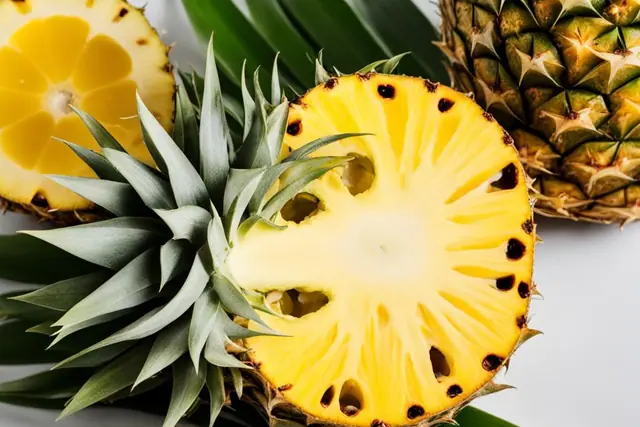
In this guide
- The Importance of Choosing a Ripe Pineapple
- The Weight Test
- The Aroma Test
- The Firmness Test
- The Color Test
- The Appearance Test
- The Overripe Signs
- How Long Do Whole Pineapples Last?
- How Long Do Pineapple Chunks or Slices Last?
- What Happens If You Eat Bad Pineapple?
- Is Eating Overripe Pineapples Okay To Do?
- How Can You Evaluate the Freshness of a Pineapple?
- Pineapples from Central America
- The Spread of Pineapples
- Conclusion
- Source Links
- FAQ
Biting into a perfectly ripened piece of fruit is enough to convince you to give up baked goods and plant your own garden. The combination of flavor, juice, and sweetness in a ripe mango, apple, plum, or berry is the stuff of life itself. Alas, most people don't know how to choose fruit that's properly ripe. If you rely solely on appearance, you're missing out on a world of flavor. Pineapple, in particular, is a tropical fruit that can be challenging to determine its ripeness, but with a few simple tips, you can enjoy a perfectly sweet and juicy pineapple.
https://www.youtube.com/watch?v=zyAIaYZhnaQ
The Importance of Choosing a Ripe Pineapple
When it comes to enjoying the tropical delight of a pineapple, choosing a ripe fruit is key. The characteristics of a ripe pineapple can greatly enhance its sweetness and flavor, making it a delightful treat. Here's what you need to know about selecting the perfect pineapple.
The Sweetness of Tropical Fruit
Tropical fruits are known for their natural sweetness, and pineapples are no exception. A ripe pineapple should have a tropical aroma that is sweet and enticing, signaling its readiness for enjoyment. The scent should transport you to a sunny beach, beckoning you to take a bite.
Assessing the Visual Clues
A quick visual inspection can also provide important clues about a pineapple's ripeness. Look for a vibrant golden-yellow color, which indicates that the pineapple has reached its peak of maturity. Avoid pineapples that are predominantly green, as they are likely unripe.
Texture and Firmness Matter
When you touch a pineapple, it should feel firm, not too soft or mushy. Gently squeeze the pineapple to assess its texture. A ripe pineapple should have some give but maintain its firmness. If it feels overly soft or mushy, it may be overripe.
The Freshness of the Leaves
Lastly, take a look at the leaves on the top of the pineapple. They should be green and fresh-looking, indicating that the pineapple is still fresh. If the leaves appear wilted or brown, it may be a sign of an older fruit.
| Characteristics | Indicators of Ripeness |
|---|---|
| Aroma | Sweet and enticing tropical smell |
| Color | Vibrant golden-yellow |
| Texture | Firm with a slight give |
| Leaves | Green and fresh-looking |
The Weight Test
When it comes to picking the perfect pineapple, the weight test can be a useful tool. Just like when grocery shopping for other culinary delights, assessing the weight of a pineapple can provide valuable insights into its ripeness and juiciness. To perform the weight test, simply pick up the pineapple and feel its weight in your hand.
A ripe pineapple should feel substantial and dense for its size. When you hold it, it should have a satisfying heft, indicating that it is filled with delicious juice. On the other hand, a pineapple that feels light and puffy may be dry and lacking in juiciness. The weight test is especially effective for larger fruits such as melons and citrus fruits. So, next time you're in the market for a pineapple, give it a gentle squeeze and let the weight guide your decision.
Benefits of the Weight Test:
- Provides insight into the fruit's juiciness
- Helps determine if the pineapple is ripe
- Useful for larger fruits like melons and citrus fruits
The Aroma Test
When it comes to selecting a ripe pineapple, the aroma test can be a helpful tool. Simply bring the pineapple close to your nose and take a deep breath. A ripe pineapple should have a strong and sweet aroma that is instantly recognizable. You should be able to detect the tropical fruitiness even with your eyes closed. This aromatic sensation is a key indicator of the pineapple's ripeness and readiness to be enjoyed.
However, it is important to note that the aroma test may be most effective when shopping at farmer's markets or local produce stands. Refrigeration in supermarkets can sometimes inhibit the development of the pineapple's aroma, making it more difficult to assess its ripeness based solely on smell. Therefore, if possible, try to purchase your pineapples from places where they are stored at room temperature to experience the full olfactory delight.
By utilizing the aroma test, you can ensure that your grocery shopping for pineapples results in the best culinary experience possible. The sweet and enticing scent will guide you towards selecting a pineapple that is perfectly ripe, ready to be incorporated into your favorite dishes, or enjoyed on its own for a refreshing and tropical treat.
The Firmness Test
When it comes to selecting the perfect pineapple, using the firmness test can be a helpful technique. By gently squeezing the pineapple with your fingers, you can assess its ripeness and texture. A ripe pineapple should have some give when squeezed, but it should still feel firm and not too soft or mushy. If the pineapple feels too hard or solid, it may not be ripe yet. On the other hand, if it feels too soft or mushy, it may be overripe.
The ideal level of firmness is comparable to the end of your nose where the cartilage is. If the pineapple feels similar in firmness to the cartilage on your nose, it is likely to be perfectly ripe and ready to enjoy. However, if it feels significantly softer or harder than that, it may be a sign that the pineapple is not at its optimal stage of ripeness.
Remember that the firmness test is just one indicator of a ripe pineapple. It is best to consider this test along with other factors such as aroma, color, and appearance to ensure you select the juiciest and most flavorful pineapple for your culinary creations.
Table:
| Texture | Interpretation |
|---|---|
| Firm but gives slightly when squeezed | The pineapple is perfectly ripe and ready to enjoy. |
| Too soft or mushy | The pineapple may be overripe and past its prime. |
| Too hard or solid | The pineapple may not be ripe yet and needs more time to develop its flavors. |
The Color Test
When it comes to selecting a ripe pineapple, the color of the fruit can be a helpful indicator of its ripeness. A ripe pineapple should have a vibrant golden-yellow color, which indicates that it has reached maturity. As the fruit ripens, the green chlorophyll breaks down, revealing the bright color underneath. However, it's important to note that color alone is not a foolproof indicator of ripeness, and it should be considered along with other factors.
Table:
| Ripeness | Color | Aroma | Texture | Firmness |
|---|---|---|---|---|
| Ripe | Vibrant golden-yellow | Strong and sweet | Soft with some give | Firm |
| Underripe | Mostly green | Mild or no aroma | Firm and slightly tough | Hard or solid |
| Overripe | Too soft or mushy | Off smell | Mushy or watery | None |
To ensure the best quality pineapple, consider the color along with other factors like aroma, firmness, and weight. It's also worth noting that the color of a pineapple can vary slightly depending on the variety, so it's essential to assess multiple characteristics when selecting a ripe pineapple for your grocery shopping, culinary, or kitchen needs.
The Appearance Test
When it comes to selecting the perfect pineapple, appearance plays a crucial role. By visually inspecting the pineapple, you can determine its ripeness and freshness. A ripe pineapple should have a smooth and intact skin, free from any signs of damage or bruising. Look for pineapples with a vibrant golden-yellow color, as this indicates that the fruit has reached its peak ripeness. Avoid pineapples with green or brown patches, as these may suggest under or overripeness.
One important aspect to consider when examining a pineapple's appearance is the presence of mold or spots. While a few black dots or brown spots are normal and can indicate the sweetest and ripest fruit, mold growth on the leaves or body of the pineapple is a clear sign of spoilage. It is best to avoid pineapples with visible mold to ensure you're enjoying a safe and fresh fruit.
"Don't be afraid of fruit with discolorations, black dots, and brown spots, as these can be signs that bees have been at it and have chosen the sweetest, ripest fruit."
Remember, the appearance test is just one factor to consider when selecting a pineapple. It should be combined with other tests, such as the weight, aroma, firmness, and color tests, to ensure you're choosing the best pineapple for your culinary creations.
| Signs of a Ripe Pineapple | Signs of a Spoiled Pineapple |
|---|---|
| Smooth and intact skin | Mold growth |
| Vibrant golden-yellow color | Soft spots or bruises |
| Sweet and enticing aroma | Strong, unpleasant smell |
| Firm texture | Mushy or overly soft texture |
Table: Signs of a Ripe Pineapple and Signs of a Spoiled Pineapple
The Overripe Signs
When it comes to pineapple, knowing the signs of overripeness is crucial to avoid consuming spoiled fruit. Overripe pineapples can exhibit changes in texture, taste, appearance, and smell. Here are some indicators to look out for:
Texture: An overripe pineapple may lose its firmness and become mushy or soft to the touch. The flesh might break apart easily, indicating that it is no longer at its peak ripeness.
Taste: Overripe pineapples can have a slightly off taste, being overly sweet or having a fermented flavor. The flavor profile may not be as pleasant as that of a perfectly ripe pineapple.
Appearance: Visually, an overripe pineapple may have brown or soft spots on its skin or flesh. Mold growth might also be present, signaling that the fruit is past its prime.
Smell: An overripe pineapple can have a vinegary, pungent, or fermented smell. This distinct odor indicates that the fruit has started to decompose.
| Signs of an Overripe Pineapple | Indicators |
|---|---|
| Texture | Mushy or soft consistency |
| Taste | Off taste, overly sweet, fermented flavor |
| Appearance | Brown or soft spots, mold growth |
| Smell | Vinegary, pungent, or fermented odor |
Table: Signs of an Overripe Pineapple
It's important to note that while an overripe pineapple may not taste or feel as fresh, it is still safe to eat if it hasn't started to rot. However, if the pineapple shows visible mold or signs of spoilage, it is best to discard it to avoid any potential health risks.
With these indicators in mind, you can now identify when a pineapple has reached its peak ripeness and enjoy its delicious flavor and juiciness.
How Long Do Whole Pineapples Last?
When it comes to storing whole pineapples, it's important to know how long they can last to ensure their freshness and taste. Whole pineapples can generally be kept at room temperature for 1 to 2 days. However, after purchasing, it is recommended to store them in a cool, dry area to extend their shelf life. Proper storage of whole pineapples in the refrigerator can help them stay fresh for 3 to 5 days.
If you're looking for even longer storage options, you can freeze pineapples. When properly stored in the freezer, pineapples can maintain their best quality for about 10 to 12 months. This is a great option if you want to preserve the sweet and juicy flavor of pineapples for a longer period of time.
It's important to note that while pineapples can be stored for extended periods, it's crucial to check them for any signs of spoilage before consuming. If a pineapple develops an off odor, flavor, appearance, or shows signs of mold growth, it's best to discard it to avoid any potential health risks.
| Storage Method | Shelf Life |
|---|---|
| Room Temperature | 1 to 2 days |
| Refrigerator | 3 to 5 days |
| Freezer | 10 to 12 months |
Table: Shelf life of whole pineapples under different storage methods.
Storage Tips for Whole Pineapples
- Choose pineapples that are ripe but not overripe for longer storage.
- Store whole pineapples in a cool, dry area away from direct sunlight.
- If refrigerating, place the whole pineapple in a plastic bag to help retain its moisture.
- Freezing pineapples requires peeling, coring, and slicing them into chunks before placing them in an airtight container or freezer bag.
- Label the container or bag with the date to keep track of its storage time.
"Proper storage and handling of whole pineapples can help you enjoy their freshness and deliciousness for longer."
By following these storage tips and guidelines, you can make the most out of your whole pineapples and savor their sweet and tropical flavor whenever you desire.
How Long Do Pineapple Chunks or Slices Last?
When it comes to storing pineapple chunks or slices, it's important to know their shelf life to ensure you're enjoying them at their best. Once opened, canned pineapple should be refrigerated and tightly covered to maintain its freshness. In the refrigerator, opened canned pineapple can stay fresh for about 5 to 7 days. If you have leftover canned pineapple that you don't plan to consume within this timeframe, it's best to transfer it to an airtight container and freeze it.
Frozen, canned pineapple can last for about 2 months in the freezer while still maintaining its quality. However, it's important to check for any signs of spoilage before consuming it. If you notice an off odor, flavor, appearance, or mold growth on the pineapple, it's best to discard it to avoid any potential foodborne illnesses.
Proper storage of pineapple chunks or slices is crucial to maintain their taste and texture. By refrigerating or freezing them promptly after opening the can, you can ensure they stay fresh for longer and avoid any potential waste.
Table: Shelf Life of Pineapple Chunks or Slices
| Storage Method | Shelf Life |
|---|---|
| Refrigerator (Opened) | 5 to 7 days |
| Freezer (Opened) | About 2 months |
Table: The shelf life of pineapple chunks or slices provides an overview of how long you can expect them to stay fresh under different storage conditions.
What Happens If You Eat Bad Pineapple?
Eating a spoiled pineapple can have unpleasant consequences for your health. When a pineapple goes bad, it can harbor harmful bacteria such as Salmonella or E. coli, which can cause food poisoning. Consuming spoiled pineapple can lead to gastrointestinal issues like nausea, vomiting, diarrhea, and abdominal pain. These symptoms can range from mild to severe, depending on the level of contamination and individual susceptibility.
"When it comes to consuming pineapples, it's crucial to ensure their freshness and avoid any signs of spoilage," says Dr. Sarah Johnson, a food safety expert. "If you accidentally consume a spoiled pineapple and experience symptoms like nausea or diarrhea, it's important to seek medical attention to manage and alleviate the symptoms."
Proper handling and storage of pineapples are essential to minimize the risk of consuming bad fruit. It is important to store pineapples in a cool, dry area to maintain their freshness. Additionally, when purchasing pineapples, look for signs of freshness, such as a vibrant color, sweet aroma, firm texture, and intact skin. Avoid pineapples with soft spots, mold growth, or an off smell.
Table: Signs of Spoiled Pineapple
| Signs | Indications |
|---|---|
| Mold growth | Visible mold on the leaves or body of the pineapple |
| Brown or soft spots | Indicates overripeness or rotting |
| Off smell or fermented odor | Sign of spoilage or bacterial growth |
| Unpleasant taste | May have a fermented or vinegary flavor |
Remember, consuming spoiled pineapple can pose risks to your health. It is important to pay attention to the signs of spoilage and ensure that you only consume fresh and ripe pineapples. So, the next time you enjoy this tropical fruit, make sure it's in its prime condition to savor the sweetness without any unpleasant consequences.
Is Eating Overripe Pineapples Okay To Do?
When it comes to pineapples, we all love the sweet and tropical flavor they bring to our taste buds. But what happens if you have an overripe pineapple? Is it still safe to eat? Let's explore the taste, texture, and potential effects on our bodies.
When an overripe pineapple starts to lose its firmness, it can become mushy and softer in texture. While some people may find this unappealing, it is generally safe to consume as long as it hasn't started to rot. However, keep in mind that overripe fruit can be more difficult to digest due to its high levels of fructose.
Consuming too much overripe pineapple may cause mouth tenderness and symptoms like heartburn or nausea, especially due to its high vitamin C content. It's important to enjoy pineapples when they are at their peak ripeness to ensure optimal flavor and nutritional value.
So, while eating overripe pineapples is generally safe, it's best to enjoy them when they are fresh and perfectly ripe. This way, you can savor the delicious taste and texture without any concerns. Remember to store your pineapples properly and discard any spoiled or moldy ones to ensure your safety and enjoyment of this tropical fruit.
How Can You Evaluate the Freshness of a Pineapple?
When it comes to choosing a fresh and ripe pineapple, several factors need to be considered. By evaluating characteristics such as weight loss, color, smell, texture, and the appearance of the leaves, you can determine the freshness of a pineapple and ensure a delightful culinary experience.
Weight Loss
A fresh pineapple should feel substantial when held. To gauge weight loss, compare it to other pineapples of similar size. If the pineapple feels lighter than expected, it may have lost moisture and freshness, potentially affecting its taste and texture.
Color
The color of a pineapple can provide insights into its freshness. Look for a vibrant golden-yellow hue, indicating that the fruit has ripened. Avoid pineapples with a green or pale color, as they may not be fully matured and might lack the desired sweetness and juiciness.
Smell
One of the telltale signs of a fresh pineapple is its sweet and fragrant aroma. Place the pineapple close to your nose and take a deep breath. If you detect a pleasant tropical scent, it's likely that the fruit is ripe and ready to be enjoyed. However, if the aroma is faint or nonexistent, the pineapple may not be at its peak freshness.
Texture
The texture of a pineapple can indicate its freshness. When gently squeezed, a fresh pineapple should have a slight give but still feel firm. If it feels too soft or mushy, it may be overripe. Conversely, if it feels too hard or solid, it may not have reached its optimal ripeness.
Leaves
Lastly, examine the leaves on top of the pineapple. Fresh pineapples usually have green and vibrant leaves. Avoid pineapples with dry or brown leaves, as this can indicate a loss of freshness. Green leaves are a positive indicator of the fruit's quality.
Taking these factors into consideration when evaluating the freshness of a pineapple will help ensure that you select a ripe fruit that is bursting with flavor. Whether you're enjoying it fresh, incorporating it into a recipe, or using it as a garnish, a perfectly fresh pineapple will elevate your culinary creations and provide a delightful tropical experience.
Pineapples from Central America
Did you know that pineapples originated from Central America? This delicious tropical fruit has a rich history and is deeply rooted in the culture of the region. It was highly appreciated by both the native people and European explorers, and was even considered the King's favorite fruit. Early European chroniclers struggled to describe and name the pineapple, comparing it to familiar plants like the artichoke or acanthus. The fruit's popularity and cultivation techniques were evident in the fact that it was grown by both indigenous people and Spaniards in Central America.
The pineapple's journey didn't end in Central America. It spread far and wide throughout the Portuguese empire, thanks to the efforts of missionaries who recognized its value. These missionaries brought pineapples from their place of origin to other tropical lands, contributing to the fruit's widespread cultivation and popularity. The cultural and scientific appropriation of pineapples in the early modern times played a significant role in their propagation and cultivation.
Today, pineapples are enjoyed all over the world and have become a staple in various cuisines. Whether it's eaten fresh, grilled, or used in desserts and beverages, the pineapple's tropical sweetness and unique flavor continue to delight taste buds everywhere.
The Spread of Pineapples
Throughout history, the cultivation and propagation of pineapples have spread far and wide, thanks in large part to the efforts of missionaries. These individuals recognized the value of this tropical fruit and actively took steps to transfer it from its place of origin to other tropical lands. The Portuguese empire, in particular, played a significant role in the spread of pineapples, as they were keen on exploring and colonizing new territories.
During the early modern period, pineapples became a symbol of encouragement for missionary activities in the tropics. These individuals understood the cultural and scientific significance of the fruit, and its cultivation was seen as a means to support their ventures. As a result, pineapples soon became a common sight across the colonial world.
The Portuguese empire's influence on the spread of pineapples cannot be overstated. The missionaries' efforts, coupled with the empire's wide-reaching trade networks and exploration endeavors, led to the widespread cultivation and popularity of this tropical fruit. Today, pineapples are enjoyed by people all over the world, thanks in part to the missionaries and the Portuguese empire's role in their propagation.
The Cultural and Scientific Appropriation of Pineapples
"Pineapples soon became a common sight across the colonial world."
The spread of pineapples also involved the cultural and scientific appropriation of the fruit. Early European chroniclers, encountering the pineapple for the first time in Central America, struggled to describe and name it. They drew comparisons to familiar plants like the artichoke or acanthus, highlighting the fruit's unique characteristics. This appropriation and naming of the pineapple further fueled its popularity and cultivation.
| Impact | Explanation |
|---|---|
| Cultural Significance | The pineapple became a symbol of luxury and hospitality, often displayed as an extravagant centerpiece on tables and in architecture. |
| Culinary Influence | The unique flavor and texture of pineapples greatly influenced the development of tropical cuisine and global fusion dishes. |
| Horticultural Advancements | Pineapple cultivation techniques were refined and improved upon as they spread to different regions, contributing to agricultural innovation. |
The appropriation of pineapples in both cultural and scientific contexts showcases the fruit's impact on various aspects of society. From its cultural symbolism to its culinary influence and horticultural advancements, pineapples have left an indelible mark on the world.
Conclusion
In conclusion, selecting a ripe pineapple is crucial to ensure a delightful tropical experience. By considering factors such as aroma, firmness, color, appearance, and weight, you can make the right choice. Remember that a ripe pineapple should have a sweet and enticing aroma, a vibrant golden-yellow color, and firmness with a slight give. The leaves should be green and fresh-looking as well.
When it comes to maintaining the freshness of your pineapple, proper storage is key. Whole pineapples can be kept at room temperature for a couple of days, but it's best to refrigerate them for longer shelf life. Opened canned pineapple should be tightly covered and refrigerated, lasting up to a week. Frozen pineapples can be stored for an extended period.
While overripe pineapples can still be consumed if they haven't started to rot, it's essential to discard any spoiled or moldy ones. Overripe fruit may not have the same taste and texture as fresh pineapples, and it can be harder to digest. So, aim to enjoy pineapples when they're ripe and at their freshest to savor their optimal flavor and nutritional value.
Whether you're using pineapples in grilling, desserts, salads, or beverages, the selection of a perfectly ripe pineapple will add a burst of tropical sweetness to your culinary creations. So, go ahead and indulge in the ripe, juicy goodness of this delightful fruit!
Source Links
- https://food-hacks.wonderhowto.com/how-to/natures-secret-code-pick-perfectly-ripe-fruit-every-time-0156925/
- https://ajecafe.com/blog/how-to-tell-if-a-pineapple-is-bad/
- https://www.mdpi.com/2076-0787/9/3/89
Frequently asked questions
- How can I tell if a pineapple is ripe?
You can determine if a pineapple is ripe by considering its aroma, firmness, color, appearance, and weight.
- What should a ripe pineapple smell like?
A ripe pineapple should have a strong and sweet aroma that is reminiscent of tropical fruits.
- How firm should a ripe pineapple be?
A ripe pineapple should have some give when gently squeezed but still feel firm.
- What color should a ripe pineapple be?
A ripe pineapple should have a vibrant golden-yellow color, indicating its ripeness.
- How can I visually inspect a pineapple for ripeness?
Look for smooth and intact skin on the pineapple, without any brown spots, soft spots, or mold growth.
- What are the signs of an overripe pineapple?
An overripe pineapple may have a mushy texture, a slightly off taste, brown or soft spots, and mold growth.
- How long do whole pineapples last?
Whole pineapples can generally be kept at room temperature for 1 to 2 days and in the refrigerator for 3 to 5 days.
- How long do pineapple chunks or slices last?
Opened canned pineapple chunks or slices will generally stay fresh for about 5 to 7 days in the refrigerator.
- What happens if you eat bad pineapple?
Consuming spoiled pineapple can lead to gastrointestinal issues and food poisoning caused by harmful bacteria.
- Is it okay to eat overripe pineapples?
Overripe pineapples may not taste or feel as fresh, but they are generally safe to eat as long as they haven't started to rot.
- How can I evaluate the freshness of a pineapple?
To evaluate the freshness of a pineapple, consider factors such as weight loss, color, smell, texture, and appearance of the leaves.
- Where did pineapples originate from?
Pineapples originated from Central America and were highly regarded by the native people and European explorers.
- How did pineapples spread throughout the world?
Pineapples were spread throughout the Portuguese empire by missionaries and became common across the colonial world.
- How should I store pineapples?
Whole pineapples can be stored in a cool, dry area or in the refrigerator for longer storage. Opened canned pineapple should be refrigerated and tightly covered.
- What are the consequences of eating bad pineapple?
Consuming bad pineapple can result in gastrointestinal issues and may require medical attention to manage symptoms.
- What are the effects of eating overripe pineapples?
Eating overripe pineapples may cause mouth tenderness and symptoms like heartburn or nausea due to their high vitamin C content.
- How can I determine the freshness of a pineapple?
You can evaluate the freshness of a pineapple by considering factors such as weight loss, color, smell, texture, and appearance of the leaves.
AprilCook, recipe developer and the heart of Chefwiz. More about April