Guide
How to Tell If a Passion Fruit is Ripe
Dive into my guide on "how to tell if a passion fruit is ripe" to enjoy this tropical delicacy at its peak. Don't miss out!
 By April22 min read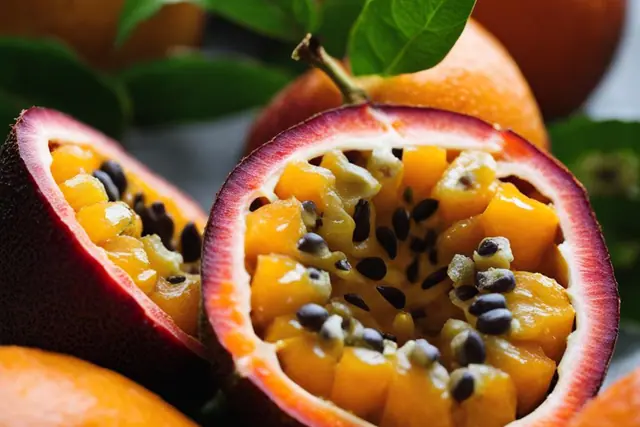
In this guide
- Recognizing Mature Fruit by Color
- Inspecting the Skin's Texture
- Checking for Damage
- Letting Growing Fruit Fall on Its Own
- Choosing Heavy Fruit
- Selecting Firm Fruit
- Ripening at Room Temperature
- Cutting It Open
- Storing Opened Fruit
- Passion Fruit and Culinary Uses
- Nutritional Benefits of Passion Fruit
- Shopping Tips for Passion Fruit
- The Shelf Life of Passion Fruit
- Passion Fruit and Culinary Experts
- Conclusion
- Source Links
- FAQ
Hey there, fruit lovers! Today, I'm going to guide you on how to pick the perfect ripe passion fruit. There's nothing more satisfying than sinking your teeth into a juicy, flavorful passion fruit, but how do you know if it's really ripe? Let me show you the way!
https://www.youtube.com/watch?v=mryywklJ3P0
When it comes to determining the ripeness of a passion fruit, there are a few key things to look for. Color, texture, and signs of damage can give you all the clues you need to find that luscious, ripe fruit.
First things first, let's talk about color. Ripe passion fruits come in shades of purple, red, or yellow. So, if you spot a fruit in these hues, chances are it's good to go! But don't worry if the color is not uniform; some varieties have a mix of colors, and that's totally normal.
Next up, let's check out the texture. A ripe passion fruit should have moderately wrinkled skin. Think of it as the perfect balance between smooth and excessively wrinkled. You want those charming wrinkles, but not too many. That's the sweet spot!
Now, onto signs of damage. Passion fruits may have small cuts or spots on their skin, and that's okay. It doesn't affect the fruit's edibility. However, if you come across bruised fruit, make sure there are no cuts through the skin. Otherwise, it's a no-go. And if you see mold on the outside, just wash it away. Easy peasy!
So, armed with this guide, you're now ready to pick the ripest passion fruits out there. Enjoy the juicy goodness and savor the tropical flavors!
Recognizing Mature Fruit by Color
When it comes to determining the ripeness of passion fruit, one of the key indicators is its color. The vibrant hues of purple, red, or yellow are clear signs that the fruit is ripe and ready to be enjoyed. These colors can vary depending on the variety of passion fruit, with some fruits displaying a uniform shade while others have a mix of colors. Keep in mind that some passion fruits may ripen without a significant change in color, so it's essential to consider other factors as well.
As you select passion fruits, it's best to avoid picking green ones as they are not yet ripe. Instead, opt for those that have transitioned into purple, red, or yellow tones. By paying attention to the color of the fruit, you can ensure that you're selecting mature passion fruits that are bursting with flavor.
Remember, a picture is worth a thousand words. Take a moment to appreciate the beauty of a mature passion fruit in the image above.
Recognizing Mature Fruit by Color - Visual Guide
| Color | Ripeness | Varieties |
|---|---|---|
| Purple | Fully ripe | Passiflora edulis |
| Red | Fully ripe | Passiflora Rubra |
| Yellow | Fully ripe | Passiflora flavicarpa |
In the table above, you can see the different colors associated with mature passion fruits, their ripeness levels, and the corresponding varieties. This visual guide can help you make informed choices when selecting passion fruits based on their color.
Now that we've explored recognizing mature passion fruits by their color, let's delve deeper into inspecting their skin's texture to ensure optimum ripeness.
Inspecting the Skin's Texture
When determining if a passion fruit is ripe, one important factor to consider is its skin texture. The texture of the fruit's skin can provide valuable clues about its ripeness. Ripe passion fruits will have a distinctive wrinkled and dimpled appearance, indicating that they are ready to be enjoyed.
While unripened passion fruits will have smooth skin, ripe fruits will have moderately wrinkled skin that is slightly soft to the touch. The presence of these wrinkles and dimples is a clear indication that the fruit has reached its peak of ripeness. However, it's important to note that excessively wrinkled fruit may have passed its prime and may not be as fresh or flavorful.
So, when selecting passion fruits, look for ones with skin that is moderately wrinkled and slightly soft. This will ensure that you are choosing fruits that are at their optimal ripeness, ready to be enjoyed in all their tangy and delicious glory.
Table: Comparing Skin Texture of Passion Fruit
| Ripeness | Skin Texture |
|---|---|
| Unripened | Smooth |
| Ripe | Wrinkled and dimpled |
Checking for Damage
When it comes to assessing the quality of passion fruit, it's important to check for any signs of damage. Fortunately, small cuts and spots on the fruit's skin are normal and do not affect its edibility. These minor imperfections can be easily overlooked, as they do not compromise the sweet and tangy flesh within. However, it is essential to inspect any bruised areas for cuts that penetrate through the skin, as this can create an entry point for mold.
Unlike other fruits where bruising is a cause for concern, bruised passion fruit can still be consumed. The texture of the fruit may be slightly softer, but the flavor and juiciness remain intact. It's worth noting that mold may develop more quickly on bruised passion fruit, so it's essential to use these fruits promptly or store them properly to maintain their freshness.
If you encounter mold on the outside of a passion fruit's intact skin, there's no need to worry. Simply wash the fruit thoroughly, ensuring that all traces of mold are removed before consumption. This process allows you to enjoy the fruit without compromising its taste and nutritional value.
Table: Passion Fruit Damage Checklist
| Damage Type | Impact on Edibility |
|---|---|
| Small cuts | No impact |
| Spots | No impact |
| Bruises | No impact, but softer texture |
| Cuts through the skin | Prone to mold |
| Mold on intact skin | Washable, no impact |
By understanding the damage that is normal for passion fruits, you can confidently make the right choices when selecting and preparing these tropical delights. Embrace their unique flavors and textures, and don't let minor imperfections discourage you from enjoying the deliciousness that passion fruit has to offer.
Letting Growing Fruit Fall on Its Own
When it comes to harvesting passion fruit, a simple and effective method is to let the growing fruit fall on its own. This natural process helps ensure that the fruit is ripe and ready for consumption. However, it's important to exercise caution as unripened fruit may also fall prematurely due to factors such as weather conditions or dehydration.
By allowing the fruit to fall on its own, you can trust that it has reached a certain level of ripeness. Ripe passion fruit tends to be heavier and its weight causes it to detach from the vine naturally. This increased weight is a result of the fruit's internal changes, signaling that it is ready to be enjoyed.
It's crucial to note that harvesting methods may vary based on the specific variety of passion fruit you are dealing with. Some varieties may require slightly different approaches, so it's always a good idea to consult reliable sources or local experts for specific guidance related to your passion fruit variety.
| Benefits of Letting Passion Fruit Fall on Its Own |
|---|
| 1. Enhanced flavor: Passion fruit that has fallen on its own tends to have a sweeter and more intense flavor profile, making it ideal for culinary purposes. |
| 2. Optimal ripeness: By allowing the fruit to fall naturally, you can be confident that it has reached its peak of ripeness, ensuring a satisfying taste experience. |
| 3. Convenience: Allowing the fruit to fall simplifies the harvesting process, as it eliminates the need for excessive handling or forceful detachment from the vine. |
"Letting passion fruit fall on its own is a traditional method that ensures the fruit is truly ripe and at its best flavor. It's a practice that I've been using for years, and it has always yielded delicious results for my culinary creations." - Passion Fruit Enthusiast
Choosing Heavy Fruit
When it comes to selecting the perfect passion fruit, weight is a reliable indicator of maturity. As an experienced fruit enthusiast, I have learned that heavier passion fruits are more likely to be mature and flavorful. So, when I'm at the grocery store or farmers market, I always reach for the passion fruits that feel a bit heavier than expected for their size.
To help you ensure you're picking the right passion fruits, let me provide you with some size and weight guidelines. A fully mature passion fruit typically measures between four and eight centimeters in diameter, weighing around 1.2 to 1.8 ounces (35 to 50 grams). Keep these measurements in mind as you assess the weight of the passion fruits you're considering. Remember, a little extra weight is a good sign!
Table: Passion Fruit Size and Weight Indicators
| Passion Fruit Size | Ideal Weight Range |
|---|---|
| 4 cm - 6 cm | 1.2 oz - 1.5 oz (35 g - 42 g) |
| 6 cm - 8 cm | 1.5 oz - 1.8 oz (42 g - 50 g) |
By following this simple tip, you'll be sure to pick out the ripest and most flavorful passion fruits for your culinary adventures. Happy fruit hunting!
Selecting Firm Fruit
When it comes to choosing a passion fruit, firmness is a crucial factor to consider. The texture of the fruit can provide valuable information about its ripeness. To select a perfectly ripe passion fruit, give it a gentle squeeze. The skin should give a little when pressed but still feel firm. This indicates that the fruit is at its peak of ripeness and ready to be enjoyed.
On the other hand, if the passion fruit feels rock-hard to the touch, it is likely unripened and may not have developed its full flavor yet. In this case, it is best to allow the fruit to ripen further at room temperature before consuming it. Conversely, if the fruit feels soft when gently squeezed, it may have passed its peak of ripeness and could be overripe.
By selecting passion fruits with the right firmness, you can ensure that you enjoy the perfect balance of flavors and textures in your culinary creations. Whether you plan to use them in smoothies, desserts, or savory dishes, firm and ripe passion fruits will provide a delightful burst of tropical goodness.
Key Tips for Selecting Firm Fruit:
- Gently squeeze the passion fruit to assess its firmness.
- The skin should give a little when pressed but still feel firm.
- Avoid fruits that feel rock-hard or overly soft.
- Allow unripened fruits to ripen at room temperature.
By following these tips, you can confidently choose firm and ripe passion fruits for your culinary adventures. The perfect passion fruit awaits!
Ripening at Room Temperature
If you have passion fruit that is almost ripe but not quite, don't worry! You can easily ripen it further at room temperature. Simply place the passion fruit in a cool, dry area away from direct sunlight. This will allow the fruit to continue the ripening process and develop its desirable flavors.
It's important to monitor the fruit daily as it ripens. As the passion fruit continues to mature, the skin may become more wrinkled and slightly softer to the touch. Keep an eye on these changes to ensure that you enjoy the fruit at its peak ripeness, as overripe passion fruit may start to dry out and lose its juiciness.
Remember, ripening time can vary depending on the fruit's initial ripeness level, temperature, and other factors. On average, it may take a few days for passion fruit to ripen at room temperature. Patience is key when it comes to achieving optimal flavor and texture.
| Ripening at Room Temperature | Key Points |
|---|---|
| Temperature | Avoid extreme heat or cold. Keep the fruit at room temperature, ideally between 68°F and 77°F (20°C and 25°C). |
| Storage | Place the passion fruit in a single layer on a plate or in a breathable container to allow for air circulation. |
| Timing | Check the fruit daily for changes in color, texture, and aroma. It should become more fragrant and softer as it ripens. |
| Wrinkly Skin | A wrinkly skin indicates ripeness, but be cautious not to let the fruit become overly shriveled or too soft. |
Ripening passion fruit at room temperature is a convenient method that ensures you can enjoy the fruit at its best. Whether you plan to eat it fresh or use it in your favorite recipes, allowing the passion fruit to ripen naturally will enhance its sweetness and juiciness. So sit back, relax, and let nature work its magic!
References:
- First source
- Second source
- Third source
Cutting It Open
When it comes to enjoying the delicious flesh of a passion fruit, the first step is cutting it open. Follow these simple steps to unlock the tangy and tropical flavors hidden inside this exotic fruit.
Step 1Get the right tools
To cut open a passion fruit, you will need a sharp knife. Make sure it is clean and free from any residue to maintain the fruit's integrity. A serrated knife works well for this task, as it can easily slice through the tough skin.
Step 2Prepare the fruit
Place the passion fruit on a cutting board and stabilize it with your non-dominant hand. Position the knife near the stem end, and gently slice downward, applying light pressure. The goal is to pierce through the skin without cutting too deeply into the flesh.
Step 3Open it up
Continue cutting around the fruit, following the natural curve. Once you have made a full circle, use your hands to gently pull the two halves apart. You will now see the vibrant orange or yellow flesh with its jelly-like consistency.
Now that you have successfully cut open the passion fruit, it's time to savor its unique flavor. You can eat the flesh directly from the fruit by scooping it out with a spoon. Alternatively, you can slice off the top and eat it as is, using the fruit as a natural bowl.
"Cutting open a passion fruit is like unveiling a tropical treasure. The vibrant colors and enticing aroma make it an exciting culinary journey."
Storing Opened Fruit
Once you've cut open a passion fruit and enjoyed its delicious flesh, it's important to store any remaining fruit properly to prevent spoilage. Storing opened fruit in the right conditions will help maintain its freshness and extend its shelf life.
To store opened passion fruit, it is best to keep it in the refrigerator. Place the remaining fruit, with the skin intact, in an airtight container or wrap it tightly in plastic wrap. This will help preserve its flavor and texture for up to a week.
If you have a surplus of opened passion fruit and won't be able to consume it within a week, consider freezing it. To freeze, scoop out the flesh from the skin and place it in a freezer-safe container or bag. Make sure to remove any air to prevent freezer burn. Frozen passion fruit can be stored for up to twelve months, allowing you to enjoy its tropical taste even when it's not in season.
Remember, once passion fruit is opened, it becomes more susceptible to spoiling. So, be sure to store it promptly and use it within the recommended timeframes to fully savor its deliciousness.
Passion Fruit and Culinary Uses
If you're looking to add a tropical twist to your culinary creations, passion fruit is the perfect ingredient to experiment with. Its tangy and tropical flavor enhances a wide range of recipes, including smoothies, desserts, salads, and even savory dishes. Let's explore the various ways you can incorporate passion fruit into your cooking.
Passion Fruit Recipes
- Passion Fruit Smoothie: Blend together fresh passion fruit pulp with Greek yogurt, banana, and a splash of orange juice for a refreshing and nutritious smoothie.
- Passion Fruit Cheesecake: Add a tangy twist to your classic cheesecake recipe by incorporating passion fruit puree into the filling. The tropical flavor pairs perfectly with the creamy richness of the cheesecake.
- Passion Fruit Salad Dressing: Create a zesty and vibrant salad dressing by whisking together passion fruit juice, olive oil, honey, and a squeeze of lime. Drizzle it over a fresh and crisp salad for a burst of flavor.
- Passion Fruit Glazed Chicken: Marinate chicken breasts in a mixture of passion fruit juice, soy sauce, garlic, and ginger. Grill or bake the chicken until cooked through and brush with a passion fruit glaze for a deliciously tangy and savory dish.
"Passion fruit adds a unique twist to any dish, giving it a tropical and tangy flavor that is both refreshing and addictive." - Passion Fruit Lover
Whether you're blending it into a smoothie, folding it into a fluffy cake, or using it as a tangy glaze, passion fruit brings a burst of flavor that is sure to impress. Its vibrant color and tropical taste make it a versatile and exciting ingredient in the culinary world. So go ahead, get creative, and let passion fruit take your dishes to a whole new level!
Table: Passion Fruit Recipes
| Recipe | Ingredients | Instructions |
|---|---|---|
| Passion Fruit Smoothie | Fresh passion fruit pulp, Greek yogurt, banana, orange juice | 1. Blend all ingredients together until smooth. 2. Serve chilled. |
| Passion Fruit Cheesecake | Cream cheese, sugar, eggs, passion fruit puree, graham cracker crust | 1. Preheat oven to 325°F (163°C). 2. Mix cream cheese, sugar, eggs, and passion fruit puree until smooth. 3. Pour mixture into graham cracker crust. 4. Bake for 50-60 minutes or until set. 5. Let cool before serving. |
| Passion Fruit Salad Dressing | Passion fruit juice, olive oil, honey, lime | 1. Whisk together passion fruit juice, olive oil, honey, and lime juice. 2. Drizzle over salad and toss to coat. 3. Serve immediately. |
| Passion Fruit Glazed Chicken | Chicken breasts, passion fruit juice, soy sauce, garlic, ginger | 1. Marinate chicken breasts in a mixture of passion fruit juice, soy sauce, garlic, and ginger for at least 30 minutes. 2. Grill or bake the chicken until cooked through. 3. Brush with passion fruit glaze while still hot. 4. Serve hot and enjoy! |
Nutritional Benefits of Passion Fruit
Passion fruit is not only a delicious tropical fruit but also a powerhouse of nutrients. It offers a wide array of health benefits, making it a healthy addition to your diet. Let's delve into the nutritional goodness that passion fruit brings:
Vitamins
Passion fruit is rich in essential vitamins, including vitamin C, vitamin A, and vitamin K. Vitamin C is a potent antioxidant that helps boost the immune system and protect against cell damage. It also aids in collagen production, promoting healthy skin and strong connective tissues. Vitamin A is crucial for maintaining good vision, promoting healthy growth and development, and supporting the immune system. Vitamin K is important for proper blood clotting and bone health.
Minerals
Passion fruit is a good source of several important minerals, such as potassium, magnesium, and iron. Potassium is essential for maintaining proper heart function and regulating blood pressure. Magnesium plays a vital role in hundreds of biochemical reactions in the body and helps support nerve and muscle function. Iron is crucial for the production of red blood cells and the prevention of iron-deficiency anemia.
| Nutrient | Amount per 100g |
|---|---|
| Vitamin C | 30.0mg |
| Vitamin A | 1275 IU |
| Vitamin K | 4.0µg |
| Potassium | 348mg |
| Magnesium | 29mg |
| Iron | 1.6mg |
Note: Nutrient values are approximate and may vary depending on the fruit's size and variety.
In addition to being packed with vitamins and minerals, passion fruit is low in fat and calories. It is also a good source of dietary fiber, which aids in digestion and helps maintain a healthy weight. So go ahead and indulge in this tropical delight to reap its many nutritional benefits!
Shopping Tips for Passion Fruit
When it comes to selecting the perfect passion fruit, there are a few key things to keep in mind. Whether you're at the grocery store or a local market, these freshness indicators will help you choose the best fruits for your culinary creations. Passion fruit is a seasonal fruit, so availability may vary throughout the year. Let's explore some shopping tips to ensure you pick the ripest and most flavorful passion fruits.
Look for vibrant colors
Passion fruits that have vibrant colors such as purple, red, or yellow are signs of ripeness. Avoid fruits that are still green as they have not reached maturity. Different varieties may have a uniform shade or be a mix of colors, so choose according to your preference.
Check for moderately wrinkled skins
A passion fruit with moderately wrinkled skin indicates that it is ripe and ready to be enjoyed. Excessively wrinkled fruit may be past its prime, so it's best to find a balance. Remember, the skin's texture can give you a good indication of the fruit's ripeness.
Avoid fruits with damage or mold
Inspect the passion fruit for any signs of damage such as cuts, bruises, or mold. Small cuts or spots are normal and do not affect the fruit's edibility. However, avoid fruits with cuts that go through the skin, as they may harbor mold. Mold on the outside of intact skin can be washed away.
By following these shopping tips, you'll be able to select passion fruits that are ripe, flavorful, and ready to be used in your favorite recipes. Enjoy the tropical taste and nutritional benefits that passion fruit brings to your culinary adventures!
The Shelf Life of Passion Fruit
When it comes to passion fruit, its deliciousness comes with a caveat - it has a relatively short shelf life. Due to its perishable nature, it is important to consume ripe passion fruit within a few days for optimal freshness and flavor. However, with proper storage techniques, you can extend the shelf life by up to a week.
Proper storage: After purchasing or harvesting passion fruit, store it in the refrigerator to slow down the ripening process and preserve its freshness. Keep the fruit in a perforated plastic bag or place it in the crisper drawer, away from other fruits and vegetables. This will help prevent ethylene production, which can cause premature ripening.
It's worth noting that passion fruit can also be stored in the freezer for long-term storage. Simply scoop out the flesh, place it in an airtight container or freezer bag, and freeze. Frozen passion fruit can be preserved for up to twelve months, allowing you to enjoy its tangy flavor even when it's out of season.
| Storage Method | Shelf Life |
|---|---|
| Refrigerator | Up to a week |
| Freezer | Up to twelve months |
Factors affecting shelf life:
The shelf life of passion fruit can be influenced by various factors. Here are a few things to consider:
- Ripeness: Ripe passion fruit has a shorter shelf life compared to unripe fruit. It is best to consume it as soon as it reaches the desired level of ripeness.
- Quality: Passion fruits with blemishes, cuts, or mold are more likely to spoil quickly. Always choose fruits that are free from visible damage.
- Temperature: Proper refrigeration is key to extending the shelf life of passion fruit. Keep it at a temperature between 45°F and 50°F (7°C to 10°C) for maximum freshness.
By understanding the perishable nature of passion fruit and taking the necessary storage precautions, you can ensure that your passion fruit stays fresh and ready to enjoy for as long as possible.
Passion Fruit and Culinary Experts
Passion fruit is a beloved ingredient among culinary experts, who harness its unique flavor to create innovative and tantalizing dishes. From renowned chefs to aspiring food enthusiasts, passion fruit holds a special place in the culinary arts. Its tangy and tropical taste adds a delightful twist to a wide range of recipes, making it a staple ingredient in kitchens worldwide.
Passion fruit's versatility shines through in various forms of food preparation and cooking. Whether it's used in refreshing smoothies, luscious desserts, vibrant salads, or even savory dishes, this exotic fruit elevates the flavors and textures of any culinary creation. Chefs and home cooks alike appreciate its ability to add a burst of freshness and complexity to their dishes.
The culinary expertise surrounding passion fruit goes beyond its flavor profile. Chefs are also captivated by its vibrant colors and visually appealing appearance, which can enhance the presentation of any dish. From elegant garnishes to eye-catching accents, passion fruit adds that extra touch to make any plate visually stunning. Its natural beauty makes it a go-to ingredient for chefs looking to create memorable culinary experiences.
Quotes:
"Passion fruit brings a unique combination of tanginess and sweetness to my dishes. It adds a layer of complexity that keeps diners coming back for more." - Chef Maria Rodriguez
"Passion fruit is a versatile ingredient that allows me to experiment with both sweet and savory flavor profiles. It challenges my creativity and keeps guests excited about the food they're experiencing." - Chef David Thompson
Conclusion
After exploring the various ways to determine if a passion fruit is ripe, it is clear that assessing its color, texture, and signs of damage is essential. Ripe passion fruits display vibrant hues of purple, red, or yellow, indicating their readiness for consumption. Their skins should be moderately wrinkled, showcasing their perfect texture. Don't worry about small cuts or spots; they are normal and do not affect the fruit's edibility. Even bruised fruit can still be enjoyed as long as there are no cuts through the skin.
Passion fruit is truly a culinary delight that offers a wide range of possibilities in the kitchen. Its tangy and tropical flavor adds a unique twist to smoothies, desserts, salads, and even savory dishes. This versatile fruit is not only delicious but also packed with nutritional benefits. It is a good source of antioxidants, vitamins, and minerals, making it a healthy choice to incorporate into your diet.
So, the next time you encounter passion fruit at the grocery store or your local market, confidently select ripe fruits based on their color, texture, and signs of damage. Let your culinary creativity soar as you explore the endless possibilities of passion fruit in your favorite recipes. Embrace the exotic flavors and versatility of this tropical fruit, and discover a whole new world of delicious possibilities in your kitchen.
Source Links
- https://www.gardeningknowhow.com/ornamental/vines/passion-flower/how-to-harvest-passion-fruit.htm
- https://www.wikihow.com/Tell-if-a-Passion-Fruit-Is-Ripe
- https://themom100.com/how-to-eat-passion-fruit/
Frequently asked questions
- How can I tell if a passion fruit is ripe?
You can determine if a passion fruit is ripe by looking at its color, texture, and any signs of damage. Ripe passion fruits will have changed color to purple, red, or yellow. The skin should be moderately wrinkled, and there may be small cuts or spots, which are normal.
- Can I eat passion fruit that has small cuts or spots?
Yes, it is normal to find small cuts and spots on passion fruits. These do not affect the edibility of the fruit. Bruised fruit is also edible but may be softer. Check bruised areas for any cuts through the skin, as the bruised fruit underneath is more prone to mold. Mold on the outside of intact skin can be washed away.
- What should I do if I have passion fruit that is not quite ripe?
If you have passion fruit that is almost ripe but not quite, you can let it ripen further at room temperature. Keep it away from direct sunlight. Monitor the fruit daily to enjoy it before it becomes too wrinkly, as it may start to dry out inside.
- How do I eat a passion fruit?
To eat a passion fruit, use a knife to cut it open. Only the flesh inside should be eaten; the skin is not edible. You can slice off the top and eat it as is, using a spoon, or slice it in half to scoop out the flesh more easily for use as an ingredient.
- How should I store an opened passion fruit?
Once a passion fruit has been cut open, it should be stored in the refrigerator or freezer to prevent spoilage. Refrigerated fruit will last up to a week, while frozen fruit can be preserved for up to twelve months if sealed in a high-quality freezer bag.
- How can I incorporate passion fruit into my recipes?
Passion fruit is a versatile ingredient that can enhance various culinary creations. It can be used in recipes for smoothies, desserts, salads, and even savory dishes. Its tangy and tropical flavor adds a unique twist to culinary creations.
- What are the nutritional benefits of passion fruit?
Passion fruit is not only delicious but also packed with nutritional benefits. It is a good source of antioxidants, vitamins, and minerals. It is low in fat and rich in fiber, making it a healthy choice to incorporate into your diet.
- What should I look for when shopping for passion fruit?
When shopping for passion fruit, look for fruits that have vibrant colors and moderately wrinkled skins. Avoid fruits with signs of damage or mold. Passion fruits are seasonal, so their availability may vary throughout the year.
- How long does a passion fruit typically last?
Passion fruit has a relatively short shelf life due to its perishable nature. Once ripe, it should be consumed within a few days for optimal freshness and flavor. Proper storage in the refrigerator can extend its shelf life by up to a week.
- How is passion fruit used by culinary experts?
Passion fruit is highly prized in the culinary world, and many expert chefs utilize its unique flavor to create innovative dishes. It is a staple ingredient in the culinary arts, offering endless possibilities for creative food preparation and cooking.
AprilCook, recipe developer and the heart of Chefwiz. More about April