Guide
How to Store Fresh Basil and Keep It Flavorful
Discover a simple guide on how to store fresh basil at home. I'll share handy tips to keep it flavorful for longer. Perfect for the basil lovers!
 By April18 min read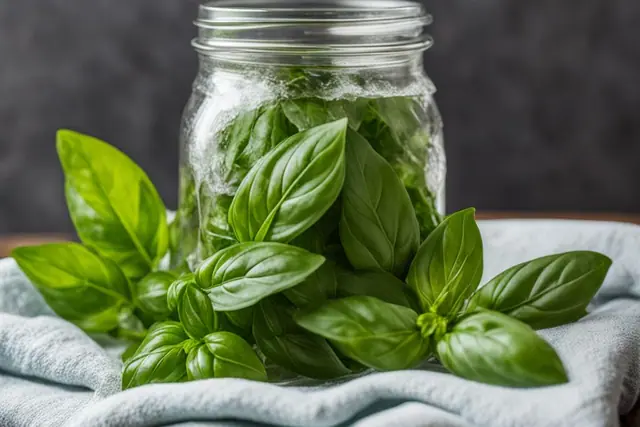
In this guide
- Why is Proper Storage Important for Basil?
- The Best Way to Store Fresh Basil
- Storing Basil in the Refrigerator
- Tips for Prolonging Basil's Shelf Life
- How to Freeze Basil for Long-Term Storage
- Proper Preparation and Packaging for Basil Storage
- How to Select Fresh Basil
- The Optimal Conditions for Storing Basil
- Avoid the Refrigerator for Basil Storage
- Maximizing the Shelf Life of Basil
- Freeze Basil for Extended Use
- Conclusion
- Source Links
- FAQ
Fresh basil is a popular herb in Mediterranean cooking, known for its aromatic flavor. It can be challenging to keep basil fresh for a long time. One method is to store trimmed basil stems in a jar of water covered loosely with a plastic bag. Another option is to freeze basil leaves for longer-term storage.
Why is Proper Storage Important for Basil?
Basil, with its fragrant green leaves and delicate nature, requires proper storage to maintain its flavor and extend its shelf life. This herb has a high moisture content, making it prone to wilting and losing its aromatic properties if not stored correctly. Understanding the importance of proper storage can help you enjoy fresh and flavorful basil for longer periods.
When basil is exposed to cold temperatures, such as in the refrigerator, it can cause damage to the delicate leaves, resulting in blackened and mushy textures. This not only affects the appearance but also impacts the taste and overall quality of the herb. Proper storage is essential to minimize these risks and maintain the vibrant green color, aroma, and taste of basil.
Proper storage is essential to maximize the shelf life of basil and preserve its fragrant flavor.
By storing basil in optimal conditions, you can ensure that it remains fresh and usable for a longer time. This includes avoiding cold storage and refrigeration, and instead opting for room temperature storage. By understanding the importance of proper storage for basil, you can enjoy the full flavor and benefits of this delightful herb.
Why is Proper Storage Important for Basil?
The Best Way to Store Fresh Basil
When it comes to storing fresh basil, there is a tried and true method that helps maintain its flavor and freshness. The key is to trim the stems and place the basil in a glass jar filled with water. This allows the basil to stay hydrated and prolong its shelf life. To protect the basil from drying out, loosely cover the jar with a plastic bag. This creates a mini greenhouse effect and helps to maintain the ideal moisture level.
Storing fresh basil at room temperature is essential. While refrigeration may seem like a logical choice, cold temperatures can actually harm the delicate leaves, causing them to turn black and become mushy. By keeping the basil at room temperature on your kitchen counter, you can ensure that it stays vibrant and flavorful for longer.
It is important to change the water every few days and trim the stems of the basil bouquet. This helps to prevent any bacterial growth and keep the basil fresh. By following these simple steps, you can enjoy the full flavor and aroma of fresh basil in your culinary creations.
| Steps for Storing Fresh Basil |
|---|
| 1. Trim the stems of the basil bouquet. |
| 2. Place the basil in a glass jar filled with water. |
| 3. Loosely cover the jar with a plastic bag. |
| 4. Store at room temperature on the kitchen counter. |
| 5. Change the water every few days and trim the stems. |
By following these guidelines, you can keep your fresh basil flavorful and ready to use whenever you need it. Whether you are making a delicious pesto sauce or adding a sprinkle of basil to your favorite pasta dish, properly storing fresh basil is key to enhancing your culinary experience.
Storing Basil in the Refrigerator
When it comes to storing basil, the refrigerator might seem like a logical choice. However, cold temperatures can actually have a negative effect on your basil leaves. Basil is sensitive to cold temperatures, and storing it in the refrigerator can cause the leaves to turn black and become mushy. This can significantly shorten the shelf life of your basil, and nobody wants wilted, damaged basil when cooking.
Instead of refrigerating basil, it's best to store it at room temperature. This allows the herb to maintain its freshness and flavor for a longer period of time. Find a cool spot in your kitchen, away from direct sunlight and heat sources, to store your basil.
To keep your basil fresh and extend its shelf life, you can also try trimming the ends of the stems and placing them in a glass jar filled with water. Cover the jar loosely with a plastic bag to retain moisture without suffocating the leaves. This method mimics the natural environment of the basil plant, keeping it hydrated and flavorful.
https://www.youtube.com/watch?v=2MUVVnr8Mns
| Storage Method | Pros | Cons |
|---|---|---|
| Refrigerator | - Convenient for short-term storage - Keeps basil slightly cooler |
- Can cause blackened, mushy leaves - Shortens shelf life |
| Room Temperature | - Maintains fresh flavor - Extends shelf life |
- Requires regular water change - Leaves can wilt if not stored properly |
| Glass Jar with Water | - Keeps basil hydrated - Provides a natural environment |
- Requires trimming and changing water - Takes up more space |
Storing basil in the refrigerator might seem like a good idea, but it can actually cause more harm than good. The cold temperatures can lead to blackened, mushy leaves and shorten the shelf life of your basil. To keep your basil fresh and flavorful, it's best to store it at room temperature and avoid the refrigerator altogether.
Next time you have fresh basil on hand, remember to store it properly to maximize its shelf life. By following these tips, you can enjoy fragrant, vibrant basil in your culinary creations for an extended period of time.
Tips for Prolonging Basil's Shelf Life
When it comes to storing fresh basil, there are a few tips and tricks that can help prolong its shelf life and keep it tasting its best. Follow these suggestions to ensure your basil stays fresh and flavorful for as long as possible.
Wash before use
It's best to avoid washing basil until you're ready to use it. Excess moisture can cause the leaves to wilt and degrade more quickly. Instead, wait until you're ready to incorporate the basil into your recipe, then give it a gentle rinse and pat it dry. This will help preserve its vibrant color and pungent aroma.
Check daily
To prevent any spoiled or wilted leaves from contaminating the rest of your basil, make it a habit to check it daily. Take a quick look and remove any browned or damaged leaves. This simple step can help maintain the overall freshness of your basil bunch.
Buy hydroponically grown basil
If you're looking to maximize the shelf life of your basil, consider buying hydroponically grown varieties. Hydroponic basil tends to be fresher and less prone to bruising since it is grown in water rather than soil. This can help extend its shelf life and ensure you have flavorful basil on hand for longer.
By following these tips, you can enjoy the full flavor and freshness of your basil for an extended period of time. Whether you're using it in salads, pasta dishes, or pesto, properly storing basil will ensure that it adds a delightful touch to your culinary creations.
How to Freeze Basil for Long-Term Storage
Freezing basil is a convenient way to preserve its flavor for long-term storage. There are a few methods you can use to freeze basil, depending on your preference and how you plan to use it later. One popular method is to make herb cubes by chopping basil and combining it with a neutral oil. This mixture can then be frozen in ice cube trays, allowing you to easily portion out the basil when needed.
If you prefer to freeze individual basil leaves, blanching them before freezing can help retain their color. To blanch basil leaves, simply submerge them in boiling water for a few seconds, then transfer them to an ice bath to stop the cooking process. Once blanched, pat the leaves dry and spread them out on a baking sheet. Place the baking sheet in the freezer until the leaves are frozen, then transfer them to an airtight container for storage.
Possible Table: Comparison of Freezing Methods for Basil
| Method | Pros | Cons |
|---|---|---|
| Herb Cubes | - Convenient portion sizes - Easy to use in cooking |
- Some texture change - May alter flavor slightly |
| Freezing Individual Leaves | - Retains color - Easy to separate and use |
- Leaves may become limp after thawing - Slightly more time-consuming |
Regardless of the method you choose, it's important to store the frozen basil in an airtight container to prevent freezer burn and maintain its quality. Label the container with the date of freezing for easy reference. When you're ready to use the frozen basil, simply thaw it in the refrigerator or add it directly to your recipes while still frozen. Frozen basil can be used in soups, sauces, pestos, and other dishes where the fresh flavor is desired.
Proper Preparation and Packaging for Basil Storage
When it comes to storing fresh basil, proper preparation and packaging are key to maintaining its flavor and freshness. The right storage techniques can help prolong its shelf life and ensure that you have flavorful basil on hand whenever you need it. Here are some tips for preparing and packaging basil for storage:
Using Towels and Bags
One method for storing basil is to pack it with towels to absorb excess moisture. Start by placing a dry towel at the bottom of a container or plastic bag. Then, gently place the basil leaves on top of the towel, making sure they are dry and free from any moisture. If you prefer using a slightly moist towel, make sure it is not dripping wet as excessive moisture can lead to mold growth. Finally, seal the container or bag, ensuring it is airtight to prevent air and moisture from entering.
Placing Stems in Water
If your basil has stems, you can also store them in a glass jar with water. Trim the ends of the stems before placing them in the jar, and cover the top of the jar with a plastic bag to create a mini greenhouse effect. This will help keep the basil hydrated and maintain its freshness for a longer period. Just make sure to change the water every few days to prevent it from becoming stagnant.
By following these proper preparation and packaging techniques, you can extend the shelf life of your fresh basil and enjoy its aromatic flavor in your favorite dishes for longer.
| Proper Preparation and Packaging for Basil Storage |
|---|
| Using Towels and Bags |
| One method for storing basil is to pack it with towels to absorb excess moisture. Start by placing a dry towel at the bottom of a container or plastic bag. Then, gently place the basil leaves on top of the towel, making sure they are dry and free from any moisture. If you prefer using a slightly moist towel, make sure it is not dripping wet as excessive moisture can lead to mold growth. Finally, seal the container or bag, ensuring it is airtight to prevent air and moisture from entering. |
| Placing Stems in Water |
| If your basil has stems, you can also store them in a glass jar with water. Trim the ends of the stems before placing them in the jar, and cover the top of the jar with a plastic bag to create a mini greenhouse effect. This will help keep the basil hydrated and maintain its freshness for a longer period. Just make sure to change the water every few days to prevent it from becoming stagnant. |
How to Select Fresh Basil
When it comes to selecting fresh basil, there are a few key factors to consider. By keeping an eye out for certain qualities, you can ensure that you're choosing the best basil for your culinary creations. Here are some tips:
- Look for vibrant green leaves: Fresh basil should have vibrant green leaves that are free from blemishes or dark spots. The color is a good indicator of its freshness and flavor.
- Choose smooth, whole leaves: Avoid basil with wrinkled or damaged leaves. Smooth and intact leaves are a sign of freshness and quality.
- Follow your nose: Fresh basil should have a strong herbal odor with some spicy citrus notes. Take a sniff to determine its aroma and ensure it's fresh and fragrant.
By selecting basil with vibrant green leaves, smooth and whole leaves, and a strong herbal odor, you can be confident that you're getting the freshest and most flavorful basil for your dishes.
Tips for selecting the best basil
- Choose basil with vibrant green leaves.
- Look for smooth, whole leaves without any blemishes or dark spots.
- Follow your nose and select basil with a strong herbal odor.
I love using fresh basil in my dishes, and selecting the best basil is essential for maximizing flavor. When choosing basil, I always look for vibrant green leaves that are smooth and whole. I avoid any basil with blemishes or dark spots. Another important factor is the smell - fresh basil should have a strong herbal odor with some spicy citrus notes. By following these tips, I can ensure that the basil I use in my cooking is of the highest quality and adds a delicious burst of flavor to my dishes.
Table: Comparing Fresh Basil Qualities
| Quality | Criteria |
|---|---|
| Vibrant Green Leaves | Free from blemishes or dark spots |
| Smooth, Whole Leaves | Avoid wrinkled or damaged leaves |
| Strong Herbal Odor | Spicy citrus notes indicate freshness |
The Optimal Conditions for Storing Basil
When it comes to storing basil, the right conditions can make a significant difference in maintaining its freshness and flavor. Basil is best stored at room temperature, ideally between 50 to 68 degrees Fahrenheit. The optimal storage temperature for basil is around 55 degrees Fahrenheit, as it helps to slow down the deterioration process without causing damage to the leaves.
Humidity is another crucial factor to consider when storing basil. Basil thrives in high humidity environments, ideally between 90 to 95 percent relative humidity. To increase the humidity, you can store the basil stems in water or loosely cover the basil with a plastic bag. These measures help to create a microclimate that mimics the herb's natural habitat.
By maintaining the right temperature and humidity levels, you can extend the shelf life of basil and keep it fresh for longer periods. Proper storage conditions prevent wilting, discoloration, and loss of flavor. So, remember to store your basil at room temperature, in a location with 50 to 68 degrees Fahrenheit and 90 to 95 percent relative humidity for optimal results.
"Proper storage is crucial for maintaining the flavor and freshness of fresh basil. Storing basil properly at room temperature, trimming stems, and avoiding the refrigerator can help prolong its shelf life."
Avoid the Refrigerator for Basil Storage
When it comes to storing fresh basil, it's important to avoid the refrigerator. Although it may seem like a convenient option, the cool temperatures of the fridge can actually cause damage to the delicate basil leaves.
Exposure to cold storage can result in wilted and damaged leaves, as the cells of the basil can be affected by the low temperatures. To maintain the freshness and flavor of your basil, it is recommended to store it at room temperature instead.
By keeping your basil at cool temperatures rather than cold storage, you can prevent cell damage and ensure that your basil stays vibrant and flavorful for longer periods of time. Proper storage is key to maximizing the shelf life of your basil and ensuring a delightful culinary experience.
So, the next time you're storing fresh basil, remember to keep it away from the refrigerator. Let your basil thrive at room temperature and savor its fragrant aroma and taste in your favorite dishes.
Table: A Comparison of Basil Storage Methods
| Storage Method | Advantages | Disadvantages |
|---|---|---|
| Room Temperature Storage | - Preserves flavor and aroma - Easy and convenient - Keeps basil fresh |
- Requires frequent water changes - Limited shelf life |
| Refrigerator Storage | - Extends shelf life | - Damages basil leaves - Wilted and mushy texture - Loss of flavor |
Maximizing the Shelf Life of Basil
When it comes to maximizing the shelf life of fresh basil, there are a few key tips to keep in mind. Firstly, it's best to avoid washing the basil until you're ready to use it. Excess moisture can cause the leaves to wilt and spoil more quickly, so it's best to keep them dry until you're ready to cook with them.
Another important step is to check the basil daily and remove any wilted or browned pieces. This helps to ensure that only the freshest leaves are stored, allowing you to enjoy the full flavor and aroma of the herb. By regularly inspecting the basil and discarding any damaged pieces, you can extend the shelf life and maintain the quality of the remaining leaves.
Opting for hydroponically grown basil can also help to prolong its freshness. Hydroponically grown basil tends to have a longer shelf life and is less prone to bruising. Look for hydroponically grown basil at your local grocery store or consider growing your own hydroponic basil at home for a constant supply of fresh herbs.
Table: Comparing Storage Methods for Basil
| Storage Method | Pros | Cons |
|---|---|---|
| Storing Trimmed Stems in Water | - Keeps leaves fresh and hydrated - Easy to change water regularly |
- Requires space for a jar - Limited shelf life |
| Freezing Basil | - Extends shelf life for long-term storage - Preserves flavor and aroma |
- Leaves may become limp after thawing - Requires preparation time |
| Hydroponically Grown Basil | - Longer shelf life - Less prone to bruising |
- Availability may be limited - Cost may be higher |
"Proper storage is crucial for maintaining the flavor and freshness of fresh basil. By avoiding washing until use, checking daily for any signs of spoilage, and opting for hydroponically grown basil, you can maximize the shelf life of this fragrant herb and enjoy its culinary benefits for longer." - Me, a Basil Enthusiast
Freeze Basil for Extended Use
When it comes to preserving fresh basil for extended use, freezing is a fantastic option. By freezing basil, you can lock in its vibrant flavor and aroma, ensuring you have a supply of this fragrant herb on hand whenever you need it. There are a few different methods for freezing basil, each offering its own unique benefits.
One popular method is making herb cubes. To do this, simply chop your basil and combine it with a neutral oil, such as olive or vegetable oil. Fill an ice cube tray with the basil-oil mixture and freeze. Once the cubes are fully frozen, transfer them to an airtight container or freezer bag for storage. These herb cubes are incredibly convenient to use, as you can easily pop out a cube or two whenever a recipe calls for basil.
Another option is to freeze individual basil leaves. Start by blanching the leaves in boiling water for a few seconds, then immediately transfer them to an ice bath to stop the cooking process. Once they are cooled, pat the leaves dry and place them on a baking sheet in a single layer. Freeze the baking sheet until the leaves are fully frozen, then transfer them to an airtight container or freezer bag. This method allows you to have individual basil leaves on hand, making it easy to add a burst of flavor to your dishes.
| Method | Benefits |
|---|---|
| Herb Cubes | Convenient portion control |
| Freezing Individual Leaves | Easy to use and measure |
Regardless of the method you choose, it's important to store the frozen basil in an airtight container or freezer bag to prevent freezer burn and maintain freshness. Label the container with the date so you can keep track of how long the basil has been frozen.
When you're ready to use the frozen basil, simply remove it from the freezer and add it directly to your recipes. Frozen basil is best used in cooked dishes, as the freezing process can cause the leaves to become limp after thawing. However, the flavor and aroma will still be intact, allowing you to enjoy the essence of fresh basil even during the off-season.
Conclusion
Proper storage is key to maximizing the shelf life and flavor of fresh basil. By following these tips, you can ensure that your basil stays fresh and flavorful for a longer period of time.
First and foremost, store your basil at room temperature. Avoid refrigeration, as cold temperatures can damage the leaves and shorten the shelf life. Instead, trim the stems and place your basil bouquet in a glass jar filled with water. Cover the jar loosely with a plastic bag to create a mini-greenhouse effect.
If you're looking for a long-term storage solution, freezing basil is a great option. You can make herb cubes by chopping basil and combining it with a neutral oil in ice cube trays. Another method is to blanch individual basil leaves, freeze them on a baking sheet, and then transfer them to an airtight container.
Remember to check your basil regularly and remove any browned or wilted pieces. And if possible, consider buying hydroponically grown basil, which tends to last longer and is less prone to bruising.
Source Links
- https://www.themediterraneandish.com/how-to-store-fresh-basil/
- https://www.marthastewart.com/how-to-store-basil-7563482
- https://www.bonappetit.com/test-kitchen/inside-our-kitchen/article/how-to-store-basil
Frequently asked questions
- What is the best way to store fresh basil?
Trim the stems and place the basil bouquet in a glass jar filled with water. Cover the jar loosely with a plastic bag and store it at room temperature on the kitchen counter.
- Can I store basil in the refrigerator?
No, it is not recommended to store basil in the refrigerator as the cold temperatures can cause the leaves to turn black and become mushy.
- How can I prolong the shelf life of basil?
To prolong the shelf life of basil, avoid washing it until ready to use. Check the basil daily and remove any browned or wilted pieces. Buying hydroponically grown basil can also extend its freshness.
- Can basil be frozen for long-term storage?
Yes, basil can be frozen for long-term storage. You can make herb cubes by combining chopped basil with a neutral oil and freezing in ice cube trays. You can also blanch basil leaves, freeze them on a baking sheet, and then store them in an airtight container.
- How should I package basil for storage?
You can pack basil for storage by placing it in a container with a dry towel at the bottom and a slightly moist towel on top. Another option is to wrap the basil in a damp paper towel and put it in a plastic bag. If the basil has stems, trim the ends, and place them in a glass jar with water, covering with a plastic bag.
- What should I look for when selecting fresh basil?
When selecting fresh basil, look for vibrant green leaves without blemishes or dark spots. The leaves should be smooth and whole. Fresh basil should emit a strong, pleasant herbal odor with some spicy citrus notes.
- What are the optimal conditions for storing basil?
Basil is best stored at room temperature between 50 to 68 degrees Fahrenheit. The optimal storage temperature is 55 degrees Fahrenheit. Basil thrives in high humidity, ideally between 90 to 95 percent relative humidity.
- Why shouldn't basil be stored in the refrigerator?
Basil should not be stored in the refrigerator as the cool temperatures can cause damage to the cells, leading to wilted and damaged leaves. Cold storage at grocery stores can accelerate this process. Storing basil at room temperature is recommended for maintaining its freshness.
- How can I maximize the shelf life of basil?
To maximize the shelf life of basil, avoid washing it until you are ready to use it. Check the basil daily and remove any wilted or browned pieces. Hydroponically grown basil tends to last longer and is less prone to bruising.
- Can I freeze basil for extended use?
Yes, basil can be frozen for extended use. You can make herb cubes by combining chopped basil with a neutral oil and freezing in ice cube trays. Blanching basil leaves before freezing can help retain their color. Frozen basil should be stored in an airtight container.
AprilCook, recipe developer and the heart of Chefwiz. More about April