Guide
How to Store Fish to Ensure Freshness
Discover my best tips on how to store fish. Enhance its taste, prolong freshness, and avoid wastage with these effective methods. Learn more!
 By April19 min read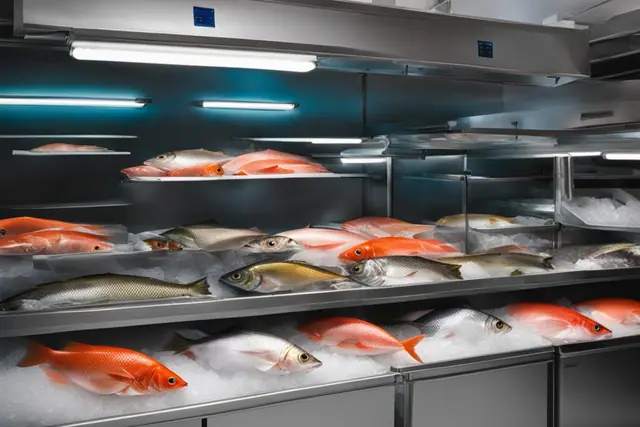
In this guide
- The Importance of Proper Fish Storage
- Fish Storage Tips: Lowering the Storage Temperature with Ice
- Keeping Fish Dry and Hygienic
- Effective Fish Storage Methods
- Sustainable Fish Storage Alternatives
- Expert Tips for Fish Storage
- Guidelines for Refrigerating Fish
- Tips for Freezing Fish
- Safely Thawing Frozen Fish
- Fish Storage Specifications and Requirements
- Fish Storage Hacks: Preventing Freezer Burn and Maintaining Quality
- Longer-Term Storage Options
- The Importance of Proper Fish Handling
- Conclusion
- Source Links
- FAQ
Storing fish properly is crucial to maintain its freshness and taste. Even though fish is best enjoyed immediately after purchase, there are times when you need to store it for a day or two. By following the right techniques, you can ensure that your fish stays fresh and delicious.
The Importance of Proper Fish Storage
Proper fish storage is crucial for preserving its freshness and quality. Whether you're an avid angler or simply enjoy the occasional seafood feast, understanding the significance of fish storage techniques is essential for ensuring a delightful culinary experience. By handling and storing fish correctly, you can prevent degradation caused by factors such as temperature, moisture, and bacteria growth.
When it comes to fish preservation, maintaining the right temperature is key. Fish is highly perishable and sensitive to changes in temperature, so it's important to keep it cold. Placing fish on ice or using ice packs can help lower the temperature and slow down bacterial growth, thus prolonging its freshness. Additionally, keeping the fish dry is crucial in preventing bacterial contamination. Excess moisture can lead to the growth of harmful bacteria, causing the fish to spoil more quickly.
Hygiene also plays a vital role in fish storage. Using clean and hygienic storage containers, wraps, and trays is essential for preventing cross-contamination and maintaining the quality of the fish. Storing fish fillets in a single layer and covering them well can help avoid excess moisture and preserve the fish's texture and flavor. Following these best practices can ensure that your stored fish remains safe for consumption and retains its natural freshness.
| Benefits of Proper Fish Storage | Guidelines for Proper Fish Storage |
|---|---|
|
|
By giving due importance to proper fish storage techniques, you can enjoy the full flavor and freshness of your seafood delicacies. Taking the necessary steps to handle and store fish correctly not only enhances its taste but also reduces food waste and promotes a safer eating experience. So, the next time you bring home your favorite fish, remember the importance of proper fish storage and savor every flavorful bite.
Fish Storage Tips: Lowering the Storage Temperature with Ice
When it comes to storing fish, one effective technique is to lower the storage temperature using ice. Placing fish on top of ice or using ice packs can help decrease the temperature to around 32°F (0°C), which is ideal for keeping fish fresh for up to two or three days.
By utilizing this fish storing technique, you can slow down the growth of bacteria and maintain the quality of your fish. It is a widely used method by fishmongers to preserve the freshness of their products and ensure customer satisfaction.
"Lowering the storage temperature with ice is a simple yet effective way to extend the shelf life of fish. The cold temperature helps to slow down the natural deterioration process, preserving the taste and texture of the fish for longer periods."
In order to use this method, you will need a container or tray with a flat surface where you can place your fish. Spread a layer of ice on the bottom of the container and position the fish on top, making sure it is not in direct contact with the ice. Cover the fish with a clean, damp cloth or plastic wrap to prevent excess moisture and maintain its quality.
| Benefits of Lowering the Storage Temperature with Ice | Considerations |
|---|---|
| - Slows down bacterial growth | - Ensure the fish is properly cleaned and gutted before storage |
| - Helps preserve the taste and texture | - Do not let the fish come into direct contact with the ice |
| - Extends the shelf life of the fish | - Cover the fish with a damp cloth or plastic wrap to prevent excess moisture |
By following this fish storage method, you can ensure that your fish remains fresh and delicious, allowing you to enjoy it at its best when you're ready to cook or consume it.
Keeping Fish Dry and Hygienic
When it comes to storing fish, maintaining its dryness and hygiene is just as important as keeping it cold. Proper handling and storage practices can help prevent the growth of bacteria and ensure the quality of the fish. Here are some tips to keep your fish dry and hygienic:
- Store fish fillets in a single layer: Storing fish fillets in a single layer helps prevent excess moisture from accumulating. This reduces the chances of bacterial growth and helps maintain the fish's freshness.
- Wrap fish properly: When storing fish, make sure to wrap it tightly to prevent it from drying out. Use plastic wrap or waxed paper to cover the fish, ensuring that all parts are sealed.
- Use hygienic storage containers and wraps: Using clean and hygienic storage containers and wraps is crucial to maintaining the quality of the fish. Opt for containers made of food-grade materials that are easy to clean and sanitize.
By following these simple guidelines, you can ensure that your fish remains dry and hygienic during storage. This helps preserve its flavor and texture, allowing you to enjoy a delicious and safe seafood experience.
By implementing these fish storage hygiene practices, you can ensure that your seafood stays fresh and safe for consumption.
| Tip | Benefit |
|---|---|
| Store fish in a single layer | Prevents excess moisture and bacterial growth |
| Wrap fish properly | Prevents fish from drying out |
| Use hygienic storage containers and wraps | Maintains fish quality and prevents contamination |
Effective Fish Storage Methods
When it comes to storing fish at home, there are a few effective methods that can help maintain its freshness and quality. One simple technique is to rinse the fish fillets, dry them thoroughly, and place them in a zip-top bag. This bag can then be placed on a tray or plate lined with ice or ice packs to keep the fish cold. Alternatively, utilizing fish storage racks, bins, and compartments can provide organized and efficient storage solutions.
A fish storage rack is a convenient option for keeping fish fillets in separate compartments, which helps prevent cross-contamination and ensures easy access. It allows air to circulate around the fish, promoting freshness. Fish storage bins, on the other hand, are ideal for storing larger quantities of fish. They come in various sizes and can be stacked to save space in your refrigerator or freezer. Additionally, fish storage compartments with adjustable dividers allow you to customize the storage space according to your needs.
By utilizing these effective fish storage methods, you can ensure that your fish stays fresh and delicious for longer periods. Whether you opt for a simple zip-top bag on ice or invest in specialized storage solutions like racks, bins, or compartments, proper storage is key to maintaining the quality of your fish.
Benefits of Effective Fish Storage Methods:
- Prevent cross-contamination
- Promote air circulation for freshness
- Save space in the refrigerator or freezer
- Customize storage space according to needs
With these storage methods in place, you can enjoy the convenience of having fish readily available while ensuring its optimal freshness and quality.
Table: Comparison of Fish Storage Methods
| Storage Method | Benefits |
|---|---|
| Fish Storage Rack | Promotes air circulation, prevents cross-contamination |
| Fish Storage Bin | Allows for easy storage of larger quantities, saves space |
| Fish Storage Compartment | Customizable storage space, adaptable to different needs |
https://www.youtube.com/watch?v=PEZJ8W_3WkQ
By implementing these effective fish storage methods and utilizing the right tools, you can ensure that your fish stays fresh and delicious until you're ready to enjoy it.
Sustainable Fish Storage Alternatives
When it comes to fish storage, there are sustainable alternatives that can help minimize plastic waste while preserving the freshness of your seafood. By investing in eco-friendly fish storage solutions, you can contribute to reducing your environmental impact without compromising on quality. Here are some sustainable fish storage options to consider:
Reusable Containers
Instead of relying on single-use plastic bags or wraps, opt for reusable containers for storing your fish. These containers can be made from materials like glass or high-quality food-grade silicone, which are both durable and easy to clean. Not only will reusable containers help reduce waste, but they also provide airtight seals to maintain the freshness of your fish.
Eco-Friendly Packaging
Look for fish packaging that is made from eco-friendly materials, such as biodegradable or compostable options. These packaging materials are designed to break down quickly and have a minimal impact on the environment. By choosing sustainable packaging, you can ensure that your fish stays fresh while also reducing the amount of plastic waste generated.
Aluminum Sheet Pans and Perforated Pans
Instead of using plastic bags, consider using aluminum sheet pans or perforated pans to store your fish. These pans can be lined with ice to keep the fish cold and fresh. Not only do these alternatives minimize the use of plastic, but they also provide a sturdy and convenient storage option for your seafood.
In conclusion, sustainable fish storage alternatives are available to help reduce plastic waste and promote eco-friendly practices. By opting for reusable containers, eco-friendly packaging, and alternative storage solutions like aluminum sheet pans, you can contribute to a more sustainable approach to fish storage. Remember, prioritizing the freshness and quality of your fish doesn't have to come at the cost of the environment.
Expert Tips for Fish Storage
When it comes to storing fish, there are a few expert tips that can help you maintain its quality and freshness. Thoroughly cleaning the fish before storage is essential to remove any bacteria or contaminants. Make sure to pat it dry with paper towels to remove excess moisture, as this can lead to spoilage.
Using airtight packaging is another important step in fish storage. Vacuum sealers are highly recommended as they remove air from the packaging, preventing oxidation and freezer burn. If you don't have a vacuum sealer, you can use zip-top bags and squeeze out as much air as possible before sealing. Labeling the bags with the date and type of fish will help you keep track of its freshness.
Having the right tools and appliances can make a big difference in fish storage. An insulated cooler or cooler bag is great for transporting fish from the store to your home, keeping it at a safe temperature. If you plan on storing fish frequently, investing in a quality freezer with a consistent temperature is essential for long-term storage. Additionally, having a digital fridge thermometer can help you monitor and maintain the proper temperature in your refrigerator.
Essential Fish Storage Tools and Appliances:
- Vacuum sealer
- Zip-top bags
- Insulated cooler or cooler bag
- Quality freezer
- Digital fridge thermometer
By following these expert tips and using the right tools and appliances, you can ensure that your fish stays fresh and delicious for longer periods of time. Remember to prioritize cleanliness, airtight packaging, and proper temperature control to maintain the quality of your fish.
Guidelines for Refrigerating Fish
Refrigerating fish is a common method for short-term storage, ensuring its freshness and quality. Following proper guidelines for refrigeration is essential to maintain the optimal temperature and conditions for the fish. By taking the necessary precautions, you can safely store fish in the refrigerator and enjoy it at a later time.
Recommended Temperature and Storage Time
When refrigerating fish, it is important to keep the temperature between 32°F (0°C) and 40°F (4°C). This ensures that the fish remains cold enough to inhibit bacterial growth, but above freezing to prevent freezing damage. Store the fish in the coldest part of your refrigerator, such as the bottom shelf or the meat drawer.
It is recommended to consume refrigerated fish within one to two days of purchase or preparation. This timeframe ensures the best flavor and quality. Remember to label the fish with the date of storage, so you can easily keep track of its freshness. If the fish develops any strong odors or becomes slimy or discolored, it is a sign that it has spoiled and should not be consumed.
Proper Storage Techniques
When refrigerating fish, it is essential to ensure that it is stored in a hygienic and suitable manner. Start by thoroughly washing the fish under cold water and patting it dry with paper towels. Next, wrap the fish tightly in waxed paper, plastic wrap, or aluminum foil to prevent exposure to air and potential contamination.
To further protect the fish from cross-contamination, store it on a plate or tray lined with ice. This helps maintain the optimal temperature and keeps the fish fresh. Additionally, make sure to separate the fish from other foods in the refrigerator to prevent any potential flavor transfer.
| Temperature: | 32°F (0°C) to 40°F (4°C) |
|---|---|
| Storage Time: | 1 to 2 days |
| Storage Method: | - Thoroughly wash and pat dry the fish.
- Wrap the fish tightly in waxed paper, plastic wrap, or aluminum foil. - Store the fish on a plate or tray lined with ice. - Keep the fish separated from other foods in the refrigerator. |
By following these guidelines for refrigerating fish, you can ensure its freshness and maintain its optimal flavor and texture. Proper temperature control, hygienic storage techniques, and timely consumption are key to enjoying the best quality fish.
Tips for Freezing Fish
When it comes to freezing fish, proper procedures, instructions, and precautions should be followed to ensure optimal storage and quality. Freezing fish is a convenient method for long-term storage, allowing you to enjoy the freshness of seafood even when it's out of season. Here are some essential tips to help you freeze fish effectively:
- Prepare the fish: Start by cleaning the fish and removing any scales, bones, or entrails. Rinse the fish thoroughly under cold water and pat it dry with paper towels. This step is crucial to prevent bacteria growth and maintain the quality of the fish during freezing.
- Remove excess air: Air is the enemy when it comes to freezing fish, as it can cause freezer burn and deteriorate the taste and texture. To prevent this, place the fish in an airtight container or a zip-lock bag and remove as much air as possible before sealing. Alternatively, you can use a vacuum sealer to remove all the air from the packaging.
- Choose the right temperature: Set your freezer to its lowest temperature to ensure rapid freezing. The ideal temperature for freezing fish is around 0°F (-18°C) or below. Maintaining a consistent temperature is crucial for preserving the integrity of the fish during storage.
- Label and date the packaging: Properly labeling the packaging with the type of fish and the date of freezing is essential for organization and freshness tracking. This will help you keep track of how long the fish has been frozen and ensure you consume it within the recommended timeframe.
By following these freezing techniques, you can extend the shelf life of fish and maintain its flavor and texture. It's important to note that while frozen fish can be stored for several months, it is best consumed within three to eight months for optimal taste and quality.
Safely Thawing Frozen Fish
When it comes to thawing frozen fish, it's important to follow proper techniques to maintain its quality and ensure food safety. Here are some recommendations for safely thawing frozen fish:
Thaw in the Refrigerator
The best method for thawing frozen fish is to do it slowly in the refrigerator. Place the wrapped fish in a plastic container to prevent any potential drips from contaminating other foods. Thawing fish in the refrigerator allows for gradual temperature changes, minimizing the risk of bacterial growth.
Avoid Thawing in Cold Water or the Microwave
Avoid thawing fish in cold water or using the microwave, as these methods can lead to uneven thawing and compromise the texture and flavor of the fish. Thawing fish in cold water can also increase the risk of bacterial growth. It's always best to plan ahead and thaw fish in the refrigerator to ensure optimal results.
Prevent Cross-Contamination
When thawing fish in the refrigerator, it's crucial to store it in a sealed plastic container and keep it separate from other foods to prevent cross-contamination. This helps maintain food safety and prevents the spread of any potential bacteria.
By following these fish storage recommendations, you can safely thaw frozen fish while preserving its quality and ensuring a delicious meal. Remember to prioritize food safety and proper handling throughout the thawing process.
Fish Storage Specifications and Requirements
When it comes to ensuring the freshness and quality of stored fish, there are specific specifications and requirements to keep in mind. These guidelines will help you maintain the optimal conditions for storing fish and prevent spoilage. Here are some key considerations:
Temperature: Fish should be kept at a temperature below 39°F (4°C) to inhibit the growth of bacteria and slow down spoilage. It is important to monitor the storage temperature regularly using a reliable thermometer.
Moisture: Excess moisture can promote bacterial growth and lead to a deterioration in the quality of the fish. It is essential to store fish in a dry environment and avoid any contact with water or excessive humidity.
Hygiene: To prevent contamination and maintain the freshness of the fish, it is crucial to practice good hygiene. This includes thoroughly washing hands and utensils before handling fish, using clean storage containers, and avoiding any cross-contamination with other foods.
Airflow: Proper airflow is important for maintaining the quality of stored fish. Avoid overcrowding the storage space and ensure adequate ventilation to prevent the buildup of odor or condensation.
Table: Best Practices for Fish Storage
| Specification | Requirement |
|---|---|
| Temperature | Below 39°F (4°C) |
| Moisture | Dry environment, avoid contact with water |
| Hygiene | Thoroughly wash hands and utensils, use clean storage containers |
| Airflow | Avoid overcrowding, ensure adequate ventilation |
By adhering to these specifications and requirements, you can ensure that your stored fish remains fresh, safe, and delicious for longer periods. Remember to always prioritize hygiene, temperature control, and proper handling practices to enjoy the best quality seafood.
Fish Storage Hacks: Preventing Freezer Burn and Maintaining Quality
When it comes to storing fish, preventing freezer burn and maintaining quality are essential. Freezer burn occurs when moisture is lost from the fish, resulting in dry and leathery texture. To avoid this, here are some fish storage hacks that can help:
Double Wrapping
One effective way to prevent freezer burn is by double wrapping the fish. Start by wrapping the fish tightly in plastic wrap or aluminum foil to create a barrier against air and moisture. Then, place the wrapped fish in a resealable freezer bag or airtight container. This extra layer of protection helps to maintain the fish's moisture and prevents freezer burn.
Vacuum Sealing
Investing in a vacuum sealer can be a game-changer when it comes to fish storage. Vacuum sealing removes the air from the packaging, creating a tight seal that prevents freezer burn. It also helps to preserve the fish's natural flavors and textures. Make sure to label the vacuum-sealed packages with the date and type of fish for easy identification.
Quick Freeze
When freezing fish, it's important to freeze it as quickly as possible. The slower the freezing process, the more likely the fish is to develop freezer burn. To achieve a quick freeze, lay the fish fillets in a single layer on a baking sheet and place it in the coldest part of the freezer. Once the fish is partially frozen, transfer it to the final storage container.
FIFO Method
Implementing the "first in, first out" (FIFO) method can help ensure that you consume the oldest frozen fish first. This helps prevent fish from being forgotten and left in the freezer for too long, which can lead to loss of quality. Label your fish packages with the date of freezing and arrange them in the freezer in a way that allows for easy selection of the oldest packages.
Remember, proper fish storage is key to maintaining the quality and taste of your seafood. By following these fish storage hacks, you can prevent freezer burn and enjoy delicious fish even after extended freezing periods.
Longer-Term Storage Options
When it comes to longer-term fish storage, it is important to adhere to specific regulations and standards to maintain the quality and safety of the fish. Commercially frozen and vacuum-sealed fish typically have a longer shelf life compared to fish frozen at home. It is crucial to follow recommended storage times and dates to ensure the best quality.
Recommended Storage Times
Below is a table highlighting the recommended storage times for different types of fish:
| Fish Type | Recommended Storage Time |
|---|---|
| Salmon | 2-3 months |
| Tuna | 2-3 months |
| Halibut | 4-6 months |
| Snapper | 4-6 months |
It's important to note that these storage times are general recommendations and may vary depending on the quality of the fish and the storage conditions. Always check the fish for signs of spoilage before consuming, such as off odors, texture changes, or discoloration.
Proper Packaging and Labeling
When storing fish for longer periods, it is essential to use proper packaging and labeling techniques. Vacuum-sealed packaging helps to maintain the quality and prevent freezer burn. Make sure to label the packaging with the date of freezing to keep track of storage time.
Additionally, it is important to store the fish in the coldest part of the freezer, away from other strong-smelling foods that can affect the flavor of the fish. Keeping a consistent freezer temperature is crucial to preserve the texture and taste of the fish.
In summary, longer-term fish storage requires following specific regulations, such as using commercially frozen and vacuum-sealed fish. Adhering to recommended storage times, proper packaging, and maintaining a consistent freezer temperature will help ensure the best quality fish for future consumption.
The Importance of Proper Fish Handling
When it comes to maintaining the quality and freshness of fish, proper handling techniques are crucial. From the moment you bring the fish home to the time it's prepared for cooking, following guidelines for fish handling can ensure safe and delicious seafood.
First and foremost, it's important to wash your hands thoroughly with soap and warm water before and after handling raw fish. This helps prevent the spread of bacteria and avoids cross-contamination with other foods. Additionally, keep all utensils and cutting boards clean and sanitized to maintain hygiene.
When cleaning fish, remove any scales, guts, and internal organs carefully. Rinse the fish under cold running water to remove any residual blood or slime. It's recommended to use a sharp, clean knife for filleting or portioning fish to avoid tearing the flesh.
Proper storage is also a crucial part of fish handling. After cleaning, fish should be refrigerated promptly at a temperature below 40°F (4°C) to slow down bacterial growth. Wrap the fish tightly in plastic wrap or place it in an airtight container to prevent odors and flavors from transferring to other foods in the refrigerator. Label the container with the type and date to keep track of freshness.
By following these fish handling techniques and guidelines, you can ensure that the fish you consume is safe, fresh, and of the highest quality. Whether you're a seafood enthusiast or a professional chef, prioritizing proper fish handling is essential for a delightful culinary experience.
Conclusion
Throughout this article, I have shared valuable information on how to store fish properly to ensure its freshness. By following the right techniques, you can maintain the taste and quality of your seafood, even when you need to store it for a day or two.
Remember, the importance of proper fish storage cannot be overstated. Factors like temperature, moisture, and bacteria growth can affect the freshness of fish. By understanding the significance of hygienic handling and storage, you can enhance the taste and prolong the shelf life of your fish.
Whether you choose to lower the storage temperature with ice, keep the fish dry and hygienic using appropriate containers and wraps, or utilize efficient storage methods, the key is to prioritize hygiene and safety. By adhering to expert tips and guidelines for refrigerating and freezing fish, you can maintain the quality and freshness of your seafood for longer periods.
Source Links
- https://www.seriouseats.com/best-way-to-store-fish-refrigerator-ice-packs
- https://www.takemefishing.org/how-to-fish/how-to-catch-fish/how-to-store-fish/
- https://www.marthastewart.com/storing-fish-fridge-freezer-7568552
Frequently asked questions
- How long can fish be stored in the refrigerator?
Refrigerated fish should be consumed within one to two days to maintain its freshness and quality.
- How should fish be stored in the refrigerator?
After washing the fish, it should be wrapped in waxed paper, plastic wrap, or aluminum foil and stored on ice or in the refrigerator.
- How long can fish be stored in the freezer?
Fish can be stored in the freezer for three to eight months if properly prepared and packaged.
- How should fish be thawed?
The best method for thawing frozen fish is to slowly defrost it overnight in the refrigerator. Thawing fish in cold water or using a microwave is not recommended.
- How can I tell if fish is fresh?
Fresh fish should have minimal odor and a firm, springy texture. The flesh should be free of cuts or separation, and the eyes should be clear.
- How can I prevent freezer burn on frozen fish?
To prevent freezer burn, avoid placing fish directly on freezing components and ensure the package is tightly sealed.
- How long can commercially frozen fish last?
Commercially frozen and vacuum-sealed fish can last longer than fish frozen at home. It is important to follow recommended storage times and dates.
- How should I handle raw fish to prevent contamination?
Clean hands and utensils should be used when handling raw fish to prevent the spread of bacteria.
AprilCook, recipe developer and the heart of Chefwiz. More about April