Guide
How to Store Garlic for Long-lasting Freshness
Discover my expert tips on how to store garlic, ensuring long-lasting freshness and flavor. Unravel the secrets for preserving your garlic today!
 By April18 min read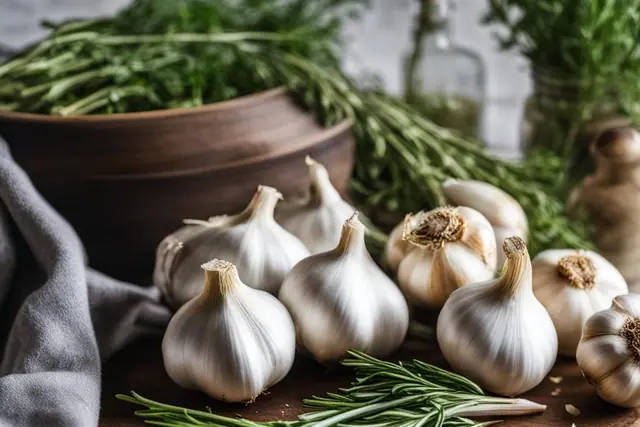
In this guide
- Choosing Fresh Garlic
- Storing Whole Heads of Garlic
- Storing Peeled Garlic
- Freezing Garlic
- Dehydrating Garlic
- Cooking with Garlic
- Choosing the Right Storage Containers
- Finding the Perfect Storage Spot
- Storing Garlic as Whole Heads
- Storing Garlic in the Freezer
- Proper Storage Duration
- Best Practices for Storing Chopped Garlic
- Conclusion
- Source Links
- FAQ
Garlic is an essential ingredient in many delicious recipes, but it's important to store it properly to ensure its freshness and flavor. Follow these expert tips to store garlic and keep it at its best for longer.
Choosing Fresh Garlic
When it comes to selecting fresh garlic, there are a few key factors to consider. Look for whole heads of garlic with firm cloves and tightly packed skins. The cloves should feel solid and not yield to pressure when gently squeezed.
Avoid garlic that feels soft or has started to sprout, as these are signs of deterioration. Sprouting indicates that the garlic is past its prime and may have a bitter flavor. Fresh garlic should also have skins that are intact and tightly wrapped around the cloves, protecting them from exposure and moisture.
By choosing fresh garlic with firm cloves and tightly packed skins, you can ensure that you're starting off with the best quality ingredients for your recipes.
Expert Tip: The Smell Test
If you're unsure about the freshness of garlic, you can also rely on your sense of smell. Fresh garlic should have a strong, pungent aroma that is characteristic of its flavor. If the garlic smells musty or sour, it may be past its prime and best to avoid.
| Signs of Fresh Garlic | Signs of Deterioration |
|---|---|
| Firm cloves | Soft cloves |
| Tightly packed skins | Loose or wrinkled skins |
| No sprouting | Sprouting |
| Strong, pungent aroma | Musty or sour smell |
Choosing fresh garlic is the first step in ensuring that your dishes are filled with vibrant flavor. By selecting firm cloves with tightly packed skins, you can be confident that you're starting with the best quality garlic for your culinary creations.
Storing Whole Heads of Garlic
When it comes to storing whole heads of garlic, it's essential to create the right environment to maintain their freshness. Look for a cool and dry place with good airflow, such as a pantry or counter. This will help prevent the garlic from sprouting and keep it in optimal condition for longer.
To store whole heads of garlic, you can use a mesh bag or a loosely woven basket. These containers allow for adequate airflow, which helps to prevent moisture buildup and maintain the garlic's quality. Avoid storing whole heads of garlic in plastic bags, as they can seal in moisture and promote spoilage.
Remember to keep the garlic away from direct sunlight, as exposure to light can cause it to deteriorate faster. Find a shady spot in your pantry or kitchen where the garlic can remain undisturbed. By following these storage tips, you can ensure that your whole heads of garlic stay fresh and flavorful for an extended period.
Here's a table summarizing the best practices for storing whole heads of garlic:
| Storage Container | Storage Location |
|---|---|
| Mesh bag | Pantry or counter |
| Loosely woven basket | Pantry or counter |
| Avoid plastic bags | N/A |
Storing Whole Heads of Garlic
Storing whole heads of garlic properly is crucial to maintaining their freshness and maximizing their flavor. Here are some key points to remember:
- Choose a cool and dry place with good airflow, such as a pantry or counter.
- Use a mesh bag or loosely woven basket to store the garlic, as they allow for proper airflow and help prevent moisture buildup.
- Avoid storing whole heads of garlic in plastic bags, as they can seal in moisture and promote spoilage.
- Keep the garlic away from direct sunlight, as exposure to light can cause it to deteriorate faster.
By following these guidelines, you can ensure that your whole heads of garlic stay fresh and flavorful for an extended period, ready to enhance your favorite dishes.
Storing Peeled Garlic
When it comes to storing peeled garlic, it's important to take the right steps to maintain its freshness and flavor. Follow these simple guidelines to ensure that your peeled garlic stays in its best condition for as long as possible.
Firstly, it is recommended to store peeled garlic in an airtight container. This helps to prevent moisture and air from affecting the garlic, which can lead to quicker deterioration. Choose a container that seals tightly to create a protective barrier around the garlic.
Secondly, keep the container of peeled garlic in the refrigerator. The cool temperature helps to slow down the breakdown process, keeping the garlic fresh for a longer period. However, it's important to note that peeled garlic should be used within 2-3 days to ensure maximum freshness.
Storing Peeled Garlic:
| Step | Instructions |
|---|---|
| 1 | Place the peeled garlic in an airtight container |
| 2 | Ensure the container is tightly sealed |
| 3 | Store the container in the refrigerator |
| 4 | Use the peeled garlic within 2-3 days for optimal freshness |
By following these storage tips, you can extend the shelf life of your peeled garlic and always have it on hand for your culinary creations. Remember to check the container regularly to ensure that the garlic is still fresh and discard any garlic that shows signs of spoilage or has an off odor.
Freezing Garlic
If you want to prolong the shelf life of garlic even further, freezing it is a great option. Freezing garlic not only helps retain its freshness but also saves you time in the kitchen. Here's how you can freeze garlic to ensure its long-lasting quality:
Finely chop or grate the raw garlic cloves. This will make it easier to use when you need it later.
Place the chopped or grated garlic in an ice cube tray.
Cover the garlic with oil, such as olive oil or vegetable oil.
Ensure that the garlic is completely covered with oil to prevent freezer burn and maintain its flavor.
Freeze the garlic immediately after covering it with oil. Avoid storing the garlic mixture at room temperature as it can lead to bacterial growth and spoilage.
Once the garlic cubes are frozen solid, transfer them into a freezer-safe bag or container. Label it with the date to keep track of its storage time. Frozen garlic can be stored for up to 12 months.
Freezing Garlic - Tips and Tricks
Consider these tips and tricks to get the best results when freezing garlic:
If you prefer individual cloves over chopped garlic, you can also freeze whole heads of garlic. Simply peel the cloves and freeze them in a similar manner.
Using oil to cover the garlic helps prevent it from drying out in the freezer. The oil will solidify in the freezer but will return to its liquid state when thawed.
Freezing garlic in small portions, like ice cube trays, allows for easier portion control. You can simply take out a cube or two when needed, without thawing the entire batch.
Remember to always use freezer-safe containers or bags to avoid freezer burn and maintain the quality of the garlic.
When using frozen garlic in recipes, there's no need to thaw it beforehand. Frozen garlic can be added directly to soups, stews, sauces, and other cooked dishes.
Freezing garlic is a simple and convenient way to extend its shelf life and ensure that you always have fresh garlic on hand. Whether you're preserving an abundance of homegrown garlic or want to maximize the convenience of prepped garlic, freezing is a reliable method to maintain the flavor and quality of this versatile ingredient.
Dehydrating Garlic
Dehydrating garlic is another excellent method for preserving this aromatic ingredient. By removing the moisture from the garlic, you can extend its shelf life and maintain its flavor for an extended period. Here's how to dehydrate garlic:
- Start by cutting firm garlic cloves in half lengthwise.
- Place the garlic cloves in a dehydrator or oven set at a low temperature, typically around 140°F (60°C).
- Allow the garlic to dry for several hours, checking regularly to ensure it doesn't become over-dried or burnt.
- Once the garlic is crisp and dry, remove it from the dehydrator or oven and let it cool completely.
- Store the dehydrated garlic in an airtight container to keep it fresh for future use.
Dehydrated garlic is a versatile ingredient that can be used in various dishes. Simply rehydrate the dried garlic by soaking it in water for a few minutes before using it in recipes. Dehydrated garlic can add a concentrated burst of flavor to soups, stews, sauces, or even homemade spice blends.
Remember, when dehydrating garlic, it's crucial to dry it at a low temperature to preserve its taste and aroma. Storing the dehydrated garlic in an airtight container will also help prevent moisture from seeping in and compromising its quality.
| Dehydrating Garlic Methods | Advantages | Disadvantages |
|---|---|---|
| Dehydrator | Allows for precise temperature control and even drying. | Requires a specific kitchen appliance. |
| Oven | Accessible to most home cooks. | May require more time and attention to avoid burning. |
"Dehydrated garlic is a convenient way to keep this flavorful ingredient on hand for extended periods. By dehydrating garlic, you can ensure that it remains usable even when fresh garlic is not readily available. Plus, the concentrated flavor of dehydrated garlic adds a unique twist to your culinary creations." - Chef John Smith
Cooking with Garlic
When it comes to cooking with garlic, there are a few important things to keep in mind to ensure the best flavor and prevent the garlic from drying out. One key tip is to store chopped garlic in an airtight container to maintain its freshness. By keeping it sealed, you can prevent moisture loss and maintain the natural oils that give garlic its distinct taste and aroma. So, the next time you're preparing a meal that calls for garlic, be sure to store any leftovers in a container with a tight-fitting lid to prolong its freshness.
It's also crucial to note that raw garlic should never be stored in uncooked oil. This is because raw garlic can contain a bacteria called Clostridium botulinum, which can multiply and produce toxins in an oxygen-free environment like oil. To prevent the risk of botulism, always cook garlic in oil before storing it. This process kills any bacteria present and allows for safe storage. So, if you're planning to infuse oil with garlic flavor, make sure to heat the garlic in the oil and then strain it before storing.
When using garlic in your cooking, consider the different ways it can enhance your dishes. Whether you're sautéing it to bring out its sweetness, roasting it to mellow the flavor, or adding it raw for a pungent kick, garlic adds depth and complexity to a wide range of recipes. So, don't be afraid to experiment and find new ways to incorporate this versatile ingredient into your favorite meals. From homemade pasta sauces to marinades and dressings, garlic can elevate the flavors and take your dishes to the next level.
https://www.youtube.com/watch?v=EYf6Q9l3ynQ
Choosing the Right Storage Containers
When it comes to storing garlic, choosing the right containers is essential for preserving its freshness and flavor. Here are some suitable options:
Terracotta or Ceramic Containers
Terracotta or ceramic containers are excellent choices for storing garlic. Their porous nature allows for proper airflow, helping to maintain the ideal conditions for garlic storage. These containers also provide a cool and dry environment, which helps prevent sprouting and extends the shelf life of your garlic.
Paper or Mesh Bags
Another option for storing garlic is to use paper or mesh bags. These lightweight bags allow air to circulate around the garlic, preventing moisture buildup that can lead to spoilage. The bags also help protect the garlic from direct sunlight, which can cause it to deteriorate faster.
Wire Baskets
Wire baskets are a practical and aesthetically pleasing choice for storing garlic. The open design of the basket allows for proper airflow, while the wire construction provides a sturdy and durable container. This option is particularly suitable for countertop storage, as it keeps your garlic easily accessible while adding a decorative touch to your kitchen.
| Container Type | Advantages |
|---|---|
| Terracotta or Ceramic Containers | Proper airflow, cool and dry environment |
| Paper or Mesh Bags | Air circulation, protection from sunlight |
| Wire Baskets | Open design, accessibility, decorative |
When storing garlic, it's important to avoid plastic bags, as they can trap moisture and promote the growth of mold. Instead, opt for containers that allow for proper airflow and create a cool and dry environment. By choosing suitable storage containers for your garlic, you can ensure that it stays fresh and flavorful for longer.
Finding the Perfect Storage Spot
When it comes to storing garlic, finding the perfect storage spot is key to maintaining its freshness and flavor. To keep garlic cool and dry, it is important to avoid sunlight, the basement, and the refrigerator.
Sunlight can cause garlic to spoil more quickly and lose its potency. Exposure to sunlight can also lead to the development of green shoots, which can make the garlic taste bitter. It's best to store garlic in a cool, dark place to preserve its quality.
The basement may seem like a suitable storage area, but the humidity present in most basements can cause garlic to become dry and shriveled. The moisture can also create an environment that promotes the growth of mold and bacteria, leading to spoilage. It is advisable to find an alternative storage location.
Contrary to popular belief, storing garlic in the refrigerator is not ideal. The cold temperature of the refrigerator can cause garlic cloves to become soft and sprout more quickly. Additionally, the refrigerator can have odors that may be absorbed by the garlic, altering its taste. It is best to store garlic in a cool and dry area, such as your pantry or countertop.
Storing Garlic as Whole Heads
When it comes to storing garlic, leaving it as whole heads is a great option to maximize freshness and flavor. By keeping the cloves intact until you're ready to use them, you can maintain the garlic's aromatic qualities and prevent premature decay. Additionally, smaller heads of garlic tend to store better than larger ones, as they are less likely to develop sprouts or go bad quickly.
By refraining from breaking the cloves apart, you can ensure that each garlic bulb stays protected and sealed. This helps to maintain the natural oils and moisture that contribute to the intense flavor and pungency of fresh garlic. When you're finally ready to use the garlic, simply break off the desired number of cloves and peel off the outer skin.
Storing garlic as whole heads also offers convenience. Instead of rummaging through bags or containers to find individual cloves, you can easily spot the whole heads in your storage area. This makes it quick and easy to grab a head of garlic whenever you need it, saving you time and effort in the kitchen.
Remember, when it comes to storing garlic as whole heads, it's important to choose a cool and dry location. Avoid areas that receive direct sunlight, as this can cause the garlic to sprout or spoil. Instead, opt for a pantry or countertop spot that provides proper airflow and maintains a stable temperature. By following these tips, you can enjoy the full freshness and flavor of garlic in your culinary creations.
| Benefits of Storing Garlic as Whole Heads |
|---|
| Maximizes freshness and flavor |
| Prevents premature decay |
| Smaller heads store better |
| Convenient and easy to access |
| Protects natural oils and moisture |
| Quick and effortless retrieval |
Storing Garlic in the Freezer
Garlic can be a versatile and flavorful addition to your culinary creations, but what do you do when you have an excess of fresh garlic and want to make it last? Freezing garlic is a great solution to preserve its flavor and ensure that you always have garlic on hand when you need it. Whether you have whole heads of garlic or peeled cloves, the freezer can be your ally in extending the shelf life of this aromatic ingredient.
To freeze whole heads of garlic, start by separating the cloves and removing any excess papery skin. You can choose to freeze the cloves individually or freeze the whole heads intact. For individual cloves, place them in an ice cube tray or spread them out on a baking sheet lined with parchment paper. Fill each ice cube compartment or space on the baking sheet with water, just enough to cover the cloves. Freeze until solid, then transfer the frozen cloves to an airtight container or vacuum-sealed bag for long-term storage in the freezer.
If you prefer to freeze peeled garlic cloves, you can do so by following a similar process. Finely chop or mince the garlic cloves and place them in an ice cube tray, filling each compartment about halfway. Pour water over the garlic to cover it completely and freeze until solid. Transfer the frozen garlic cubes to an airtight container or vacuum-sealed bag for convenient use in your future recipes.
| Freezing Tips: |
|---|
| 1. Use water in ice cube trays to prevent the garlic from drying out and developing freezer burn. |
| 2. Store whole heads or peeled cloves in airtight containers or vacuum-sealed bags to prevent freezer odors from affecting the flavor of the garlic. |
When you're ready to use the frozen garlic, simply remove the desired amount from the freezer and thaw it in the refrigerator or add it directly to your recipes, allowing it to defrost as you cook. Freezing garlic is a convenient way to enjoy its flavors year-round and reduce food waste in your kitchen.
Tips for Using Frozen Garlic:
- 1. Frozen garlic works best in cooked dishes such as soups, stews, sauces, and stir-fries.
- 2. The texture of frozen garlic may change after thawing, so it's recommended to use it in dishes where the texture is less important, such as when the garlic is being minced or blended into a sauce.
- 3. Keep track of the date when you freeze the garlic to ensure you use it within a reasonable timeframe. While frozen garlic can remain safe to consume indefinitely, it's best to use it within 12 months for optimal flavor.
Proper Storage Duration
Knowing the proper storage duration for garlic is essential for maximizing its freshness and flavor. Whether you have a whole unpeeled head of garlic, peeled cloves, or frozen garlic, here's how long you can expect them to last:
- A whole unpeeled head of garlic can last between 4 to 6 months when stored properly in a cool and dry place away from direct sunlight. This is the longest duration you can enjoy the full flavor of garlic in its whole form.
- Peeled garlic, on the other hand, has a shorter shelf life. Once the cloves are broken off and exposed to air, they will start to deteriorate within 10 days to 2 weeks. It's best to use peeled garlic within this timeframe to ensure maximum freshness.
- If you prefer the convenience of frozen garlic, you'll be pleased to know that it can last up to 12 months when stored properly. Freezing garlic is an excellent way to preserve its flavor for an extended period. Just make sure to use airtight or vacuum-sealed bags to prevent freezer burn and maintain optimal quality.
By following these storage guidelines, you can ensure that your garlic remains flavorful and ready to enhance your favorite dishes whenever you need it!
| Type of Garlic | Storage Duration |
|---|---|
| Whole unpeeled head | 4-6 months |
| Peeled cloves | 10 days to 2 weeks |
| Frozen garlic | Up to 12 months |
Best Practices for Storing Chopped Garlic
When it comes to storing chopped garlic, proper storage is essential to maintain its freshness and flavor. Follow these best practices to ensure that your chopped garlic stays in optimal condition for as long as possible.
Use an Airtight Bag or Jar
One of the key factors in keeping chopped garlic fresh is to store it in an airtight container. This helps to prevent moisture and air from reaching the garlic, which can lead to spoilage. Use a resealable bag or airtight jar to keep your chopped garlic well-protected.
Use Within 3 Days
Chopped garlic is best used within a few days of being prepared. Its flavor and aroma are at their peak during this time. To ensure you get the most out of your chopped garlic, try to use it within three days of chopping.

Cook in Oil Before Storing
If you want to extend the shelf life of your chopped garlic, try cooking it in oil before storing. This process helps to preserve the garlic and can make it last up to a week in the refrigerator. Be sure to use the cooked garlic and remaining oil within this time window.
In conclusion, proper storage practices are crucial for maintaining the freshness and flavor of chopped garlic. Store it in an airtight container, use it within three days, and consider cooking it in oil before storing for an extended shelf life.
Conclusion
Storing garlic properly is crucial to maximize its freshness and flavor. By following these expert tips, you can ensure that your garlic stays fresh and flavorful for longer. Whether you're storing whole heads of garlic, peeled cloves, or even freezing it, the right techniques will help you preserve the quality of this essential ingredient.
When selecting garlic, look for firm cloves with tightly packed skins to ensure freshness. Remember to avoid garlic that feels soft or has started to sprout, as these are signs of deterioration. For whole heads of garlic, store them in a cool, dry place with good airflow, like a mesh bag or loosely woven basket. Keep them away from sunlight and in a cool spot, such as your pantry or countertop.
If you prefer to store peeled garlic, use an airtight container and keep it in the refrigerator. It's best to use peeled garlic within 2-3 days for maximum freshness. Freezing garlic is also a great option. Finely chop or grate the garlic, cover it with oil in ice cube trays, and freeze it immediately. Make sure not to store the garlic mixture at room temperature to avoid any risk of foodborne illness.
Dehydrating garlic is another option. Cut firm cloves in half lengthwise and dry them in a dehydrator or oven at low temperatures. Store the dehydrated garlic in an airtight container at room temperature. Finally, when cooking with garlic, remember to store chopped garlic in an airtight container to prevent drying. Cooked garlic can be stored in the refrigerator for up to a week.
Source Links
- https://www.goodhousekeeping.com/food-recipes/a20707233/how-to-store-garlic/
- https://www.marthastewart.com/2123790/how-store-garlic
- https://www.realsimple.com/food-recipes/shopping-storing/food/how-to-store-garlic
Frequently asked questions
- How should I choose fresh garlic?
Look for whole heads with firm cloves and tightly packed skins. Avoid soft or sprouted garlic, as these are indicators of deterioration.
- How should I store whole heads of garlic?
Store whole heads of garlic in a cool, dry place with good airflow, such as a mesh bag or loosely woven basket. Keep them in your pantry or on your counter, away from sunlight and in a cool spot.
- How should I store peeled garlic?
Store peeled garlic in an airtight container in the refrigerator. Use it within 2-3 days for maximum freshness.
- How do I freeze garlic?
Finely chop or grate raw garlic cloves and cover them with oil in ice cube trays. Freeze them immediately to avoid any risk of foodborne illness. Do not store the garlic mixture at room temperature.
- How do I dehydrate garlic?
Cut firm garlic cloves in half lengthwise and dry them in a dehydrator or oven at low temperatures. Store the dehydrated garlic in an airtight container at room temperature.
- How should I store chopped garlic?
Store chopped garlic in an airtight container to prevent drying out. Never store raw garlic in uncooked oil to avoid contamination. Cooked garlic can be stored in the refrigerator for up to a week.
- What are the best storage containers for garlic?
Choose containers that allow for airflow, such as terracotta or ceramic containers, paper or mesh bags, or wire baskets. Avoid plastic bags as they seal in moisture.
- Where is the best spot to store garlic?
Keep garlic in a cool and dry place, away from direct sunlight. Avoid storing it in the basement, as the humidity can cause it to dry out. The refrigerator is also not ideal as it can cause sprouting. The pantry or countertop is a good spot.
- Should I break the cloves of garlic before storing it?
Keep garlic as whole heads without breaking the cloves until you're ready to use them. Smaller heads of garlic tend to store better than larger ones.
- Can I freeze garlic?
Yes, you can freeze garlic in various forms, including whole heads or peeled cloves. Use water in ice cube trays when freezing chopped garlic. Store frozen garlic in airtight or vacuum-sealed bags for best results.
- How long can I store garlic?
A whole unpeeled head of garlic can last 4-6 months when stored properly. Once the cloves are broken off, the garlic will deteriorate within 10 days to 2 weeks. Frozen garlic can last up to 12 months.
- How should I store chopped garlic?
Store chopped garlic in an airtight bag or jar and use it within 3 days. If you cook the garlic in oil before storing, it can last up to a week. Avoid storing raw garlic in uncooked oil to prevent contamination.
AprilCook, recipe developer and the heart of Chefwiz. More about April