Guide
How to Store Ginger to Preserve Its Freshness
Wondering how to store ginger while keeping it fresh? Join me as I reveal top secrets for preserving ginger's longevity and vibrant flavor.
 By April20 min read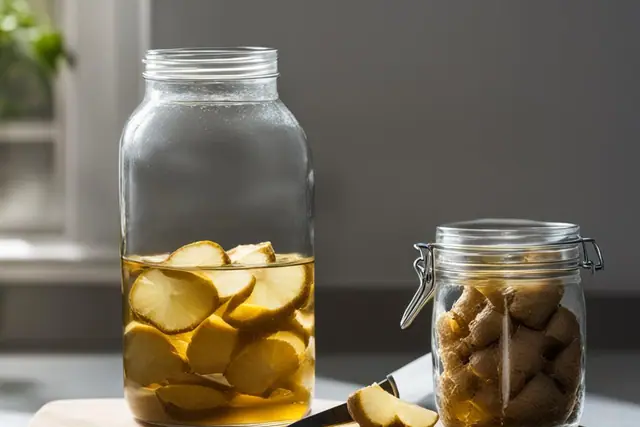
In this guide
- Understanding the Basics of Ginger Storage
- Storing Ginger in the Refrigerator
- Storing Peeled Ginger
- I: Chopping and Storing Minced Ginger
- Freezing Ginger for Extended Freshness
- Pickling Ginger for a Unique Flavor
- Longevity of Fresh Ginger
- Freezing Ginger in Different Forms
- Signs of Ginger Gone Bad
- Tips for Buying Fresh Ginger
- Using Ginger in Cooking and Beyond
- The Culinary and Health Benefits of Ginger
- Conclusion
- Source Links
- FAQ
Ginger is a versatile and aromatic spice that adds a zesty flavor to dishes. It also has numerous health benefits, including anti-inflammatory and antioxidant properties. To store ginger and preserve its freshness, it's important to follow specific methods.
Understanding the Basics of Ginger Storage
Fresh ginger is a versatile and aromatic spice that adds a zesty flavor to dishes. Whether you're a culinary enthusiast or an occasional home cook, understanding the basics of ginger storage is essential to ensure its freshness and flavor. Ginger is a root spice that can be found in the refrigerated produce section of your local grocery store or farmer's market. With the right storage methods, you can extend the shelf life of ginger and have it readily available in your kitchen.
Ginger has a long shelf life when stored properly. It is important to store ginger in a cool and dry place to maintain its freshness and flavor for a longer period. When stored at room temperature, ginger can last up to three weeks. However, if you live in a warm and humid climate, storing ginger in the refrigerator might be a better option to prevent it from spoiling too quickly.
When storing ginger in the refrigerator, it's important to protect it from moisture. Place the ginger in an airtight food storage container or a sealed plastic bag to prevent it from drying out or absorbing any odors from other foods in the fridge. For additional freshness and to maintain its flavor, store the ginger in the crisper drawer of the refrigerator. This will provide a cool and controlled environment for the ginger to stay fresh for up to a month or even longer.
The Shelf Life of Ginger
The shelf life of ginger depends on the storage method. Here's a summary of the shelf life of ginger:
| Storage Method | Shelf Life |
|---|---|
| Room Temperature | Up to 3 weeks |
| Refrigerator | Up to 1 month |
| Freezer | 3 to 4 months |
By understanding and implementing these storage methods, you can enjoy the aromatic and versatile spice of ginger in your culinary creations whenever you need it.
Storing Ginger in the Refrigerator
Ginger is a versatile spice that can enhance the flavor of dishes and provide numerous health benefits. To ensure the freshness of ginger, refrigeration is a recommended storage method. By following proper preservation methods, you can extend the shelf life of ginger and maintain its aromatic properties.
To store ginger in the refrigerator, it is essential to use an airtight food storage container or a sealed plastic bag. This helps prevent the ginger from absorbing other flavors and odors in the refrigerator. Placing the ginger in the crisper drawer, which provides a cool and moist environment, helps retain its freshness for a longer period.
Refrigeration can keep ginger fresh for up to a month or even longer. However, it is important to regularly check for any signs of mold before using the stored ginger. Mold growth is an indication that the ginger has spoiled and should not be consumed. By storing ginger in the refrigerator, you can conveniently access it whenever you need to add a zesty kick to your culinary creations.
Table: Comparing Ginger Storage Methods
| Storage Method | Shelf Life |
|---|---|
| Refrigerator | Up to a month |
| Freezing | Up to five months |
| Pickling | Up to two weeks |
"Refrigeration can keep ginger fresh for up to a month or even longer"
Storing ginger in the refrigerator not only helps retain its freshness but also makes it more accessible for use in various recipes. Whether you're making a stir-fry, curry, soup, or sauce, having refrigerated ginger on hand ensures you can enjoy its vibrant flavor whenever you desire.
Storing Peeled Ginger
When it comes to storing peeled ginger, it's important to take extra care as this exposes the ginger to oxygen, reducing its shelf life. To keep peeled ginger fresh for a longer period, I recommend wrapping it tightly in plastic wrap before refrigerating it. This will help prevent moisture loss and maintain its flavor.
The best place to store peeled ginger is in the crisper drawer of your refrigerator. This drawer provides a cool and humid environment, which is ideal for preserving the freshness of the ginger. When stored properly, peeled ginger can stay fresh for up to three weeks, allowing you to have it readily available for your culinary creations.
However, it's essential to inspect the peeled ginger before using it. Look out for any signs of mold growth or spoilage, such as a slimy texture or an off smell. If you notice any of these signs, it's best to discard the ginger to ensure food safety.
https://www.youtube.com/watch?v=wmet9920NEI
Storing Peeled Ginger
I: Chopping and Storing Minced Ginger
When it comes to using ginger in our cooking, having minced ginger readily available can save time and add flavor to our dishes. But how do we store minced ginger to keep it fresh and tasty for longer?
Once you've minced your ginger, transfer it to a sealed airtight container. This will help to prevent moisture and air from reaching the ginger, which can cause it to spoil more quickly. Make sure to press the ginger down firmly in the container to remove any excess air and to maintain its freshness.
Storing minced ginger in the refrigerator is the best option. The cool temperature will help to slow down the breakdown of the ginger's flavor and aroma. Keep in mind that minced ginger will only last for about a week in the refrigerator, so it's ideal to mince smaller quantities as needed to ensure the freshest flavor.
If you want to save even more time in the kitchen, you can freeze minced ginger. Simply transfer the minced ginger to an ice cube tray and cover it with water or vegetable broth. Once frozen, transfer the ginger cubes to a freezer-safe bag or container. Frozen minced ginger can last for several months, making it a convenient option for long-term storage.
Proper Storage Techniques for Minced Ginger:
- Transfer minced ginger to a sealed airtight container
- Press the ginger down firmly to remove excess air
- Store in the refrigerator for up to a week
- Freeze in ice cube trays for long-term storage
Freezing Ginger for Extended Freshness
When it comes to storing ginger for an extended period, freezing is a fantastic option. Freezing ginger not only helps to preserve its freshness but also ensures that its vibrant flavor remains intact. To freeze ginger effectively, start by washing and drying the ginger root thoroughly. This step is crucial to remove any dirt or debris that may affect the quality of the frozen ginger.
Once the ginger is clean and dry, you can proceed to store it in a suitable container for freezing. A plastic bag or a freezer-friendly container works well for this purpose. Make sure to label the container with the date to keep track of its storage time. Placing the ginger in a sealed bag or container eliminates the risk of freezer burn and maintains its quality for an extended period.
Frozen ginger can last up to five months in the freezer, allowing you to have a steady supply of this aromatic spice whenever you need it. One of the greatest advantages of freezing ginger is that you can use it directly from the freezer without thawing. Whether you want to grate it or cut it into small pieces, frozen ginger is versatile and convenient to use in various culinary preparations.
Table: Comparison of Ginger Storage Methods
| Storage Method | Duration of Freshness | Convenience |
|---|---|---|
| Refrigeration | Up to 1 month | Requires refrigerator space |
| Freezing | Up to 5 months | Convenient and versatile |
| Pickling | Up to 2 weeks | Unique flavor addition |
"Freezing ginger is an excellent option for extending its freshness and preserving its flavor. It allows you to have ginger readily available whenever you need it, without compromising on its taste or aroma."
By freezing ginger, you can ensure that this versatile spice remains fresh and flavorful for an extended period. Whether you want to add a zing to your stir-fries or enhance the flavors of your curries, frozen ginger is a convenient and reliable ingredient to have on hand. So, next time you buy ginger, consider freezing it to extend its shelf life and enjoy its delightful taste for months to come.
Pickling Ginger for a Unique Flavor
When it comes to preserving ginger and adding a unique flavor to your dishes, pickling is a fantastic option. Pickled ginger adds a tangy and slightly sweet flavor that complements a variety of culinary creations. Not only does it enhance the taste, but pickling also helps to extend the shelf life of ginger, ensuring that you can enjoy its flavor for longer periods.
To pickle ginger, start by peeling and thinly slicing the ginger root. This helps to bring out its natural flavors and allows the pickling liquid to penetrate the slices more effectively. Once sliced, place the ginger in a sterilized jar, ensuring that it is clean and free from any contaminants.
To create the pickling liquid, combine a mixture of sugar, water, rice vinegar, and salt in a saucepan. Bring the mixture to a boil, stirring until the sugar and salt have dissolved completely. Once the liquid has reached a boil, carefully pour it over the sliced ginger in the jar. Make sure that the ginger is completely submerged in the pickling liquid.
"Pickled ginger adds a tangy and slightly sweet flavor that complements a variety of culinary creations."
Allow the pickling liquid to cool before covering the jar. Once cooled, refrigerate the jar of pickled ginger for at least 24 hours to allow the flavors to develop and intensify. The pickled ginger can be stored in the refrigerator for up to two weeks, making it a convenient and flavorful addition to your meals.
Whether you're looking to add a unique flavor to your stir-fries or want to experiment with pickled ginger in other dishes, this preservation method provides a delightful twist that will impress your taste buds. Give pickling ginger a try and savor the tangy, sweet, and preserved goodness it brings to your favorite recipes.
| Pickled Ginger | Shelf Life | Storage |
|---|---|---|
| Pickled Ginger | Up to 2 weeks | Refrigerator |
Longevity of Fresh Ginger
When it comes to storing fresh ginger, the shelf life depends on the storage method. Unpeeled and uncut ginger root stored at room temperature can last up to three weeks, making it a convenient option for easy access in the kitchen. However, if you prefer to extend its freshness, refrigeration is the way to go. Unpeeled ginger can last for about a month when stored in the refrigerator, while peeled ginger lasts up to three weeks.
For those looking for even longer storage options, freezing fresh ginger is the answer. By washing and drying the ginger root before freezing it, you can extend its shelf life to three to four months. Whether you choose to freeze it whole or in smaller pieces, freezing ginger is a great way to have it on hand whenever you need it.
To summarize, here is a breakdown of the shelf life of fresh ginger:
| Storage Method | Shelf Life |
|---|---|
| Room Temperature (Unpeeled) | Up to 3 weeks |
| Refrigeration (Unpeeled) | About 1 month |
| Refrigeration (Peeled) | Up to 3 weeks |
| Freezing (Whole or Cut) | 3 to 4 months |
By knowing how to store ginger properly, you can enjoy its fresh flavor and unique zing in your culinary creations for an extended period. Whether you choose to store it in the refrigerator or freezer, these storage methods will help ensure that your ginger remains vibrant and delicious.
Freezing Ginger in Different Forms
If you want to preserve the freshness of ginger for an extended period, freezing it is a great option. Freezing ginger in different forms allows you to have readily available ginger whenever you need it. Here are the various ways you can freeze ginger:
Freezing Whole Ginger:
To freeze whole ginger, start by washing and drying the ginger root thoroughly. Next, wrap the ginger tightly in plastic wrap, ensuring it is completely covered. Then, place the wrapped ginger in a freezer-safe bag or container. This method allows you to easily grate or cut off the desired amount of ginger without the need for thawing.
Freezing Cut Ginger:
If you prefer to have pre-cut ginger pieces, you can freeze them as well. Start by washing and drying the ginger root, then cut it into smaller pieces. Wrap the cut ginger tightly in plastic wrap and place it in a freezer-safe bag or container. This method is convenient when you need specific portion sizes of ginger for your recipes.
Freezing Ginger Paste:
Ginger paste is a convenient way to add ginger flavor to your dishes. To make ginger paste, peel and chop the fresh ginger root. Then, puree the ginger in a food processor or blender until it forms a smooth paste. Portion the ginger paste into ice cube trays and freeze it. Once frozen, transfer the ginger paste cubes to a freezer-safe bag or container. This method allows you to easily add ginger paste to your recipes without the hassle of grating or chopping.
| Ginger Form | Instructions |
|---|---|
| Whole Ginger | 1. Wash and dry the ginger root. 2. Wrap it tightly in plastic wrap. 3. Place in a freezer-safe bag or container. |
| Cut Ginger | 1. Wash and dry the ginger root. 2. Cut it into smaller pieces. 3. Wrap the pieces tightly in plastic wrap. 4. Place in a freezer-safe bag or container. |
| Ginger Paste | 1. Peel and chop the fresh ginger root. 2. Puree the ginger in a food processor or blender. 3. Portion the ginger paste into ice cube trays and freeze. 4. Transfer the frozen paste cubes to a freezer-safe bag or container. |
By freezing ginger in these different forms, you can always have ginger on hand for your culinary creations. Whether you need whole ginger, cut ginger pieces, or ginger paste, freezing ensures that you can enjoy the flavor and benefits of ginger anytime.
Signs of Ginger Gone Bad
Ginger is a versatile spice that adds flavor and aroma to various dishes. However, like any other ingredient, ginger can go bad if not stored properly or kept for too long. To ensure you use fresh and safe ginger in your cooking, it's important to know the signs of spoilage. Here are some common indicators that ginger has gone bad:
Smell:
A fresh ginger root has a strong, pungent aroma. If the ginger smells less intense or has an off odor, it may have started to spoil.
Appearance:
Visually inspect the ginger for any signs of spoilage. Wrinkled or shriveled skin, blemishes, or mold growth on the surface are indications that the ginger is no longer fresh. Additionally, if you notice a discolored or slimy interior when you cut into the ginger, it's a sign that it has gone bad.
Texture:
Fresh ginger should be firm and crisp. If the ginger feels soft or mushy to the touch, it has likely started to deteriorate and should be discarded.
It's important to note that consuming spoiled ginger can lead to foodborne illnesses. To ensure food safety, always inspect the ginger before using it in your recipes. If you encounter any of these signs, it's best to discard the ginger and get a fresh batch for your culinary ventures.
| Signs of Ginger Gone Bad | Possible Explanation |
|---|---|
| Smell less pungent or has an off odor | The ginger has started to spoil and is no longer fresh. |
| Wrinkled or shriveled skin, blemishes, or mold growth | The ginger has visually deteriorated and should be discarded. |
| Discolored or slimy interior | The ginger has gone bad and is no longer safe to consume. |
| Soft or mushy texture | The ginger has started to deteriorate and should not be used. |
Tips for Buying Fresh Ginger
When it comes to buying fresh ginger, there are a few key factors to consider to ensure you're getting the best quality and flavor. Here are some tips to help you choose the freshest ginger:
Look for Firmness and Smooth Skin
Hold the ginger root in your hand and give it a gentle squeeze. Fresh ginger should feel firm to the touch, indicating that it is still crisp and full of flavor. The skin should be smooth and free from wrinkles or soft spots, which can be signs of aging or deterioration.
Avoid Discolored or Wrinkled Skin
Avoid ginger roots that have discolored or wrinkled skin, as these are indications that the ginger is past its peak freshness. Fresh ginger should have a vibrant and healthy appearance, with a light brown outer skin.
Trust Your Sense of Smell
The aroma of ginger is an important indicator of its freshness. Take a whiff of the ginger before purchasing it. It should have a strong, spicy fragrance that is characteristic of fresh ginger. If the scent is weak or unpleasant, it may be a sign that the ginger is no longer fresh.
Check for Quality and Appearance
Choose ginger that has a good overall quality and appearance. Look for roots that are free from blemishes, mold, or any sign of damage. The ginger root should be dense and heavy for its size, indicating that it is filled with moisture and flavor.
| Aspect | Indication of Freshness |
|---|---|
| Firmness | The ginger root feels firm to the touch, indicating freshness. |
| Smooth Skin | The skin is smooth and free from wrinkles or soft spots. |
| Color | The skin is light brown without any discoloration. |
| Aroma | It has a strong, spicy fragrance characteristic of fresh ginger. |
| Appearance | The ginger root is free from blemishes, mold, or damage. |
By following these tips, you can ensure that you're purchasing fresh ginger that will bring a burst of flavor to your culinary creations. Incorporating high-quality ginger into your cooking will elevate the taste and add a delightful zing to your dishes.
Using Ginger in Cooking and Beyond
Ginger is a versatile spice that adds a delightful zing to a wide range of dishes. It is a staple ingredient in various culinary traditions, particularly in Asian and Indian cuisines. From stir-fries and curries to soups and marinades, ginger brings a unique flavor and aroma to dishes, making it a favorite among home cooks and professional chefs.
When it comes to Asian cuisine, ginger is a key component in popular dishes like Thai red curry, Chinese sweet and sour chicken, and Japanese teriyaki. Its warm, slightly spicy taste enhances the overall flavor profile, adding depth and complexity to each bite. In Indian cuisine, ginger plays a prominent role in dishes such as butter chicken, masala chai, and biryani, infusing them with its distinct and aromatic notes.
But ginger's culinary uses go beyond savory dishes. It is also a fantastic ingredient in sweet treats like gingerbread cookies, ginger snaps, and ginger-infused cakes and muffins. Additionally, ginger can be used to create refreshing beverages, including ginger ale, ginger lemonade, and ginger-infused tea. Its natural spiciness adds a pleasant kick to these drinks, making them even more enjoyable.
Ginger is not only valued for its culinary versatility, but it also offers numerous health benefits. It has long been used in traditional medicine for its anti-inflammatory properties and digestive benefits. Ginger can help alleviate nausea, reduce muscle soreness, and aid in digestion. Incorporating ginger into your diet can be a flavorful way to enhance your well-being.
The Culinary and Health Benefits of Ginger
Ginger is not just a flavor enhancer in the culinary arts; it also possesses various medicinal properties that contribute to overall health and well-being. Its unique combination of aromatic and pungent flavors makes it a staple in many savory and sweet dishes, adding a zingy taste that stimulates the palate.
When it comes to health benefits, ginger has been widely recognized for its anti-inflammatory and antioxidant effects. These properties make ginger a natural remedy for reducing inflammation, supporting the immune system, and combating oxidative stress. It has also been known to aid digestion, alleviate nausea, and promote brain function.
Ginger can be consumed in various forms, including fresh, ground, and powdered. Its versatility allows it to be incorporated into a wide range of dishes, from Asian-inspired stir-fries and curries to refreshing ginger-infused beverages and soothing herbal teas. With its bold flavor profile and numerous health benefits, ginger is a valuable ingredient to have in your culinary repertoire.
"Ginger is not only a flavorful addition to dishes but also a powerful ingredient with medicinal properties that can enhance overall health and wellness." - Chef John Doe
| Health Benefits of Ginger | Culinary Uses of Ginger |
|---|---|
|
|
Ginger's Anti-Inflammatory and Antioxidant Effects
Ginger contains bioactive compounds called gingerols that have potent anti-inflammatory effects. These compounds help reduce inflammation in the body, which can contribute to chronic diseases such as arthritis, heart disease, and certain types of cancer. Additionally, ginger's antioxidant properties help protect cells from damage caused by free radicals, which are unstable molecules that can lead to oxidative stress and aging.
The Digestive Benefits of Ginger
Ginger has long been used as a natural remedy for digestive issues. It can help alleviate symptoms of nausea, including morning sickness, motion sickness, and chemotherapy-induced nausea. Ginger also stimulates digestion by increasing the production of enzymes and bile, which aids in the breakdown of food and absorption of nutrients. This makes ginger particularly beneficial for individuals with digestive disorders such as indigestion and irritable bowel syndrome (IBS).
Ginger and Brain Function
Emerging research suggests that ginger may have positive effects on brain function. Its bioactive compounds have been found to reduce oxidative stress and inflammation in the brain, potentially improving cognitive function and reducing the risk of age-related neurodegenerative diseases, such as Alzheimer's disease. While more studies are needed to fully understand the extent of ginger's impact on brain health, incorporating ginger into your diet may offer potential cognitive benefits.
Conclusion
In conclusion, knowing how to store ginger properly is essential for preserving its freshness and flavor. By following a few easy storage techniques, you can ensure that your ginger lasts longer and remains in optimal condition for your culinary creations.
Whether you choose to store ginger in the refrigerator, freezer, or pickle it for a unique flavor, these freshness hacks will help you maintain the quality of this aromatic spice. Refrigerating ginger in airtight containers or sealed bags will keep it fresh for up to a month, while freezing it can extend its shelf life to several months.
When pickling ginger, ensure you sterilize the jar and use a well-balanced pickling liquid to preserve its taste and quality. Remember to inspect your stored ginger for any signs of spoilage, such as mold or off smells, to ensure your food safety.
Overall, by implementing these easy storage methods, you can enjoy the benefits of fresh ginger for an extended period, adding a delightful zest to your dishes while reaping its numerous health benefits.
Source Links
- https://food52.com/blog/26952-how-to-store-fresh-ginger
- https://www.realsimple.com/how-to-store-ginger-6752895
- https://www.foodnetwork.com/how-to/packages/food-network-essentials/how-to-store-ginger
Frequently asked questions
- How should I store ginger to preserve its freshness?
To store ginger and preserve its freshness, it's important to follow specific methods, such as refrigeration, freezing, or pickling.
- Can I store ginger in the refrigerator?
Yes, you can store ginger in the refrigerator by placing it in an airtight food storage container or a sealed plastic bag. Store it in the crisper drawer to maintain its freshness.
- How long can I store ginger in the refrigerator?
Refrigeration can help keep ginger fresh for up to a month or even longer. Be sure to check for any mold before using the stored ginger.
- What about peeled ginger?
If you have peeled ginger, its shelf life will be shorter as it is exposed to oxygen. Wrap peeled ginger tightly in plastic wrap and store it in the crisper drawer of the refrigerator. Peeled ginger should stay fresh for up to three weeks, but always inspect it before use to ensure there is no mold growth.
- Can I chop or mince ginger in advance?
Yes, you can chop or mince ginger in advance for meal prepping. However, minced ginger will only last for about a week when stored in a sealed airtight container in the refrigerator.
- Can I freeze ginger to extend its freshness?
Yes, freezing ginger is an excellent option for extending its freshness. Wash and dry the ginger root before freezing it. Store it in a plastic bag or freezer-friendly container. Frozen ginger can last up to five months and can be grated or cut directly from the freezer without thawing.
- How can I pickle ginger?
To pickle ginger, peel and thinly slice the ginger, then place it in a sterilized jar. Boil a mixture of sugar, water, rice vinegar, and salt. Pour the hot pickling liquid over the ginger in the jar and let it cool before covering. Pickled ginger can be refrigerated for up to two weeks.
- How long does fresh ginger last at room temperature?
Unpeeled and uncut ginger root stored at room temperature can last up to three weeks.
- How long does fresh ginger last in the refrigerator?
In the refrigerator, unpeeled ginger can last for about a month, while peeled ginger lasts up to three weeks.
- Can I freeze ginger in different forms?
Yes, ginger can be frozen in various forms. Whole ginger can be wrapped tightly in plastic wrap and stored in a freezer-safe bag or container. Cut ginger can also be stored in the same way, after being cut into smaller pieces. Ginger paste can be made by pureeing fresh ginger and freezing it in small portions in an ice cube tray.
- How can I tell if ginger has gone bad?
Signs that ginger has gone bad include a less pungent or off smell, wrinkled skin, blemishes, mold, a discolored interior, or a soft and mushy texture.
- What should I look for when buying fresh ginger?
When buying fresh ginger, choose a piece that is firm to the touch with smooth skin. Avoid soft spots or slightly wrinkled skin, as these are signs of ginger past its peak freshness. Look for ginger that is of good quality and appearance.
- How can I use ginger in cooking?
Ginger is a staple in many cuisines, particularly Asian and Indian dishes. It can be used in numerous recipes, including stir-fries, curries, soups, sauces, marinades, beverages, teas, and herbal remedies.
- What are the culinary and health benefits of ginger?
Ginger offers both culinary and health benefits. It enhances the flavor of dishes and adds a zingy taste. Additionally, ginger has medicinal properties, including anti-inflammatory and antioxidant effects. It aids digestion, helps with nausea, and may improve brain function. Ginger is a beneficial ingredient to incorporate into a healthy lifestyle.
AprilCook, recipe developer and the heart of Chefwiz. More about April