Guide
How to Store Fresh Herbs to Maximize Freshness
Discover my secrets on how to store fresh herbs, ensuring maximum freshness and flavor. Let me guide you through easy, practical methods today!
 By April19 min read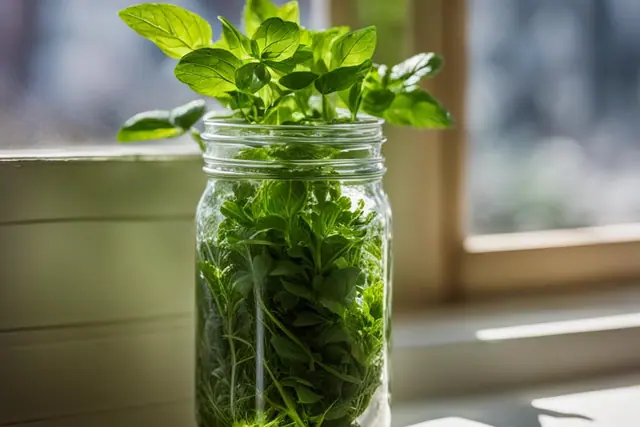
In this guide
- Cleaning and Prepping Fresh Herbs
- Storing Soft Fresh Herbs with Water
- Storing Hardy Herbs in Damp Paper Towels
- Freezing Fresh Herbs for Long-Term Storage
- Testing Different Herb Storage Methods
- Recommended Storage Methods for Herbs
- How Long Fresh Herbs Can Last
- Tips for Keeping Herbs Fresh
- Drying and Freezing Excess Herbs
- Determining Herb Type - Tender or Hard
- Washing Herbs for Optimal Storage
- Conclusion
- Source Links
- FAQ
Storing fresh herbs correctly is essential for maximizing their freshness and preserving their flavors. By following proper storage methods, you can extend the shelf life of your herbs and avoid wasting them. Here are some expert tips on how to store fresh herbs effectively.
Cleaning and Prepping Fresh Herbs
When it comes to storing fresh herbs, proper cleaning and prepping are essential steps to ensure their longevity and prevent the growth of bacteria. Follow these guidelines to clean and prep your herbs effectively.
Removing Twist Ties and Washing Herbs
Before storing your fresh herbs, start by removing any twist ties or rubber bands that are holding them in bunches. These ties can restrict airflow and cause the herbs to wilt faster. Once the ties are removed, gently wash the herbs under cold water to remove any dirt or debris. This step is crucial as it helps get rid of any impurities that can lead to bacterial growth.
Drying Herbs Thoroughly
After washing, it's important to dry the herbs thoroughly to prevent moisture buildup, which can accelerate spoilage. You can pat them dry with a clean dish towel or use a salad spinner to remove excess water. Ensure that the herbs are completely dry before storing them to prevent the growth of bacteria.
Preventing Bacteria Growth
To further prevent the growth of bacteria, it's best to store dry herbs in a clean, airtight container. This will keep them fresh and minimize exposure to oxygen, which can lead to decay. Remember to remove any wilted or discolored leaves before storing the herbs, as they can release moisture and promote bacterial growth.
| Step | Instructions |
|---|---|
| 1 | Remove twist ties or rubber bands holding the herbs in bunches. |
| 2 | Wash the herbs under cold water to remove dirt and debris. |
| 3 | Dry the herbs thoroughly using a clean dish towel or salad spinner. |
| 4 | Store the herbs in a clean, airtight container to prevent bacterial growth. |
Storing Soft Fresh Herbs with Water
When it comes to storing soft herbs like cilantro, parsley, mint, and basil, it's important to take extra care to prevent wilting and preserve their delicate flavors. One effective method is to store these herbs in a glass of water. To do this, start by trimming the bottom part of the stems to ensure optimal water absorption. Then, gather the herb bunches into little bundles and place them upright in a jar or container filled with 1 to 2 inches of water. Be sure that no leaves touch the water, as this can lead to wilting and decay.
To further preserve the freshness of the herbs, cover the top of the bundles with a clear plastic bag. This creates a mini greenhouse effect, trapping moisture and maintaining an optimal environment for the herbs. For cilantro, parsley, and mint, store them in the refrigerator to keep them cool and extend their shelf life. However, basil should be stored on the counter in indirect sunlight, as it thrives in slightly warmer conditions. Remember to change the water every few days to prevent any build-up of bacteria and ensure the herbs stay fresh for longer.
By following this simple method of storing soft herbs with water, you can enjoy their vibrant flavors and aromas in your culinary creations for an extended period. Whether you're adding fresh cilantro to your salsa or sprinkling parsley over your pasta dish, these herbs will remain crisp and full of flavor, enhancing the taste of your favorite recipes.
https://www.youtube.com/watch?v=JSdBN_YmjTo
Table: Herb Storage Methods for Soft Herbs
| Herb | Storage Method | Storage Location |
|---|---|---|
| Cilantro | Trim stems, place in water, cover with plastic bag | Refrigerator |
| Parsley | Trim stems, place in water, cover with plastic bag | Refrigerator |
| Mint | Trim stems, place in water, cover with plastic bag | Refrigerator |
| Basil | Trim stems, place in water, cover with plastic bag | Counter (indirect sunlight) |
Keeping soft herbs like cilantro, parsley, mint, and basil fresh can be a challenge, but with the right storage method, you can extend their shelf life and enjoy their flavors for longer. Storing these herbs in a glass of water, covered with a plastic bag, helps maintain their moisture and prevents wilting. Remember to store cilantro, parsley, and mint in the refrigerator, while basil prefers a slightly warmer spot on the counter. With these simple steps, your soft herbs will stay fresh and vibrant, ready to elevate your dishes with their aromatic goodness.
Storing Hardy Herbs in Damp Paper Towels
When it comes to storing hardy herbs like rosemary, dill, sage, thyme, chives, and oregano, there is a simple yet effective method that can help maintain their freshness for longer periods. After cleaning and drying the herbs, it is recommended to wrap them in a slightly damp paper towel.
By wrapping the herbs in a damp paper towel, you create a moist environment that helps prevent the leaves from wilting and drying out. This method also helps to preserve the natural oils and flavors of the herbs. To further protect the herbs, place the wrapped bundle in a tightly sealed container or reusable bag.
It is important to check the paper towel periodically and re-moisten it if it becomes dry. This will ensure that the herbs stay hydrated and fresh. Store the wrapped herbs in the refrigerator to maintain a cool temperature, which helps to slow down the natural decay process. With this storage method, you can enjoy the vibrant flavors of hardy herbs in your culinary creations for an extended period.
Tips for Storing Hardy Herbs:
- Ensure the herbs are thoroughly dried before wrapping them in the damp paper towel.
- Loosely wrap the herbs to allow proper airflow and to prevent overcrowding.
- Check the paper towel regularly and re-moisten it if it becomes dry.
- Store the wrapped herbs in a tightly sealed container or reusable bag.
- Place the herbs in the refrigerator to maintain a cool temperature.
By following these simple steps, you can prolong the shelf life of hardy herbs and always have them on hand to enhance the flavors of your dishes.
Freezing Fresh Herbs for Long-Term Storage
If you want to extend the shelf life of your fresh herbs even further, freezing them is an excellent option. Freezing herbs helps preserve their flavors and allows you to enjoy them throughout the year. Here's how you can freeze both hardy and tender herbs for long-term storage:
Freezing Hardy Herbs:
Hardy herbs like rosemary, thyme, sage, and oregano can be frozen using a simple method. Start by washing the herbs under cold water to remove any dirt or debris. Pat them dry with a paper towel. Then, wrap the herbs in a damp paper towel to maintain their moisture during freezing. Place the wrapped herbs in a labeled, resealable freezer bag. For future use, you can also portion out smaller amounts and wrap them in plastic wrap before storing them in the freezer bag. Hardy herbs can last for several months in the freezer.
Freezing Tender Herbs:
Tender herbs such as cilantro, parsley, and basil can be frozen in different ways. One method is to chop the herbs finely and mix them with either oil or water to create a mixture. Spoon the herb mixture into ice cube trays and freeze them. Once frozen, transfer the herb cubes into a labeled, resealable freezer bag. This allows you to easily portion out the herbs when needed. Another method is to freeze the tender herbs after washing and drying them. Place the whole or chopped herbs in a labeled, resealable freezer bag and store them in the freezer. Tender herbs can last for several months when frozen.
When using frozen herbs, keep in mind that their texture may change slightly after thawing. They are best used in cooked dishes or blended into sauces and soups. Freezing herbs is a convenient way to preserve their freshness and ensures you always have flavorful herbs on hand for your favorite recipes.
| Herbs | Freezing Method | Storage Time |
|---|---|---|
| Rosemary, Thyme, Sage, Oregano | Wrap in damp paper towel, store in freezer bag | Several months |
| Cilantro, Parsley, Basil | Chop and mix with oil or water, freeze in ice cube trays or store whole in freezer bag | Several months |
Testing Different Herb Storage Methods
Properly storing herbs is crucial for maintaining their freshness and flavor over time. To determine the most effective herb storage methods, extensive testing was conducted to evaluate the impact of various factors such as light exposure, oxygen exposure, moisture levels, and temperature. These factors can significantly affect the quality and shelf life of herbs. By understanding the results of these tests, you can make informed decisions on how to store your herbs for optimal freshness.
Excessive light exposure can cause herbs to turn yellow and lose their vibrant color. On the other hand, excessive oxygen exposure can lead to browning and spoilage. Both moisture and temperature play critical roles in herb storage. Too much moisture can promote mold growth, while insufficient moisture can result in wilted and dry herbs. Additionally, the wrong temperature can accelerate decay or lead to flavor loss in herbs.
Based on the findings from the testing, it is clear that proper storage methods are essential for preserving the quality of herbs. By controlling light exposure, oxygen exposure, moisture, and temperature, you can prevent decay and flavor loss, ensuring that your herbs stay fresh for longer periods. Implementing these storage methods will help you make the most of your herbs and enhance the flavors in your dishes.
Recommended Storage Methods for Herbs
When it comes to storing herbs, choosing the right method is essential for preserving their freshness and flavors. After extensive testing, several storage methods have emerged as the most effective for different types of herbs. Whether you have tender herbs like parsley, cilantro, and basil, or hardy herbs like rosemary, thyme, and sage, there's a storage method that will keep your herbs in top condition.
For tender herbs, washing and spinning them dry before storing them in a glass of water with a plastic bag covering the leaves has proven to be highly successful. This method helps maintain the moisture levels and prevents wilting. On the other hand, hardy herbs can be wrapped in a slightly damp paper towel and stored in a zipper-lock bag. This method prevents excessive moisture and preserves the herbs' flavors.
Table:
| Type of Herb | Recommended Storage Method |
|---|---|
| Tender Herbs | Wash, spin dry, store in a glass of water with a plastic bag |
| Hardy Herbs | Wrap in a slightly damp paper towel, store in a zipper-lock bag |
How Long Fresh Herbs Can Last
When it comes to the shelf life of fresh herbs, proper storage is key. By following the recommended storage methods, you can maximize the freshness of your herbs and extend their usability. However, it's important to keep in mind that herbs are perishable and can eventually decay or develop mold if not stored correctly. Here is an average lifespan for some common herbs:
| Herb Name | Average Lifespan |
|---|---|
| Parsley | 3 weeks |
| Cilantro | 3 weeks |
| Dill | 3 weeks |
| Mint | 2 weeks |
| Tarragon | 3 weeks |
| Basil | 2 weeks |
| Rosemary | 2 weeks |
| Thyme | 2 weeks |
| Sage | 2 weeks |
| Chives | 2 weeks |
| Oregano | 2 weeks |
It's important to note that these are average lifespans and can vary depending on the freshness of the herbs when purchased and the storage conditions. Regularly inspect your herbs for any signs of decay, mold, or discoloration, and discard them if necessary to avoid any potential health risks.

Tips for Keeping Herbs Fresh
When it comes to keeping herbs fresh, proper care is essential. By following a few simple tips, you can ensure that your herbs stay vibrant and flavorful for longer. Here are some valuable practices to help you maintain the freshness of your herbs.
Change Water Regularly
For herbs that are stored in water, such as cilantro, parsley, and mint, it's important to change the water regularly. By doing so, you prevent the growth of bacteria that can cause your herbs to wilt and spoil. Aim to change the water every couple of days, or whenever it starts to look cloudy. By keeping the water fresh, you'll help keep your herbs fresh.
Discard Wilted Leaves
As herbs age, some leaves may start to wilt or turn brown. To maintain the quality of your herbs, it's important to discard these leaves. Wilted leaves can release moisture and promote the growth of mold, which can spread to the remaining herbs. By removing any wilted leaves, you can ensure that your herbs stay fresh and free from decay.
Refrigeration and Sunlight
Proper storage is crucial for keeping herbs fresh. Most herbs benefit from refrigeration, as the cool temperature helps slow down the wilting process. However, basil is an exception and should be kept on the counter in indirect sunlight. Placing basil in the refrigerator can cause it to turn black and lose its flavor. By storing your herbs in the right conditions, you can extend their freshness and maximize their flavor.
By following these tips, you can keep your herbs fresh for as long as possible. Remember to change the water regularly, discard any wilted leaves, and store your herbs in the appropriate conditions. With proper care, you can enjoy the full flavors of fresh herbs in your cooking for an extended period.
Drying and Freezing Excess Herbs
When you find yourself with an abundance of fresh herbs, you don't have to let them go to waste. Drying or freezing them is a great way to preserve their flavors for future use. Whether you prefer the concentrated taste of dried herbs or the convenience of frozen herbs, there are methods that suit every preference.
For drying herbs, one option is to use a microwave. Simply spread the herbs in a single layer on a microwave-safe plate lined with a paper towel. Microwave them on high for 2 minutes, then check for dryness. If they're not quite dry, continue microwaving them in 30-second increments until they reach the desired consistency. Once the herbs are dry, crumble them into airtight containers and store them in a cool, dark place.
If freezing is more your style, you can freeze the herbs in oil or water-based mixtures. Chop the herbs finely and place them in ice cube trays. Fill each compartment with either oil or a mixture of water and herbs, making sure to cover the herbs completely. Once frozen, transfer the herb cubes to a freezer bag for long-term storage. When you need to use them, simply thaw the cubes and add them to your recipes.
Benefits of Drying and Freezing Herbs
Drying herbs allows you to enjoy their flavors year-round and is especially great for recipes that require a longer cooking time. It also helps to concentrate the flavors, making a little bit go a long way. Freezing herbs, on the other hand, preserves their freshness and vibrant colors. When added to dishes, frozen herbs retain their flavors, providing a burst of taste and aroma. Both methods are simple and effective ways to store excess herbs for future use.
| Drying Herbs | Freezing Herbs |
|---|---|
| Dries herbs in a microwave | Preserves herbs in oil or water-based mixtures |
| Concentrates flavors | Retains freshness and vibrant colors |
| Store in airtight containers in a cool, dark place | Freeze in ice cube trays and transfer to freezer bags |
So, the next time you find yourself with an abundance of fresh herbs, don't let them go to waste. Instead, dry or freeze them to enjoy their flavors and aromas throughout the year. Whether you prefer the convenience of dried herbs or the freshness of frozen herbs, these methods will help you make the most of your herb harvest.
Another option is to freeze the herbs. Chop the herbs into small pieces and place them in ice cube trays. Fill each compartment with water or olive oil and freeze. Once frozen, transfer the herb cubes into labeled freezer bags. These frozen herbs can be added directly to soups, stews, and other cooked dishes.
Table: Different Herb Storage Methods
| Herb Type | Storage Method | Duration |
|---|---|---|
| Tender Herbs (Cilantro, Parsley, Basil) | Indoor herb garden or water storage | Up to 2 weeks |
| Hardy Herbs (Rosemary, Thyme, Sage) | Drying or freezing | Up to 6 months (dried) or 3 months (frozen) |
| Store-Bought Herbs | Drying or freezing | Up to 6 months (dried) or 3 months (frozen) |
By implementing these fall herb storage techniques, you can enjoy the flavors and benefits of fresh herbs even when they are out of season. Whether you choose to create an indoor herb garden or opt for drying or freezing methods, you'll have access to delicious herbs all year round.
Determining Herb Type - Tender or Hard
When it comes to storing fresh herbs, it's important to know whether they are tender or hard. This distinction will help you determine the best storage method to keep your herbs fresh for longer. Tender herbs, such as cilantro, parsley, and basil, have soft stems and leaves. On the other hand, hard herbs, like rosemary, thyme, marjoram, and oregano, have woody stems.
Tender herbs require more delicate handling and storage techniques. Their soft nature means they will wilt quickly if not properly stored. Hard herbs, on the other hand, can withstand slightly rougher treatment and have a longer shelf life due to their sturdy stems.
By correctly identifying whether your herbs are tender or hard, you can choose the appropriate storage method and ensure the maximum freshness and flavor of your herbs for all your culinary endeavors.
Tender Herbs
Tender herbs have delicate leaves and stems, which require a bit more care when it comes to storage. To keep these herbs fresh, you can store them in a glass of water. Trim the bottom of the stems and place the herbs upright in the water, making sure no leaves are submerged. Cover the top with a clear plastic bag to retain moisture and store them in the refrigerator. This method works well for herbs like cilantro, parsley, and mint.
Hard Herbs
Hard herbs have sturdy stems that can handle different storage methods. One popular technique for hard herbs is to wrap them in a slightly damp paper towel and store them in a zipper-lock bag. This method helps maintain the herb's moisture and prevents wilting. Keep hard herbs like rosemary, thyme, and sage in the refrigerator to preserve their freshness.
Now that you know the difference between tender and hard herbs, you can confidently store them using the appropriate methods. By understanding the nature of your herbs, you can ensure they stay fresh and flavorful for as long as possible.
Washing Herbs for Optimal Storage
When it comes to storing fresh herbs, proper washing is crucial for optimal storage and herb freshness. While there may be conflicting advice on whether to wash herbs, it is generally recommended to wash them to remove debris and ensure cleanliness.
To wash herbs, start by rinsing them under cold water. This helps remove any dirt, insects, or other debris that may be clinging to the leaves. Use your fingers to gently rub the herbs while rinsing, ensuring that all parts of the leaves are cleaned.
One effective tool for washing herbs is a salad spinner. After rinsing the herbs, place them in the spinner and give it a few spins to remove excess moisture. The spinner helps remove water, which is essential as excessive moisture can cause herbs to wilt or decay more quickly.
Salad Spinner: An Essential Tool for Herb Washing
"A salad spinner is a game-changer when it comes to washing herbs. It helps remove excess moisture, keeping herbs fresh for longer periods."
- Expert Herbologist
If you don't have a salad spinner, you can pat the herbs dry with a clean kitchen towel or paper towels. It's important to ensure that the herbs are completely dry before storing them, as moisture can lead to mold growth and decay.
Remember, if you don't have a salad spinner or don't want to wash the herbs until you're ready to use them, it's best to store them unwashed. However, be sure to wash them thoroughly right before using to maintain their freshness and cleanliness.
Conclusion
In conclusion, proper herb storage is crucial for maximizing freshness and retaining the flavors of your favorite herbs. By following the recommended storage methods, you can extend the shelf life of your herbs and ensure their maximum freshness.
Whether you choose to store tender herbs like cilantro and basil in water or wrap hardy herbs like rosemary and thyme in damp paper towels, the key is to protect them from excessive moisture and light exposure. Freezing herbs in oil or water-based mixtures is also a great option for long-term storage.
Remember to regularly change the water in herb bouquets, discard any wilted leaves, and store your herbs in the appropriate conditions. With these herb storage tips, you can enjoy the vibrant flavors of fresh herbs in your culinary creations for longer periods, enhancing the deliciousness of your dishes.
Source Links
- https://www.thepioneerwoman.com/food-cooking/cooking-tips-tutorials/a79898/how-to-store-fresh-herbs/
- https://www.foodandwine.com/seasonings/herbs/how-to-store-fresh-herbs
- https://www.seriouseats.com/the-best-way-to-store-fresh-herbs-parsley-cilantro-dill-basil
Frequently asked questions
- How should I clean and prep fresh herbs before storing them?
Remove any twist ties or rubber bands holding the herbs in bunches. Wash the herbs under cold water to remove dirt and debris, then dry them thoroughly with a clean dish towel or salad spinner.
- What is the best way to store soft fresh herbs?
Trim the bottom part of the stems and gather the herbs into little bundles. Place the herb bundles upright in a jar or container filled with 1 to 2 inches of water, ensuring that no leaves touch the water. Cover the top of the herbs with a clear plastic bag. Store cilantro, parsley, and mint in the refrigerator, while basil is best stored on the counter in indirect sunlight.
- How should I store hardy herbs?
After cleaning and drying them, loosely wrap the hardy herbs in a damp paper towel. Place the wrapped herbs in a tightly sealed container or reusable bag in the refrigerator to prevent wilting. Remember to re-moisten the paper towel as it dries out.
- Can I freeze fresh herbs for long-term storage?
Yes, freezing herbs is an excellent option for prolonging their shelf life. For hardy herbs, wrap them in a damp paper towel and place them in a labeled, resealable freezer bag. Tender herbs can be blended with a couple of tablespoons of oil or water and frozen in ice cube trays or freezer bags.
- How were the most effective herb storage methods determined?
Extensive testing was conducted to determine the most effective storage methods. Factors like light exposure, oxygen exposure, moisture levels, and temperature were tested to understand their impact on herb freshness and flavor.
- What are the recommended storage methods for herbs?
For tender herbs like parsley, cilantro, and basil, washing and spinning them, then storing them in a glass of water with a plastic bag covering the leaves, proved to be highly successful. For hardy herbs like rosemary, thyme, and sage, wrapping them in a slightly damp paper towel and storing them in a zipper-lock bag provided optimal results.
- How long can fresh herbs last when stored properly?
Fresh herbs can last up to three weeks when stored properly. However, it's important to keep an eye on signs of decay, mold, or discoloration.
- What are some tips for keeping herbs fresh?
Change the water in herb bouquets regularly to prevent bacterial growth. Discard any wilted or browned leaves to maintain the quality of the remaining herbs. Store herbs in the refrigerator, except for basil, which should be kept on the counter in indirect sunlight.
- What can I do with excess herbs?
When you have an abundance of herbs, you can dry or freeze them for future use. Dried herbs are excellent for spice rubs or long-cooked recipes, while frozen herbs are perfect for cooked applications such as pasta sauces or pan sauces.
- Can I store fresh herbs indoors during the fall?
If you don't have space for an indoor herb garden, fall is the perfect time to learn how to store fresh herbs. The same storage techniques can be applied to both store-bought herbs and herbs picked from your garden.
- How can I determine if an herb is tender or hard?
To determine the best storage method for your herbs, you need to know whether they are tender or hard. Tender herbs have soft stems and leaves, including cilantro, parsley, and basil. Hard herbs have woody stems, like rosemary, thyme, and oregano.
- Is it necessary to wash herbs before storage?
Despite conflicting advice, washing herbs is crucial for optimal storage. Most herbs from supermarkets are already wet, so washing them under cold water and spinning them dry in a salad spinner removes any debris or germs that can accelerate decay.
AprilCook, recipe developer and the heart of Chefwiz. More about April