Guide
How to Make Hummus? (Perfect Every Time!)
Explore my guide on how to make hummus, perfect every time! Get tips and a step-by-step guide for this creamy, delicious dish. Ideal for all levels!
 By April22 min read
In this guide
- How to Make Hummus
- The Basic Hummus Recipe
- Achieving the Perfect Hummus Consistency
- Soaking and Cooking Chickpeas for Hummus
- Preparing the Tahini for Hummus
- Blending and Processing Hummus for Optimal Texture
- Flavor Enhancements for Exceptional Hummus
- Customizing Your Hummus Flavor: Exciting Variations
- Pairing Hummus with Delicious Dishes
- The Nutritional Benefits of Hummus
- The Journey to Perfecting My Hummus Recipe
- How to Make Hummus - Conclusion
- Our Friends:
- FAQ
How to Make Hummus
Hummus is not only a delicious and versatile Middle Eastern appetizer but also a nutritious choice packed with protein, fiber, and healthy fats. Whether you're vegan, vegetarian, or simply looking for a tasty and healthy dip, learning how to make hummus from scratch is a must!
In this comprehensive guide, I'll share my expertise as a master chef and provide step-by-step instructions on how to make the perfect hummus every time. From the essential ingredients like chickpeas, tahini, garlic, lemon juice, and olive oil to the proper blending techniques, I'll cover everything you need to know to achieve a smooth and creamy dip that pairs perfectly with pita bread, vegetables, or any other snack.
- Perfect hummus is achieved by overcooking the chickpeas and using baking soda to soften and break down the skins.
- High-quality tahini is essential for creating a lusciously creamy texture and rich flavor.
- Ice-cold water and fresh-squeezed lemon juice add freshness and tang to the hummus.
- Mellowed garlic and a blend of olive oil and ground cumin enhance the taste and aroma of the dip.
- Customize your hummus with variations like green goddess, roasted garlic, or sun-dried tomato hummus.
https://www.youtube.com/watch?v=R7WpjZwAWQA
The Basic Hummus Recipe
Before we dive into the variations and flavor combinations, let's start with the classic hummus recipe. The traditional hummus is made using chickpeas, also known as garbanzo beans, along with tahini, garlic, lemon juice, olive oil, and a touch of salt.
To begin, you can choose between using canned chickpeas for convenience or dried chickpeas for a more authentic taste. If using dried chickpeas, it's important to soak them overnight to soften them and reduce cooking time. Adding a teaspoon of baking soda to the soaking water can help break down the chickpea skins and result in a smoother texture.
After soaking, drain and rinse the chickpeas before cooking them in fresh water with a pinch of salt. Cook until they are tender enough to easily mash with a fork. Overcooking the chickpeas slightly will help achieve a creamier consistency in the final hummus.
Once the chickpeas are cooked, set them aside to cool. In the meantime, gather the other ingredients – tahini, garlic, lemon juice, and olive oil. Tahini, a paste made from ground sesame seeds, is a key component of hummus and adds a nutty flavor. Be sure to use a high-quality tahini for the best results.
Next, peel and mellow the garlic cloves by blanching them in boiling water for a minute, then transferring them to ice-cold water. This process takes away the harsh raw garlic flavor, leaving a subtle and pleasant taste in your hummus.
Now it's time to bring all the ingredients together. In a food processor or blender, combine the cooked and cooled chickpeas, tahini, mellowed garlic cloves, fresh-squeezed lemon juice, and salt. Blend until smooth and creamy, adding some ice-cold water if needed to achieve the desired consistency.
Once blended, taste and adjust the seasonings according to your preference. You can add a drizzle of olive oil and a sprinkle of ground cumin for extra flavor. If you prefer a thinner hummus, add more water or lemon juice.
To serve, transfer the hummus to a bowl and garnish with a drizzle of olive oil, a sprinkle of paprika or sumac, and a scattering of sesame seeds. You can also add a dollop of Middle Eastern hot sauce for a spicy kick. Serve with warm pita bread, fresh vegetables, or your favorite snacks.
Now that you have mastered the basic hummus recipe, you can explore different variations and flavor combinations to create a hummus that suits your taste buds. Whether it's adding roasted red peppers, fresh herbs like parsley, or experimenting with unique ingredients like white beans or edamame, the possibilities are endless.
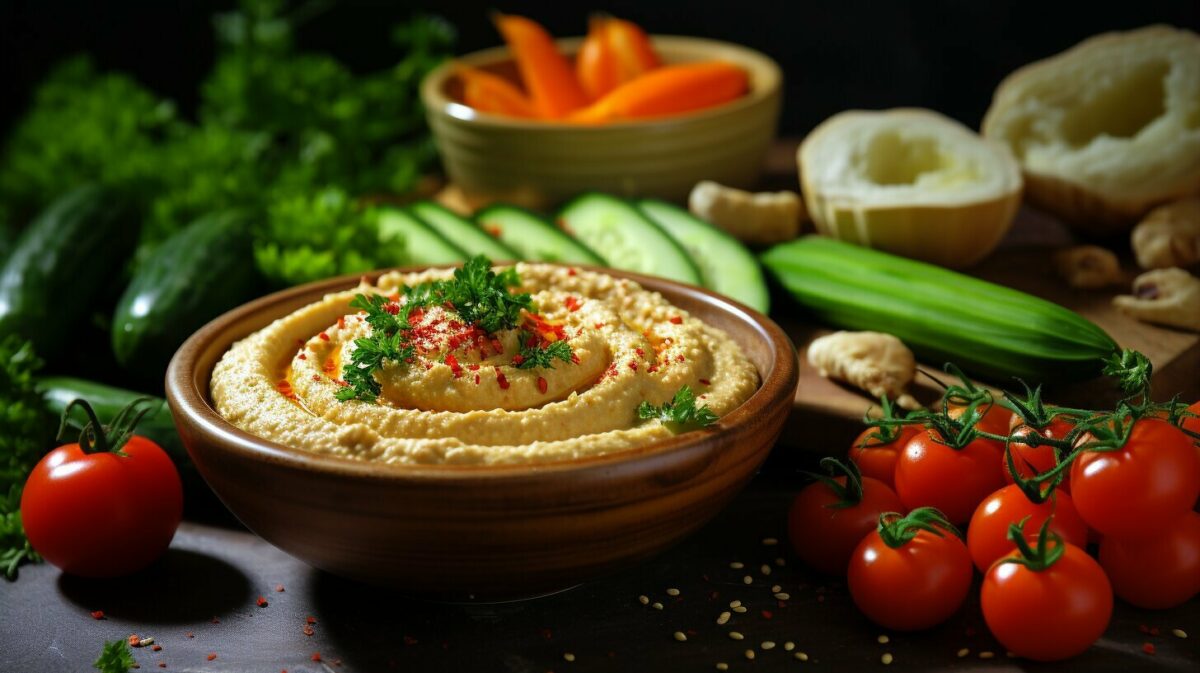
Complete table:
| Ingredients | Quantity |
|---|---|
| Chickpeas (canned or dried) | 1 1/2 cups |
| Tahini | 1/4 cup |
| Garlic cloves | 2-3 |
| Lemon juice | 2 tablespoons |
| Olive oil | 2 tablespoons |
| Salt | 1/2 teaspoon |
Achieving the Perfect Hummus Consistency
The consistency of your hummus can make or break the overall experience, so let's explore the key factors to consider in order to achieve the perfect balance between creaminess and thickness.
One important aspect to focus on is the hummus ratios. Finding the right proportion of ingredients is crucial for achieving the desired consistency. A general guideline is to use equal parts chickpeas and tahini, along with a generous amount of lemon juice and garlic. However, it's important to note that personal preference may vary, so feel free to adjust the ratios to suit your taste.
If you find that your hummus is too thick, gradually add small amounts of ice-cold water while blending until you reach the desired consistency. On the other hand, if your hummus is too runny, you can add more tahini or chickpeas to thicken it.
Another challenge that may arise is troubleshooting issues with hummus consistency. If your hummus turns out too grainy or lumpy, you can try processing it for longer or adding a small amount of olive oil to help smooth it out. Additionally, overcooking the chickpeas and using baking soda to soften and break down the skins can contribute to a creamier texture.
| Issue | Possible Solutions |
|---|---|
| Grainy or Lumpy Texture | Process for longer or add a small amount of olive oil |
| Too Thick | Add small amounts of ice-cold water while blending |
| Too Runny | Add more tahini or chickpeas |
Lastly, don't forget to experiment with hummus variations to add unique flavors and textures. You can try adding ingredients like roasted garlic, sun-dried tomatoes, or fresh herbs to create a personalized hummus experience.
By following these tips and adjusting the ratios and techniques to your liking, you'll be able to achieve the perfect hummus consistency every time. Now, let's move on to the next section and explore the process of soaking and cooking chickpeas for hummus.
Soaking and Cooking Chickpeas for Hummus
Soaking and cooking chickpeas from scratch not only allows you to control the texture and flavor of your hummus but also adds a depth of flavor that canned chickpeas can't match. By starting with dried chickpeas, you have the opportunity to infuse your hummus with a rich, earthy taste and achieve a creamier consistency.
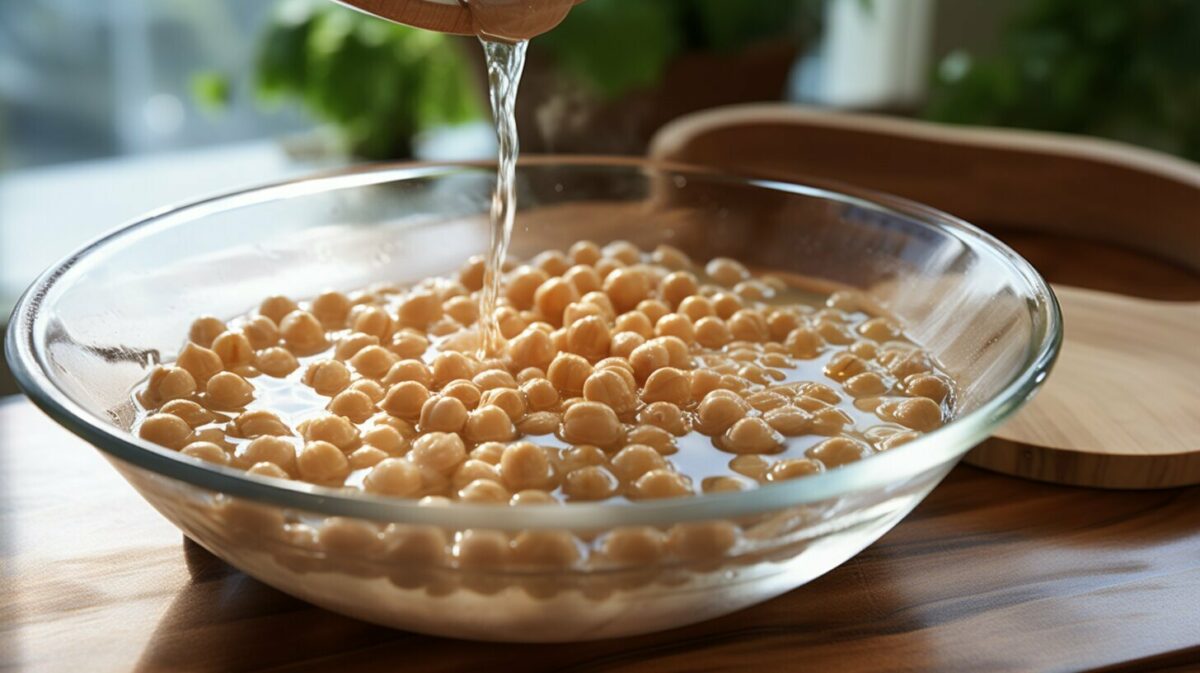
The first step is to soak the dried chickpeas overnight in water. This process helps to soften the chickpeas and reduce the cooking time. It's important to use enough water to fully cover the chickpeas and allow room for expansion. After soaking, you'll notice that the chickpeas have plumped up and become larger in size.
Once the chickpeas are soaked, drain and rinse them thoroughly. Transfer them to a large pot and cover them with fresh water. Adding a teaspoon of baking soda to the cooking water can help soften the chickpeas and break down their skins, resulting in a smoother hummus texture. However, this step is optional and can be omitted if desired.
Bring the pot to a boil over medium-high heat, then reduce the heat to low and let the chickpeas simmer gently. The cooking time can vary depending on the age and size of the chickpeas but typically takes around 45 minutes to an hour. Test the chickpeas for tenderness by pressing one between your fingers. It should be soft but still hold its shape. Be careful not to overcook them, as this can lead to a mushy consistency.
Preparing the Tahini for Hummus
The secret to a rich and velvety hummus lies in the quality of the tahini used. Let's learn how to prepare the perfect tahini to elevate your hummus experience. Tahini, a creamy paste made from ground sesame seeds, is a key ingredient in traditional hummus. It adds a nutty flavor and a smooth texture that complements the other ingredients perfectly.
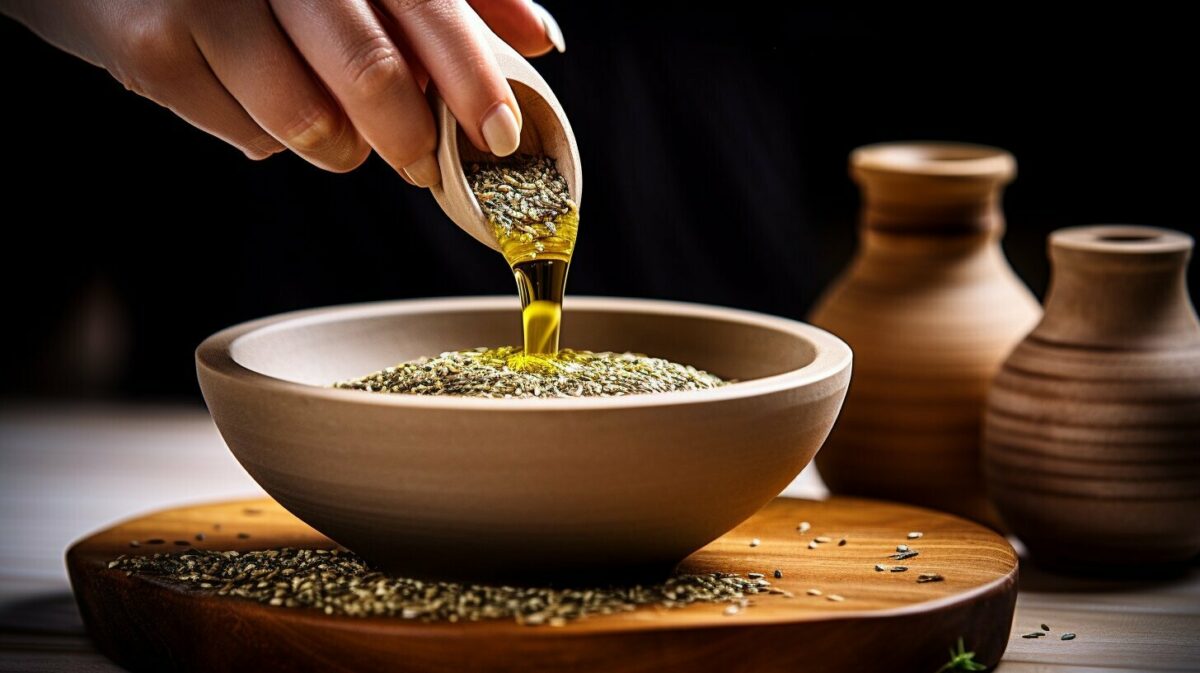
To make your own tahini, you'll need just two ingredients: sesame seeds and olive oil. Start by toasting the sesame seeds in a dry skillet over medium heat until they become fragrant and golden brown. Be sure to stir them constantly to prevent burning.
Next, transfer the toasted sesame seeds to a food processor or blender. Add olive oil gradually while blending until the mixture reaches a smooth and creamy consistency. You can adjust the amount of olive oil depending on how thick or thin you prefer your tahini. Store the homemade tahini in an airtight container in the refrigerator for up to two weeks.
Tahini Tips and Variations
When making tahini, it's important to use high-quality sesame seeds to achieve the best flavor. Look for seeds that are fresh and fragrant, as older seeds may taste stale. You can also experiment with different types of sesame seeds, such as white or black varieties, to add a unique twist to your tahini and hummus.
- For a creamier tahini, you can soak the sesame seeds in water for a few hours before toasting them. Drain and dry them thoroughly before toasting.
- If you prefer a lighter tahini, you can use a combination of sesame oil and olive oil in the recipe.
- For a more flavorful tahini, consider adding a pinch of salt, a squeeze of lemon juice, or a sprinkle of ground cumin during the blending process.
- Feel free to adjust the consistency of your tahini by adding a bit of water or more olive oil, depending on your preference.
Now that you know how to prepare the perfect tahini, you're one step closer to creating a heavenly bowl of hummus. The smooth and creamy texture of your homemade tahini will make all the difference in your hummus recipe. So go ahead and get creative with your hummus variations, knowing that your tahini is made with care and the finest ingredients.
Blending and Processing Hummus for Optimal Texture
Once you have all the ingredients ready, it's time to bring them together in harmony and create a velvety smooth hummus that will leave your taste buds craving for more. The key to achieving the perfect texture lies in the proper blending and processing techniques.
Using a food processor or blender, start by blending the chickpeas alone to break them down into a coarse texture. Then, gradually add the tahini, garlic, lemon juice, and olive oil while continuing to blend. This ensures that all the flavors are evenly distributed throughout the hummus.
For a smooth and creamy result, blend the mixture for a few minutes until it reaches a light and fluffy consistency. You may need to scrape down the sides of the blender or food processor occasionally to ensure everything is well incorporated.
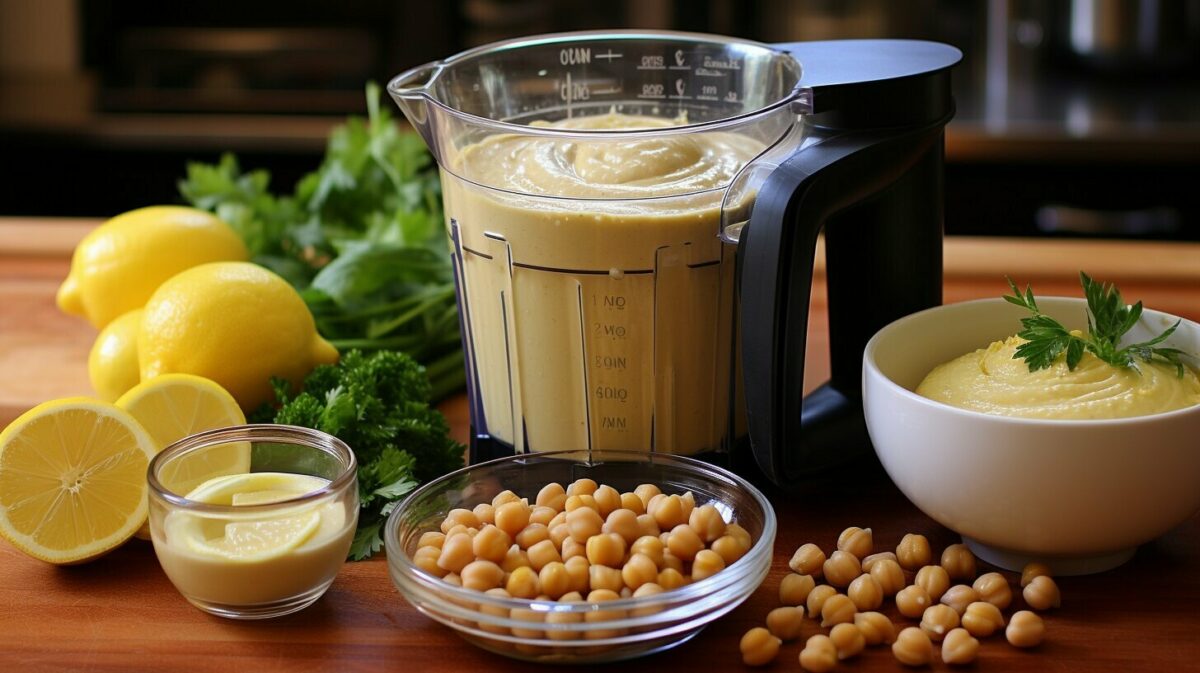
Remember, the key to achieving the perfect hummus consistency is patience. Don't rush the blending process. The longer you blend, the smoother and creamier your hummus will be. Take your time, and experiment with blending times to find your preferred texture.
Once your hummus is blended to perfection, transfer it to a serving bowl and garnish with a drizzle of olive oil, a sprinkle of sumac or paprika, and a scattering of sesame seeds for an added visual and flavorful touch.
Flavor Enhancements for Exceptional Hummus
Beyond the basic ingredients, it's the harmonious combination of flavors that transforms a regular hummus into a palate-pleasing delight. Let's add a burst of flavor to your hummus with these carefully selected enhancements.
Garlic, a staple ingredient in hummus, adds a robust and distinctive taste. To mellow the sharpness of raw garlic, I recommend roasting it before blending it into the hummus. The roasted garlic imparts a sweet and caramelized flavor that enhances the overall taste of the dip.
Lemon juice brings a refreshing tang to the hummus, balancing the creaminess and adding brightness to each bite. For the best results, use freshly squeezed lemon juice to maximize the citrusy zing.
| Ingredients | Quantity |
|---|---|
| Olive Oil | 2 tablespoons |
| Salt | 1/2 teaspoon |
| Parsley | 2 tablespoons (finely chopped) |
| Cumin | 1/2 teaspoon (ground) |
| Paprika | 1/2 teaspoon |
| Onion | 1 small (finely chopped) |
Olive oil not only adds a smooth and velvety texture to the hummus but also enhances the overall flavor profile. Drizzle a generous amount of high-quality extra virgin olive oil on top of the hummus for an added touch of richness and depth.
For a hint of earthiness, sprinkle some ground cumin over the hummus. The warm, aromatic notes of cumin complement the creaminess of the dip perfectly. Additionally, a touch of paprika adds a subtle smokiness and vibrant color.
If you prefer a more adventurous flavor, consider adding finely chopped onion to the hummus. The onion adds a delightful crunch and a mild pungency that pairs well with the creamy texture of the dip.
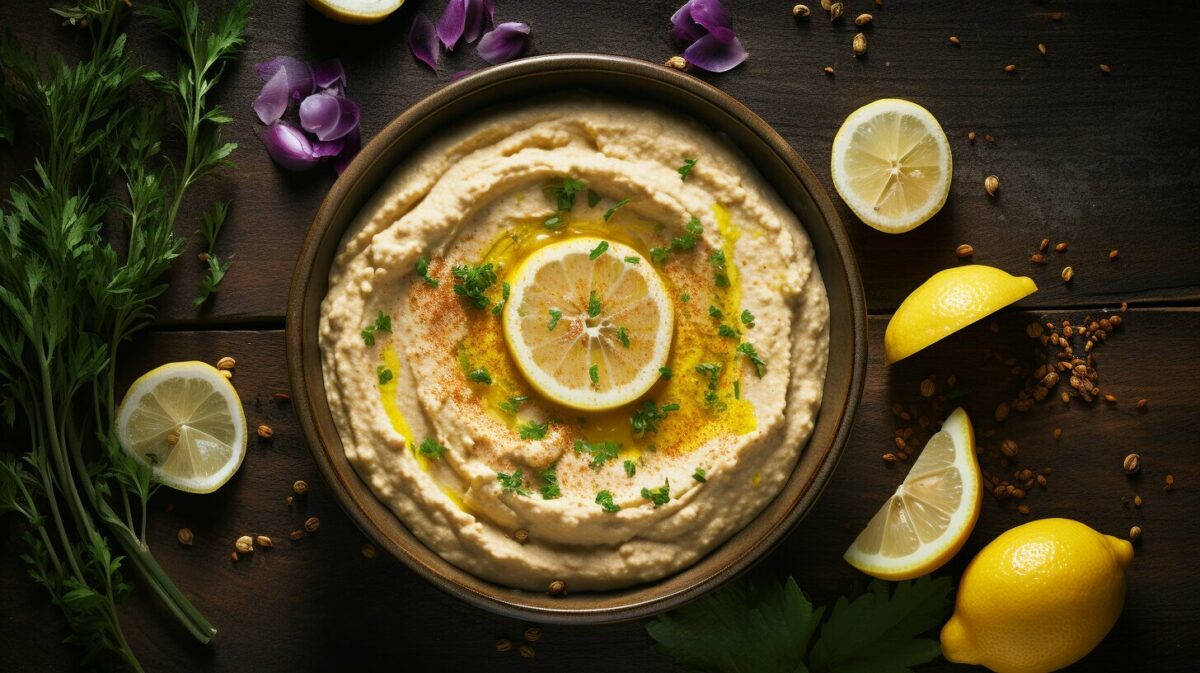
With these flavor enhancements, your homemade hummus will be elevated to new heights. The combination of roasted garlic, tangy lemon juice, quality olive oil, fragrant cumin, smoky paprika, and the crunch of onion will create a hummus that is bursting with flavor. Each bite will be a harmonious blend of tastes, satisfying your palate and leaving you craving for more.
Customizing Your Hummus Flavor: Exciting Variations
Are you ready to take your hummus to the next level? Let's explore some creative and delicious variations that will add a burst of flavor and vibrant colors to your homemade hummus.
1. Roasted Red Pepper Hummus: Add roasted red peppers for a smoky and sweet twist to your hummus. The peppers can be charred over a flame or roasted in the oven until tender. Blend them with the basic hummus recipe for a beautiful reddish-orange color and a unique, savory flavor.
2. Spicy Hummus: If you enjoy a little heat, kick up the spice level by adding chili peppers or hot sauce to your hummus. Adjust the amount to suit your taste preferences, and don't forget to balance the heat with a squeeze of fresh lemon juice and a drizzle of olive oil.
3. Herbed Hummus: Elevate the freshness of your hummus by adding a handful of herbs like parsley, cilantro, or basil. The aromatic herbs will not only enhance the flavor but also provide a vibrant green hue to your dip, making it visually appealing.
| Hummus Variation | Main Ingredients | Flavor Profile |
|---|---|---|
| Roasted Red Pepper Hummus | Roasted red peppers, chickpeas, tahini, garlic, lemon juice | Smoky, sweet, tangy |
| Spicy Hummus | Chili peppers, chickpeas, tahini, garlic, lemon juice | Hot, tangy |
| Herbed Hummus | Parsley, cilantro, basil, chickpeas, tahini, garlic, lemon juice | Fresh, aromatic |
Adding roasted red peppers to hummus gives it a beautiful color and a smoky, sweet flavor that pairs perfectly with grilled vegetables and pita bread." - Chef John
4. Beet Hummus: For a vibrant and unique twist, incorporate roasted beets into your hummus. The earthy and subtly sweet flavor of beets pairs wonderfully with the nuttiness of tahini and the creaminess of chickpeas. Enjoy the rich, magenta-colored dip with some crunchy carrot sticks or spread it on a slice of crusty bread.
5. White Bean Hummus: Replace chickpeas with white beans for a lighter and milder version of hummus. The white beans create a smoother texture and a creamy consistency. Add your favorite herbs and spices to customize the flavor and enjoy a refreshing twist on the traditional hummus recipe.
6. Edamame Hummus: For a unique and protein-packed hummus, swap chickpeas with edamame. These young soybeans lend a vibrant green color and a slightly nutty flavor to your dip. Blend them with tahini, garlic, and lemon juice for a refreshing and nutritious snack.
Green Goddess Hummus
- Chickpeas
- Tahini
- Avocado
- Fresh parsley
- Lemon juice
- Garlic
- Salt and pepper
Green Goddess Hummus is a nutrient-packed variation that combines the creaminess of avocado with the freshness of parsley. It's a vibrant and healthy dip that will brighten up any snack or meal." - Emily, The Hummus Enthusiast
7. Lentil Hummus: Experiment with different legumes by incorporating cooked lentils into your hummus. Lentils add a rich and earthy flavor, as well as a velvety texture to the dip. Combine them with the classic hummus ingredients and enjoy the added protein and fiber benefits.
8. Black Bean Hummus: Embrace the flavors of Latin cuisine by using black beans in your hummus. Black beans bring a smoky and robust taste to the dip. Enhance the flavors with cumin, lime juice, and a touch of cilantro for a delicious and unique twist.
Get creative and have fun with these hummus variations. Personalize your homemade hummus with exciting flavors, and watch it become the star of the party. Whether you're a fan of spice, herbs, or vibrant colors, there's a hummus variation that will tantalize your taste buds.
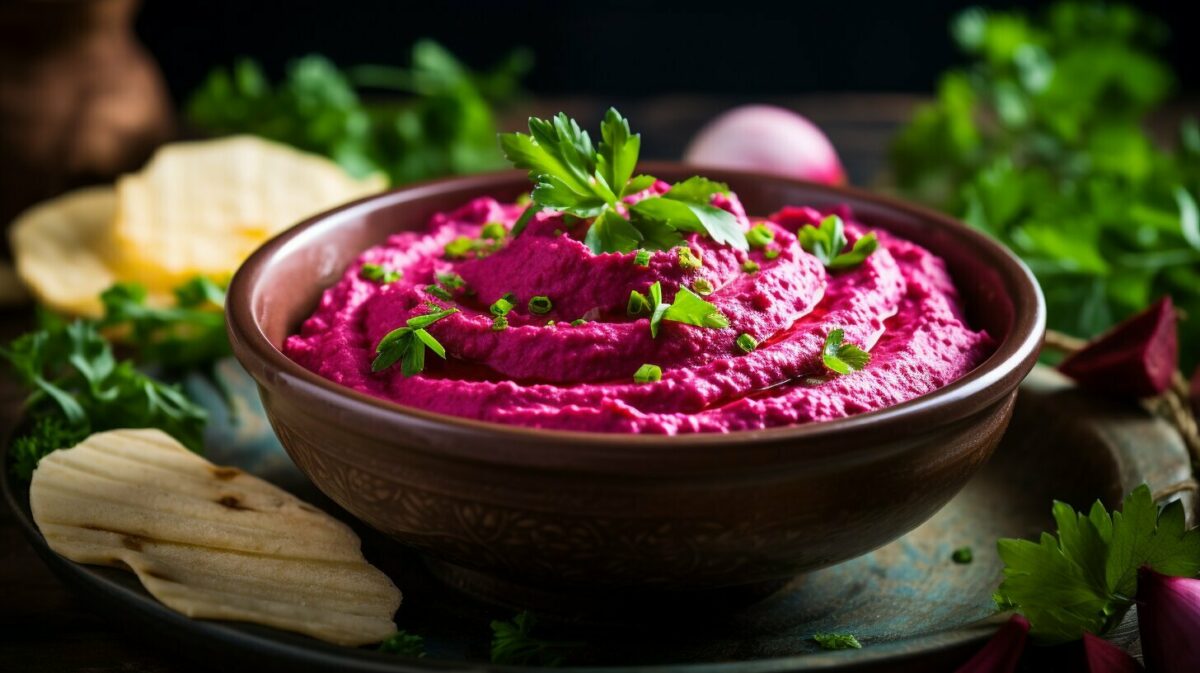
Now that your hummus is ready, let me show you how to serve it with style and enhance the flavors with some carefully chosen garnishes and accompaniments. Presentation plays a crucial role in creating a visually appealing and appetizing hummus experience. By paying attention to the details, you can elevate your hummus from being a simple dip to a gourmet treat.
One of the easiest ways to add a touch of elegance to your hummus is by drizzling a generous swirl of high-quality olive oil over the top. The rich, fruity flavor of the olive oil complements the creaminess of the hummus, adding depth and complexity to each bite. Sumac or paprika sprinkled lightly on the surface brings a burst of vibrant color and a hint of tanginess.
To add a delightful crunch, sprinkle toasted sesame seeds over the hummus. The nutty flavor and texture of the seeds create a beautiful contrast against the smoothness of the dip. If you prefer a bit of heat, a dash of Middle Eastern hot sauce on top will awaken your taste buds and provide a spicy kick.
Accompanying your hummus with fresh pita bread is a classic choice. Warm the pita slightly and cut it into wedges for easy dipping. Alternatively, you can serve your hummus with a colorful selection of fresh vegetables such as carrot sticks, cucumber slices, bell pepper strips, or cherry tomatoes. The crispness and natural sweetness of the vegetables create a refreshing balance with the creamy hummus.
To inspire your creativity, here is a complete table of some popular garnishes and accompaniments for your hummus:
| Garnishes | Accompaniments |
|---|---|
| High-quality olive oil | Fresh pita bread |
| Sumac or paprika | Carrot sticks |
| Toasted sesame seeds | Cucumber slices |
| Middle Eastern hot sauce | Bell pepper strips |
Remember, serving hummus is an opportunity to express your personal taste and style. Feel free to experiment with different garnishes and accompaniments, creating your own unique combinations. Whether you're hosting a gathering or simply enjoying a quiet snack, these finishing touches will take your hummus to a whole new level of deliciousness.
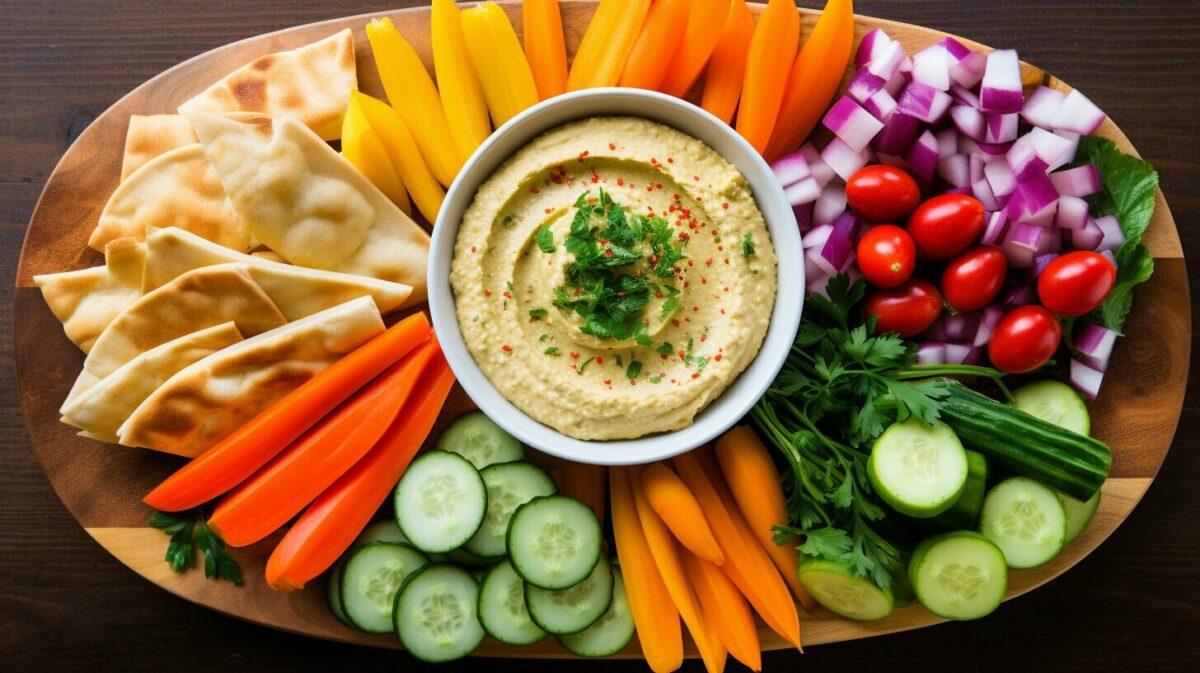
Now that you're equipped with the knowledge of how to serve and garnish your hummus, let your imagination run wild. Have fun exploring different flavor profiles and textures, and don't forget to share your culinary creations with friends and family. Happy hummus-making!
Visual learners, rejoice! In this section, I have prepared a comprehensive video tutorial that will guide you through every step of making the perfect hummus. Whether you're a beginner or an experienced cook, this video tutorial is packed with hummus instructions, techniques, and tips to help you achieve a creamy and delicious dip.
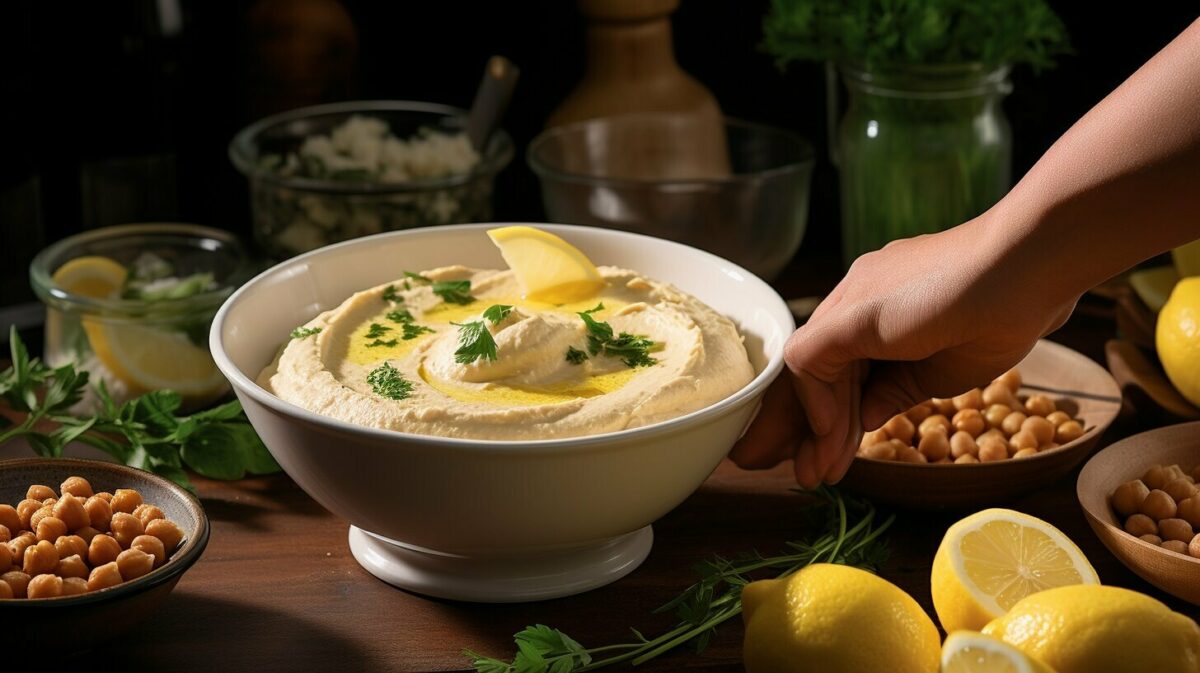
The video will walk you through the entire hummus-making process, from choosing the right ingredients to achieving the ideal texture. You'll learn how to blend the chickpeas, tahini, garlic, lemon juice, olive oil, and spices to create a velvety smooth hummus that will tantalize your taste buds.
Whether you prefer a traditional hummus recipe or want to explore exciting variations like roasted red pepper or spicy hummus, this tutorial has got you covered. So grab your apron, roll up your sleeves, and get ready to master the art of making hummus with this informative and engaging video tutorial.
Pairing Hummus with Delicious Dishes
Hummus is a versatile dip that can be enjoyed in many ways. Let's explore the best pairings that will complement and enhance the flavors of your hummus.
One classic and popular way to enjoy hummus is with pita bread. The soft and pillowy texture of pita bread perfectly complements the smooth and creamy hummus. Simply tear off a piece of pita bread, dip it into the hummus, and savor the delightful combination of flavors. For an extra burst of freshness, you can also serve your hummus with a variety of fresh vegetables. Carrot sticks, cucumber slices, bell pepper strips, and cherry tomatoes are excellent choices that add a crunchy texture and vibrant colors to your hummus platter.
If you're looking for something beyond bread and vegetables, hummus pairs well with other snacks too. Try spreading a generous dollop of hummus on a cracker or a slice of toasted baguette for a quick and delicious snack. You can also use hummus as a filling for wraps or sandwiches, adding a creamy and flavorful element to your lunch. The possibilities are endless!
To give you some inspiration, here's a table summarizing the best pairings for your hummus:
| Hummus Pairings | Description |
|---|---|
| Pita Bread | Soft and fluffy bread that complements the creamy texture of hummus |
| Fresh Vegetables | Carrot sticks, cucumber slices, bell pepper strips, and cherry tomatoes add crunch and freshness to your hummus |
| Crackers or Toasted Baguette | A quick and easy snack with a satisfying crunch |
| Wraps or Sandwiches | Use hummus as a creamy and flavorful filling for a tasty lunch |
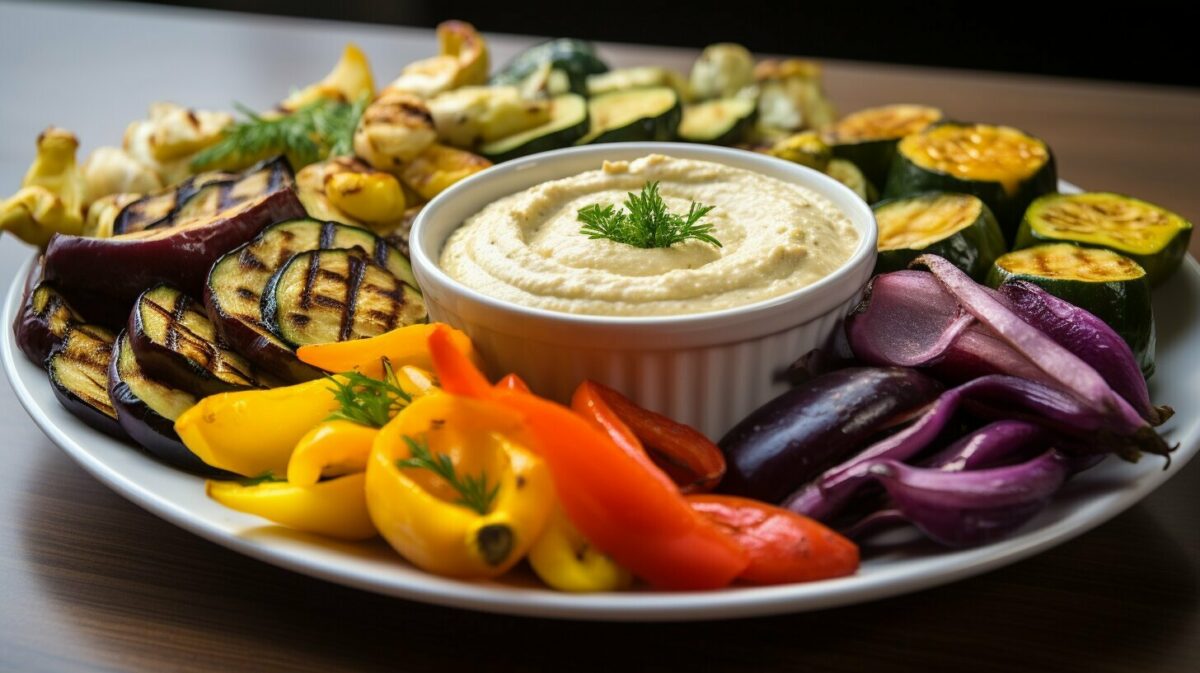
Remember, the beauty of hummus lies in its versatility. Feel free to get creative and explore your own favorite combinations. Whether you're hosting a party, enjoying a snack, or preparing a meal, hummus is always a delicious and nutritious choice.
The Nutritional Benefits of Hummus
Besides its incredible taste, hummus offers an array of nutritional benefits that make it a fantastic addition to a balanced diet. Let's delve into the reasons why hummus is not only delicious but also nutritious.
First and foremost, hummus is an excellent source of plant-based protein, making it a perfect option for vegans and vegetarians. The primary ingredient, chickpeas, is packed with protein, which is essential for muscle repair and growth. Additionally, hummus contains a good amount of fiber, contributing to healthy digestion and promoting satiety, making it a great choice for weight management.
Furthermore, hummus is rich in healthy fats, mainly derived from the olive oil used in its preparation. These fats provide essential omega-3 fatty acids, which are beneficial for heart health and brain function. The combination of protein, fiber, and healthy fats in hummus helps stabilize blood sugar levels, making it an ideal snack for maintaining steady energy throughout the day.
Another noteworthy benefit of hummus is its versatility for those following specific dietary lifestyles. It is suitable for vegans, vegetarians, and those on a gluten-free diet, as it is free from animal products and gluten. Hummus is also an excellent source of vitamins and minerals, including iron, calcium, magnesium, and vitamin C.
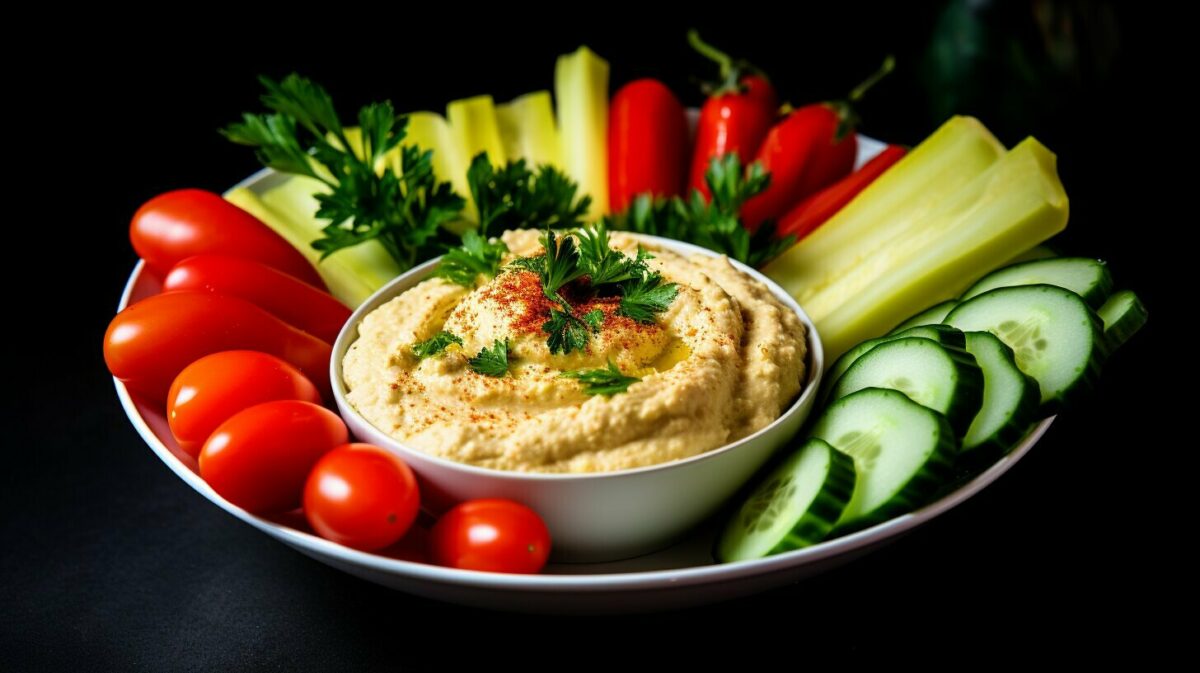
With its protein, fiber, healthy fats, and versatility, hummus is a nutritious option that offers a range of health benefits. Whether used as a dip, spread, or condiment, it can be enjoyed in various ways to enhance the flavors of meals and snacks. Incorporating hummus into your diet not only adds a delicious element but also provides your body with essential nutrients for overall well-being.
| Nutrients | % Daily Value (DV) |
|---|---|
| Protein | 12% |
| Fiber | 15% |
| Healthy Fats | 10% |
| Iron | 8% |
| Calcium | 6% |
| Magnesium | 10% |
| Vitamin C | 4% |
The Journey to Perfecting My Hummus Recipe
As a master chef, I have spent years honing my hummus recipe to create a dip that is as close to perfection as possible. Join me as I share my journey of discovering the secrets to making the best hummus.
It all started with the humble chickpea. I experimented with different cooking methods, soaking and boiling dried chickpeas to achieve a soft and tender texture. I discovered that overcooking the chickpeas helped in breaking down their skins, resulting in a smoother and creamier hummus. Adding a pinch of baking soda to the soaking water proved to be a game-changer, as it further softened the chickpeas, making them easier to blend into a luscious puree.
But the secret to truly exceptional hummus lies in the tahini. I learned that using high-quality tahini, made from freshly ground sesame seeds, was essential for achieving a rich and nutty flavor. Aging the tahini helped mellow its taste, resulting in a more balanced hummus. I also experimented with the ratio of tahini to chickpeas, discovering that a little goes a long way. Finding the perfect balance between the two ingredients was crucial in creating a harmonious hummus experience.
The final touches to my hummus recipe included using ice-cold water to achieve a light and fluffy texture. Freshly squeezed lemon juice added a bright and tangy note, while mellowed garlic provided a subtle yet distinctive flavor. To enhance the overall taste, I found that a blend of extra virgin olive oil and ground cumin worked wonders. The result was a hummus that was smooth, creamy, and bursting with flavor.

| Hummus Tip | Hummus Trick |
|---|---|
| Use ice-cold water when blending for a light and fluffy texture. | Let the garlic mellow in lemon juice before adding it to the mixture. |
| Try a blend of extra virgin olive oil and ground cumin for added flavor. | Experiment with different tahini brands and aging methods to find the perfect balance. |
| Customize your hummus with variations like green goddess, roasted garlic, or sun-dried tomato. | Garnish your hummus with olive oil, sumac or paprika, sesame seeds, or Middle Eastern hot sauce. |
- Overcook the chickpeas to achieve a smoother texture.
- Add a pinch of baking soda to the soaking water for softer chickpeas.
- Use high-quality tahini for a rich and nutty flavor.
- Experiment with the ratio of tahini to chickpeas for the perfect balance.
- Use ice-cold water, fresh lemon juice, and mellowed garlic for a light and tangy taste.
How to Make Hummus - Conclusion
Congratulations on mastering the art of making hummus! With this guide, you have learned the secrets to creating a creamy and delicious dip that will impress your family and friends. Homemade hummus is truly a delight that can be enjoyed alone or as part of a satisfying meal.
Throughout this comprehensive guide, we have covered everything you need to know to make the perfect hummus every time. From the essential ingredients like chickpeas, tahini, garlic, lemon juice, and olive oil, to the proper blending techniques, we have provided step-by-step instructions to ensure a smooth and creamy texture that will have everyone coming back for more.
Remember to cook the chickpeas until they are soft and tender, incorporating baking soda to help break down the skins. Use high-quality tahini for that rich and nutty flavor. Don't forget to mellow the garlic and add ice-cold water for a lighter, fluffier consistency. And for an extra burst of flavor, try combining olive oil with ground cumin.
Customize your hummus with variations like green goddess, roasted garlic, or sun-dried tomato. Serve it garnished with olive oil, sumac or paprika, sesame seeds, or a drizzle of Middle Eastern hot sauce. The possibilities are endless!
So go ahead, grab your ingredients, and let your creativity soar. Whether you're hosting a gathering or simply craving a delicious snack, homemade hummus is the perfect choice. Enjoy the creamy, delicious dip that you've mastered, and savor every bite!
Our Friends:
Frequently asked questions
- How long does it take to make hummus?
The total time it takes to make hummus can vary, but on average, it takes about 10 minutes to prepare the ingredients and blend them together.
- Can I use canned chickpeas instead of dried ones?
Yes, you can use canned chickpeas for convenience. However, if you want a more authentic flavor, consider using dried chickpeas and following the soaking and cooking process outlined in the recipe.
- What is the best tahini to use for hummus?
Using high-quality tahini is essential for achieving the best flavor in your hummus. Look for organic tahini made from hulled sesame seeds for the smoothest texture and nutty taste.
- Why should I overcook the chickpeas?
Overcooking the chickpeas helps to soften and break down their skins, which ultimately results in a smoother and creamier hummus texture.
- Can I customize the flavor of my hummus?
Absolutely! Hummus is incredibly versatile and can be customized with various flavors. You can try variations like green goddess, roasted garlic, or sun-dried tomato hummus to add unique tastes to your dip.
- How should I garnish my hummus?
You can garnish your hummus with a drizzle of olive oil, a sprinkle of sumac or paprika, sesame seeds, or even Middle Eastern hot sauce for an extra kick of flavor.
- What can I serve hummus with?
Hummus pairs perfectly with pita bread, fresh vegetables like carrots and cucumbers, and other snacks. It can also be used as a spread in sandwiches or as a creamy topping for salads.
- Is hummus healthy?
Yes, hummus is a healthy option as it is packed with protein, fiber, and healthy fats. It is also suitable for vegans and vegetarians. However, be mindful of portion sizes and the additional ingredients you use when enjoying hummus.
- Can you provide a video tutorial on making hummus?
Yes, there is a video tutorial available in this guide that will walk you through the entire process of making hummus, making it easier for you to follow along and master the technique.
- What are some common hummus consistency issues and how can I fix them?
Common hummus consistency issues include being too thick, too runny, or grainy. To fix them, you can adjust the amount of liquid (water or lemon juice) or tahini to achieve the desired texture. You can also blend the hummus for a longer time or add a little ice-cold water to make it smoother.
AprilCook, recipe developer and the heart of Chefwiz. More about April