Guide
Cracking the Code: How to Tell If Salmon Is Done
Explore the secret art of cooking perfect salmon! Uncover easy techniques on how to tell if salmon is done and enjoy a flawless dish every time.
 By April20 min read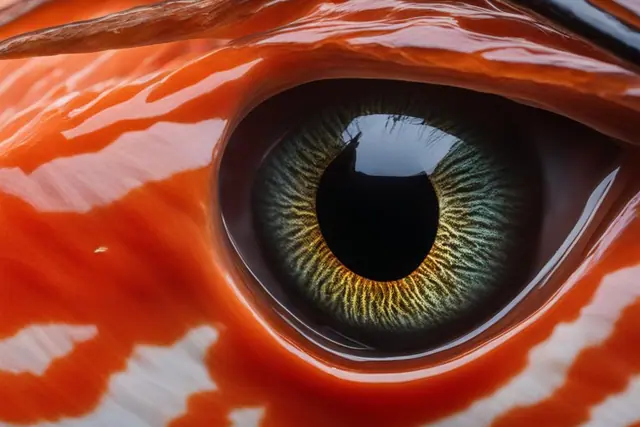
In this guide
- The Visual Guide: Checking Salmon for Doneness
- Internal Temperature: Using a Thermometer
- Touch Test: Assessing the Texture
- Smell Check: Assessing the Odor
- Visual Clues: Examining the Skin
- Eye Test: Checking the Eyes of Whole Fish
- Signs of Spoilage: Recognizing When Salmon Is Bad
- Storing and Handling Salmon Properly
- Safe Cooking Temperatures for Salmon
- Cooking Techniques for Perfectly Cooked Salmon
- Tips for Cooking Salmon Fillets
- Delicious Salmon Recipes to Try
- Conclusion
- Source Links
- FAQ
Hey there, fellow seafood enthusiasts! Today, I'm going to let you in on a little secret - how to tell if salmon is done cooking. Whether you're grilling, baking, or broiling this delectable fish, knowing when it's perfectly cooked is key to a culinary masterpiece. So, let's dive right in and discover the tips that will help you crack the code of salmon doneness!
https://www.youtube.com/watch?v=7qF5v5NhogY
The Visual Guide: Checking Salmon for Doneness
When it comes to determining if salmon is done, a visual inspection can provide valuable clues. By observing the appearance of the fish, you can assess its level of doneness and ensure a perfectly cooked meal. Here are some key visual indicators to look for:
Color:
The color of cooked salmon can vary depending on the species and cooking method. Generally, cooked salmon should have a vibrant pink or orange hue. The fish should be opaque and easily flake with a fork. If the salmon is still translucent or has a grayish color, it needs more cooking time.
Juices:
Another visual clue is the presence of juices. When salmon is cooked to perfection, it will release clear or slightly white juices. These juices should not be watery or pink, as this could indicate undercooking. If the juices are opaque, the fish is likely overcooked.
Texture:
The texture of the salmon can also provide insights into its doneness. Cooked salmon should be moist and tender, with a slight firmness to the touch. If the fish feels mushy or falls apart easily, it is not yet done. Conversely, if the salmon feels dry or tough, it is likely overcooked.
"Properly cooked salmon should have a vibrant color, release clear juices, and have a moist, tender texture. These visual cues will help you determine when your salmon is done to perfection."
By visually inspecting the salmon and paying attention to these cues, you can confidently determine if your salmon is done and avoid under or overcooking. This visual guide, combined with other methods such as using a thermometer or performing a touch test, will ensure that your salmon is cooked to perfection every time.
| Visual Indicators | Description |
|---|---|
| Color | Cooked salmon should have a vibrant pink or orange color, and be opaque and easily flake with a fork. |
| Juices | The juices from cooked salmon should be clear or slightly white, not watery or pink. |
| Texture | Cooked salmon should be moist, tender, and slightly firm to the touch. |
Summary:
When determining if salmon is done, a visual inspection is a reliable method. Look for vibrant color, clear juices, and a moist, tender texture. By combining visual cues with other techniques, you can ensure perfectly cooked salmon every time.
Internal Temperature: Using a Thermometer
One of the most foolproof methods for determining if salmon is done cooking is by using a meat thermometer to check the internal temperature. This technique takes out the guesswork and ensures that your salmon is cooked to perfection. The United States Department of Agriculture (USDA) recommends cooking salmon to an internal temperature of 145°F (63°C).
To use a meat thermometer, simply insert it into the thickest part of the salmon fillet or steak, making sure not to touch the bone. Wait for a few seconds until the reading stabilizes, and then check the temperature. If it reaches or exceeds 145°F (63°C), your salmon is done and ready to be enjoyed. If the temperature is still below the recommended level, continue cooking the salmon until it reaches the desired internal temperature.
Using a thermometer takes the guesswork out of determining whether your salmon is cooked through or still raw in the center. It ensures that the salmon is safe to eat by reaching the proper temperature needed to destroy any potential harmful bacteria. By relying on the accurate reading of a thermometer, you can confidently cook salmon to perfection every time.
Tips for Using a Meat Thermometer
- Choose a digital meat thermometer for accurate readings and ease of use.
- Insert the thermometer at a slight angle to get an accurate reading.
- Make sure the thermometer is inserted into the thickest part of the salmon fillet or steak.
- Avoid touching the bone or any pan or grill surface when taking the temperature.
- Clean and sanitize the meat thermometer after each use to prevent cross-contamination.
| Internal Temperature | Doneness |
|---|---|
| 125°F (52°C) | Rare |
| 135°F (57°C) | Medium-rare |
| 145°F (63°C) | Medium |
| 155°F (68°C) | Medium-well |
| 160°F (71°C) | Well-done |
Using a meat thermometer is the most reliable way to tell if salmon is done cooking. It ensures that the salmon reaches the recommended internal temperature of 145°F (63°C) for safety and proper doneness. Don't rely on guesswork; invest in a good meat thermometer to achieve perfectly cooked salmon every time.
Touch Test: Assessing the Texture
When it comes to determining the doneness of salmon, the touch test is a reliable method that allows you to assess the texture of the fish. By giving the salmon a gentle poke with your finger, you can gather valuable information about its level of doneness.
The key is to pay attention to how the fish feels under your touch. If the salmon feels firm and springs back when you poke it, that is a good indication that it is done cooking. The texture should be firm yet still tender, with the fish retaining its moisture. These qualities are signs of a perfectly cooked salmon fillet.
On the other hand, if the salmon feels mushy or breaks apart easily when you apply pressure, it needs more time to cook. This means that the fish is still raw in the center and needs to be cooked further until it reaches the desired level of doneness. The touch test allows you to gauge the progress of the cooking process and make adjustments as needed to ensure the best results.
Benefits of the Touch Test
The touch test method is particularly useful because it doesn't require any specialized equipment or tools. It relies solely on your senses and intuition, making it accessible to any home cook. By learning the nuances of the touch test, you can confidently cook salmon to perfection without relying solely on visual cues or a thermometer.
Summary
The touch test is a simple yet effective way to determine when salmon is done cooking. By assessing the texture of the fish through a gentle poke, you can confidently gauge its doneness. Remember that firmness and resilience indicate that the salmon is cooked, while mushiness or easy breakage signals that it needs more time. With practice, you can master the touch test and achieve perfectly cooked salmon every time.
Smell Check: Assessing the Odor
When it comes to determining whether salmon is done cooking, one of the often overlooked senses is smell. A quick sniff can provide valuable insights into the freshness and doneness of the fish. Fresh salmon should have a mild, oceanic odor, reminiscent of the sea. This subtle aroma indicates that the fish is still in good condition and suitable for consumption.
However, if you detect a strong fishy or ammonia-like smell when you approach the salmon, it may be a sign that the fish is no longer fresh and has started to spoil. In such cases, it is best to err on the side of caution and avoid consuming the fish to prevent any potential gastrointestinal issues. Remember, trust your nose when it comes to assessing the odor of salmon.
“Fresh salmon should have a mild, oceanic odor, reminiscent of the sea.”
It is important to note that the smell check is not a foolproof method on its own and should be used in conjunction with other indicators, such as the visual cues and internal temperature. By combining these different methods, you can confidently determine the doneness of your salmon and ensure a safe and delicious meal.
Table 5: Signs of Salmon Spoilage
| Signs of Spoilage | Description |
|---|---|
| Fishy or Ammonia-like Odor | A strong and off-putting smell, indicating that the salmon is no longer fresh. |
| Slime Formation | Visible slimy texture on the surface of the salmon, indicating bacterial growth and spoilage. |
| Discolored Flesh | Unusual coloration, such as dull or grayish flesh, which can indicate spoilage or decomposition. |
| Slimy or Milky Eyes | Eyes that appear cloudy, slimy, or milky, indicating bacterial growth and loss of freshness. |
| Soft or Mushy Texture | Salmon flesh that feels mushy or breaks apart easily, suggesting spoilage and degradation of quality. |
| Excessive Freezing | Repeated freeze-thaw cycles that can lead to texture deterioration and loss of flavor in the salmon. |
Table 5 provides a summary of the signs of spoilage to look out for when assessing the quality of salmon. If you notice any of these indicators, it is best to discard the fish to avoid any potential foodborne illnesses. Remember, proper storage and handling of salmon can help extend its freshness and prevent spoilage.
Visual Clues: Examining the Skin
To determine the doneness of salmon, examining the skin can provide valuable visual clues. Cooked salmon with crispy skin is a good indicator that the fish is done. The skin should have a golden brown color and a slight crispiness when cooked to perfection. It adds a delightful texture and flavor to the dish. On the other hand, if the skin is still soft and rubbery, it needs more cooking time. It should become more firm and crispy as it cooks.
When grilling or pan-searing salmon, cooking it skin-side down can enhance the flavor and texture. The high heat helps render the fat from the skin, resulting in a crispy and delicious finish. As the salmon cooks, the skin protects the flesh from direct heat, allowing it to cook evenly and retain moisture. It also helps prevent the fish from sticking to the cooking surface.
Remember that the skin can be easily removed before or after cooking if preferred. However, if you prefer to keep the skin on, make sure to inspect it for doneness as an additional visual clue. The combination of a crispy skin and perfectly cooked flesh will elevate your salmon dish to new heights.
Eye Test: Checking the Eyes of Whole Fish
When cooking a whole salmon with the head intact, you can perform an eye test to determine its doneness. The eyes of fresh salmon should appear bright, clear, and have a dark pupil. This visual clue indicates the fish's freshness and can help you gauge if it's done cooking.
To conduct the eye test, examine the eyes of the whole fish. If the eyes are discolored or sunken, it may be a sign that the fish is no longer fresh and should not be consumed. Bright, clear eyes with a dark pupil indicate that the fish is still fresh and safe to eat. Keep in mind that this method is applicable when cooking whole salmon with the head intact.
By using the eye test, you can visually assess the freshness and doneness of your whole fish, adding another tool to your arsenal of techniques for determining if your salmon is done cooking.
Signs of Spoilage: Recognizing When Salmon Is Bad
When it comes to enjoying salmon, freshness is key. Being able to recognize the signs of spoilage in salmon is essential to avoid consuming bad fish. Here are some indications that your salmon may no longer be good to eat:
- The smell: Fresh salmon should have a mild, oceanic aroma. If your salmon has a strong fishy or ammonia-like smell, it is likely spoiled.
- Discolored flesh: Fresh salmon should have vibrant pink or orange flesh. If the color appears dull or gray, it may be a sign of spoilage.
- Slime: If there is a slimy film coating the surface of the fish, it is a clear indication that the salmon has spoiled and should not be consumed.
- Mold or growth: Any signs of mold or visible growth on the salmon, such as black spots or fuzzy patches, indicate spoilage and the fish should be discarded.
It's important to note that consuming spoiled salmon can lead to foodborne illnesses and should be avoided. When in doubt, it's always better to err on the side of caution and discard any salmon that shows signs of spoilage.
Storing and Handling Salmon Properly
Proper storage and handling of salmon are crucial to maintaining its freshness and flavor. Here are some essential tips to ensure that your salmon stays delicious:
Refrigeration
After purchasing or preparing salmon, it's important to refrigerate it promptly. Place the salmon in an airtight container or wrap it tightly in plastic wrap to prevent air exposure. Store it in the coldest part of your refrigerator, ideally at a temperature of 32°F to 38°F (0°C to 3°C). It's recommended to use the salmon within 1-2 days for optimal freshness.
Freezing
If you need to store salmon for a longer period, freezing is a great option. Wrap the salmon tightly in plastic wrap or place it in a freezer bag, removing as much air as possible to prevent freezer burn. Label the package with the date to keep track of its freshness. Frozen salmon can be stored for up to 3 months. When you're ready to use it, thaw it slowly in the refrigerator overnight. Avoid thawing salmon at room temperature to prevent bacterial growth.
Handling Precautions
When handling raw salmon, it's important to follow proper hygiene practices to avoid cross-contamination. Wash your hands thoroughly with soap and water before and after handling the fish. Use separate cutting boards, knives, and utensils for raw fish to prevent the spread of bacteria. If you need to marinate salmon, do it in the refrigerator and discard any leftover marinade that has come into contact with raw fish.
By storing and handling salmon properly, you can ensure that it remains fresh and safe to eat. Whether you're refrigerating or freezing it, following these guidelines will help you maintain the quality of your salmon and enjoy delicious seafood dishes with confidence.
| Storage Method | Temperature | Recommended Duration |
|---|---|---|
| Refrigeration | 32°F to 38°F (0°C to 3°C) | 1-2 days |
| Freezing | 0°F (-18°C) | Up to 3 months |
Safe Cooking Temperatures for Salmon
When it comes to cooking salmon, ensuring that it reaches the proper internal temperature is crucial for both taste and food safety. Salmon needs to be cooked thoroughly to destroy any harmful bacteria that may be present. The USDA recommends a minimum internal temperature of 145°F (63°C) to ensure that your salmon is safe to eat. By using a meat thermometer, you can accurately determine when your salmon has reached this temperature.

. The image above can serve as a reminder to use a meat thermometer to check the internal temperature of your cooked salmon.
Using a meat thermometer is simple. Insert the thermometer into the thickest part of the salmon, making sure to avoid hitting any bones. Wait a few seconds for the temperature to stabilize, then read the temperature on the display. If the thermometer reads 145°F (63°C) or higher, your salmon is done and safe to eat. If the temperature is lower, continue cooking the salmon until it reaches the recommended temperature.
By following proper cooking temperatures, you can ensure that your salmon is not only delicious but also safe to enjoy. Don't rely solely on visual cues or the touch test to determine the doneness of your salmon. Use a meat thermometer for accurate and reliable results every time.
Cooking Techniques for Perfectly Cooked Salmon
When it comes to cooking salmon, there are several techniques you can use to achieve perfectly cooked fish. Whether you prefer the smoky flavors of grilling, the gentle heat of baking, or the intense heat of broiling, each method offers a unique way to enhance the natural flavors of this delicious seafood.
Grilling
Grilling salmon not only imparts a smoky charred flavor but also gives it a beautiful grill mark presentation. Here's how to grill salmon:
- Preheat your grill to medium-high heat.
- Brush the salmon fillets with olive oil and season with salt, pepper, and your favorite herbs or spices.
- Place the fillets on the grill, skin-side down, and close the lid.
- Cook for about 4-6 minutes per side, or until the salmon is opaque and flakes easily with a fork.
Baking
Baking salmon provides a gentle and even cooking method, resulting in moist and tender fish. To bake salmon:
- Preheat your oven to 400°F (200°C).
- Place the salmon fillets on a baking sheet lined with parchment paper.
- Drizzle with olive oil and season with salt, pepper, and any other desired seasonings.
- Bake for about 12-15 minutes, or until the salmon is opaque and easily flakes.
Broiling
Broiling is a quick and intense cooking technique that creates a caramelized crust on the salmon while keeping the inside tender and juicy. Follow these steps to broil salmon:
- Preheat your broiler on high.
- Place the salmon fillets on a broiler pan or a baking sheet lined with foil.
- Brush the fillets with melted butter or olive oil and season with salt, pepper, and any desired spices.
- Broil for about 4-6 minutes, or until the salmon is opaque and flakes easily.
Experiment with different cooking techniques to find your preferred method for cooking salmon. Each technique brings out unique flavors and textures, allowing you to enjoy this versatile fish in various ways. Remember to adjust cooking times and temperatures based on the thickness of the salmon fillets to ensure perfect results every time.
| Technique | Advantages | Disadvantages |
|---|---|---|
| Grilling | Imparts smoky flavor, attractive grill marks | Potential for overcooking and drying out |
| Baking | Gentle and even cooking, moist and tender fish | Less crispy exterior compared to grilling or broiling |
| Broiling | Caramelized crust, quick cooking time | Higher risk of overcooking if not closely monitored |
Each cooking technique offers its own benefits and considerations. Whether you prefer the smoky flavors of grilling, the gentle heat of baking, or the intense heat of broiling, these techniques will help you achieve perfectly cooked salmon every time. Feel free to experiment with different seasonings, marinades, and sauces to customize your salmon dishes to your taste preferences.
Tips for Cooking Salmon Fillets
When it comes to cooking salmon fillets, there are a few key tips that can help you achieve delicious results. Whether you're pan-frying, grilling, or baking your fillets, these cooking tips will take your salmon dishes to the next level.
First and foremost, seasoning is essential. Before cooking your salmon fillets, be sure to season them generously with salt, pepper, and any other herbs or spices of your choice. This will enhance the flavor of the fish and add depth to your dish.
When pan-frying your salmon fillets, it's important to use high heat and a good quality non-stick pan. Start by heating a small amount of oil in the pan until it shimmers. Then, place the fillets skin-side down and cook for about 3-4 minutes until the skin is crispy. Flip the fillets and continue cooking for another 3-4 minutes, or until the salmon is cooked to your preferred level of doneness.
After cooking, it's crucial to let your salmon fillets rest for a few minutes before serving. This allows the juices to redistribute throughout the fish, resulting in a more tender and flavorful final product. Simply transfer the cooked fillets to a plate and cover loosely with foil while they rest.
| Method | Cooking Time | Resting Time |
|---|---|---|
| Pan-Frying | 6-8 minutes | 3-5 minutes |
| Grilling | 4-6 minutes per side | 3-5 minutes |
| Baking | 12-15 minutes | 3-5 minutes |
Remember, cooking times may vary depending on the thickness of your salmon fillets and your desired level of doneness. Use a fork or the touch test to check for flakiness and ensure that the salmon is cooked to perfection.
With these tips, you'll be able to create mouthwatering salmon fillets that are moist, flavorful, and cooked to perfection. Whether you're serving them as a main course or incorporating them into salads or pasta dishes, these cooking techniques will elevate your salmon to new heights.
Delicious Salmon Recipes to Try
Looking for new and exciting ways to prepare salmon? Try these delicious recipes that will elevate your cooking game and impress your taste buds!
Grilled Salmon with Lemon and Dill
This classic grilled salmon recipe is perfect for those warm summer evenings. Simply marinate salmon fillets in a mixture of lemon juice, olive oil, garlic, and fresh dill. Then, grill the salmon over medium heat until it flakes easily with a fork. Serve with a side of roasted vegetables or a fresh salad for a light and flavorful meal.
Baked Teriyaki Salmon
If you're craving a savory and sweet flavor combination, try this baked teriyaki salmon recipe. To make the homemade teriyaki sauce, combine soy sauce, brown sugar, garlic, ginger, and a splash of sesame oil. Pour the sauce over salmon fillets and let them marinate for at least 30 minutes. Then, bake the salmon in the oven until it's cooked to perfection. Serve with steamed rice and steamed vegetables for a complete meal.
Citrus Glazed Salmon with Mango Salsa
Elevate your salmon game with this vibrant and tropical recipe. First, make a tangy citrus glaze by combining orange juice, lime juice, honey, and a pinch of red pepper flakes. Brush the glaze onto the salmon fillets and broil them until they're nicely caramelized. Then, top the salmon with a refreshing mango salsa made with diced mango, red onion, jalapeno, cilantro, and lime juice. This dish is bursting with bright flavors and is sure to impress your dinner guests.
Pan-Seared Salmon with Herb Butter
For a simple yet elegant salmon dish, try pan-searing the fish and finishing it with a flavorful herb butter. Season the salmon fillets with salt and pepper, then sear them in a hot skillet with a bit of olive oil. While the salmon cooks, prepare a compound butter by mixing softened butter with chopped herbs like parsley, dill, and chives. Once the salmon is cooked through, top it with a dollop of herb butter and let it melt over the warm fish. Serve with your favorite side dishes for a satisfying meal.
These mouthwatering salmon recipes are just a taste of what you can create in your kitchen. From grilled to baked, teriyaki to herb butter, there's a recipe here to suit every palate. So grab some salmon fillets and get cooking - you won't be disappointed!
Conclusion
In conclusion, knowing when salmon is done cooking is a crucial skill for any home cook or seafood enthusiast. By utilizing visual cues, the touch test, and proper cooking techniques, you can achieve perfectly cooked salmon every time. Trusting your senses and prioritizing food safety by following recommended cooking temperatures and handling practices is essential.
To summarize, here are the key points to remember:
- Visually inspect the fish for signs of doneness, such as opaque flesh and flakes that easily separate.
- Use a meat thermometer to check the internal temperature, aiming for at least 145°F (63°C).
- Assess the texture with a touch test—cooked salmon should feel firm and spring back.
- Check for a mild, oceanic smell, as a strong fishy or ammonia-like odor may indicate spoilage.
- Examine the skin—crispy skin is a good indicator of cooked salmon.
- If cooking a whole fish, check the eyes for freshness and avoid discolored or sunken eyes.
- Recognize signs of spoilage, such as sliminess, an off-color appearance, or a sour smell.
- Store and handle salmon properly to maintain freshness and prevent spoilage.
- Cook salmon to a minimum internal temperature of 145°F (63°C) for food safety.
- Explore different cooking techniques like grilling, baking, and broiling to enhance flavor and texture.
- Follow specific tips when cooking salmon fillets, such as pan-frying, seasoning, and allowing for resting time.
- Try out delicious salmon recipes to expand your culinary repertoire.
With these tips in mind, you can confidently prepare delicious and properly cooked salmon dishes that will impress your family and friends. Happy cooking!
Source Links
- https://medium.com/ireland-on-the-fly/cracking-the-salmon-fishing-code-8cf8dfee1ba7
- https://www.wikihow.com/Know-if-Salmon-Is-Bad
- https://www.taste.com.au/quick-easy/articles/prepare-cook-salmon-2/6rxvhm4o
Frequently asked questions
- How can I tell if salmon is done?
There are several ways to determine if salmon is done. You can visually inspect the fish, use a meat thermometer, perform a touch test, check the smell, examine the skin, or even look at the eyes of a whole fish.
- What temperature should salmon be cooked to?
The USDA recommends cooking salmon to an internal temperature of 145°F (63°C).
- How do I visually check if salmon is done?
Look for signs like opaque flesh, flakes that easily separate, and a change in color from translucent to pink.
- How do I use a meat thermometer to check the doneness of salmon?
Insert the thermometer into the thickest part of the fish to get an accurate reading. The internal temperature should reach 145°F (63°C) to ensure it is done.
- What is the touch test for determining salmon doneness?
Give the salmon a gentle poke with your finger. If it feels firm and springs back, it is likely done. If it feels mushy or breaks apart easily, it needs more cooking time.
- How can I tell if salmon is spoiled?
Fresh salmon should have a mild, oceanic smell. If the salmon has a strong fishy or ammonia-like odor, it may be spoiled and should not be consumed.
- What can the skin of salmon tell me about its doneness?
Cooked salmon with crispy skin is a good indicator that the fish is done. If the skin is still soft and rubbery, it needs more cooking time.
- Can I check the eyes of a whole salmon to determine if it's done?
Yes, if you are cooking a whole salmon with the head intact, you can check the eyes for doneness. Fresh salmon should have bright, clear eyes with a dark pupil. If the eyes appear discolored or sunken, it may be a sign that the fish is no longer fresh.
- How can I recognize signs of spoilage in salmon?
Signs of spoilage in salmon include a strong fishy or ammonia-like odor, sliminess, discoloration, or a slimy texture.
- How should I store and handle salmon to maintain its freshness?
To keep salmon fresh, store it in the refrigerator at temperatures below 40°F (4°C). If you won't be using it within a few days, you can freeze it for longer-term storage.
- What is the recommended cooking temperature for salmon?
The USDA recommends cooking salmon to an internal temperature of 145°F (63°C) to ensure food safety and destroy harmful bacteria.
- What are some cooking techniques for perfectly cooked salmon?
You can grill, bake, or broil salmon to achieve perfectly cooked results.
- Any tips for cooking salmon fillets?
When cooking salmon fillets, pan-fry them over medium-high heat, season them with your favorite spices, and let them rest for a few minutes before serving.
- Can you share some delicious salmon recipes?
Absolutely! Here are a few recipes to try: Grilled Lemon Garlic Salmon, Baked Honey Mustard Salmon, and Broiled Teriyaki Salmon.
AprilCook, recipe developer and the heart of Chefwiz. More about April