Guide
How to Tell if Spinach Has Gone Bad: Your Ultimate Guide
Got fresh spinach, but not sure if it's still good? Learn how to tell if spinach has gone bad in my ultimate guide. Fresh taste tips at your fingertips!
 By April17 min read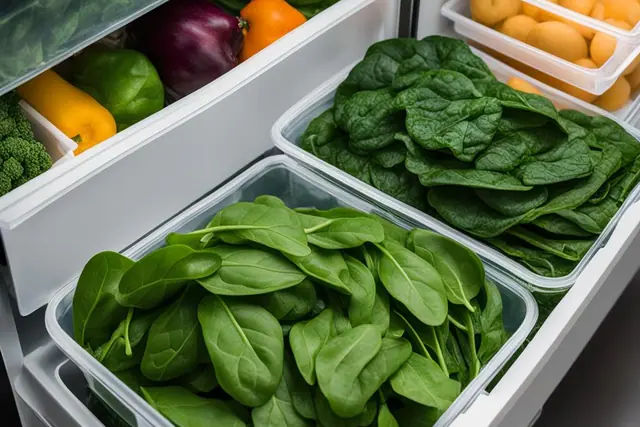
In this guide
- Why Does Spinach Spoil Quickly?
- Proper Storage for Fresh Spinach
- How Long Does Spinach Last?
- Signs of Spoiled Spinach
- How to Revive Wilted Spinach
- Preventing Spinach from Spoiling
- How to Store Frozen Spinach
- How to Determine If Spinach Is Bad
- The Dangers of Eating Spoiled Spinach
- Tips for Extending Spinach's Shelf Life
- Washing and Preparing Spinach
- Freezing Spinach for Longer Storage
- Conclusion
- Source Links
- FAQ
https://www.youtube.com/watch?v=PlJe0gcXiVo
Hey there! Are you a fan of leafy greens like spinach? It's packed with nutrients and versatility, making it a popular choice for salads, smoothies, and various dishes. But what if your spinach isn't as fresh as it should be? In this guide, I'll show you how to determine if your spinach has gone bad, so you can avoid eating spoiled greens and ensure you're getting the most out of your vegetables. Let's dive in!
Why Does Spinach Spoil Quickly?
Spinach is a delicate leafy green that is highly susceptible to spoilage due to its high moisture content. Wetness can come from various sources such as water, condensation, or bruised and crushed leaves. These conditions create an ideal environment for decomposition, leading to the rapid spoilage of spinach. To combat this issue, commercial spinach is often subjected to a triple washing process and packaged using modified atmosphere packaging.
Modified atmosphere packaging is a technique that alters the composition of the air surrounding the spinach to slow down the spoiling process. It helps to reduce the oxygen level and increase the carbon dioxide level, which inhibits the growth of bacteria and fungi. By packaging spinach this way, its shelf life can be extended, allowing consumers to enjoy fresh spinach for a longer period of time.
Despite the efforts to prolong its shelf life, proper storage is still crucial in preventing spinach from spoiling quickly. Exposure to excess moisture, such as condensation in the packaging or a humid environment, can accelerate the decomposition process. Therefore, it's essential to store spinach in a cool and dry place to maintain its freshness and prevent bacterial growth.
Factors Contributing to Spinach Spoilage
| Factor | Effect on Spinach Spoilage |
|---|---|
| Moisture | Increases the rate of decomposition |
| Wetness from various sources | Creates an ideal environment for bacterial and fungal growth |
| Modified atmosphere packaging | Slows down the spoiling process by reducing oxygen and increasing carbon dioxide levels |
Proper Storage for Fresh Spinach
When it comes to keeping your spinach fresh, proper storage is essential. Follow these tips to ensure your spinach stays crisp and flavorful:
The Refrigerator's Crisper Drawer
The refrigerator is the best place to store fresh spinach. To maintain its quality, store undamaged spinach in the crisper drawer. This drawer provides a cool and controlled environment, preventing excessive moisture and damage to the leaves.
Protecting Against Moisture and Damage
Moisture is the enemy of fresh spinach. To prevent excessive moisture, consider using hard-shell plastic packaging, which helps protect the spinach from damage and extends its shelf life. It's also important to check for any signs of moisture or bruised leaves before purchasing spinach to ensure you're getting the freshest product.
Summary:
- Store fresh spinach in the refrigerator's crisper drawer.
- Use hard-shell plastic packaging to protect against moisture and damage.
- Check for signs of moisture or bruised leaves before purchasing.
By following these storage tips, you can ensure that your spinach remains fresh and ready to enjoy in your favorite recipes.
How Long Does Spinach Last?
When it comes to the shelf life of spinach, proper storage and freshness are key factors. If stored properly, fresh spinach can last for about a week in the refrigerator. However, the shelf life can vary depending on various factors, including how it was stored and whether it is raw or cooked spinach.
Raw spinach that has been stored properly in the refrigerator can typically remain fresh for up to a week. It's important to check for any visual cues such as wilting, browning, or sliminess before consuming. If you notice any of these signs, it's best to discard the spinach to avoid any potential risk of foodborne illnesses.
On the other hand, cooked spinach has a shorter shelf life and usually lasts for about 3-5 days when stored properly in the refrigerator. Again, it's crucial to carefully inspect cooked spinach for any signs of spoilage before consuming.
| Spinach Type | Shelf Life |
|---|---|
| Raw Spinach | Up to 1 week |
| Cooked Spinach | 3-5 days |
Remember, these are general guidelines, and the freshness of spinach can vary depending on various factors. Always trust your senses and use-by dates to assess the quality and safety of spinach before consuming it.
Signs of Spoiled Spinach
When it comes to determining if spinach has gone bad, there are a few key signs to look out for. The appearance, texture, and smell of the spinach can all provide important clues about its freshness. Here are the signs to watch for:
- Dark green or greenish-brown color: Fresh spinach should have a vibrant green color. If it starts to turn dark or brown, it's a sign that it's past its prime.
- Slimy texture: One of the clearest indicators of spoiled spinach is a slimy texture. If the leaves feel slippery or wet to the touch, it's best to throw them away.
- Strong odor: Spoiled spinach often has a pungent odor, similar to algae or garbage. If it smells unpleasant or off, it's a definite sign that it's no longer good to eat.
It's important to note that slimy spinach is more than just unappetizing—it's actually decomposing plant matter that may be contaminated with harmful bacteria like E. coli. To prevent any potential foodborne illnesses, it's crucial to discard any slimy spinach and not consume damaged greens.
How to Revive Wilted Spinach
Wilted spinach can be disappointing, but don't throw it away just yet! With a simple five-minute soak, you can revive your dehydrated spinach and bring it back to life. Here's how:
- Fill a large bowl with ice water.
- Submerge the wilted spinach in the ice water and let it soak for five minutes.
- After the soak, remove the spinach from the water and gently squeeze out any excess moisture.
- Your spinach is now refreshed and ready to use in various delicious recipes!
While wilted spinach may not be ideal for raw consumption due to its changed texture, it can still be used in cooking. Try sautéing it with some garlic and olive oil, or incorporate it into quiches, pasta dishes, or soups. The revived spinach will bring a burst of green goodness to your recipes.
Tips for Cooking with Revived Spinach
When using revived spinach in your recipes, keep in mind that it may have lost some of its original crunch and structure. It's best to use it as an ingredient rather than a standalone component. Consider pairing it with other vegetables or protein to enhance the overall texture and flavor of your dish.
"Reviving wilted spinach is a great way to salvage greens that might otherwise go to waste. In just a few minutes, you can transform dehydrated spinach into a revitalized ingredient that adds color and nutrients to your meals." - Chef Emily
So don't let your wilted spinach go to waste. Give it a quick five-minute soak, and you'll have fresh and ready-to-use spinach for your next culinary creation!
Preventing Spinach from Spoiling
When it comes to keeping spinach fresh for longer, a little bit of inspection, proper storage, and some planning ahead can go a long way. Here are some tips to prevent spoilage and maintain the freshness of your spinach:
- Inspect before purchasing: Before adding spinach to your grocery cart, take a moment to inspect it. Look for signs of moisture, broken leaves, or sliminess. Choosing fresh and undamaged spinach will ensure a longer shelf life.
- Store it properly: Once you've brought your fresh spinach home, store it in a tightly sealed container. This will help prevent moisture from getting to the leaves and causing them to spoil quickly. Consider using hard-shell plastic packaging to protect the spinach from damage and extend its shelf life.
- Plan ahead: To maximize the freshness of your spinach, plan your meals in advance and use the spinach soon after purchase. This will help you avoid leaving it in the refrigerator for too long, where it can lose its freshness. Additionally, avoid overcrowding the refrigerator, as proper airflow is important in maintaining the quality of your greens.
By following these simple tips, you can prevent spinach from spoiling quickly and enjoy fresh, nutritious greens for longer.
How to Store Frozen Spinach
When it comes to prolonging the shelf life of spinach, freezing is a great option. Frozen spinach can last up to 12 months if stored properly. Whether you have store-bought frozen spinach or you want to freeze fresh spinach at home, following the right steps will ensure that your frozen spinach remains fresh and delicious for future use.
Storage: If you have store-bought frozen spinach, keep it in its original sealed packaging and store it in the freezer until you're ready to use it. The packaging is designed to maintain the freshness of the spinach. If you're freezing fresh spinach, it's important to blanch it quickly in boiling water and then shock it in ice water to preserve its vibrant color and texture. Once blanched, portion the spinach into airtight containers or ice cube trays for convenience. Proper labeling ensures easy identification when retrieving frozen spinach for use in recipes.
Shelf Life: When properly stored, frozen spinach can maintain its quality for up to 12 months. This is significantly longer than fresh spinach, giving you the flexibility to use it whenever you need it. Freezing spinach not only extends its shelf life but also preserves its nutritional benefits, making it a convenient option for those who want to have spinach on hand at all times.
Packaging: The packaging of frozen spinach plays a crucial role in maintaining its freshness. Whether it's store-bought or homemade, ensure that the spinach is stored in airtight containers or packaging that prevents freezer burn. This will protect the spinach from moisture loss and maintain its flavor and texture.
Table: Comparison of Fresh Spinach and Frozen Spinach Shelf Life
| Fresh Spinach | Frozen Spinach | |
|---|---|---|
| Shelf Life | Approximately 1 week | Up to 12 months |
| Nutritional Benefits | High nutrient content but may decrease over time | Preserves nutritional benefits |
| Convenience | Requires fresh purchase and immediate use | Provides flexibility to use as needed |
"Freezing spinach not only extends its shelf life but also preserves its nutritional benefits, making it a convenient option for those who want to have spinach on hand at all times."
How to Determine If Spinach Is Bad
Your senses are your best tools when it comes to determining if spinach has gone bad. By paying attention to the appearance, texture, and odor of the spinach, you can quickly assess its freshness or spoilage. Here are some key things to look out for:
- Appearance: Fresh spinach should have vibrant green leaves that are crisp and firm. If the leaves appear wilted, slimy, or have blackened edges or spots, it is a sign that the spinach is no longer good to eat.
- Texture: Healthy spinach leaves should be tender yet slightly firm. If the leaves feel mushy, slimy, or have a soft and wilted texture, it indicates that the spinach has started to decompose and should be discarded.
- Odor: Fresh spinach has a mild, earthy smell. However, if the spinach emits a strong and unpleasant odor, similar to that of algae or garbage, it is a clear indication that it has gone bad and should not be consumed.
Remember, your senses are powerful indicators of food spoilage. Trust your instincts, and if your spinach exhibits any of these signs, it's best to err on the side of caution and dispose of it.
Keeping a keen eye on the appearance, texture, and odor of spinach will help you determine if it is bad and avoid any potential risk of food-borne illnesses. Properly storing spinach and using it while it is fresh can also help extend its shelf life and maintain its quality.
| Appearance | Texture | Odor |
|---|---|---|
| Healthy: Vibrant green leaves | Tender yet slightly firm | Mild, earthy smell |
| Bad: Wilted, slimy, blackened edges or spots | Mushy or slimy | Strong, unpleasant odor |
The Dangers of Eating Spoiled Spinach
Eating spoiled spinach can have serious consequences for your health. When spinach goes bad, it becomes a breeding ground for bacteria, which can lead to food-borne illnesses. Bacteria such as E. coli can contaminate spinach and cause symptoms like diarrhea, nausea, vomiting, and abdominal cramps. In severe cases, these illnesses can even result in hospitalization.
It's important to be aware of the signs of spoiled spinach and never consume it if you suspect it has gone bad. The appearance, texture, and smell are all indicators of spoilage. If your spinach is slimy, has a strong unpleasant odor, or appears dark green or greenish brown, it's best to discard it immediately. Consuming spoiled spinach can put your health at risk.
Proper storage and handling of spinach can help prevent it from spoiling quickly. Follow the recommended storage guidelines, maintain a cool and controlled environment, and check for signs of moisture or damage before purchasing spinach. By taking these precautions, you can reduce the risk of eating spoiled spinach and ensure the safety of your meals.
Tips for Extending Spinach's Shelf Life
When it comes to keeping spinach fresh for as long as possible, proper storage and handling are key. Here are some tips to help you extend the shelf life of your spinach:
- Start with fresh spinach: Look for bright green leaves with no signs of wilting or damage. Fresh spinach will have a crisp texture and a vibrant color.
- Store in airtight containers: Transfer your spinach to airtight containers to protect it from moisture and odors in the refrigerator. This will help keep it fresh and prevent it from absorbing any unwanted flavors.
- Use paper towels: Place a layer of paper towels at the bottom of the container and on top of the spinach leaves. The paper towels will absorb excess moisture, keeping the leaves dry and preventing them from becoming soggy.
- Keep it cold: Store your spinach in the refrigerator's vegetable or crisper drawer, which provides a cool and controlled environment. This will help slow down the spoiling process and maintain the freshness of the leaves.
Remember, it's important to check your spinach regularly for any signs of spoilage, even if you've stored it properly. If you notice any sliminess, off-putting odors, or discoloration, it's best to discard the spinach to avoid any potential health risks.
By following these tips and guidelines, you can ensure that your spinach stays fresh and delicious for longer periods, allowing you to enjoy its nutritional benefits in various dishes.
Table: Comparing Different Storage Methods for Spinach
| Storage Method | Shelf Life | Key Benefits |
|---|---|---|
| Airtight Container with Paper Towels | Up to 1 week | Keeps spinach dry and absorbs excess moisture |
| Plastic Bag with Air Removed | Up to 5 days | Helps to maintain crispness |
| Freezing | Up to 12 months | Allows for long-term storage |
Keep in mind that while these storage methods can help extend the shelf life of spinach, it's always best to consume it as soon as possible to enjoy it at its freshest. Incorporating spinach into your meals regularly is a great way to reap the nutritional benefits it offers.
Washing and Preparing Spinach
When it comes to enjoying fresh and nutritious spinach, proper washing and preparation are essential. Even if your spinach claims to be prewashed, it is still important to give it a thorough rinse to remove any dirt or debris. Here are some steps to follow:
- Fill a clean sink or large bowl with cold water.
- Place the spinach in the water and swish it around gently with your hands.
- Let the spinach soak for a few minutes to allow any dirt or sand to settle at the bottom.
- Remove the spinach from the water and transfer it to a salad spinner.
- Spin the spinach in the salad spinner to remove excess moisture.
Once you've washed and dried your spinach, it's ready to be used in your favorite recipes. Whether you're making a fresh salad, a sautéed side dish, or a flavorful smoothie, properly washed spinach will enhance the taste and nutrition of your dishes.
"Washing spinach thoroughly is crucial to remove any potential contaminants and ensure its freshness and safety."
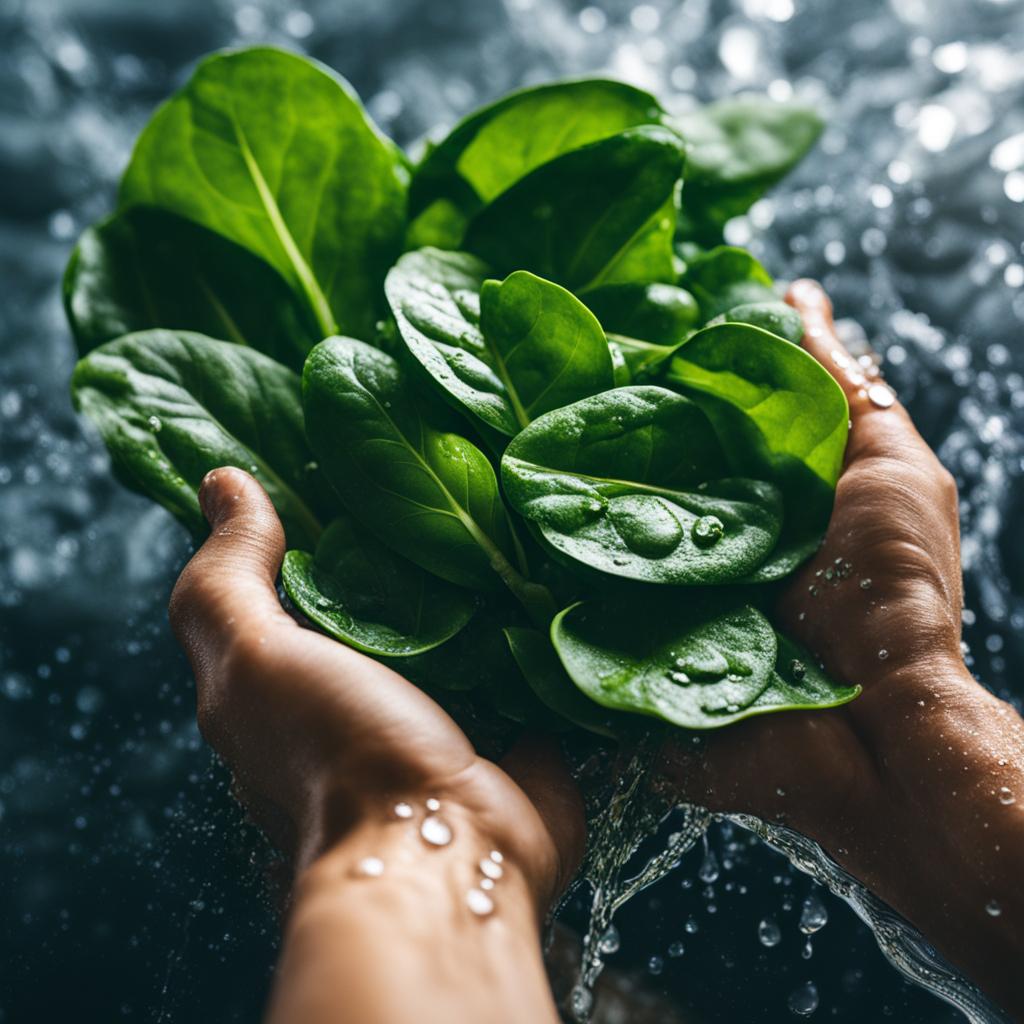
Remember, rinsing your spinach is a small step that makes a big difference in the taste and quality of your meals. So take the time to wash and prepare your spinach properly, and enjoy the benefits of this nutritious leafy green!
Freezing Spinach for Longer Storage
When it comes to extending the shelf life of spinach, freezing is a great option. Freezing spinach helps preserve its freshness and nutritional benefits for an extended period. Follow these simple steps to freeze spinach and keep it stored for longer.
Blanching and Shocking
Before freezing spinach, it's important to blanch it. Blanching involves briefly boiling the spinach and then immediately transferring it to ice water to stop the cooking process. This technique helps retain the vibrant green color and texture of the spinach. Here's how you can do it:
- Bring a pot of water to a boil.
- Add the spinach and blanch it for 1-2 minutes.
- Using a slotted spoon or tongs, transfer the blanched spinach into a bowl of ice water.
Once the spinach is cooled in the ice water, drain it well and squeeze out any excess moisture. This helps prevent freezer burn and maintains the quality of the frozen spinach.
Portioning and Packaging
After blanching and draining the spinach, it's time to portion it for storage. Portioning the spinach into manageable quantities makes it easier to thaw only what you need. You can use two methods for portioning:
- Divide the blanched spinach into individual airtight containers or freezer-safe bags. Label them with the date of freezing for easy identification later on.
- Alternatively, you can use ice cube trays to freeze smaller portions. Fill each cube compartment with the blanched spinach and cover it with plastic wrap. Once frozen, transfer the spinach cubes into a freezer-safe bag or container.
Remember to remove as much air as possible from the containers or bags to minimize freezer burn. Properly labeled and sealed packages help maintain the overall quality of frozen spinach.
Thawing and Using Frozen Spinach
When it's time to use the frozen spinach, simply remove the desired portion from the freezer and thaw it in the refrigerator overnight. Thawed spinach can be used in a variety of recipes, including soups, stews, smoothies, and casseroles. Avoid refreezing thawed spinach, as this can affect its texture and flavor.
By following these steps, you can freeze spinach and enjoy its freshness even when it's out of season. Freezing spinach is a convenient way to have this nutritious leafy green on hand for your favorite recipes, ensuring that you never waste any spinach again.
Conclusion
So, there you have it! Learning how to tell if spinach has gone bad is crucial for ensuring food safety and enjoying fresh and nutritious greens. By following a few simple guidelines, you can easily assess the freshness of spinach and avoid consuming spoiled greens.
Remember to trust your senses when inspecting spinach. Look for visual cues like wilting, darkening, or sliminess. Pay attention to any strong, unpleasant odors. These signs indicate that the spinach has spoiled and should be discarded to prevent any potential risks to your health.
Proper storage plays a significant role in maintaining the freshness of spinach. Store it in a tightly sealed container in the refrigerator's crisper drawer, and be sure to use it within a week for maximum freshness. Additionally, freezing spinach can be a great option to extend its shelf life if done correctly.
Always prioritize food safety and freshness when it comes to spinach or any other food. By following these guidelines, you can enjoy delicious and healthy spinach without worrying about any adverse effects on your well-being. Stay mindful, keep your spinach fresh, and enjoy the benefits of this wonderful leafy green!
Source Links
- https://homecookbasics.com/how-to-tell-if-spinach-has-gone-bad/
- https://happyhappyvegan.com/how-long-does-spinach-last/
- https://www.eatingwell.com/article/7960529/how-to-keep-spinach-from-getting-slimy/
Frequently asked questions
- Why does spinach spoil quickly?
Spinach is prone to spoilage due to moisture, which can come from water, condensation, or bruised leaves. Its delicate nature makes it susceptible to decomposition.
- How should I store fresh spinach?
Store undamaged spinach in the refrigerator's crisper drawer, which provides a cool and controlled environment. Use hard-shell plastic packaging to protect it from damage.
- How long does spinach last?
Fresh spinach can last about a week in the refrigerator, while cooked spinach can last for about 3-5 days.
- How can I tell if spinach has gone bad?
Spoiled spinach will be dark green or greenish brown, slimy, and have a strong unpleasant odor. Trust your senses and avoid consuming damaged greens.
- Can I revive wilted spinach?
Yes, wilted spinach can often be revived by soaking it in ice water for about five minutes. However, it is best used in cooked recipes rather than consumed raw.
- How can I prevent spinach from spoiling?
Inspect spinach before purchasing, store it properly in a tightly sealed container, and plan to use it soon after purchase. Avoid overcrowding the refrigerator and keep it away from ethylene-producing foods.
- How should I store frozen spinach?
Store store-bought frozen spinach in the freezer until ready to use. If freezing spinach at home, blanch it briefly in boiling water, then portion it into airtight containers or ice cube trays.
- How can I determine if spinach is bad?
You can determine if spinach is bad by looking for signs of wilting, loss of crispness, darkening of the leaves, sliminess, and a strong unpleasant odor.
- Is eating spoiled spinach dangerous?
Yes, eating spoiled spinach can pose health risks as it can be contaminated with bacteria and cause food-borne illnesses. It is important to avoid consuming spoiled spinach.
- How can I extend spinach's shelf life?
Start with fresh and properly stored spinach, keep it in airtight containers with paper towels to absorb moisture, and keep it cold in the refrigerator.
- How should I wash and prepare spinach?
Wash spinach before eating or cooking it, even if it claims to be prewashed. Use a salad spinner to remove excess moisture and thoroughly rinse to remove any dirt or debris.
- Can I freeze spinach for longer storage?
Yes, blanch fresh spinach briefly in boiling water, shock it in ice water, and portion it into airtight containers or ice cube trays. Label the containers for easy identification when retrieving frozen spinach.
- What are the key points about spinach going bad?
Proper storage, visual cues, and using your senses can help you assess the freshness of spinach. Spoiled spinach should be discarded to avoid potential health risks.
AprilCook, recipe developer and the heart of Chefwiz. More about April