Guide
Your Guide: How to Tell if Salmon Has Gone Bad
Stay clear of spoiled fish with my handy guide on how to tell if salmon has gone bad, ensuring fresh seafood for every mealtime. Catch the signs now!
 By April18 min read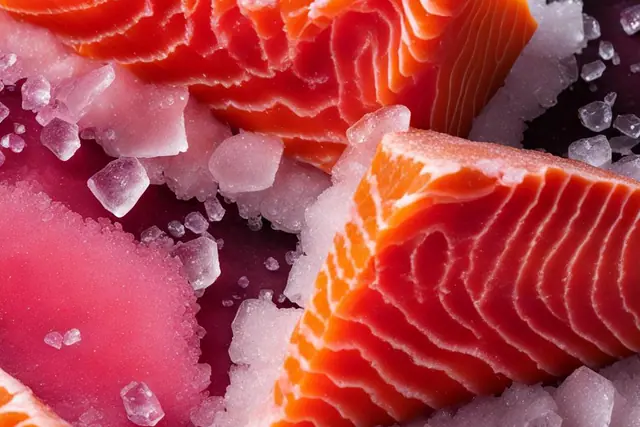
In this guide
- Checking the Expiration Date
- Assessing the Smell
- Examining the Appearance
- Checking the Texture
- Following Storage Guidelines
- Understanding the Importance of Proper Handling
- Recognizing Signs of Freshness in Previously Frozen Salmon
- Considering the Shelf Life of Salmon
- Potential Risks of Consuming Spoiled Salmon
- Safe Food Handling Practices
- Tips for Selecting Quality Salmon
- Proper Cooking Methods for Salmon
- The Importance of Fresh Salmon in Culinary Arts
- Conclusion
- Source Links
- FAQ
Salmon is a delicious and popular seafood choice known for its rich flavor and numerous health benefits. However, this highly perishable fish can easily spoil if not handled and stored correctly. In this guide, I will share important tips on how to determine if your salmon has gone bad, ensuring that you can enjoy fresh and safe seafood every time. Let's dive in!
https://www.youtube.com/watch?v=Tr1KjDyNY6s
Checking the Expiration Date
When it comes to determining the freshness of salmon, the first step is to check the expiration date. This simple yet crucial step can help you avoid consuming salmon that is past its prime and potentially spoiled. Always take a moment to look at the labeling before purchasing or consuming salmon.
By checking the expiration date, you can ensure that the salmon is within its recommended shelf life and safe to eat. If the salmon has exceeded its expiration date, it is best to discard it to reduce the risk of consuming spoiled seafood.
Remember, freshness is key when it comes to enjoying the delicious flavors and nutritional benefits of salmon. So be sure to always check the expiration date and prioritize your health and safety.
Assessing the Smell
Fresh salmon should have a neutral or mild smell. If the salmon emits a strong fishy, sour, or ammonia-like odor, then it has likely gone bad and should not be consumed. The smell is a clear indication of spoilage and should not be ignored.
A strong fishy smell is often a sign that the salmon is no longer fresh and has started to deteriorate. This odor can be quite pungent and unpleasant. Similarly, a sour or sour milk-like smell is another clear indication of spoilage. If the salmon smells ammonia-like, it could be an indication of bacterial growth, which can be harmful if consumed.
It is essential to trust your sense of smell when assessing the freshness of salmon. If you detect any of these strong odors, it is best to discard the salmon to avoid any potential health risks.
Examining the Appearance
When it comes to assessing the freshness of salmon, the appearance plays a crucial role. Fresh salmon fillets should have a vibrant pink or orange color, indicating their freshness. Any signs of discoloration, such as dull or gray coloring, can be a clear indication that the salmon has spoiled. It's also important to look out for dark spots or patches on the surface of the fish, as these can be signs of spoilage as well.
In addition to color, the texture of the salmon is another important factor to consider. Fresh salmon should have a firm texture and should spring back when pressed gently. If the flesh feels mushy or slimy, it is a definite sign that the salmon has gone bad and should not be consumed.
When examining a whole fish, there are a few more indicators to consider. Clear, shiny eyes are a sign of freshness, while cloudy or sunken eyes can indicate spoilage. The gills of fresh salmon should be bright red in color, whereas a brown or gray appearance can indicate that the fish is no longer fresh. By paying attention to these appearance indicators, you can ensure that you are selecting high-quality and fresh salmon.
Table: Appearance Indicators of Fresh Salmon
| Appearance Indicators | Signs of Freshness | Signs of Spoilage |
|---|---|---|
| Color | Bright pink or orange | Dull or gray |
| Dark Spots | No dark spots | Visible dark spots or patches |
| Texture | Firm and springs back when pressed | Mushy or slimy |
| Eyes (Whole Fish) | Clear and shiny | Cloudy or sunken |
| Gills (Whole Fish) | Bright red | Brown or gray |
Checking the Texture
Assessing the texture of salmon is another important step in determining if it has gone bad. Fresh salmon should have a firm texture, with the flesh springing back when pressed. When you touch the salmon, it should feel resilient and should not leave any indentations. This indicates that the fish is still fresh and safe to consume. However, if the texture feels mushy or slimy, it is a clear sign that the salmon has spoiled. A healthy salmon should have a pleasant, firm texture, so trust your sense of touch when assessing its freshness.
One way to check the texture of salmon is to gently press it with your finger. If it feels firm and bounces back, it is a good sign of freshness. However, if it feels soft or leaves an indentation, it is an indication that the salmon has started to spoil. Another way to assess the texture is by observing the flakes. Fresh salmon will have well-defined, firm flakes that hold together. On the other hand, spoiled salmon will have flakes that easily separate and may appear mushy or disintegrated.
Table: Texture indicators of fresh and spoiled salmon
| Texture | Fresh Salmon | Spoiled Salmon |
|---|---|---|
| Firmness | The flesh springs back when pressed. | The flesh feels mushy or slimy. |
| Flakes | Well-defined, firm flakes that hold together. | Flakes easily separate and may appear mushy or disintegrated. |
Remember, the texture of salmon is a key indicator of its freshness. Avoid consuming salmon with a mushy or slimy texture, as it could pose health risks. Always trust your senses and use your judgement when assessing the texture of salmon to ensure that you are consuming a safe and delicious seafood.
Following Storage Guidelines
Proper storage is crucial in maintaining the freshness of salmon. To ensure that your salmon stays fresh and safe for consumption, it is important to adhere to recommended storage guidelines. Here are some key points to keep in mind:
- Refrigerator: Fresh raw salmon should be stored in a clean refrigerator at a temperature of 40 degrees F or below. It is best to use the salmon within 2 days to ensure optimal freshness.
- Freezer: If you need to store salmon for longer periods, it is recommended to freeze it. Frozen raw fish should be used within 3-8 months for best results. Cooked salmon can be frozen for up to 3 months.
By following these storage guidelines, you can prolong the shelf life and maintain the freshness of your salmon. Properly stored salmon will retain its flavor and texture, ensuring a delightful dining experience.
Table: Recommended Storage Times for Salmon
| Type of Salmon | Refrigerator Storage | Freezer Storage |
|---|---|---|
| Raw Salmon | Up to 2 days | 3-8 months |
| Cooked Salmon | 3-4 days | Up to 3 months |
It is important to note that these storage times are general recommendations and may vary depending on the freshness of the salmon and the specific storage conditions. Always use your discretion and trust your senses when determining the freshness of salmon.
By following proper storage guidelines, you can ensure that your salmon stays fresh, safe, and flavorful. Whether you plan to use it right away or save it for later, storing salmon correctly is essential for maintaining its quality and enjoying a delicious seafood meal.
Understanding the Importance of Proper Handling
Proper handling of salmon is vital for ensuring its freshness and preventing spoilage. By following good food safety practices, you can minimize the risk of contamination and maintain the quality of the fish. Here are some key points to keep in mind:
Wash Your Hands
Before and after handling salmon, it's essential to wash your hands thoroughly with soap and warm water. This helps to remove any potential bacteria and prevents cross-contamination between different foods.
Use Separate Utensils and Surfaces
When preparing salmon, make sure to use separate cutting boards, knives, and utensils for raw and cooked fish. This prevents the spread of bacteria and reduces the risk of contaminating the cooked salmon with any potential pathogens.
Avoid Cross-Contamination
Keep raw salmon away from other foods, especially those that are ready-to-eat. Store it on the bottom shelf of the refrigerator to prevent any drips or spills from contaminating other items. Wrap the salmon tightly in plastic wrap or put it in a sealed container to further minimize the risk of cross-contamination.
Proper handling of salmon is not only crucial for food safety but also for maintaining its freshness and flavor. By practicing good hygiene and following these guidelines, you can enjoy delicious and safe salmon dishes.
Remember that the quality and safety of salmon depend on proper handling from the moment it is purchased until it is cooked and consumed. By being mindful of food safety practices, you can protect yourself and your loved ones from the potential risks of consuming spoiled salmon.
Recognizing Signs of Freshness in Previously Frozen Salmon
When it comes to buying seafood, fresh is always best. However, if you find yourself with previously frozen salmon, it's important to know how to determine its freshness. Although previously frozen salmon may not have the same characteristics as fresh fish, there are still signs you can look for to ensure its quality.
First, pay attention to the smell. Fresh salmon should have a mild smell, not fishy or rancid. If the previously frozen salmon emits a fishy odor, it may be a sign of spoilage. Trust your nose and avoid consuming salmon that has an unpleasant smell.
Next, examine the appearance of the previously frozen salmon. While it may not have the same vibrant color as fresh salmon, it should still have a relatively consistent color without any significant discoloration or dark spots. If you notice any abnormal coloring or spots, it may indicate spoilage.
Lastly, consider the texture of the previously frozen salmon. Fresh salmon has a firm texture, so if the flesh feels mushy or slimy, it's a clear indication that the fish has gone bad. A healthy salmon should have a pleasant and firm texture.
Table:
| Signs of Freshness in Previously Frozen Salmon | Indications of Spoilage |
|---|---|
| Mild smell | Fishy or rancid odor |
| Relatively consistent color | Discoloration or dark spots |
| Firm texture | Mushy or slimy flesh |
By paying attention to these signs of freshness, you can make an informed decision about whether or not to consume previously frozen salmon. Remember, it's always better to err on the side of caution when it comes to food safety. If you have any doubts about the quality of the salmon, it's best to discard it and choose a fresh alternative.
Considering the Shelf Life of Salmon
When it comes to the shelf life of salmon, it's important to understand how long it can be stored in different conditions. Proper storage is key to maintaining its freshness and quality. Let's take a closer look at the recommended storage times for salmon in the refrigerator and freezer.
Refrigerator Storage
Raw salmon should be consumed within 1-2 days when stored in the refrigerator. It's best to keep it in a clean refrigerator at a temperature of 40 degrees F or below. This ensures that the salmon stays fresh and safe for consumption. Cooked salmon, on the other hand, can last for 3-4 days in the refrigerator. Remember to store it properly in an airtight container to maintain its flavor and texture.
Freezer Storage
If you're planning to store salmon for longer periods, it's recommended to freeze it. Frozen raw fish, including salmon, is best used within 3-8 months. Make sure to wrap it tightly in plastic wrap or aluminum foil before placing it in a freezer-safe bag or container. Cooked salmon can be frozen for up to 3 months without compromising its quality. Labeling the packaging with the date will help you keep track of its freshness.
| Storage Type | Raw Salmon | Cooked Salmon |
|---|---|---|
| Refrigerator | 1-2 days | 3-4 days |
| Freezer | 3-8 months | Up to 3 months |
By following these recommended storage times and temperatures, you can ensure that your salmon stays fresh and maintains its quality. Remember to always check for signs of spoilage before consuming, such as an off smell, unusual appearance, or slimy texture. Prioritizing proper storage and handling practices will help you enjoy delicious and safe salmon for longer periods.
Potential Risks of Consuming Spoiled Salmon
Consuming spoiled salmon can have serious health risks, as it can lead to food poisoning. When salmon goes bad, it becomes a breeding ground for bacteria that can cause various illnesses. Some common bacteria that can contaminate spoiled salmon include Salmonella, Campylobacter, and Listeria. These bacteria can cause symptoms such as nausea, vomiting, diarrhea, headache, dizziness, and fatigue.
Food poisoning from spoiled salmon can be especially dangerous for vulnerable populations, such as young children, pregnant women, older adults, and those with weakened immune systems. For these individuals, the consequences of consuming spoiled salmon can be severe and even life-threatening.
It is important to prioritize food safety and avoid consuming salmon that shows signs of spoilage. Properly storing and handling salmon, as well as understanding the signs of spoilage, can help protect against the potential risks associated with consuming spoiled seafood.
Table: Common Symptoms of Food Poisoning from Consuming Spoiled Salmon
| Symptoms | Description |
|---|---|
| Nausea and vomiting | Feeling sick to the stomach and expelling the contents of the stomach through forceful contractions of the muscles. |
| Diarrhea | Loose, watery stool occurring more frequently than usual and often accompanied by stomach cramps. |
| Headache | Pain or discomfort in the head, typically located in the forehead or temples. |
| Dizziness | A sensation of spinning or lightheadedness, often accompanied by a loss of balance. |
| Fatigue | Extreme tiredness or exhaustion that can interfere with daily activities. |
Safe Food Handling Practices
When it comes to ensuring the freshness and safety of salmon, proper food handling practices play a crucial role. By following these practices, you can maintain the quality of your salmon and minimize the risk of spoilage. Here are some essential steps to consider:
- Storage: Store raw salmon in a clean refrigerator set at a temperature of 40 degrees F or below. Use it within 2 days for optimal freshness. Cooked salmon can be stored in the refrigerator for 3-4 days.
- Cleanliness: Practice good hygiene by washing your hands before and after handling salmon. Use separate cutting boards and utensils for raw and cooked salmon to avoid cross-contamination.
- Proper Handling: Handle salmon with care to prevent spoilage. Avoid touching it unnecessarily and keep it away from other raw meat or seafood.
In addition to these practices, it is essential to pay attention to the cleanliness of your kitchen and utensils. Regularly clean and sanitize your kitchen surfaces, cutting boards, and knives to prevent the growth of bacteria.
Table: Salmon Storage Times
| Salmon Type | Refrigerator Storage | Freezer Storage |
|---|---|---|
| Raw Salmon | 2 days | Frozen within 3-8 months |
| Cooked Salmon | 3-4 days | Frozen within 3 months |
By following safe food handling practices and maintaining a clean and organized kitchen, you can ensure the freshness and safety of your salmon. These practices not only protect your health but also enhance the overall quality of your meals. Enjoy your delicious and nutritious salmon with peace of mind!
Tips for Selecting Quality Salmon
When it comes to selecting salmon, it's important to look for quality indicators to ensure you are getting the freshest fish possible. Here are some tips to help you choose the best salmon:
Appearance:
- Look for bright pink or orange color. Fresh salmon should have a vibrant, natural hue.
- Avoid salmon with any discoloration, dark spots, or filmy white residue. These are signs of spoilage.
- Check the eyes and gills on whole fish. The eyes should be clear and shiny, and the gills should be red. These are indicators of freshness.
Smell:
"Fresh salmon should have a neutral or mild smell. If it emits a strong fishy, sour, or ammonia-like odor, it is likely spoiled."
Texture:
- The flesh of fresh salmon should be firm and spring back when pressed.
- Avoid salmon with a mushy or slimy texture, as this is a clear sign of spoilage.
By paying attention to these quality indicators, you can select salmon that is fresh and of the highest quality, ensuring a delicious and enjoyable dining experience.
| Quality Indicators | Signs of Freshness | Signs of Spoilage |
|---|---|---|
| Appearance | Bright pink or orange color | Discoloration, dark spots, filmy white residue |
| Smell | Neutral or mild odor | Fishy, sour, ammonia-like odor |
| Texture | Firm and springy | Mushy or slimy |
With these tips in mind, you can confidently select quality salmon that is fresh, flavorful, and safe to eat.
Proper Cooking Methods for Salmon
When it comes to cooking salmon, there are various methods you can use to bring out its delicious flavors and create a satisfying culinary experience. Whether you prefer the smoky taste of grilled salmon, the tender and moist texture of baked salmon, or the versatility of pan-searing, there is a cooking method that suits your preferences and kitchen setup.
One popular cooking method for salmon is grilling. This method imparts a smoky flavor and adds a beautiful char to the fish. To grill salmon, start by preheating your grill to medium-high heat. Place the salmon fillets on a well-oiled grill grate, skin side down. Cook for about 4-6 minutes per side, or until the salmon is opaque and flakes easily with a fork. Grilled salmon pairs well with fresh herbs, citrus, and a squeeze of lemon juice.
Baking is another fantastic cooking method for salmon that allows for a moist and evenly cooked fish. To bake salmon, preheat your oven to 400°F (200°C). Place the salmon fillets on a parchment-lined baking sheet, skin side down. Season the salmon with your choice of herbs, spices, or marinade. Bake for approximately 12-15 minutes, or until the salmon is opaque and flakes easily. Baked salmon can be served with a side of roasted vegetables or a flavorful sauce.
If you're looking for a quick and easy cooking method, pan-searing is a great option. To pan-sear salmon, heat a non-stick skillet over medium-high heat and add a bit of oil or butter. Place the salmon fillets, skin side down, in the hot skillet. Cook for about 3-4 minutes, then flip the salmon and cook for an additional 3-4 minutes, or until the salmon is opaque and flakes easily. Pan-seared salmon is perfect for salads, sandwiches, or served with a side of vegetables.
Remember, the key to perfectly cooked salmon is to avoid overcooking. Keep a close eye on the fish and check for doneness by gently inserting a fork or knife into the thickest part of the fillet. If it easily flakes apart, it's ready to be enjoyed. Experimenting with different cooking methods and flavors will help you discover new and exciting ways to elevate your salmon dishes.
The Importance of Fresh Salmon in Culinary Arts
Fresh salmon plays a vital role in the world of culinary arts, offering a myriad of flavors, textures, and possibilities for chefs and home cooks alike. Its versatility allows it to be used in various recipes and dishes, from simple weeknight dinners to gourmet culinary creations. Whether grilled, baked, or pan-seared, fresh salmon adds a touch of sophistication and depth to any meal.
The inherent freshness of salmon is what sets it apart from other ingredients in the culinary world. Its delicate yet rich flavor profile, along with its moist and tender texture, makes it a highly sought-after protein source. Chefs often showcase the natural taste of fresh salmon by pairing it with complementary ingredients, such as citrus, herbs, and spices, to create a harmonious blend of flavors.
Not only does fresh salmon elevate the taste of a dish, but it also offers numerous health benefits. As a lean source of protein, salmon is packed with essential nutrients like omega-3 fatty acids, vitamin D, and selenium. These nutrients contribute to heart health, brain function, and overall well-being. Incorporating fresh salmon into your culinary repertoire not only enhances the dining experience but also promotes a healthy lifestyle.
| Culinary Benefits of Fresh Salmon | Health Benefits of Fresh Salmon |
|---|---|
| - Versatile ingredient for various recipes | - Excellent source of omega-3 fatty acids |
| - Delicate yet rich flavor profile | - High in protein |
| - Moist and tender texture | - Rich in vitamin D |
| - Enhances the overall taste of a dish | - Contains selenium for antioxidant benefits |
"Fresh salmon adds a touch of sophistication and depth to any meal."
Whether you're a culinary enthusiast or simply enjoy experimenting in the kitchen, fresh salmon is a must-have ingredient. Its unique combination of flavors, textures, and nutritional benefits make it an ideal choice for those looking to create memorable dining experiences. So, next time you're planning a special meal or want to impress your guests, consider incorporating fresh salmon into your culinary masterpiece.
Conclusion
To summarize, ensuring the freshness of salmon is crucial for both flavor and food safety. By following a few simple guidelines, you can easily tell if salmon has gone bad. Remember to check the expiration date before purchasing or consuming salmon, as an expired product can pose risks. Assess the smell - fresh salmon should have a neutral or mild aroma, while a strong fishy, sour, or ammonia-like smell indicates spoilage.
Examining the appearance is also key - fresh salmon should have a vibrant pink or orange color with no discoloration, dark spots, or filmy white residue. Any dull or gray coloring, along with visible signs of discoloration or film, suggests spoilage. Additionally, the texture of fresh salmon should be firm and spring back when pressed. If it feels mushy or slimy, it's best to discard it.
Proper storage and handling are essential to maintaining the freshness of salmon. Keep raw salmon refrigerated at temperatures below 40 degrees F and consume it within 2 days. Cooked salmon can be kept in the refrigerator for 3-4 days. If storing for longer periods, freezing is recommended. Always practice good food safety measures, such as washing hands, using separate utensils for raw and cooked salmon, and avoiding cross-contamination.
By prioritizing freshness, you not only ensure the highest quality and flavor of the salmon but also safeguard against potential health risks associated with consuming spoiled fish. Remember to follow these tips for a delightful culinary experience while prioritizing your well-being.
Source Links
- https://thefoodiephysician.com/how-to-tell-if-salmon-is-bad/
- https://www.tasteofhome.com/article/how-to-tell-if-salmon-is-bad/
- https://www.foodnetwork.com/how-to/packages/food-network-essentials/how-to-tell-if-salmon-is-bad
Frequently asked questions
- How can I tell if salmon has gone bad?
You can assess the freshness of salmon by checking the expiration date, smelling for any strong fishy or sour odors, examining the appearance for discoloration or film, and checking the texture for firmness.
- What should fresh salmon look like?
Fresh salmon should have a bright pink or orange color with no discoloration, dark spots, or filmy white residue. Whole fish should also have clear, shiny eyes and red gills.
- How should fresh salmon smell?
Fresh salmon should have a neutral or mild smell. If it emits a strong fishy, sour, or ammonia-like odor, then it has likely gone bad.
- What should the texture of fresh salmon be like?
Fresh salmon should have a firm texture, and the flesh should spring back when pressed. If the texture feels mushy or slimy, it is a clear sign that the salmon has gone bad.
- How should I store fresh salmon?
Fresh raw salmon should be stored in a clean refrigerator at a temperature of 40 degrees F or below and used within 2 days. Cooked salmon can be stored in the refrigerator for 3-4 days.
- What are the potential risks of consuming spoiled salmon?
Consuming spoiled salmon can lead to food poisoning, which can cause symptoms such as nausea, vomiting, diarrhea, headache, dizziness, and fatigue.
- How long does raw salmon last in the refrigerator?
Raw salmon should be consumed within 1-2 days when stored in the refrigerator.
- How do I select quality salmon?
Look for salmon with a bright color, firm texture, and a fresh smell. Avoid salmon with discoloration, dark spots, or film, as these are signs of spoilage.
- What are some proper cooking methods for salmon?
Salmon can be cooked by grilling, baking, or pan-searing. The cooking method you choose depends on your preference and the recipe you are following.
- Why is fresh salmon important in culinary arts?
Fresh salmon is highly valued for its flavor, versatility, and nutritional benefits. It enhances the overall taste and quality of culinary creations.
AprilCook, recipe developer and the heart of Chefwiz. More about April