Guide
Decode the Mystery: How to Tell if Salsa Has Gone Bad
Uncover the signs of spoiled salsa! My simple guide on how to tell if salsa has gone bad helps keep your meals safe and your taste buds happy.
 By April20 min read
In this guide
- The Importance of Freshness
- Visual Cues: Changes in Color and Texture
- Sniff Test: Odor Evaluation
- Tasting for Quality
- Proper Storage and Shelf Life
- Taking a Closer Look: Mold Growth
- Importance of Food Safety
- Tips for Grocery Shopping
- The Nutritional Benefits of Salsa
- Using a Visual Guide
- Ensuring Food Safety in the Kitchen
- Salsa: A Culinary Adventure
- Conclusion
- Source Links
- FAQ
Salsa is a beloved condiment known for its burst of flavor and versatility. Whether you're enjoying it as a dip, sauce, or ingredient in your favorite recipes, ensuring its freshness is essential for a delicious culinary experience. In this guide, I will walk you through the telltale signs of spoilage, so you can confidently determine if your salsa has gone bad.
https://www.youtube.com/watch?v=IcnK4gAf3EA
The Importance of Freshness
Freshness plays a crucial role in determining the quality and safety of salsa. It is important to be able to identify the signs of spoilage to ensure that you are consuming salsa that is both delicious and safe to eat. Spoiled salsa can not only ruin the taste of your meals but also pose health risks. By understanding the importance of freshness, you can take the necessary steps to preserve the quality of your salsa.
Preserving the freshness of salsa is essential to maintain its flavor and texture. When salsa goes bad, it can develop off odors, flavors, and changes in color and texture, indicating spoilage. These changes are often caused by the growth of bacteria or mold. By being aware of the signs of spoilage, such as discoloration, slimy texture, and unpleasant odors, you can avoid consuming salsa that may be unsafe or unappetizing.
To ensure the freshness of your salsa, it is important to handle and store it properly. Keep salsa in a tightly sealed container in the refrigerator to slow down the growth of bacteria and extend its shelf life. Homemade salsa typically lasts for about 5 to 7 days in the refrigerator, while store-bought salsa can last for about 1 to 2 weeks. However, always check for signs of spoilage before consuming, as the shelf life may vary depending on the ingredients and preparation methods.
| Signs of Fresh Salsa | Signs of Spoiled Salsa |
|---|---|
| - Vibrant colors | - Discoloration |
| - Smooth, chunky texture | - Slimy or watery texture |
| - Pleasant aroma | - Off or foul odors |
| - Balanced and flavorful taste | - Off or unusual flavors |
By understanding the importance of freshness and being able to identify the signs of spoilage, you can enjoy salsa that is both delicious and safe to consume. Take the necessary steps to preserve the quality of your salsa, from proper storage to regular inspections for signs of spoilage. With these practices in place, you can confidently enjoy the vibrant flavors of salsa in your favorite dishes.
Visual Cues: Changes in Color and Texture
When it comes to determining if salsa has gone bad, visual cues can provide valuable information. Changes in color and texture are clear signs that your salsa is no longer fresh. Fresh salsa should have vibrant colors and a smooth, chunky texture. If you notice any discoloration, such as darkening or the presence of mold, or if the texture becomes slimy or watery, it's a clear indication that your salsa has spoiled. These changes can be caused by the growth of bacteria or mold, which can occur when the salsa is not properly stored or handled. By paying attention to these visual cues, you can ensure that you're enjoying fresh and safe salsa.
It's important to note that the specific color and texture changes may vary depending on the type of salsa you are dealing with. For example, tomato-based salsa may show signs of discoloration by becoming darker or developing black spots, while fruit-based salsa can exhibit changes in texture by becoming mushy or watery. Understanding the normal appearance and consistency of your salsa will help you identify any deviations that may indicate spoilage.
By regularly inspecting the color and texture of your salsa, you can identify any potential signs of spoilage and make an informed decision about whether it's still safe to consume. If you're unsure about the changes you observe, it's always better to err on the side of caution and discard the salsa to avoid any potential foodborne illnesses.
Sniff Test: Odor Evaluation
When it comes to determining whether salsa has gone bad, another important factor to consider is its odor. A quick sniff can provide valuable insights into the freshness and quality of the salsa. A fresh salsa should have a pleasant, tangy aroma that is characteristic of the ingredients used. The combination of tomatoes, onions, peppers, and other spices should create an enticing scent that makes your mouth water.
However, if you detect any off or foul odors when you give your salsa a sniff, it's a strong indication that the salsa has spoiled. A sour or rancid smell can be a sign that bacteria or yeast have started to grow in the salsa, producing unpleasant compounds. Trust your sense of smell and trust your instincts – if it doesn't smell right, it's best to err on the side of caution and discard the salsa.
Remember, by evaluating the odor of your salsa, you can ensure that you're consuming a fresh and safe product. Don't underestimate the power of your nose when it comes to determining the quality of your salsa.
“A sour or rancid smell can be a sign that bacteria or yeast have started to grow in the salsa, producing unpleasant compounds.”
<!--
Example of Salsa Odor Evaluation:
| Salsa Odor | Interpretation |
|---|---|
| Pleasant, tangy aroma | Fresh salsa, safe to consume |
| Sour or rancid smell | Salsa has gone bad, discard immediately |
-->
Tasting for Quality
When it comes to assessing the freshness and quality of salsa, one of the most crucial aspects is the taste. As a salsa enthusiast, I have learned that a good salsa should have a balanced and flavorful taste that enhances the overall dining experience. So, how can you tell if the salsa you have is still good to eat? Let's explore the signs to look out for when tasting salsa.
Firstly, take a small spoonful of salsa and savor it. If you notice any off or unusual flavors that are not characteristic of the ingredients used, such as a strong sourness or bitterness, it's a clear indication that the salsa has gone bad. These flavors can be a result of bacterial growth or the breakdown of ingredients due to spoilage. Trust your taste buds and if the salsa tastes off, it's best to discard it to avoid any potential health risks.
It's worth noting that while some salsa varieties have a tangy or slightly acidic taste, this is normal and indicates freshness. However, if you detect a sour or rancid taste, it's definitely a red flag. The taste of salsa should be pleasant, enjoyable, and enhance the flavors of the ingredients it contains.
Signs to look out for when tasting salsa:
- Off or unusual flavors
- Strong sourness or bitterness
- Sour or rancid taste
By paying attention to the taste of your salsa, you can ensure that you are enjoying a fresh and delicious condiment that adds that perfect kick to your meals. Remember, if in doubt, it's better to be safe than sorry. Trust your taste buds and if something doesn't taste right, it's best to discard the salsa and opt for a fresh batch.
Now that we've covered the importance of tasting salsa for quality, it's time to move on to the next section where we will explore the proper storage and shelf life of this beloved condiment. Join me as we delve into the best practices for ensuring the longevity and freshness of your salsa.
Proper Storage and Shelf Life
When it comes to ensuring the freshness and quality of your salsa, proper storage is key. By following a few simple guidelines, you can extend the shelf life of your salsa and enjoy it for longer.
Salsa should always be stored in a tightly sealed container in the refrigerator. This helps to slow down the growth of bacteria and maintain the freshness of the salsa. Avoid leaving salsa out at room temperature for extended periods, as this can promote spoilage.
On average, homemade salsa can last for about 5 to 7 days in the refrigerator, while store-bought salsa can last for about 1 to 2 weeks. However, it's important to always check for signs of spoilage before consuming. Even if your salsa is within the recommended time frame, if you notice any changes in color, texture, odor, or taste, it's best to discard it to avoid any potential foodborne illnesses.
Now, let's take a look at a complete table that summarizes the proper storage and shelf life of salsa:
| Salsa Type | Storage | Shelf Life |
|---|---|---|
| Homemade Salsa | Tightly sealed container in the refrigerator | 5 to 7 days |
| Store-Bought Salsa | Tightly sealed container in the refrigerator | 1 to 2 weeks |
By following these storage guidelines and being mindful of the shelf life of your salsa, you can ensure that you are consuming safe and delicious salsa every time.
Taking a Closer Look: Mold Growth
One of the most prominent signs that salsa has gone bad is the presence of mold growth. Mold can develop on the surface of salsa when it is exposed to moisture and warmth, creating fuzzy or discolored patches that are visible to the naked eye. It's essential to be aware of this sign as consuming mold can lead to food poisoning and other health risks. Therefore, it's crucial to carefully inspect your salsa before consuming it.
"Mold growth on salsa is a strong indication of spoilage, and it's important to discard the salsa immediately to prevent any potential health hazards."
If you notice any mold growth on your salsa, it's crucial to discard it immediately. Mold can release toxins that may cause severe health issues if ingested. To prevent mold growth in salsa, it's essential to practice proper storage and handling techniques. Keep your salsa refrigerated in a tightly sealed container, as this helps to maintain its freshness and inhibit the growth of mold and bacteria.
Tips for preventing mold growth in salsa:
- Always store salsa in the refrigerator at a temperature below 40°F (4°C).
- Use clean utensils to scoop salsa from the container, avoiding cross-contamination.
- Do not leave salsa out at room temperature for an extended period.
- Check the salsa for any signs of spoilage, such as changes in color, texture, or odor, before consuming.
By following these preventative measures, you can ensure that your salsa remains mold-free and safe to consume. Remember, mold growth is a clear indication that salsa has gone bad, so it's crucial to prioritize food safety and discard any salsa that shows signs of spoilage.
Table: Signs of Mold Growth in Salsa
| Signs of Mold Growth | Description |
|---|---|
| Fuzzy patches | Mold can appear as fuzzy growth on the surface of salsa, usually in green, white, or black colors. |
| Discoloration | Mold can cause discoloration in salsa, altering its appearance and making it unappetizing. |
| Off odor | Mold growth can produce an unpleasant or musty smell in salsa. |
Importance of Food Safety
Ensuring food safety is of utmost importance when it comes to consuming perishable items like salsa. By following proper food safety practices, you can protect yourself and your loved ones from foodborne illnesses. Here are some key considerations for maintaining food safety:
Proper Handling and Preparation
- Wash your hands thoroughly with soap and water before and after handling salsa. This helps to prevent the transfer of bacteria and other contaminants.
- Use clean utensils, cutting boards, and surfaces when preparing salsa to avoid cross-contamination.
- If you're using fresh ingredients in your homemade salsa, make sure to thoroughly wash and rinse them before incorporating them into your recipe.
Storage and Temperature Control
Salsa is a perishable item, and it's crucial to store it properly to maintain its freshness and prevent spoilage. Here are some tips for storing salsa:
- Store salsa in a tightly sealed container in the refrigerator at a temperature below 40°F (4°C). This helps to slow down the growth of bacteria and extend the shelf life of the salsa.
- Check the expiration date on store-bought salsa and consume it before the indicated date for optimal freshness.
- Keep an eye on the temperature of your refrigerator to ensure it is consistently cold enough to prevent bacterial growth.
Monitoring for Signs of Spoilage
Regularly inspect your salsa for any signs of spoilage before consuming it. Here are some visual cues to look out for:
- Changes in color: If you notice any darkening, discoloration, or mold growth, it's a clear indication that the salsa has gone bad and should be discarded.
- Odor evaluation: A sour or rancid smell is a strong sign of spoilage. If your salsa smells off, it's best to err on the side of caution and avoid consuming it.
- Taste test: Unusual flavors, such as a strong sourness or bitterness, can indicate that the salsa has spoiled. Trust your taste buds and discard any salsa with an off taste.
By prioritizing food safety, you can enjoy salsa with peace of mind, knowing that you're protecting your health and well-being. Remember to practice good hygiene, store salsa properly, and be vigilant for any signs of spoilage before indulging in this delicious condiment.
Tips for Grocery Shopping
When it comes to grocery shopping for salsa, there are a few tips and tricks that can help you select the freshest and highest quality options. Here are some helpful guidelines to keep in mind:
- Look for salsa in the refrigerated section: Salsa that is stored in the refrigerated section of the store is more likely to maintain its freshness. The cool temperature helps to preserve the flavors and prevent spoilage.
- Check the expiration date: Always check the expiration date on the salsa packaging. Choose salsa with a later expiration date to ensure a longer shelf life and better quality.
- Inspect the packaging: Take a close look at the packaging of the salsa. Look for any signs of damage, leaks, or punctures. Damaged packaging can be an indication of spoilage or improper storage.
By following these tips, you can ensure that you are selecting salsa that is fresh, flavorful, and safe to consume. Remember to prioritize quality and freshness when grocery shopping for salsa to enhance your culinary experience.
| Brand | Storage Location | Expiration Date | Packaging Condition |
|---|---|---|---|
| Brand A | Refrigerated section | 07/25/2022 | No damage or leaks |
| Brand B | Shelf-stable aisle | 06/30/2022 | Small puncture in packaging |
| Brand C | Refrigerated section | 08/15/2022 | No damage or leaks |
Table: Salsa Selection Comparison
Using the table above, you can compare different salsa brands based on their storage location, expiration date, and packaging condition. This allows you to make an informed decision and choose the salsa that meets your freshness and quality criteria. Remember to prioritize refrigerated salsa with no packaging damage for the best results.
Choosing the Right Ingredients
When it comes to ingredient selection for salsa, opt for fresh and high-quality components. Here are a few key ingredients to consider:
- Tomatoes: Choose ripe, firm tomatoes with vibrant colors. Avoid tomatoes that are overly soft or blemished.
- Onions: Look for onions that are firm and have a crisp texture. The outer skin should be intact without any signs of mold or discoloration.
- Peppers: Select peppers that are firm and have a bright color. Avoid peppers with wrinkled skin or visible signs of decay.
- Cilantro: Choose fresh cilantro with green leaves and a fragrant aroma. Avoid wilted or discolored cilantro.
- Lime: Opt for juicy limes that feel heavy for their size. The skin should be smooth and free from mold or blemishes.
By choosing high-quality ingredients, you can enhance the flavor and freshness of your salsa. Remember to inspect each ingredient carefully to ensure that it meets your standards of freshness and quality.
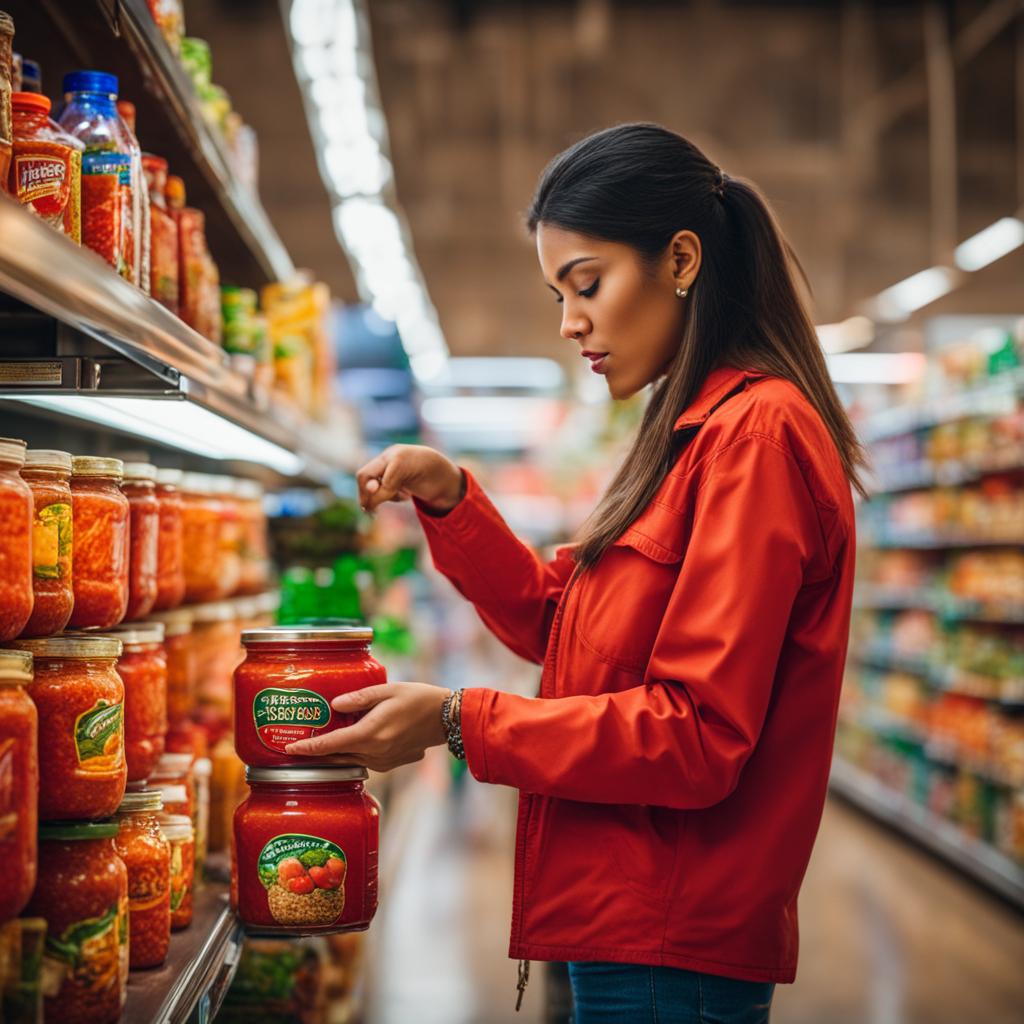
Culinary Delights with Salsa
When it comes to culinary arts, salsa is a versatile ingredient that can take your recipes to the next level. From traditional Mexican dishes to innovative fusion creations, salsa adds a zesty kick and a burst of flavor. Whether you're using it as a dip, sauce, or marinade, salsa offers endless possibilities for creative cooking.
One popular way to incorporate salsa into your culinary creations is by using it as a base for homemade sauces and dressings. By combining salsa with other ingredients like herbs, spices, and citrus juices, you can create unique and bold flavors that complement a wide range of dishes. Whether you're making a tangy cilantro-lime dressing or a spicy chipotle barbecue sauce, salsa serves as a delicious and convenient starting point.
Another way to elevate your cooking with salsa is by using it as a marinade for meats, poultry, and seafood. The acidity and bold flavors of salsa help to tenderize the proteins and infuse them with a vibrant taste. Simply marinate your chosen protein in salsa for a few hours or overnight, then grill, bake, or sauté to perfection. The result is juicy, flavorful dishes that will impress your family and friends.
| Salsa Recipe | Ingredients |
|---|---|
| Fresh Pico de Gallo |
|
| Salsa Verde |
|
Whether you're a seasoned chef or a beginner in the kitchen, salsa opens up a world of possibilities for delicious and creative cooking. So grab your apron, gather your ingredients, and let your taste buds guide you on a culinary adventure with salsa.
The Nutritional Benefits of Salsa
Salsa not only adds a flavorful kick to your meals but also offers numerous nutritional benefits. It is a healthy condiment that can enhance the taste of your favorite dishes while providing essential nutrients.
First and foremost, salsa is low in calories and fat. This makes it an ideal choice for those who are watching their weight or looking to maintain a healthy lifestyle. By incorporating salsa into your meals, you can add flavor without adding excessive calories or unhealthy fats.
Moreover, salsa is packed with vitamins and antioxidants. The fresh ingredients used in salsa, such as tomatoes, onions, and peppers, are rich in essential vitamins like vitamin C and vitamin A. These vitamins play a crucial role in supporting your immune system and promoting overall health.
"Salsa is a nutritious and flavorful addition to your diet. It is a delicious way to incorporate essential vitamins and antioxidants into your meals."
Additionally, salsa contains beneficial compounds that can aid in digestion. The spices and herbs used in salsa, such as cilantro and garlic, have been shown to have digestive properties. They can help stimulate the production of digestive enzymes, promote healthy gut bacteria, and alleviate digestive issues.
Incorporating salsa into your diet not only adds a burst of flavor but also provides a range of health benefits. So, next time you're enjoying your favorite Mexican dish or looking to spice up your cooking, reach for some fresh and delicious salsa.
| Nutritional Benefits of Salsa |
|---|
| Salsa is low in calories and fat |
| It is rich in vitamins and antioxidants |
| Contains beneficial compounds for digestion |
Using a Visual Guide
Visual cues can be incredibly helpful in determining if salsa has gone bad. To assist you in easily identifying the signs of spoilage, I have created a visual guide. This guide provides a visual representation of the changes in color, texture, and mold growth that can occur in salsa when it has gone bad. Use this guide as a reference to quickly determine the freshness and quality of your salsa before consuming.
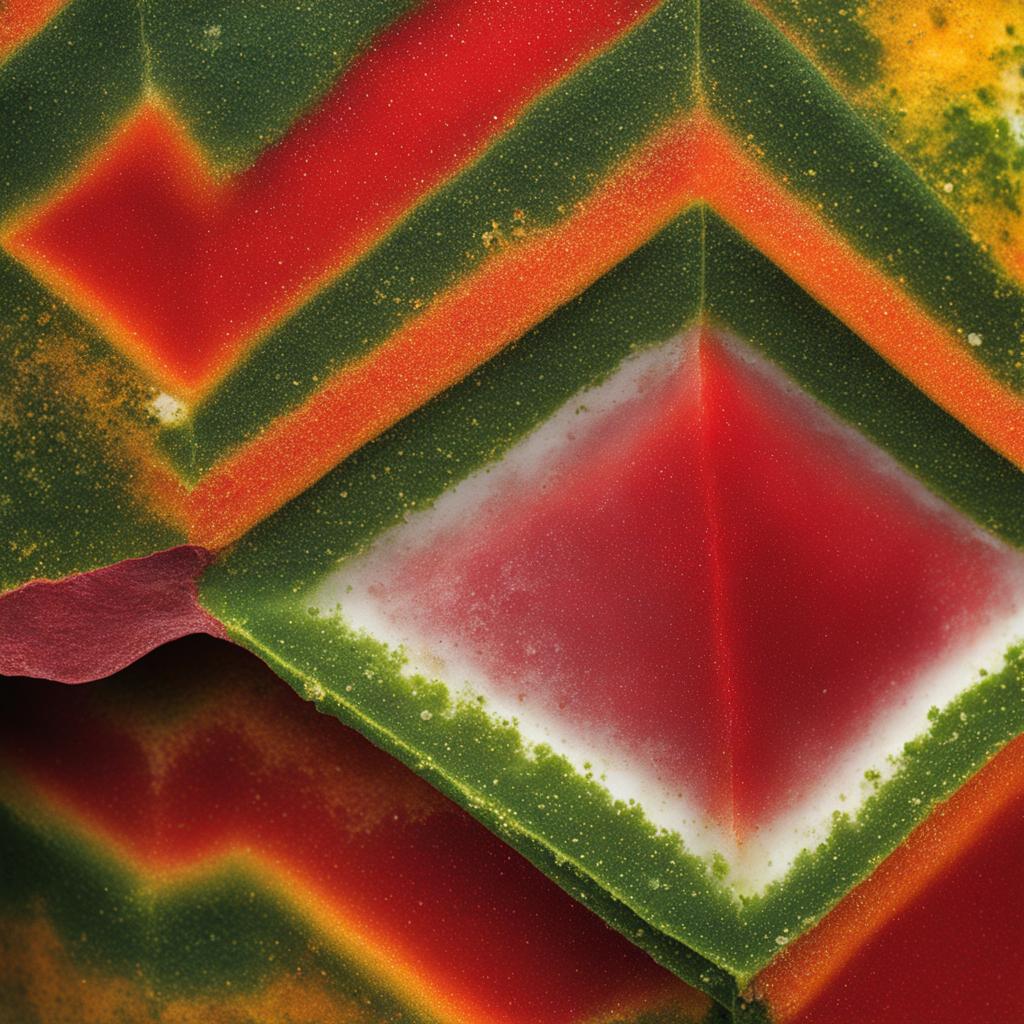
In the visual guide, you will see examples of fresh salsa alongside salsa that has gone bad. Pay attention to the colors of the salsa. Fresh salsa should have vibrant hues, while spoiled salsa may appear discolored or have dark patches. The texture should also be considered. Fresh salsa has a smooth, chunky consistency, whereas spoiled salsa may be slimy or watery.
Additionally, the visual guide showcases examples of mold growth on salsa. Mold can appear as fuzzy or discolored patches on the surface. If you notice any mold growth, it is crucial to discard the salsa immediately, as consuming mold can lead to food poisoning.
By familiarizing yourself with the visual guide, you can confidently determine if salsa has gone bad and make informed decisions about its consumption. Remember to always prioritize food safety and the freshness of your salsa for a delightful culinary experience.
Ensuring Food Safety in the Kitchen
When it comes to cooking and preparing food, food safety should always be a top priority. This is especially true when working with perishable items like salsa. By following a few simple cooking tips, you can ensure that the food you create is safe and delicious.
Wash your hands
First and foremost, always wash your hands before and after handling salsa. This helps to prevent the spread of bacteria and cross-contamination. Use warm water and soap, and scrub your hands for at least 20 seconds. Don't forget to wash your hands again after handling raw meat or other potentially contaminated ingredients.
Use clean utensils and surfaces
When preparing salsa, it's important to use clean utensils and surfaces. This helps to prevent the growth of bacteria and other harmful microorganisms. Make sure to wash cutting boards, knives, and any other tools you use in hot soapy water before and after use. If possible, use separate cutting boards for raw meats and other ingredients to avoid cross-contamination.
Store salsa properly
Proper storage is key to maintaining the freshness and safety of salsa. After preparing or opening a jar of salsa, store it in a tightly sealed container in the refrigerator. This helps to slow down the growth of bacteria and extend the shelf life of the salsa. Always check for signs of spoilage before consuming, such as changes in color, texture, and odor.
By following these food safety tips, you can enjoy delicious salsa without worrying about foodborne illnesses. Remember to prioritize cleanliness, proper storage, and overall food safety in your kitchen to create meals that are both tasty and safe to eat.
Salsa: A Culinary Adventure
Step into the world of Mexican cuisine and embark on a culinary adventure with salsa. This versatile condiment is the perfect companion for any meal, adding a burst of flavor and a touch of spice. Whether you prefer a mild pico de gallo or a fiery habanero salsa, there is a salsa to suit every palate and elevate your dining experience.
When it comes to eating salsa, there are endless possibilities. Use it as a dip for tortilla chips, a topping for tacos and burritos, or a marinade for grilled meats. The bold and vibrant flavors of salsa can transform any dish into a fiesta for your taste buds. Explore different recipes and experiment with ingredients to create your own unique salsa creations.
Food preparation with salsa is not just about flavor; it's also about celebrating the rich culture and traditions of Mexico. As you chop fresh tomatoes, onions, and peppers, you connect with the roots of Mexican cuisine. Each ingredient tells a story and contributes to the harmonious blend of flavors in every salsa recipe. So take your time, savor the process, and let the aroma of salsa transport you to the vibrant streets of Mexico.
Table: Salsa Varieties
| Salsa Variety | Description |
|---|---|
| Pico de Gallo | A fresh and chunky salsa made with tomatoes, onions, cilantro, and lime juice. |
| Salsa Verde | A tangy salsa made with tomatillos, green chilies, onions, and garlic. |
| Mango Salsa | A tropical twist on salsa, combining ripe mangoes, red onions, jalapenos, and lime juice. |
| Habanero Salsa | A fiery salsa made with habanero peppers, tomatoes, onions, and citrus juices. |
So, why not spice up your next meal with a homemade salsa? Dive into the world of Mexican flavors, and let salsa take your taste buds on a delicious adventure.
Conclusion
In conclusion, knowing how to tell if salsa has gone bad is essential for ensuring food safety and enjoying the best flavors. By paying attention to visual cues like changes in color and texture, evaluating the odor and taste, and following proper storage and food safety practices, you can confidently determine the freshness and quality of salsa.
Whether you're enjoying salsa as a dip, sauce, or ingredient in your favorite recipes, make sure to prioritize freshness and quality for a delicious culinary experience.
Remember to store salsa in a tightly sealed container in the refrigerator and check for any signs of spoilage before consuming. Proper storage, handling, and adhering to food safety practices are crucial to preventing foodborne illnesses associated with spoiled salsa.
So go ahead, savor the tangy and flavorful salsa that adds a burst of taste to your meals. With the knowledge gained from this guide, you can confidently decode the mystery and ensure that your salsa always stays fresh and delicious.
Source Links
- https://www.nytimes.com/2006/07/02/arts/dance/outreach-dance-programs-see-its-not-mysterious.html
- https://www.pampers.com/en-us/pregnancy/pregnancy-announcement/article/creative-pregnancy-announcement-ideas
- https://thesalonproject.com/hair-color-7n/
Frequently asked questions
- How can I tell if salsa has gone bad?
Look for changes in color and texture, off odors, and unusual flavors. These are signs that salsa has spoiled.
- What are the visual cues to look for in spoiled salsa?
Watch out for discoloration, such as darkening or mold growth, as well as slimy or watery texture.
- How can I determine if salsa has gone bad based on its odor?
Fresh salsa should have a pleasant, tangy aroma. If it smells sour or rancid, it's a sign of spoilage.
- What are the indicators of spoiled salsa in terms of taste?
If the salsa has off or unusual flavors, like strong sourness or bitterness, it has likely gone bad.
- How should I store salsa to maintain its freshness?
Keep salsa in a tightly sealed container in the refrigerator. Homemade salsa can last for 5 to 7 days, while store-bought salsa can last for 1 to 2 weeks.
- How do I know if there is mold growth in salsa?
Mold appears as fuzzy or discolored patches on the surface of salsa. If you see any mold, discard the salsa immediately.
- Why is food safety important when it comes to consuming salsa?
Salsa is a perishable item that can harbor bacteria if not handled properly. Proper food safety practices ensure the safety of consuming salsa.
- What should I consider when buying salsa from the grocery store?
Look for refrigerated salsa with a later expiration date and check for any signs of damage or leaks in the packaging.
- How can I use salsa in my culinary creations?
Salsa can be used as a dip, sauce, or marinade to add flavor to a variety of dishes, including Mexican cuisine and fusion recipes.
- What are the nutritional benefits of salsa?
Salsa is low in calories and fat, rich in vitamins and antioxidants, and contains beneficial compounds that support digestion and overall health.
- Is there a visual guide to help identify spoiled salsa?
Yes, a visual guide is available to help you identify changes in color, texture, and mold growth that indicate salsa has gone bad.
- How can I ensure food safety when working with salsa in the kitchen?
Wash hands before and after handling salsa, use clean utensils and surfaces, and store salsa at proper temperatures to prevent spoilage and foodborne illnesses.
- Can salsa be a culinary adventure?
Absolutely! Explore the vibrant flavors of Mexican cuisine and experiment with different types of salsa to create exciting and delicious dishes.
AprilCook, recipe developer and the heart of Chefwiz. More about April