Guide
How to Tell if Salmon is Done: Cooking Tips
Explore our guide on how to tell if salmon is done, with helpful cooking tips to ensure the perfect dish every time! Savor every tasty bite.
 By April21 min read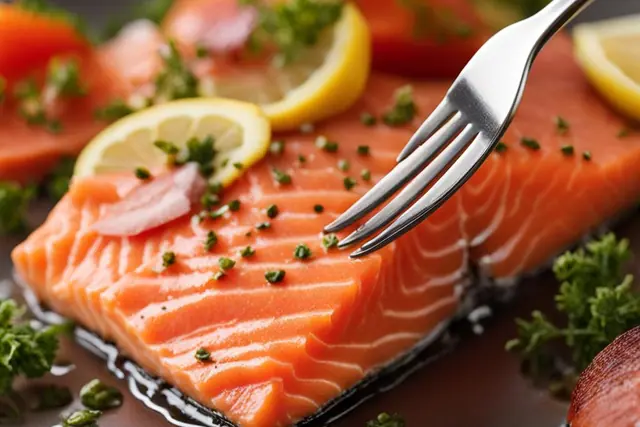
In this guide
- The Importance of Not Overcooking Salmon
- How to Determine Salmon Doneness
- Understanding Cooking Temperatures for Salmon
- Cooking Techniques for Salmon
- Using a Food Thermometer for Accurate Results
- Observing Flakiness for Doneness
- Checking Color as a Visual Guide
- Recommended Cooking Times for Different Methods
- Tips for Cooking Salmon Skin-Side Down
- Importance of Trimming and Even Fillet Thickness
- Using a Resting Period for Continued Cooking
- Common Mistakes to Avoid
- Exploring Different Salmon Recipes and Preparations
- Conclusion
- Source Links
- FAQ
Hello, fellow salmon enthusiasts! Are you tired of ending up with overcooked or undercooked salmon? Well, worry no more! In this article, I will share some valuable cooking tips to help you determine the perfect doneness of your salmon. Whether you're grilling, baking, broiling, or pan-searing, these tips will ensure that your salmon turns out moist, flaky, and bursting with flavor.
Salmon is a delicate fish that requires careful attention to achieve optimal results. Overcooking can result in dry, chalky texture, while undercooking can leave it rare and potentially unsafe to eat. So, how do you know when your salmon is done just right?
One of the best ways to determine if your salmon is done is by pressing down on the fillet with a fork or your finger. A medium-cooked salmon should easily separate along the white lines that run across the fillet. This flakiness is a good indication that your salmon is perfectly cooked. However, be cautious not to overcook it, as it can lead to dryness and loss of flavor.
The Importance of Not Overcooking Salmon
Overcooking salmon can result in a dry and unappetizing texture, leading to a loss of flavor. It's important to cook salmon to a medium doneness level to ensure the best taste and texture. When salmon is overcooked, it becomes super-firm, opaque orange all the way through, and dry. Additionally, overcooked salmon may develop a white goop called albumin, which is not visually appealing.
To prevent overcooking, it is crucial to monitor the cooking process closely and remove the salmon from the heat as soon as it reaches the desired doneness. Cooking salmon to a medium doneness level allows the fillet to remain moist, tender, and flavorful. This is achieved when the flesh easily separates along the white lines that run across the fillet. By avoiding overcooking, you can enjoy a perfectly cooked salmon with a moist and succulent texture.
By understanding the importance of not overcooking salmon, you can ensure that every bite is filled with the delicious flavors and textures that this versatile fish has to offer. Remember to keep an eye on the cooking time, use the appropriate cooking techniques, and check for doneness using the recommended methods. With these tips in mind, you can elevate your salmon cooking skills and create memorable dishes that everyone will love.
| Common Mistakes to Avoid | Effects |
|---|---|
| Overcooking salmon | Results in a dry and unappetizing texture, loss of flavor |
How to Determine Salmon Doneness
When it comes to cooking salmon, determining its doneness is crucial to achieving the perfect texture and flavor. There are a few simple methods you can use to determine if your salmon is cooked to a medium doneness level.
One effective way to check for doneness is to gently press down on the top of the fillet with a fork or your finger. If the flesh easily separates along the white lines that run across the fillet, it has reached a medium doneness level. This indicates that the salmon is moist and tender. However, be cautious not to overcook it, as it can become dry and crumbly.
Additionally, observing the flakiness of the salmon can also indicate its doneness. Using a salad fork or the tip of a paring knife, test if the top of the fish flakes apart easily. If the salmon is flaky, it is done cooking. On the other hand, if the fish is hard to the touch and does not flake, it needs to cook a little longer.
To summarize, determining salmon doneness is all about checking for flakiness and the ability to separate the flesh along the white lines. These simple methods will help you achieve the perfect medium doneness level, ensuring your salmon is moist, tender, and full of flavor.
Table: Determining Salmon Doneness Methods
| Method | Indicators of Doneness |
|---|---|
| Pressing down with a fork | Flesh easily separates along the white lines |
| Observing flakiness | Salmon flakes apart easily when tested with a fork or knife |
https://www.youtube.com/watch?v=7qF5v5NhogY
Understanding Cooking Temperatures for Salmon
When it comes to cooking salmon, understanding the right cooking temperatures is crucial to achieving the perfect level of doneness. The internal temperature of cooked salmon should reach a minimum of 145°F at the thickest part of the fillet for well-done fish. However, if you prefer a slightly pink and moist center, aim for an internal temperature of 125°F to 130°F for a medium doneness level.
It's important to note that salmon will continue to cook slightly even after it is removed from the heat, so it's essential to take this into account when determining the desired doneness. By using a food thermometer, you can accurately measure the internal temperature of the salmon to ensure it reaches the perfect level of doneness.
To help you understand the different cooking temperatures for salmon, here's a handy table:
| Doneness Level | Internal Temperature |
|---|---|
| Well-done | 145°F |
| Medium | 125°F - 130°F |
Remember, achieving the ideal cooking temperature is key to ensuring your salmon is cooked to perfection. Whether you prefer a well-done fillet or a medium, moist center, monitoring the internal temperature is a reliable way to achieve your desired results.
Cooking Techniques for Salmon
When it comes to cooking salmon, there are various techniques that can be used to create delicious and flavorful dishes. Whether you prefer the smoky charred flavor of grilling or the gentle heat of baking, each method offers a unique cooking experience. Here are some popular cooking techniques for preparing salmon:
Grilling
Grilling salmon is a great way to impart a smoky flavor and achieve beautiful grill marks. Start by preheating the grill to medium-high heat and lightly oiling the grates. Place the salmon fillets directly on the grill and cook for about 3-4 minutes per side, or until the fish easily flakes with a fork. Be sure to flip the fillets gently to prevent them from sticking or falling apart.
Baking
Baking is a convenient and foolproof method for cooking salmon. Preheat the oven to 400°F and place the salmon fillets on a lightly greased baking sheet or in a baking dish. Bake for approximately 12-15 minutes, depending on the thickness of the fillets, or until the fish is opaque and flakes easily. To add extra flavor, you can season the salmon with herbs, spices, or a squeeze of lemon juice before baking.
Broiling
Broiling is a quick and easy method for cooking salmon, perfect for those who enjoy a slightly charred and crispy exterior. Preheat the broiler and place the salmon fillets on a broiler pan or a baking sheet lined with aluminum foil. Broil for about 5-6 minutes, flipping once halfway through, until the fish is cooked through and slightly browned on top. Keep a close eye on the salmon as it can quickly go from golden brown to burnt under the intense heat of the broiler.
Pan-Searing
Pan-searing is a popular technique that allows you to achieve a crispy crust on the outside while keeping the inside tender and moist. Start by heating a skillet over medium-high heat and adding a small amount of oil. Place the salmon fillets in the hot skillet, skin-side down if applicable, and cook for about 3-4 minutes per side, or until the fish is opaque and easily separates with a fork. For an extra touch of flavor, you can finish the salmon with a drizzle of lemon juice or a sprinkle of fresh herbs.
Poaching
Poaching is a gentle and delicate cooking technique that keeps the salmon moist and tender. In a large skillet or shallow pan, combine water, broth, or a flavorful poaching liquid such as white wine and aromatics. Bring the liquid to a simmer and carefully add the salmon fillets, ensuring they are fully submerged. Poach the salmon for approximately 7-10 minutes, depending on the thickness of the fillets, or until the fish is opaque and easily flakes. Serve the poached salmon with a sauce or a squeeze of lemon for added flavor.
Using a Food Thermometer for Accurate Results
When it comes to cooking salmon, using a food thermometer is a foolproof way to ensure accurate results. By measuring the internal temperature of the fish, you can determine its doneness with precision. Insert the food thermometer into the thickest part of the fillet, avoiding any bones or the pan. By doing so, you can take the guesswork out of cooking salmon and achieve the perfect level of doneness every time.
A food thermometer provides an accurate reading of the internal temperature, which is crucial for determining if the salmon is cooked to the desired level. For medium doneness, the internal temperature should be between 125°F and 130°F, while the FDA recommends a temperature of 145°F for well-done fish. By relying on a food thermometer, you can be confident that your salmon is cooked to perfection, ensuring both safety and taste.
Using a food thermometer not only guarantees accuracy but also helps prevent overcooking. When salmon is overcooked, it can become dry and lose its delicate flavor. By monitoring the internal temperature, you can pull the salmon off the heat at the right moment, preserving its moisture and tenderness. A food thermometer is an indispensable tool for any home cook who wants to master the art of cooking salmon to perfection.
By utilizing a food thermometer, you can take the guesswork out of cooking salmon and achieve consistent results. Whether you prefer your salmon medium or well-done, measuring its internal temperature will ensure that it is cooked exactly the way you like it. With the help of a food thermometer, you can enjoy perfectly cooked salmon every time, with its natural flavors and textures preserved.
Table: Recommended Internal Temperatures for Salmon
| Doneness Level | Internal Temperature |
|---|---|
| Medium | 125°F - 130°F |
| Well-done | 145°F |
Observing Flakiness for Doneness
When determining the doneness of salmon, one reliable indicator is its flakiness. By observing the texture of the fish, you can easily determine if it is cooked to perfection. Use a salad fork or the tip of a paring knife to test if the top of the fish flakes apart easily. If the salmon is flaky, it is done cooking and ready to be enjoyed. The flakiness indicates that the fish is moist, tender, and perfectly cooked.
Flakiness is a result of the salmon's protein structure breaking down during the cooking process. This breakdown allows the fish to separate easily into individual flakes, making it visually appealing and enjoyable to eat. If the fish is hard to the touch and does not flake, it needs to cook a little longer. Continued cooking will help achieve the desired flaky texture and ensure that the salmon is fully cooked.
In addition to its visual appeal, flakiness also contributes to the overall texture of the salmon. The delicate, flaky texture adds a pleasing mouthfeel to each bite. When combined with the unique flavors of the fish, the flakiness enhances the overall dining experience. So, when determining the doneness of salmon, be sure to observe its flakiness for a perfectly cooked and satisfying meal.
In summary, observing the flakiness of salmon is a reliable method for determining its doneness. When the top of the fish flakes apart easily, it indicates that the salmon is fully cooked and ready to be enjoyed. The flakiness not only provides visual appeal but also contributes to the texture of the fish, enhancing the overall dining experience. So, remember to observe the flakiness when cooking salmon to ensure a perfectly cooked and delicious meal.
Checking Color as a Visual Guide
When it comes to determining the doneness of salmon, color can be a helpful visual guide. A properly cooked salmon fillet should have a slightly pink or translucent appearance in the center. This indicates that the fish is cooked to the desired level of doneness. However, it's important to note that if the salmon looks too translucent, it may be undercooked, while an opaque or cloudy appearance might indicate overcooking. Observing the color of the cooked salmon can provide valuable insight into its doneness.
Quote:
"The color of cooked salmon can give you a good indication of how it's cooked on the inside. When it has a slightly pink or translucent center, you've achieved the perfect level of doneness." - Chef John
By paying close attention to the color of the cooked salmon, you can ensure that it is not only visually appealing but also cooked to perfection in terms of doneness. Remember that the color alone may not be the only indicator of doneness, so it's important to combine it with other methods such as checking for flakiness and using a food thermometer to ensure the salmon is cooked to the desired level.
| Color Appearance | Doneness |
|---|---|
| Slightly pink or translucent center | Perfect doneness |
| Transparent or too translucent | Undercooked |
| Opaque or cloudy | Overcooked |
Recommended Cooking Times for Different Methods
When it comes to cooking salmon, the cooking method you choose plays a crucial role in determining the perfect doneness. Each method requires a specific cooking time to ensure that the salmon is cooked to perfection. Here are some recommended cooking times for different cooking methods:
| Cooking Method | Cooking Time |
|---|---|
| Pan-Searing | 4-8 minutes |
| Baking | 10-16 minutes at 400°F |
| Broiling | 4-5 minutes for thin fillets, 7-10 minutes for 1-inch thick fillets |
| Grilling | 7 minutes on medium-high heat |
| Poaching | 7-10 minutes |
These cooking times are approximate and may vary depending on the thickness of the fillet and desired doneness. It's important to keep a close eye on the salmon while it cooks, as overcooking can result in dryness and loss of flavor. Remember to adjust the cooking time based on your specific cooking equipment and preferences.
Experimenting with different cooking methods and times will help you find the perfect balance between moist, flaky salmon and a deliciously crisp exterior. Whether you prefer the smoky flavors of grilling or the moist tenderness of baking, there's a cooking method that will suit your taste buds and culinary skills.
Now that you have a guide to the recommended cooking times for different methods, you can confidently cook salmon to perfection every time. Enjoy the process of creating mouthwatering salmon dishes and savor the incredible flavors that this versatile fish has to offer.
Tips for Cooking Salmon Skin-Side Down
When it comes to cooking salmon, one technique that can enhance both flavor and texture is cooking the fish skin-side down. Not only does this method help prevent the appearance of albumin, a white substance that can ooze out when the salmon is overcooked, but it also results in crispy skin that adds a delightful crunch to the dish.
Here's how you can cook salmon skin-side down to perfection:
- Start by selecting a fresh salmon fillet with the skin intact. The skin acts as a natural barrier, protecting the delicate flesh from direct heat and allowing it to cook more evenly.
- Preheat your skillet or pan over medium-high heat and add a small amount of oil to prevent the fish from sticking.
- Place the salmon fillet in the pan, skin-side down. The skin will start to sizzle and crisp up as it cooks, creating a delicious texture.
- Cook the salmon for about 3-4 minutes on the skin side, depending on the thickness of the fillet. Then, carefully flip it over and cook for another 2-3 minutes on the flesh side until it reaches the desired doneness.
- Once your salmon is cooked to perfection, remove it from the heat and let it rest for a few minutes. This resting period allows the juices to redistribute, resulting in a moist and flavorful fillet.
Cooking salmon skin-side down not only enhances the taste and texture of the fish but also offers a visually appealing presentation. So, the next time you prepare salmon, give this technique a try for crispy skin and a delicious meal.
| Benefits of Cooking Salmon Skin-Side Down | Tips for Success |
|---|---|
| Prevents albumin appearance: Cooking salmon skin-side down helps prevent the white albumin from appearing on the fillet, resulting in a more visually appealing dish. | Choose fresh salmon: Select a high-quality, fresh salmon fillet with the skin intact for the best results. |
| Creates crispy skin: Cooking the skin-side down allows it to crisp up, adding a delightful crunch and texture to the salmon. | Preheat the pan: Make sure to preheat your skillet or pan over medium-high heat before adding the fish to prevent sticking. |
| Enhances flavor: The crispy skin adds a layer of flavor to the salmon, complementing the tender flesh. | Flip with care: When flipping the salmon, do it gently to avoid breaking the fillet and ensure even cooking. |
Expert Tip:
For extra flavor, season the flesh side of the salmon with your preferred herbs, spices, or a squeeze of lemon before cooking. This will infuse the fish with additional aromas and complement the crispy skin.
By practicing the skin-side down cooking technique, you can achieve restaurant-quality salmon with a perfect balance of crispy skin and tender, moist flesh. Experiment with different flavors and seasonings to create a personalized culinary experience that will impress your guests or elevate your weeknight dinners.
Importance of Trimming and Even Fillet Thickness
When it comes to cooking salmon, ensuring that the fillets are trimmed and have an even thickness is crucial for consistent results. This attention to detail not only contributes to the overall appearance of the dish but also affects the cook time and doneness of the salmon.
Trimming any uneven parts of the fillet helps to eliminate the risk of certain areas being undercooked or overcooked. By removing any excess skin or fat, you create a more uniform fillet that will cook evenly. Having an even thickness throughout the fillet ensures that each bite of salmon will be cooked to perfection, without any dry or undercooked spots.
By taking the time to trim and ensure an even fillet thickness, you can achieve cook time consistency and avoid the frustration of unevenly cooked salmon. This simple step can make a significant difference in the overall quality and enjoyment of your meal.
Table: Recommended Salmon Fillet Thickness and Cook Times
| Fillet Thickness | Cooking Method | Cook Time |
|---|---|---|
| 1 inch | Grilling | 7 minutes |
| 1 inch | Baking | 10-16 minutes at 400°F |
| 1 inch | Pan-searing | 4-8 minutes on medium-high heat |
| 1 inch | Poaching | 7-10 minutes |
Table: Recommended Salmon Fillet Thickness and Cook Times
- 1 inch fillets are ideal for grilling and should be cooked for approximately 7 minutes on medium-high heat.
- For baking, 1 inch fillets should be cooked at 400°F for 10-16 minutes.
- Pan-searing 1 inch fillets requires 4-8 minutes on medium-high heat.
- When poaching 1 inch fillets, cook them for 7-10 minutes.
"Trimming and ensuring even fillet thickness is the secret to perfectly cooked salmon every time."
Using a Resting Period for Continued Cooking
After removing the salmon from the heat, it is essential to allow it to rest for 5-10 minutes. During this resting period, the residual heat will continue to cook the fish slightly, bringing it to the desired level of doneness. This resting period is crucial as it ensures that the salmon reaches its perfect texture and flavor.
While the resting period may seem like a small step, it can make a significant difference in the overall quality of your salmon. The continued cooking process during the resting period helps the salmon to become more tender and moist, enhancing the eating experience. It also allows the flavors to develop and meld together, resulting in a more delicious dish.
To make the most of the resting period, you can cover the salmon loosely with aluminum foil. This helps retain the heat and moisture, further aiding in the cooking process. After the resting period, you can serve the perfectly cooked salmon, knowing that its flavors and textures have been optimized.
| Benefits of Resting Period for Salmon | Tips for Resting Salmon |
|---|---|
| Continued cooking for improved tenderness and moisture | Loosely cover with aluminum foil |
| Enhancement of flavors and textures | Rest for 5-10 minutes |
| Optimization of overall cooking process |
"Allowing salmon to rest after cooking is a simple yet essential step in achieving the perfect doneness. The resting period ensures that the residual heat continues to cook the fish, resulting in a tender and flavorful dish. Don't rush this crucial step and savor your perfectly cooked salmon!"
- Salmon Enthusiast
Common Mistakes to Avoid
When it comes to cooking salmon, there are a few common mistakes that can lead to less-than-perfect results. One of the biggest mistakes is overcooking the salmon, which can result in dryness and a lack of flavor. It's important to monitor the cooking process closely and remove the salmon from the heat as soon as it reaches the desired level of doneness.
Another mistake to avoid is salting the salmon before baking. While a little bit of salt can enhance the flavor, too much salt can draw out moisture from the fish and contribute to overcooking. It's best to season the salmon just before cooking or after it has been cooked to preserve its moisture and tenderness.
Additionally, it's crucial to avoid undercooking the salmon. While some people prefer their salmon on the rare side, undercooked salmon can be unsafe to eat. It's important to ensure that the fish reaches a minimum internal temperature of 145°F for well-done fish or 125°F to 130°F for medium doneness. Using a food thermometer can help ensure accurate results.
| Mistake | Impact |
|---|---|
| Overcooking the salmon | Dryness and lack of flavor |
| Salting the salmon before baking | Draws out moisture and contributes to overcooking |
| Undercooking the salmon | Potentially unsafe to eat |
By being mindful of these common mistakes, you can ensure that your salmon turns out moist, flavorful, and cooked to perfection. Remember to monitor the cooking process closely, use a food thermometer for accurate results, and season the salmon appropriately. With these tips in mind, you'll be able to enjoy delicious salmon dishes every time.
Exploring Different Salmon Recipes and Preparations
Salmon is a versatile fish that lends itself to a wide range of delicious recipes and cooking methods. Whether you prefer the crispy skin that comes from pan-frying or the smoky flavor achieved through grilling, there's a salmon dish to suit every palate. Baking is another popular option, allowing for easy preparation and the opportunity to infuse the fish with flavorful herbs and spices. And let's not forget about the delicate and tender result that comes from poaching salmon in a flavorful broth. No matter your preferred cooking technique, salmon is sure to delight your taste buds.
One classic way to prepare salmon is by pan-frying it. The high heat creates a crispy exterior while preserving the moistness of the fish. Simply season the fillets with salt and pepper, heat some oil in a pan, and cook the salmon skin-side down until it develops a golden crust. It's a quick and easy method that delivers fantastic results.
If you enjoy the smoky flavors of outdoor cooking, grilling salmon is a great option. Preheat your grill to medium-high heat, lightly oil the grates, and place the seasoned salmon fillets directly on the grill. Grill for about 4-6 minutes per side, or until the fish flakes easily with a fork. The grill imparts a smoky char and enhances the natural flavors of the salmon.
Baking salmon is a foolproof method that yields moist and tender results. Preheat your oven to 400°F, season the salmon with your favorite herbs and spices, and place it on a baking sheet lined with parchment paper. Bake for approximately 12-15 minutes, or until the salmon is opaque and flakes easily. Baking is a versatile technique that allows you to experiment with different flavors and accompaniments.
Another popular method for cooking salmon is poaching. Poaching involves gently simmering the fish in a flavorful liquid, such as broth or white wine. This method ensures a delicate and moist result. To poach salmon, bring the liquid to a simmer, add the seasoned fillets, and cook for about 8-10 minutes or until the salmon is opaque and flakes easily. Poaching is a great option when you want a light and healthy preparation.
Summing it up:
- Salmon can be prepared using various cooking methods, including pan-frying, grilling, baking, and poaching.
- Pan-frying creates a crispy exterior while maintaining the moistness of the fish.
- Grilling imparts a smoky flavor and enhances the natural taste of the salmon.
- Baking yields moist and tender results and allows for experimentation with flavors.
- Poaching produces a delicate and moist texture, perfect for a light and healthy meal.
With these various cooking techniques at your disposal, you can explore a wide range of delicious salmon recipes. Whether you prefer the simplicity of pan-frying or the smoky char of grilling, there's a preparation method that will suit your taste and bring out the best flavors of this versatile fish. So go ahead and unleash your culinary creativity with salmon!
| Cooking Method | Description |
|---|---|
| Pan-Frying | High heat creates a crispy exterior while preserving moistness. Quick and easy method. |
| Grilling | Smoky flavors and a charred exterior. Enhances the natural flavors of salmon. |
| Baking | Foolproof method that yields moist and tender results. Versatile with various flavor options. |
| Poaching | Gently simmering the fish in a flavorful liquid creates a delicate and moist texture. |
Conclusion
After exploring various cooking tips and techniques, it is clear that achieving the perfect doneness when cooking salmon requires attention to detail and careful monitoring. By following the recommended guidelines for checking flakiness, internal temperature, color, and cooking times, you can ensure that your salmon is cooked to perfection.
Remember, overcooking salmon can result in dry and unappetizing fish. It's important to avoid this by removing the salmon from the heat as soon as it reaches the desired doneness. By doing so, you can savor every flavorful bite of your perfectly cooked salmon.
Whether you prefer pan-searing, grilling, baking, or poaching, salmon is a versatile fish that can be prepared in various ways. Each cooking method offers unique flavors and textures, allowing you to experiment with different recipes and preparations to create delicious meals.
So, the next time you cook salmon, remember to pay close attention to the recommended guidelines and trust your senses. With practice and experience, you'll be able to confidently cook salmon to perfection, ensuring a moist, tender, and flavorful dining experience every time.
Source Links
- https://www.acouplecooks.com/how-to-know-when-salmon-is-done/
- https://www.bonappetit.com/story/how-to-tell-if-salmon-is-cooked
- https://www.southernliving.com/food/seafood/fish/salmon/how-to-tell-when-salmon-is-done
Frequently asked questions
- How can I tell if salmon is done cooking?
The best way to determine if salmon is done is to press down on the fillet with a fork or your finger and check for flakiness. Medium-cooked salmon should easily separate along the white lines that run across the fillet.
- What happens if salmon is overcooked?
Overcooked salmon becomes dry, chalky, and opaque orange all the way through. It can also develop a white goop called albumin, which is not visually appealing.
- What is the recommended internal temperature for medium doneness?
The internal temperature of cooked salmon should be between 125°F and 130°F for medium doneness.
- What are the different cooking techniques for salmon?
Salmon can be grilled, baked, broiled, pan-seared, or poached.
- How can I ensure accurate cooking temperatures?
Using a food thermometer is the most accurate way to determine the internal temperature of salmon.
- How do I know if salmon is flaky?
Use a salad fork or the tip of a paring knife to test if the top of the fish flakes apart easily.
- What color should cooked salmon be?
A properly cooked salmon fillet should appear slightly pink or translucent in the center.
- How long does it take to cook salmon using different methods?
The cooking times vary depending on the method used. For example, grilling takes around 7 minutes, baking takes approximately 10-16 minutes at 400°F, and pan-searing takes around 4-8 minutes on medium-high heat.
- Why should I cook salmon skin-side down?
Cooking salmon skin-side down helps prevent the appearance of albumin and results in crispy skin.
- Why is trimming and even fillet thickness important?
Trimming and ensuring a consistent fillet thickness helps eliminate the risk of uneven cooking.
- Should I let salmon rest after cooking?
Yes, allowing salmon to rest for 5-10 minutes after cooking allows the residual heat to continue cooking the fish slightly.
- What are some common mistakes to avoid when cooking salmon?
One common mistake is overcooking salmon, which can result in dryness and lack of flavor. Additionally, avoid salting the salmon before baking to prevent overcooking.
- What are some different salmon recipes and preparations I can try?
Salmon can be prepared in various ways, including pan-frying, grilling, baking, and poaching. Explore different recipes to find your preferred flavors and textures.
AprilCook, recipe developer and the heart of Chefwiz. More about April