Guide
How to Store Dry Pasta for Long-term Use
Unsure of how to store dry pasta? Follow my easy guide to keep your pasta fresh for longer! Tips, tricks, and pantry secrets revealed!
 By April19 min read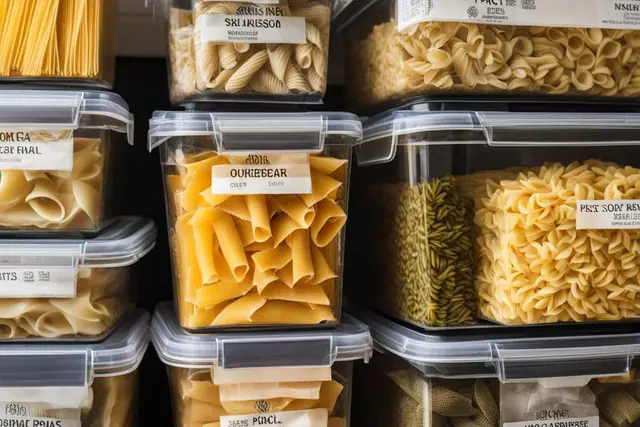
In this guide
- The Surprising Longevity of Dry Pasta
- Pasta Storage Methods and Recommendations
- Best Practices for Storing Pasta Long Term
- Battling Pests and Ideal Pasta Storage Conditions
- Complete Your Preparedness Plan with Professional Storage
- Best Way to Store Dry Pasta Long Term
- Using Oxygen Absorbers in Pasta Storage
- How to Store Pasta so it will Last for 25+ Years
- Signs Dry Pasta Has Gone Bad
- How Can You Tell If Fresh Pasta Has Gone Bad?
- The Shelf Life of Pasta
- The Best Pasta for Long-Term Storage
- Conclusion
- Source Links
- FAQ
Greetings! Today, I'm going to share some valuable tips on how to store dry pasta for long-term use. Whether you're stocking up for emergencies or simply looking to extend its shelf life, proper preservation and storage techniques are key to ensuring your pasta stays fresh and delicious for years to come.
Dry pasta is a pantry staple that can last indefinitely if stored correctly. By following a few simple steps, you can preserve the quality of your pasta and avoid waste.
Key Takeaways:
- Transferring dry pasta from its original packaging to an airtight container is crucial for long-term storage.
- Store dry pasta in a cool, dark, and dry place like a cupboard to maintain its freshness.
- Fresh pasta should be consumed within a day or two or frozen for up to a month.
- Cooked pasta and sauce should be stored separately in airtight containers in the fridge.
- Freezing dry pasta is not necessary if stored correctly.
The Surprising Longevity of Dry Pasta
Dry pasta is a staple in many households, known for its versatility, affordability, and long shelf life. But just how long can dry pasta last? You might be surprised to learn that when stored properly, dry pasta can have a shelf life of over 10 years.
While the exact shelf life of dry pasta depends on factors such as the type of pasta and storage conditions, proper storage techniques can significantly extend its longevity. The key is to protect the pasta from moisture, which can cause it to become clumpy or develop mold.
"Proper storage, including protecting the pasta from moisture, is key to extending its shelf life."
To keep your dry pasta fresh for years to come, transfer it from its original packaging to an airtight container. This will create a barrier against moisture and help maintain its quality. Store the container in a cool, dark, and dry place like a cupboard or pantry to further preserve the pasta.
It's important to note that different types of pasta may have different shelf lives. For example, egg pasta and gluten-free pasta typically have a shorter shelf life compared to regular dry pasta. So be sure to check the packaging for any specific storage instructions or expiry dates.
By following proper storage techniques, you can enjoy the surprising longevity of dry pasta and always have a delicious meal option on hand.
Table: Shelf Life of Different Types of Dry Pasta
| Type of Pasta | Shelf Life |
|---|---|
| Regular Dry Pasta | Over 10 years (when stored properly) |
| Egg Pasta | 1-2 years |
| Gluten-Free Pasta | 1-2 years |
- Properly store dry pasta in an airtight container to protect it from moisture.
- Store the container in a cool, dark, and dry place to maintain its quality.
- Check the packaging for specific storage instructions or expiry dates, as different types of pasta may have different shelf lives.
Pasta Storage Methods and Recommendations
When it comes to storing pasta for the long term, utilizing the right methods and containers is essential. Here are some recommendations for pasta storage:
Food-grade Buckets
Food-grade buckets are highly recommended for bulk pasta storage. These buckets should be clean and lined with a mylar bag for added protection. The mylar bag helps to create a barrier between the pasta and any outside elements, ensuring its freshness and longevity.
Airtight Containers
Airtight containers, such as mason jars, can also be used for pasta storage. They provide an excellent seal to keep out moisture and protect the pasta from insects or pests. Mason jars are particularly useful for smaller quantities of pasta and can be easily stacked in your pantry or cupboard.
Vacuum Sealing and Mylar Bags
Another option for pasta storage is vacuum sealing. This method removes the air from the packaging, creating a tight seal that helps to prevent moisture and freezer burn. Mylar bags, when used in conjunction with oxygen absorbers, can also extend the shelf life of your pasta. These bags are durable, moisture-resistant, and provide an additional layer of protection against pests.
By using these pasta storage methods and containers, you can ensure that your pasta remains fresh and ready for use whenever you need it. Remember to store your pasta in a cool, dry place away from direct sunlight and to check for any signs of spoilage before consuming.
https://www.youtube.com/watch?v=f_I_XZyT4zo
| Storage Method | Advantages | Disadvantages |
|---|---|---|
| Food-grade Buckets | Excellent for bulk storage, creates a barrier against external elements | Requires additional mylar bag lining for optimal protection |
| Airtight Containers | Provides a tight seal, easy to stack and organize | May not be suitable for large quantities of pasta |
| Vacuum Sealing and Mylar Bags | Removes air for optimal preservation, additional protection with mylar bags | Requires special equipment for vacuum sealing |
Best Practices for Storing Pasta Long Term
When it comes to storing pasta long term, following best practices is essential to ensure its freshness and quality. By using the right methods and materials, you can extend the shelf life of your pasta and have a reliable food supply for years to come.
Food-Grade Buckets
One of the best storage options for long-term pasta storage is food-grade buckets. These buckets are specifically designed to safely store food items and protect them from moisture, pests, and other contaminants. Make sure the buckets are clean and lined with a mylar bag for an extra layer of protection.
Vacuum Sealing
Vacuum sealing your pasta is another effective method for long-term storage. By removing all the air from the packaging, you can prevent the growth of bacteria and prolong the shelf life of your pasta. Use a vacuum sealer to seal the pasta in its original packaging or in mylar bags with oxygen absorbers for optimal results.
Mylar Bags with Oxygen Absorbers
Mylar bags combined with oxygen absorbers are a popular choice for pasta storage. The mylar bags create a barrier against moisture and light, while the oxygen absorbers help eliminate any remaining oxygen that can cause spoilage. This method is particularly effective for storing pasta in smaller quantities.
Protecting Your Pasta
Regardless of the storage method you choose, it's important to store your pasta in a cool, dry, and dark location. Exposing it to heat, light, or humidity can accelerate the spoilage process. Additionally, make sure to protect your pasta from pests by properly sealing the containers or bags.
By following these best practices, you can ensure that your pasta remains fresh and safe to consume for an extended period. Whether you opt for food-grade buckets, vacuum sealing, or mylar bags with oxygen absorbers, proper storage is key to maintaining the quality of your pasta in the long run.
Battling Pests and Ideal Pasta Storage Conditions
When it comes to storing pasta long-term, it is crucial to create the right storage environment. Proper pasta storage conditions not only extend the shelf life of your pasta but also help prevent spoilage and pest infestation. Here are some key factors to consider for battling pests and ensuring ideal pasta storage:
Pasta Storage Location
Choose a cool, dry, and dark place to store your pasta. Heat, humidity, and exposure to light can all contribute to pasta spoilage. Avoid storing pasta near heat sources like ovens or stovetops, as the fluctuating temperature can cause moisture to form inside the packaging. A pantry or a cupboard away from direct sunlight is an ideal location.
Pasta Storage Conditions
Keep your pasta in airtight containers to protect it from moisture and pests. Storing pasta in mylar bags inside food-grade buckets with lids is an effective method. The airtight seals on these containers prevent air and moisture from reaching the pasta, helping it stay fresh for longer. Additionally, consider adding oxygen absorbers to further reduce the chance of spoilage.
Regular Inspection
Regularly inspect your stored pasta for any signs of spoilage or pests. Check for organic growth, such as mold or insects, and discard any pasta that shows these signs. Keep an eye out for any unusual odors or changes in texture, as these can also indicate spoilage. By conducting routine inspections, you can catch any issues early on and prevent contamination.
By following these tips and creating the right storage conditions, you can ensure that your pasta stays fresh for an extended period. Battling pests and maintaining ideal pasta storage conditions is essential for preserving the quality and taste of your stored pasta.
Complete Your Preparedness Plan with Professional Storage
When it comes to long-term survival food and emergency preparedness, storing pasta is just one piece of the puzzle. To ensure a well-rounded food supply that can sustain you in any situation, considering professional storage options is essential. Companies like Valley Food Storage offer a wide range of nutritious and ready-made meals that can complement your homemade pasta storage.
Professional storage provides several advantages. First and foremost, it saves you time and effort in meal preparation during emergencies. With pre-packaged meals, you can simply grab and go, ensuring you have access to nourishing food even in challenging circumstances. Additionally, professional storage solutions offer a variety of meal options, ensuring you have a diverse diet that meets your nutritional needs.
Furthermore, professional storage can provide peace of mind. By partnering with a reputable company, you can have confidence in the quality and safety of the food you are storing. These companies often prioritize long shelf life, using advanced food preservation techniques to ensure their products remain fresh and nutritious for extended periods.
While storing your own pasta is a great start to food preparedness, incorporating professional storage options can elevate your level of readiness. Consider adding commercially packaged meals to your emergency food supply to complete your preparedness plan and ensure you have a reliable source of sustenance in any situation.
Table: A Comparison of Homemade Pasta Storage and Professional Storage
| Homemade Pasta Storage | Professional Storage | |
|---|---|---|
| Convenience | Requires preparation and cooking time | Ready-made meals that can be consumed instantly |
| Dietary Variety | Reliant on the types of pasta stored | Wide range of meal options to choose from |
| Quality Assurance | Depends on individual storage methods | Commercially packaged meals with guaranteed quality |
| Longevity | Varies depending on storage conditions | Specifically designed for long shelf life |
Best Way to Store Dry Pasta Long Term
In order to store dry pasta long term and ensure its freshness and quality, proper packaging is crucial. One effective method is to use mylar bags with oxygen absorbers. The mylar bags create a barrier that protects the pasta from moisture, pests, and light, while the oxygen absorbers remove any residual oxygen that could lead to spoilage.
Here is a step-by-step guide for the best way to store dry pasta long term:
- Preheat the sealer: Before packaging the pasta, preheat the sealer to ensure a secure and airtight seal.
- Fill the bags with pasta: Measure out the desired amount of dry pasta and fill the mylar bags. Ensure that the bags are not overfilled to allow for proper sealing.
- Add oxygen absorbers: Place an appropriate-sized oxygen absorber into each bag. The absorbers will remove any oxygen present in the bag, preventing bacteria growth and maintaining the freshness of the pasta.
- Remove air: Squeeze out any excess air from the bags before sealing them. This helps create a vacuum-like environment within the bag, further preserving the pasta.
- Seal the bags: Use the preheated sealer to securely seal the mylar bags. Ensure that the bags are completely sealed to prevent any air or moisture from entering.
Once the pasta is properly packaged in mylar bags with oxygen absorbers, it is recommended to store them in food-grade buckets for added protection. These buckets provide an extra layer of security against pests and moisture. Remember to label the buckets with the date of packaging and the type of pasta stored for easy identification.
By following these steps, you can effectively store dry pasta long term, ensuring its freshness and quality for extended periods. This method provides a reliable solution for those looking to stock up on pasta as part of their long-term food storage plan.
Using Oxygen Absorbers in Pasta Storage
When it comes to storing pasta for the long term, the use of oxygen absorbers is a crucial step. These small packets contain iron powder, which reacts with oxygen to create a vacuum seal within the storage container. This process helps to eliminate the oxygen that can cause pasta to spoil and extend its shelf life.
"Oxygen absorbers are a game-changer when it comes to pasta storage," says food storage expert Jane Smith. "By removing the oxygen from the packaging, you create an environment that is inhospitable to bacteria and pests, keeping your pasta fresh and safe to eat for an extended period of time."
When packaging your pasta for long-term storage, it is important to choose the correct size of oxygen absorber based on the volume of pasta being stored. It is generally recommended to use one 300cc oxygen absorber for every 1-gallon container of pasta. This ensures that there is enough absorber to remove any excess oxygen and maintain the freshness of the pasta.
| Pasta Storage Container | Oxygen Absorber Size (cc) |
|---|---|
| Small Mylar Bags (1/4 gallon) | 50cc |
| Medium Mylar Bags (1 gallon) | 100cc |
| Large Mylar Bags (5 gallons) | 300cc |
| Food-Grade Buckets (5 gallons) | 300cc |
In addition to choosing the correct oxygen absorber size, it is important to ensure that your pasta is properly packaged in airtight containers before adding the oxygen absorbers. Mylar bags or food-grade buckets with gasket lids are recommended for the best results. These containers provide an additional layer of protection against moisture and pests, further preserving the quality of your stored pasta.
By using oxygen absorbers in your pasta storage, you can confidently store your favorite pasta varieties for an extended period of time. Whether you prefer spaghetti, macaroni, or gluten-free options, the combination of proper packaging and oxygen absorbers will help to maintain the flavor, texture, and nutritional value of your pasta over the long term.
How to Store Pasta so it will Last for 25+ Years
When it comes to long-term pasta storage, creating the right environment is crucial to ensure its longevity. Proper storage techniques can help pasta stay fresh for 25+ years, making it a reliable addition to your emergency food supply or preparedness plan. Here are some effective methods for storing pasta long-term:
- Airtight Containers: Store dry pasta in airtight containers such as food-grade buckets or glass jars. These containers help keep moisture and air out, preserving the quality of the pasta for an extended period.
- Vacuum Sealing: Vacuum sealing is another excellent option for long-term pasta storage. By removing air from the packaging, you can prevent the growth of bacteria and fungi, helping the pasta maintain its quality and flavor.
- Mylar Bags: Mylar bags with oxygen absorbers are a popular choice for long-term pasta storage. These durable and moisture-resistant bags provide an additional layer of protection against oxygen and light, ensuring the pasta stays fresh for years.
- Ziplock Bags: Ziplock bags can also be used for storing pasta long-term. Make sure to remove as much air as possible before sealing the bag tightly. This method is convenient and allows for easy access to the pasta when needed.
Remember, regardless of the storage method you choose, it's essential to keep the pasta in a cool, dark place away from direct sunlight and heat sources. Regularly inspect your stored pasta for any signs of spoilage, such as mold growth or an off odor. By following these tips, you can enjoy delicious and reliable pasta for many years to come.
Table: Comparison of Pasta Storage Methods
| Storage Method | Pros | Cons |
|---|---|---|
| Airtight Containers | - Keeps moisture and air out - Easy access to pasta |
- Requires storage space - May be bulky for large quantities |
| Vacuum Sealing | - Removes air and prevents spoilage - Saves space |
- Requires vacuum sealer - Packaging materials can be costly |
| Mylar Bags with Oxygen Absorbers | - Provides excellent protection against oxygen and light - Durable and moisture-resistant |
- May require specific equipment - Can be time-consuming to package |
| Ziplock Bags | - Easy to use and access - No additional equipment required |
- Less effective at preventing air exposure - May not provide long-term protection |
Choosing the right pasta storage method depends on your preferences, available resources, and the quantity of pasta you need to store. Whichever method you choose, ensure proper storage conditions and regular inspections to maintain the quality and safety of your stored pasta.
Signs Dry Pasta Has Gone Bad
Dry pasta is a pantry staple that can last for a long time if stored properly. However, like any other food item, it can spoil if exposed to moisture or stored in improper conditions. Here are some signs to look out for to determine if your dry pasta has gone bad:
- Organic Growth: If you notice any mold or other organic growth on your dry pasta, it is a clear sign that it has spoiled. Mold can develop if the pasta has come into contact with moisture. Discard the pasta if you see any signs of mold.
- Pasta Smell: Dry pasta should have a neutral smell. If you detect any rancid or bad odor coming from your pasta, it is an indication that it has gone bad. Trust your sense of smell and discard any pasta with an unpleasant odor.
- Pest Infestation: Pasta is a food source that can attract pests like insects and rodents. If you find any signs of pests such as droppings or chew marks on your dry pasta, it is a clear indication that it is no longer safe to consume.
Proper storage conditions and regular inspections can help prevent your dry pasta from going bad. Remember to store it in a cool, dry, and dark place to avoid moisture exposure. Additionally, make sure to protect it from pests by storing it in airtight containers or using mylar bags with oxygen absorbers. By following these guidelines, you can enjoy your dry pasta for a long time without worrying about spoilage.
| Signs of Pasta Spoilage | Solution |
|---|---|
| Organic growth (mold) | Discard the pasta |
| Rancid or bad smell | Discard the pasta |
| Pest infestation | Discard the pasta |
How Can You Tell If Fresh Pasta Has Gone Bad?
Fresh pasta is a delightful addition to any meal, but it's important to know when it has gone bad to ensure food safety. There are a few telltale signs that indicate fresh pasta has spoiled and should not be consumed. One of the most noticeable signs is a change in texture. If the fresh pasta becomes slimy or gooey, it is likely spoiled and should be discarded.
Another indicator of spoiled fresh pasta is the presence of organic growth, such as mold. If you notice any mold on the pasta, it is best to err on the side of caution and not consume it. Mold can cause digestive issues and may contain harmful toxins.
When storing fresh pasta, it's essential to use proper storage techniques to ensure its longevity. Fresh pasta should be stored in airtight containers in the refrigerator and consumed within a day or two. Promptly consuming fresh pasta will minimize the risk of spoilage and ensure that it is enjoyed at its best quality.
Table: Signs of Fresh Pasta Spoilage
| Signs of Fresh Pasta Spoilage | Explanation |
|---|---|
| Slime or gooey texture | If the pasta becomes slimy or gooey, it is likely spoiled and should not be consumed. |
| Presence of mold | Mold on the pasta indicates spoilage and potential health risks. It is best to discard the pasta. |
By being aware of these signs of spoilage and practicing proper storage methods, you can ensure that your fresh pasta is enjoyed at its best and avoid any health risks associated with consuming spoiled food.
The Shelf Life of Pasta
When it comes to storing pasta for the long term, understanding its shelf life is essential. Dry pasta, in its original packaging, has a shelf life of approximately one year. However, if you want to extend its longevity, transferring the pasta to airtight containers is the key. By doing so, you can ensure that your pasta remains fresh and safe to eat for an indefinite period.
Unopened pasta can last 1-2 years past the printed date when stored properly. This means keeping it in a cool, dark, and dry place, such as a pantry or cupboard. However, storing your pasta in airtight containers, such as food-grade buckets or glass jars, can further prolong its shelf life. The airtight seal prevents moisture and air from reaching the pasta, keeping it in optimal condition.
Proper storage in airtight containers is especially important for maintaining the quality of fresh pasta, which has a much shorter shelf life compared to dried pasta. Fresh pasta should be consumed within a day or two or frozen for up to a month to maximize its freshness. When storing cooked pasta and sauce, it is recommended to keep them separately in airtight containers in the fridge to prevent the pasta from absorbing excess moisture and becoming mushy.
To summarize, the shelf life of pasta can vary depending on whether it is dry or fresh. Dry pasta can last indefinitely when stored in airtight containers, while fresh pasta has a shorter lifespan. By following proper storage practices, such as using airtight containers and storing in a cool, dark place, you can enjoy your favorite pasta dishes for an extended period.
| Pasta Type | Shelf Life (Unopened) | Shelf Life (Opened) |
|---|---|---|
| Dry Pasta | 1-2 years past the printed date | Indefinite when stored in airtight containers |
| Fresh Pasta | 1-2 days | N/A |
The Best Pasta for Long-Term Storage
When it comes to long-term storage, dry pasta is the top choice. Its low moisture content makes it less prone to spoilage compared to fresh pasta or whole wheat pasta. Dry pasta can be stored for extended periods, ensuring you have a reliable food supply for emergencies or when fresh options are limited.
One important consideration is the shelf life of different types of pasta. While dry pasta can last indefinitely when stored properly, whole wheat pasta may have a shorter shelf life due to its higher oil content. Before consuming whole wheat pasta, it's essential to check for any signs of spoilage, such as a rancid smell or the presence of mold.
To ensure the longevity of your pasta, proper storage methods are key. Transfer your dry pasta to airtight containers, such as food-grade buckets or glass jars, to protect it from moisture and pests. You can also consider vacuum sealing your pasta or using mylar bags with oxygen absorbers for added freshness.
By choosing the best pasta for long-term storage and implementing proper storage practices, you can confidently store pasta for years, ensuring you have a versatile and nutritious food option in any situation.
Image source: https://seo-writing.ai/32_6.png
Conclusion
Storing pasta for long-term use is a crucial aspect of creating a reliable and self-sufficient food supply. By following proper storage methods, such as using airtight containers, mylar bags with oxygen absorbers, or vacuum sealing, pasta can maintain its quality and last for years without spoiling. It's important to note that pasta storage is just one piece of a comprehensive preparedness plan.
In addition to storing pasta, considering professional storage options, like Valley Food Storage, can help complement your homemade pasta storage. These options provide a wide range of nutritious and ready-made meals that can supplement your long-term food supply. By incorporating such options into your preparedness plan, you can ensure a diverse and reliable food source for any situation.
Remember to be aware of pasta's shelf life. While dry pasta can last indefinitely when stored correctly, fresh pasta has a shorter lifespan and should be consumed within a day or two. Understanding the signs of pasta spoilage, such as mold growth, rancid smell, or pests, is also essential to maintaining food safety.
By implementing these strategies and considering the various storage options available, you can take important steps towards long-term food storage and enhance your overall preparedness plan for any future needs.
Source Links
- https://www.realsimple.com/how-to-store-pasta-6931366
- https://valleyfoodstorage.com/blogs/inside-vfs/long-term-storage-pasta-how-to
- https://ezprepping.com/how-to-store-pasta-and-what-is-the-shelf-life/
Frequently asked questions
- How long can dry pasta be stored?
Dry pasta can be stored indefinitely if stored properly in airtight containers in a cool, dark, dry place.
- What is the shelf life of fresh pasta?
Fresh pasta should be consumed within a day or two or frozen for up to a month.
- How should cooked pasta and sauce be stored?
Cooked pasta and sauce should be stored separately in airtight containers in the fridge.
- Do I need to freeze dry pasta for long-term storage?
Freezing dry pasta is not necessary if stored correctly.
- How long can dry pasta last when stored correctly?
Dry pasta can last for over 10 years if stored correctly.
- What is the best way to store bulk pasta?
Food-grade buckets are recommended for bulk pasta storage, along with mylar bags for added protection.
- Can I use mason jars to store pasta?
Yes, airtight containers like mason jars can be used to store pasta for up to three years.
- How can I create an airtight seal when storing pasta?
Vacuum sealing, mylar bags with oxygen absorbers, and ziplock bags are effective methods for creating an airtight seal when storing pasta.
- Should I transfer pasta from its original packaging?
Yes, the original pasta packaging is not airtight, so it's important to transfer the pasta to airtight containers.
- Where should I store pasta to prevent spoilage?
Pasta should be stored in a cool, dry, and dark place to prevent spoilage.
- How can I protect pasta from pests?
Storing pasta in mylar bags inside food-grade buckets with lids can help protect it from pests.
- How can I tell if dry pasta has gone bad?
Signs of spoilage include the presence of organic growth like mold, a rancid or bad smell, and the presence of pests.
- How can I tell if fresh pasta has gone bad?
Fresh pasta will become slimy or gooey and may show signs of mold if it has gone bad.
- What is the shelf life of dry pasta in its original packaging?
Dry pasta has a shelf life of approximately one year in its original packaging.
- What is the best pasta for long-term storage?
Dry pasta is the best option for long-term storage due to its low moisture content.
- How can I ensure pasta lasts for 25+ years in storage?
Proper storage methods such as using airtight containers, vacuum sealing, and mylar bags can help pasta last for 25+ years.
AprilCook, recipe developer and the heart of Chefwiz. More about April