Guide
Learn How to Store Rice Effectively: A Simple Guide
Discover how to store rice correctly with my comprehensive guide.
 By April17 min read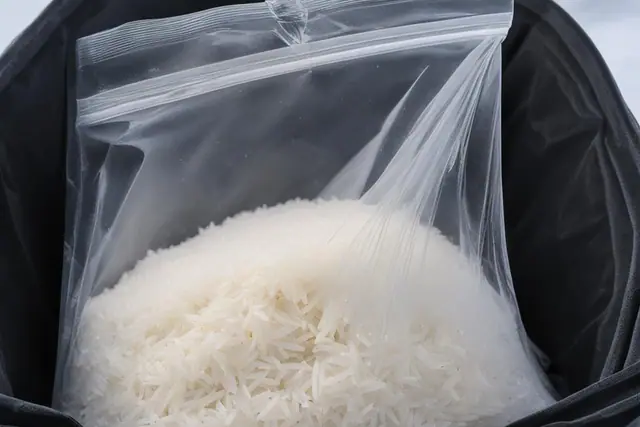
In this guide
- Understanding Different Types of Rice
- Storing Uncooked White Rice
- Freezing Uncooked White Rice
- Storing Uncooked Brown Rice
- Freezing Uncooked Brown Rice
- Storing Cooked Rice
- Buying Rice in Bulk
- Best Containers for Rice Storage
- Avoiding Contaminants and Pest Infestation
- Tips for Properly Storing Rice
- Using Frozen Rice
- Conclusion
- Source Links
- FAQ
Greetings! Today, I want to share some valuable tips with you on how to store rice effectively. Proper rice storage is crucial for maintaining its freshness and maximizing its shelf life. By following these simple guidelines, you can ensure that your rice stays fresh and ready to use whenever you need it.
https://www.youtube.com/watch?v=aoxiVvbPrwE
Keeping your rice fresh is not only about preserving its taste and texture but also about proper pantry organization. Let's dive into the world of rice storage and discover the best practices to ensure its long-lasting freshness.
Understanding Different Types of Rice
When it comes to rice, there are different types to choose from, each with its own unique characteristics and storage requirements. The two most common types are white rice and brown rice.
White rice is the most widely consumed type and is known for its fluffy texture and mild taste. It has a longer shelf life compared to brown rice, making it a popular choice for pantry storage. White rice can be stored in a cool, dark, and dry place, such as a pantry or kitchen cabinet. It does not require airtight containers but can benefit from being kept away from contaminants and pests.
Brown rice, on the other hand, is known for its nutty flavor and chewy texture. It contains the bran layer, which is rich in oils and nutrients but also reduces its shelf life. To maximize the freshness of brown rice, it is best consumed within six months. If you plan to store it for longer, it is recommended to store brown rice in an airtight container in the refrigerator or freezer to extend its shelf life.
Table: Comparison of White Rice and Brown Rice
| White Rice | Brown Rice | |
|---|---|---|
| Taste | Mild | Nutty |
| Texture | Fluffy | Chewy |
| Shelf Life | Longer shelf life | Best consumed within six months |
| Storage Recommendations | Cool, dark, dry place (no airtight containers required) | Airtight container in refrigerator or freezer |
Understanding the different types of rice and their storage characteristics can help you make the most of your pantry organization and ensure that your rice stays fresh for longer.
Storing Uncooked White Rice
When it comes to storing uncooked white rice, it's important to keep a few key factors in mind. White rice can be stored in a cool, dark, and dry place, such as your pantry or kitchen cabinet. Unlike other types of rice, uncooked white rice does not necessarily require airtight containers. However, using containers with tight-fitting lids is recommended to prevent contaminants from spoiling the rice.
Keeping rice in a cool and dark place helps to maintain its quality and extend its shelf life. Exposure to light, heat, and air can cause the rice to spoil more quickly. By storing it in a cool and dark environment, you can preserve its freshness and prevent the growth of bacteria or insects.
It's worth noting that uncooked white rice has a longer shelf life compared to brown rice. If stored properly, uncooked white rice can last for several years. However, it's always a good idea to check the expiration date on the rice packaging to ensure its freshness.
Summary:
- Store uncooked white rice in a cool, dark, and dry place, such as a pantry or kitchen cabinet
- While airtight containers are not necessary, using containers with tight-fitting lids is recommended to prevent contamination
- Keep rice away from light, heat, and air to maintain its quality and extend its shelf life
- Uncooked white rice has a longer shelf life compared to brown rice
- Check the expiration date on the rice packaging to ensure freshness
Freezing Uncooked White Rice
Freezing uncooked white rice is a great way to extend its shelf life and ensure that you always have a convenient option for quick meals. To freeze uncooked white rice, follow these simple steps:
- Transfer the uncooked white rice into a labeled freezer bag, making sure to remove as much air as possible. This will prevent freezer burn and help preserve the quality of the rice.
- Seal the freezer bag tightly and place it in the freezer. Make sure to lay the bag flat to create a thin layer of rice, which will allow for quick and even freezing.
- Frozen uncooked white rice can stay fresh indefinitely in the freezer. When you're ready to cook, simply take out the desired amount of rice and cook it directly from frozen. There's no need to thaw the rice beforehand.
Freezing uncooked white rice is a convenient way to have rice readily available whenever you need it. Whether you're meal prepping or looking for an easy side dish, frozen rice can save you time and effort in the kitchen. Just remember to label and date your freezer bag, so you can keep track of how long the rice has been frozen.
In summary, freezing uncooked white rice is a simple and effective method for long-term storage. It allows you to maximize the shelf life of your rice and have a versatile ingredient on hand for various dishes. So go ahead and stock up on rice, knowing that you can freeze it and enjoy its freshness whenever you desire.
Storing Uncooked Brown Rice
When it comes to storing uncooked brown rice, it's important to take a few extra precautions compared to white rice. Brown rice contains oils from the bran layer, which can cause it to spoil faster. To keep your uncooked brown rice fresh and extend its shelf life, consider using airtight containers and storing it in the refrigerator or freezer.
Using airtight containers is crucial for preventing any air or moisture from getting to the rice. This helps maintain the quality and freshness of the brown rice. Plastic or glass containers with tight-fitting lids, such as mason jars or food-grade plastic jars, are excellent choices for storing both uncooked and cooked rice. Make sure to label the containers with the storage date to keep track of its freshness.
If you plan to consume the uncooked brown rice within six months, storing it in the refrigerator should suffice. However, if you want to extend its shelf life even further, placing it in the freezer is the way to go. Freezing uncooked brown rice can help preserve its freshness for up to 12 to 18 months. To freeze the brown rice, transfer it into a labeled freezer bag and remove as much air as possible before sealing it tightly. When you're ready to use the rice, you can cook it directly from frozen.
| Storage Method | Shelf Life |
|---|---|
| Refrigerator | Up to 6 months |
| Freezer | Up to 12-18 months |
By taking these simple steps and utilizing proper storage techniques, you can ensure that your uncooked brown rice stays fresh, flavorful, and ready to use whenever you need it.
Freezing Uncooked Brown Rice
When it comes to extending the shelf life of uncooked brown rice, freezing is a viable option. Freezing uncooked brown rice not only helps to preserve its freshness but also allows you to have a readily available supply of rice for an extended period of time. Here are the steps to freeze uncooked brown rice:
- Start by transferring the uncooked brown rice into a labeled freezer-safe bag.
- Ensure that the bag is securely sealed to prevent any air from entering.
- Label the bag with the date of freezing to keep track of its freshness.
- Place the bag of uncooked brown rice in the freezer and store it for future use.
By following these simple steps, you can freeze uncooked brown rice and enjoy its freshness for up to 12 to 18 months. Freezing not only helps to extend the shelf life of brown rice but also provides convenience by allowing you to cook it directly from frozen, saving you time and effort in the kitchen.
Freezing uncooked brown rice is a great way to ensure that you always have a supply of this nutritious grain on hand. Whether you prefer to cook it as a standalone side dish or use it as an ingredient in various recipes, having frozen brown rice readily available can save you time and add versatility to your meals.
| Benefits of Freezing Uncooked Brown Rice | Extended Shelf Life | Convenience | Versatility |
|---|---|---|---|
| Allows you to store brown rice for up to 12 to 18 months | Eliminates the need for frequent grocery store visits | Ready to cook directly from frozen, saving preparation time | Can be used in various recipes, enhancing meal planning options |
Storing Cooked Rice
After enjoying a delicious meal, you may find yourself with leftover cooked rice. It's important to store it properly to maintain its quality and prevent any potential foodborne illnesses. Whether you plan to use it within a few days or save it for later, here are some tips for storing cooked rice.
Refrigerator Storage
If you're planning to consume the leftover rice within three to five days, storing it in the refrigerator is the best option. Transfer the rice into an airtight container or a sealable plastic bag, removing any excess air. Label the container with the date to ensure freshness tracking. When storing in the refrigerator, it's essential to maintain a temperature below 40°F (4°C) to inhibit the growth of harmful bacteria.
| Storage Method | Temperature Range | Storage Duration |
|---|---|---|
| Refrigerator | Below 40°F (4°C) | 3 to 5 days |
Freezer Storage
If you don't plan on consuming the cooked rice within the next few days, freezing it is an excellent option for long-term storage. Before freezing, let the rice cool down to room temperature. Divide it into individual servings or portions that you'll be using. Place the portions into an airtight container or a sealable freezer bag, removing any excess air. Be sure to label the container with the date.
Cooked rice can be stored in the freezer for up to six months without compromising its quality. When you're ready to use the frozen rice, simply thaw it in the refrigerator overnight or quickly heat it in the microwave. Avoid refreezing thawed rice to maintain its texture and flavor.
| Storage Method | Temperature Range | Storage Duration |
|---|---|---|
| Freezer | Below 0°F (-18°C) | Up to 6 months |
By following these storage methods, you can safely store cooked rice and ensure its freshness when you're ready to enjoy it again. Remember to always reheat cooked rice thoroughly before eating to eliminate any potential bacteria.
Buying Rice in Bulk
When it comes to buying rice in bulk, proper storage is key to maintaining its freshness and quality over an extended period of time. By following these storage tips, you can ensure that your bulk rice remains in optimal condition for long-term use.
Airtight Containers for Long-Term Storage
One of the most important factors in preserving the freshness of bulk rice is using airtight containers. These containers prevent oxygen from seeping in and protect the rice from moisture, pests, and contaminants. Opt for food-grade plastic jars or glass containers with tight-fitting lids, such as mason jars, to ensure maximum freshness.
In addition to using airtight containers, it's important to store the rice in a cool and dry place. Exposure to heat and humidity can promote the growth of bacteria and mold, compromising the quality of the rice. Find a cool storage area, away from direct sunlight and strong odors, to maintain the rice's flavor and texture.
Extended Shelf Life
Properly stored bulk rice can have an extended shelf life of up to 10 years. This makes it a cost-effective option for long-term food storage. By buying rice in bulk and implementing the right storage techniques, you can have a reliable supply of rice on hand for years to come.
Remember to label your containers with the date of purchase to keep track of the rice's freshness. Rotate your stock by using the older rice first and replenishing your supply to ensure that you always have fresh rice available.
| Storage Tips | Benefits |
|---|---|
| Use airtight containers | Prevents oxygen exposure |
| Store in a cool and dry place | Protects against heat and humidity |
| Label containers with purchase date | Ensures proper rotation |
Best Containers for Rice Storage
When it comes to storing rice, choosing the right containers is crucial to maintain its freshness and prolong its shelf life. Airtight containers are the ideal option as they prevent moisture, pests, and contaminants from affecting the rice. Here are some of the best containers for rice storage:
Plastic Jars
Plastic jars with tight-fitting lids are a popular choice for storing rice. They are lightweight, durable, and easy to stack, making them great for organizing your pantry. Look for food-grade plastic jars that are BPA-free to ensure the safety of your rice.
Glass Containers
Glass containers are another excellent option for rice storage. They are non-toxic and do not absorb any odors or flavors, keeping your rice fresh and free from any unwanted tastes. Glass containers are also eco-friendly and can be easily cleaned in the dishwasher.
Airtight Bags
If you prefer a more flexible and space-saving storage solution, airtight bags are a good choice. These bags are made from durable materials that can withstand the weight of rice and prevent air and moisture from seeping in. Look for bags with a zip-lock or slider closure for easy access.
Remember to label your containers with the type and date of rice stored to keep track of its freshness. Additionally, store your rice containers in a cool, dry place away from direct sunlight to optimize its shelf life. By using the right containers, you can ensure that your rice stays fresh and delicious for a long time.
| Container Type | Advantages | Disadvantages |
|---|---|---|
| Plastic Jars | Durable and stackable | Potential for leaching chemicals |
| Glass Containers | Non-toxic and odor-free | Heavy and breakable |
| Airtight Bags | Flexible and space-saving | Less durable than containers |
Avoiding Contaminants and Pest Infestation
When it comes to storing rice, it's crucial to take steps to avoid contaminants and pest infestation. Proper storage practices can prevent spoilage and ensure that your rice stays fresh for longer. Here are some essential tips to help you maintain the quality of your rice:
Moisture Control
Moisture is the enemy when it comes to rice storage. Excessive moisture can lead to the growth of bacteria and mold, compromising the taste and safety of your rice. To prevent moisture-related issues, store your rice in a cool, dry place with low humidity. Avoid storing it near the sink or any other area prone to moisture buildup. Additionally, make sure the storage container is completely dry before adding rice to it.
Pantry Organization
Keeping your pantry organized is essential for maintaining the freshness of your rice. Make sure your rice containers have tight-fitting lids to prevent any contaminants from entering. If you use bulk containers, choose airtight ones that seal securely. Regularly check for any signs of pests, such as insects or rodents, and remove any affected rice immediately. By practicing proper pantry organization, you can ensure that your rice stays fresh and free from unwanted contaminants.
Proper Sealing
To further protect your rice from contaminants and pests, it's important to seal the storage containers properly. This helps to maintain the quality of the rice by preventing exposure to air, moisture, and pests. Ensure that the lids are tightly closed and that there are no gaps or openings where contaminants or pests can enter. By taking the time to seal your rice containers correctly, you can extend the shelf life of your rice and enjoy it for longer.
| Contaminant | Prevention |
|---|---|
| Insects | Store rice in airtight containers and check for signs of infestation regularly. |
| Mold | Keep rice in a cool, dry place with low humidity and discard any rice that appears moldy. |
| Bacteria | Ensure proper sealing and avoid cross-contamination by storing rice away from strong-smelling foods. |
By following these rice storage tips, including moisture control, pantry organization, and proper sealing, you can keep your rice fresh and flavorful for longer periods. Avoiding contaminants and pest infestation is crucial for maintaining the quality and safety of your rice, ensuring that it's ready to be used whenever you need it.
Tips for Properly Storing Rice
When it comes to storing rice, there are some important tips to keep in mind to ensure its freshness and maintain food safety. Here are some helpful rice storage tips:
Avoid Strong-smelling Foods or Chemicals
It's essential to store rice away from strong-smelling foods or chemicals that can affect its flavor. Rice can easily absorb odors, so it's best to keep it in a separate cabinet or pantry away from onions, spices, or cleaning products.
Proper Sealing and Storage Containers
Using airtight containers is crucial for keeping rice fresh. Plastic or glass containers with tight-fitting lids, such as mason jars or food-grade plastic jars, are ideal for storing both uncooked and cooked rice. Make sure to properly seal the containers to prevent moisture and contaminants from entering.
Avoid Direct Sunlight
Exposure to direct sunlight can cause rice to deteriorate quickly, affecting its quality and taste. Keep rice containers in a cool, dark place to protect it from sunlight and maintain its freshness for longer.
Ensure Proper Rice Rotation
When storing rice, it's important to practice proper rotation to ensure that older rice is used before newer purchases. This helps to maintain the highest quality and flavor in your rice dishes. Labeling your rice containers with the purchase date can be a helpful reminder for rotation.
By following these rice storage tips, you can maximize the freshness of your rice and ensure that it remains safe for consumption. Whether you're storing uncooked or cooked rice, proper storage techniques can extend its shelf life and preserve its flavor and texture, allowing you to enjoy delicious meals every time.
Using Frozen Rice
When it comes to convenience in the kitchen, frozen rice is a game-changer. Whether you're in a hurry or simply want a quick meal, having frozen rice on hand can save you time and effort. With its easy access and no-thawing-required feature, frozen rice is a versatile ingredient that can be used for a variety of dishes.
Table: Benefits of Using Frozen Rice
| Convenience | Quick Access | Thawing |
|---|---|---|
| Ready-to-use without any preparation | Available whenever you need it | No thawing required |
| Saves time in meal preparation | Convenient and hassle-free | Instant use for recipes |
| Great for last-minute meals | Eliminates the need for advance planning | Speeds up cooking process |
Using frozen rice is as simple as it gets. Just remove the desired amount of rice from the freezer, and you're ready to go. Since frozen rice is already cooked, there's no need to thaw it before using it in your recipes. This makes it perfect for stir-fries, fried rice, casseroles, or as a quick side dish.
Having frozen rice on hand has been a game-changer for me. It's so convenient to be able to grab a bag of rice from the freezer and have it ready to use in no time. Whether I'm making a quick weeknight dinner or need to add some substance to a dish, frozen rice has become a staple in my kitchen.
It's important to note that reheating frozen rice should be done properly to ensure food safety. Avoid reheating it multiple times, as this can promote bacterial growth. Instead, use the desired amount of frozen rice and heat it directly on the stovetop or in the microwave until it reaches the desired temperature. This way, you can enjoy the convenience of frozen rice while still prioritizing food safety.
Conclusion
Frozen rice offers convenience, quick access, and the ability to skip the thawing process. With its versatility and time-saving qualities, it's no wonder why many people are opting to use frozen rice in their daily cooking. So, next time you're looking for an easy and convenient meal option, consider reaching for that bag of frozen rice in your freezer.
Conclusion
In conclusion, properly storing rice is crucial to maximize its freshness and extend its shelf life. By following these simple tips and tricks, you can ensure that your rice remains flavorful and ready to use whenever you need it.
First and foremost, choose the right storage containers. Airtight containers, such as plastic or glass jars with tight-fitting lids, are ideal for both uncooked and cooked rice. These containers help keep out moisture, which can lead to the growth of bacteria and mold.
Next, store your rice in a cool, dry place away from direct sunlight. Avoid storing it near strong-smelling foods or chemicals that can affect its flavor. Properly sealing the containers will help maintain the rice's freshness for a longer period of time.
By implementing these storage tips and tricks, you can maximize the shelf life of your rice and always have a convenient and versatile ingredient at hand for your favorite recipes. So go ahead and stock up on rice with confidence, knowing that it will stay fresh and delicious for a long time to come!
Source Links
- https://www.realsimple.com/how-to-store-rice-7095165
- https://www.allrecipes.com/article/how-to-store-rice/
- https://extension.usu.edu/preserve-the-harvest/research/storing-white-rice
Frequently asked questions
- How should I store uncooked white rice?
Uncooked white rice should be stored in a cool, dark, dry place such as a pantry. It is not necessary to use airtight containers, but it is recommended to prevent any contaminants from spoiling the rice.
- Can I freeze uncooked white rice?
Yes, you can freeze uncooked white rice. Pour it into a labeled freezer bag, removing as much air as possible. Frozen white rice will stay fresh indefinitely and can be cooked directly from frozen whenever needed.
- How should I store uncooked brown rice?
Uncooked brown rice should be stored in an airtight container in the refrigerator or freezer to extend its freshness. It contains oils from the bran layer, which reduces its shelf life compared to white rice.
- Can I freeze uncooked brown rice?
Yes, uncooked brown rice can also be frozen. Follow the same steps for freezing uncooked white rice and consume within 12 to 18 months for optimal freshness.
- How long can I store cooked rice?
Cooked rice can be stored in the refrigerator for up to three to five days or in the freezer for up to six months. To reheat cooked rice, add water or broth and cook on the stovetop or in the microwave.
- How should I store rice if I buy it in bulk?
If you buy rice in bulk, use airtight containers to prevent oxygen from seeping in and store in a cool, dry place. Rice stored this way can remain fresh for up to 10 years.
- What are the best containers for storing rice?
Plastic or glass containers with tight-fitting lids, such as mason jars or food-grade plastic jars, are ideal for storing both uncooked and cooked rice. Make sure the containers are airtight to maintain freshness.
- How can I avoid contaminants and pest infestation when storing rice?
Store rice in a cool, dry place with low humidity to avoid moisture, which can lead to the growth of bacteria and mold. Keep rice containers sealed tightly and away from strong-smelling foods or chemicals that can affect its flavor.
- Can I use frozen rice for quick meals?
Yes, frozen rice can be a convenient option for quick meals. Simply remove the desired amount from the freezer and heat it directly, without the need for thawing. Avoid reheating frozen rice multiple times to prevent bacterial growth.
- How do I maximize the freshness of stored rice?
To maximize the freshness of rice, use airtight containers, store it in a cool, dry place, and avoid moisture and contaminants. Properly sealing the containers and following recommended storage methods will help maintain the freshness, flavor, and texture of rice.
AprilCook, recipe developer and the heart of Chefwiz. More about April