Guide
Expert Guide on How to Store Salmon to Keep it Fresh
Master the art of how to store salmon and keep it fresher for longer. Discover my tried-and-true methods in this comprehensive guide.
 By April19 min read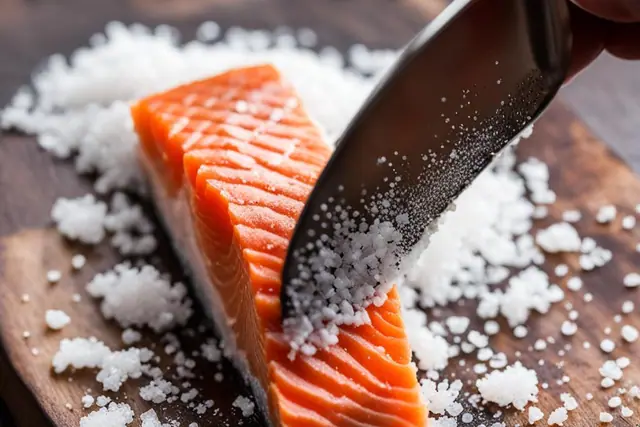
In this guide
- The Importance of Proper Salmon Storage
- Refrigerating Salmon
- Freezing Salmon
- Enhancing Flavor and Texture with Salting
- Proper Packaging for Frozen Salmon
- Thawing Frozen Salmon
- Shelf Life of Fresh Salmon
- Factors Affecting Salmon Storage
- Freezer Storage Time for Salmon
- Defrosting Frozen Salmon
- Cooking Fresh and Thawed Salmon
- Conclusion
- Source Links
- FAQ
Storing salmon properly is essential to maintain its freshness and flavor. In this comprehensive guide, I will share expert tips on how to store salmon in your kitchen to ensure its longevity and quality. Whether you caught your own fish or purchased it from a fish market, these storage techniques will help you keep your salmon fresh for longer.
Salmon is a versatile and delicious seafood that can be enjoyed in a variety of ways. From fillets to steaks, it's important to know how to properly store salmon to make the most out of this culinary delight. By following these tips, you'll be able to store salmon in your kitchen like a pro.
https://www.youtube.com/watch?v=y_zxmoD6OXk
The Importance of Proper Salmon Storage
Proper storage of salmon is crucial in the culinary world to maintain its quality and ensure its safety for consumption. Fish, especially salmon, has a limited shelf life, and improper storage can lead to spoilage and the risk of foodborne illnesses. This is why mastering the art of proper salmon storage is essential for any home cook.
When it comes to salmon storage, there are two primary methods: refrigeration and freezing. Both techniques have their benefits and considerations, but they ultimately serve the purpose of extending the shelf life and preserving the flavor, texture, and nutritional value of the salmon.
Refrigeration
Refrigerating salmon is a common method to keep it fresh for a short period. To refrigerate salmon, it is crucial to keep it at a consistent temperature between 32°F and 38°F (0°C and 3°C). This temperature range helps slow down the growth of bacteria and maintain the freshness of the fish. To ensure optimal refrigeration, it is important to properly clean and dry the salmon before storing it. You can store it in an airtight container or wrap it tightly in plastic wrap to prevent odor transfer and exposure to moisture. Placing the salmon on the bottom shelf of the refrigerator, where it is coldest, can further extend its freshness.
Freezing
Freezing salmon is an excellent method to store it for longer periods. When freezing salmon, it is essential to wrap it tightly in plastic wrap or place it in an airtight container or freezer bag. This helps prevent freezer burn and maintain the flavor, texture, and moisture of the salmon. It is also recommended to remove as much air as possible from the packaging to minimize the risk of freezer burn. Alternatively, vacuum sealing the salmon provides optimal preservation. Properly frozen salmon can be stored for up to three months without a significant loss of quality.
Conclusion
Understanding the importance of proper salmon storage is essential for any culinary enthusiast. By refrigerating or freezing salmon correctly, you can extend its shelf life, preserve its flavor, texture, and nutritional value, and ultimately create delicious seafood dishes with confidence.
Refrigerating Salmon
When it comes to keeping your salmon fresh and flavorful, refrigeration is key. Maintaining the right temperature is crucial to slow down bacterial growth and preserve the freshness of the fish. To ensure optimal refrigeration, follow these simple storage tips:
- Start by properly cleaning and drying the salmon. This helps prevent the growth of bacteria and mold.
- Place the salmon in an airtight container or wrap it tightly in plastic wrap. This helps to seal in the flavor and prevent odor transfer from other foods in the refrigerator.
- For maximum freshness, store the salmon on the bottom shelf of the refrigerator. This is the coldest part of the fridge and will help keep your salmon cool.
By refrigerating your salmon properly, you can ensure it stays fresh and maintains its flavor for longer. Remember to check the storage temperature of your refrigerator to ensure it falls within the recommended range of 32°F to 38°F (0°C to 3°C) for optimal freshness and food safety.
Why Refrigeration Matters
"Refrigeration is crucial in maintaining the freshness and quality of salmon. Properly stored salmon can last longer and retain its flavor and texture, ensuring a delicious culinary experience."
Refrigeration is a simple yet effective method to extend the shelf life of salmon. By following these storage tips, you can enjoy the freshness and flavor of your salmon for an extended period. Proper refrigeration not only keeps your salmon safe to eat but also helps you avoid unnecessary food waste. So, next time you buy or catch some fresh salmon, remember to refrigerate it properly for a delightful dining experience.
Freezing Salmon
Freezing salmon is a convenient method to store it for longer periods. To freeze salmon, wrap it tightly in plastic wrap to prevent freezer burn and place it in an airtight container or freezer bag. It is recommended to remove as much air as possible from the packaging to minimize the risk of freezer burn. Alternatively, you can vacuum seal the salmon for optimal preservation. Properly frozen salmon can be stored for up to three months without a significant loss of quality.
Benefits of Vacuum Sealing
Vacuum sealing is a highly effective technique for freezing salmon. By removing the air from the packaging, you can prevent freezer burn and maintain the freshness of the fish. Vacuum-sealed salmon stays protected from moisture and oxygen, ensuring its texture, flavor, and nutritional value are preserved. This method also allows for efficient storage and helps save space in your freezer.
When vacuum sealing salmon, make sure to use appropriate vacuum-sealing bags or rolls that are designed for freezer use. These bags are durable and provide a tight seal to keep the salmon airtight. Label the packages with the date of freezing for easy identification and rotation of stored salmon.
| Freezing Method | Benefits |
|---|---|
| Plastic Wrap and Airtight Containers | - Prevents freezer burn
- Easy to wrap and store - Suitable for small portions of salmon |
| Vacuum Sealing | - Best for long-term storage
- Ensures maximum freshness and quality - Saves space in the freezer |
"Vacuum sealing is a highly effective technique for freezing salmon. By removing the air from the packaging, you can prevent freezer burn and maintain the freshness of the fish."
When it's time to thaw the frozen salmon, it's best to do so gradually in the refrigerator overnight. This allows for even thawing and helps preserve the quality of the fish. If you need to thaw salmon quickly, you can use cold water or the defrost setting on a microwave. However, it is important to cook the salmon immediately after defrosting to ensure food safety and maintain its freshness.
Enhancing Flavor and Texture with Salting
In the culinary arts, salt is a versatile seasoning that can elevate the flavor and texture of various dishes. When it comes to salmon, dry brining is a popular technique that enhances its natural qualities and creates a delicious culinary experience. Dry brining involves rubbing a mixture of salt, sugar, and spices onto the salmon and allowing it to sit in the refrigerator for a few hours before cooking.
The salt in the dry brine draws out excess moisture from the salmon, which helps concentrate its flavor and creates a vibrant crust on the surface. This process not only enhances the taste but also improves the texture of the fish, resulting in a moist and succulent final product. After the recommended brining time, rinse off the excess salt, pat the salmon dry, and cook it as desired to enjoy the full benefits of this salting method.
Dry brining is a simple and effective way to enhance the flavor and texture of fresh salmon. By infusing it with the right amount of salt, sugar, and spices, you can create a culinary masterpiece that will impress your taste buds and delight your guests.
Benefits of Dry Brining with Salt
- Intensifies the natural flavor of the salmon
- Improves the texture, making it moist and tender
- Creates a flavorful crust on the surface
- Helps preserve the moisture during cooking
Whether you're grilling, baking, or pan-searing the salmon, dry brining with salt is a technique that can elevate your culinary creations. It's a simple and effective way to enhance the flavor and texture of fresh salmon, making it a winning dish for any occasion.
Proper Packaging for Frozen Salmon
To maintain the quality and freshness of frozen salmon, proper packaging is essential. Choosing the right packaging materials and techniques can help prevent freezer burn and preserve the taste, texture, and moisture of the fish. Here are some freshness hacks for packaging frozen salmon:
1. Airtight Containers: Using airtight containers is an effective way to protect frozen salmon from air exposure. Ensure that the container is specifically designed for freezer use and has a tight-fitting lid to prevent any air from entering. This will help prevent freezer burn and maintain the quality of the salmon.
2. Plastic Wrap: Wrapping frozen salmon tightly in plastic wrap is another popular method to prevent air exposure and freezer burn. Make sure to wrap the salmon securely, removing any excess air before sealing. It's recommended to wrap individual portions separately for convenient use.
3. Vacuum-Sealed Bags: Vacuum-sealed bags are an excellent option for optimal preservation of frozen salmon. By removing all the air from the packaging, vacuum-sealed bags significantly reduce the risk of freezer burn. They provide an airtight environment for the salmon, keeping it fresh and flavorful for an extended period.
Tips for Proper Packaging:
- Label the packaging with the date of freezing for easy identification and rotation of stored salmon.
- Avoid using containers or bags that are too large for the amount of salmon being stored to minimize air exposure.
- Ensure that the packaging material is freezer-safe and can withstand low temperatures without compromising its integrity.
- Seal the packaging tightly to prevent any moisture from entering and to maintain the optimal texture of the salmon.
By following these packaging techniques, you can maximize the shelf life of frozen salmon and enjoy its freshness and flavor whenever you decide to cook it.
Thawing Frozen Salmon
Thawing frozen salmon safely is essential to maintain its quality and ensure food safety. There are several methods you can use to thaw frozen salmon, depending on your time constraints and preference. The recommended method is to thaw salmon in the refrigerator overnight. This gradual thawing process allows for even temperature control and minimizes the risk of bacterial growth.
If you need to thaw salmon quickly, you can also use the cold water method. Place the frozen salmon in a sealed plastic bag and submerge it in cold water. Change the water every 30 minutes to ensure it remains cold. It's important to note that this method should only be used if you intend to cook the salmon immediately after thawing.
Another option for quick thawing is to use the defrost setting on a microwave. However, be cautious when using this method, as uneven thawing can occur, and there is a higher risk of partially cooking the salmon. It is crucial to cook the salmon immediately after using the microwave defrost setting to prevent bacterial growth and maintain its freshness.
| Thawing Method | Time Required | Notes |
|---|---|---|
| Refrigerator | Overnight | Recommended for even thawing and food safety |
| Cold Water | 1-2 hours, depending on size | Change water every 30 minutes; cook immediately after thawing |
| Microwave Defrost | Varies based on microwave power | Cook immediately after thawing; use caution to avoid partial cooking |
Regardless of the thawing method you choose, it is important to remember that once salmon is thawed, it should be cooked immediately to maintain its quality and prevent bacterial growth. Thawed salmon should never be refrozen without cooking first.
Shelf Life of Fresh Salmon
When it comes to the shelf life of fresh salmon, several factors come into play, including its quality, storage temperature, and handling. Generally, fresh salmon can be stored in the refrigerator for up to two days before it starts to lose its quality. However, it's important to note that this timeline may vary depending on the specific type of salmon and how it was handled before reaching your refrigerator.
To ensure the freshness of your salmon, it's essential to check the expiration date and quality of the fish before storage. If you purchased the salmon from a fish market, inquire about its freshness and ask for the expiration date. This information will help you determine how long you can safely store the fish in your refrigerator and plan your meals accordingly.
Proper storage techniques, such as refrigeration at the right temperature and ensuring the salmon is properly cleaned and dry, can help extend its shelf life. Additionally, storing the salmon on the bottom shelf of the refrigerator, where it's coldest, can further help maintain its freshness. By paying attention to these details and assessing the quality of the fish, you can enjoy fresh and delicious salmon in your meals.
Table: Factors Affecting Shelf Life of Fresh Salmon
| Factors | Impact on Shelf Life |
|---|---|
| Quality of Salmon at Purchase | Fresh, high-quality salmon generally has a longer shelf life than salmon closer to expiration. |
| Storage Temperature | Refrigeration at the recommended temperature helps slow down bacterial growth and extends shelf life. |
| Handling Practices | Proper cleaning, drying, and packaging techniques contribute to maintaining the freshness of salmon. |
| Expiration Date | Checking the expiration date before storage ensures the salmon is consumed before it deteriorates. |
By being mindful of these factors and adopting proper storage practices, you can maximize the shelf life of fresh salmon and enjoy its delicious flavors in your culinary creations.
Factors Affecting Salmon Storage
When it comes to storing salmon, several factors can have an impact on its overall quality and freshness. By understanding these factors and taking the necessary precautions, you can maximize the shelf life of your salmon and ensure that it remains delicious and safe to eat.
Freshness and Quality
The freshness and quality of the salmon at the time of purchase play a crucial role in its storage time. Opt for high-quality salmon from a reputable fish market or supplier. Look for vibrant color, firm texture, and a mild, fresh scent. Fresher salmon generally has a longer shelf life and will last longer in your refrigerator.
Temperature Control
Temperature is a key factor in salmon storage. To maintain its freshness, store salmon in the coldest part of your refrigerator, usually the bottom shelf. Keep the temperature between 32°F and 38°F (0°C and 3°C) to slow down the growth of bacteria. Avoid temperature fluctuations by keeping the refrigerator door closed as much as possible.
Packaging
The packaging you use for storing salmon is critical in preserving its quality. Wrap the salmon tightly in plastic wrap, or place it in an airtight container to prevent moisture loss and odor transfer. Proper packaging helps maintain the flavor, texture, and moisture content of the salmon, ensuring it stays fresh for longer.
| Factors Affecting Salmon Storage | Storage Recommendations |
|---|---|
| Freshness and Quality | Choose high-quality salmon from reputable sources. |
| Temperature Control | Maintain a consistent temperature between 32°F and 38°F (0°C and 3°C) in your refrigerator. |
| Packaging | Wrap salmon tightly in plastic wrap or store it in an airtight container to prevent moisture loss and odor transfer. |
Freezer Storage Time for Salmon
When it comes to storing salmon in the freezer, it's essential to understand the recommended storage time to maintain its quality. Freezing salmon is a convenient method to prolong its shelf life, but it's important to note that the quality may deteriorate over time. The ideal freezer storage time for salmon is up to three months, ensuring minimal loss of flavor and texture.
During the freezing process, it's crucial to protect the salmon from freezer burn, which can affect its taste and overall quality. To prevent freezer burn, wrap the salmon tightly in plastic wrap or place it in an airtight container or freezer bag. Removing as much air as possible from the packaging can further minimize the risk of freezer burn. Alternatively, vacuum sealing the salmon is an excellent option for optimal preservation.
It's important to consume frozen salmon within the recommended storage time to enjoy its optimal taste and texture. Beyond three months, the salmon may experience changes in flavor and texture, and the risk of freezer burn increases. So, be sure to label your frozen salmon with the date of freezing for easy identification and rotation of stored portions. By following these freezer storage guidelines, you can enjoy delicious, high-quality salmon for an extended period.
| Storage Time | Quality | Recommendation |
|---|---|---|
| Up to 3 months | Minimal loss of flavor and texture | Consume within recommended time for optimal taste |
| Over 3 months | Changes in flavor and texture | Risk of freezer burn increases |
Remember, proper freezer storage is key to maintaining the quality of your salmon. By following the recommended freezer storage time and ensuring airtight packaging, you can enjoy the delicious taste of salmon even after it has been frozen for a few months.
Defrosting Frozen Salmon
When it comes to defrosting frozen salmon, there are a few methods you can use depending on your time constraints. The best method is to thaw the salmon gradually in the refrigerator overnight. This allows for even thawing and helps preserve the quality and texture of the fish. However, if you need to defrost the salmon quickly, you can use cold water or the defrost setting on a microwave.
To thaw salmon using cold water, place the wrapped salmon in a leak-proof plastic bag and submerge it in cold water. Make sure the salmon is fully sealed to prevent water from seeping in. Change the water every 30 minutes to maintain a safe temperature. It's important to note that this method should only be used if you plan on cooking the salmon immediately after thawing.
If you choose to use the defrost setting on a microwave, follow the manufacturer's instructions for defrosting frozen fish. Be cautious and pay attention to the time and power level settings to avoid partially cooking the salmon. Once the salmon is thawed, be sure to cook it immediately to ensure food safety and maintain its freshness.
Table: Defrosting Methods
| Method | Time | Pros | Cons |
|---|---|---|---|
| Refrigerator Thawing | Overnight | Preserves quality and texture | Requires advanced planning |
| Cold Water Thawing | 30 minutes per pound | Quick method | Requires close monitoring and regular water changes |
| Microwave Thawing | Varies depending on the microwave | Fastest method | Can partially cook the salmon if not monitored closely |
Regardless of the method you choose, it's crucial to cook the salmon immediately after defrosting to ensure food safety. Thawed salmon should never be refrozen, as this can lead to bacterial growth and compromise the quality of the fish. By following these defrosting methods, you can safely and effectively prepare your frozen salmon for cooking.
Cooking Fresh and Thawed Salmon
When it comes to cooking fresh or thawed salmon, there are countless delicious possibilities. The right cooking method can enhance the natural flavors and textures of this versatile seafood. Whether you prefer a simple preparation or want to experiment with bold flavors, here are some culinary tips and recipes to inspire your next salmon dish.
Roasting
Roasting salmon in the oven is a popular method that results in tender, juicy fillets. Preheat your oven to 425°F (220°C) and line a baking sheet with parchment paper. Place the salmon on the sheet, skin-side down, and season it with your favorite herbs, spices, or marinade. Roast for about 12-15 minutes, or until the salmon is cooked through and flakes easily with a fork.
Grilling
Grilling salmon adds a smoky flavor and a delicious charred texture. Preheat your grill to medium-high heat and lightly oil the grates to prevent sticking. Place the salmon directly on the grill, skin-side down, and cook for about 4-6 minutes per side, depending on the thickness of the fillets. Baste the salmon with a marinade or glaze for extra flavor during the cooking process.
- Favorite marinade: Combine soy sauce, honey, minced garlic, ginger, and a splash of lemon juice.
- Flavorful glaze: Mix together maple syrup, Dijon mustard, minced garlic, and a pinch of cayenne pepper.
Searing
Searing salmon creates a crispy exterior while locking in the moisture. Heat a tablespoon of oil in a skillet over medium-high heat until it begins to shimmer. Place the seasoned salmon, skin-side up, in the hot pan and sear for about 2-3 minutes, or until a golden crust forms. Flip the salmon carefully and cook for an additional 2-3 minutes, or until it reaches the desired doneness.
Try this tip: For an extra burst of flavor, add a pat of butter to the pan during the final minutes of searing. The butter will melt and create a rich, indulgent finish.
These cooking methods are just a starting point for your salmon culinary adventures. Feel free to experiment with different seasonings, sauces, and cooking times to create your own signature recipes. Whether you're serving fresh or thawed salmon, these techniques will help you achieve delicious results every time.
Recipes to Enjoy the Goodness of Salmon
Now that we've explored the nutritional benefits of salmon, why not try some delicious recipes that showcase its flavors and versatility? Here are a few ideas to get you started:
- Grilled or baked salmon fillets with a lemon and dill marinade
- Pan-seared salmon with roasted vegetables
- Sesame-crusted salmon served over a bed of mixed greens
- Salmon tacos with avocado crema and fresh salsa
- Salmon and quinoa salad with a citrus vinaigrette
These recipes are just a glimpse into the countless ways you can enjoy the goodness of salmon. Get creative in the kitchen and experiment with different seasonings, marinades, and cooking methods to find your favorite preparations.
| Health Benefits of Consuming Salmon | Nutritional Value per 100g |
|---|---|
| High in omega-3 fatty acids | 2.3g |
| Supports heart health | 22g protein |
| Reduces inflammation | 206 calories |
| Improves brain function | 13g fat |
| Good source of vitamin D | 2.8g saturated fat |
| Excellent source of protein | 30mg cholesterol |
As you can see, salmon is not only delicious but also offers a wide range of health benefits. By including this nutritious fish in your diet and exploring different recipes, you can enjoy its unique flavors while nourishing your body with essential nutrients.
References:
- "Health Benefits of Omega-3 Fatty Acids." National Institutes of Health. Retrieved from https://ods.od.nih.gov/factsheets/Omega3FattyAcids-HealthProfessional/
- "Salmon, Atlantic, Farmed, Cooked, Dry Heat." Agricultural Research Service FoodData Central. Retrieved from https://fdc.nal.usda.gov/fdc-app.html#/food-details/172460/nutrients
Conclusion
In conclusion, mastering the art of storing salmon is a valuable skill that any home cook can benefit from. By following proper storage techniques, you can prolong the freshness and quality of your salmon, ensuring it is always ready for your culinary creations. Whether you prefer fillets or steaks, salmon is a versatile ingredient that can be utilized in various delicious recipes to impress your family and friends.
Incorporating kitchen hacks and culinary arts, you can experiment with different cooking methods and flavors to make the most of your salmon. From roasting to grilling, searing to baking, there are countless ways to prepare salmon and bring out its unique taste. By understanding the shelf life and proper handling practices, you can confidently store and cook salmon to perfection.
Remember, proper refrigeration and freezing techniques are essential in preserving the flavor and texture of salmon. By keeping it at the right temperature and using airtight packaging, you can extend its shelf life and prevent freezer burn. Additionally, don't forget to practice safe handling to avoid cross-contamination and ensure food safety.
So, whether you're a seafood enthusiast or new to cooking with salmon, these tips and tricks will guide you in storing your salmon properly and enhancing your culinary experience. Get creative in the kitchen and explore the endless possibilities that this nutritious and delicious fish has to offer!
Source Links
- https://www.seriouseats.com/best-way-to-store-fish-refrigerator-ice-packs
- https://hydeoutbbq.com/blog/how-long-does-salmon-last-in-the-fridge/
- https://www.wikihow.com/Freeze-Raw-Salmon
Frequently asked questions
- How long can fresh salmon be stored in the refrigerator?
Fresh salmon can be stored in the refrigerator for up to two days before it starts to lose its quality.
- How long can frozen salmon be stored?
Frozen salmon can be safely stored for up to three months without significant loss of quality.
- How should I thaw frozen salmon?
The recommended method is to thaw salmon in the refrigerator overnight. Alternatively, you can use cold water or the defrost setting on a microwave for quicker thawing.
- What temperature should salmon be cooked to?
Salmon should be cooked until the thickest part reaches an internal temperature of 145°F (63°C).
- How can I enhance the flavor of fresh salmon?
Try dry brining, which involves rubbing a mixture of salt, sugar, and spices onto the salmon and allowing it to sit in the refrigerator for a few hours before cooking.
- How should I package frozen salmon?
Wrap the salmon tightly in plastic wrap, place it in an airtight container or freezer bag, and remove as much air as possible to prevent freezer burn.
- How should I handle raw salmon to prevent bacterial contamination?
Always wash your hands before and after handling raw salmon, keep it separate from other foods, and follow safe storage, thawing, and cooking practices.
- What are the health benefits of consuming salmon?
Salmon is a rich source of omega-3 fatty acids, which promote heart health, brain function, and offer numerous other health benefits such as reduced inflammation and improved cognitive function.
AprilCook, recipe developer and the heart of Chefwiz. More about April