Guide
How to Store Cucumbers to Keep Them Crisp
Discover the secrets of how to store cucumbers effectively to retain their crunch! Join me as we explore simple, practical storage solutions.
 By April20 min read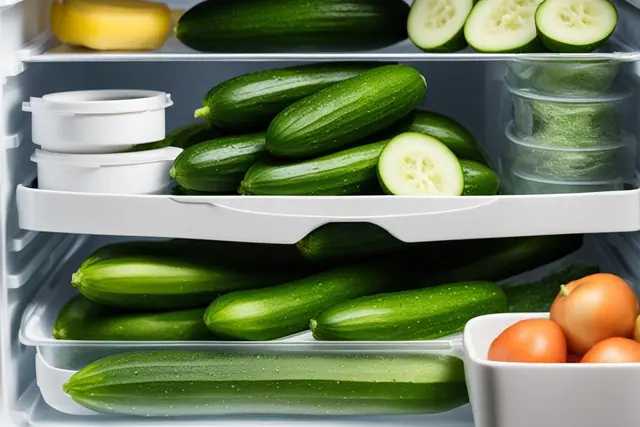
In this guide
- Choosing Fresh Cucumbers: Dos and Don'ts
- Washing Cucumbers for Freshness
- Storing Cucumbers in the Refrigerator
- Wrapping Cucumbers for Longevity
- Best Methods for Refrigerator Storage
- Other Storage Methods and Their Results
- Selecting and Buying Fresh Cucumbers
- Wrapping Cucumbers for Freshness
- Handling Home-Grown Cucumbers
- Recommended Storage Times for Cucumbers
- Conclusion
- Bibliography
- Bibliography
- Source Links
When it comes to the kitchen, cucumbers are versatile culinary gems. Whether you enjoy them in salads, snacks, or as a hydrating raw treat, it's essential to know how to store cucumbers properly to maintain their crispness and freshness. In this article, I will share some valuable storage tips and tricks to help you prevent your cucumbers from becoming mushy or slimy. Let's dive in!
Choosing Fresh Cucumbers: Dos and Don'ts
When it comes to selecting the best cucumbers, there are a few dos and don'ts to keep in mind. By paying attention to certain characteristics, you can ensure that you're bringing home the freshest cucumbers that will stay crisp and delicious for longer.
First and foremost, look for cucumbers that have a vibrant green color. This indicates that they are fresh and haven't started to ripen or deteriorate. Firmness is also key - gently squeeze the cucumber to make sure it's not too soft. Avoid cucumbers that have any soft spots, bruises, or wrinkles, as these are signs of decay. Similarly, steer clear of cucumbers with blemishes, white mold, or yellow spots, as these may indicate rotting.
A fresh cucumber should be odorless, so give it a sniff. If there's any unpleasant or strong smell, it's best to choose a different one. Additionally, pay attention to the weight of the cucumber - it should feel relatively heavy for its size. A puffy or lightweight cucumber may be an indication that it's already losing moisture and freshness.
Choosing Fresh Cucumbers: Dos and Don'ts
| DOs | DON'Ts |
|---|---|
| Look for a vibrant green color | Avoid cucumbers with soft spots |
| Check for firmness | Avoid cucumbers with bruises or wrinkles |
| Smell for any unpleasant odors | Avoid cucumbers with blemishes, white mold, or yellow spots |
| Choose cucumbers that feel heavy | Avoid puffy or lightweight cucumbers |
By following these dos and don'ts, you can ensure that you bring home the freshest cucumbers that will add a crisp and refreshing element to your meals.
Washing Cucumbers for Freshness
Properly washing cucumbers is essential for maintaining their freshness. Whether you purchased them from the store or harvested them from your garden, a thorough cleaning is necessary to remove any dirt or bacteria that may be present on the skin. Follow these steps to ensure your cucumbers stay crisp and delicious:
Step 1Rinse with Tap Water
Start by holding the cucumber under plain, cool running tap water. Allow the water to flow over the cucumber, gently rubbing it with your fingers to remove any dirt or debris. Avoid using soap or produce wash as they can leave a residue and affect the taste of the cucumber.
Step 2Use a Vegetable Brush (If Necessary)
If the cucumber has a firm skin or you prefer to remove any wax or coating, use a clean vegetable brush to scrub the cucumber. Focus on areas that may have more dirt, such as the stem or ends. Be gentle while scrubbing to avoid damaging the skin.
Step 3Dry Thoroughly
After washing, pat the cucumber dry with paper towels or a clean kitchen towel. Excess moisture can cause the cucumber to become slimy and spoil quickly, so make sure to remove any excess water before storing.
https://www.youtube.com/watch?v=D5OmtK9ABnQ
By following these simple steps, you can ensure that your cucumbers are clean and ready for consumption. Remember to wash cucumbers even if you plan to peel them, as dirt or bacteria from the skin can transfer to the flesh during peeling. Keeping your cucumbers clean and dry will help maintain their freshness and extend their shelf life.
Storing Cucumbers in the Refrigerator
When it comes to storing cucumbers, the refrigerator is your best friend. However, it's important to do it right to prevent them from becoming soft and soggy. Follow these tips to ensure your cucumbers stay fresh and crunchy:
- Find the warmest area: Place your cucumbers in the warmest part of the refrigerator, usually near the front or on the door. This helps maintain the optimal cool temperature without freezing them.
- Avoid moisture buildup: Cucumbers tend to sweat once cold, which can make them soft and soggy. Keep them in the refrigerator until ready to use to prevent excess moisture. If you need to store them on the countertop for a short time, choose a cool and dry place away from direct sunlight.
- Use breathable containers: Instead of sealing your cucumbers in an airtight container, opt for a breathable one. This allows for better airflow and helps prevent moisture buildup. You can use a paper towel inside the container to absorb any excess moisture.
- Sliced cucumbers: If you've already sliced your cucumbers, store them in an airtight bag or container in the refrigerator. This helps maintain their freshness and prevents them from drying out.
By following these storage tips, you can ensure that your cucumbers stay crisp and delicious for longer periods. Refrigerating them correctly will help preserve their taste, texture, and overall quality.
Storing Cucumbers in the Refrigerator
Proper storage of cucumbers in the refrigerator is essential to maintain their freshness and crispness. Here are some key points to keep in mind:
- Chill temperatures: Cucumbers should be stored in the refrigerator to prolong their freshness, but avoid extremely low chill temperatures, as they may freeze and deteriorate.
- Warmest area: Place the cucumbers in the warmest part of the refrigerator, usually near the front or on the door. This ensures they stay cool without freezing.
- Prevent sweat: Once cold, cucumbers may sweat, leading to a soft and soggy texture. Keep them in the refrigerator until ready for use to prevent excess moisture.
- Countertop storage: If you need to store cucumbers on the countertop, choose a cool and dry place away from direct sunlight. This will help maintain their freshness until you're ready to refrigerate them.
- Moisture control: To prevent excess moisture, place the cucumbers on a paper towel or keep them in a breathable container. This helps maintain their crispness and prevents them from becoming soggy.
- Sliced cucumbers: If you've sliced your cucumbers, store them in an airtight bag or container in the refrigerator. This will help retain their freshness and prevent them from drying out.
By storing your cucumbers correctly in the refrigerator, you can enjoy their crispness and freshness for longer periods. Make sure to follow these tips to maintain the quality of your cucumbers and enhance your culinary creations.
Storing Cucumbers in the Refrigerator
| 1 | Find the warmest area |
| 2 | Avoid moisture buildup |
| 3 | Use breathable containers |
| 4 | Sliced cucumbers |
When it comes to storing cucumbers in the refrigerator, it's important to follow some guidelines to keep them fresh and crisp. Here are some key tips:
- Find the warmest area: Place your cucumbers in the warmest part of the refrigerator, usually near the front or on the door. This ensures they stay cool without freezing.
- Avoid moisture buildup: Cucumbers can sweat once they get cold, leading to a soft and soggy texture. To prevent this, keep them in the refrigerator until ready to use.
- Use breathable containers: Instead of sealing your cucumbers in an airtight container, opt for a breathable one. This allows for better airflow and helps prevent moisture buildup.
- Sliced cucumbers: If you've already sliced your cucumbers, store them in an airtight bag or container in the refrigerator. This helps maintain their freshness and prevents them from drying out.
By following these simple storing techniques, you can ensure that your cucumbers stay firm, crisp, and delicious for longer periods.
Wrapping Cucumbers for Longevity
Properly wrapping cucumbers is crucial in maintaining their longevity. After drying them, wrap the cucumbers in dry paper towels or a dry, clean tea towel. Instead of storing them in an airtight container, which can cause moisture buildup, use a mesh produce bag or a container that allows for some airflow. Cucumbers retain moisture quickly and prefer to be dry, so allowing them to breathe will keep them crisp and fresh for a longer period of time.
Benefits of Wrapping Cucumbers
When you wrap your cucumbers, you provide them with a protective layer that helps maintain their freshness. The dry paper towels or tea towel absorb any excess moisture, preventing the cucumbers from becoming soggy or developing spoilage. Wrapping the cucumbers in a mesh produce bag or container with airflow allows for proper ventilation, reducing the risk of condensation and mold formation. This method ensures that your cucumbers stay crisp and fresh, ready to be enjoyed in your favorite recipes or as a refreshing snack.
Alternative Storage Methods
While wrapping cucumbers is an effective way to extend their freshness, there are other storage methods you can consider. If you prefer to use an airtight container, make sure to line it with dry paper towels to absorb any excess moisture. Alternatively, you can store wrapped cucumbers in a large zip-top bag, leaving it slightly open to allow for airflow. Remember to place the cucumbers in the crisper drawer of your refrigerator, as this is the ideal environment to preserve their crispness and taste.
| Storage Method | Advantages | Disadvantages |
|---|---|---|
| Wrapping in dry paper towels or tea towel | Prevents moisture buildup, maintains crispness | Requires additional materials, no airtight seal |
| Using a mesh produce bag or container with airflow | Allows for proper ventilation, reduces condensation | Takes up space in the refrigerator |
| Storing in an airtight container | Provides a tight seal, prevents exposure to air | Potential for moisture buildup, may cause softening |
Best Methods for Refrigerator Storage
When it comes to storing cucumbers in the refrigerator, there are a few methods that can help maintain their freshness and prevent deterioration. One effective method is to use a zip-top bag and paper towels. Simply wrap each cucumber individually in paper towels and place them in a zip-top bag, squeezing out any excess air before sealing. The paper towels help absorb any moisture and prevent the cucumbers from becoming soggy or slimy. Another method is to store the cucumbers in a zip-top bag with a metal spoon. The metal spoon helps regulate the temperature inside the bag and can help keep the cucumbers fresh for longer.
Storing the cucumbers in the crisper drawer of the refrigerator is also recommended for optimal freshness. The crisper drawer provides a controlled environment with higher humidity levels, which can help extend the shelf life of the cucumbers. It's important to note that cucumbers should not be stored in extremely low chill temperatures as they may freeze and deteriorate. Instead, place them in the warmest area of the refrigerator, usually near the front or on the door.
By following these methods for refrigerator storage, you can ensure that your cucumbers stay fresh and crisp for longer periods. Whether you're using them in salads, sandwiches, or as a refreshing snack, properly storing cucumbers is key to maintaining their taste and texture.
| Storage Method | Instructions |
|---|---|
| Zip-Top Bag with Paper Towels | Wrap each cucumber in paper towels and place them in a zip-top bag. Remove excess air before sealing. |
| Zip-Top Bag with Metal Spoon | Place the cucumbers in a zip-top bag along with a metal spoon. Seal the bag, ensuring that the spoon is in contact with the cucumbers. |
| Crisper Drawer | Store the cucumbers in the crisper drawer of the refrigerator, which provides a controlled environment with higher humidity levels. |
Other Storage Methods and Their Results
When it comes to storing cucumbers, there are various methods to choose from, each yielding different results. Let's take a closer look at these storage options and their outcomes.
Storage at Room Temperature
One common approach is to store cucumbers on the counter at room temperature. This method can keep them fresh for about a week. However, it's important to note that cucumbers stored this way may start to show signs of rot after that period. It's best to consume them within a few days to ensure optimal taste and quality.
Refrigerator Door or Shelf
Another option is to store cucumbers in the refrigerator, either on the door or on a shelf. This can also extend their freshness for about a week. However, it's worth mentioning that cucumbers stored in these areas may become shriveled or soft due to exposure to varying temperatures. It's recommended to consume them sooner rather than later to enjoy their crispness.
Wrapping and Crisper Drawer
If you're looking to maximize the longevity of your cucumbers, wrapping them in plastic wrap or paper towels and placing them in the crisper drawer is a great method. This can keep them fresh for up to 10 days. The plastic wrap or paper towels help to maintain moisture levels and prevent dehydration, while the crisper drawer provides the optimal environment for preserving their freshness.
Freezing Cucumbers
While freezing is an option for preserving many fruits and vegetables, it's not recommended for cucumbers. Freezing can cause the water-rich cucumbers to deteriorate, resulting in a loss of texture and overall quality. It's best to enjoy cucumbers fresh or explore other methods mentioned above for longer-lasting storage.
| Storage Method | Results |
|---|---|
| Room Temperature | Fresh for about a week, but may show signs of rot after that |
| Refrigerator Door or Shelf | Fresh for about a week, but may become shriveled or soft |
| Wrapping and Crisper Drawer | Fresh for up to 10 days with optimal freshness and crispness |
| Freezing | Not recommended as it can lead to deterioration in texture and quality |
Selecting and Buying Fresh Cucumbers
When it comes to selecting and buying fresh cucumbers, there are a few key factors to consider. Cucumbers belong to the gourd family and are known for their high water content, making them a refreshing and hydrating choice. They are also an affordable option found in most markets, making them easily accessible for culinary creations.
When choosing fresh cucumbers, look for ones that are green and firm, indicating their freshness. Avoid cucumbers with soft spots, rot, or wrinkled skin, as these are signs of deterioration. It's also important to steer clear of overripe cucumbers, which may have yellow spots or a soft texture.
Cucumbers come in various types, each with its own unique characteristics. Slicing cucumbers are the most common, perfect for adding to salads or sandwiches. Pickling cucumbers are smaller and ideal for making pickles. English cucumbers are longer and have a milder flavor, while greenhouse cucumbers are typically seedless. Asian cucumbers have a slightly bitter taste, and Armenian cucumbers have a cucumber-melon-like flavor. Understanding the different types can help you choose the cucumbers that best suit your needs and preferences.
| Cucumber Type | Description |
|---|---|
| Slicing cucumbers | Common variety for salads and sandwiches |
| Pickling cucumbers | Smaller cucumbers used for making pickles |
| English cucumbers | Longer cucumbers with a milder flavor |
| Greenhouse cucumbers | Seedless cucumbers grown in controlled environments |
| Asian cucumbers | Cucumbers with a slightly bitter taste |
| Armenian cucumbers | Cucumbers with a cucumber-melon-like flavor |
By selecting fresh, green cucumbers that are firm and free from soft spots or rot, you can ensure the best quality and flavor. Experiment with different cucumber types to add variety to your meals and enjoy the crispness and coolness that cucumbers bring to your dishes.
Wrapping Cucumbers for Freshness
When it comes to keeping cucumbers fresh, wrapping them properly is key. There are a couple of options for wrapping cucumbers that can help prevent ethylene buildup and deterioration. One option is to use plastic wrap, which creates an airtight "second skin" around the cucumber, protecting it from external elements and maintaining its freshness. Another alternative is beeswax wrap, a sustainable and reusable option that also provides a protective barrier. Both methods can be effective in prolonging the shelf life of cucumbers.
After wrapping the cucumbers in plastic wrap or beeswax wrap, it's important to store them in the refrigerator's crisper drawer. This compartment provides a cool and humidity-controlled environment that helps to preserve the cucumbers' freshness. Avoid storing them in the back of the fridge, as this area tends to be colder, and water-rich cucumbers may freeze in excessively low temperatures.
It's worth noting that wrapping cucumbers alone may not be sufficient to maintain their freshness indefinitely. If you're looking for additional protection and longevity, consider using a produce keeper designed specifically for cucumbers. These storage containers provide optimal conditions for cucumbers, including proper air circulation and humidity control. By utilizing a produce keeper in conjunction with wrapping, you can enhance the freshness and extend the shelf life of your cucumbers even further.
Additional Tips:
- Do not freeze cucumbers, as they will deteriorate in texture and flavor.
- Choose cucumbers that are firm and free of soft spots, rot, or wrinkled skin for the best results.
- For water-rich cucumbers, avoid storing them in areas of the refrigerator that are prone to frost or freezing.
- Regularly check on your wrapped cucumbers to ensure they remain fresh and discard any that show signs of deterioration.
Table: Wrapping Methods and their Benefits
| Wrapping Method | Benefits |
|---|---|
| Plastic Wrap | - Creates an airtight barrier |
| Beeswax Wrap | - Sustainable and reusable |
| Produce Keeper + Wrapping | - Provides optimal conditions for freshness |
Handling Home-Grown Cucumbers
If you're fortunate enough to have your own cucumber plants in your garden, there are a few important steps to follow when it comes to handling and storing your home-grown cucumbers. First and foremost, it's best to pick your cucumbers early in the morning when the temperatures are cooler outside. This ensures that the cucumbers are at their peak freshness.
Once you've picked your cucumbers, it's essential to wash them thoroughly to remove any dirt or debris. After washing, make sure to dry them completely before storing. This can be done by patting them dry with a clean kitchen towel or allowing them to air dry for a few minutes.
To keep your home-grown cucumbers fresh and crisp, you can wrap them in either plastic wrap or beeswax wrap. Both options provide a protective barrier that helps to prevent moisture loss and maintain the cucumber's texture. After wrapping, store the cucumbers in the crisper drawer of your refrigerator. This cool and controlled environment will help to prolong their freshness.
Smaller Cucumber Slices
If you plan on slicing your home-grown cucumbers into smaller pieces, it's important to take a few extra steps to ensure their freshness. After slicing, place the cucumber slices in a container and line the bottom with a paper towel. This will help absorb any excess moisture and prevent the slices from becoming soggy. Additionally, make sure to seal the container tightly with a lid or plastic wrap to maintain their crispness.
Remember, sliced cucumbers won't last as long as whole cucumbers, so it's best to use them as soon as possible to enjoy their optimal freshness. Whether you're enjoying them in a refreshing salad or as a healthy snack, properly handling your home-grown cucumbers will ensure that they taste their best.
Recommended Storage Times for Cucumbers
When it comes to storing cucumbers, it's essential to know the recommended storage times to ensure they remain fresh and crisp. According to USDA guidelines, cucumbers should be used within 4 to 6 days if stored in the refrigerator. However, by employing proper storage techniques, you can prolong their freshness even further.
Plastic wrap and beeswax wrap: One effective method is tightly wrapping cucumbers in plastic wrap or beeswax wrap. This creates an airtight seal that helps protect against ethylene and prevents deterioration. By using this technique, you can extend the shelf life of your cucumbers beyond the recommended time frame.
Use within: To ensure the best flavor and texture, it's always advisable to use cucumbers within their recommended storage times. While they may still be safe to consume after this period, they may start to lose their freshness and crispness.
| Storage Method | Recommended Storage Time |
|---|---|
| Tightly wrapped in plastic wrap or beeswax wrap | Beyond 4 to 6 days |
| Unwrapped in the refrigerator | Within 4 to 6 days |
| On the counter at room temperature | Up to 1 week |
Remember, these storage times are general guidelines, and the freshness of cucumbers can vary depending on factors such as their initial quality and the storage conditions. So, always use your judgment and prioritize freshness when deciding whether to consume cucumbers that have been stored beyond the recommended time frame.
Conclusion
Proper storage is crucial for maintaining the crunch and freshness of cucumbers. By following the storage tips provided, you can keep your cucumbers crisp and delicious for longer periods. Whether you're using them in salads, snacks, or various culinary creations, proper storage will ensure you always have fresh cucumbers on hand.
Storing cucumbers in the refrigerator is the best way to preserve their freshness. Choose cucumbers that are firm, green, and free of any soft spots or rot. Wash them thoroughly under cool running water and dry them completely before wrapping them in dry paper towels or a clean tea towel. Avoid using plastic wrap or airtight containers, as cucumbers prefer some airflow to prevent moisture buildup. By following these storage methods, your cucumbers can stay crisp and fresh for up to 10 days.
Remember to store cucumbers away from ethylene-producing fruits like tomatoes and bananas, as ethylene can cause them to deteriorate quickly. If you're growing your own cucumbers at home, pick them early in the morning when it's cooler outside and store them in the refrigerator immediately. Sliced cucumbers will not last as long as whole cucumbers, so use them as soon as possible.
With these storage tips and tricks, you can enjoy the crunch, taste, and nutritional benefits of fresh cucumbers in your meals and snacks. Whether you're a culinary enthusiast or simply looking to incorporate more healthy and versatile vegetables into your diet, proper storage will ensure that your cucumbers stay crisp, hydrating, and ready for all your cooking and meal prep needs.
Table: Recommended Storage Tips for Cucumbers
| Storage Method | Shelf Life | Tips |
|---|---|---|
| Refrigerator | Up to 10 days | Wrap in dry paper towels or a tea towel before storing in the warmest area of the refrigerator. Avoid plastic wrap or airtight containers. |
| Counter at room temperature | About 1 week | Keep in a cool and dry place away from direct sunlight. Consume within a week to prevent rot. |
| Refrigerator door or shelf | About 1 week | May become shriveled or soft. Use within a week for best quality. |
| Plastic wrap or paper towels in the crisper drawer | Up to 10 days | Protects against moisture buildup. Keep cucumbers away from ethylene-producing fruits. |
| Freezing | Not recommended | Freezing can lead to deterioration and loss of texture. |
Bibliography
Here are some reliable sources I referenced to gather information for this article:
"The 10 Best Food Storage Containers for Keeping Your Lunches and Leftovers Fresh" - First source
"One of my favorite summer ingredients has to be cucumbers..." - Second source
"Like fresh tomatoes and corn, cucumbers are synonymous with summer in the South..." - Third source
These sources provided valuable insights into the best practices for storing cucumbers to maintain their crispness and freshness. I highly recommend checking them out for more detailed information on food storage and cucumbers.
Bibliography
How do I choose fresh cucumbers?
Look for cucumbers that are medium to dark green in color and firm without any soft spots, bruises, or wrinkles. Avoid cucumbers with blemishes, white mold, or yellow spots. A fresh cucumber should be odorless and should not feel puffy or heavy.
How should I wash cucumbers?
Simply hold the cucumber under plain, cool running tap water and gently rub it to remove any dirt. Use a clean vegetable brush to scrub firm produce like cucumbers. There's no need to use soap or a produce wash.
How should I store cucumbers in the refrigerator?
Place them in the warmest area of the refrigerator, usually near the front or on the door. If you need to store them on the countertop for a short time, choose a cool and dry place away from direct sunlight. To prevent excess moisture, place the cucumbers on a paper towel or keep them in a breathable container.
How should I wrap cucumbers for storage?
After drying them, wrap the cucumbers in dry paper towels or a dry, clean tea towel. Instead of storing them in an airtight container, which can cause moisture buildup, use a mesh produce bag or a container that allows for some airflow.
What are the best methods for refrigerator storage?
You can wrap each cucumber in paper towels and seal them in a zip-top bag or place the cucumbers in a zip-top bag with a metal spoon. Storing the cucumbers in the crisper drawer of the refrigerator is also recommended for optimal freshness.
How long do cucumbers last in different storage methods?
Cucumbers stored on the counter at room temperature can last about a week. Storing them unwrapped in the refrigerator door or on the refrigerator shelf can also keep them fresh for about a week. Wrapping cucumbers in plastic wrap or paper towels and placing them in the crisper drawer or a produce keeper can extend their freshness for up to 10 days.
How do I select and buy fresh cucumbers?
Look for cucumbers that are green, firm, and free of soft spots, rot, and wrinkled skin. Avoid cucumbers that are overripe, as indicated by yellow spots or softness.
How should I wrap cucumbers for freshness?
Use plastic wrap or beeswax wrap to create an airtight "second skin" that protects against ethylene and prevents deterioration. After wrapping, store the cucumbers in a produce keeper in the refrigerator's crisper drawer.
How should I handle home-grown cucumbers?
Pick them early in the morning when it's cooler outside. Wash and dry them thoroughly, then wrap them in plastic wrap or beeswax wrap. Store them in the crisper drawer or follow the above storage methods.
How long can cucumbers be stored in the refrigerator?
According to USDA guidelines, cucumbers should be used within 4 to 6 days if stored in the refrigerator. However, when tightly wrapped in plastic wrap or beeswax wrap, they can last even longer.
What is the best way to store cucumbers to keep them crisp?
By following the storage tips provided, such as choosing fresh cucumbers, washing them properly, storing them in the refrigerator, and wrapping them for longevity, you can keep your cucumbers crisp and delicious for longer periods.
- "The 10 Best Food Storage Containers for Keeping Your Lunches and Leftovers Fresh" - First source
- "One of my favorite summer ingredients has to be cucumbers..." - Second source
- "Like fresh tomatoes and corn, cucumbers are synonymous with summer in the South..." - Third source
Source Links
AprilCook, recipe developer and the heart of Chefwiz. More about April