Mochi
Rate this recipeBe the first to rate
 By AprilPublished
 Have you ever tried a dessert that is not only delicious but also brings a unique texture to your palate?
 By AprilPublished
 Have you ever tried a dessert that is not only delicious but also brings a unique texture to your palate?
Fill a small bowl with water and use your fingers to scoop 1 tablespoon of mashed beans. Shape the beans into a ball and transfer it to a plate. Repeat this process until you have 10 balls. Cover the plate with plastic wrap and set it aside.
In a medium heatproof bowl, whisk together rice flour and 1/4 cup of sugar. Gradually whisk in milk until the mixture is smooth.
Cover the bowl with plastic wrap and microwave it in 1-minute intervals. After each interval, mix the dough with a wooden spoon until it becomes more translucent, smooth to touch, and not grainy. This process should take about 5 minutes in total.
In a small bowl, combine kinako powder and the remaining 2 tablespoons of sugar. Set this mixture aside.
Dust a work surface with 2 tablespoons of cornstarch. Place the dough on the work surface and lightly coat a wooden spoon with cornstarch. Use the spoon to knead the dough for about 2 minutes, until it becomes more elastic without breaking.
Dust your hands with cornstarch and shape the dough into a 10-by-2 log. If the dough becomes too sticky, dust the surface and your hands with more cornstarch. Use a sharp knife to cut the log into 10 pieces.
Working with one piece at a time, flatten the dough into a 2 1/2
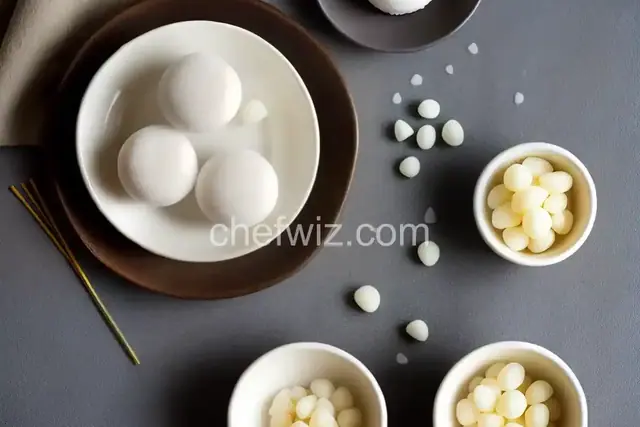
Have you ever tried a dessert that is not only delicious but also brings a unique texture to your palate? If not, then you must give mochi a try! Mochi is a traditional Japanese dessert that has gained popularity worldwide due to its sweet and chewy nature. In this article, we will explore the origins of mochi, its preparation, and some exciting flavors to tantalize your taste buds.
Mochi has a rich history that dates back centuries in Japan. It is believed to have originated from China, where rice was first cultivated. As rice cultivation spread to Japan, so did the tradition of making mochi. In ancient times, mochi was made by pounding glutinous rice with wooden mallets in a large mortar called an "usu" and a pestle known as "kine". This laborious process required a lot of physical strength and was often done during traditional festivals and special occasions.
The preparation of mochi has evolved over time, thanks to modern technology. Nowadays, mochi is made using a special machine that steams glutinous rice and then mashes it into a smooth and elastic dough. This dough is then shaped into small round balls or other fun shapes. The possibilities are endless!
One of the best things about mochi is the variety of flavors it comes in. From traditional flavors like red bean paste and matcha (green tea) to more adventurous ones like mango, strawberry, and even ice cream-filled mochi, there is something for everyone's taste buds. Each flavor brings its own unique twist to the soft and chewy mochi texture, making it a delightful treat.
Mochi is not just a dessert; it's a delightful experience for your taste buds. With its sweet and chewy texture, wide range of flavors, and rich history, mochi has become a beloved treat worldwide. Whether you enjoy traditional flavors or prefer to explore more adventurous combinations, there is a mochi flavor out there waiting to be discovered. So why not indulge in this sweet and chewy delight today?
Yes, mochi is gluten-free as it is made from glutinous rice, which does not contain gluten. However, it is always recommended to check the ingredients of store-bought mochi, as some variations may contain gluten-based fillings.
Absolutely! Making mochi at home can be a fun and rewarding experience. While the traditional method of pounding rice may be challenging, there are easier alternatives available. You can find mochiko (glutinous rice flour) in most Asian grocery stores, which simplifies the process. Just mix the flour with water, steam the dough, and shape it into mochi balls.
Mochi is best enjoyed fresh, but if you have leftovers, it's important to store them correctly to maintain their texture. Keep mochi in an airtight container at room temperature for up to two days. Avoid refrigerating mochi, as it can cause it to harden.
Yes, you can freeze mochi to extend its shelf life. Wrap each piece individually in plastic wrap and place them in a freezer bag. When you're ready to enjoy them, simply thaw them at room temperature for a few minutes.
While mochi is traditionally enjoyed as a dessert, it can also be used in savory dishes. Mochi can be grilled, pan-fried, or added to soups for an interesting twist. Its chewy texture adds a unique element to various recipes.
Most plain mochi varieties are vegan-friendly, as they are made from simple ingredients like glutinous rice flour and water. However, it's essential to check the ingredients of flavored or filled mochi, as they may contain animal-derived ingredients.
Due to its sticky and chewy nature, mochi can pose a choking hazard, especially for young children and the elderly. It is crucial to cut mochi into smaller, bite-sized pieces to minimize the risk. Always exercise caution when consuming mochi.
Mochi is widely available in Asian grocery stores, specialty dessert shops, and even online. You can find pre-packaged mochi in various flavors, or you can try making your own at home for a truly authentic experience.
AprilCook, recipe developer and the heart of Chefwiz. More about April