Goulash
Rate this recipeBe the first to rate
 By AprilPublished
 Are you a fan of comfort food? Do you appreciate dishes that are not only delicious but also have a rich history?
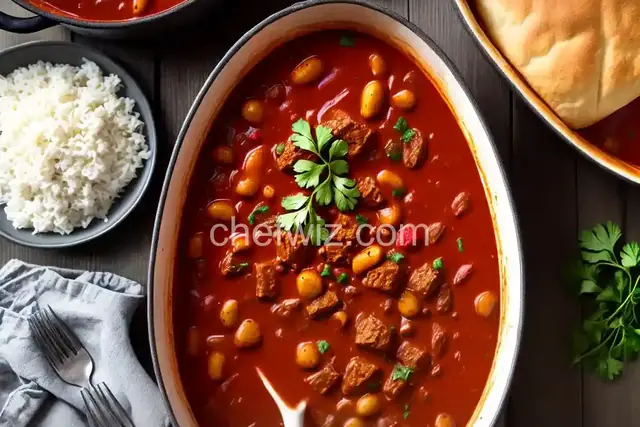 By AprilPublished
 Are you a fan of comfort food? Do you appreciate dishes that are not only delicious but also have a rich history?
Heat oil in a large skillet over medium heat.
Cook onion until soft (about 5 minutes).
Add garlic and cook until fragrant (about 1 minute).
Cook ground beef until no longer pink (about 6 minutes) and drain fat.
Return beef to the pan and season with salt and pepper.
Stir in tomato paste to coat the beef.
Pour in broth, tomato sauce, and diced tomatoes.
Season with Italian seasoning and paprika.
Stir in macaroni and bring to a simmer.
Cook for about 15 minutes, stirring occasionally, until pasta is tender.
Stir in cheese and remove from heat.
Garnish with parsley before serving.
Are you a fan of comfort food? Do you appreciate dishes that are not only delicious but also have a rich history? If so, then goulash is the perfect dish for you. Originating from Hungary, goulash is a hearty stew that has gained popularity worldwide. In this article, we will explore the fascinating origins of goulash, its diverse variations, and why it has become a beloved comfort food for many. So grab your apron and let's dive into the world of goulash!
Imagine yourself in the picturesque countryside of Hungary, surrounded by rolling hills and quaint villages. It is here that goulash, also known as "gulyás" in Hungarian, was born. Originally a dish prepared by Hungarian herdsmen known as "csikós," goulash was a practical and filling meal that could be cooked over an open fire during their long journeys with cattle.
Over time, goulash evolved from a simple stew to a culinary masterpiece. The key ingredients of goulash are tender chunks of meat, typically beef, cooked slowly with an array of aromatic spices, such as paprika, caraway seeds, and garlic. These spices not only add depth of flavor but also give goulash its signature vibrant red color.
Just like any beloved dish, goulash has adapted to different regions and cultures, resulting in a variety of flavorful variations. In Austria, for example, you can find "Wiener Saftgulasch," a milder version of goulash made with tender beef, onions, and a touch of vinegar for a tangy twist.
On the other hand, in the Czech Republic, you will come across "Svíčková na smetaně," a creamy goulash made with marinated beef sirloin, served with a luscious sauce and topped with a dollop of whipped cream. This variation perfectly showcases the versatility of goulash and its ability to adapt to different palates.
Goulash is not just a meal; it is a reflection of a country's culture and history. In Hungary, goulash holds great significance and is often considered the national dish. It represents the resilience and resourcefulness of the Hungarian people, who have endured hardships throughout history.
Furthermore, goulash has become a symbol of unity and togetherness. It is a dish that brings families and friends together, as it is often prepared in large quantities and shared during festive occasions or family gatherings. The aroma of goulash simmering on the stove is enough to evoke feelings of warmth and nostalgia.
Goulash is more than just a dish; it is a culinary journey that takes you back in time and connects you with different cultures. Whether you prefer the traditional Hungarian goulash or opt for a variation with a modern twist, one thing is for certain - goulash is a hearty, flavorful, and comforting meal that warms both the body and the soul. So why not embark on your own goulash adventure and savor the deliciousness it has to offer?
Answer: The traditional choice of meat for goulash is beef, specifically a tough cut that becomes tender when slow-cooked.
Answer: Absolutely! While beef is the classic choice, you can experiment with other meats such as pork, chicken, or even game meats like venison.
Answer: Goulash can have a mild to moderate level of spiciness, depending on the amount of paprika used. Adjust the spiciness according to your taste preferences.
Answer: Goulash pairs well with a variety of side dishes, such as mashed potatoes, noodles, or crusty bread. These accompaniments help soak up the flavorful sauce.
Answer: Yes, you can! Slow cooking goulash in a crockpot allows the flavors to develop and the meat to become tender. It's a convenient method for busy individuals.
Answer: The cooking time for goulash can vary depending on the recipe and the cut of meat used. Generally, it takes around 2-3 hours for the meat to become tender.
Answer: Absolutely! Goulash freezes well and can be stored in the freezer for up to 3 months. Just make sure to cool it completely before freezing.
Answer: Yes, you can! There are vegetarian versions of goulash that replace the meat with hearty vegetables like mushrooms, potatoes, or lentils. These variations are just as delicious and satisfying.
AprilCook, recipe developer and the heart of Chefwiz. More about April