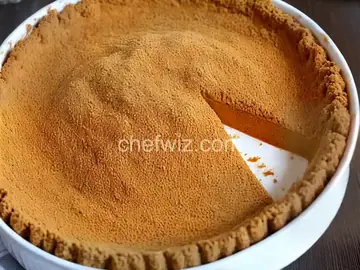
Perfect Gravy
Rate this recipeBe the first to rate
 By AprilPublished
 Who doesn't love gravy? It's the savory, velvety sauce that brings a dish together and takes it to the next level.
 By AprilPublished
 Who doesn't love gravy? It's the savory, velvety sauce that brings a dish together and takes it to the next level.
Heat butter in a small saucepan over medium heat until melted.
Whisk in flour and cook for 1 minute or until golden.
Gradually whisk in pan drippings.
If you have more than a cup of drippings, use it and reduce the amount of broth.
Bring the mixture to a boil.
Reduce the heat and simmer gently until slightly thickened.
Stir in fresh herbs.
Whisk in 1 cup of broth and return the mixture to a simmer.
Season with salt and pepper.
Simmer for 10 minutes, adding more broth gradually if the gravy is too thick.
Adjust the seasoning to taste.
Who doesn't love gravy? It's the savory, velvety sauce that brings a dish together and takes it to the next level. Whether you're pouring it over mashed potatoes, smothering your Thanksgiving turkey, or drizzling it over a juicy steak, gravy adds that extra touch of deliciousness. But making the perfect gravy can be a bit intimidating. Don't worry, though! In this article, we'll explore the art of making the perfect gravy and provide you with some helpful tips and tricks. So, let's dive in!
Have you ever wondered what sets a great gravy apart from an average one? It all comes down to the flavors and the texture. A perfect gravy should have a rich, deep flavor that enhances the dish it accompanies. It should also have a velvety smooth texture that coats your taste buds with every bite. Achieving this balance requires a combination of the right ingredients, proper technique, and a little bit of patience.
To create a flavorful gravy, you need to start with a good base. This typically involves using pan drippings, stock, or a combination of both. Pan drippings, which are the flavorful juices left behind after cooking meat, add a depth of flavor that cannot be replicated. Combine them with a good quality stock, such as chicken or beef, and you're on the right track.
Another key ingredient in gravy is fat. It helps to create a luscious mouthfeel and carries the flavors of the other ingredients. Butter, bacon fat, or even the fat rendered from the meat you're cooking can be used. Just make sure to skim off any excess fat before adding the other ingredients.
Next, you'll need a thickening agent to give your gravy that silky texture. Traditional options include flour or cornstarch, which are mixed with the fat to create a roux. This mixture is then cooked until it reaches a golden brown color, which adds a nutty flavor to the gravy. If you're looking for a gluten-free option, you can also use arrowroot or tapioca starch.
Now that we've covered the ingredients, let's talk about the techniques that will take your gravy to the next level. One important step is deglazing the pan. After cooking meat, there are often delicious browned bits stuck to the bottom of the pan. Deglazing involves adding a liquid, such as stock or wine, to the hot pan and scraping those flavorful bits off. This adds a depth of flavor that you won't want to miss.
Another technique is whisking. Whisking helps to evenly distribute the thickening agent and prevents lumps from forming. It also incorporates air into the gravy, giving it a lighter texture. So, grab your whisk and give it a good stir!
Patience is also key when making gravy. Let it simmer and reduce to concentrate the flavors. This will also help the gravy to thicken naturally without relying solely on the thickening agent. Remember, good things come to those who wait!
Absolutely! While pan drippings add a wonderful depth of flavor, you can still make delicious gravy using a good quality stock and the right combination of herbs and spices.
Whisking continuously and incorporating the thickening agent slowly into the hot liquid will help prevent lumps from forming. If lumps do occur, you can strain the gravy to remove them.
Yes, you can make gravy ahead of time! Simply reheat it gently on the stovetop before serving. If the gravy thickens too much, you can thin it out with a little stock or water.
There are many ways to add more flavor to your gravy. You can enhance it with herbs, spices, or even a splash of Worcestershire sauce. Experiment with different flavors to find your perfect combination.
Yes, you can freeze leftover gravy! Allow it to cool completely before transferring it to a freezer-safe container. When you're ready to use it, thaw it in the refrigerator and heat it gently on the stovetop.
Gravy can be kept in the refrigerator for up to 4 days. Make sure to store it in an airtight container to maintain its freshness.
If your gravy is too thin, you can thicken it by creating a slurry with equal parts cornstarch or flour and cold water. Slowly whisk the slurry into the hot gravy until it reaches the desired consistency. Cook for a few more minutes to ensure the thickening agent is fully cooked.
For vegetarian or vegan gravy, you can use vegetable stock or mushroom stock instead of meat-based stock. Substitute the fat with plant-based alternatives like olive oil or vegan butter. The rest of the techniques remain the same.
So there you have it, the secrets to making the perfect gravy. With the right ingredients, techniques, and a little bit of patience, you'll be able to create a gravy that will elevate any dish. So go ahead, get creative, and enjoy the deliciousness of homemade gravy!
AprilCook, recipe developer and the heart of Chefwiz. More about April