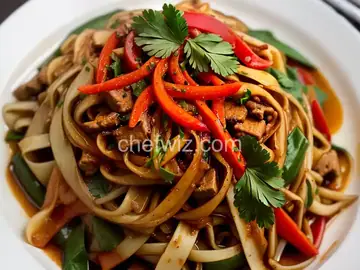
When it comes to comforting and hearty meals, few things can compare to a plate of steaming Knedliky, a traditional Czech dumpling dish accompanied by tangy sauerkraut, also known as Zeli. This classic Czech recipe has been passed down through generations, bringing warmth and satisfaction to countless dinner tables.
The Beauty of Knedliky
Imagine sinking your teeth into a soft and fluffy cloud, encased in a delicate outer layer. That's the magic of Knedliky - a dish that manages to be both light and filling at the same time. These dumplings are made from a simple dough, typically consisting of flour, milk, eggs, and salt. The dough is then shaped into a cylindrical form and gently boiled until it reaches the perfect texture.
The beauty of Knedliky lies in its versatility. It can be served as a main course, accompanied by sauerkraut and a variety of meats, or as a side dish to complement stews, roasts, or hearty soups. No matter how you choose to enjoy them, these dumplings add a touch of warmth and comfort to any meal.
The Perfect Pairing: Knedliky and Sauerkraut
One of the most popular ways to enjoy Knedliky is by serving it alongside sauerkraut, or Zeli in Czech. Sauerkraut is made by fermenting shredded cabbage, resulting in a tangy and slightly sour flavor. The combination of the soft dumplings and the zesty sauerkraut creates a wonderful balance of textures and tastes.
As you take a bite of the fluffy Knedliky, the mildness of the dumpling dough is beautifully contrasted by the tangy sauerkraut. The flavors meld together, creating a harmonious symphony in your mouth. It's a match made in culinary heaven.
Making Knedliky - A Labor of Love
While the process of making Knedliky may seem daunting at first, it's a labor of love that is well worth the effort. The key to achieving the perfect texture lies in the dough and the cooking method.
First, the dough must be kneaded thoroughly to ensure a light and fluffy result. This can be done by hand or with the help of a mixer. Once the dough is ready, it's shaped into a cylindrical log and carefully wrapped in a clean kitchen towel or plastic wrap.
The wrapped dough is then boiled in salted water for about 20-25 minutes. It's important to handle the dumplings gently during the cooking process to prevent them from falling apart.
In Conclusion
Knedliky with sauerkraut is a comforting and delicious Czech dish that brings warmth to the table. The soft and fluffy dumplings, paired with tangy sauerkraut, create a delightful combination of flavors and textures. Whether you're making them for a special occasion or simply craving a hearty meal, Knedliky is sure to satisfy. So go ahead, embrace the culinary tradition of Czech cuisine and indulge in the magic of Knedliky!
Frequently asked questions
- . Can I freeze Knedliky?
Yes, you can freeze Knedliky for future use. After boiling and cooling the dumplings, slice them into individual portions and place them in an airtight container or freezer bag. When you're ready to enjoy them, simply reheat them in boiling water for a few minutes.
- . What can I serve with Knedliky?
Knedliky pairs well with a variety of dishes. Some popular options include roasted meats, stews, goulash, and creamy sauces. You can also serve them with a side of sauerkraut, as tradition dictates.
- . Can I make Knedliky gluten-free?
Yes, you can make gluten-free Knedliky by using a gluten-free flour substitute. There are many options available, such as rice flour, cornstarch, or a gluten-free all-purpose flour blend. Just make sure to follow the same proportions and cooking instructions.
- . How do I prevent the dumplings from falling apart?
To prevent the dumplings from falling apart during cooking, make sure to handle them gently. When slicing the dough, use a sharp knife to ensure clean cuts. Additionally, avoid overcrowding the pot during boiling and maintain a gentle simmer.
- . Can I add herbs or spices to the dough?
While the traditional Knedliky recipe calls for a simple dough, you can certainly experiment with adding herbs or spices to enhance the flavor. Popular options include parsley, dill, chives, or even garlic powder. Just remember to use them sparingly to avoid overpowering the delicate taste of the dumplings.
- . Are Knedliky a traditional Czech dish?
Yes, Knedliky are a beloved traditional Czech dish that has been enjoyed for centuries. They are considered a staple in Czech cuisine and are often served during special occasions and holidays.
- . Can I make sweet Knedliky?
While savory Knedliky are more common, you can also make sweet variations. Simply add a teaspoon of sugar to the dough or sprinkle powdered sugar on top of the cooked dumplings. Sweet Knedliky can be enjoyed with fruit compote, jam, or even a drizzle of honey.
- . Can I use a gluten-free sauerkraut?
Yes, if you follow a gluten-free diet, you can find gluten-free sauerkraut options available in some grocery stores. Make sure to check the label or ask a store employee to ensure that the sauerkraut is gluten-free.
 By AprilPublished