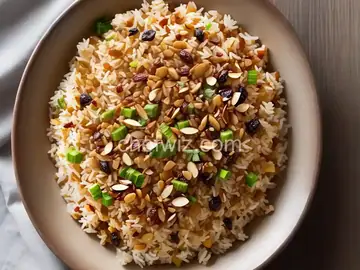
Basmati Rice
Rate this recipeBe the first to rate
 By AprilPublished
 When it comes to rice, there is one variety that stands out from the rest - Basmati rice.
 By AprilPublished
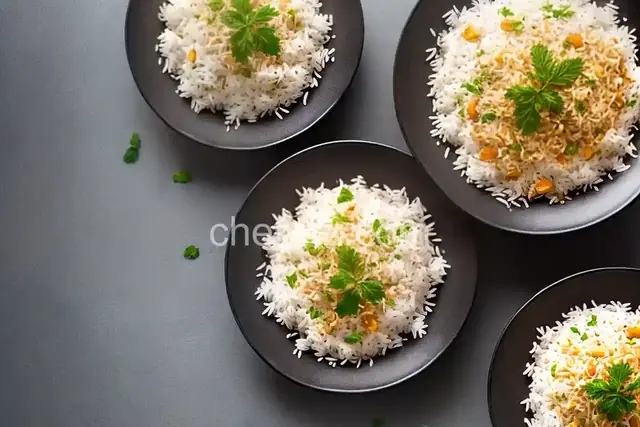
 When it comes to rice, there is one variety that stands out from the rest - Basmati rice.
Start by heating water in a saucepan until it comes to a boil.
Add rice to the boiling water and give it a gentle stir.
Reduce the heat, cover the saucepan, and allow the rice to simmer for 20 minutes.
Once the rice is cooked, add peas and cumin to the saucepan and mix them in.
Cover the saucepan again and let the mixture stand for 5 minutes.
When it comes to rice, there is one variety that stands out from the rest - Basmati rice. Known for its delicate aroma and long, slender grains, Basmati rice has been a staple in Indian cuisine for centuries. But what makes Basmati rice so special? Let's dive into the world of this fragrant jewel and discover why it deserves a place in your pantry.
Basmati rice has a rich history that dates back thousands of years. The word "Basmati" translates to "fragrant" in Hindi, which perfectly describes the enticing aroma that fills the air when this rice is cooked. It is believed to have originated in the foothills of the Himalayas in India and Pakistan, where the unique climate and soil conditions contribute to its distinctive flavor.
What sets Basmati rice apart from other varieties is its long, slender grains and fluffy texture. The grains are known for their ability to absorb flavors, making them the perfect accompaniment to a wide range of dishes. Whether you're enjoying a hearty curry or a simple stir-fry, Basmati rice adds a touch of elegance to any meal.
The defining characteristic of Basmati rice is its enticing aroma. As the grains cook, they release a sweet, nutty fragrance that fills the kitchen and entices the senses. This aroma is a result of the unique combination of chemical compounds found in Basmati rice, which are responsible for its distinct smell.
Basmati rice is loved for its fluffy and light texture. When cooked, the grains remain separate and do not clump together, resulting in a dish that is visually appealing and easy to eat. The delicate texture of Basmati rice makes it a versatile ingredient that can be used in a variety of dishes, from pilafs to biryanis.
Cooking Basmati rice is an art in itself. To bring out the best flavors and textures, it's important to follow a few simple steps. Start by rinsing the rice thoroughly to remove any excess starch. Then, soak the rice for 30 minutes to allow the grains to absorb water and cook evenly. Finally, cook the rice using the absorption method, where the grains are simmered in water until all the liquid is absorbed.
Not only does Basmati rice taste delicious, but it also offers several health benefits. It is a low glycemic index food, which means it has a minimal impact on blood sugar levels. This makes it an excellent choice for individuals with diabetes or those looking to manage their weight. Basmati rice is also a good source of essential nutrients like fiber, vitamins, and minerals.
Basmati rice is truly a gem in the world of rice. Its fragrant aroma, delicate texture, and versatility make it a beloved ingredient in Indian cuisine and beyond. Whether you're creating a simple weeknight meal or a festive feast, Basmati rice adds a touch of elegance and flavor that will leave your taste buds wanting more. So why not elevate your cooking and give Basmati rice a try?
Yes, Basmati rice is naturally gluten-free, making it a safe option for individuals with gluten sensitivities or celiac disease.
While Basmati rice is not traditionally used in sushi, you can experiment with different flavors and textures by using it as a substitute for sushi rice.
Basmati rice typically takes around 15-20 minutes to cook, depending on the desired texture. Remember to soak the rice before cooking for best results.
Yes, Basmati rice has a long shelf life and can be stored for up to a year if kept in a cool, dry place in an airtight container.
Basmati rice is relatively low in calories compared to other rice varieties, making it a healthier option for those watching their calorie intake.
Yes, cooking Basmati rice in a rice cooker is a convenient and foolproof method. Simply follow the manufacturer's instructions for the best results.
While Basmati rice is most commonly associated with Indian cuisine, its versatility allows it to be used in a variety of dishes from different cuisines around the world.
Yes, you can mix Basmati rice with other rice varieties to create unique flavors and textures in your dishes. Experiment and find your perfect blend!
AprilCook, recipe developer and the heart of Chefwiz. More about April