The Best Thai Peanut Sauce
Rate this recipeBe the first to rate
 By AprilPublished
 Are you a fan of Thai cuisine? Do you love the bold flavors and aromatic spices that make Thai dishes so delicious?
 By AprilPublished
 Are you a fan of Thai cuisine? Do you love the bold flavors and aromatic spices that make Thai dishes so delicious?
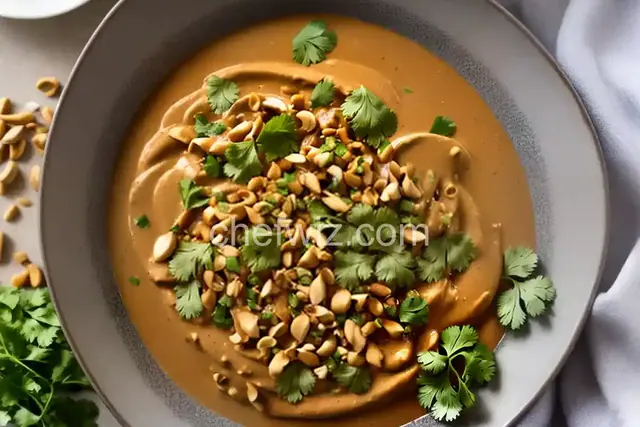
Combine peanut butter, coconut milk, water, lime juice, soy sauce, fish sauce, hot sauce, ginger, and garlic in a medium-sized serving bowl.
Mix the ingredients thoroughly until they are well combined.
Just before serving, add cilantro to the mixture and stir it in.
Are you a fan of Thai cuisine? Do you love the bold flavors and aromatic spices that make Thai dishes so delicious? If so, then you have to try the best Thai peanut sauce! This versatile condiment can be used as a dipping sauce, dressing, or marinade, and it adds a burst of flavor to any dish.
Thai peanut sauce is a unique blend of sweet, savory, and spicy flavors. It combines the richness of peanuts with the tanginess of lime juice, the heat of chili peppers, and the depth of soy sauce. The result is a sauce that is perfectly balanced and incredibly addictive. It's like a party in your mouth!
The possibilities are endless! You can use Thai peanut sauce as a dipping sauce for spring rolls, chicken satay, or grilled vegetables. It's also great as a dressing for salads or noodles, or as a marinade for chicken, shrimp, or tofu. You can even drizzle it over grilled meats or use it as a topping for burgers and sandwiches. Trust me, once you try it, you'll want to put it on everything!
If you're feeling adventurous, you can even use Thai peanut sauce as a base for a stir-fry sauce or as a flavor enhancer for soups and stews. The possibilities are truly endless!
Making Thai peanut sauce at home is easier than you might think. All you need are a few simple ingredients and a blender or food processor. Start by combining peanuts, garlic, ginger, lime juice, soy sauce, honey, and chili peppers in the blender. Blend until smooth and creamy, then adjust the seasonings to your taste. You can add more lime juice for tanginess, more soy sauce for saltiness, or more chili peppers for heat. Once you've achieved the perfect balance of flavors, your sauce is ready to be enjoyed!
If you prefer a chunkier sauce, you can also make it by hand using a mortar and pestle. This method allows you to control the texture of the sauce and gives it a more rustic, homemade feel.
Absolutely! One of the best things about Thai peanut sauce is its versatility. You can customize it to suit your preferences and dietary needs. For example, if you're allergic to peanuts, you can substitute almond butter or sunflower seed butter. If you like it spicier, you can add more chili peppers or a dash of hot sauce. And if you prefer it sweeter, you can add a bit more honey or brown sugar. Don't be afraid to get creative and make the sauce your own!
Thai peanut sauce can be stored in an airtight container in the refrigerator for up to two weeks. However, it's so delicious that it rarely lasts that long! I guarantee you'll be finding excuses to use it every day.
If you want to make a larger batch of Thai peanut sauce and store it for longer, you can freeze it in ice cube trays. That way, you can easily thaw and use as much sauce as you need without any waste!
Thai peanut sauce goes well with a wide variety of dishes. It pairs beautifully with grilled chicken, shrimp, or tofu. It's also fantastic with stir-fried vegetables, noodles, or rice. You can even use it as a topping for burgers or as a spread for sandwiches. The possibilities are endless, so don't be afraid to get creative in the kitchen!
Most Thai peanut sauce recipes are gluten-free, but it's always important to check the labels of the ingredients you're using. Some soy sauces may contain gluten, so be sure to choose a gluten-free soy sauce if you have a gluten intolerance or allergy. Alternatively, you can use tamari or coconut aminos as a gluten-free substitute for soy sauce.
Thai peanut sauce can be as spicy or as mild as you like. The level of spiciness depends on the amount of chili peppers or hot sauce you use. If you prefer a milder sauce, you can reduce the amount of chili peppers or omit them altogether. On the other hand, if you love the heat, feel free to add more chili peppers or a dash of hot sauce to amp up the spiciness!
Thai peanut sauce can easily be made vegan by using a plant-based substitute for honey, such as maple syrup or agave nectar. You can also use tamari or coconut aminos instead of soy sauce to make the sauce vegan-friendly. It's a versatile condiment that can accommodate various dietary preferences!
While the classic Thai peanut sauce is delicious on its own, there are also many variations you can try. For example, you can add a splash of coconut milk to make it creamier and more luxurious. You can also experiment with different herbs and spices, such as cilantro, lemongrass, or curry powder, to give the sauce a unique twist. The possibilities are endless, so don't be afraid to get creative in the kitchen!
Thai peanut sauce is a versatile and delicious condiment that adds a burst of flavor to any dish. Whether you use it as a dipping sauce, dressing, or marinade, it's sure to elevate your culinary creations. So why wait? Grab your blender and whip up a batch of the best Thai peanut sauce today!
Yes, you can use crunchy peanut butter if you prefer a chunkier texture in your sauce. Just be aware that the final result may have a different consistency.
While lime juice is traditional in Thai peanut sauce, you can substitute it with lemon juice if you don't have any limes on hand. However, keep in mind that the flavor will be slightly different.
Yes, you can use powdered ginger if you don't have fresh ginger available. However, fresh ginger adds a more vibrant and aromatic flavor to the sauce.
If you find the sauce
AprilCook, recipe developer and the heart of Chefwiz. More about April