Classic Marshmallows, and Some Variations Recipe
Rate this recipeBe the first to rate
 By AprilPublished
Who doesn't love the fluffy, melt-in-your-mouth goodness of marshmallows?
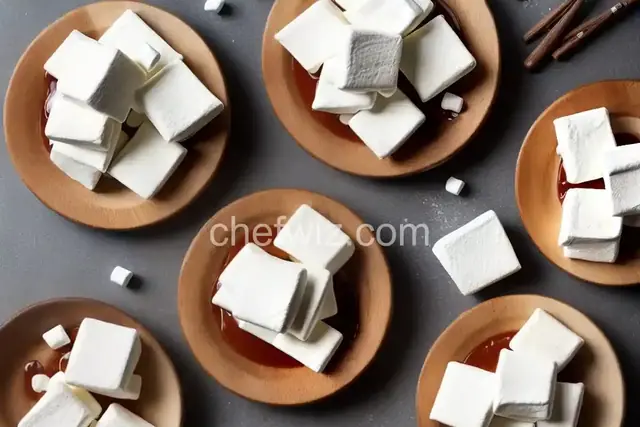 By AprilPublished
Who doesn't love the fluffy, melt-in-your-mouth goodness of marshmallows?
Combine potato starch and confectioners sugar by sifting them together.
Lightly butter the inner surface of a 13- by 9-inch baking pan.
Sift the sugar-starch powder over the buttered pan, ensuring an even coating.
Pour 1⁄2 cup of water into the bowl of a stand mixer and sprinkle gelatin powder into the water. Let it stand.
In a saucepan, combine the remaining 1⁄2 cup of water and sugar. Stir occasionally until the sugar is dissolved. Once dissolved, let it boil undisturbed until the temperature reaches 240°F on a candy thermometer, about 5 minutes.
Carefully pour the hot syrup into the bowl of gelatin, stirring gently until the gelatin is fully dissolved. Gradually increase the speed of the stand mixer to high and beat the mixture until it almost triples in volume and thick, shiny, soft peaks form, approximately 10 minutes. Add vanilla extract.
In a separate mixing bowl, whisk the egg whites and a pinch of salt until they begin to foam. Sprinkle in cream of tartar and continue whisking on high speed until shiny and firm peaks form, about 3 minutes.
Switch to the paddle attachment on the stand mixer and incorporate the egg whites into the syrup/gelatin mixture on medium-low speed, scraping the bottom and sides of the bowl. Mix for 2-3 minutes until
Who doesn't love the fluffy, melt-in-your-mouth goodness of marshmallows? These sweet treats have been a favorite for generations, and for good reason. Whether enjoyed on their own, toasted over a campfire, or used in various recipes, marshmallows bring joy and delight to our taste buds.
Creating your own batch of classic marshmallows is easier than you might think. With just a few simple ingredients and some patience, you can whip up a batch of these pillowy confections to enjoy or share with loved ones.
But what gives marshmallows their unique texture? The answer lies in the process of making them. By whipping gelatin, sugar, and corn syrup together, you create a light and airy mixture that sets into the marshmallow we all know and love.
Once you have your marshmallow mixture ready, it's time to let it set. Pour the mixture into a pan lined with powdered sugar and let it rest for a few hours or overnight. Once set, you can cut it into squares, dust them with more powdered sugar, and voila! You have your very own homemade marshmallows.
While classic marshmallows are undeniably delicious, why not have some fun and explore different flavor combinations? Here are a few variations to consider:
For all the chocolate lovers out there, why not add some cocoa powder to your marshmallow mixture? This simple addition will give your marshmallows a rich, chocolaty flavor that pairs perfectly with a warm cup of hot chocolate.
If you enjoy the tropical taste of coconut, try rolling your marshmallows in toasted coconut flakes. The crunchy coconut adds a delightful twist to the classic marshmallow, transporting you to a sunny beach with each bite.
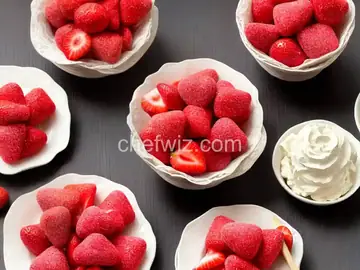
Bring a burst of fruity flavor to your marshmallows by swirling in some strawberry puree. This vibrant variation is not only visually appealing but also offers a refreshing taste that is perfect for summer picnics and gatherings.
Marshmallows are a timeless treat that brings joy to people of all ages. Whether you stick to the classic recipe or venture into exciting variations, making your own marshmallows is a rewarding experience. So go ahead, gather your ingredients, and let your creativity run wild as you embark on the marshmallow-making adventure!
While gelatin is the traditional ingredient used to give marshmallows their signature texture, there are alternatives available for those who prefer not to use animal-based products. Agar agar, a plant-based gelatin substitute, can be used to create vegan-friendly marshmallows.
Yes, you can substitute honey for corn syrup in your marshmallow recipe. Keep in mind that honey has a distinct flavor that will alter the taste of your marshmallows. Experiment with different sweeteners to find the perfect balance for your palate.
Yes, marshmallows can be frozen. Place them in an airtight container or freezer bag and store them in the freezer for up to three months. Thaw them at room temperature before enjoying.
Absolutely! Adding flavored extracts such as vanilla, almond, or peppermint can elevate the taste of your marshmallows. Just be sure to use high-quality extracts for the best results.
Homemade marshmallows can last for several weeks when stored in an airtight container at room temperature. However, their freshness and texture may start to diminish over time.
Yes, powdered sugar can be used to dust your marshmallows instead of cornstarch. It adds a touch of sweetness and helps prevent sticking.
While sugar is the most commonly used sweetener in marshmallow recipes, you can experiment with alternative sweeteners like maple syrup or stevia. Keep in mind that different sweeteners may affect the texture and taste of your marshmallows.
Yes, you can make marshmallows without a stand mixer. A handheld electric mixer or even a whisk and some elbow grease will do the job. However, a stand mixer makes the process easier and more efficient.
AprilCook, recipe developer and the heart of Chefwiz. More about April