Guide
How to Reheat Shrimp Without Making It Rubbery
Uncover the secret on how to reheat shrimp so they stay succulent, not chewy. I’ll guide you through the process that's quick, simple, and fool-proof.
 By April23 min read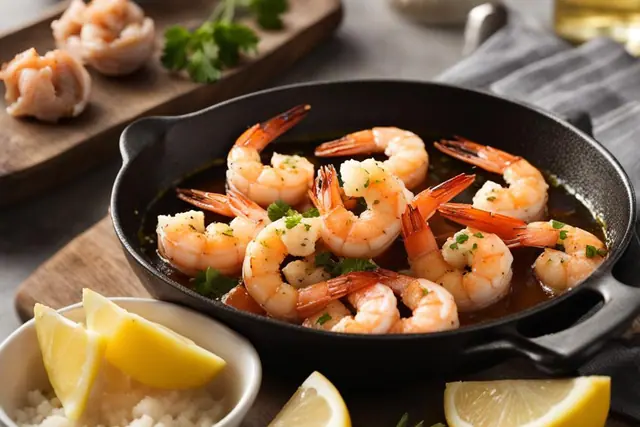
In this guide
- The Best Method to Reheat Shrimp: Stovetop
- Reheating Shrimp in the Oven
- Reheating Shrimp in a Skillet
- Avoiding the Microwave for Reheating Shrimp
- The Preferred Method: Skillet Reheating
- Proper Storage and Shelf Life of Cooked Shrimp
- Essential Tips and Tricks for Reheating Shrimp
- Defrosting Frozen Shrimp
- Reheating Boiled Shrimp
- Reheating Grilled Shrimp
- Creative Ways to Use Reheated Shrimp
- Reheating Shrimp in Leftover Dishes
- Avoiding the Microwave for Shrimp Reheating
- Conclusion
- Source Links
- FAQ
Reheating shrimp can be a tricky task. If not done properly, it can quickly become rubbery and lose its delicious flavor. But fear not, I'm here to guide you through some simple cooking tips to ensure your reheated shrimp maintains its succulence and taste. Whether you're using a microwave, oven, or stovetop, these techniques will help you achieve perfectly reheated shrimp every time.
The Best Method to Reheat Shrimp: Stovetop
When it comes to reheating shrimp, the stovetop method is my top choice. It ensures that the shrimp remains juicy, delicious, and full of moisture. To use this method, start by filling a sauté pan or medium-sized pot with water or broth. Add a pinch of salt or a splash of lemon juice for added flavor. Heat the liquid to a near-boil and then add the pre-cooked shrimp to the pan.
Let the shrimp warm in the hot water bath for a minute or two until they reach the desired temperature. This gentle and low-temperature reheating process locks in the moisture, resulting in succulent shrimp that is just as tasty as if it were freshly cooked. Plus, the stovetop method is quick and easy, taking only a few minutes to heat the shrimp to perfection.
Why the Stovetop Method Works
The stovetop method is ideal for reheating shrimp because it allows for even heat distribution and prevents overcooking. The hot water bath provides a gentle and consistent temperature that warms the shrimp without drying it out. The steam created by the water or broth helps to retain the natural moisture of the shrimp, ensuring that each bite is tender and flavorful.
| Benefits of Stovetop Reheating | Drawbacks of Other Methods |
|---|---|
| - Juicy and delicious shrimp | - Microwaving can make shrimp rubbery and tough |
| - Moisture is retained | - Oven baking can dry out shrimp |
| - Quick and easy | - Skillet reheating may require additional ingredients |
So, the next time you have leftover shrimp that needs reheating, give the stovetop method a try. You'll be rewarded with moist, flavorful shrimp that tastes as good as if it were freshly cooked. It's the best way to enjoy reheated shrimp without sacrificing its quality.
Reheating Shrimp in the Oven
When it comes to reheating shrimp, the oven method is a reliable option that consistently produces succulent results. Preheating the oven to 300°F is the first step in ensuring that your shrimp is reheated to perfection. Next, spread the pre-cooked shrimp in a single layer on a rimmed sheet pan or baking dish. This allows for even heat distribution and avoids overcooking.
For added moisture and flavor, drizzle a few spoonfuls of water over the shrimp. This helps prevent drying out during the reheating process. To retain the moisture and steaming effect, cover the pan tightly with tin foil.
Bake the shrimp in the preheated oven for 10-15 minutes, checking regularly to avoid overcooking. The shrimp should be heated through and hot to the touch. Once done, remove the pan from the oven and let it cool slightly before serving. The oven method ensures that your reheated shrimp remains succulent and flavorful.
| Method | Temperature | Cooking Time | Result |
|---|---|---|---|
| Oven | 300°F | 10-15 minutes | Succulent |
| Stovetop | Medium heat | 1-2 minutes | Juicy |
| Microwave | Short intervals | 10-15 seconds | Inconsistent |
The Benefits of Reheating Shrimp in the Oven
- The oven method allows for reheating a large batch of shrimp at once, making it ideal for gatherings or meal prep.
- The gentle heat of the oven helps retain the natural moisture and tenderness of the shrimp.
- The tin foil cover traps steam, ensuring the shrimp stays succulent and doesn't dry out.
- The oven method requires minimal effort and allows you to multitask while the shrimp reheats.
Reheating shrimp in the oven is my go-to method for achieving succulent results every time. The gentle heat and sealed environment ensure that the shrimp retains its moisture and flavors. Plus, it's convenient for reheating larger portions. Give it a try and you won't be disappointed!
Remember to use the oven method when reheating shrimp for a delicious and succulent outcome. The low temperature, combined with the sealed environment created by the tin foil cover, helps to retain the natural juices and flavors of the shrimp. Enjoy your reheated shrimp with confidence, knowing that it will be just as tasty as when it was freshly cooked.
https://www.youtube.com/watch?v=t7x0GL_idlY
Reheating Shrimp in a Skillet
When it comes to reheating shrimp, the skillet method is a preferred choice. Not only does it provide quick and easy results, but it also ensures that the shrimp retains its moisture and flavor. Using a non-stick skillet, start by melting a tablespoon of butter over medium heat. Once the butter has melted, add the pre-cooked shrimp and toss them gently to coat them in the butter. Lower the heat to prevent overcooking and add a splash of water or broth to the skillet. Cover the skillet with a lid to trap the moisture and allow the shrimp to slowly warm up. The lid will help keep the shrimp tender and flavorful, resulting in a delightful reheated dish.
Reheating shrimp in a skillet offers the opportunity to enhance the flavor with additional ingredients. For a burst of freshness, squeeze some lemon juice over the shrimp before serving. The combination of butter and lemon adds brightness and richness, creating a mouthwatering dish that is sure to please. The skillet method is perfect for reheating not only shrimp but also an entire meal that includes shrimp. It allows for easy customization and ensures all the components of the dish are reheated evenly.
Skillet Reheating Tips:
- Use a non-stick skillet to prevent the shrimp from sticking and ensure easy cleanup.
- Melt a tablespoon of butter for added flavor and moisture.
- Add a splash of water or broth to keep the shrimp tender and prevent drying out.
- Cover the skillet with a lid to retain moisture and enhance the overall texture of the shrimp.
- Finish with a squeeze of lemon for a refreshing touch.
With the skillet method, reheating shrimp becomes a breeze, and the results are consistently delicious. Whether you're enjoying a standalone shrimp dish or incorporating it into a larger meal, using a skillet ensures that each bite is moist, flavorful, and satisfying. So, the next time you have leftover shrimp that needs reheating, reach for your trusty skillet and savor the delectable flavors once again.
| Advantages of Skillet Reheating | Disadvantages of Skillet Reheating |
|---|---|
| Retains moisture in the shrimp | Requires stovetop or heat source |
| Enhances flavor with added ingredients | May require additional time compared to microwave |
| Allows for customization and easy meal reheating | Requires monitoring to prevent overcooking |
Note: The table above provides a summary of the advantages and disadvantages of reheating shrimp using the skillet method.
Avoiding the Microwave for Reheating Shrimp
When it comes to reheating shrimp, the microwave may seem like a convenient option, but it's not recommended. The microwave can make the shrimp rubbery and tough, compromising both its flavor and texture. To prevent this, there are a few tips you can follow when using the microwave to reheat shrimp.
Firstly, it's important to add some moisture to the shrimp to prevent it from drying out. You can achieve this by drizzling a few spoonfuls of water over the shrimp or placing a damp paper towel on top before microwaving. This will help retain the moisture and keep the shrimp tender.
Secondly, it's crucial to reheat the shrimp in short increments of 10-15 seconds. This allows you to check the shrimp after each interval and avoid overcooking. It's better to reheat in shorter bursts and check frequently rather than risking overcooked shrimp.
Remember, if possible, it's best to avoid using the microwave altogether for reheating shrimp. Instead, opt for gentle and low-temperature methods such as stovetop or skillet reheating, which will help ensure your shrimp remains succulent and flavorful.
| Pros | Cons |
|---|---|
| - Quick and convenient | - Can make shrimp rubbery |
| - Can add moisture with water or damp paper towel | - Risk of overcooking if not monitored closely |
| - Suitable for small portions | - Best to avoid if possible |
The Preferred Method: Skillet Reheating
When it comes to reheating shrimp, the preferred method that I highly recommend is using a skillet. It is not only easy and fast but also ensures that the shrimp retains its moisture and flavor. The skillet method allows for the addition of more butter, enhancing the taste and texture of the shrimp, making it a truly delicious dish.
Using a skillet saves time as shrimp cooks quickly, and you don't have to heat up the whole oven for just a few pieces of shrimp. Additionally, the heat distribution in a skillet is more even compared to the microwave, preventing any hot spots or uneven reheating.
By reheating the shrimp in a skillet, you can enjoy a quick and flavorful meal, as the butter and moisture in the skillet keep the shrimp tender and juicy. Whether you're reheating a shrimp stir-fry or a shrimp scampi, the skillet method is your best bet for achieving restaurant-quality results in no time.
The Benefits of Skillet Reheating
Skillet reheating offers several advantages compared to other methods. Here are some of the benefits:
- Easy and Fast: Skillet reheating is a quick and straightforward process. It takes just a few minutes to warm up the shrimp, allowing you to enjoy your meal in no time.
- Moisture Retention: The skillet's heat retention capability helps seal in the moisture, ensuring that the shrimp remains succulent and flavorful.
- Enhanced Flavor: The addition of butter or other seasonings in the skillet enhances the taste of the shrimp, adding an extra layer of flavor.
Overall, skillet reheating is the preferred method for bringing leftover shrimp back to life. Its ease, speed, and ability to lock in moisture and flavor make it a foolproof way to enjoy reheated shrimp that tastes just as good as when it was freshly cooked.
Proper Storage and Shelf Life of Cooked Shrimp
Properly storing cooked shrimp is essential to maintain their freshness and quality. Cooked shrimp can be stored in an air-tight container in the refrigerator for up to 4 days. However, it is recommended to consume them within the first 24 hours to ensure the best taste and texture. By following these guidelines, you can enjoy delicious reheated shrimp without any compromises.
It is important to note that cooked shrimp are highly perishable and can spoil quickly if not stored correctly. To maximize their shelf life, make sure to place them in a clean and air-tight container. This will help prevent any bacterial contamination and maintain the shrimp's freshness.
When storing the cooked shrimp in the refrigerator, keep them in the coldest part of the fridge, usually the back. This will ensure a consistently low temperature, preventing any spoilage. It is also a good idea to label the container with the date of storage to keep track of their freshness.
Remember, while cooked shrimp can be reheated and enjoyed again, it is important to handle them with care to ensure food safety. If you notice any signs of spoilage, such as a foul odor or slimy texture, it is best to discard the shrimp to avoid any potential health risks.
| Shelf Life of Cooked Shrimp | Storage Guidelines |
|---|---|
| Up to 4 days | Store in an air-tight container in the refrigerator |
| Within 24 hours | Recommended consumption timeframe for best quality |
By following these proper storage and handling practices, you can extend the shelf life of cooked shrimp and enjoy them safely and deliciously.
Essential Tips and Tricks for Reheating Shrimp
When it comes to reheating shrimp, there are a few essential tips and tricks that can help you achieve the best results. By following these guidelines, you can ensure that your reheated shrimp retains its texture and moisture, without overcooking it.
One important tip is to only reheat shrimp once. Repeated reheating can lead to a loss of quality and increase the risk of contamination. It's best to reheat the shrimp in one go and consume it immediately.
Another tip is to bring the shrimp to room temperature before reheating. This allows for more even warming and prevents the shrimp from becoming overcooked on the outside while still cold on the inside.
Adding a small amount of liquid, such as water, broth, or lemon juice, can help prevent the shrimp from drying out during reheating. The liquid provides moisture and helps to maintain the succulence of the shrimp.
Quote: "By following these tips and tricks, you can easily enjoy reheated shrimp without it becoming rubbery or dry."
Finally, to prevent overcooking, it's important to check the shrimp frequently while reheating and remove them from the heat as soon as they are hot to the touch. This ensures that the shrimp retains its tender texture and doesn't become tough and chewy.
| Reheating Tips | Description |
|---|---|
| Only reheat shrimp once | Reheating shrimp multiple times can result in loss of quality and increased risk of contamination. |
| Bring shrimp to room temperature | Allowing the shrimp to come to room temperature before reheating ensures more even warming. |
| Add liquid | Adding a small amount of liquid, such as water, broth, or lemon juice, helps prevent the shrimp from drying out. |
| Check frequently and remove from heat | To prevent overcooking, check the shrimp regularly and remove from heat as soon as they are hot to the touch. |
By keeping these tips and tricks in mind, you can enjoy reheated shrimp that is moist, flavorful, and delicious. Whether you choose to reheat on the stovetop, in the oven, or in a skillet, these guidelines will help you achieve the best results.
Defrosting Frozen Shrimp
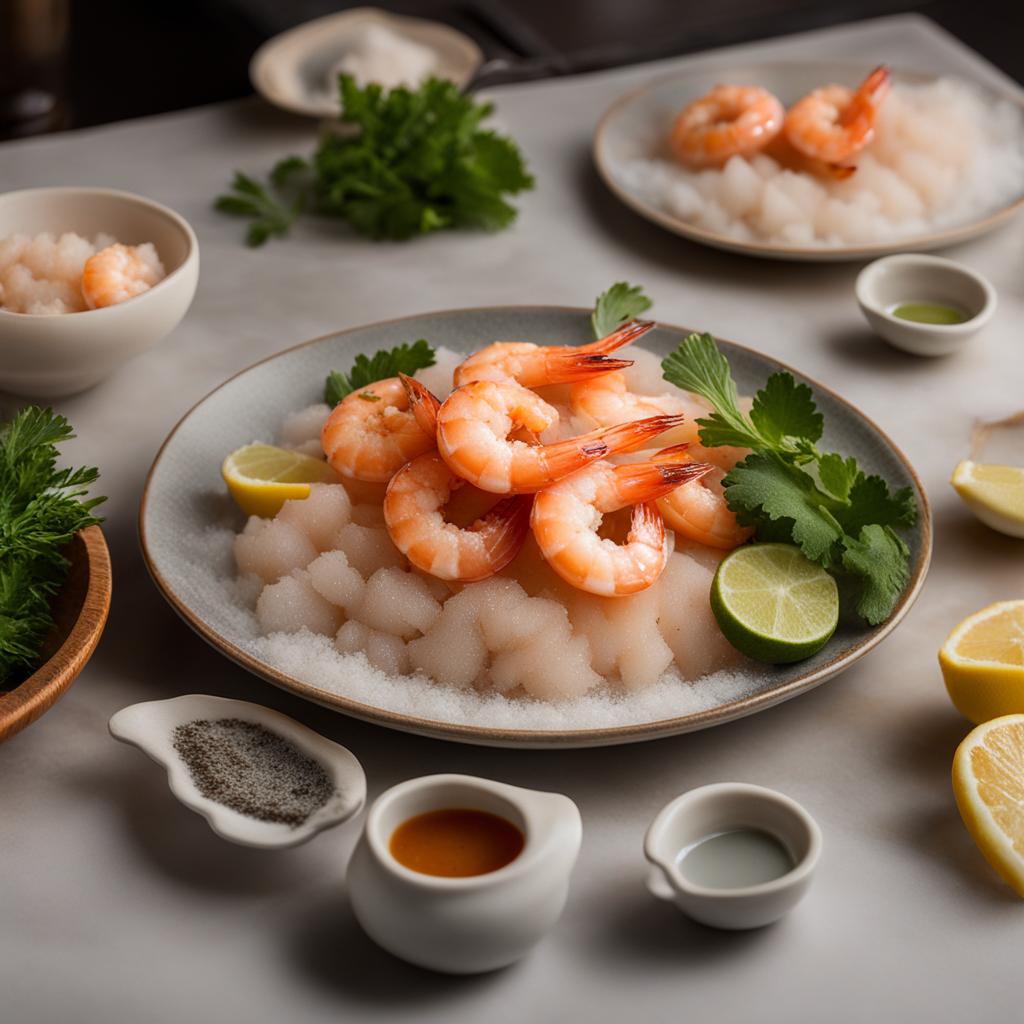
When it comes to reheating shrimp, it's important to start with properly defrosted shrimp to ensure even cooking. One of the preferred methods for defrosting frozen shrimp is to allow them to thaw slowly in the refrigerator. Simply place the frozen shrimp in a sealed container or bag and leave them in the refrigerator overnight or for about 24 hours. Thawing shrimp in the refrigerator helps maintain their quality and texture while ensuring safe defrosting.
If you need to defrost the shrimp more quickly, you can use the room temperature method. Start by placing the frozen shrimp in a large bowl or colander. Rinse them gently under cold running water to remove any ice crystals. Then, leave the shrimp at room temperature for about 30 minutes to an hour, or until they have completely thawed. Be sure to use the defrosted shrimp immediately to avoid any risk of bacterial growth.
Properly defrosting frozen shrimp is an essential step for successful reheating. By taking the time to thaw the shrimp properly, whether in the refrigerator or at room temperature, you'll ensure that they cook evenly and maintain their natural flavor and texture.
| Method | Time |
|---|---|
| Refrigerator | 24 hours |
| Room Temperature | 30 minutes to 1 hour |
Reheating Boiled Shrimp
When it comes to reheating boiled shrimp, there are a couple of methods that work well to bring back that delicious flavor and texture. Whether you prefer to use the microwave or seasoned boiling water, both options can give you perfectly reheated boiled shrimp.
Reheating Boiled Shrimp in the Microwave
To reheat boiled shrimp in the microwave, start by placing the shrimp in a microwave-safe bowl. Add a small amount of water to the bowl to help retain moisture. Cover the bowl with a microwave-safe lid or use microwave-safe plastic wrap to create a vented cover. This allows steam to escape while preventing the shrimp from becoming rubbery.
Next, microwave the shrimp on medium power for 30-second intervals, checking after each interval. Stir the shrimp gently in between intervals to ensure even heating. Be careful not to overcook the shrimp, as they can become tough and dry if left in the microwave for too long. Once the shrimp are heated through and hot to the touch, they are ready to be enjoyed.
Reheating Boiled Shrimp in Seasoned Boiling Water
If you prefer to use a stovetop method to reheat your boiled shrimp, try using seasoned boiling water. Start by bringing a pot of water to a boil and adding your favorite seasonings, such as Old Bay seasoning or a combination of herbs and spices. Carefully drop the boiled shrimp into the seasoned boiling water and let them cook for just a couple of minutes.
Once the shrimp are heated through, remove them from the boiling water and drain well. You can serve them as they are or quickly sauté them in a bit of butter or olive oil for added flavor. This method helps to preserve the natural taste and tenderness of the boiled shrimp.
| Method | Pros | Cons |
|---|---|---|
| Microwave | - Quick and convenient - Requires minimal effort |
- May result in rubbery texture if overcooked |
| Seasoned Boiling Water | - Preserves natural flavor and tenderness - Adds extra seasoning |
- Requires stove and pot |
Whether you choose to use the microwave or seasoned boiling water, reheating boiled shrimp is easy and can be done without sacrificing taste or texture. Just remember to be mindful of cooking times and avoid overcooking to ensure the shrimp remains succulent and delicious.
Reheating Grilled Shrimp
When it comes to reheating grilled shrimp, using a skillet is my preferred method. It allows me to quickly warm up the shrimp while preserving its smoky flavor and tender texture. To get started, I heat a little olive oil or butter in a skillet over medium heat.
Once the skillet is hot, I add the grilled shrimp and cook them until they are hot to the touch, which usually takes just a few minutes. The gentle heat of the skillet ensures that the shrimp doesn't become overcooked or rubbery, while the olive oil or butter adds a delicious richness to the dish.
Using a skillet to reheat grilled shrimp is not only easy but also provides more control over the cooking process compared to other methods. Whether I'm serving the shrimp as a standalone dish or incorporating them into a larger meal, the skillet method consistently delivers flavorful results.
The Benefits of Skillet Reheating
Reheating grilled shrimp in a skillet offers several advantages. First, it allows for even heating, ensuring that each piece of shrimp reaches the desired temperature. Second, the skillet's surface area allows for direct contact between the shrimp and the heat source, resulting in quicker reheating times.
Furthermore, the skillet method gives me the opportunity to add additional ingredients or seasonings to enhance the flavor of the shrimp. I can experiment with different herbs, spices, or marinades to create a personalized and delicious reheated shrimp dish. Plus, the skillet's non-stick surface makes cleanup a breeze.
| Benefits of Skillet Reheating |
|---|
| Even heating |
| Quick reheating times |
| Opportunity to add flavor-enhancing ingredients |
| Non-stick surface for easy cleanup |
"Reheating grilled shrimp in a skillet is my go-to method for preserving the flavor and texture of the shrimp while adding a rich, smoky taste. It's quick, easy, and always delivers delicious results." - Professional Copywriting Journalist
Creative Ways to Use Reheated Shrimp
When it comes to reheated shrimp, there are plenty of creative ways to incorporate this delicious seafood into your meals. Whether you're looking for a refreshing salad or a hearty pasta dish, reheated shrimp can add a burst of flavor and protein to any recipe. Here are some ideas to inspire your culinary adventures:
- Shrimp Salad: Toss the reheated shrimp with crisp lettuce, cherry tomatoes, cucumbers, and your favorite vinaigrette for a light and refreshing salad. You can also add avocado, feta cheese, or roasted veggies for added flavor and texture.
- Shrimp Risotto: Stir the reheated shrimp into a creamy risotto for a rich and satisfying meal. The shrimp will infuse the dish with its savory flavors, complementing the creamy rice perfectly. Add some Parmesan cheese and a sprinkle of fresh herbs for an extra touch of elegance.
- Pasta Dishes: Reheated shrimp is a fantastic addition to various pasta dishes. Toss it with some garlic, olive oil, and chili flakes for a simple and flavorful aglio e olio. Alternatively, incorporate it into a creamy Alfredo or a tangy tomato-based sauce for a more indulgent pasta experience.
These are just a few examples of the many ways you can use reheated shrimp in your cooking. Feel free to experiment with different ingredients, spices, and sauces to create your own mouthwatering dishes. Let your creativity run wild in the kitchen and enjoy the versatility of reheated shrimp!
Table: Quick and Easy Recipes with Reheated Shrimp
| Recipe | Description |
|---|---|
| Shrimp Salad | A refreshing salad with reheated shrimp, crisp lettuce, cherry tomatoes, cucumbers, and your favorite vinaigrette. |
| Shrimp Risotto | Creamy risotto infused with the savory flavors of reheated shrimp, complemented by Parmesan cheese and fresh herbs. |
| Pasta Dishes | Reheated shrimp tossed with garlic, olive oil, chili flakes, and pasta for a simple aglio e olio or incorporated into creamy Alfredo or tangy tomato-based sauces. |
Reheating Shrimp in Leftover Dishes
When it comes to reheating dishes that contain shrimp and other ingredients, such as Pad Thai or shrimp Alfredo, it's important to take the right approach to ensure that the shrimp remains juicy and flavorful. One effective method is to separate the ingredients before reheating them in the oven. This prevents the shrimp from drying out while the other components are being warmed up.
To do this, start by carefully removing the shrimp from the dish and setting them aside. Place the remaining ingredients in an oven-safe dish or on a baking sheet. Cover the dish with foil to trap in the moisture and flavors, and then heat in a preheated oven at a low temperature, typically around 300°F (150°C). While the dish is reheating, you can focus on warming up the shrimp separately.
Drizzle a small amount of olive oil or melted butter in a skillet over medium heat. Add the shrimp to the skillet and cook just until heated through, stirring frequently to ensure even reheating. Once the shrimp are hot to the touch, carefully remove them from the skillet and gently fold them back into the reheated dish. This way, you can enjoy the flavors of the entire dish while ensuring that the shrimp remains tender and succulent.
| Leftover Dish | Reheating Method |
|---|---|
| Pad Thai with Shrimp | Separate shrimp and other ingredients. Reheat shrimp in a skillet while warming up the rest in the oven. |
| Shrimp Alfredo Pasta | Remove shrimp from the pasta. Reheat pasta in the oven and shrimp in a skillet, then combine before serving. |
By following this method of separating and reheating shrimp in leftover dishes, you can ensure that each component retains its optimal texture and flavor. This approach allows you to enjoy the full dish with succulent and delicious shrimp every time.
Avoiding the Microwave for Shrimp Reheating
When it comes to reheating shrimp, using the microwave may seem like a convenient option. However, it's important to note that reheating shrimp in the microwave can result in rubbery and tough texture, compromising the flavor and overall quality of the shrimp. To prevent this outcome and ensure the best taste and texture, it is generally recommended to avoid using the microwave for reheating shrimp whenever possible.
Reheating shrimp in the microwave can be problematic because the high heat and rapid cooking process can cause the shrimp to become overcooked and dry. The microwave's intense heat can strip away moisture from the shrimp, resulting in a rubbery and tough texture. Additionally, the quick cooking time can lead to uneven reheating, with some parts of the shrimp being overly hot while others remain cold.
To mitigate the risks associated with reheating shrimp in the microwave, there are a few strategies you can employ. First, you can add a few spoonfuls of water to the dish containing the shrimp before reheating. This added moisture can help prevent the shrimp from drying out during the microwave process. Alternatively, you can place a damp paper towel over the dish to help retain moisture.
If you must use the microwave to reheat shrimp, it's crucial to do so in short intervals and check the shrimp after each interval to avoid overcooking. Aim to heat the shrimp in 10-15 second bursts until they are hot to the touch. This method allows for more control over the reheating process and reduces the risk of ending up with rubbery and tough shrimp.
Overall, while the microwave may offer convenience, it's best to avoid using it for reheating shrimp to maintain the desired texture, flavor, and overall quality of the shrimp. Instead, opt for gentle and low-temperature methods such as stovetop or skillet reheating for succulent and flavorful results.
Conclusion
Reheating shrimp requires proper techniques to ensure it remains succulent and flavorful. Using gentle and low-temperature methods such as stovetop or skillet reheating is recommended. Adding liquid and monitoring the reheating process to avoid overcooking are also crucial. By following these tips and tricks, you can easily enjoy reheated shrimp without it becoming rubbery or dry.
Source Links
- https://www.eatingwell.com/article/7960894/how-to-reheat-shrimp/
- https://insanelygoodrecipes.com/how-to-reheat-shrimp/
- https://www.southernliving.com/food/seafood/shrimp/how-to-reheat-shrimp
Frequently asked questions
- How should I reheat shrimp to avoid making it rubbery?
It's important to use gentle and low-temperature methods to reheat shrimp. Letting the shrimp come to room temperature before reheating can help prevent overcooking. Adding a small amount of liquid, such as water or the original cooking sauce, can help prevent drying out. The reheating process should be quick, taking no more than five to six minutes, and the shrimp should be removed from the heat as soon as they are hot to the touch.
- What is the best method for reheating shrimp?
The stovetop method is one of the easiest and most effective ways to reheat shrimp. Fill a sauté pan or medium-sized pot with water or broth, adding a pinch of salt or a splash of lemon juice for added flavor. Heat the liquid to a near-boil and then add the pre-cooked shrimp. Let the shrimp warm in the hot water bath for a minute or two until they reach the desired temperature. This method ensures juicy and delicious reheated shrimp with no lack of moisture.
- How can I reheat shrimp in the oven?
To reheat shrimp in the oven, preheat it to 300°F and spread the pre-cooked shrimp in a single layer on a rimmed sheet pan or baking dish. Drizzle a few spoonfuls of water over the shrimp and cover the pan tightly with tin foil. Bake for 10-15 minutes, checking regularly to avoid overcooking. This method produces succulent reheated shrimp with minimal effort.
- What is the best way to reheat shrimp in a skillet?
The skillet method is perfect for reheating a whole meal that includes shrimp. Use a non-stick skillet and melt a tablespoon of butter. Add the pre-cooked shrimp and toss them in the butter, then lower the heat. Add a splash of water or broth, cover the skillet with a lid, and let the shrimp slowly warm up. The lid will trap the moisture and ensure the shrimp stays tender and flavorful. Finish with a squeeze of lemon for added freshness.
- Can I reheat shrimp in the microwave?
While the microwave may be a quick option, it is not recommended for reheating shrimp. The microwave can make the shrimp rubbery and tough, compromising the flavor and texture. If using the microwave is the only option, drizzle a few spoonfuls of water over the shrimp or place a damp paper towel on top to help retain moisture. Reheat in short increments of 10-15 seconds, checking after each interval to avoid overcooking.
- What is the preferred method for reheating shrimp?
The best method for reheating shrimp is using a skillet. It is the easiest and fastest way to ensure the shrimp retains its moisture and flavor. The skillet method allows for the addition of more butter, enhancing the taste and texture of the shrimp. Since shrimp cooks quickly, using a skillet saves time and avoids the need to heat up the whole oven for just a few pieces of shrimp.
- How long can I store cooked shrimp in the refrigerator?
Cooked shrimp can be stored in an air-tight container in the refrigerator for up to 4 days. However, it is recommended to consume them within the first 24 hours to ensure the best quality. Properly storing cooked shrimp will help maintain their freshness and prevent any bacterial contamination.
- What are some essential tips for reheating shrimp?
Here are some important tips to keep in mind when reheating shrimp: only reheat shrimp once to maintain quality and avoid contamination, bring shrimp to room temperature before reheating for even warmth, add liquid (water, broth, lemon juice) to prevent drying out, and avoid overcooking by checking frequently and removing the shrimp from heat as soon as they are hot to the touch.
- How should I defrost frozen shrimp before reheating?
It is important to give frozen shrimp time to defrost properly before reheating. The preferred method is to thaw them slowly in the refrigerator until completely thawed. This ensures even and safe defrosting. If the shrimp is part of a finished dish, it is best to reheat the entire dish in a pan, adjusting the size of the pan based on the volume.
- What is the recommended method for reheating boiled shrimp?
Microwave and seasoned boiling water are both suitable methods for reheating boiled shrimp. To use the microwave, place the shrimp in a bowl with a small amount of water and heat in short intervals, mixing and testing for doneness. Alternatively, drop boiled shrimp into seasoned boiling water until they reach the desired temperature.
- How should I reheat grilled shrimp?
To reheat grilled shrimp, using a skillet is recommended. Heat a little olive oil or butter in a skillet and warm up the shrimp until they are hot to the touch. This method ensures the shrimp retains its smoky flavor and maintains its tender texture.
- What are some creative ways to use reheated shrimp?
Reheated shrimp can be used in various creative ways. Add them to salads, risottos, or pasta dishes for a quick and delicious meal. Shrimp works well with various flavors, from light and fresh salads to creamy and rich pasta sauces.
- How should I reheat dishes that contain shrimp and other ingredients?
When reheating dishes that contain shrimp and other ingredients, such as Pad Thai or shrimp Alfredo, it is best to separate the ingredients before warming them up in the oven. This prevents the shrimp from drying out while the other components are being reheated.
- Can I use the microwave to reheat shrimp?
It is generally recommended to avoid using the microwave for reheating shrimp. The microwave can make the shrimp rubbery and tough, compromising the flavor and texture. However, if it is the only option available, take preventative measures such as adding water or a damp paper towel, reheating in short increments, and checking the shrimp to avoid overcooking.
AprilCook, recipe developer and the heart of Chefwiz. More about April