Guide
How to Reheat Shrimp Without Making It Rubbery
Discover my easy guide on how to reheat shrimp without making it rubbery. Get juicy, tasty shrimps every time with these foolproof methods.
 By April20 min read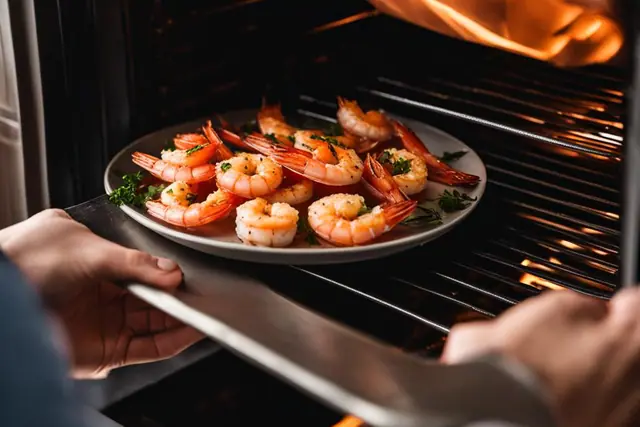
In this guide
- Best Method to Reheat Shrimp
- Reheating Shrimp on the Stovetop
- Using the Oven to Reheat Shrimp
- Reheating Shrimp in a Skillet
- Avoiding the Microwave for Reheating Shrimp
- The Best Method for Reheating Shrimp
- Tips for Reheating Shrimp
- Storing Leftover Shrimp
- Reheating Shrimp Only Once
- Bringing Shrimp to Room Temperature
- Adding Liquid for Moisture
- Avoiding Overcooking Shrimp
- Conclusion
- Source Links
- FAQ
Greetings, culinary enthusiasts! If you're a seafood lover like me, you know the disappointment of rubbery reheated shrimp. But fear not, because I've got some kitchen wisdom to share with you. In this article, I'll reveal the secrets to reheating shrimp without sacrificing its tender texture. So, put on your apron and let's dive into these cooking tips!
Best Method to Reheat Shrimp
When it comes to reheating shrimp, there are several methods you can choose from depending on your preferences and available equipment. The stovetop method is ideal for reheating shrimp on its own, while the oven method works best for larger batches or when reheating shrimp as part of a larger dish. If you're looking to reheat a complete meal, the skillet method is a great option. And of course, there's always the trusty microwave for those who need a quick fix.
Each method has its pros and cons, so let's take a closer look at each one:
Stovetop Method
The stovetop method is simple and effective. Fill a sauté pan or medium-sized pot with water or broth. Add a pinch of salt or a splash of lemon juice for added flavor. Bring the liquid to a near boil, then add the pre-cooked shrimp. Let them warm up for a minute or two, then remove from heat and serve.
Oven Method
For larger batches or when reheating shrimp as part of a larger dish, the oven method is a great choice. Preheat the oven to 300°F and place the shrimp on a rimmed sheet pan or baking dish in a single layer. Drizzle some water over the shrimp and cover the pan tightly with tin foil. Bake for 10-15 minutes, checking regularly to avoid overcooking.
Skillet Method
If you're reheating a complete meal with shrimp, the skillet method is your best bet. Melt a tablespoon of butter in a non-stick skillet over medium-high heat. Add the shrimp and toss to coat in the butter. Lower the heat and add a splash of water or broth. Cover the skillet for a minute to trap moisture, then remove the lid and squeeze some lemon juice over the shrimp before serving.
Microwave Method
The microwave is the quickest option, but it can result in rubbery shrimp if not done properly. If you choose to use the microwave, drizzle some water over the shrimp or place a damp paper towel on top to retain moisture. Reheat in shorter increments of 10-15 seconds and check frequently to prevent overcooking.
Now that you know the best methods for reheating shrimp, you can enjoy your delicious leftovers without worrying about rubbery textures. Whether you prefer the stovetop, oven, skillet, or microwave, each method has its own advantages and can yield tasty results when done right.
Reheating Shrimp on the Stovetop
When it comes to reheating shrimp, the stovetop method provides a quick and convenient option. To ensure a delicious result, there are a few key steps to follow. First, you'll need a sauté pan or medium-sized pot. Fill it with water or broth, which will help to infuse the shrimp with flavor and keep it moist during reheating. For added taste, you can also add a pinch of salt or a splash of lemon juice.
Next, bring the liquid to a near boil. This will create a gentle heat that won't overcook the shrimp. Once the liquid is hot, carefully add the pre-cooked shrimp to the pan. Let them warm up for just a minute or two, making sure not to leave them in for too long as they will continue to cook off the heat. Once the shrimp is hot to the touch, remove them from the heat and serve them immediately to enjoy their succulent flavor.
The stovetop method is a great option if you're looking for a simple and efficient way to reheat shrimp. It allows for easy control of the cooking process and helps to retain the shrimp's natural tenderness. Remember to use water or broth, a pinch of salt or lemon juice, and to monitor the shrimp closely to avoid overcooking. With these steps, you can enjoy perfectly reheated shrimp on your plate.
For a visual guide on reheating shrimp on the stovetop, refer to the table below:
| Stovetop Method | Instructions |
|---|---|
| Step 1 | Fill a sauté pan or medium-sized pot with water or broth. |
| Step 2 | Add a pinch of salt or a splash of lemon juice for flavor. |
| Step 3 | Bring the liquid to a near boil. |
| Step 4 | Add the pre-cooked shrimp to the pan and let them warm up for 1-2 minutes. |
| Step 5 | Remove the shrimp from the heat when they are hot to the touch. |
https://www.youtube.com/watch?v=ypAPcJUClqA
Benefits of the Stovetop Method
The stovetop method offers several advantages when it comes to reheating shrimp. Firstly, it is a relatively quick process, taking only a few minutes. Secondly, the gentle heat provided by the stovetop helps to prevent the shrimp from becoming rubbery or overcooked. Lastly, by adding water or broth, a pinch of salt, or a splash of lemon juice, you can enhance the flavor of the shrimp, making it even more enjoyable to eat.
By following these steps and using the stovetop method, you can confidently reheat shrimp without sacrificing its texture or taste. Whether you have leftover shrimp from a previous meal or simply want to enjoy a quick and delicious shrimp dish, the stovetop method is a reliable option that will leave you satisfied.
Using the Oven to Reheat Shrimp
When it comes to reheating shrimp, using the oven can be a great method to ensure even heating and maintain the shrimp's texture. Here's how you can use the oven method:
- Preheat your oven to 300°F.
- Place the pre-cooked shrimp on a rimmed sheet pan or baking dish in a single layer.
- Drizzle a small amount of water over the shrimp to help retain moisture.
- Cover the pan tightly with tin foil to trap the steam and prevent the shrimp from drying out.
- Bake the shrimp in the preheated oven for 10-15 minutes, checking regularly to avoid overcooking.
It's important to note that if you're reheating a dish with shrimp and other ingredients, it's best to separate them before heating to prevent the shrimp from drying out. This method works well for larger batches of shrimp or when reheating shrimp as part of a larger dish.
Now let's take a look at a complete table that summarizes the steps for using the oven method to reheat shrimp:
| Steps for Using the Oven to Reheat Shrimp |
|---|
| 1. Preheat the oven to 300°F |
| 2. Place the shrimp on a rimmed sheet pan or baking dish in a single layer |
| 3. Drizzle water over the shrimp |
| 4. Cover the pan tightly with tin foil |
| 5. Bake for 10-15 minutes, checking regularly to avoid overcooking |
Using the oven method with a rimmed sheet pan, tin foil, and a small amount of water helps retain moisture and ensures that the shrimp is heated evenly. It's a simple and effective way to reheat shrimp without making it rubbery.
Reheating Shrimp in a Skillet
When it comes to reheating shrimp, the skillet method is a popular choice. It allows for quick and easy reheating while maintaining the shrimp's delicious flavor and texture. To begin, gather a non-stick skillet, a tablespoon of butter, and a splash of water or broth.
Start by melting the butter in the skillet over medium-high heat. Once the butter has melted, add the pre-cooked shrimp and toss them gently to coat them in the butter. Lower the heat to medium and add a splash of water or broth to create moisture. This will help prevent the shrimp from drying out during the reheating process.
Cover the skillet with a lid for about a minute to trap the moisture and allow the shrimp to warm up. Then, remove the lid and squeeze fresh lemon juice over the shrimp for a burst of citrusy flavor. Give the shrimp a quick toss to incorporate the lemon juice, and they are ready to be served. The skillet method is a great way to reheat shrimp, providing a moist and flavorful result every time.
Benefits of the Skillet Method
The skillet method offers several benefits when it comes to reheating shrimp. First, using a non-stick skillet ensures that the shrimp won't stick to the pan, making for easy cleanup. The addition of butter adds richness and flavor to the shrimp, enhancing its taste. The splash of water or broth helps create steam, keeping the shrimp moist and preventing it from becoming dry during reheating. Lastly, the squeeze of fresh lemon juice adds a bright and tangy element that complements the shrimp's natural sweetness.
Overall, the skillet method is a simple and effective way to reheat shrimp. It brings out the best flavors and textures while ensuring the shrimp remains moist and delicious. Whether you're reheating shrimp for a quick weeknight dinner or a special occasion, the skillet method is a reliable technique that guarantees a tasty outcome.
Avoiding the Microwave for Reheating Shrimp
When it comes to reheating shrimp, the microwave may seem like the most convenient option. However, using this method can often result in rubbery shrimp if not done properly. To ensure your reheated shrimp retains its delicious texture, there are a few tips to keep in mind.
Firstly, it's important to add moisture to the shrimp when using the microwave. Drizzle a small amount of water over the shrimp or place a damp paper towel on top before reheating. This will help retain moisture and prevent the shrimp from drying out.
Additionally, when using the microwave, it's crucial to reheat the shrimp in shorter increments of 10-15 seconds. This allows you to regularly check the shrimp's temperature and prevent overcooking. By reheating in shorter bursts, you can ensure the shrimp is heated through without becoming rubbery.
Remember, reheating shrimp in the microwave should be a last resort. While it may be quick and convenient, the stovetop, oven, and skillet methods are generally better options for maintaining the shrimp's texture and flavor. However, if the microwave is your only option, following these tips will help you avoid rubbery shrimp and enjoy a delicious meal.
| Method | Pros | Cons |
|---|---|---|
| Stovetop | Quick and easy | May require additional liquid |
| Oven | Even heating | Longer cooking time |
| Skillet | Moist texture | Requires additional butter |
| Microwave | Quick | Potential for rubbery shrimp |
The Best Method for Reheating Shrimp
When it comes to reheating shrimp, the skillet method is often considered the best choice. Not only does it provide a moist texture, but it also allows for the addition of additional butter, enhancing the flavor and richness of the shrimp. To reheat shrimp using the skillet method, melt a tablespoon of butter in a non-stick skillet over medium-high heat. Toss the shrimp in the melted butter and lower the heat. Add a splash of water or broth to the skillet and cover it for a minute to trap moisture. Finally, remove the lid, squeeze some fresh lemon juice over the shrimp, and it's ready to be served.

Why the Skillet Method?
"The skillet method is the best way to reheat shrimp because it allows for even heating and the addition of extra butter, resulting in a moist and flavorful shrimp."
While the oven method also provides even heating, it may not be the best choice when reheating shrimp with other ingredients. The oven can dry out the shrimp if it's part of a larger dish. On the other hand, with the skillet method, you have more control over the moisture and can ensure that the shrimp stays juicy.
Other Methods for Reheating Shrimp
Although the skillet method is considered the best, there are other ways to reheat shrimp. The stovetop method, using water or broth, is a quick and simple option. The oven method works well for larger batches of shrimp or when reheating shrimp as part of a larger dish. And if you're in a hurry, you can use the microwave, but be cautious as it tends to make the shrimp rubbery if not done properly.
Tips for Reheating Shrimp
When it comes to reheating shrimp, there are a few tips that can help you achieve the best results. By following these reheating tips, you can ensure that your shrimp stays juicy and flavorful without becoming rubbery.
First and foremost, it's important to bring the shrimp to room temperature before reheating. This allows for more even warming and helps to prevent cold spots in the shrimp. Simply let the shrimp sit at room temperature for about 15 minutes before reheating.
Another tip is to add a small amount of liquid when reheating the shrimp. This can help to prevent the shrimp from drying out. You can use water, broth, or even a squeeze of lemon juice for added flavor. Just be sure to add enough liquid to coat the shrimp without submerging them completely.
Lastly, it's crucial to avoid overcooking the shrimp. To prevent this, check the shrimp frequently while reheating and remove them from the heat as soon as they are hot to the touch. Overcooking can lead to rubbery texture and loss of flavor, so it's always better to err on the side of caution and take them off the heat a bit early.
Table: Tips for Reheating Shrimp
| Tip | Description |
|---|---|
| Bring shrimp to room temperature | Allow the shrimp to sit at room temperature for about 15 minutes before reheating. |
| Add a small amount of liquid | Coat the shrimp with water, broth, or lemon juice to prevent drying out during reheating. |
| Avoid overcooking | Check the shrimp frequently and remove them from heat as soon as they are hot to the touch to prevent rubbery texture. |
Storing Leftover Shrimp
After enjoying a delicious shrimp meal, you may find yourself with leftovers that you want to save for later. Proper storage is crucial to maintain the freshness and quality of the shrimp. To store leftover shrimp, place them in an airtight container and store it in the refrigerator.
An airtight container helps to keep the shrimp protected from odors and moisture in the fridge, which can affect their taste and texture. It also prevents cross-contamination with other food items. Make sure the container is properly sealed to maintain the freshness of the shrimp.
Refrigeration slows down bacterial growth, extending the shelf life of the leftover shrimp. However, it is important to note that shrimp should be consumed within four days of refrigeration for the best quality and freshness. After this time, the shrimp may start to deteriorate and lose its flavor.
Table: Proper Storage of Leftover Shrimp
| Storage Guidelines | Refrigeration |
|---|---|
| Container | Airtight container |
| Temperature | Store in the refrigerator |
| Shelf Life | Consume within 4 days |
By following these storage guidelines, you can safely enjoy your leftover shrimp at a later time without compromising its taste and quality.
Reheating Shrimp Only Once
When it comes to reheating shrimp, there are a few important rules to follow to ensure both quality and safety. Reheating shrimp multiple times can lead to a deterioration in texture and potentially pose food safety risks. It's best to reheat shrimp only once to maintain its deliciousness.
Repeated reheating can result in rubbery shrimp, as each time it is reheated, the proteins in the shrimp undergo further denaturation. This can lead to a loss of moisture and a less enjoyable eating experience. Additionally, reheating shrimp multiple times increases the risk of bacterial growth, which can cause foodborne illnesses. To avoid these issues, it's crucial to reheat shrimp only once.
By reheating shrimp only once, you can preserve its quality and ensure a safe and enjoyable meal. Whether you choose to reheat your shrimp using the stovetop, oven, skillet, or microwave method, remember to follow this important rule for the best results.
Table: Comparison of Shrimp Reheating Methods
| Reheating Method | Recommended for | Resulting Texture |
|---|---|---|
| Stovetop | Individual shrimp | Tender and moist |
| Oven | Large batches or shrimp in a dish | Evenly heated |
| Skillet | Complete meals | Moist and flavorful |
| Microwave | Quick reheating | Potential rubbery texture if not done properly |
Table: Comparison of Shrimp Reheating Methods
When reheating shrimp, always remember to prioritize quality and safety by reheating only once. By following this rule and using the appropriate reheating method, you can enjoy delicious, tender, and safe-to-eat reheated shrimp.
Bringing Shrimp to Room Temperature
When it comes to reheating shrimp, one important step that shouldn't be overlooked is bringing the shrimp to room temperature before reheating. Allowing the shrimp to come to room temperature helps ensure even reheating and prevents cold spots in the shrimp, which can affect the overall texture and taste. This is especially important if you're reheating shrimp using methods like stovetop, oven, or skillet.
To bring shrimp to room temperature, simply take them out of the refrigerator and let them sit on the countertop for about 15-20 minutes before reheating. This step ensures that the shrimp reheats evenly and avoids the risk of overcooking or drying out certain areas.
By bringing shrimp to room temperature, you'll achieve a more consistent and enjoyable texture throughout the reheated dish. Your shrimp will be tender, perfectly cooked, and ready to be enjoyed all over again!
Benefits of Bringing Shrimp to Room Temperature
There are several benefits to bringing shrimp to room temperature before reheating. Firstly, it allows for more even reheating, ensuring that the shrimp is heated through without any cold spots. This helps maintain the integrity of the shrimp's texture and prevents any rubbery or unevenly cooked areas.
Secondly, bringing shrimp to room temperature before reheating helps to preserve the natural flavors of the shrimp. Cold shrimp tends to have muted flavors, but by allowing it to come to room temperature, you'll experience the full range of delicious flavors that shrimp has to offer.
Lastly, room temperature shrimp reheats more quickly and efficiently. By starting with shrimp that is already at room temperature, you'll reduce the overall reheating time, making the process more efficient and saving you time in the kitchen.
Adding Liquid for Moisture
When reheating shrimp, one important technique to retain moisture and prevent drying out is to add a small amount of liquid. Whether you choose water, broth, or lemon juice, this liquid helps to keep the shrimp juicy and flavorful. The addition of liquid also enhances the overall taste of the shrimp, providing a burst of fresh and vibrant flavors.
To add the liquid, simply drizzle it over the shrimp as you reheat them. This will help the shrimp to reabsorb the moisture, preventing them from becoming dry and rubbery. The liquid also creates a steamy environment, which further aids in keeping the shrimp moist and tender.
Adding a small amount of liquid to reheated shrimp helps retain moisture and prevent drying out. It also enhances the overall flavor and creates a steamy environment, resulting in juicy and tender shrimp.
Whether you are using the stovetop, oven, skillet, or microwave method to reheat your shrimp, adding liquid is a simple yet effective technique to ensure a moist and delicious outcome. So, the next time you are reheating shrimp, don't forget to include a splash of liquid for that extra burst of moisture and flavor.
Comparison of Liquid Options for Reheating Shrimp
| Liquid Option | Benefits |
|---|---|
| Water | Neutral flavor; readily available |
| Broth | Infuses additional savory flavors; adds depth |
| Lemon Juice | Brightens the taste; adds a refreshing tang |
When choosing the liquid for reheating shrimp, consider your personal preferences and the desired flavor profile. Water is a reliable option that won't overpower the natural taste of the shrimp. Broth, on the other hand, adds depth and complexity to the dish, while lemon juice brings a zesty and refreshing twist.
Experiment with different liquids to find the perfect combination that elevates the flavor of your reheated shrimp. Remember, a splash of liquid can go a long way in ensuring your shrimp remains moist, tender, and bursting with delicious taste.
Avoiding Overcooking Shrimp
To ensure perfectly cooked reheated shrimp, it is important to avoid overcooking. Overcooked shrimp can become rubbery and lose their delicate texture and flavor. By following a few simple steps and being mindful of the timing, you can achieve delicious reheated shrimp every time.
One of the key strategies to avoid overcooking shrimp is to check them frequently while reheating. Shrimp cook quickly, and even a few extra seconds can make a difference. Keep a close eye on the shrimp, and as soon as they are hot to the touch, remove them from the heat source.
Proper timing is crucial when reheating shrimp. Different methods of reheating require different cooking times, so it is important to follow the recommended guidelines. Whether you are using the stovetop, oven, skillet, or microwave, ensure that you are reheating the shrimp for the appropriate amount of time to avoid overcooking.
By checking frequently and timing your reheating process accurately, you can avoid overcooking shrimp and enjoy tender, flavorful results. Remember, shrimp cook quickly, so it's better to slightly undercook them during reheating and allow them to continue cooking from the residual heat. With these tips, you can savor the succulent taste of reheated shrimp without any rubbery texture.
Conclusion
After reheating shrimp, nobody wants to end up with a rubbery texture. To ensure your reheated shrimp retains its delicious taste and juicy texture, follow these tips and try the best methods available. The stovetop, oven, and skillet methods are all effective ways to reheat shrimp, each with its advantages depending on your needs. However, many consider the skillet method to be the best choice.
When reheating shrimp, remember to add a small amount of liquid, such as water, broth, or lemon juice. This helps retain moisture and enhance the flavor of the shrimp. Additionally, be cautious to avoid overcooking by checking the shrimp frequently and removing them from heat as soon as they are hot to the touch.
By following these tips, you can enjoy perfectly reheated shrimp every time, without worrying about it becoming rubbery. Remember to prioritize food safety and only reheat shrimp once. With these methods and techniques, you'll be able to savor the deliciousness of reheated shrimp while preserving its desired texture. Enjoy!
Source Links
- https://insanelygoodrecipes.com/how-to-reheat-shrimp/
- https://www.eatingwell.com/article/7960894/how-to-reheat-shrimp/
- https://www.southernliving.com/food/seafood/shrimp/how-to-reheat-shrimp
Frequently asked questions
- How do I reheat shrimp without making it rubbery?
The key to reheating shrimp without making it rubbery is to be gentle and use lower heat levels. Let the shrimp come to room temperature before reheating and add liquid to the pan to prevent it from drying out. Reheating shrimp should be a quick process, taking no more than five to six minutes.
- What is the best method to reheat shrimp?
There are several methods to reheat shrimp, depending on preference and equipment. The stovetop method works well for reheating shrimp on its own, while the oven method is ideal for large batches or when reheating shrimp as part of a larger dish. The skillet method is great for reheating a complete meal, and while the microwave is the quickest option, it can result in rubbery shrimp if not done properly.
- How do I reheat shrimp on the stovetop?
Fill a sauté pan or medium-sized pot with water or broth. Add a pinch of salt or a splash of lemon juice for flavor. Bring the liquid to a near boil, then add the pre-cooked shrimp and let them warm up for a minute or two. Remove from heat and serve.
- What is the method for reheating shrimp in the oven?
Preheat the oven to 300°F. Place the shrimp on a rimmed sheet pan or baking dish in a single layer. Drizzle water over the shrimp and cover the pan tightly with tin foil. Bake for 10-15 minutes, checking regularly to avoid overcooking.
- How do I reheat shrimp in a skillet?
Melt a tablespoon of butter in a non-stick skillet over medium-high heat. Add the shrimp and toss to coat in the butter. Lower the heat and add a splash of water or broth. Cover the skillet for a minute to trap moisture, then remove the lid and squeeze lemon juice over the shrimp before serving.
- Can I use the microwave to reheat shrimp?
While the microwave is the quickest option, it can result in rubbery shrimp. If using the microwave, drizzle water over the shrimp or place a damp paper towel on top to retain moisture. Reheat in shorter increments of 10-15 seconds and check frequently to prevent overcooking.
- Which method is considered the best for reheating shrimp?
The skillet method is considered the best for reheating shrimp as it produces a moist texture and allows for the addition of more butter. It is a quick and efficient method. The oven method is also effective, providing even heating, but may not be the best choice if reheating shrimp with other ingredients.
- What are some tips for reheating shrimp?
When reheating shrimp, it is recommended to bring it to room temperature before heating for even warming. Adding a small amount of liquid, such as water, broth, or lemon juice, helps prevent the shrimp from drying out. It is important to avoid overcooking and remove the shrimp from heat as soon as they are hot to the touch.
- How should leftover shrimp be stored?
Leftover shrimp can be stored in an air-tight container in the fridge for up to 4 days. However, for the best quality and freshness, it is recommended to consume them within the first 24 hours of refrigeration.
- Can I reheat shrimp multiple times?
Shrimp should only be reheated once to avoid deterioration in quality and potential food safety issues. Reheating shrimp multiple times can result in rubbery texture and contamination.
- Why is it important to bring shrimp to room temperature before reheating?
Allowing shrimp to come to room temperature before reheating helps ensure even warming and prevents cold spots in the shrimp, which can affect the overall texture and taste.
- Why should I add liquid when reheating shrimp?
Adding a small amount of liquid, such as water, broth, or lemon juice, when reheating shrimp helps retain moisture and prevent drying out. It can also enhance the flavor of the shrimp.
- How do I avoid overcooking shrimp when reheating?
To prevent overcooking shrimp, it is important to check them frequently while reheating and remove them from the heat as soon as they are hot to the touch. Overcooking can result in rubbery texture and loss of flavor.
AprilCook, recipe developer and the heart of Chefwiz. More about April