Guide
How to Reheat Stuffed Peppers Deliciously
Discover how to reheat stuffed peppers effectively! I provide practical tips to restore the taste and texture while maintaining their deliciousness.
 By April21 min read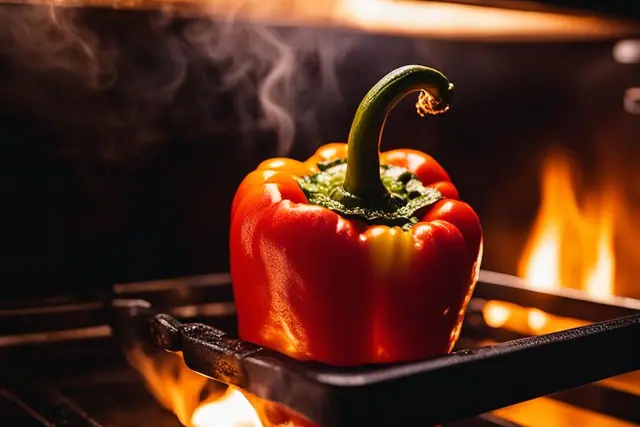
In this guide
- Reheating Stuffed Peppers in the Oven
- Reheating Stuffed Peppers in the Microwave
- Reheating Stuffed Peppers on the Stovetop
- Reheating Stuffed Peppers in the Air Fryer
- Storing and Freezing Stuffed Peppers
- Tips to Prevent Soggy Stuffed Peppers
- Benefits of Reheating Stuffed Peppers
- Proper Food Safety for Reheating Stuffed Peppers
- Maintaining Flavor and Nutrition in Reheated Stuffed Peppers
- Homemade Stuffed Peppers Recipes
- Kitchen Hacks for Reheating Stuffed Peppers
- Benefits of Home Cooking and Meal Prep with Stuffed Peppers
- Conclusion
- Source Links
- FAQ
Reheating stuffed peppers can be a challenge, but with the right methods, you can restore their deliciousness. I will guide you through different reheating methods, including the oven, microwave, stovetop, and air fryer, so you can enjoy flavorful stuffed peppers with the perfect taste and texture.
Reheating Stuffed Peppers in the Oven
When it comes to reheating stuffed peppers, using the oven is the ideal method to ensure even heating and achieve that perfect melty cheese topping. Preheating the oven to 350 degrees F is the first step in this process. Then, place the stuffed peppers on a baking tray and cover them with foil. Bake the peppers for 15 minutes to allow the heat to penetrate the filling and warm it through. After the initial baking time, remove the foil and continue baking for an additional 5 minutes to achieve that desired golden and bubbly cheese texture.
The oven method not only ensures even reheating but also helps preserve the original taste and freshness of the peppers. The gentle heat in the oven allows the flavors to meld together, resulting in a delicious reheated dish that is almost as good as freshly made. Whether you're reheating classic stuffed peppers with ground meat and rice or experimenting with vegetarian or grain-free variations, the oven method is a reliable choice for bringing out the flavors.
To summarize, reheating stuffed peppers in the oven involves preheating to 350 degrees F, baking covered with foil for 15 minutes, and then removing the foil and baking for an additional 5 minutes to achieve a perfectly melted cheese topping. Through this method, you can enjoy reheated stuffed peppers that taste as delicious as the first time they were made.
Table: Baking Time for Different Stuffed Pepper Variations
| Stuffed Pepper Variation | Baking Time (minutes) |
|---|---|
| Traditional Ground Meat and Rice | 20-25 |
| Vegetarian Quinoa and Vegetable | 15-20 |
| Grain-Free Cauliflower Rice and Turkey | 25-30 |
The table above showcases the approximate baking times for different variations of stuffed peppers. It is important to note that the exact cooking time may vary depending on the size and thickness of the peppers and the specific ingredients used in the filling. Always use a food thermometer to ensure that the internal temperature of the stuffed peppers reaches 165 degrees F for food safety reasons.
Reheating Stuffed Peppers in the Microwave
When it comes to reheating stuffed peppers, using the microwave is a quick and easy option. Simply place the cooked peppers on a microwave-safe plate or dish, cover them with a paper towel or microwave-safe plastic wrap, and microwave on high for 2 minutes. Check if the peppers are fully heated through. If not, add 30-second increments until they are steaming hot.
However, it's important to note that reheating stuffed peppers in the microwave may result in a slightly softer texture and potentially make the peppers a bit soggy. The microwave's high heat and moisture can affect the integrity of the peppers, causing them to lose some of their firmness. Nevertheless, if you're looking for a quick and convenient way to enjoy your stuffed peppers, the microwave can be a good option.
For those who prefer a firmer texture, using the oven or stovetop methods mentioned earlier may be a better choice. These methods allow for more even heating and can help avoid the sogginess that can occur with microwaving. However, if time is of the essence, the microwave can certainly get the job done.
https://www.youtube.com/watch?v=cURnTEtkeo0
Benefits of Reheating Stuffed Peppers in the Microwave
- Quick and convenient option
- Reheats stuffed peppers in just a few minutes
- Doesn't require preheating
Reheating stuffed peppers in the microwave is a time-saving method that can be useful when you're in a hurry. While it may result in a softer texture, it's still a convenient way to enjoy your stuffed peppers without the need for preheating or additional cooking time.
Reheating Stuffed Peppers on the Stovetop
When it comes to reheating stuffed peppers, using the stovetop can be an excellent option. This method allows for even heating and ensures that the flavors are preserved. One of the best tools to use for stovetop reheating is a Dutch oven or a thick pan with good heat distribution.
To begin, heat a tablespoon of olive oil in the Dutch oven over medium heat. Once the oil is hot, place the stuffed peppers in the pot, making sure they are upright. This will help prevent the filling from spilling out during the reheating process.
To ensure that the peppers heat evenly, cover the Dutch oven with a lid. Adding a tablespoon of water or tomato sauce to the bottom of the pot can also help prevent burning and sticking. The steam created by the liquid will help distribute the heat more evenly throughout the peppers.
Let the stuffed peppers cook on low heat for 15 to 20 minutes, or until they are heated through. If necessary, add more water to the pot to prevent sticking. Once the peppers are hot and the filling is heated, they are ready to be enjoyed.
Benefits of Reheating Stuffed Peppers on the Stovetop:
- Even heating: Reheating stuffed peppers on the stovetop allows for the heat to be distributed evenly, ensuring that each bite is warm and delicious.
- Preserved flavors: The stovetop method helps preserve the flavors of the peppers and their fillings, giving you a taste that closely resembles the original dish.
- Flexible cooking vessel: Using a Dutch oven or a thick pan with good heat distribution provides versatility in the cooking process and allows for consistent results.
Whether you're repurposing leftovers or meal prepping, reheating stuffed peppers on the stovetop is a great option to consider. The even heating and preserved flavors make it a delicious and convenient way to enjoy this savory dish.
Table: Stovetop Reheating Methods Comparison
| Reheating Method | Heat Distribution | Flavor Preservation | Convenience |
|---|---|---|---|
| Dutch Oven | Even heat distribution, steam from water or sauce | Preserves flavors well | Requires stovetop cooking |
| Thick Pan | Good heat distribution | Preserves flavors well | Requires stovetop cooking |
Reheating Stuffed Peppers in the Air Fryer
When it comes to reheating stuffed peppers, using the air fryer is a quick and easy method that delivers a crispy finish. The air fryer works by circulating hot air around the peppers, resulting in evenly heated and perfectly cooked peppers. It's a convenient way to reheat stuffed peppers without compromising their taste or texture.
To reheat stuffed peppers in the air fryer, start by spraying the air fryer tray or basket with non-stick cooking spray. This will ensure that the peppers don't stick to the surface and will come out crispy. Place the stuffed peppers upright in a single layer, allowing enough space between them for proper air circulation.
Set the air fryer temperature to 375 degrees F and cook the peppers for about 5 minutes, or until they are hot and heated through. Keep an eye on them to prevent overcooking. The air fryer method is quick, taking significantly less time than other reheating methods, and it produces a satisfyingly crispy exterior while maintaining the flavors of the peppers.
Whether you're reheating stuffed peppers for a quick weeknight dinner or to enjoy as leftovers, the air fryer offers a convenient and efficient solution. Its ability to deliver a crispy finish without the need for additional oil makes it a healthier alternative to traditional frying methods. Give it a try and savor the deliciousness of reheated stuffed peppers in no time.
Storing and Freezing Stuffed Peppers
When it comes to storing and freezing stuffed peppers, it's important to follow proper techniques to ensure their freshness and flavor. Whether you have leftover stuffed peppers or want to prepare them in advance for later use, proper storage is key. Here are some tips for storing and freezing stuffed peppers:
Storing in an Airtight Container: After cooking the stuffed peppers, allow them to cool completely. Once cooled, place them in an airtight container, such as a glass or plastic food storage container. Make sure the container is tightly sealed to prevent air and moisture from entering. Storing the peppers in an airtight container helps maintain their taste and texture for up to 4 days in the refrigerator.
Freezing in a Freezer Bag: If you want to freeze stuffed peppers for longer storage, it's important to freeze them properly to avoid freezer burn or loss of flavor. Start by allowing the cooked peppers to cool completely. Once cooled, place them in a freezer bag and remove as much air as possible before sealing. This will help prevent the peppers from getting freezer burn. Remember to label the freezer bag with the date to keep track of their freshness. Frozen stuffed peppers can typically be stored for up to 3 months.
| Storing Method | Refrigerator | Freezer |
|---|---|---|
| Duration | Up to 4 days | Up to 3 months |
| Container | Airtight container | Freezer bag |
"Proper storage is key to maintaining the flavor and freshness of stuffed peppers."
When you're ready to enjoy your frozen stuffed peppers, thaw them in the refrigerator overnight before reheating using your preferred method. Keep in mind that freezing may slightly affect the texture of the peppers, but the taste and overall quality should remain intact.
Summary:
Proper storage and freezing techniques are crucial for maintaining the flavor and freshness of stuffed peppers. Storing cooked peppers in an airtight container in the refrigerator ensures they stay fresh for up to 4 days. Freezing stuffed peppers in a freezer bag allows for longer storage, up to 3 months. Thaw frozen peppers in the refrigerator before reheating, and remember that freezing may slightly affect the texture.
Tips to Prevent Soggy Stuffed Peppers
When reheating stuffed peppers, there are several tips and tricks you can follow to prevent them from becoming too soggy. By using the oven reheating method and making a few simple substitutions in the stuffing, you can enjoy perfectly reheated stuffed peppers with great texture and flavor.
Substitute Rice with Quinoa
To avoid excess moisture in your stuffed peppers, consider substituting rice with quinoa in the filling. Quinoa has a lower starch content and absorbs less liquid, resulting in a less soggy texture. Simply cook the quinoa according to package instructions and use it as a replacement for the rice in your stuffing mixture.
Add Quick-Cooking Oats to Absorb Moisture
Another trick to prevent sogginess is to add a tablespoon of quick-cooking oats to the stuffing mixture. The oats will help absorb any excess moisture during reheating, keeping the peppers firmer and more flavorful. Be sure to mix the oats thoroughly into the stuffing before filling the peppers.
Let Stuffed Peppers Cool Completely Before Freezing
When freezing stuffed peppers, it's important to let them cool completely before placing them in the freezer. Freezing while the peppers are still warm can lead to excess moisture when defrosting, resulting in a soggy texture. Allow the stuffed peppers to cool on a wire rack for at least an hour before transferring them to an airtight container or freezer bag.
By following these tips, you can enjoy reheated stuffed peppers that are flavorful, moist, and far from soggy. The oven reheating method, along with the rice substitute and proper cooling before freezing, will help preserve the texture and taste of the peppers, ensuring a delicious meal every time.
Benefits of Reheating Stuffed Peppers
Reheating stuffed peppers offers several benefits that make them a convenient and versatile option for meal prep. Whether you're a busy professional or a home cook looking to save time in the kitchen, reheating stuffed peppers can be a game-changer. Here are some of the key benefits:
- Convenience: Reheating stuffed peppers allows you to enjoy a gourmet, home-cooked meal without the time-consuming preparation. Simply have the stuffed peppers ready in the fridge or freezer, and when you're ready to eat, heat them up using your preferred method.
- Meal Prep: Stuffed peppers are an excellent option for meal prep. You can batch cook them and store them in individual portions for quick and easy lunches or dinners throughout the week. This saves you time and ensures you have a nutritious and delicious meal ready to go.
- Versatility: Stuffed peppers can be filled with a variety of ingredients, making them a versatile choice for different dietary preferences. Whether you prefer a vegetarian or meat-filled option, there are endless possibilities for stuffing your peppers with your favorite ingredients.
- Gourmet Taste: Reheated stuffed peppers retain their delicious flavors and textures. The reheating methods mentioned earlier help preserve the original taste and freshness of the peppers, ensuring that each bite is as flavorful as the first.
So, if you're looking for a convenient, delicious, and versatile meal option, consider reheating stuffed peppers. They provide all the benefits of home cooking with the added convenience of easy reheating.
Table: Comparison of Reheating Methods for Stuffed Peppers
| Reheating Method | Pros | Cons |
|---|---|---|
| Oven | Even heating, melted and browned cheese | Longer cooking time |
| Microwave | Quick and easy | Potential for softer texture |
| Stovetop | Even heating, preserves flavors | Requires additional pot or pan |
| Air Fryer | Quick and crispy finish | May not fit larger peppers |
Reheating stuffed peppers offers several benefits. It provides convenience for meal prep, allowing you to enjoy a gourmet, home-cooked meal without the time-consuming preparation. Stuffed peppers are versatile and can be filled with a variety of ingredients, making them a versatile option for quick and easy family meals.
With the ability to choose from different reheating methods and the flexibility to customize your fillings, reheating stuffed peppers gives you the best of both convenience and gourmet taste. Make them ahead of time, freeze them, and enjoy a delicious meal whenever you please. So why not give reheating stuffed peppers a try and discover the convenience and versatility they bring to your kitchen.
Proper Food Safety for Reheating Stuffed Peppers
When it comes to reheating stuffed peppers, ensuring food safety is crucial. By following best practices, you can enjoy delicious reheated peppers without any concerns about bacteria or illness. Here are some important guidelines to keep in mind:
Temperature
It's essential to make sure the internal temperature of the stuffed peppers reaches at least 165 degrees F. This temperature helps kill any bacteria that may be present. To accurately measure the temperature, use a food thermometer inserted into the center of the peppers.
Timing
The timing for reheating stuffed peppers may vary depending on the method and the size of the peppers. It's important to ensure they are heated through evenly to avoid any potential foodborne illnesses. Follow the recommended times for reheating in the oven, microwave, stovetop, or air fryer to achieve the desired temperature.
Best Practices
Practicing good hygiene is crucial when reheating stuffed peppers. Make sure to wash your hands thoroughly before handling the peppers and use clean utensils and equipment. Avoid cross-contamination by keeping raw ingredients separate from cooked ones. Additionally, pay attention to proper storage techniques and ensure that leftovers are refrigerated promptly to maintain food safety.
| Food Safety Tips | Details |
|---|---|
| Use a food thermometer | Check the internal temperature of the stuffed peppers to ensure it reaches at least 165 degrees F. |
| Follow recommended reheating times | Each reheating method has specific recommended times to ensure the peppers are heated through evenly. |
| Practice good hygiene | Wash hands, use clean utensils, and keep raw and cooked ingredients separate to prevent cross-contamination. |
| Promptly refrigerate leftovers | Store any leftover stuffed peppers in the refrigerator within two hours to maintain freshness and safety. |
By following these food safety guidelines and best practices, you can confidently reheat stuffed peppers and enjoy them without any concerns. Remember to prioritize hygiene, temperature, and timing to ensure a safe and delicious meal.
Maintaining Flavor and Nutrition in Reheated Stuffed Peppers
When it comes to reheating stuffed peppers, preserving their flavor and nutrition is key. By using proper preservation methods and starting with fresh ingredients, you can ensure that your reheated stuffed peppers are just as delicious and nutritious as when they were first made.
One important aspect to consider is the choice of preservation method. As discussed in previous sections, reheating stuffed peppers using methods such as the oven, microwave, stovetop, or air fryer can help maintain their original taste and texture. Each method has its advantages, so it's worth experimenting with different options to find the one that works best for you.
Additionally, using fresh ingredients is essential for maintaining flavor and nutrition. Opt for high-quality ingredients such as ripe bell peppers, lean meats, flavorful herbs and spices, and wholesome grains. Fresh produce and high-quality proteins will ensure that your reheated stuffed peppers remain delicious and packed with nutrients.
Preservation Methods for Reheated Stuffed Peppers
Here are some preservation methods to consider when reheating stuffed peppers:
- Freezing: Properly store leftover stuffed peppers in airtight containers or freezer bags. Frozen stuffed peppers can be reheated using any of the methods mentioned earlier, with an additional 7 to 10 minutes of cooking time.
- Refrigeration: If you plan to consume the stuffed peppers within a few days, store them in the fridge in an airtight container. This method helps maintain their freshness and flavor.
- Meal Prep: If you're preparing stuffed peppers in advance for meal prep, follow proper food safety guidelines and store them in the fridge for up to 4 days. Reheat as needed throughout the week.
By employing these preservation methods and using fresh ingredients, you can ensure that your reheated stuffed peppers retain their flavor and nutrition, providing you with a delicious and satisfying meal every time.
Homemade Stuffed Peppers Recipes
When it comes to homemade stuffed peppers, the possibilities are endless. With a bit of creativity and culinary know-how, you can create delicious and satisfying meals for dinner, lunch, or even family gatherings. The art of stuffing peppers has been passed down through generations, and each recipe brings its own unique flavors and twists.
Let's explore some mouthwatering homemade stuffed pepper recipes that will surely impress your taste buds. Whether you prefer classic flavors or want to experiment with bold combinations, these recipes will inspire you to elevate your home cooking game.
1. Italian Style Stuffed Peppers: This recipe combines ground beef, Italian sausage, onions, garlic, and a blend of Italian herbs and spices. Top it off with gooey melted mozzarella cheese and serve with marinara sauce for a truly authentic Italian experience.
2. Mexican Inspired Stuffed Peppers: Spice up your stuffed peppers with a Mexican twist. Fill bell peppers with seasoned ground beef or shredded chicken, black beans, corn, and diced tomatoes. Top it off with shredded cheddar cheese, freshly chopped cilantro, and a dollop of sour cream.
3. Vegan Quinoa Stuffed Peppers: If you're looking for a plant-based option, try filling your peppers with a mixture of cooked quinoa, black beans, corn, diced tomatoes, and a medley of colorful vegetables. Season with cumin and chili powder for a flavorful kick.
Get creative in the kitchen and experiment with your favorite ingredients. Stuffed peppers are not only delicious but also a feast for the eyes. The vibrant colors and appealing presentation make them perfect for impressing guests or simply treating yourself to a gourmet meal at home.
Table: Homemade Stuffed Peppers Recipes
| Recipe | Description |
|---|---|
| Italian Style Stuffed Peppers | A classic recipe with ground beef, Italian sausage, and melted mozzarella cheese. |
| Mexican Inspired Stuffed Peppers | A zesty recipe with seasoned ground beef or shredded chicken, black beans, corn, and cheddar cheese. |
| Vegan Quinoa Stuffed Peppers | A plant-based recipe with quinoa, black beans, corn, and colorful vegetables. |
Kitchen Hacks for Reheating Stuffed Peppers
When it comes to reheating stuffed peppers, there are several kitchen hacks that can make the process quick and easy while ensuring a delicious outcome. These tips and tricks will help you elevate your reheating game and enjoy the flavors of your favorite stuffed peppers:
Air Fryer for a Quick and Crispy Finish
If you're looking for a quick and crispy finish, the air fryer is your best friend. Spray the air fryer tray or basket with non-stick cooking spray, place the stuffed peppers upright in a single layer, and cook at 375 degrees F for about 5 minutes or until the peppers are hot. The air fryer method ensures a crispy exterior while keeping the filling warm and flavorful.
Healthy Ingredient Substitutions
For a healthier twist, consider substituting some ingredients in your stuffed peppers. Instead of using regular rice, opt for quinoa, which is packed with nutrients and adds a pleasant texture. You can also add a tablespoon of quick-cooking oats to the filling to absorb any excess moisture and prevent the peppers from becoming soggy.
Proper Storage Techniques
Proper storage techniques are crucial for maintaining the flavor and texture of reheated stuffed peppers. Store leftover stuffed peppers in an airtight container or freezer bag in the refrigerator for up to 4 days. If you want to freeze the peppers, ensure they are completely cooled before placing them in the freezer. When reheating frozen stuffed peppers, add an additional 7 to 10 minutes of cooking time to ensure they are heated through.
With these kitchen hacks, reheating stuffed peppers becomes a breeze. Whether you choose to use an air fryer for a crispy finish, make healthy ingredient substitutions, or follow proper storage techniques, you can enjoy the convenience of reheated stuffed peppers without sacrificing taste or texture. Experiment with different methods and flavors to find your perfect combination!
Benefits of Home Cooking and Meal Prep with Stuffed Peppers
Home cooking and meal prep with stuffed peppers offer numerous benefits that enhance convenience, nutrition, and cost-saving, making them a fantastic option for busy individuals and families. By preparing stuffed peppers at home, you have complete control over the ingredients, allowing you to create personalized dishes that cater to your taste preferences and dietary needs.
Meal prepping with stuffed peppers saves valuable time during hectic weekdays, as you can prepare a batch in advance and have ready-to-eat meals for the entire week. This eliminates the need for frequent visits to restaurants or ordering takeout, which can be expensive and may not always offer the same nutritional value as homemade meals.
Not only is home cooking and meal prep with stuffed peppers a convenient and cost-effective choice, but it also ensures that you consume nutritious and wholesome food. By using fresh ingredients and avoiding preservatives and additives commonly found in pre-packaged meals, you can enjoy a healthier and more well-rounded diet.
The Benefits of Home Cooking and Meal Prep with Stuffed Peppers:
- Customizable dishes tailored to personal preferences and dietary needs
- Saves time on busy weekdays with ready-to-eat meals
- Cost-saving compared to eating out or ordering takeout
- Provides control over ingredients and eliminates preservatives and additives
- Promotes a healthier and more well-rounded diet
| Benefit | Description |
|---|---|
| Customizable Dishes | Home cooking allows you to customize stuffed peppers to suit your taste preferences and dietary needs. You can experiment with various fillings, spices, and toppings to create unique flavor profiles. |
| Saves Time | Meal prepping stuffed peppers in advance saves time on busy weekdays. You can cook a large batch and store individual portions, ensuring you have a nutritious and delicious meal ready to enjoy without spending time on extensive meal preparation. |
| Cost-Saving | Home cooking and meal prep with stuffed peppers are cost-saving options compared to eating out or ordering takeout regularly. You can buy ingredients in bulk, take advantage of sales, and reduce overall food expenses. |
| Control Over Ingredients | By cooking stuffed peppers at home, you have control over the quality and sourcing of ingredients. You can choose fresh, organic, and locally sourced products, ensuring a higher nutritional value and reducing exposure to preservatives and additives. |
| Promotes Healthier Diet | Home cooking allows you to create nutritious meals that align with your health goals. Stuffed peppers can be packed with vegetables, lean protein, and whole grains, providing a balanced and wholesome meal option. |
Conclusion
Reheating stuffed peppers is a simple and convenient way to enjoy their deliciousness whenever you like. Whether you choose to use the oven, microwave, stovetop, or air fryer, each method offers its own unique advantages. The oven method ensures even heating and a perfectly melted cheese topping, while the microwave provides quick and easy reheating. Stovetop cooking allows for even heat distribution, while the air fryer gives a crispy finish.
By following proper food safety guidelines and using the right storage techniques, you can preserve the flavors and nutrition of your reheated stuffed peppers. Stuffed peppers are a versatile dish that can be customized to suit your preferences, making them a great option for home cooking and meal prep. Whether it's for dinner, lunch, or family gatherings, stuffed peppers are sure to impress with their deliciousness and convenience.
So go ahead and experiment with different recipes, fillings, and reheating methods to find your perfect combination. Reheating stuffed peppers has never been easier, and with these tips, you can elevate your home cooking game and enjoy a gourmet meal whenever you desire. Embrace the deliciousness of reheated stuffed peppers and take your taste buds on a flavorful journey!
Source Links
- https://www.thedailymeal.com/1269228/best-method-reheating-stuffed-peppers/
- https://www.jerseygirlcooks.com/how-to-reheat-stuffed-peppers/
- https://cookingchew.com/how-to-reheat-stuffed-peppers.html
Frequently asked questions
- What is the best method to reheat stuffed peppers?
The best method to reheat stuffed peppers is in the oven, as it ensures even heating and melts and browns any cheese on top.
- How do I reheat stuffed peppers in the oven?
Preheat the oven to 350 degrees F, place the stuffed peppers on a baking tray, cover with foil, and bake for 15 minutes. Remove the foil and bake for an additional 5 minutes to achieve the desired cheese texture.
- Can I reheat stuffed peppers in the microwave?
Yes, you can reheat stuffed peppers in the microwave. Place the cooked peppers on a microwave-safe plate or dish, cover with a paper towel or microwave-safe plastic wrap, and microwave on high for 2 minutes. Check if the peppers are fully heated through and add 30-second increments if needed.
- How do I reheat stuffed peppers on the stovetop?
To reheat stuffed peppers on the stovetop, use a Dutch oven or a thick pan with good heat distribution. Heat a tablespoon of olive oil in the Dutch oven, place the peppers upright, cover with a lid, add a tablespoon of water or tomato sauce, and cook on low heat for 15 to 20 minutes.
- Can I reheat stuffed peppers in the air fryer?
Yes, you can reheat stuffed peppers in the air fryer. Spray the air fryer tray or basket with non-stick cooking spray, place the peppers upright in a single layer, and cook at 375 degrees F for about 5 minutes or until the peppers are hot and crispy.
- How long can I store stuffed peppers in the fridge?
Stuffed peppers can be stored in the fridge for up to 4 days in an airtight container or freezer bag.
- How can I prevent stuffed peppers from becoming soggy when reheating?
To prevent stuffed peppers from becoming soggy when reheating, use the oven method. You can also substitute rice with quinoa when preparing the stuffing and add a tablespoon of quick-cooking oats to absorb excess moisture.
- How can I store and freeze stuffed peppers?
To store stuffed peppers, place them in an airtight container or freezer bag and keep them in the fridge for up to 4 days or in the freezer for longer storage. Make sure they are completely cooled before freezing.
- What are the benefits of reheating stuffed peppers?
Reheating stuffed peppers provides convenience for meal prep, allows you to enjoy gourmet home-cooked meals without the preparation time, and offers a versatile option for quick and easy family meals.
- How can I ensure proper food safety when reheating stuffed peppers?
Ensure that the internal temperature of the peppers reaches at least 165 degrees F to kill any bacteria. Use a food thermometer to check the temperature and follow proper storage and reheating techniques.
- How can I maintain the flavor and nutrition of reheated stuffed peppers?
Use proper preservation methods and start with fresh ingredients. The reheating methods mentioned earlier help preserve the original taste and texture of the peppers, while proper storage and freezing techniques retain the nutritional value.
- Are there any kitchen hacks for reheating stuffed peppers?
Yes, some kitchen hacks for reheating stuffed peppers include using an air fryer for a quick and crispy finish, substituting ingredients for a healthier twist, and employing proper storage techniques to retain flavor and texture.
- What are the benefits of home cooking and meal prep with stuffed peppers?
Home cooking and meal prep with stuffed peppers offer convenience, allowing you to control ingredients and tailor meals to your taste preferences. It saves time during busy weekdays, ensures nutritious and delicious meals, and is a cost-saving option compared to eating out or ordering takeout.
AprilCook, recipe developer and the heart of Chefwiz. More about April