Guide
How to Reheat Soup and Keep It Delicious
Learn the best ways on how to reheat soup, preserve its flavor and keep it delicious. Follow our guide to enjoy your favorite soup like it's fresh-cooked.
 By April20 min read
In this guide
- The Benefits of Homemade Soup
- How Long Can You Store Soup?
- How to Pack Soup for Reheating
- Methods for Defrosting Soup
- Reheating Soup on the Stovetop
- Reheating Soup in the Microwave
- Thawing and Reheating Pre-Made Soup
- Freezing and Thawing Homemade Soup
- Reheating Soup Safely
- Creative Uses for Leftover Soup
- Tips for Maintaining Soup Quality During Reheating
- Conclusion
- Source Links
- FAQ
Reheating soup is a common task, but it can be tricky to get it just right. You want to make sure it's warm and delicious without losing any of its original flavor and taste. Luckily, there are several methods you can use, whether you prefer the microwave, stove, or oven. With the right techniques and a few simple steps, you can enjoy a piping hot bowl of soup that tastes just as fresh as when it was first made.
When reheating soup, it's important to consider the type of soup you're working with. Whether it's a hearty broth, a creamy concoction, or a spicy stew, each type requires a different approach to maintain its deliciousness. By following the proper method and taking care with the ingredients, seasonings, and spices, you can preserve the aroma and flavor that make your soup special.
The Benefits of Homemade Soup
Making homemade soup has numerous advantages that contribute to its popularity as a comforting and nutritious meal. By preparing your own soup, you have full control over the ingredients, allowing you to customize it according to your taste and dietary preferences. Plus, homemade soup is often more economical compared to store-bought options, as you can use budget-friendly ingredients and make larger batches that can be enjoyed over several meals.
One of the key benefits of homemade soup is the ability to create a comforting and nourishing dish that can be enjoyed on its own or paired with other dishes. It provides a sense of warmth and satisfaction, particularly during colder months or when you're feeling under the weather. The ingredients used in homemade soup can also contribute to its comforting qualities, such as aromatic herbs and spices, which add depth of flavor and enhance the overall experience.
Another advantage of making your own soup is the convenience of storing it for future use. Homemade soup can be easily stored in the refrigerator or freezer, making it a convenient option for quick meals or when you're in need of a comforting dish in a pinch. By storing your homemade soup properly, you can preserve its taste, texture, and nutritional value, ensuring that it remains delicious and satisfying when reheated.
Table: Homemade Soup vs. Store-Bought Options
| Aspect | Homemade Soup | Store-Bought Options |
|---|---|---|
| Ingredients | Control over ingredients | Limited control |
| Economy | Cost-effective | Can be more expensive |
| Customization | Can be tailored to taste | Limited customization |
| Convenience | Can be stored and enjoyed later | Ready-made, but limited options |
As the table above illustrates, homemade soup offers greater control over ingredients, economy, customization, and convenience compared to store-bought options. So why not grab a pot, gather your favorite ingredients, and create a delicious homemade soup that will warm both your heart and your taste buds?
How Long Can You Store Soup?
When it comes to storing soup, the length of time it can be kept depends on various factors such as the ingredients used and how efficiently it was cooled before storage. Generally, soup can be stored in the refrigerator for about three days. However, certain soups may last longer, particularly those with clear vegetable bases or acidity from ingredients like tomatoes. Creamy soups typically last three days, while seafood soups can last two to three days.
If you're looking to store soup for a longer period, freezing is a great option. Frozen soup can last up to three months when stored at the appropriate temperature, which is 0 degrees Fahrenheit. This allows you to make a large batch of soup and portion it out for easy reheating later on. Freezing soup is also a convenient way to avoid food waste and have homemade meals readily available.
Storage Length of Common Types of Soup:
| Soup Type | Refrigerator Storage Length | Freezer Storage Length |
|---|---|---|
| Clear Vegetable-Based Soups | 4-5 days | 3 months |
| Creamy Soups | 3 days | 3 months |
| Seafood Soups | 2-3 days | 3 months |
It's important to note that the quality of the soup may slightly change after freezing and reheating. While the taste and texture may still be enjoyable, it's best to consume the soup within the recommended storage lengths for optimal flavor and freshness.
https://www.youtube.com/watch?v=oEmL91PWvzY
By understanding how long you can store soup and utilizing proper storage techniques, you can make the most out of your homemade soups and minimize food waste. Remember to always label your containers with the date to keep track of the storage time and ensure you consume the soup within the recommended period.
How to Pack Soup for Reheating
When it comes to safely cooling and reheating soup, speed is of the essence. One method used in professional kitchens is the ice bath method, which involves placing the pot of soup in a larger container filled with ice water. This rapidly cools down the soup and helps maintain its flavor and freshness. However, if you're reheating a small portion of soup, you can transfer it to a shallow, wide container and place it in the refrigerator to cool down quickly.
When dividing soup for storage, it's important to leave some space in the container for expansion during freezing. This prevents the container from cracking and allows the soup to freeze evenly. Additionally, if you're reheating soups that contain cream or milk, it's best to add these ingredients after reheating to prevent curdling or separation.
If your soup contains pasta or grains, it's advisable to add them just before serving to prevent them from becoming mushy during reheating. Lastly, labeling the containers with the type of soup and its contents can help you easily identify what's inside, especially if you have multiple containers in your freezer or fridge.
Packing Soup for Reheating: Tips and Recommendations
- Cool the soup quickly by using the ice bath method or transferring it to a shallow, wide container in the refrigerator.
- Leave some space in the container for expansion during freezing.
- Add cream or milk after reheating to prevent curdling or separation.
- Add pasta or grains just before serving to maintain their texture.
- Label the containers with the type of soup and its contents for easy identification.
| Ingredient | Temperature for Reheating |
|---|---|
| Soups with cream or milk | Reheat without cream/milk, then add after reheating |
| Soups with pasta or grains | Add pasta/grains just before serving |
| Soups without cream/milk, pasta, or grains | Reheat until steaming hot |
By following these packing and reheating tips, you can ensure that your soup retains its flavor, texture, and overall quality when it's time to enjoy it again.
Methods for Defrosting Soup
When it comes to thawing frozen soup, there are three commonly used methods: refrigerator thawing, cold water thawing, and microwave thawing. Each method has its own advantages and considerations, so let's take a closer look.
Refrigerator Thawing
If you have some time to spare, refrigerator thawing is the most convenient and gentle method. Simply transfer the frozen soup from the freezer to the refrigerator and let it thaw overnight. This gradual process ensures a safe thaw and helps the soup retain its flavors and textures.
Cold Water Thawing
If you're short on time, you can opt for cold water thawing. Place the frozen soup in a leak-proof bag or container and submerge it in cold water. Change the water every 30 minutes to maintain a safe temperature. This method can thaw soup relatively quickly, but it requires more attention and effort compared to refrigerator thawing.
Microwave Thawing
For those seeking an even faster option, microwave thawing is the way to go. Transfer the frozen soup to a microwave-safe container and use the defrost setting or low power setting to thaw it. Make sure to follow the manufacturer's instructions for your particular microwave. However, be cautious as microwave thawing can sometimes result in uneven heating, so it's important to check the soup thoroughly before consuming.
Each of these methods has its own advantages and considerations. It's important to choose the method that suits your needs and allows for safe and efficient thawing of your frozen soup.
| Thawing Method | Advantages | Considerations |
|---|---|---|
| Refrigerator Thawing | Convenient and gentle thawing | Requires advance planning |
| Cold Water Thawing | Relatively quick thawing | Requires active monitoring and water changes |
| Microwave Thawing | Fastest thawing method | Potential for uneven heating |
Reheating Soup on the Stovetop
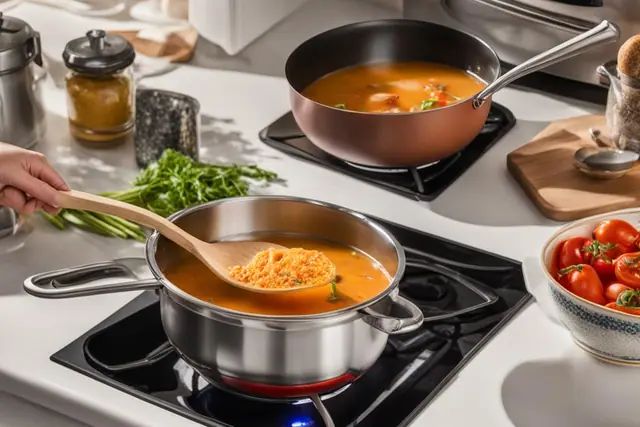
When it comes to reheating soup, the stovetop method is a reliable choice that allows for precise temperature control. Whether you're reheating a clear broth or a thickened soup, the stovetop offers the flexibility to bring your soup to a safe temperature without compromising its texture or flavor.
For clear broths or soups without added thickeners, it's recommended to bring the soup to a rolling boil for three minutes. This ensures that any potential bacteria or contaminants are eliminated, making the soup safe to consume. On the other hand, for thickened soups, it's best to simmer the soup gently over low heat. This prevents over-reduction and helps maintain the desired consistency and texture.
While reheating on the stovetop, it's important to stir the soup occasionally to ensure even distribution of heat and prevent scorching. This step is particularly crucial for thickened soups or those containing ingredients like dairy or cream, which have a tendency to stick to the bottom of the pot. By stirring the soup, you can ensure that it reheats evenly and remains smooth and creamy.
With the stovetop method, you have full control over the reheating process, allowing you to bring your soup to the perfect temperature for serving. Just remember to use low heat for simmering and to bring clear broths to a rolling boil. By following these guidelines, you can enjoy a piping hot bowl of soup that tastes just as delicious as when it was first made.
Reheating Soup in the Microwave
When it comes to reheating soup quickly and conveniently, the microwave is your best friend. With just a few simple steps, you can have a steaming bowl of delicious soup ready to enjoy. To ensure even reheating, it's important to use a microwave-safe container with a lid. This helps to trap heat and steam, preventing your soup from drying out. Just make sure to leave a small opening for steam to escape, so pressure doesn't build up.
When reheating soup in the microwave, it's best to do it in multiple turns. This means heating your soup for short intervals, stirring in between, and then continuing until it reaches the desired temperature. This helps to ensure that the heat is evenly distributed throughout the soup. It's also a good idea to check the temperature with a food thermometer to make sure it reaches 165 degrees Fahrenheit for optimal food safety.
"Reheating soup in the microwave is quick and convenient, but it's important to use a microwave-safe container with a lid to preserve the moisture and flavors of your soup."
Remember, different microwaves have different power levels, so you may need to adjust the heating time accordingly. Start with shorter intervals and increase the time as needed until your soup is heated through. Also, be careful when removing the lid after reheating, as the steam can be hot and may cause burns. Take precautions and use oven mitts or a kitchen towel to protect your hands.
Reheating Soup in the Microwave - Tips:
- Use a microwave-safe container with a lid to trap heat and steam.
- Reheat your soup in multiple turns, stirring in between, to ensure even distribution of heat.
- Check the temperature with a food thermometer to ensure it reaches 165 degrees Fahrenheit for food safety.
- Be cautious when removing the lid after reheating, as the steam can be hot.
With these simple tips, reheating soup in the microwave can be a breeze. Enjoy your warm and comforting bowl of soup without the hassle of using the stovetop or oven. Just remember to follow the necessary precautions for safe and delicious reheating.
Thawing and Reheating Pre-Made Soup
When it comes to pre-made store-bought soup, it's important to follow the specific instructions provided on the packaging for thawing and reheating. These instructions are designed to ensure that the soup retains its quality and taste when prepared at home. Whether you're working with broth-based soups or creamy options, following the instructions will help you achieve the desired texture and prevent any separation.
For frozen soups, the instructions may include thawing the soup in the refrigerator overnight or reheating it directly from the freezer. Thawing in the refrigerator allows for a slow and controlled thawing process, while heating from frozen can speed up the process. It's crucial to follow the recommended method to maintain the quality of the soup.
Broth-based soups may simply need to be heated on the stovetop until they reach a simmer. Cream-based soups, on the other hand, may require more careful attention to prevent separation. These soups should be reheated over low heat, stirring constantly to ensure they remain smooth and creamy.
| Store-bought Soup | Thawing Instructions | Reheating Instructions |
|---|---|---|
| Broth-based Soups | Thaw in the refrigerator overnight or reheat directly from frozen | Heat on the stovetop until simmering |
| Cream-based Soups | Thaw in the refrigerator overnight or reheat directly from frozen | Reheat over low heat, stirring constantly to prevent separation |
By following the specific thawing and reheating instructions for pre-made soups, you can be confident that you'll enjoy a delicious and satisfying meal. These instructions have been carefully crafted to help you bring out the best flavors and textures in store-bought soups, ensuring a satisfying dining experience.
Freezing and Thawing Homemade Soup
When it comes to preserving your homemade soup for future use, freezing is a convenient and effective method. To ensure the quality of the soup remains intact, it's essential to use freezer-friendly containers that are air-tight. Glass jars and plastic bags are popular options for freezing soup, but make sure they are designed for freezer use and BPA-free to avoid any potential chemical leaching.
When freezing soup in containers, leave some headspace to allow for expansion during freezing. This will prevent the containers from cracking and ensure the soup stays fresh. For added convenience, you can freeze the soup broth in ice cube trays or plastic bags. This allows you to thaw small portions of broth as needed for recipes or to add flavor to other dishes.
When storing your homemade soup in the freezer, it's important to label the containers with the date and type of soup. This will help you keep track of the storage time and easily identify the contents later on. Remember to always freeze your soup at a safe temperature, ideally at or below 0 degrees Fahrenheit, to prevent bacterial growth and maintain food safety.
| Freezing and Thawing Tips for Homemade Soup | Benefits |
|---|---|
| Use freezer-friendly containers that are air-tight | Prevents freezer burn and maintains soup quality |
| Leave headspace in containers | Allows for expansion during freezing |
| Freeze broth in ice cube trays or plastic bags | Provides convenient portions for future use |
| Label containers with the date and type of soup | Helps with organization and easy identification |
| Freeze at a safe temperature (at or below 0 degrees Fahrenheit) | Prevents bacterial growth and ensures food safety |
Thawing your frozen homemade soup can be done through various methods. The most recommended method is to thaw the soup in the refrigerator overnight. This allows for a gradual thawing process and helps preserve the soup's texture and flavor. If you're short on time, you can also use the cold water thawing method. Simply place the sealed container of frozen soup in a larger bowl or sink filled with cold water. Change the water every 30 minutes to maintain a safe temperature.
If you need to thaw the soup quickly, you can use the microwave. Defrost the soup using the microwave's power level for a controlled thawing process. However, make sure to transfer the soup to a microwave-safe container before using the microwave. This ensures that the container can withstand the heat without any issues.
Overall, freezing and thawing homemade soup is a practical way to extend its shelf life and have a convenient meal option on hand. By following the proper storage techniques and employing the right thawing methods, you can enjoy your homemade soup with all its original flavors and nutritional benefits.
Reheating Soup Safely
When it comes to reheating soup, ensuring it reaches a safe temperature is essential for food safety. Using a food thermometer is the most accurate way to determine if your soup has reached the recommended temperature of 165 degrees Fahrenheit. This helps to kill any bacteria that may have multiplied during storage.
While reheating soup in a crockpot may seem convenient, it's important to note that it may not reach the necessary temperature quickly enough to eliminate any bacteria that may be present. Instead, opt for reheating on the stovetop or in the microwave, where you have more control over the temperature and can ensure it reaches the desired heat level.
The United States Department of Agriculture (USDA) recommends reheating soup thoroughly and only reheating the portion you plan to consume. Repeatedly reheating soup can lead to a decline in quality and flavor, so it's best to reheat only what you'll be eating. This reduces the risk of bacterial growth and helps to maintain the taste and quality of the soup.
Remember, always follow proper food safety guidelines and recommendations when reheating soup or any other leftovers. By reheating soup to the recommended temperature, you can enjoy a delicious and safe meal without compromising your health.
| Temperature Recommendations for Reheating Soup | Method | Recommended Temperature |
|---|---|---|
| Stovetop | Reheat on low heat, stirring frequently | 165°F |
| Microwave | Reheat in short intervals, stirring in between | 165°F |
| Crockpot | Not recommended for reheating | N/A |
Table: Temperature Recommendations for Reheating Soup
Creative Uses for Leftover Soup
When you find yourself with leftover soup, don't let it go to waste! There are plenty of creative ways to repurpose it into delicious new dishes. From sauces to stews, pasta to casseroles, leftover soup can be transformed into a variety of satisfying meals.
Sauces
Leftover soup can make a flavorful base for sauces. Whether you're making a creamy pasta sauce or a hearty gravy, adding leftover soup can enhance the taste and texture of your dish. Simply heat the soup in a saucepan until it thickens, and then use it as a base for your favorite sauce recipe. You'll be amazed at the depth of flavor it adds!
Stew
Transform your leftover soup into a hearty stew by adding extra ingredients like chunks of cooked meat, vegetables, and beans. Simmer the mixture until everything is well heated and the flavors have melded together. Serve with crusty bread for a satisfying and comforting meal.
Pasta, Rice, and Casseroles
Add leftover soup to cooked pasta or rice for an instant flavor boost. Combine the ingredients in a baking dish, top with cheese and breadcrumbs, and bake until golden and bubbly for a delicious casserole. You can also use leftover soup as a flavorful addition to other one-pot meals, such as rice casseroles or grain-based dishes.
Get creative with your leftover soup and explore different recipes and ideas. Don't let it go to waste - repurpose it into new and exciting dishes that your whole family will enjoy!
Tips for Maintaining Soup Quality During Reheating
When it comes to reheating soup, maintaining its quality is essential to ensure a delicious and satisfying meal. By following a few tips and techniques, you can preserve the taste, texture, and freshness of your soup. Here are some suggestions to help you achieve the best results:
Use Fresh Broth and Noodles
One way to enhance the quality of reheated soup is by adding fresh broth and noodles before serving. This can help revitalize the flavors and ensure a more enjoyable eating experience. Consider using homemade broth or high-quality store-bought options to infuse your soup with rich and savory notes. Additionally, adding fresh noodles can help restore the desired texture, making it feel like a freshly cooked meal.
Adjust Seasoning and Thickening
During the reheating process, some of the flavors and seasonings in the soup may diminish. To combat this, taste the soup after reheating and adjust the seasoning as needed. You can add a pinch of salt, pepper, or any other preferred seasonings to bring back the desired taste. If your soup has thickened during refrigeration, you can use additional broth or water to achieve the desired consistency. Be mindful not to over-thicken the soup, as this can affect the overall quality.
Take Care of Soup Components
When reheating soup, it's important to take care of its components to maintain their integrity. If your soup contains delicate ingredients such as vegetables or meats, consider reheating it gently to prevent them from becoming mushy or overcooked. Stir the soup occasionally as it reheats to ensure even distribution of heat and to prevent any sticking or burning at the bottom of the pan. By paying attention to the soup's components, you can ensure a well-balanced and enjoyable meal.
Refrigerating and reheating soup can be a convenient way to enjoy a comforting meal. By following these tips for maintaining soup quality during reheating, you can ensure a delicious and satisfying dining experience with every spoonful. Remember to adjust the seasoning, use fresh ingredients, and take care of the soup components to preserve its taste, texture, and freshness. With these techniques in mind, you can enjoy your reheated soup as if it were freshly made.
Conclusion
In conclusion, reheating soup is a simple process that can be done using various methods such as the stove, microwave, or oven. By following the right techniques and guidelines, you can preserve the taste, flavor, and texture of the soup and enjoy it as if it were freshly cooked.
Proper storage, thawing, and reheating techniques are essential to ensure food safety and maintain the quality of the soup. It's important to use the correct containers, label them appropriately, and follow specific instructions for pre-made store-bought soups. When reheating, use a food thermometer to ensure the soup reaches the safe temperature of 165 degrees Fahrenheit.
Additionally, get creative with your leftovers and explore different ways to repurpose soup for added variety in your meals. Whether you use it as a base for sauces, add it to stews, or use it to cook pasta or rice, leftover soup can be transformed into delicious new dishes.
Remember, reheating soup allows you to enjoy its comforting flavors while minimizing food waste. So, don't hesitate to reheat and savor your favorite soups using the techniques and tips provided in this article. Bon appétit!
Source Links
- https://cookingchew.com/how-to-reheat-soup.html
- https://www.marthastewart.com/7591870/how-long-store-soup-reheat
- https://www.bettycrocker.com/how-to/tipslibrary/cooking-tips/making-soup
Frequently asked questions
- How do I reheat soup and keep it delicious?
Reheating soup can be done using various methods such as the stove, microwave, or oven. By following the right techniques and using proper containers, you can keep your soup warm and delicious while preserving its taste, flavor, and aroma.
- What are the benefits of homemade soup?
Homemade soup offers several benefits, including the ability to control the ingredient list, making it more economical compared to store-bought options. It provides comfort and can be stored in the refrigerator or freezer for later use.
- How long can I store soup?
The storage length of soup depends on the ingredients and how efficiently it was cooled down before storage. In general, soup can be stored in the refrigerator for about three days. However, soups with certain ingredients, such as clear vegetable-based soups or those with acidity like tomatoes, may last longer. Creamy soups usually last three days, while seafood soups last two to three days. Frozen soup can last up to three months if stored at the appropriate temperature (0 degrees Fahrenheit).
- How should I pack soup for reheating?
The key to safely cooling and reheating soup is to do it quickly. Professional kitchens use an ice bath method for rapid cooling. When dividing soup for storage, make sure to leave some space in the container for expansion during freezing. Soups with cream or milk should be added after reheating, and pasta or grains should be added just before serving. Labeling the containers will help you identify the soup and its contents.
- What are the methods for defrosting soup?
There are three common methods for defrosting frozen soup: thawing in the refrigerator overnight, cold water thawing by placing the soup in a leak-proof bag or container and changing the water every 30 minutes, or defrosting in the microwave. Each method has its advantages, but it's important to ensure the soup is completely thawed before reheating.
- How do I reheat soup on the stovetop?
The stovetop method is ideal for reheating soup as it allows you to control the heat and bring the soup to a safe boiling point. For clear broths or soups without added thickeners, bring the soup to a boil for three minutes. For thicker soups, simmer gently to prevent over-reduction, which can affect the texture. It's important to stir the soup as it simmers to ensure even reheating.
- How do I reheat soup in the microwave?
The microwave is a quick and convenient way to reheat soup. To ensure even reheating, use a microwave-safe container with a lid, leaving a small opening for steam to escape. Reheat the soup in multiple turns to ensure even distribution of heat. It's important to check the temperature of the soup to ensure it reaches 165 degrees Fahrenheit for food safety.
- How should I thaw and reheat pre-made soup?
Pre-made store-bought soups often come with specific instructions for thawing and reheating. It's important to follow these instructions for the best results. Some soups may need to be thawed in the refrigerator overnight, while others can be reheated directly from the freezer. Be aware of the specific instructions for broth or cream-based soups, as they may require special care to maintain their texture and prevent separation.
- How do I freeze and thaw homemade soup?
Homemade soup can be frozen for future use. It's important to use freezer-friendly, air-tight containers to prevent freezer burn and maintain the quality of the soup. Leave some headspace in the containers to allow for expansion during freezing. Freezing broth in ice cube trays or plastic bags can provide convenient portions for future use. When thawing homemade soup, use the refrigerator, cold water thawing, or the microwave, depending on the time available and the desired speed of thawing.
- How do I safely reheat soup?
Reheating soup to a safe temperature is crucial for food safety. Use a food thermometer to ensure the soup reaches 165 degrees Fahrenheit. Avoid reheating soup in a crockpot, as it may take too long to reach the safe temperature. Instead, use a stovetop or microwave for reheating. Reheat only the portion of soup that you will consume to avoid multiple reheating cycles, which can affect the taste and quality of the soup.
- What can I do with leftover soup?
Leftover soup can be repurposed into a variety of different dishes. Use it as a base for sauces, add it to stews, or use it to cook pasta or rice. Leftover soup can also be used as a flavorful addition to casseroles or other one-pot meals. Get creative with your leftovers to minimize food waste and add depth of flavor to other dishes.
- How can I maintain the quality of reheated soup?
To maintain the quality of reheated soup, consider adding fresh broth, noodles, or seasoning to liven up the taste and texture. When thickening soups, be mindful of maintaining the integrity of the soup components. Proper refrigeration and reheating techniques, along with temperature control, can help preserve the freshness and overall quality of the soup.
AprilCook, recipe developer and the heart of Chefwiz. More about April