Guide
How to Freeze Raspberries for Year-Round Enjoyment
Discover my step-by-step guide on how to freeze raspberries! Keep your favorite fruit fresh for year-round enjoyment with my simple steps and tips.
 By April18 min read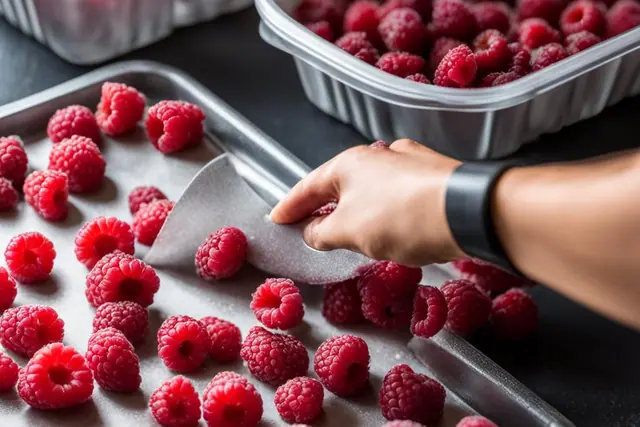
In this guide
- Basic Care and Handling of Raspberries
- Step-by-Step Guide: How to Freeze Raspberries
- Proper Thawing of Frozen Raspberries
- The Benefits of Freezing Raspberries
- Different Methods for Freezing Raspberries
- Tips for Freezing Raspberries to Maintain Quality
- Creative Uses for Frozen Raspberries
- Thawed vs. Frozen Raspberries in Recipes
- Storage and Shelf Life of Frozen Raspberries
- Freezing Raspberries for Health Benefits
- Other Fruits and Foods That Can be Frozen
- Tips for Preventing Freezer Burn
- Conclusion
- Source Links
- FAQ
If you love raspberries but find yourself with more than you can consume before they spoil, don't worry! Freezing raspberries is a simple and practical solution to extend their shelf life and enjoy their deliciousness year-round. In this guide, I'll walk you through the step-by-step process of freezing fresh raspberries, ensuring that you have a convenient and versatile ingredient always at your fingertips.
Basic Care and Handling of Raspberries
When it comes to caring for raspberries, a little attention can go a long way in ensuring their freshness and extending their shelf life. Here are some essential tips for proper raspberry care and handling:
- Keep raspberries dry: Moisture can accelerate spoilage, so it's important to keep your raspberries dry until you're ready to consume them. Avoid washing them until just before you plan to eat or freeze them.
- Store them in the refrigerator: Raspberries are highly perishable and should be stored in the refrigerator to maintain their freshness. Place them in a shallow container lined with paper towels to absorb excess moisture and help prevent mold growth.
- Freeze if not used within three days: If you find yourself with more raspberries than you can consume within three days, freezing them is a great option. This allows you to enjoy their delicious taste and nutritional benefits for months to come.
Proper care and handling of raspberries can significantly impact their shelf life and quality. By following these simple tips, you can ensure that your raspberries stay fresh and flavorful for as long as possible.
"Raspberries are highly perishable and should be stored in the refrigerator to maintain their freshness."
Step-by-Step Guide: How to Freeze Raspberries
Freezing raspberries is an excellent way to preserve their freshness and extend their shelf life. Follow this simple step-by-step guide to ensure your raspberries freeze perfectly every time:
- Discard any discolored or damaged berries.
- Rinse the raspberries gently under cold water to remove any dirt or debris.
- Drain the raspberries thoroughly and pat them dry with a paper towel.
- Prepare a tray lined with wax paper to prevent the berries from sticking.
- Arrange the raspberries on the tray in a single layer, making sure they don't touch each other.
- Place the tray in the freezer for a couple of hours or until the raspberries are fully frozen.
- Once frozen, transfer the raspberries to airtight freezer-safe bags or containers.
- Label the bags or containers with the date of freezing for easy tracking.
That's it! Your raspberries are now ready to be stored in the freezer for up to 12-18 months. By following these simple steps, you can enjoy the taste of fresh raspberries all year round.
https://www.youtube.com/watch?v=iQnpiGXVyaw
Freezing Tips
- Make sure the raspberries are completely dry before freezing to prevent freezer burn.
- Choose thick, freezer-safe bags or containers to protect the berries from air and moisture.
- Freeze the berries in small portions to make it easier to thaw and use only what you need.
- Don't thaw the raspberries before using them in smoothies, sauces, or baked goods. They can be used directly from the freezer.
With this handy guide and a few freezing tips, you can enjoy the sweet and tangy taste of raspberries anytime you want!
Proper Thawing of Frozen Raspberries
When it comes to using frozen raspberries, proper thawing is essential to maintain their texture and flavor. While there are different methods for thawing, it's important to avoid using the microwave, as it can affect the berries' texture and color. Here are some tips on how to thaw frozen raspberries.
Thawing in the Refrigerator
The most recommended method for thawing frozen raspberries is to place them in the refrigerator. This slow thawing process allows the berries to retain their shape and taste. Simply transfer the frozen raspberries from the freezer to a container or bag and place them in the refrigerator for about 12 hours. Once thawed, the raspberries are ready to use in your favorite recipes.
Thawing at Room Temperature
If you need to thaw the raspberries more quickly, you can leave them at room temperature for a few hours. This method is suitable if you plan to use the berries immediately after thawing. However, keep in mind that leaving raspberries at room temperature for too long can cause them to become too soft and mushy.
Using Frozen Raspberries
One of the great advantages of frozen raspberries is that they can be used directly in recipes, without the need for thawing. This is particularly convenient for baking projects where the raspberries can be added directly to the batter or dough. Frozen raspberries can also be used in smoothies, sauces, and toppings, adding a burst of flavor and color to your culinary creations.
Overall, whether you choose to thaw frozen raspberries in the refrigerator or use them directly, they are a versatile ingredient that can enhance a wide range of recipes. Be sure to follow proper thawing techniques to preserve the quality of the raspberries and enjoy their vibrant taste year-round.
The Benefits of Freezing Raspberries
Freezing raspberries offers several advantages that make it a worthwhile practice for any berry lover. Let me share with you the benefits of freezing berries, including year-round availability, cost-saving options, and preventing food waste.
Year-Round Availability: By freezing raspberries, you can enjoy their delicious taste and nutritional benefits regardless of the season. Whether it's the dead of winter or the peak of summer, having frozen raspberries on hand ensures you can add their vibrant flavor to your favorite recipes.
Cost-Saving: Freezing raspberries allows you to take advantage of sale prices and bulk purchases. When you come across a great deal on fresh raspberries, simply freeze them to enjoy later. This not only saves you money in the long run, but it also ensures you always have this versatile ingredient readily available.
Preventing Food Waste: Inevitably, there are times when we buy more fresh raspberries than we can consume before they spoil. Freezing them not only extends their shelf life but also helps reduce food waste. Instead of throwing away overripe or excess berries, simply freeze them and use them in various recipes later on.
"Freezing raspberries allows you to enjoy their delicious taste and nutritional benefits all year round. By freezing them, you can take advantage of sale prices, preserve your own harvest, and prevent food waste. Freezing berries also ensures that you always have a versatile ingredient on hand for various culinary creations."
Table: The Benefits of Freezing Raspberries
| Benefits | Description |
|---|---|
| Year-Round Availability | Enjoy raspberries regardless of the season |
| Cost-Saving | Take advantage of sale prices and bulk purchases |
| Preventing Food Waste | Reduce waste by freezing excess or overripe berries |
As you can see, freezing raspberries offers numerous benefits that make it a smart choice for any kitchen. Whether you want to enjoy raspberries year-round, save money on groceries, or reduce food waste, freezing berries is a simple and effective solution. So go ahead and stock up on these delicious fruits, knowing that you can enjoy their delightful flavor and health benefits whenever you want!
Different Methods for Freezing Raspberries
When it comes to freezing raspberries, you have several methods to choose from, each with its own benefits. Whether you prefer a touch of sweetness or a more natural approach, there's a freezing method that suits your taste. Here are the three popular methods for freezing raspberries:
- Sugar Pack: This method involves coating the raspberries with sugar before freezing. The sugar helps preserve the texture and flavor of the berries. To use this method, simply layer the raspberries in a container and sprinkle sugar between each layer. The recommended ratio is ¾ cup of sugar per quart of raspberries. Seal the container tightly and freeze.
- Syrup Pack: For a sweeter option, you can freeze raspberries in a syrup pack. To do this, prepare a simple syrup by combining equal parts sugar and water, then bring the mixture to a boil. Let the syrup cool before pouring it over the raspberries, leaving some headspace in the container. The syrup pack helps maintain the shape and juiciness of the berries. Seal the container tightly and freeze.
- No Sugar: If you prefer a more natural approach, you can freeze raspberries without any added sugar. Simply rinse the berries, let them dry, and arrange them in a single layer on a tray lined with wax paper. Place the tray in the freezer until the berries are frozen solid, then transfer them to a freezer-safe bag or container. This method is ideal if you want to maintain the pure, tart flavor of raspberries.
Each freezing method has its own advantages, so choose the one that fits your preferences and culinary needs. Whether you're planning to use the frozen raspberries in smoothies, pies, or other recipes, these freezing methods ensure that you'll have a supply of delicious berries year-round.
Comparing Freezing Methods for Raspberries
| Method | Benefits |
|---|---|
| Sugar Pack | Preserves texture and flavor |
| Syrup Pack | Provides added sweetness and maintains shape |
| No Sugar | Maintains natural, tart flavor |
Tips for Freezing Raspberries to Maintain Quality
When it comes to freezing raspberries, maintaining their quality is crucial to ensure you have delicious and nutritious berries to enjoy later on. Freezer burn is a common issue that can affect the texture and taste of frozen foods, including raspberries. Here are some tips to help prevent freezer burn and preserve the quality of your frozen raspberries:
Choose the Right Packaging
Using thick, freezer-safe bags or containers is key to protecting your raspberries from freezer burn. These containers should be airtight to prevent moisture and air from getting in. Make sure to remove any excess air from the bags or containers before sealing them to create a tight seal.
Ensure Raspberries are Dry
Before freezing raspberries, it's essential to ensure they are completely dry. Excess moisture can contribute to freezer burn. After rinsing the raspberries, pat them dry gently with a paper towel or use a salad spinner to remove any excess water. Dry raspberries are less likely to develop freezer burn.
Label and Date the Containers
Labeling and dating the containers is essential for easy identification and tracking. Use a waterproof marker or label stickers to write the date of freezing on each container. This will help you keep track of how long the raspberries have been frozen and ensure you use them within their recommended storage time.
Freeze Raspberries in Portion-Sized Amounts
Freezing raspberries in portion-sized amounts allows for easier usage later on. By dividing the raspberries into smaller portions, you can thaw only what you need without having to defrost the entire batch. This helps maintain the quality of the remaining frozen raspberries and reduces waste.
By following these tips, you can prevent freezer burn and maintain the quality of your frozen raspberries. With proper packaging, dry berries, and labeled containers, you'll have delicious raspberries ready to use in smoothies, baked goods, or as a topping whenever you need them.
| Tip | Description |
|---|---|
| Choose the Right Packaging | Use thick, freezer-safe bags or containers that are airtight. |
| Ensure Raspberries are Dry | Pat raspberries dry after rinsing to remove excess moisture. |
| Label and Date the Containers | Label containers with the freezing date for easy tracking. |
| Freeze in Portion-Sized Amounts | Divide raspberries into smaller portions for easier usage. |
Creative Uses for Frozen Raspberries
Frozen raspberries are a versatile ingredient that can be used in a variety of culinary creations. Whether you're whipping up a refreshing smoothie, adding a burst of flavor to your cereal, or creating a delicious pie or baked goods, frozen raspberries are a convenient and delicious addition to any recipe. Here are some creative uses for frozen raspberries that will elevate your dishes:
Smoothies and Smoothie Bowls
Frozen raspberries are perfect for adding a refreshing and fruity twist to your smoothies. Simply blend them with your favorite fruits, yogurt, and a liquid of your choice, and you'll have a delicious and nutritious smoothie in no time. You can also use frozen raspberries as a topping for smoothie bowls, adding a vibrant color and tangy flavor.
Desserts and Baked Goods
From pies and tarts to cakes and muffins, frozen raspberries can take your desserts and baked goods to the next level. Fold them into your batter for a burst of flavor, or use them as a filling or topping for an extra fruity touch. Their vibrant color and tangy taste will add a delicious twist to your sweet treats.
Sauce and Coulis
Turn your frozen raspberries into a flavorful sauce or coulis that can be drizzled over pancakes, waffles, or ice cream. Simply thaw the raspberries, blend them until smooth, and strain to remove the seeds. You can add a touch of sweetness with some honey or sugar, or balance the tanginess with a squeeze of lemon juice.
Get creative in the kitchen and experiment with different recipes and techniques to make the most of your frozen raspberries. They provide a burst of flavor, vibrant color, and nutritional benefits, making them a versatile ingredient for your culinary creations.
| Recipe | Usage |
|---|---|
| Raspberry Swirl Cheesecake Bars | Use frozen raspberries to create a tangy and vibrant swirl in your cheesecake bars. |
| Raspberry Lemon Muffins | Add frozen raspberries to your muffin batter for a burst of tangy sweetness. |
| Raspberry Chia Pudding | Layer frozen raspberries with chia pudding for a nutritious and delicious breakfast or snack. |
| Raspberry Vinaigrette | Blend frozen raspberries with vinegar, oil, and seasonings for a refreshing and tangy salad dressing. |
With these creative uses for frozen raspberries, you can enjoy the taste and versatility of this delicious fruit all year round. From breakfast to dessert, there's no limit to the culinary creations you can make with frozen raspberries.
Thawed vs. Frozen Raspberries in Recipes
When it comes to using raspberries in recipes, you may find yourself faced with the choice of using thawed or frozen berries. Both options have their advantages and can be used in different ways depending on the specific recipe you're preparing. Let's explore the differences and considerations when it comes to using thawed or frozen raspberries.
Thawed raspberries are best suited for recipes with shorter cooking times or when you want to preserve the texture and appearance of the berries. These berries have a softer consistency and release their juices more readily, making them ideal for dishes like fruit salads, smoothies, or as a topping for desserts. Thawed raspberries also tend to blend well in sauces or fillings, adding a burst of fruity flavor.
Frozen raspberries, on the other hand, can be used directly from the freezer without thawing. They hold their shape better during longer cooking times, making them a great option for baked goods like pies, tarts, or muffins. The frozen berries help prevent excessive moisture from seeping into the batter, resulting in a better texture for your baked treats. When using frozen raspberries, you may need to adjust the cooking time slightly to account for the additional moisture released during baking.
Recipe Adjustments
It's important to note that when substituting thawed raspberries for frozen or vice versa, you may need to make some adjustments to the recipe. If using thawed raspberries in a recipe that calls for frozen, you may want to reduce the cooking time slightly to prevent the berries from becoming too soft. On the other hand, if using frozen raspberries in a recipe that calls for thawed, you may need to extend the cooking time to ensure the berries fully cook through.
Additionally, when using frozen raspberries, you may need to add a small amount of flour or cornstarch to the recipe to help absorb any excess moisture. This will prevent your baked goods from becoming overly soggy. Just a tablespoon or two should be sufficient, depending on the quantity of berries and the recipe you're following.
Ultimately, whether you choose to use thawed or frozen raspberries in your recipes depends on the specific dish you're making and your personal preference. Both options offer their own unique benefits and can add a burst of fruity flavor to your culinary creations. So go ahead and experiment with different cooking methods to discover your favorite way to incorporate these delicious berries into your dishes.
Storage and Shelf Life of Frozen Raspberries
Proper storage is essential to maintain the quality of frozen raspberries. When stored correctly in thick freezer bags or containers, frozen raspberries can last 12-18 months in the freezer. It's important to label the containers with the freezing date for easy tracking and to use them within the recommended time frame for the best taste and texture.
Here are some tips to ensure the proper storage and shelf life of frozen raspberries:
- Choose the right containers: Use thick freezer bags or airtight containers specifically designed for freezing food. These containers help prevent freezer burn and protect the raspberries from moisture and air exposure.
- Label and date: Once you have packaged the raspberries, label the containers with the date of freezing. This helps you keep track of their freshness and ensures you use the oldest raspberries first.
- Store at the proper temperature: Set your freezer to a temperature of 0°F (-18°C) or lower. Freezing raspberries at the right temperature helps maintain their quality and prevents ice crystal formation.
- Use portion-sized containers: Consider dividing the raspberries into smaller portion sizes before freezing. This allows you to conveniently take out only the amount needed for your recipe or serving, without having to thaw the entire batch.
"Proper storage is essential to maintain the quality of frozen raspberries."
By following these storage tips, you can ensure that your frozen raspberries retain their flavor, texture, and nutritional value for an extended period. Whether you're using them in smoothies, desserts, or other recipes, properly stored frozen raspberries can be a convenient and versatile ingredient in your kitchen.
| Storage Method | Shelf Life |
|---|---|
| Freezer bags or airtight containers | 12-18 months |
| Freezer bags or airtight containers (individually portioned) | 6-8 months |
| Bulk freezing in a single container | 4-6 months |
Freezing Raspberries for Health Benefits
When it comes to preserving the nutritional value of raspberries, freezing is a fantastic method. Freezing berries allows you to enjoy their health benefits all year round, even when they are out of season. Raspberries are packed with essential vitamins, minerals, antioxidants, and other important nutrients that contribute to overall well-being.
By freezing raspberries, you can maintain their nutritional value and ensure that you have a versatile ingredient on hand for various culinary creations. Whether you incorporate frozen raspberries into smoothies, desserts, or savory dishes, you'll still reap the benefits of their natural goodness.
Studies have shown that freezing does not significantly affect the nutritional content of raspberries. The freezing process helps to preserve their vitamins, such as vitamin C, which is known for its powerful antioxidant properties. Additionally, frozen raspberries retain their fiber content, which promotes healthy digestion and may help lower the risk of certain chronic diseases.
So, why not stock up on raspberries when they are in season and freeze them for later use? It's a convenient way to ensure that you always have a nutrient-rich ingredient available, providing you with a healthy boost throughout the year. Enjoy the taste and health benefits of frozen raspberries in your favorite recipes, and savor the goodness of this vibrant fruit in every bite.
Other Fruits and Foods That Can be Frozen
Freezing raspberries is just one way to preserve fruits. Many other fruits, such as strawberries, blueberries, and blackberries, can also be frozen using similar techniques. Freezing these fruits allows you to enjoy their flavors and nutritional benefits even when they are out of season. Here are some other fruits and foods that can be frozen:
Berries:
- Strawberries
- Blueberries
- Blackberries
- Cranberries
Stone Fruits:
- Peaches
- Plums
- Nectarines
- Cherries
Citrus Fruits:
- Oranges
- Grapefruits
- Lemons
- Limes
Other Fruits:
- Apples
- Pears
- Pineapple
- Mango
In addition to fruits, there are various other foods that can be frozen to extend their shelf life and reduce food waste. Some examples include:
Vegetables:
- Peas
- Corn
- Carrots
- Broccoli
Meat and Seafood:
- Chicken
- Beef
- Pork
- Shrimp
Breads and Baked Goods:
- Bread
- Cookies
- Muffins
- Pie crusts
These are just a few examples of the many foods that can be frozen for future use. Freezing is a great way to preserve the freshness and flavors of various foods, allowing you to enjoy them whenever you like.
Table: Freezability of Common Fruits and Foods
| Fruits | Freezability |
|---|---|
| Raspberries | Excellent |
| Strawberries | Excellent |
| Blueberries | Excellent |
| Blackberries | Excellent |
| Peaches | Good |
| Plums | Good |
| Oranges | Good |
| Grapes | Good |
| Broccoli | Good |
| Chicken | Good |
Note: The freezability rating is based on the overall quality and texture of the fruit or food after being frozen and thawed.
Tips for Preventing Freezer Burn
Freezer burn is a common issue that can affect the quality and taste of frozen raspberries and other foods. It occurs when moisture is lost from the surface of the food, causing it to become dry and develop an off-flavor. To prevent freezer burn and ensure that your frozen raspberries remain fresh and delicious, follow these simple tips:
- Proper packaging: Use thick, freezer-safe bags or airtight containers to store your frozen raspberries. Make sure to remove any excess air from the packaging to minimize the risk of freezer burn.
- Dry them thoroughly: Before freezing your raspberries, make sure they are completely dry. Excess moisture can contribute to the development of freezer burn.
- Store at the correct temperature: Set your freezer to the recommended temperature range of 0°F (-18°C) or below. This will help maintain the quality of your frozen raspberries and minimize the likelihood of freezer burn.
- Label and date: Properly label your frozen raspberries with the date of freezing. This will help you keep track of their freshness and ensure that you use them within the recommended storage time.
By following these freezer storage tips, you can keep your frozen raspberries in optimal condition and enjoy their deliciousness whenever you desire. Prevention is key when it comes to freezer burn, so take the necessary steps to preserve the quality of your frozen raspberries and other frozen foods.
Conclusion
In conclusion, freezing raspberries is a fantastic way to ensure year-round enjoyment of these delicious berries. By following proper freezing techniques, you can easily preserve their taste, texture, and nutritional value. Whether you're using them in smoothies, baked goods, or as a topping, frozen raspberries add a burst of flavor to any dish.
Remember to apply these kitchen tips and essentials to maximize the benefits of freezing raspberries. Ensure your pantry is always stocked with versatile ingredients by taking advantage of the convenience and extended shelf life that freezing provides. With frozen raspberries at your disposal, you can enjoy the taste of fresh berries whenever you desire.
So, why wait for raspberries to be in season? Start freezing these culinary essentials today and elevate your recipes to new heights. With the right storage and preservation techniques, you can enjoy the sweet and tangy flavors of raspberries all year long. Happy freezing!
Source Links
- https://www.driscolls.com/article/how-to-freeze-fresh-raspberries
- https://extension.umd.edu/resource/berry-good-guide-freezing-berries-year-round-enjoyment
- https://www.goodlifeeats.com/how-to-freeze-raspberries/
Frequently asked questions
- How long can raspberries stay fresh in the refrigerator?
Raspberries can stay fresh in the refrigerator for up to 2 days.
- How long can frozen raspberries be stored?
Frozen raspberries can be stored for up to 12-18 months in the freezer.
- What can I use frozen raspberries for?
Frozen raspberries are perfect for smoothies, toppings, and baking.
- How do I freeze fresh raspberries?
Start by rinsing the raspberries, pat them dry, arrange them on a tray, freeze them, and then transfer to a freezer-safe bag or container.
- How do I thaw frozen raspberries?
You can thaw frozen raspberries by placing them in the refrigerator for about 12 hours or leaving them on the kitchen counter for a few hours.
- Can I thaw raspberries in the microwave?
It's best to avoid thawing raspberries in the microwave, as it can affect their texture and color.
- How long can frozen raspberries be stored?
When stored correctly, frozen raspberries can last 12-18 months in the freezer.
- How can I prevent freezer burn on frozen raspberries?
To prevent freezer burn, use thick, freezer-safe bags or containers, ensure raspberries are completely dry before freezing, and label containers with the freezing date.
- Can I use frozen raspberries in recipes without thawing them?
Yes, frozen raspberries can be used directly without thawing for baking projects.
- What other fruits can be frozen?
Many other fruits, such as strawberries, blueberries, and blackberries, can also be frozen using similar techniques.
- How do I prevent freezer burn on frozen foods?
Proper packaging, removing excess air, storing at the correct temperature, and proper labeling and rotation can help prevent freezer burn on frozen foods.
AprilCook, recipe developer and the heart of Chefwiz. More about April