Guide
How to Freeze Soup: Lock in Flavor for Later
Discover the smart way on how to freeze soup, lock in flavors and enjoy it later! Join me as I guide you through a simple, practical preservation method.
 By April20 min read
In this guide
- Tips for Cooling Soup Before Freezing
- Portioning and Packaging Soup for Freezing
- Best Practices for Freezing Different Types of Soup
- Soup Storage Tips: Proper Labeling and Storage Guidelines for Frozen…
- Tips for Freezing Soup Components Separately
- Thawing and Reheating Frozen Soup
- Thawing and Reheating Frozen Soup in the Microwave
- Thawing and Reheating Frozen Soup on the Stovetop
- Thawing and Reheating Frozen Soup in an Instant Pot
- How Long Can You Keep Soup in the Fridge Before Freezing?
- How Long Can You Freeze Soup?
- Conclusion
- Source Links
- FAQ
Freezing soup is a great way to preserve it for later, but it's important to follow the right steps to ensure that the flavor is locked in. By cooling the soup properly, portioning it out, and avoiding certain ingredients, you can freeze your soup successfully while maintaining its delicious taste.
Tips for Cooling Soup Before Freezing
When it comes to freezing soup, proper cooling is essential to preserve its flavor and maintain its quality. Here are some helpful tips to cool your soup effectively before freezing:
- Place the hot soup pot in an ice-water bath in your sink: This technique helps to rapidly cool down the soup and prevent the growth of bacteria. Fill your sink with cold water and ice, then place the pot of soup in the water bath. Stir the soup often to distribute the heat evenly.
- Divide the soup into smaller portions: To speed up the cooling process, consider dividing your soup into smaller, shallow containers. This allows for faster and more uniform cooling, reducing the risk of bacterial growth. Additionally, it makes it easier to thaw only the amount you need when reheating.
- Avoid tightly sealing the containers until the soup is fully cooled: To prevent condensation, which can lead to freezer burn, ensure that the soup is completely cooled before sealing the containers. You can cover the containers with a lid or plastic wrap, leaving some space for air circulation.
By following these tips, you can safely and efficiently cool your soup before freezing, ensuring that it will retain its delicious flavor when you're ready to enjoy it again.
"Proper cooling is crucial when freezing soup. By rapidly cooling the soup in an ice-water bath and dividing it into smaller portions, you can preserve its taste and quality for future meals." - Expert Chef
Importance of Proper Cooling
Properly cooling soup before freezing is not just about preserving flavor, but also about food safety. When soup is left to cool at room temperature for too long, it becomes a breeding ground for bacteria. Rapid cooling helps to prevent microbial growth and maintain the soup's quality.
Moreover, dividing the soup into smaller portions allows for quicker cooling. Large volumes of hot soup take longer to cool down, which can result in an increased risk of bacterial contamination. By dividing the soup into smaller containers, you ensure that it cools down faster and more evenly.
| Cooling Technique | Advantages |
|---|---|
| Ice-water bath | Rapidly cools soup, preventing bacterial growth |
| Dividing into smaller portions | Speeds up cooling process, reduces risk of contamination |
| Avoiding tightly sealed containers | Prevents condensation and freezer burn |
Remember, proper cooling techniques play a significant role in preserving the taste and quality of your frozen soup. Take the time to cool your soup correctly before freezing, and you'll be rewarded with delicious meals in the future.
Portioning and Packaging Soup for Freezing
When it comes to freezing soup, proper portioning and packaging are essential steps to ensure convenience and optimal storage. By following these freezing instructions, you can preserve your soup's flavor and texture, making it easy to enjoy a delicious homemade meal whenever you desire.
Portioning the Soup
Before freezing your soup, it's important to divide it into individual servings. This not only allows for portion control but also makes it easier to thaw and reheat only the amount you need. To do this, use quart-size freezer bags or 4-cup freezer-safe plastic or glass containers. These options provide a convenient way to store your soup and allow for easy grab-and-go meals. Remember to leave some extra space in the containers for the soup to expand as it freezes.
Proper Packaging
The way you package your soup for freezing plays a significant role in maintaining its quality. For freezer bags, ensure that they are sealed tightly to prevent any air from entering, which can contribute to freezer burn. Squeeze out as much air as possible before sealing the bags. If you prefer containers, make sure they are airtight and leak-proof to keep your soup fresh and prevent any spills. Labeling each package with the recipe name and date it was made will help you keep track of your frozen soups and ensure proper rotation.
Table: Comparison of Freezer Bag vs. Container
| Freezer Bag | Container |
|---|---|
| Easy to store and stack in the freezer | Offers more stability and prevents the soup from getting squished |
| Allows for efficient space utilization | Provides better protection against freezer burn |
| Convenient for portion control and grab-and-go meals | Recommended for soups with chunky ingredients |
By properly portioning and packaging your soup for freezing, you can ensure that it stays fresh and delicious until you're ready to enjoy it. Whether you choose freezer bags or containers, following these soup freezing techniques will help preserve the flavor and quality of your homemade soup.
Best Practices for Freezing Different Types of Soup
When it comes to freezing different types of soup, it's important to keep in mind that not all soups freeze the same. The preservation and flavor retention can vary depending on the soup's ingredients and consistency. While some soups are freezer-friendly and maintain their flavors and textures well, others may not fare as well after being frozen and thawed. Here are some best practices to follow when freezing different types of soup:
Broth-Based Soups:
Broth-based soups, such as vegetable or chicken noodle soup, generally freeze well. Their liquid nature allows for better preservation of flavors and textures. To freeze broth-based soups, cool them completely, portion them out into individual servings or family-sized portions, and store them in airtight freezer containers or bags. Be sure to leave enough headspace for expansion. When thawing and reheating, simply follow the instructions in the later sections.
Creamy and Thick Soups:
Creamy soups, like potato or chowders, may undergo some changes in texture after freezing. The cream or dairy-based components can separate or become grainy. To mitigate this, consider freezing the soup base without adding the cream or milk. Once you're ready to serve the soup, thaw it and then add the dairy ingredients during the reheating process. This will help maintain the creamy and smooth consistency.
Rice, Bean, and Noodle Soups:
Soups that contain rice, beans, or noodles can become mushy or lose their texture when frozen and thawed. Consider freezing these soups without the rice, beans, or noodles. Instead, cook and add them separately when reheating the soup. This helps preserve the integrity and texture of these ingredients. Just be sure to follow the recommended reheating instructions for each component when you're ready to enjoy the soup.
By understanding the specific characteristics of different types of soup, you can ensure the best results when freezing them. Whether it's a broth-based soup or a creamy chowder, following these freezing instructions will help preserve the flavors and textures of your favorite soups.
| Soup Type | Freezing Recommendations |
|---|---|
| Broth-Based Soups | Cool completely, portion, and store in airtight containers |
| Creamy Soups | Freeze base without dairy, add cream during reheating |
| Rice, Bean, and Noodle Soups | Freeze without rice, beans, or noodles; add separately during reheating |
Soup Storage Tips: Proper Labeling and Storage Guidelines for Frozen Soup
When it comes to freezing soup, proper labeling and storage guidelines are key to keeping your frozen soups organized and easy to manage. By following these tips, you can ensure that your soup stays fresh and delicious even after months in the freezer.
Labeling Your Frozen Soups
One of the first steps in properly storing frozen soup is to label it correctly. Use a permanent marker or freezer-safe labels to write down the recipe name and the date the soup was made. This will help you keep track of which soups to use first and ensure that you don't let them sit in the freezer for too long.
Additionally, consider adding any reheating or garnishing instructions to the label. This will make it easier for you to know how to handle the soup when it's time to eat, preventing any guesswork or confusion.
Storage Guidelines for Frozen Soup
When storing frozen soup, it's important to stack the bags or containers flat to save space and prevent them from getting lost in the freezer. This also allows for easier stacking and organization, making it simple to find the soup you're looking for when you're ready to enjoy it.
Make sure to leave some extra space in the containers for the soup to expand as it freezes. This will help prevent any potential spills or leaks that could occur as the soup solidifies. By following these storage guidelines, you can ensure that your frozen soup stays fresh and intact until you're ready to savor it.
| Labeling Guidelines | Storage Guidelines |
|---|---|
| Write recipe name and date made on labels | Stack bags or containers flat to save space |
| Include reheating or garnishing instructions on labels | Leave extra space in containers for soup expansion |
| Use permanent marker or freezer-safe labels | Prevent spills or leaks by properly sealing containers |
| Organize frozen soups for easy access |
Proper labeling and storage guidelines are essential for maintaining the quality and taste of your frozen soups. By following these tips, you can ensure that your soups stay fresh and delicious, ready to be enjoyed whenever you're in the mood for a comforting bowl of warmth.
Tips for Freezing Soup Components Separately
When it comes to freezing soup, sometimes it's beneficial to freeze the components separately. This method allows you to maintain the texture and quality of each ingredient, ensuring that your soup tastes just as delicious when you reheat it. Here are some tips for freezing soup components separately:
Freezing Pasta:
If your soup contains pasta, it's best to cook and freeze the pasta separately. Cook the pasta according to the package instructions, then drain and rinse it with cold water to stop the cooking process. Toss the cooked pasta with a small amount of olive oil to prevent sticking, and portion it into individual freezer bags or containers. Label each bag or container with the type of pasta and the date, then place them in the freezer. When you're ready to enjoy your soup, simply thaw the pasta and add it to the reheated soup.
Freezing Dairy-based Ingredients:
If your soup recipe includes dairy-based ingredients like cream or milk, it's best to freeze the soup without these ingredients. Dairy products can separate and become grainy when frozen and thawed, affecting the texture of your soup. Instead, prepare the soup without the dairy ingredients, and freeze it according to the instructions for your specific recipe. When you're ready to serve the soup, thaw it in the refrigerator, then heat it gently on the stove. Once the soup is heated through, you can add the dairy ingredients and stir until well combined.
Freezing Meat:
If your soup contains meat, such as chicken or beef, you can freeze it separately to ensure tenderness and flavor. Cook the meat until it's just done, then allow it to cool completely. Slice or shred the meat as desired, and place it in individual freezer bags or containers. Label each bag or container with the type of meat and the date, then freeze it. When you're ready to enjoy your soup, simply thaw the meat and add it to the reheated soup.
By following these tips for freezing soup components separately, you can preserve the quality and taste of each ingredient. Whether it's pasta, dairy-based ingredients, or meat, freezing them separately ensures that your soup retains its delicious flavors and textures. So go ahead and get creative with your soup recipes, knowing that you can freeze each component with ease.
https://www.youtube.com/watch?v=IxGkXgLlMvM
| Ingredient | Freezing Method |
|---|---|
| Pasta | Cook according to package instructions, drain and rinse with cold water, toss with a small amount of olive oil, portion into freezer bags or containers |
| Dairy-based ingredients | Prepare the soup without dairy ingredients, freeze according to recipe instructions, thaw in the refrigerator, heat gently on the stove, add dairy ingredients and stir until well combined |
| Meat | Cook until just done, allow to cool, slice or shred as desired, place in freezer bags or containers |
Thawing and Reheating Frozen Soup
When it comes to enjoying your frozen soup, the process of thawing and reheating plays a crucial role in maintaining its flavor and ensuring food safety. There are a few different methods you can use, depending on your preferences and the time you have available.
If you're short on time, the microwave is a convenient option for both thawing and reheating. Simply place the frozen soup in a covered microwave-safe bowl and heat in 30-second intervals, stirring after each interval. Make sure to poke holes in the covering for ventilation, and continue microwaving until the soup reaches a safe temperature.
For those who prefer a slower and more controlled reheating process, the stovetop is a great choice. Thaw the frozen soup in the refrigerator until partially or entirely softened, then transfer it to a pot filled with enough water to cover the bottom. Cook and stir the soup over medium heat until it reaches a safe temperature.
If you own an Instant Pot, you can take advantage of its versatility and convenience to thaw and reheat frozen soup. Like the stovetop method, thaw the soup in the refrigerator first. Add water or broth to the bottom of the Instant Pot if needed, then turn the soup over into the pot. Close and seal the lid, and select the appropriate setting to allow the soup to reach a safe temperature.
Thawing and Reheating Techniques:
- Thaw soup overnight in the refrigerator until partially or entirely softened.
- For microwave reheating, heat in 30-second intervals, stirring after each interval.
- For stovetop reheating, cook and stir the soup over medium heat in a pot with water.
- For Instant Pot reheating, use the appropriate setting and add water or broth if needed.
Remember, always ensure that your soup reaches a safe temperature before serving to prevent any potential foodborne illnesses. With these thawing and reheating methods, you can easily enjoy your frozen soup whenever you crave a comforting and flavorful meal.
Thawing and Reheating Frozen Soup in the Microwave
When it comes to quick and convenient reheating of frozen soup, the microwave is a go-to appliance. By following a few simple steps, you can thaw and reheat your soup in no time, while still preserving its delicious flavor.
To begin, transfer the frozen soup into a covered microwave-safe bowl. It's important to use a covering with small holes poked in it for ventilation. This allows steam to escape and prevents the soup from overheating or creating a mess in your microwave.
Next, heat the soup in the microwave in 30-second intervals, pausing after each interval to stir the soup thoroughly. This helps ensure even heating and prevents any cold spots from remaining in the soup. Continue this process until the soup reaches a safe temperature for consumption.
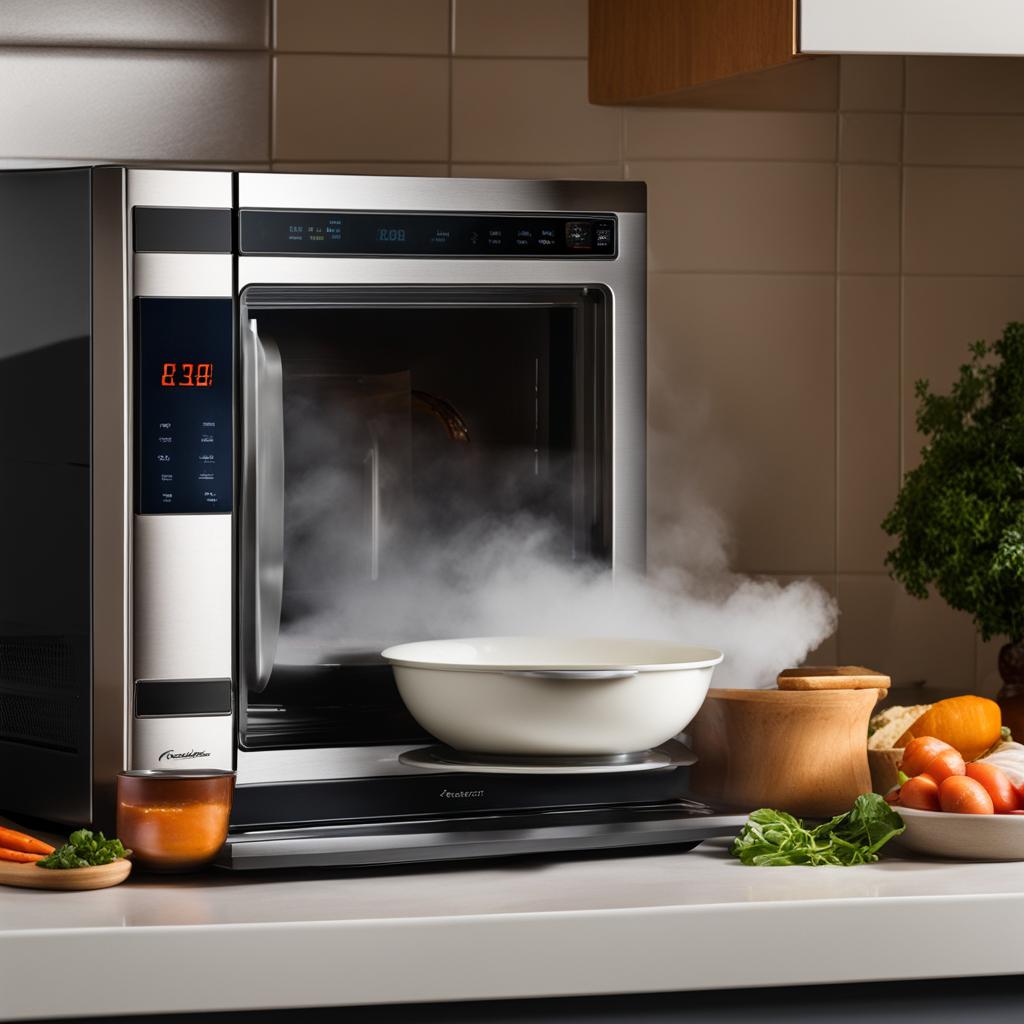
Remember, the cooking time may vary depending on the power of your microwave and the amount of soup being reheated. It's always a good idea to check the soup's temperature with a food thermometer to ensure it has reached a safe temperature of 165°F (74°C).
With these simple steps, you can enjoy a steaming bowl of your favorite frozen soup in just minutes, thanks to the convenience of the microwave. So go ahead, take advantage of this quick reheating method and savor the flavors of your frozen soup whenever you desire.
Thawing and Reheating Frozen Soup on the Stovetop
If you prefer to thaw and reheat your frozen soup on the stovetop, there are a few simple steps you can follow to ensure it's done safely and with maximum flavor preservation. Start by thawing the soup in the refrigerator until it's partially or entirely softened. This gradual thawing process helps maintain the texture and integrity of the soup.
Once the soup is thawed, transfer it to a pot filled with enough water to cover the bottom. This indirect heat method prevents the soup from scorching or sticking to the pot. Cook and stir the soup over medium heat until it reaches a safe temperature for consumption. Keep in mind that different types of soups may have different recommended cooking times, so be sure to check the recipe or package instructions for guidance.
Thawing and reheating on the stovetop is particularly suitable for creamy soups and chowders, as the slow, gentle heat allows the flavors to meld and develop. The stovetop method also gives you better control over the heat, ensuring that your soup is warmed evenly and without any hotspots.
Tips for Stovetop Reheating:
- Thaw soup in the refrigerator for even and safe thawing.
- Use a pot with enough water to cover the bottom to prevent scorching.
- Cook and stir the soup over medium heat until it reaches a safe temperature.
- Adjust the cooking time depending on the type of soup being reheated.
By thawing and reheating your frozen soup on the stovetop, you can enjoy a piping hot, flavorful meal that tastes just as good as when it was freshly made. The slow, controlled heat of the stovetop ensures that your soup retains its delicious flavors while providing you with a comforting and satisfying meal.
| Thawing and Reheating Method | Advantages | Disadvantages |
|---|---|---|
| Stovetop | Even heating, better flavor development, control over heat | Requires more time and monitoring |
| Microwave | Quick and convenient | Potential uneven heating, texture changes |
| Instant Pot | Fast and versatile | Texture changes for certain soups |
"Thawing and reheating soup on the stovetop is a traditional and reliable method that allows for optimal flavor preservation."
Thawing and Reheating Frozen Soup in an Instant Pot
When it comes to reheating frozen soup, the Instant Pot can be a convenient and efficient tool. With its ability to thaw and cook food quickly, it's a popular choice for busy individuals looking to enjoy a warm bowl of soup in no time. Here are some simple instructions and tips for thawing and reheating frozen soup in an Instant Pot.
Thawing the Frozen Soup
Before reheating, you'll need to thaw the frozen soup in the Instant Pot. Start by transferring the frozen soup from the freezer to the refrigerator. Allow it to thaw partially or entirely until it softens. This can take several hours or overnight, depending on the size and thickness of the soup.
To prevent the soup from sticking to the bottom of the Instant Pot, add a small amount of water or broth to the pot. This will create steam and help the soup heat more evenly. Make sure the liquid is not too much as it may dilute the flavor of the soup.
Reheating the Thawed Soup
Once the soup is thawed, it's time to reheat it in the Instant Pot. Close and seal the lid of the Instant Pot, making sure the pressure release valve is set to the sealing position. Select the appropriate cooking setting for your soup, such as "Soup" or "Pressure Cook." The cooking time will vary depending on the type and quantity of soup.
After the cooking cycle is complete, allow the pressure to release naturally for a few minutes. Then, carefully open the lid and check the soup's temperature to ensure it has reached a safe level for consumption. Stir the soup well before serving to distribute the heat and ensure even flavor throughout.
Using the Instant Pot for thawing and reheating frozen soup saves time and maintains the flavor and consistency of the soup. However, it's important to follow the manufacturer's instructions and guidelines for your specific Instant Pot model to ensure safe and successful reheating. Enjoy your warm and delicious soup with the convenience of the Instant Pot!
| Thawing and Reheating Frozen Soup in an Instant Pot Tips |
|---|
| 1. Thaw the frozen soup in the refrigerator until partially or entirely softened. |
| 2. Add a small amount of water or broth to the Instant Pot to prevent sticking. |
| 3. Close and seal the Instant Pot lid, selecting the appropriate cooking setting for your soup. |
| 4. Allow the pressure to release naturally before opening the lid and checking the soup's temperature. |
| 5. Stir the soup well before serving to distribute heat and ensure even flavor throughout. |
How Long Can You Keep Soup in the Fridge Before Freezing?
When it comes to storing soup in the fridge before freezing, there's a critical timeline to keep in mind. Soup should be frozen within three days of making it to ensure its freshness and safety. However, soup can only be stored in the fridge for a maximum of four days. After four days, the soup may begin to spoil and develop harmful bacteria, which can pose health risks.
Proper storage and handling of soup are essential to preserve its flavor and aroma. It's crucial to cool the soup quickly and transfer it to the fridge within two hours of cooking. This helps prevent bacterial growth and maintain the quality of the soup. Additionally, make sure to store the soup in a tightly sealed container to avoid cross-contamination and to retain its aroma.
To keep track of your soup's storage time, it's a good practice to label the containers with the date the soup was made. This way, you can easily identify the freshness and know when it's time to freeze the remaining soup. Remember, freezing soup within the recommended timeline ensures that you can enjoy its delicious flavors and wholesome goodness even after an extended period.
| Storage Method | Maximum Duration |
|---|---|
| Fridge | 4 Days |
| Freezer | Up to 3 Months |
"Proper storage and handling of soup are essential to preserve its flavor and aroma."
By following these guidelines, you can ensure the freshness and quality of your soup before freezing. Remember to cool your soup quickly, transfer it to the fridge within two hours, and label it with the date. Freezing soup within three days and storing it in the fridge for a maximum of four days helps maintain its flavor and aroma. With these storage tips in mind, you can enjoy delicious soup even after it has been stored for a while.
How Long Can You Freeze Soup?
When it comes to freezing soup, knowing how long it can be stored is essential for maintaining its taste and quality. While frozen soup can be kept for up to three months, it's important to note that the flavor may diminish the longer it sits in the freezer. Creamy soups, in particular, are best consumed within one or two months to avoid any dilution of flavor.
To ensure that your soup remains delicious when you're ready to eat it, it's crucial to follow proper freezing techniques. This includes cooling the soup before freezing, portioning it out into individual servings, and using appropriate packaging. By adhering to these guidelines, you can preserve the taste and texture of your soup.
When it's time to thaw and reheat your frozen soup, there are multiple methods you can choose from, including the microwave, stovetop, and Instant Pot. Each method has its advantages and considerations, so it's important to select the one that suits your needs best. By following these thawing and reheating techniques, you can enjoy a warming bowl of soup with minimal effort.
Remember, while freezing soup is a convenient way to preserve its taste for later enjoyment, it's recommended to consume it within a reasonable timeframe to ensure the best possible flavor. So, stock up on your favorite soup recipes, follow the proper freezing and storage guidelines, and savor the convenience of having a comforting meal at your fingertips.
Conclusion
Freezing soup is an excellent technique to preserve its flavor for future enjoyment. By following the proper techniques for cooling, portioning, and storing, you can successfully freeze your soup while ensuring its taste and quality are preserved. Whether you prefer to freeze broth-based soups or separate soup components, these guidelines will help you make the most of your frozen soups.
Remember to cool your soup properly by placing the hot pot in an ice-water bath and stirring often. Dividing the soup into smaller portions for quicker cooling is also key. When it comes to packaging, use quart-size freezer bags or freezer-safe containers, leaving space for expansion during freezing. Properly labeled storage is essential, including the recipe name, date made, and reheating instructions.
Not all soups freeze the same, so it's important to consider the best practices for each type. Creamy soups, rice, beans, and noodle soups may undergo texture changes when frozen, while broth-based soups generally freeze well. When it's time to enjoy your frozen soup, thaw it properly overnight in the refrigerator before reheating in the microwave, on the stovetop, or using an Instant Pot.
In conclusion, freezing soup is a convenient way to have delicious meals ready to go whenever you need them. By understanding the freezing techniques, meal storage methods, and flavor preservation tips, you can ensure that your soup stays fresh and flavorful. So go ahead and stock up on your favorite soups, knowing that you can enjoy them at their best even after they've been frozen.
Source Links
- https://www.spoonfulofcomfort.com/blog/best-way-to-freeze-soup-quick-tips-tricks
- https://www.southernliving.com/food/how-to/how-to-freeze-and-store-soup
- https://www.eatingwell.com/article/289227/how-to-freeze-soup-so-it-tastes-as-delicious-as-the-day-it-was-made/
Frequently asked questions
- How should I cool my soup before freezing?
To cool your soup before freezing, place the hot soup pot in an ice-water bath in your sink and stir often. Dividing the soup into smaller portions before cooling will help speed up the process.
- What containers should I use to freeze soup in individual servings?
Use quart-size freezer bags or 4-cup freezer-safe plastic or glass containers to freeze soup in individual servings. Make sure to leave extra space in the containers for the soup to expand as it freezes.
- Can I freeze all types of soup?
Creamy soups, such as potato or chowders, may not taste as good after freezing due to texture changes. Rice, beans, and noodle soups can also become mushy when frozen. Broth-based soups generally freeze well.
- How should I label and store frozen soup?
Label frozen soup with the recipe name, date it was made, and any reheating or garnishing instructions. Stack frozen bags or containers flat to save space and prevent soup from getting lost in the freezer.
- Can I freeze soup components separately?
Yes, it's best to cook and freeze soup components separately from the soup to maintain their texture and quality.
- How should I thaw and reheat frozen soup in the microwave?
Place the soup in a covered microwave-safe bowl and heat in 30-second intervals, stirring after each interval. Make sure to poke holes in the covering for ventilation. Continue microwaving until the soup reaches a safe temperature.
- How should I thaw and reheat frozen soup on the stovetop?
Thaw the soup in the refrigerator until partially or entirely softened. Transfer it to a pot filled with enough water to cover the bottom, and cook and stir until the soup reaches a safe temperature.
- How should I thaw and reheat frozen soup in an Instant Pot?
Thaw the soup in the refrigerator until partially or entirely softened. Add water or broth to the bottom of the pot if needed, then turn the soup over into the Instant Pot. Close and seal the lid, and select the appropriate setting. Allow the soup to reach a safe temperature before serving.
- How long can I keep soup in the fridge before freezing?
Soup should be frozen within three days of making it. It can only be stored in the fridge for a maximum of four days to ensure food safety.
- How long can I freeze soup?
Frozen soup can be stored for up to three months if stored properly. Creamy soups are best eaten within one or two months to avoid flavor dilution.
AprilCook, recipe developer and the heart of Chefwiz. More about April