Guide
How to Freeze Tomatoes for Sauces and Soups
Unearth the secrets of how to freeze tomatoes! Perfect for your homemade sauces and soups. Join me as I reveal these simple steps.
 By April19 min read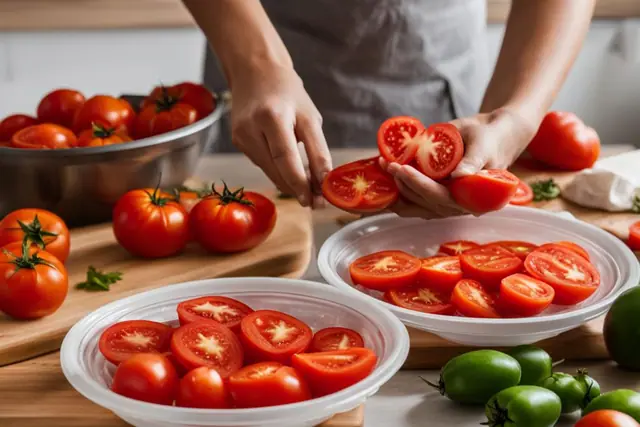
In this guide
- Why Freeze Tomatoes?
- Choosing the Right Tomatoes for Freezing
- Methods for Freezing Tomatoes
- Freezing Tomatoes without Blanching
- Blanching Tomatoes for Freezing
- Freezing Tomato Sauce
- Storing Frozen Tomatoes
- Tips for Using Frozen Tomatoes
- The Versatility of Frozen Tomatoes
- The Longevity of Frozen Tomatoes
- Tomato Preservation Methods
- Conclusion
- Source Links
- FAQ
Freezing tomatoes is a simple way to preserve them for use in sauces and soups during the winter months. It's a convenient method that allows you to store your bumper crop of tomatoes without the need for canning. By following these easy steps, you can freeze tomatoes and enjoy their flavor all year round.
Why Freeze Tomatoes?
Preserving tomatoes through freezing is an excellent way to maintain their freshness and flavor. Whether you have a surplus of tomatoes from your garden or want to capture the peak flavor of locally grown tomatoes, freezing is a practical and convenient method. By freezing tomatoes, you can ensure that they are available for use in your favorite tomato sauces and soups throughout the year.
Freezing tomatoes allows you to savor the taste of summer even in the depths of winter. The process of freezing helps to preserve the natural sweetness and juiciness of the tomatoes, ensuring that they retain their quality until you're ready to use them. When you freeze tomatoes, you lock in their flavor and texture, so they are just as delicious as fresh tomatoes when added to your favorite recipes. Whether you're making a hearty tomato soup or a rich pasta sauce, freezing tomatoes allows you to enjoy the flavors of summer any time.
Another advantage of freezing tomatoes is that it offers you the flexibility to preserve your bumper crop without the need for immediate canning. This method eliminates the time-consuming process of canning while still preserving the taste and nutrients of the tomatoes. Freezing is a simple, no-fuss technique that allows you to enjoy the benefits of tomato preservation without the need for specialized equipment or complicated procedures.
Freezing tomatoes is a convenient and effective way to preserve their flavor and quality. By following the proper methods and storing them correctly, you can enjoy the taste of summer tomatoes in your favorite sauces and soups throughout the year.
Why Freeze Tomatoes?
Preserving tomatoes through freezing allows you to enjoy their taste and versatility all year round. By freezing tomatoes, you can stockpile the abundance of the harvest season and extend the shelf life of these juicy fruits. When properly frozen and stored, tomatoes retain their natural flavors and nutrients, providing a convenient and flavorful ingredient for your cooking.
Benefits of Freezing Tomatoes:
- Preserves the taste and texture of fresh tomatoes
- Allows you to enjoy the flavors of summer any time
- Eliminates the need for immediate canning
- Simple and convenient preservation method
- Retains the natural sweetness and juiciness of tomatoes
Whether you're looking to create a delicious tomato sauce, hearty soup, or other tomato-based dishes, freezing tomatoes provides you with a versatile and long-lasting ingredient. So, why let your tomatoes go to waste when you can freeze them and savor their flavors even when they're out of season?
Choosing the Right Tomatoes for Freezing
When it comes to freezing tomatoes for later use in sauces and soups, it's essential to select the right tomatoes. Properly chosen tomatoes will ensure that your frozen tomatoes have the best taste and texture when you're ready to use them.
Here are some tips for choosing the right tomatoes for freezing:
- Look for fully ripe tomatoes that are firm and richly colored. These tomatoes will have the best flavor and texture when frozen.
- Plum or Roma tomatoes are particularly well-suited for freezing due to their high pulp content. They are often used in sauces and soups, making them an ideal choice.
- Avoid using underripe or inferior tomatoes, as they may result in disappointing frozen tomatoes. It's important to start with the best-quality tomatoes for the best results.
By selecting the right tomatoes for freezing, you can ensure that your frozen tomatoes will provide the delicious taste and texture you desire when you use them in your favorite recipes.
| Tomato Variety | Best Use |
|---|---|
| Plum or Roma | Ideal for sauces and soups |
| Beefsteak | Great for salsas and chunky sauces |
| Cherry | Perfect for salads and roasted dishes |
| Heirloom | Delicious in sandwiches and fresh salsas |
Table: Tomato Varieties and Best Uses
When it comes to choosing tomatoes for freezing, different varieties have different characteristics that make them suitable for various dishes. The table above provides a guide to help you select the best tomatoes based on their variety and preferred use. Whether you're making a rich tomato sauce or a refreshing tomato and mozzarella salad, choosing the right tomatoes will ensure that your frozen tomatoes bring the best flavor and quality to your dishes.
Methods for Freezing Tomatoes
When it comes to freezing tomatoes, there are a few different methods you can use, depending on your preferences and needs. Here are some popular techniques for freezing tomatoes:
Slicing and Bagging
One simple method involves washing the tomatoes, removing the core, and slicing them into desired thickness. Place the sliced tomatoes in a freezer bag, remove as much air as possible, and seal tightly. Label the bag with the contents and date before placing it in the freezer. This method is great if you plan to use the tomatoes in dishes where sliced tomatoes are desired, such as sandwiches or salads.
Blanching and Freezing Whole
Another method involves blanching the tomatoes before freezing. To do this, bring a pot of water to a boil and prepare a bowl of ice water. Score the bottom of each tomato with a small "X" using a knife, then drop the tomatoes into the boiling water for about 30 seconds. Use a slotted spoon to transfer the tomatoes to the ice water immediately to cool. Once cool, remove the skins and place the whole tomatoes in a freezer bag. Remove as much air as possible, seal tightly, and label with the contents and date before freezing. Blanching helps to preserve the texture and color of the tomatoes, making them ideal for recipes where whole tomatoes are desired.
Freezing Tomato Puree
If you prefer to have tomato puree ready for your recipes, you can blend or process the tomatoes into a smooth puree before freezing. Wash the tomatoes, remove the cores, and cut them into chunks. Place the chunks in a blender or food processor and blend until smooth. Pour the tomato puree into freezer-safe containers, leaving some headspace for expansion, and seal tightly. Label the containers with the contents and date before freezing. This method is convenient for recipes that call for tomato sauce or puree.
By choosing the method that works best for you, you can easily freeze tomatoes and enjoy their fresh flavor throughout the year.
Freezing Tomatoes without Blanching
When it comes to preserving tomatoes, one common method is blanching them before freezing. However, if you prefer a quicker and more convenient approach, you can freeze tomatoes without blanching. This method is especially useful when you're short on time or simply prefer to skip the blanching step.
To freeze tomatoes without blanching, start by washing the tomatoes thoroughly and removing the cores. Then, place the whole tomatoes in a freezer-safe container or bag. It's important to label the container with the contents and date for easy identification later on. This way, you can keep track of your frozen tomato supply.
This method allows you to preserve the natural freshness and flavor of the tomatoes. When you're ready to use them, simply take them out of the freezer and use them directly in your recipes. No need to thaw them completely – the tomatoes will soften as they cook, releasing their delicious flavors.
https://www.youtube.com/watch?v=bHtMp_VPDng
Benefits of Freezing Tomatoes without Blanching
Freezing tomatoes without blanching offers several advantages. First, it saves time and effort, as you don't have to go through the blanching process. Second, it preserves the integrity of the tomatoes, allowing you to enjoy their natural taste and texture. Lastly, it provides convenience, as you can easily incorporate the frozen tomatoes into your recipes whenever you need them.
Storage Tips for Frozen Tomatoes
To ensure the best quality and flavor of your frozen tomatoes, it's important to store them properly. Here are some tips:
- Use freezer-safe containers or bags to prevent freezer burn.
- Label the containers with the contents and date of freezing.
- Store the frozen tomatoes in the freezer at 0°F (-18°C) or below.
- Consume the frozen tomatoes within 6 months for optimal freshness.
By following these storage tips, you can enjoy the taste of summer tomatoes even during the colder months.
Blanching Tomatoes for Freezing
Blanching tomatoes before freezing is a crucial step in preserving their flavor and ensuring the best quality when using them in future recipes. By following these simple instructions, you can blanch tomatoes efficiently and create a freezer-friendly product.
Blanching Instructions
- Start by washing the tomatoes thoroughly to remove any dirt or debris.
- Using a sharp knife, score a small "X" on the bottom of each tomato. This will help facilitate the skin removal process.
- Prepare a pot of boiling water and carefully place the scored tomatoes into the boiling water.
- Allow the tomatoes to cook in the boiling water for approximately 30 seconds to 1 minute, or until the skin starts to loosen.
- Using a slotted spoon or tongs, transfer the blanched tomatoes immediately into a bowl of ice water to cool rapidly.
- Once the tomatoes are fully cooled, remove them from the ice water and peel off the skins starting from the scored "X".
- Finally, pack the blanched and peeled tomatoes into freezer-safe containers, leaving some headspace to allow for expansion during freezing.
Remember to label each container with the contents and date before placing them in the freezer for long-term storage.
Benefits of Blanching
Blanching tomatoes before freezing offers several benefits. Firstly, it helps to maintain the vibrant red color of the tomatoes, ensuring they remain visually appealing even after freezing. Secondly, blanching helps to loosen the skin, making it easier to remove before using the tomatoes in recipes. Lastly, blanching can help to preserve the flavors of the tomatoes, allowing you to enjoy their fresh taste even after months in the freezer.
Now that you have learned the proper blanching technique, you can confidently freeze tomatoes to enjoy their delicious flavor in your favorite recipes year-round.
Freezing Tomato Sauce
If you prefer to freeze tomato sauce instead of whole tomatoes, you can make the sauce before freezing. After washing and peeling the tomatoes, dice them and cook them in a pot until soft. Let the tomatoes cool, then pack the sauce into freezer containers or jars, leaving some headspace. Tomato sauce can be a versatile ingredient in many recipes, making it a convenient choice for freezing.
When freezing tomato sauce, it's important to label the containers with the contents and date for easy identification. This will help you keep track of the sauce and ensure that you use it within the recommended storage timeframe.
To use frozen tomato sauce in recipes, simply thaw it in the refrigerator overnight or use the defrost function on your microwave. The thawed sauce can then be added directly to your favorite pasta dishes, soups, or casseroles, giving them a delicious, tomato-based flavor.
Benefits of Freezing Tomato Sauce
Freezing tomato sauce offers several advantages when it comes to preserving flavor and convenience. By freezing sauce instead of whole tomatoes, you can save time and effort in the kitchen. When you're ready to use the sauce, there's no need to defrost and blend whole tomatoes - it's already prepared and ready to add to your recipes.
Additionally, freezing tomato sauce allows you to portion it according to your needs. You can freeze small or large quantities, depending on the recipe you plan to make. By having pre-made sauce on hand, you can easily whip up a quick weeknight pasta dish or add flavor to soups and stews without the hassle of preparing fresh tomatoes.
Whether you're an avid home cook or simply looking for a way to preserve your garden harvest, freezing tomato sauce is a convenient and practical method. It allows you to enjoy the flavors of homemade tomato-based dishes all year round, making mealtime preparation a breeze.
Storing Frozen Tomatoes
Once you have frozen your tomatoes, it's important to store them properly to maintain their quality. Here are some tips for storing frozen tomatoes:
- Label the containers: When freezing tomatoes, make sure to label the containers with the contents and date. This will help you easily identify them in the freezer and avoid any confusion.
- Proper storage: Frozen tomatoes should be stored in airtight containers or freezer bags to prevent freezer burn. Make sure to remove as much air as possible from the bags before sealing them.
- Freezer temperature: Set your freezer temperature to 0°F (-18°C) or lower to ensure optimal preservation of the tomatoes.
- Duration of storage: Frozen tomatoes can be stored in the freezer for up to six months. Beyond that, they may begin to lose their flavor and texture.
By following these storage tips, you can ensure that your frozen tomatoes remain fresh and flavorful until you're ready to use them.
Tips for Using Frozen Tomatoes
When it comes to using frozen tomatoes in your recipes, there are a few tips and tricks that can help you make the most of this convenient ingredient. Whether you're cooking up a delicious pasta sauce or adding a burst of flavor to a comforting stew, frozen tomatoes can be a versatile addition to your culinary creations.
Thaw and Remove the Skin
Before using frozen tomatoes in your recipes, it's best to partially thaw them. This can be done by allowing them to sit at room temperature for a short period of time, or by running them under cold water until the skin starts to loosen. Once partially thawed, you can easily remove the skins by gently peeling them off. This will give your dishes a smoother texture and ensure that you're using only the delicious flesh of the tomatoes.
Break and Add
One of the benefits of using frozen tomatoes is that they tend to break up as they cook, eliminating the need for slicing or dicing. Instead, simply add the partially thawed tomatoes directly to your recipe and allow them to simmer and meld with the other ingredients. The natural juices of the tomatoes will infuse your dishes with a rich, fresh flavor that can elevate your tomato-based dishes to new heights.
Enhance the Flavor
If you want to enhance the flavor of your frozen tomatoes, consider adding some herbs and spices to your recipes. Fresh or dried basil, oregano, thyme, or parsley can all complement the natural sweetness of the tomatoes and take your dish to the next level. Experiment with different combinations to find the perfect blend of flavors for your taste buds.
Avoid Overcooking
While frozen tomatoes are great for simmering in sauces and stews, it's important to avoid overcooking them. As they continue to cook, the texture can become mushy and the flavors may become less vibrant. To prevent this, add your frozen tomatoes towards the end of the cooking time and allow them to gently heat through. This will preserve their natural flavors and ensure that they retain a pleasant texture in your dishes.
The Versatility of Frozen Tomatoes
Frozen tomatoes are not only a convenient way to preserve your summer harvest, but they are also incredibly versatile in the kitchen. Whether you're making classic tomato-based sauces, hearty soups, or flavorful stews, frozen tomatoes can be a flavorful and reliable ingredient for a variety of dishes. Their natural sweetness and vibrant taste will elevate your recipes to the next level.
One of the most popular uses for frozen tomatoes is in tomato-based sauces. From rich marinara to zesty arrabbiata, these sauces are the building blocks of numerous pasta dishes, pizza, and more. Simply thaw the frozen tomatoes slightly, remove the skins, and blend them to create a delicious base for your favorite tomato sauce recipes. The result is a homemade sauce that rivals the freshness and flavors of summer.
Frozen tomatoes are also perfect for making comforting and hearty tomato soups. Whether you're craving a classic tomato soup or a more robust bisque, frozen tomatoes can provide the same depth of flavor as fresh ones. Once again, thaw the tomatoes slightly, remove the skins, and blend them into a smooth puree. Then, simmer with your choice of herbs, spices, and other ingredients to create a satisfying and tasty soup.
"Frozen tomatoes are a secret weapon in my kitchen. They add incredible flavor and texture to my dishes all year round." - Chef Maria
In addition to sauces and soups, frozen tomatoes can be used in various tomato-based recipes. From roasted vegetables to flavorful salsa, frozen tomatoes can enhance the taste and texture of your favorite dishes. Dice them and add them to casseroles, stir them into stews, or use them as a topping for bruschetta. The possibilities are endless, and the flavor of frozen tomatoes will never disappoint.
Table: Recipes with Frozen Tomatoes
| Recipe | Description |
|---|---|
| Classic Marinara Sauce | A versatile sauce that pairs well with pasta, pizza, and more. Simply blend thawed frozen tomatoes with garlic, onions, and herbs. |
| Tomato Basil Soup | A comforting and flavorful soup made with pureed frozen tomatoes, fresh basil, and a touch of cream. |
| Salsa Verde | A zesty and tangy salsa made with diced frozen tomatoes, tomatillos, jalapenos, and cilantro. Perfect for dipping or topping tacos. |
| Ratatouille | A vibrant and flavorful vegetable medley made with diced frozen tomatoes, zucchini, eggplant, bell peppers, and herbs. |
So the next time you have an abundance of fresh tomatoes, don't let them go to waste. Freeze them and unlock their incredible versatility in the kitchen. From sauces to soups and so much more, frozen tomatoes will bring the taste of summer to your table all year round.
The Longevity of Frozen Tomatoes
Freezing tomatoes is a great way to extend their shelf life and enjoy their fresh flavor even after the harvest season is over. By properly freezing tomatoes, you can preserve their taste and quality for up to six months, allowing you to savor the flavors of summer all year round.
When stored in the freezer at the right temperature and in airtight containers, frozen tomatoes retain their nutritional value and can be used in various recipes. Whether you're making a delicious pasta sauce, a hearty soup, or a flavorful stew, frozen tomatoes can be a versatile and convenient ingredient to have on hand.
To ensure the longevity of your frozen tomatoes, it's important to label the containers with the contents and date of freezing. This way, you can easily identify them and use them in a timely manner. Additionally, it's a good practice to rotate your frozen tomato supply, using the older ones first to maintain their optimal taste and texture.
Benefits of Freezing Tomatoes
"Freezing tomatoes is a convenient way to preserve their flavor and nutritional value. It allows me to enjoy the taste of fresh tomatoes in my recipes even when they're out of season. Plus, freezing tomatoes helps to reduce food waste and save money by utilizing excess produce."
When it comes to preserving tomatoes for later use, freezing is a simple and effective method. It requires minimal preparation and allows you to lock in the natural flavors and nutrients of the tomatoes. Unlike other preservation methods, freezing tomatoes does not require any additional preservatives or additives.
By freezing tomatoes, you can conveniently store them for months without compromising their taste or quality. Whether you have a surplus of garden tomatoes or you want to take advantage of seasonal prices, freezing tomatoes is a practical solution that allows you to enjoy the benefits of fresh tomatoes whenever you need them.
| Benefits of Freezing Tomatoes: | How to Freeze Tomatoes: |
|---|---|
| 1. Preserves flavor and freshness | 1. Choose fully ripe and firm tomatoes |
| 2. Maintains nutritional value | 2. Wash and core the tomatoes |
| 3. Reduces food waste | 3. Freeze whole or blanch and peel |
| 4. Saves money | 4. Store in airtight containers or freezer bags |
Tomato Preservation Methods
Preserving tomatoes is a time-honored tradition that allows you to enjoy the taste of summer all year round. While freezing tomatoes is a popular method, there are other ways to preserve these delicious fruits. Each preservation method has its own advantages and considerations, so let's explore some additional options:
- Canning: Canning tomatoes involves cooking them and sealing them in jars, creating a shelf-stable product that can last for months or even years. This method requires some equipment and knowledge of proper canning techniques, but it's a great way to stock your pantry with homemade tomato goodness.
- Drying: Drying tomatoes removes the moisture, intensifying their flavor and creating a shelf-stable ingredient. You can dry tomatoes in a dehydrator or in your oven on a low temperature. Once dried, you can store them in airtight containers or use them immediately in recipes.
- Making tomato paste: Tomato paste is a concentrated form of tomatoes that adds richness and depth to your dishes. To make tomato paste, you cook down tomatoes until they become thick and smooth. The paste can then be stored in the refrigerator or frozen in small portions for later use.
These preservation methods allow you to capture the essence of tomatoes at their peak and savor their incredible flavor throughout the year. Whether you choose to freeze, can, dry, or make tomato paste, you'll have a variety of options to suit your taste preferences and cooking needs.
Remember to choose the method that works best for you and enjoy the fruits of your labor long after the harvest season has ended. Happy tomato preserving!
Table: A Comparison of Tomato Preservation Methods
| Preservation Method | Advantages | Considerations |
|---|---|---|
| Canning | - Shelf-stable | - Requires canning equipment and knowledge of proper techniques |
| Drying | - Intensifies flavor | - Requires a dehydrator or oven |
| Making tomato paste | - Concentrated flavor | - Requires cooking time |
Conclusion
In conclusion, learning how to freeze tomatoes is a valuable skill for any home cook or gardener. Freezing tomatoes allows you to preserve their delicious flavor and use them in sauces and soups all year round. It's a convenient method that doesn't require the complicated process of canning.
Whether you choose to freeze whole tomatoes or make tomato sauce beforehand, the key is to choose ripe and firm tomatoes for the best results. By following the proper freezing methods, such as blanching or simply washing and packing, you can ensure that your frozen tomatoes maintain their taste and texture.
When it's time to use your frozen tomatoes, remember to thaw them slightly before adding them to your recipes. The skins will easily peel off, and the tomatoes will break up as they cook, providing a burst of fresh flavor. With proper storage, your frozen tomatoes can last up to six months in the freezer.
So why wait for the tomato season to end? Start freezing tomatoes now and enjoy the taste of summer all year long!
Source Links
- https://www.allrecipes.com/article/how-to-freeze-tomatoes/
- https://www.bhg.com/recipes/how-to/preserving-canning/how-to-freeze-tomatoes/
- https://frugalfamilyhome.com/home/gardening/freeze-tomatoes-sauces-soups
Frequently asked questions
- Why should I freeze tomatoes?
Freezing tomatoes is a convenient way to preserve their freshness and flavor, especially when you have a surplus of tomatoes. It allows you to save them for later use in sauces and soups, ensuring that you can enjoy the taste of summer tomatoes all year round.
- How do I choose the right tomatoes for freezing?
Look for fully ripe tomatoes that are firm and richly colored. Plum or Roma tomatoes are particularly suited for freezing due to their high pulp content. Avoid using underripe or inferior tomatoes, as they may result in disappointing frozen tomatoes.
- What methods can I use to freeze tomatoes?
There are different methods you can use. One simple method involves washing the tomatoes, removing the core, and placing them in a freezer bag without peeling or slicing them. Another method involves blanching the tomatoes to remove the skins before freezing. Choose the method that suits your preferences and needs.
- How do I freeze tomatoes without blanching?
You can wash the tomatoes, remove the cores, and place them in a freezer-safe container or bag. Label the container with the contents and date. This method is quick and convenient, and the tomatoes can be used directly in recipes without the need to thaw completely.
- How do I blanch tomatoes before freezing?
To blanch tomatoes, you need to wash them, score the bottom with an "X," and immerse them in boiling water for a short time. After blanching, transfer the tomatoes to ice water to cool, and then remove the skins. Pack the blanched tomatoes into freezer containers, leaving some headspace, and freeze.
- Can I freeze tomato sauce?
Yes, you can make tomato sauce before freezing. After washing and peeling the tomatoes, dice them and cook them in a pot until soft. Let the tomatoes cool, then pack the sauce into freezer containers or jars, leaving some headspace. Tomato sauce can be a versatile ingredient in many recipes, making it a convenient choice for freezing.
- How long can I store frozen tomatoes?
Frozen tomatoes can be stored in the freezer for up to six months. Make sure to label the containers with the contents and date to avoid confusion.
- How do I use frozen tomatoes in recipes?
Thaw the tomatoes slightly, just enough to loosen the skin, before using them in pasta sauces, soups, stews, or chili. The skins can then be easily removed, and the tomatoes can be added directly to the recipe.
- What can I make with frozen tomatoes?
Frozen tomatoes can be used in a variety of dishes, providing the same great flavor as fresh tomatoes. They are particularly well-suited for making tomato-based sauces, soups, and stews. Whether you're making homemade marinara sauce or a hearty tomato soup, frozen tomatoes can be a convenient and flavorful ingredient in your recipes.
- How long can I store frozen tomatoes?
Frozen tomatoes can last in the freezer for up to six months, allowing you to have a taste of summer all year round.
- Are there other tomato preservation methods?
Yes, other methods include canning, drying, or making tomato paste. Each method has its own advantages and considerations. Choose the method that suits your preferences and resources.
AprilCook, recipe developer and the heart of Chefwiz. More about April