Guide
How to Learn to Cook: A Beginner's Step-by-Step Guide
Master the art of cuisine with my personal journey on how to learn to cook. Embrace a beginner-friendly guide filled with simple steps and tips.
 By April25 min read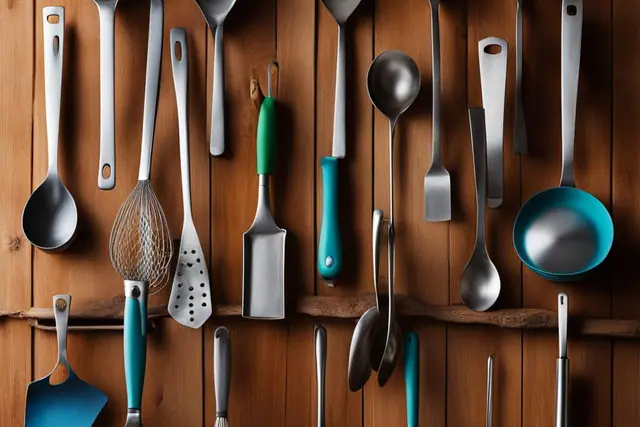
In this guide
- Essential Kitchen Tools and Utensils for Beginners
- Stock Up on Basic Ingredients
- Master Fundamental Cooking Methods and Techniques
- Follow Recipes and Understand Measurements
- Prep Your Ingredients Before You Start Cooking
- Avoid Common Cooking Mistakes
- Create a Routine and Start with the Basics
- Keep It Simple and Focus on Cooking Equipment
- Expand Your Spice Collection and Experiment with Flavors
- Develop Knife Skills and Invest in Quality Pans
- Plan Ahead and Cook in Bulk
- Stay On-Recipe and Be Patient With Yourself
- Conclusion
- Source Links
- FAQ
Learning how to cook can be an exciting and rewarding journey. Whether you're a beginner or someone looking to improve your culinary skills, this step-by-step guide will provide you with the essential knowledge and confidence to get started in the kitchen. From understanding ingredients and mastering cooking methods to developing knife skills and exploring new recipes, you'll gain the foundation needed to create delicious meals and experiment with flavors.
Throughout this guide, I'll share practical tips and resources to help you on your culinary adventure. So let's put on our aprons and dive into the wonderful world of cooking!
Essential Kitchen Tools and Utensils for Beginners
When it comes to learning how to cook, having the right tools and utensils in your kitchen is essential. Here are some must-have kitchen tools and utensils for beginners:
- Kitchen knives: Invest in a quality set of knives that includes a chef's knife, paring knife, and serrated knife.
- Cutting board: A sturdy cutting board is necessary for chopping and preparing ingredients.
- Pots and pans: Start with a basic set of pots and pans, including a stock pot, sauté pan, skillet, and saucepan.
- Measuring cups and spoons: Accurate measurements are crucial in cooking, so make sure you have a set of measuring cups and spoons.
- Mixing bowls: Having a few mixing bowls in different sizes will come in handy for various cooking tasks.
- Colander: A colander is useful for draining pasta, vegetables, and other ingredients.
- Vegetable peeler and grater: These tools are essential for peeling and grating vegetables and cheese.
- Whisk: A whisk is perfect for mixing ingredients and creating smooth sauces and dressings.
- Spatulas: Get a few spatulas for flipping and turning food in the pan.
- Can opener: Don't forget a reliable can opener for opening canned ingredients.
- Storage containers: Have a variety of storage containers on hand for storing leftovers.
Table: Essential Kitchen Tools and Utensils
| Tool/Utensil | Description |
|---|---|
| Kitchen knives | A set of quality knives including a chef's knife, paring knife, and serrated knife. |
| Cutting board | A sturdy board for chopping and preparing ingredients. |
| Pots and pans | A basic set of pots and pans for various cooking tasks. |
| Measuring cups and spoons | Accurate measuring tools for precise ingredient measurements. |
| Mixing bowls | Bowls in different sizes for mixing ingredients and preparing recipes. |
| Colander | A tool for draining pasta, vegetables, and other ingredients. |
| Vegetable peeler and grater | Utensils for peeling and grating vegetables and cheese. |
| Whisk | A tool for whisking and mixing ingredients together. |
| Spatulas | Utensils for flipping and turning food in the pan. |
| Can opener | A tool for opening canned ingredients. |
| Storage containers | Containers for storing leftovers and ingredients. |
Having these essential kitchen tools and utensils will set you up for success in the kitchen. They will make food preparation easier and more efficient, allowing you to focus on honing your culinary skills and creating delicious meals.
Stock Up on Basic Ingredients
Building a well-stocked pantry is crucial for cooking. By stocking up on basic ingredients, you'll always have the essentials on hand to create delicious meals. Start with pantry staples like oils, dry goods, and seasonings. Here are some key ingredients to include in your pantry:
- Fats and Oils: Olive oil, vegetable oil, coconut oil, butter, and lard.
- Dry Goods: Flour, sugar, rice, and pasta.
- Seasonings: Salt, pepper, garlic powder, onion powder, paprika, and cumin.
In addition to these basics, have a variety of spices and herbs available to enhance the flavor of your dishes. Experiment with different combinations to add depth and complexity to your recipes. Some popular choices include basil, parsley, and oregano. Having these ingredients readily available will make cooking easier and more flavorful.
| Ingredient | Quantity | Storage Tips |
|---|---|---|
| Oils | Various types (olive oil, vegetable oil, etc.) | Store in a cool, dark place. |
| Dry Goods | Flour, sugar, rice, pasta | Keep in airtight containers to prevent moisture and pests. |
| Seasonings | Salt, pepper, garlic powder, onion powder, paprika, cumin | Store in airtight containers away from heat and sunlight. |
Having a well-stocked pantry with basic ingredients is the foundation of a successful cooking journey. It ensures that you have the necessary building blocks to create a wide range of dishes. With these essentials at your disposal, you'll be ready to explore different flavors and experiment in the kitchen.
Herbs and Spices: Adding Flavor to Your Dishes
Herbs and spices play a crucial role in elevating the taste of your dishes. Here are some popular herbs and spices to have in your pantry:
- Basil
- Parsley
- Oregano
These herbs can be used in a variety of recipes, from soups and stews to pasta dishes and roasted vegetables. Experiment with different combinations to find your favorite flavor profiles. Don't be afraid to get creative and add a pinch of spice to your cooking!
By having a well-stocked pantry with basic ingredients, you'll be equipped to create delicious meals with ease. Don't underestimate the power of these staples in enhancing the flavor of your dishes. Start stocking up on these essentials and embark on a culinary adventure in your own kitchen!
Master Fundamental Cooking Methods and Techniques
When it comes to learning how to cook, mastering fundamental cooking methods and techniques is essential. These techniques serve as the building blocks for creating delicious meals and expanding your culinary repertoire. Whether you're boiling, baking, grilling, frying, sautéing, steaming, or exploring more advanced techniques like sous vide, each method provides unique results and opens up a world of possibilities in the kitchen.
One of the best ways to master these cooking methods is by taking cooking classes. These classes provide hands-on guidance and expert instruction, allowing you to practice and refine your skills under the guidance of experienced chefs. Additionally, cooking classes often cover a range of techniques, ensuring that you have a well-rounded understanding of different cooking methods.
For those who prefer a more independent learning approach, there are plenty of online resources available that offer detailed explanations and step-by-step tutorials on various cooking techniques. These resources allow you to learn at your own pace and explore different methods in the comfort of your own kitchen.
Table: Cooking Methods and Techniques
| Method | Description |
|---|---|
| Boiling | Cooking food in hot liquid, typically water or broth. |
| Baking | Cooking food with dry heat in an oven. |
| Grilling | Cooking food over high heat, usually on a grill or open flame. |
| Frying | Cooking food in hot oil, typically in a pan or deep fryer. |
| Sautéing | Lightly frying food in a small amount of oil or fat. |
| Steaming | Cooking food with moist heat, often using a steamer or boiling water. |
| Sous Vide | Low-temperature cooking in a vacuum-sealed bag, typically done in a water bath. |
By mastering these fundamental cooking methods and techniques, you'll gain the confidence and skills to create a wide array of delicious dishes. So whether you choose to enroll in cooking classes or explore online resources, take the time to practice and experiment with different methods. The more you expand your culinary toolkit, the more versatile and confident you'll become in the kitchen.
https://www.youtube.com/watch?v=yYWk38MCtHo
Follow Recipes and Understand Measurements
When it comes to learning how to cook, following recipes is an essential skill. Whether you're a beginner or more experienced in the kitchen, carefully reading and understanding recipes will help you achieve delicious results. Here are some tips to help you follow recipes effectively and understand measurements:
- Read the entire recipe before starting: Before you begin cooking, take the time to read the entire recipe from start to finish. This will give you an overview of the steps involved and allow you to gather all the necessary ingredients and tools.
- Familiarize yourself with measurement abbreviations: Many recipes use abbreviations for measurements, such as tsp for teaspoon and tbsp for tablespoon. Make sure you understand these abbreviations to accurately measure ingredients.
- Convert measurements if necessary: Some recipes may use different measurement systems, such as metric or imperial. If needed, use online conversion tools or measurement charts to convert between volume and weight measurements.
- Use the right measuring tools: When measuring ingredients, use the appropriate tools. Dry ingredients should be measured using dry measuring cups, while liquid ingredients should be measured using liquid measuring cups. A kitchen scale can also be helpful for precise measurements by weight.
By following recipes and understanding measurements, you'll be able to recreate dishes accurately and achieve consistent results. So grab your apron, gather your ingredients, and get ready to create delicious meals in your own kitchen!
I always make sure to read the entire recipe before I start cooking. It helps me understand the steps involved and ensures I have all the necessary ingredients and tools. Plus, familiarizing myself with measurement abbreviations and knowing how to convert measurements if needed keeps me on track. Using the correct measuring tools, whether it's dry measuring cups or a kitchen scale, ensures my dishes turn out just right. Following recipes and understanding measurements is the key to successful cooking!
Mastering Measurements
When it comes to cooking, precise measurements are important to ensure your dishes turn out just right. Here are some common measurement abbreviations and conversions that every home cook should know:
| Abbreviation | Measurement | Equivalent |
|---|---|---|
| tsp | teaspoon | 1/3 tablespoon |
| tbsp | tablespoon | 3 teaspoons |
| cup | cup | 8 fluid ounces |
| pt | pint | 2 cups |
| qt | quart | 4 cups |
| lb | pound | 16 ounces |
Remember, accuracy in measurements can make a big difference in your cooking. So be sure to follow recipes closely and use the appropriate measuring tools for both dry and liquid ingredients.
Prep Your Ingredients Before You Start Cooking
Proper ingredient preparation is crucial for efficient and smooth cooking. Embrace the concept of mise en place, which means organizing and preparing all ingredients before you start cooking. Gather your tools, measure your ingredients, and do any necessary prep work like chopping vegetables or trimming meat. This preparation ensures that you have everything readily available and saves time during the cooking process. It's a common practice in professional kitchens and helps create a seamless cooking experience.
When it comes to ingredient prep, one important aspect is kitchen organization. Keep your cooking area tidy and decluttered, allowing you to work smoothly and find everything you need without any hassle. Use measuring ingredients accurately to ensure the balance of flavors in your dishes. Follow the recipe instructions carefully and measure each ingredient precisely for the best results.
Chopping and trimming play a vital role in ingredient preparation. Proper knife skills are essential to ensure precise cuts and even cooking. Invest in a high-quality chef's knife and practice different cutting techniques to enhance your culinary skills. Take your time to trim and prepare ingredients properly, removing any excess fat, gristle, or undesirable parts. This attention to detail will result in better-tasting dishes.
| Ingredient Prep Tips | Mise en Place Tips |
|---|---|
|
|
"Prepping your ingredients before you start cooking is like having your own personal sous chef. It sets you up for success and makes the cooking process more enjoyable. Mise en place is an essential practice in every kitchen, whether you're a beginner or an experienced cook."
Organize Your Kitchen for Efficient Ingredient Prep
To ensure efficient ingredient prep, keep your kitchen well-organized. Group similar tools and utensils together, making them easily accessible. Use clear containers or labeled jars to store commonly used ingredients like spices, herbs, and dry goods. This will help you find what you need quickly and prevent any delays during cooking.
Another helpful tip is to have separate cutting boards for different ingredients, such as one for meat and another for vegetables. This minimizes the risk of cross-contamination and ensures food safety. Keep your knives sharp and easily accessible, allowing for precise cuts and efficient ingredient prep.
By embracing the practice of ingredient preparation and mise en place, you'll set yourself up for cooking success. The organized and efficient approach not only saves time but also enhances the cooking experience. So, before you start cooking, take the time to gather your tools, measure your ingredients, and do any necessary prep work. With everything ready to go, you'll be able to focus on the joy of cooking and create delicious meals.
Avoid Common Cooking Mistakes
When it comes to cooking, even the most experienced chefs can make mistakes. In order to improve your skills in the kitchen, it's important to be aware of these common pitfalls and learn how to avoid them. Here are some cooking mistakes to watch out for:
Poor Time Management
Time management plays a crucial role in successful cooking. Underestimating the time required for preparation, cooking, and cleaning can lead to unnecessary stress and rushed meals. To avoid this, plan ahead and allocate enough time for each step of the cooking process. It's always better to start early and have extra time than to be scrambling to finish everything at the last minute.
Overcrowding the Pan
Overcrowding the pan is a common mistake that can hinder the cooking process. When you overcrowd the pan with ingredients, they end up steaming instead of browning. This can result in uneven cooking and a lack of flavor. To prevent this, cook ingredients in batches or use a larger pan to ensure that each item has enough space to cook properly.
Neglecting Seasoning
Seasoning is key to enhancing the flavors of your dishes. One common mistake is waiting until the end of the cooking process to season your food. To ensure that your dish is well-seasoned throughout, add salt, herbs, and spices at different stages of cooking. This will allow the flavors to develop and meld together, resulting in a more delicious final product.
Lack of Cleaning and Organization
A messy and disorganized kitchen can hamper your cooking experience. Not only does it make it difficult to find the tools and ingredients you need, but it can also lead to cross-contamination and unwanted flavors in your food. Take the time to clean as you go, putting away ingredients and washing dishes as you finish using them. Keeping your kitchen clean and organized will make the cooking process more enjoyable and efficient.
By being aware of these common cooking mistakes and taking steps to avoid them, you can improve your skills in the kitchen and achieve better results. Remember to practice good time management, avoid overcrowding the pan, season your dishes properly, and keep your kitchen clean and organized. With these tips in mind, you'll be well on your way to becoming a confident and successful cook.
As a beginner cook, there are numerous resources available to help you develop your culinary skills and confidence in the kitchen. Whether you prefer cookbooks, cooking classes, or online resources, there are plenty of practical tips, recipes, and learning platforms to choose from.
A wide variety of cookbooks written by expert chefs provide step-by-step instructions and additional knowledge to help you improve your cooking skills. These cookbooks cover a range of cuisines and cooking techniques, allowing you to expand your culinary repertoire.
| Cookbooks |
|---|
| The Joy of Cooking by Irma S. Rombauer |
| Salt, Fat, Acid, Heat by Samin Nosrat |
| The Essential New York Times Cookbook by Amanda Hesser |
If you prefer a more interactive learning experience, cooking classes can provide hands-on guidance and the opportunity to practice various techniques. Many cooking schools and culinary institutes offer beginner-friendly classes where you can learn from experienced chefs and interact with other aspiring cooks.
"I took a cooking class and it completely transformed my approach to cooking. I learned new techniques, gained confidence, and discovered a passion for creating delicious meals." - Jane Smith
Online resources are also an excellent option for beginner cooks. Cooking websites and video tutorials provide practical tips, step-by-step instructions, and a wealth of recipes at your fingertips. These resources often include helpful visuals and demonstrations to guide you through each cooking process.
Learning Platforms
- Food Network
- Cooking Light
- Allrecipes
- YouTube cooking channels
By utilizing these additional resources, you can enhance your cooking skills, explore new recipes, and gain the confidence to experiment with different flavors and techniques. Remember to practice regularly, be open to learning, and have fun in the kitchen!
Create a Routine and Start with the Basics
When it comes to learning how to cook, creating a routine and starting with basic recipes is the key to success. By committing to regular cooking practice, you'll improve your skills and gain confidence in the kitchen. Beginning with simple dishes like pasta or tacos allows you to focus on mastering basic cooking techniques.
Why start with basic recipes? Well, they provide a solid foundation for building your culinary knowledge and skills. Simple dishes often require minimal ingredients and straightforward cooking methods, making them perfect for beginners. They also allow you to practice essential techniques like boiling water, sautéing vegetables, and seasoning food.
By starting with the basics, you'll develop a better understanding of flavors and how different ingredients work together. As you progress and gain more confidence, you can begin adding your own twists and variations to these simple recipes. The more you cook and experiment, the more comfortable you'll become in the kitchen.
Remember, learning how to cook is a journey, and it's okay to make mistakes along the way. Embrace the learning process and be patient with yourself. With practice and dedication, you'll soon be able to tackle more complex dishes and expand your cooking repertoire. So, roll up your sleeves, gather your ingredients, and let's start creating delicious meals!
Table: Basic Recipes for Beginners
| Recipe | Description | Ingredients | Instructions |
|---|---|---|---|
| Pasta with Tomato Sauce | A classic and simple dish that introduces you to boiling pasta and making a basic tomato sauce. | Pasta, canned tomatoes, garlic, onion, olive oil, salt, pepper, basil | Boil pasta according to package instructions. In a separate pan, sauté garlic and onion in olive oil. Add canned tomatoes and season with salt, pepper, and basil. Simmer sauce for 10 minutes, then toss with cooked pasta. |
| Chicken Tacos | A versatile dish that teaches you how to cook chicken and assemble flavorful tacos. | Chicken breasts, taco seasoning, tortillas, lettuce, tomato, cheese, salsa | Season chicken with taco seasoning and cook on a skillet until cooked through. Slice chicken into strips. Warm tortillas and assemble tacos with chicken, lettuce, tomato, cheese, and salsa. |
"Cooking is like any other skill—it takes practice and patience. Starting with basic recipes allows you to build a strong foundation and gain confidence in the kitchen."
Keep It Simple and Focus on Cooking Equipment
When it comes to learning to cook, it's important to keep things simple and focus on the essential cooking equipment you already have in your kitchen. You don't need to invest in fancy gadgets or tools right away. By mastering the basics and working with what you have, you can still create delicious meals that showcase your culinary skills.
One of the most important aspects of your cooking equipment is a set of quality knives. A chef's knife, paring knife, and serrated knife are essential tools that can handle a wide range of cutting tasks. With sharp and reliable knives, you'll be able to chop, slice, and mince ingredients with precision and ease.
Pans are another key component of your cooking equipment. Investing in a few high-quality pans, such as a non-stick skillet and a saucepan, will ensure even heat distribution and prevent food from sticking. These pans will be your go-to for sautéing, frying, simmering, and more.
Table: Essential Cooking Equipment
| Cooking Equipment | Description |
|---|---|
| Knives | Chef's knife, paring knife, serrated knife |
| Pans | Skillet, saucepan |
| Spices | Salt, pepper, garlic powder, onion powder, paprika, cumin |
| Tools | Wooden spoons, tongs, whisk, spatula |
In addition to knives and pans, having a collection of spices is essential for adding flavor to your dishes. Keep staples like salt, pepper, garlic powder, onion powder, paprika, and cumin on hand. These spices can enhance the taste of your recipes and give your meals a delicious kick.
Lastly, having a few essential tools will make your cooking experience more enjoyable and efficient. Wooden spoons, tongs, a whisk, and a spatula are all versatile tools that will come in handy for various cooking tasks. With these tools, you'll be able to mix, flip, and stir your ingredients with ease.
Remember, the key to becoming a skilled cook is to focus on the basics and practice using the cooking equipment you already have. With time and experience, you can gradually expand your collection and try out new tools. But for now, keep it simple and make the most of what you already have in your kitchen.
Expand Your Spice Collection and Experiment with Flavors
To enhance the flavor of your dishes, it's time to expand your spice collection and experiment with different flavors. Spices play a crucial role in adding depth and complexity to your recipes, elevating them from ordinary to extraordinary. By incorporating a variety of spices into your cooking, you can create unique and delicious flavor profiles that will impress your family and friends.
When it comes to spices, the options are endless. Some essential spices to have in your collection include garlic powder, onion powder, paprika, and cumin. These versatile spices can be used in a wide range of dishes, from soups and stews to marinades and rubs. By combining different spices and experimenting with various flavor combinations, you can create your own unique seasoning blends that reflect your culinary preferences.
"Cooking without spices is like painting without colors." - Maneet Chauhan
Don't be afraid to step out of your comfort zone and try new spices that you may not be familiar with. Explore exotic spices like turmeric, cardamom, or sumac, which can add a delightful twist to your recipes. You can also experiment with different spice blends from various cuisines, such as Indian, Mexican, or Middle Eastern, to add an international flair to your dishes.
Benefits of Expanding Your Spice Collection
Expanding your spice collection and experimenting with flavors offers several benefits:
- Enhanced Taste: Spices have the power to transform the taste of your dishes, making them more flavorful and enjoyable.
- Cultural Exploration: Trying new spices allows you to explore different cuisines and cultures, broadening your culinary horizons.
- Creative Expression: Experimenting with spices gives you the opportunity to unleash your creativity in the kitchen and develop your unique cooking style.
- Health Benefits: Many spices possess health-promoting properties and can provide various nutritional benefits when incorporated into your meals.
Remember, when experimenting with spices, start with small amounts and gradually increase the quantity according to your taste preferences. Keep in mind that spices can vary in intensity, so it's important to taste your food as you go to achieve the desired flavor balance. Have fun exploring new spices, and let your taste buds guide you on a culinary adventure!
| Spice | Flavor Profile | Common Uses |
|---|---|---|
| Cumin | Earthy, warm, and slightly nutty | Chili, curry, tacos, roasted vegetables |
| Paprika | Smoky, sweet, and slightly spicy | Stews, grilled meats, roasted potatoes |
| Ginger | Peppery, citrusy, and slightly sweet | Stir-fries, marinades, baked goods |
| Turmeric | Earthy, slightly bitter, and vibrant yellow | Curries, rice dishes, smoothies, golden milk |
| Cinnamon | Sweet, warm, and comforting | Baked goods, oatmeal, chai tea |
Table: A selection of commonly used spices, their flavor profiles, and common uses in various dishes.
Develop Knife Skills and Invest in Quality Pans
Developing knife skills is essential for efficient and safe cooking. A high-quality chef's knife, paring knife, and serrated bread knife are key tools for handling different cutting tasks. To ensure precision and safety, it's important to practice proper knife techniques and keep your blades sharp. Investing in quality pans, such as those with ceramic coating, is also crucial. These pans provide even heat distribution and prevent food from sticking, resulting in better cooking outcomes.
When it comes to knife skills, proper grip and technique are essential. The pinch grip, where you hold the knife with your thumb and index finger on the blade, provides control and stability. Use a rocking motion when chopping to maintain consistency and avoid uneven cuts. It's also important to use a sturdy cutting board to protect both your knives and your countertop.
When selecting pans, consider their material, thickness, and conductivity. Stainless steel and cast iron pans are popular options due to their durability and versatility. Non-stick pans are convenient for cooking delicate foods that might otherwise stick. Additionally, investing in pans with heat-resistant handles and oven-safe capabilities can expand your cooking options and make your culinary experience more enjoyable.
By developing knife skills and investing in quality pans, you'll be well-equipped to tackle a wide range of recipes and cooking techniques. Remember to prioritize safety, follow proper maintenance practices for your knives and pans, and take care of your cooking equipment. With these fundamental culinary basics, you can enhance your cooking skills and create delicious meals with confidence.
Plan Ahead and Cook in Bulk
When it comes to efficient and time-saving cooking, planning ahead and cooking in bulk are two strategies that can greatly simplify your meal preparation process. By dedicating a little extra time upfront, you can save valuable minutes and energy throughout the week, ensuring that you always have a delicious and nutritious meal ready to enjoy.
Meal planning is a key component of successful cooking. Take some time at the beginning of each week to plan your meals and create a shopping list of ingredients you'll need. This way, you'll avoid last-minute trips to the grocery store and reduce the chances of resorting to unhealthy takeout options. By having a clear plan in place, you can streamline your ingredient preparation and make the cooking process more efficient.
"Cooking in bulk is a great way to save time and make the most of your efforts in the kitchen. Instead of preparing individual meals each day, consider making larger batches of your favorite dishes and portioning them out for future meals. This allows you to take advantage of economies of scale, so to speak, by preparing multiple servings of a meal at once."
Leftovers can be a lifesaver on busy days when cooking from scratch feels overwhelming. By cooking in advance and storing leftovers properly, you'll have easy-to-reheat meals that are just as delicious as when they were freshly made. Invest in quality storage containers that are freezer-friendly to ensure that your meals stay fresh and taste great even after being frozen.
| Benefits of Planning Ahead and Cooking in Bulk | How to Incorporate These Strategies into Your Routine |
|---|---|
| Time-saving | Set aside dedicated time each week for meal planning and ingredient preparation |
| Cost-effective | Shop for ingredients in bulk when possible and take advantage of sales and discounts |
| Reduce food waste | Use up ingredients before they spoil by incorporating them into your meal plan |
| Healthier eating | By planning your meals in advance, you can make healthier choices and avoid impulsive food decisions |
| Variety and convenience | Experiment with new recipes and flavors to keep your meals interesting and enjoyable |
Incorporating meal planning and bulk cooking into your routine may require some initial effort and adjustment. However, once you establish these habits, you'll find that they significantly simplify your cooking process and make it easier to maintain a healthy and balanced diet. By taking a proactive approach to your meal preparation, you can save time, reduce stress, and enjoy delicious homemade meals every day.
Stay On-Recipe and Be Patient With Yourself
When you're starting out on your cooking journey, it's important to stay on-recipe and follow instructions closely. This helps you understand the components of a dish and how they work together. As a beginner, it's natural to feel overwhelmed or unsure, but by staying on-recipe, you'll build a strong foundation of cooking skills and techniques. As you gain confidence in the kitchen, you can start making modifications and experimenting with your own variations.
It's essential to remember that cooking is a learning process, and mistakes are a part of the journey. Don't be afraid to make errors or try new things. Each cooking experience is an opportunity to learn and grow. Reflect on your mistakes, analyze what went wrong, and use that knowledge to improve your cooking skills. Being patient with yourself and embracing the learning process will help you become a more accomplished cook.
Through staying on-recipe, being patient with yourself, and learning from your cooking mistakes, you'll gradually become more confident in the kitchen. Remember that cooking is both an art and a science, and it takes time and practice to develop your culinary skills. Enjoy the process, savor the flavors, and let your passion for cooking guide you on your journey.
“A recipe has no soul. You as the cook must bring the soul to the recipe.” - Thomas Keller
Tips for Staying on-Recipe and Building Cooking Confidence:
- Read the entire recipe before starting to understand the steps and ingredients.
- Prepare all your ingredients in advance through proper mise en place.
- Follow measurements and cooking times accurately for consistent results.
- Focus on learning the fundamental techniques before experimenting with modifications.
- Take note of any particular cooking mistakes and learn from them for future reference.
- Keep a positive mindset and enjoy the process of learning and improving.
By staying on-recipe, being patient with yourself, and embracing the learning process, you'll develop the confidence and skills to create delicious meals in your own kitchen.
Conclusion
As I reflect on your cooking journey, I can't help but feel excited for all the culinary adventures that lie ahead. Learning to cook is a process that requires patience, practice, and a pinch of courage. But trust me, it's worth every moment.
Throughout this beginner's step-by-step guide, you've learned the basics of cooking, from essential culinary skills to fundamental cooking methods. By following recipes, understanding measurements, and prepping your ingredients, you've already taken significant strides towards becoming a confident cook.
Remember, the key to success in the kitchen is to stay curious, keep experimenting, and have confidence in your ability to create delicious meals. Embrace the joy of cooking and enjoy the process. With each new dish you prepare, you'll continue to sharpen your culinary skills and develop a deep appreciation for the art of cooking. So go ahead, continue your cooking journey with enthusiasm, and savor the satisfaction of creating meals that bring joy to yourself and others.
Source Links
- https://www.escoffier.edu/blog/value-of-culinary-education/learning-how-to-cook-a-guide-for-beginners/
- https://www.cozymeal.com/magazine/learn-to-cook
- https://www.premiofoods.com/how-to-teach-yourself-to-cook-at-home/
Frequently asked questions
- What are the essential kitchen tools and utensils for beginners?
Essential kitchen tools for beginners include a quality set of knives (chef's knife, paring knife, serrated knife), cutting board, pots and pans (stock pot, sauté pan, skillet, saucepan), measuring cups and spoons, mixing bowls, colander, vegetable peeler, grater, whisk, spatulas, and a can opener. Storage options for leftovers are also important.
- What basic ingredients should I stock up on?
Basic pantry staples include oils (olive oil, vegetable oil, coconut oil, butter, lard), dry goods (flour, sugar, rice, pasta), and seasonings (salt, pepper, garlic powder, onion powder, paprika, cumin). Experiment with different spices and herbs like basil, parsley, and oregano to add flavor to your dishes.
- What are some fundamental cooking methods and techniques to master?
Fundamental cooking methods include boiling (cooking food in hot liquid), baking (dry heat in an oven), grilling (high-temperature cooking), frying (cooking food in hot oil), sautéing (light fry with oil), steaming (cooking with moist heat), and more advanced techniques like sous vide (low-temperature cooking).
- How can I follow recipes accurately?
Start by reading the entire recipe before starting and ensure you have all the tools and ingredients. Familiarize yourself with common measurement abbreviations and understand conversions. When measuring ingredients by volume, use dry measuring cups for dry ingredients and liquid measuring cups for wet ingredients. Consider getting a kitchen scale for accurate measurements by weight.
- What is mise en place?
Mise en place is a concept that involves organizing and preparing all ingredients before you start cooking. Gather your tools, measure your ingredients, and do any necessary prep work like chopping vegetables or trimming meat. This preparation ensures that you have everything readily available and saves time during the cooking process.
- What are some common cooking mistakes to avoid?
Avoid underestimating the time required for preparation, cooking, and cleaning. Practice time management and plan ahead. Avoid overcrowding the pan, as it can lead to uneven cooking. Season dishes throughout the cooking process, not just at the end. Clean as you go to minimize overall cooking time.
- What additional resources are available for beginner cooks?
Cookbooks by expert chefs provide step-by-step instructions and additional knowledge. Cooking classes, whether in-person or online, offer hands-on guidance. Online resources, such as cooking websites and video tutorials, provide practical tips and a wealth of recipes.
- How can I start learning to cook?
Establish a routine and start with basic recipes. Commit to practicing cooking regularly to improve your skills. Begin with simple dishes like pasta or tacos to build a foundation of cooking techniques.
- What should I focus on when learning to cook?
Keeping things simple is key. Focus on the essential cooking equipment you already have rather than investing in fancy gadgets. Master basic tools like knives, pans, and spices. Experiment with different flavors and expand your spice collection.
- How can I improve my knife skills?
Invest in a high-quality chef's knife, paring knife, and serrated bread knife. Practice proper knife techniques and ensure your knives are sharp for precision and safety. Quality pans, such as those with ceramic coating, will ensure even cooking and prevent food from sticking.
- How can I plan ahead and save time in the kitchen?
Before starting to cook, gather all the necessary supplies and ingredients, and measure them out. Consider cooking in bulk and preparing meals in advance to have leftovers for busy days. Cooking in advance allows you to have ready-made meals that simply need reheating.
- Should I stick to recipes or can I make modifications?
When starting out, it's important to stay on-recipe and follow instructions closely to understand how the components of a dish work together. As you gain confidence, you can start making modifications and experimenting with your own variations. Be patient with yourself and focus on learning from each cooking experience.
AprilCook, recipe developer and the heart of Chefwiz. More about April