Guide
How to Peel an Avocado: Safe and Simple Steps
Dive into my guide on how to peel an avocado! Learn simple, safe steps to unlock this green superfood, right here in my latest post!
 By April18 min read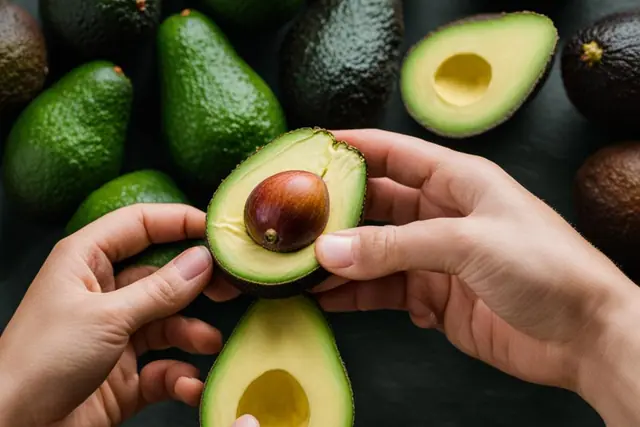
In this guide
- Why Peel an Avocado?
- Choosing the Right Avocado
- How to Cut an Avocado in Half
- Safely Removing the Avocado Pit
- Scooping Out the Avocado Flesh
- Slicing the Avocado into Segments
- Presenting Avocado Slices
- Dicing Avocado Chunks
- Tips for Choosing and Storing Avocados
- Freezing Avocados
- Other Uses for Avocado
- Conclusion
- Source Links
- FAQ
Greetings! Today, I want to share with you a simple yet effective technique for peeling avocados. By following these steps, you'll be able to safely unlock the nutritious benefits of this green superfood. So, let's get started!
Peeling an avocado may seem like a daunting task, but fear not! With a few easy steps, you'll become a pro in no time. Not only will you have perfectly peeled avocados, but you'll also be able to enjoy their rich flavors and incredible health benefits.
Are you ready to learn how to peel an avocado safely and effortlessly? Let's dive in!
Why Peel an Avocado?
Peeling an avocado is an essential step in unlocking the full potential of this healthy and nutritious fruit. Avocados are a staple in vegan, vegetarian, and plant-based diets due to their rich nutrient content. By peeling avocados, you can access the most nutrient-dense part of the fruit, which is closest to the peel.
Avocados are packed with healthy fats, fiber, and an array of vitamins and minerals. They are known for their high monounsaturated fat content, which is beneficial for heart health. Avocados also provide essential vitamins, including vitamin K, vitamin C, vitamin E, and B-vitamins like folate.
In addition to their nutritional benefits, avocados are versatile and can be used in a variety of dishes. Whether you're making guacamole, adding slices to a sandwich, or incorporating them into salads, peeling avocados allows you to fully enjoy their creamy texture and unique flavor.
"Peeling an avocado is like opening a treasure chest of health benefits. Its creamy texture and rich taste make it a favorite among health-conscious individuals."
So, if you're looking to boost your intake of healthy fats, vitamins, and minerals, peeling avocados is a simple yet important step in making the most of this superfood. Let's dive into the process of peeling avocados and unlock all the goodness they have to offer.
Choosing the Right Avocado
When it comes to picking the perfect avocado, there are a few things to keep in mind. The ripeness, firmness, stem, and color all play a role in determining the quality of the fruit.
Determining Ripeness
One key factor to consider is the ripeness of the avocado. You want to choose avocados that are slightly softened but not mushy. To determine ripeness, gently apply pressure to the avocado and feel for a slight give. If it feels too soft or too hard, it may not be at its prime.
Checking Firmness
Firmness is another important aspect to consider. A ripe avocado should yield to gentle pressure, but it should not be overly mushy or too firm. By finding the right balance, you'll be able to enjoy the creamy texture of a perfectly ripe avocado.
Examining the Stem and Color
One trick to determine the ripeness of an avocado is to peel back the stem. If it comes off easily and reveals a green color underneath, the avocado is likely ripe and ready to be enjoyed. However, if the stem is difficult to remove or if it reveals a brown color, the avocado may be overripe or spoiled.
https://www.youtube.com/watch?v=tnT78O8wBxk
| Ripeness | Firmness | Stem | Color |
|---|---|---|---|
| Slightly softened | Yields to gentle pressure | Easily removable, reveals green color | Green underneath |
By considering the ripeness, firmness, stem, and color of an avocado, you'll be able to choose the perfect fruit for your culinary endeavors. Whether you're making guacamole or adding sliced avocado to a salad, selecting the right avocado will make all the difference in both taste and texture.
How to Cut an Avocado in Half
Learning how to cut an avocado in half is an essential skill for avocado lovers. It's a simple technique that allows you to easily access the delicious flesh inside. With the right tools and a little practice, you'll be able to cut avocados like a pro.
To begin, you'll need a sharp knife and a ripe avocado. Start by holding the avocado gently in one hand, with the stem side facing up. Take the knife in your other hand and make a long, vertical cut into the avocado. Follow the curve of the pit, from the top to the bottom, until you've cut all the way around.
Next, hold the avocado with both hands and twist the two halves in opposite directions. The halves should separate easily, revealing the pit in one of the halves. To remove the pit, carefully strike it with the sharp edge of the knife, then twist and lift it out.
Once the pit is removed, you can proceed to scoop out the flesh from each half using a spoon. Be sure to scrape the spoon along the inside of the peel, removing as much flesh as possible. Now you have perfectly halved avocados ready to be sliced, diced, or scooped into your favorite recipes.
Table: Avocado Cutting Techniques
| Technique | Description |
|---|---|
| Slice and Twist | Cut the avocado in half lengthwise, following the curve of the pit. Twist to separate the halves. |
| Remove the Pit | Strike the pit with a knife and twist to remove. Use caution and hold the avocado securely. |
| Scoop Out the Flesh | Use a spoon to scoop out the avocado flesh, scraping along the inside of the peel to remove it completely. |
By mastering the art of cutting an avocado in half, you'll be able to enjoy this nutrient-packed fruit in a variety of dishes. From classic avocado toast to refreshing salads and creamy guacamole, the possibilities are endless. So grab a knife and an avocado, and let your culinary creativity shine!
Safely Removing the Avocado Pit
When it comes to removing the pit from an avocado half, there are a few different methods you can try. One simple way is to use a spoon to scoop out the pit. Gently insert the spoon between the pit and the avocado flesh, and slowly twist the spoon to loosen and remove the pit. This method is safe and minimizes the risk of accidentally cutting yourself with a knife.
If you prefer a different approach, you can also use a knife to remove the avocado pit. Hold the avocado half with a folded kitchen towel to provide a better grip. Carefully and firmly tap the blade of a knife into the pit, so it lodges into the pit. Once the knife is secured, gently twist and lift the pit out of the avocado. Remember to exercise caution when using this method to ensure your safety.
Whether you choose to use a spoon or a knife, always be mindful of your fingers and take your time. It's important to prioritize safety when handling kitchen tools. By following these steps, you can safely and effectively remove the pit from an avocado half, allowing you to continue enjoying the delicious flesh of this versatile fruit.
Scooping Out the Avocado Flesh
Now that you've successfully cut the avocado in half and removed the pit, it's time to scoop out the creamy avocado flesh. This step is essential whether you're making guacamole, adding avocado slices to a salad, or using it as a spread on a sandwich. To make the scooping process easier, you can make cuts in a cross-hatch pattern on the flesh before scooping it out. This creates small avocado cubes that can be easily incorporated into your dish.
To scoop out the avocado flesh, simply take a spoon and gently slide it between the avocado flesh and the skin. Apply a little pressure to separate the two, and the flesh should come out smoothly. Be sure to scrape along the inside of the skin to get every last bit of avocado goodness.
Once you've scooped out the avocado flesh, you can transfer it to a bowl or directly into your recipe. The creamy texture and mild flavor of the avocado make it a versatile ingredient that can enhance both sweet and savory dishes. So whether you're making guacamole, adding avocado slices to a salad, or enjoying it on its own, scooping out the avocado flesh is a crucial step in unlocking the full potential of this green superfood.
| Avocado Recipe Ideas | Avocado Benefits |
|---|---|
| Guacamole | - Rich in heart-healthy monounsaturated fats |
| Avocado Toast | - High in fiber, which aids digestion |
| Avocado Salad | - Packed with vitamins and minerals |
| Avocado Smoothie | - Helps to lower cholesterol levels |
The Versatility of Avocado
Avocado is not only delicious but also incredibly versatile. Its smooth and creamy texture makes it a perfect ingredient for everything from salads and sandwiches to smoothies and baked goods. Plus, avocados are packed with beneficial nutrients like healthy fats, fiber, and various vitamins and minerals.
One popular way to use scooped avocado flesh is by making guacamole. This Mexican dip is made by mashing ripe avocados and mixing them with lime juice, salt, cilantro, and other ingredients of your choice. Guacamole is a crowd-pleasing appetizer that pairs well with tortilla chips or can be used as a flavorful topping for tacos, burgers, or grilled chicken.
Aside from guacamole, you can also add scooped avocado flesh to salads for a creamy and nutritious boost. Simply slice the avocado into cubes or thin slices and toss them with your favorite greens, vegetables, and dressing. Avocado can also be spread onto toast, used as a filling for sandwiches, or blended into smoothies for a healthy and satisfying treat.
Whether you're a fan of classic recipes like guacamole or looking to experiment with new flavor combinations, scooping out the avocado flesh opens up a world of culinary possibilities. So grab your spoon and get ready to enjoy the creamy goodness of this versatile fruit!
Slicing the Avocado into Segments
Now that you have successfully peeled and scooped out the avocado flesh, it's time to slice it into segments for easy serving and incorporation into your favorite dishes. Slicing the avocado into segments allows for better portion control and enhances the visual appeal of your meals.
To slice an avocado, start by using a sharp knife to make lengthwise cuts into the flesh, following the natural curves of the fruit. Aim for thin, uniform slices to ensure that each segment is bite-sized and easy to handle. Be mindful of your fingers and maintain a steady grip on the avocado to avoid any accidents.
Once you have made the cuts, gently separate the avocado segments from the peel using your fingers. The ripe avocado flesh should easily slide away from the skin, revealing vibrant green slices that are ready to be enjoyed.
Tips for Slicing Avocado:
- Use a sharp knife to ensure clean cuts without crushing the avocado.
- Aim for thin slices to create visually appealing segments.
- Handle the avocado with care to prevent any accidental injuries.
Slicing the avocado into segments opens up endless possibilities for incorporating this creamy and nutritious fruit into your meals. Whether you want to top off a salad, garnish a sandwich, or create a beautiful avocado rose, mastering the art of slicing avocado segments will elevate your culinary skills.
Presenting Avocado Slices
Avocado slices can elevate the taste and presentation of any dish, whether it's a sandwich or a salad. The creamy texture and rich flavor of avocados make them a versatile ingredient that adds a touch of indulgence to your meals.
When it comes to sandwiches, avocado slices can be spread on bread or placed directly on top of the fillings. They provide a smooth and buttery contrast to the other ingredients, creating a satisfying bite. You can also layer avocado slices with cheese, veggies, or meats to enhance the overall taste and texture. The vibrant green color of the avocado adds a pop of freshness to your sandwich, making it visually appealing as well.
In salads, avocado slices can be delicately arranged on top or tossed throughout for an even distribution. The creamy slices offer a burst of flavor and richness that complements the crispness of the greens. Avocado slices can also serve as a nutritious substitute for dressings, adding a creamy texture without the excess calories.
Table: Avocado Slice Presentation Ideas
| Meal Type | Avocado Slice Presentation Ideas |
|---|---|
| Sandwiches |
|
| Salads |
|
Experiment with different avocado slice presentations to find the style that suits your taste and the occasion best. Whether you prefer thin and delicate slices for an elegant touch or thicker slices for a chunkier texture, avocados offer endless possibilities for creative presentations.
Remember, when handling avocado slices, be mindful of their delicate nature. Gently transfer the slices from the cutting board onto your dish to maintain their integrity. The smooth, velvety texture of avocado slices adds a touch of luxury to any meal, making them a delightful addition to your culinary repertoire.
Dicing Avocado Chunks
Now that you've mastered peeling and cutting avocados, it's time to learn how to dice them into perfect chunks. Diced avocado chunks are a versatile addition to salads, guacamole, and other recipes. Follow these simple steps to dice avocados like a pro:
Step 1Slice the Avocado
Start by cutting the avocado in half lengthwise, following the steps outlined in the previous section. Once you have two avocado halves, use a knife to make 1/2-inch wide strips lengthwise on the flesh.
Step 2Crosswise Cuts
Next, make crosswise cuts on the avocado flesh to create cubes. Keep the cuts consistent, so the avocado chunks are all roughly the same size. Remember to use a sharp knife and exercise caution to avoid any accidents.
Step 3Scoop Out the Diced Avocado
After making the crosswise cuts, use a spoon to scoop out the diced avocado chunks from the peel. You can gently press the spoon against the peel to lift the diced avocado out smoothly.
Now that you've successfully diced your avocado into perfect little cubes, you're ready to incorporate them into your favorite salads, guacamole, and other recipes. Enjoy the creamy texture and rich flavor of freshly diced avocados!
Tips for Choosing and Storing Avocados
When it comes to choosing avocados, there are a few key factors to consider. The ripeness of the avocado can greatly impact its flavor and texture, so it's important to select the right ones. Look for avocados that are slightly soft to the touch, but not overly mushy. Applying gentle pressure to the avocado should result in a slight give. Another trick is to check the color underneath the stem - if it's green, then the avocado is ripe and ready to enjoy.
Storing avocados properly is essential to maintain their freshness. Before they are ripe, it's best to keep avocados at room temperature. Once they have reached the desired ripeness, they can be refrigerated to extend their shelf life. However, if you have a ripe avocado that you want to slow down the ripening process for, you can keep it in the refrigerator. To prevent browning, store avocados with the pit intact or rub them with lemon or lime juice before refrigeration.
Table: Avocado Ripeness Guide
| Avocado Condition | Ripeness Level |
|---|---|
| Firm and green | Not yet ripe |
| Slightly soft and green underneath the stem | Ripe and ready to eat |
| Very soft and mushy | Overripe |
By following these tips for choosing and storing avocados, you can ensure that you always have perfectly ripe ones on hand. Whether you're making guacamole, adding slices to a salad, or enjoying avocado on toast, selecting and storing avocados properly is key to unlocking their deliciousness.
Freezing Avocados
Freezing avocados is a great way to preserve their freshness and enjoy them later. Whether you have extra ripe avocados that you don't want to waste or want to stock up on avocados when they are in season, freezing is a simple and convenient method. You can freeze avocados in slices, chunks, or puree form, depending on your preference and intended use.
To freeze avocado slices, start by cutting the avocado in half and removing the pit. Carefully peel off the skin and cut the avocado into thin or thick slices, depending on how you plan to use them. Toss the slices with lemon or lime juice to prevent browning, as avocados tend to oxidize quickly. Place the slices in a freezer-safe bag or container, remove any excess air, and seal tightly. Label the container with the date and store it in the freezer for up to 3-4 months.
If you prefer to freeze avocado chunks, follow the same steps of cutting the avocado in half, removing the pit, and peeling off the skin. Cut the avocado into bite-sized chunks and toss them with lemon or lime juice. Place the chunks in a freezer-safe container, leaving some space for expansion, and seal tightly. Again, remember to label the container and date it. Frozen avocado chunks can be stored for up to 3-4 months.
Table: Freezing Avocados
| Avocado Form | Steps | Storage Time |
|---|---|---|
| Slices | Cut, peel, slice, toss with lemon or lime juice, freeze in a bag or container | Up to 3-4 months |
| Chunks | Cut, peel, chunk, toss with lemon or lime juice, freeze in a container | Up to 3-4 months |
| Puree | Cut, peel, puree, toss with lemon or lime juice, freeze in an airtight container | Up to 3-4 months |
If you prefer to freeze avocado puree, start by cutting the avocado in half, removing the pit, and peeling off the skin. Place the avocado flesh in a blender or food processor and add a squeeze of lemon or lime juice. Blend until smooth and creamy. Spoon the puree into an airtight container, leaving some space for expansion, and seal tightly. Remember to label and date the container. Frozen avocado puree can be stored for up to 3-4 months.
When you're ready to use the frozen avocados, simply thaw them in the refrigerator overnight or at room temperature for a few hours. While the texture may change slightly after freezing, they are still perfect for adding to smoothies, spreads, dips, or as a topping for salads and soups. Freezing avocados is a convenient way to have this delicious and nutritious fruit on hand whenever you need it.
As you become an expert in avocado peeling, you may have some questions. Here are the answers to the most frequently asked questions about avocados:
Other Uses for Avocado
Avocados are not just delicious and nutritious; they also have a range of other uses beyond food. Here are some creative ways you can incorporate avocados into your life:
Beauty Products
Avocados can be used to create natural and moisturizing beauty products. The healthy fats and vitamins found in avocados are beneficial for both hair and skin. You can make a nourishing avocado hair mask by blending ripe avocado with a tablespoon of olive oil and a teaspoon of honey. Apply this mixture to your hair and leave it on for 30 minutes before rinsing. For a rejuvenating face mask, mash half an avocado with a tablespoon of plain yogurt and a teaspoon of lemon juice. Apply the mixture to your face, let it sit for 15 minutes, then rinse for soft and glowing skin.
Recipes
Avocados can be used in a variety of recipes to add a creamy and nutritious element. Apart from classic guacamole, you can try using avocado as a substitute for butter or mayonnaise in baking. Avocado can also be blended into smoothies for a rich and creamy texture. Additionally, avocado can be sliced and added to sandwiches, wraps, and salads to enhance both the flavor and nutritional profile of your meals. The possibilities are endless when it comes to incorporating avocados into your favorite recipes.
| Recipe | Description |
|---|---|
| Avocado Toast | A popular breakfast or brunch option, avocado toast is made by spreading mashed avocado onto toasted bread and topped with various ingredients such as tomatoes, eggs, or feta cheese. |
| Avocado Salad | A refreshing and healthy salad that combines avocado with mixed greens, cherry tomatoes, cucumber, and a zesty dressing. |
| Avocado Smoothie | A creamy and nutritious smoothie made by blending avocado with your choice of milk, fruits, and sweeteners such as honey or maple syrup. |
"Avocado is not only a versatile ingredient in the kitchen; it also has numerous health benefits. Incorporating it into your beauty routine can give you luscious hair and glowing skin." - Beauty Expert
With its numerous uses in both the kitchen and beauty routines, avocados are truly a versatile fruit. So whether you're looking to whip up a delicious recipe or pamper yourself with a rejuvenating beauty treatment, don't forget to make avocados a part of your routine.
Conclusion
In conclusion, peeling an avocado is a simple and safe process that allows you to unlock the nutritional benefits of this versatile fruit. By following the steps outlined in this guide, you can confidently peel avocados like a pro.
Avocados are packed with essential nutrients, including healthy fats, vitamins, and minerals. Incorporating avocados into your diet can contribute to heart health, weight management, and overall well-being.
Whether you enjoy avocados in salads, sandwiches, guacamole, or other recipes, their delicious and nutritious qualities make them a valuable addition to any meal. So, don't hesitate to try different avocado dishes and explore the wide range of culinary possibilities.
So why wait? Start peeling avocados today and savor their incredible flavor and health benefits. Your taste buds and body will thank you!
Source Links
- https://californiaavocado.com/how-to/why-you-should-peel-avocados/
- https://www.evolvingtable.com/how-to-cut-avocado/
- https://www.simplyrecipes.com/recipes/how_to_cut_and_peel_an_avocado/
Frequently asked questions
- Can I eat avocados raw?
Yes, avocados can be eaten raw and are delicious when added to salads, sandwiches, or enjoyed on their own. Their creamy texture and mild flavor make them a versatile ingredient in various dishes.
- Should I refrigerate ripe avocados?
It is best to refrigerate ripe avocados to slow down the ripening process and extend their shelf life. Place them in the refrigerator once they reach the desired level of ripeness to maintain their freshness.
- Why do cut avocados turn brown?
When an avocado is cut, it exposes its flesh to air, which causes oxidation and leads to browning. However, you can prevent this by mixing the cut avocado with citrus juice, such as lemon or lime juice. The acid in the citrus helps inhibit browning.
- Can I ripen a cut avocado?
If you have a cut avocado that is not yet ripe, you can try to ripen it by storing it in the refrigerator with the pit. Additionally, rubbing the exposed flesh with lemon juice can help slow down browning and assist in the ripening process.
FAQ Answer Can I eat avocados raw? Yes, avocados can be eaten raw and are delicious when added to salads, sandwiches, or enjoyed on their own. Should I refrigerate ripe avocados? It is best to refrigerate ripe avocados to slow down the ripening process and extend their shelf life. Why do cut avocados turn brown? When an avocado is cut, it exposes its flesh to air, which causes oxidation and leads to browning. However, you can prevent this by mixing the cut avocado with citrus juice, such as lemon or lime juice. Can I ripen a cut avocado? If you have a cut avocado that is not yet ripe, you can try to ripen it by storing it in the refrigerator with the pit. Rubbing the exposed flesh with lemon juice can also help slow down browning and assist in the ripening process. - Can avocados be eaten raw?
Yes, avocados can be eaten raw.
- Should ripe avocados be refrigerated?
Yes, it is best to refrigerate ripe avocados.
- Why do cut avocados turn brown?
Cut avocados turn brown due to oxidation.
- How can I prevent cut avocados from turning brown?
To prevent browning, mix cut avocados with citrus juice.
- Can a cut avocado be ripened?
Yes, you can try to ripen a cut avocado by storing it in the fridge with the pit and rubbing it with lemon juice.
- What can avocados be used for?
Avocados can be used in various recipes, including guacamole, salads, and sandwiches. They can also be used in hair and face masks, as well as other moisturizing beauty products.
AprilCook, recipe developer and the heart of Chefwiz. More about April