Guide
How to Cut an Avocado Quickly and Safely
Learn from my easy guide on how to cut an avocado quickly and safely. No need for fancy tools, just your kitchen essentials and a ripe avocado!
 By April17 min read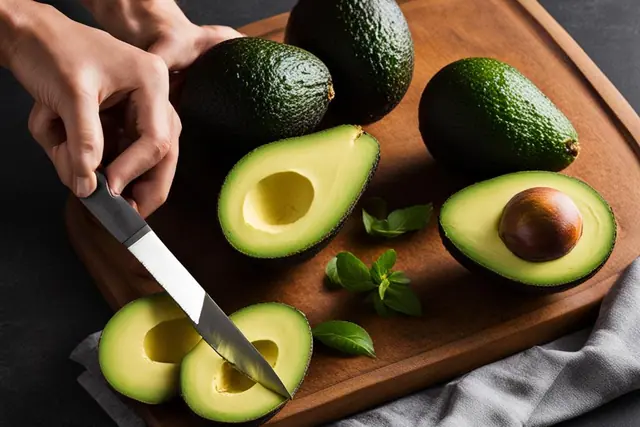
In this guide
- Choosing the Right Knife for Cutting Avocados
- Keeping the Avocado on the Cutting Board
- Safely Removing the Seed
- Peeling the Avocado
- Dicing or Slicing the Avocado
- The Importance of Washing Avocados
- Avocado Hand: The Dangers of Improper Cutting
- A Safer Method for Removing the Pit
- Additional Tips for Cutting Avocados
- The Benefits of Peeling Avocados
- Recipe Ideas Using Avocado
- Conclusion
- Source Links
- FAQ
Are you tired of struggling to cut an avocado? Do you want to learn how to cut it quickly and safely? Well, you're in the right place! In this article, I'll share with you the techniques and tips to make cutting avocados a breeze. So grab your avocados and let's get started!
Choosing the Right Knife for Cutting Avocados
When it comes to cutting avocados, having the right knife is essential for a smooth and efficient process. The knife you choose should be maneuverable and capable of slicing through the avocado's creamy flesh and tough skin. A medium-sized chef's knife or an Asian (Santoku) style knife with scalloped edges are excellent options for cutting avocados.
The chef's knife is versatile and allows for precise control, making it a popular choice for many kitchen tasks. Its broad blade and sharp edge make it easy to slice through avocados with minimal effort. The Asian (Santoku) style knife, with its shorter and wider blade, is also well-suited for cutting avocados. The scalloped edges help reduce friction and prevent the avocado from sticking to the knife.
It is important to avoid using paring knives when cutting avocados. Paring knives are typically smaller and may not reach all the way to the seed, making it difficult to remove it properly. Additionally, paring knives tend to be very sharp and can present a higher risk of accidents if not handled with care.
| Knife Type | Features |
|---|---|
| Chef's Knife | Versatile, precise control, broad blade, sharp edge |
| Asian (Santoku) Style Knife | Shorter and wider blade, scalloped edges, reduces friction |
| Paring Knife | Smaller, may not reach the seed, very sharp |
"Choosing the right knife for cutting avocados can greatly enhance your cutting experience. A well-designed knife offers the balance, control, and precision necessary for safe and efficient avocado preparation." - Chef Smith
By selecting a knife specifically designed for avocados, such as a chef's knife or an Asian (Santoku) style knife, you can ensure that your cutting experience is both enjoyable and safe. Remember to always exercise caution when handling knives and follow proper cutting techniques to avoid accidents.
Keeping the Avocado on the Cutting Board
When it comes to cutting and de-seeding an avocado, it's important to keep it firmly on the cutting board. Avoid the temptation to pick up the avocado and maneuver it with a knife in your hand, as this can be dangerous. Instead, keep the avocado on the cutting board and follow these steps for a safe and efficient process.
Step 1: Place the avocado on the cutting board with the stem side facing up. This will make it easier to cut into the avocado and remove the seed.
Step 2: Use a sharp knife to carefully cut into the avocado lengthwise until you reach the seed. Make sure to cut all the way around the avocado, ensuring that the cut is deep enough to separate the two halves.
Step 3: Once you have cut all the way around the avocado, hold the avocado with both hands and twist gently to separate the two halves. You can then use a spoon to remove the pit from the avocado.
By keeping the avocado on the cutting board throughout the cutting and de-seeding process, you can minimize the risk of accidents and ensure that you have a successful outcome. Remember to always exercise caution when working with sharp objects and prioritize safety in the kitchen.
Safely Removing the Seed
When it comes to cutting an avocado, removing the seed can be a tricky task. However, by using a simple utensil that you probably already have in your kitchen, you can safely and easily remove the seed without any risk of injury.
The best tool for removing the avocado seed is a spoon. After cutting the avocado in half lengthwise, you'll see the large seed nestled in one of the halves. To remove it, simply take a spoon and gently scoop it out. Avoid using a knife to "wack" the seed or poking it with the tip of a knife while holding the avocado in your hand, as this can be dangerous.
Using a spoon to remove the seed is not only safer but also more efficient. The spoon easily fits around the seed and allows you to scoop it out without any hassle. Plus, it minimizes the risk of accidentally cutting yourself while attempting to remove the seed. So, next time you find yourself confronted with an avocado seed, reach for a spoon and remove it with ease.
The Benefits of Using a Spoon
Using a spoon to remove the avocado seed offers several advantages. First and foremost, it eliminates the risk of injuring yourself with a knife, as the spoon allows for a controlled and gentle removal process. Additionally, using a spoon prevents any bits of the seed from getting lodged in the flesh of the avocado, ensuring a smooth and enjoyable eating experience.
Removing the avocado seed with a spoon is a foolproof method that puts safety first. It's a simple yet effective technique that anyone can master.
So, the next time you're cutting into an avocado, don't hesitate to grab a spoon. It's the safest and easiest way to remove the seed, allowing you to enjoy your avocado without any worries or accidents.
Peeling the Avocado
When it comes to preparing avocados, peeling is a method that offers several advantages. While scooping the flesh away from the skin may be a more common approach, peeling allows for better access to all the nutrients and flesh of the fruit. To peel an avocado, follow these simple steps:
- Place the halves or quarters of the avocado face down on the cutting board.
- Using a sharp knife, slice through the skin from the stem downwards, applying gentle pressure.
- Continue to slice until you have removed all the skin from the avocado.
The peeling method ensures that you get the maximum amount of avocado flesh without leaving any behind. It also allows for a cleaner presentation, making it a great choice when preparing dishes that require sliced or diced avocado. Whether you're making a salad, a sandwich, or simply enjoying avocado as a healthy snack, peeling the fruit enhances the overall eating experience.
"Peeling avocados not only offers better access to all the goodness inside, but it also makes for a more aesthetically pleasing presentation."
Why Peeling Is Recommended Over Scooping
While scooping the avocado flesh directly from the skin may seem convenient, it can result in leaving behind small portions of the fruit, reducing the overall yield. Peeling removes the skin completely, ensuring that you can extract every bit of the creamy, nutrient-rich flesh. Additionally, peeling avocados helps to avoid any unwanted residue or dirt that may be present on the skin. This extra step in the preparation process guarantees a cleaner and safer eating experience.
| Advantages of Peeling Avocados | Disadvantages of Scooping Avocados |
|---|---|
| Access to all the flesh of the avocado | Potential waste of avocado due to leaving some flesh behind |
| Cleaner presentation for sliced or diced avocado | Possibility of leaving behind residue or dirt from the skin |
| Enhanced overall eating experience | Uneven extraction of avocado flesh |
By peeling avocados, you can fully enjoy the delicious taste and health benefits of this versatile fruit without any unnecessary waste. So, next time you're preparing an avocado-based dish, be sure to take the extra step and peel it for a more satisfying experience.
https://www.youtube.com/watch?v=9KbRq1Ar9w8
Dicing or Slicing the Avocado
After peeling the avocado, you can proceed to dice or slice it according to your preference. Place the avocado halves or quarters on the cutting board, face down, to maintain stability and ensure safety while cutting. This method allows for better control and precision in achieving your desired avocado cuts.
If you're looking to dice the avocado, start by making lengthwise cuts parallel to the cutting board, creating slices of your desired thickness. Then, turn the avocado 90 degrees and make crosswise cuts, again parallel to the cutting board, to create small cubes. This technique yields uniformly diced avocado pieces, perfect for adding to salads or garnishing dishes.
On the other hand, if you prefer to slice the avocado, you can make lengthwise cuts directly through the avocado halves or quarters. This will result in beautiful, elongated slices that can be used for topping toast, sandwiches, or even sushi rolls. Remember to maintain a firm grip on the avocado and to keep your fingers safely tucked away from the blade.
| Advantages of Dicing or Slicing an Avocado | |
|---|---|
| Allows for precise and consistent cuts | |
| Enhances presentation of dishes | |
| Provides versatility in preparation methods | |
| Offers different textures in each bite |
By dicing or slicing the avocado, you can elevate the visual appeal and texture of your dishes, making them more enjoyable and visually enticing. Experiment with different cutting styles to find the one that suits your culinary needs and preferences.
Top Tips for Dicing or Slicing an Avocado
- Choose a ripe avocado that is neither too firm nor too soft. This will make it easier to dice or slice.
- Use a sharp knife to ensure clean and even cuts.
- Practice proper knife skills by maintaining control and applying even pressure while cutting.
- If dicing, be mindful of the size of the avocado cubes to ensure they are consistent for even cooking or distribution.
- If slicing, adjust the thickness of the slices based on the intended use of the avocado.
Remember, safety should always be a priority when handling knives and cutting avocados. Take your time, focus on the task at hand, and enjoy the process of creating beautifully diced or sliced avocados for your culinary creations.
The Importance of Washing Avocados
Before cutting an avocado, it is essential to wash it thoroughly. Properly washing avocados helps maintain cleanliness and remove any dirt or residue that may be present on the skin. It is an important step to ensure food safety and reduce the risk of consuming harmful bacteria.
Washing avocados is a simple process. Start by rinsing the avocado under cool running water, using your hands to gently rub the skin to remove any surface dirt. You can also use a clean produce brush to scrub the skin more effectively. Pay extra attention to the areas around the stem and any crevices where dirt may be trapped.
It is important to note that washing avocados is necessary even if you plan to peel them before consumption. When cutting through the skin, there is a possibility for bacteria to transfer from the surface to the flesh. Washing the avocado beforehand helps minimize this risk and ensures that the exposed flesh is clean and safe to eat.
By incorporating this simple step into your avocado preparation routine, you can enjoy the nutritional benefits of avocados while maintaining food safety and cleanliness.
Washing Avocados: Step-by-Step Guide
- Rinse the avocado under cool running water.
- Gently rub the skin with your hands to remove any dirt or debris.
- Use a clean produce brush to scrub the skin, paying attention to the stem area and crevices.
- Once thoroughly washed, dry the avocado with a clean kitchen towel or paper towel before cutting.
Remember, washing avocados is an important practice in maintaining food safety and cleanliness. Incorporate this step into your avocado preparation routine for a healthier and safer culinary experience.
Avocado Hand: The Dangers of Improper Cutting
Improper cutting techniques can result in a dangerous condition known as avocado hand, which has caused numerous injuries and sent many home cooks to the emergency room. The term "avocado hand" refers to injuries sustained while attempting to cut an avocado, often due to improper handling of knives or using unsafe cutting methods.
Injuries related to avocado hand can vary in severity, ranging from minor cuts to deep lacerations that may require stitches or surgery. The hand and fingers are particularly vulnerable to these injuries, as the force used to cut through an avocado can lead to accidental slips and misjudgments.
"I never realized how easy it is to injure yourself while cutting an avocado until it happened to me. I was rushing and using the wrong technique, and before I knew it, the knife slipped and cut my hand. It was a painful experience that could have been easily avoided," shares Sarah, a home cook and victim of avocado hand.
To prevent avocado hand, it is crucial to follow proper cutting techniques and take necessary precautions. Always use a knife appropriate for cutting avocados, such as a chef's knife or an Asian style knife with scalloped edges. Avoid using sharp paring knives, as they may not reach all the way to the seed and increase the risk of accidents.
| Unsafe Cutting Methods | Safe Cutting Techniques |
|---|---|
| Cutting the avocado while holding it in your hand | Keep the avocado on the cutting board and cut into it from above |
| Using excessive force to remove the pit | Quarter the avocado while it is on the cutting board for easier pit removal |
| Attempting to scoop out the flesh while holding the avocado | Place the avocado halves or quarters face down on the cutting board and peel the skin away |
| Cutting towards your hand or fingers | Always cut away from your hand and fingers, keeping them safely away from the knife |
By following these safer cutting techniques and being mindful of the potential risks, you can avoid avocado hand and enjoy cutting avocados without any accidents or injuries.
A Safer Method for Removing the Pit
When it comes to removing the pit from an avocado, there is a safer method that can help prevent any potential accidents. Instead of resorting to risky techniques like whacking the pit with a knife, I recommend a simpler and safer approach.
To remove the pit safely, start by quartering the avocado while it is still on the cutting board. This method allows for better control and reduces the risk of injury. Once the avocado is quartered, you can easily remove the pit by gently lifting it out with your fingers or a spoon.
This safer method not only minimizes the chances of accidents but also ensures that you can enjoy your avocado without any added stress. By taking the time to quarter the avocado and remove the pit properly, you can focus on the delicious flavors and creamy texture of this versatile fruit.
Remember, when it comes to preparing avocados, safety should always be a priority. By following this safer method for removing the pit, you can confidently handle avocados in your kitchen and enjoy their many culinary benefits.
| Safer Method | Risky Method |
|---|---|
| Quarter the avocado on the cutting board | Whack the pit with a knife |
| Remove the pit gently with your fingers or a spoon | Risk injury by forcefully driving a knife near your hand |
Additional Tips for Cutting Avocados
When it comes to cutting avocados, safety should always be a top priority. Here are some additional tips to keep in mind:
Use a Sharp Knife
Using a sharp knife is key to cutting avocados safely. A dull knife requires more force to cut through the fruit, increasing the risk of slipping and potential injuries. Make sure to sharpen your knife regularly to ensure smooth and precise cuts.
Hold the Avocado Securely
Before cutting into an avocado, make sure it is secure on the cutting board. Place one hand on top of the avocado, applying gentle pressure to hold it in place. This will help prevent the avocado from rolling or moving as you make your cuts.
Practice Safe Gripping Techniques
When holding the knife, use a firm grip with your dominant hand. Position your hand higher up on the handle, closer to the blade, for better control. Keep your fingers away from the cutting edge to avoid accidental cuts.
Take Your Time
Rushing through the cutting process can lead to mistakes and accidents. Take your time and focus on each step, ensuring that your cuts are accurate and precise. Remember, it's better to be safe than sorry!
By following these tips, you can cut avocados with confidence and reduce the risk of accidents. Remember to always prioritize safety in the kitchen, especially when working with sharp tools like knives.
| Tips for Cutting Avocados Safely |
|---|
| Use a sharp knife |
| Hold the avocado securely |
| Practice safe gripping techniques |
| Take your time |
The Benefits of Peeling Avocados
When it comes to enjoying avocados, peeling them before consumption offers several notable benefits. While scooping the flesh away from the skin may be a quick and convenient method, peeling avocados allows for better access to all the nutrients and flesh of the fruit.
Peeling avocados allows you to fully appreciate the creamy texture and rich taste that the fruit has to offer. By removing the skin, you eliminate any bitterness or toughness that may be present, resulting in a more enjoyable avocado experience. Additionally, the flesh underneath the skin tends to be more vibrant and flavorful, enhancing the overall taste of your dish.
Furthermore, peeling avocados can help you make the most of the valuable nutrients they contain. The skin of an avocado contains a significant amount of antioxidants and fiber, which are beneficial for digestion and overall health. By peeling the avocado, you can access these nutrients more easily and ensure that you are maximizing the nutritional benefits of the fruit.
In conclusion, while scooping the flesh of an avocado may be a popular method, peeling avocados offers a range of benefits. From improving the taste and texture to accessing valuable nutrients, peeling avocados is a simple yet effective way to enhance your avocado eating experience.
Recipe Ideas Using Avocado
Avocados are not only delicious and nutritious, but they are also incredibly versatile in the kitchen. From guacamole to salads, sandwiches to toast, avocados can elevate a wide range of dishes with their creamy texture and mild flavor. Here are some recipe ideas to inspire your culinary adventures with avocados:
Classic Guacamole
One of the most popular ways to enjoy avocados is by making classic guacamole. Mash ripe avocados with lime juice, diced tomatoes, minced garlic, chopped cilantro, and a sprinkle of salt. Serve it with tortilla chips or use it as a topping for tacos, nachos, or grilled meats.
Avocado Toast
Avocado toast has become a breakfast staple for many, and for good reason. Simply spread mashed avocado on toasted bread and top it with your favorite ingredients. Get creative with additions like poached eggs, sliced tomatoes, smoked salmon, or crumbled feta cheese. The possibilities are endless!
Avocado Salad
For a refreshing and healthy salad option, incorporate avocados into your greens. Combine sliced avocados with mixed greens, cherry tomatoes, cucumber, red onion, and your choice of protein such as grilled chicken or shrimp. Drizzle with a zesty dressing and enjoy!
These are just a few examples of how you can incorporate avocados into your meals. Don't be afraid to experiment and try new recipes that showcase the natural goodness of this versatile fruit. Whether you're a fan of Mexican cuisine or looking to add a creamy element to your favorite dishes, avocados are sure to impress with their delicious flavor and health benefits.
Conclusion
In conclusion, cutting an avocado can be a quick and safe process when following the proper techniques. By choosing the right knife, keeping the avocado on the cutting board, safely removing the seed, peeling the avocado, and dicing or slicing it on the cutting board, you can enjoy the delicious fruit without any mishaps. Remember to always wash avocados before cutting them to ensure cleanliness and practice caution when handling knives.
It is essential to be aware of the dangers of improper cutting, such as avocado hand, which can lead to serious injuries. By using safer methods, like quartering the avocado to remove the pit, you can avoid unnecessary risks. Additionally, always hold the avocado flat on the cutting board, follow proper knife skills and techniques, and take your time to prioritize safety.
Avocados offer a range of health benefits and are versatile in various recipes. From guacamole to sandwiches and salads, there are countless options to incorporate avocados into your meals. So, go ahead and experiment with different avocado recipes to enjoy the nutritious and delicious fruit in new and exciting ways. Happy avocado cutting and bon appétit!
Source Links
- https://californiaavocado.com/how-to/how-to-cut-an-avocado-without-cutting-your-hand/
- https://www.evolvingtable.com/how-to-cut-avocado/
- https://www.allrecipes.com/article/how-to-safely-cut-an-avocado/
Frequently asked questions
- What type of knife should I use to cut an avocado?
It is recommended to use a medium-sized chef's knife or an Asian (Santoku) style knife with scalloped edges.
- Should I pick up the avocado while cutting around the seed?
No, it is safer to keep the avocado on the cutting board and rotate it after cutting into it to separate the halves.
- How do I remove the seed from an avocado?
After cutting the avocado in half, gently scoop out the seed with a spoon. Avoid using a knife to 'wack' the seed or poking it with the tip of a knife while holding the avocado in your hand.
- Should I peel the avocado or scoop the flesh away from the skin?
It is recommended to peel the avocado instead of scooping the flesh away from the skin. Place the halves or quarters of the avocado face down on the cutting board and slice through the skin from the stem downwards.
- How should I dice or slice the avocado?
Place the avocado halves or quarters on the cutting board, face down, and slice or dice as needed. Avoid attempting to cut the avocado in your hand, as it can be dangerous.
- Is it important to wash avocados before cutting them?
Yes, it is important to wash avocados thoroughly to ensure cleanliness and remove any dirt or residue from the skin.
- What is avocado hand?
Avocado hand refers to the real injury that can occur from improper cutting techniques, which has sent many home cooks to the emergency room.
- How can I safely remove the pit of an avocado?
Instead of whacking the pit with a knife, quarter the avocado while it is on the cutting board. This allows for easier removal of the pit without the risk of injury.
- Are there any additional tips for cutting avocados?
Always hold the avocado flat on the cutting board, use caution when handling knives, and practice proper knife skills and techniques.
- What are the benefits of peeling avocados?
Peeling avocados allows for better access to all the nutrients and flesh of the fruit compared to scooping the flesh away from the skin.
- What are some recipe ideas using avocados?
Avocados are versatile and can be used in a variety of recipes, including guacamole, salads, sandwiches, toast, and more. Experiment with different avocado recipes to discover new and delicious ways to enjoy this nutritious fruit.
AprilCook, recipe developer and the heart of Chefwiz. More about April