Guide
How to Peel an Apple: Quick and Efficient Techniques
Discover my guide on how to peel an apple, where I share quick and efficient techniques perfect for any apple dish you're planning.
 By April19 min read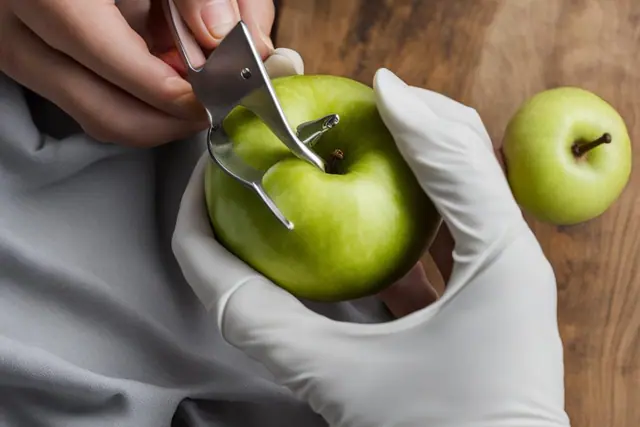
In this guide
- Why Peeling an Apple is Important in the Kitchen
- Knife Skills for Peeling an Apple
- Using a Y-Shaped Peeler: The Quick and Easy Way to Peel Apples
- How to Core an Apple: Methods and Techniques
- Tips and Tricks for Easy Apple Peeling and Coring
- The Importance of Peeling for Flavor and Texture
- Choosing the Right Apple for Easy Peeling
- Tips for Speed and Efficiency in Apple Peeling
- Storing and Preserving Peeled Apples
- The Versatility of Peeled Apples in Cooking and Baking
- The Nutritional Value of Apples and Their Peels
- Conclusion
- Source Links
- FAQ
In this article, I will share different methods and tips for peeling apples effortlessly, ensuring that you can use them in your favorite apple dishes without any hassle. Peeling an apple can be quick and efficient if you know the right techniques. There are multiple ways to peel an apple, and using the right tools is key.
Peeling an apple is an essential step in many kitchen tasks. Whether you're preparing a fruit salad, baking a pie, or making applesauce, removing the skin of the apple is important for the overall texture and taste of the dish. The peel can be tough and detract from the desired texture, and it may also contain dirt or pesticide residue. By peeling the apple, you ensure that it is clean, fresh, and ready to be used in your culinary creations.
Why Peeling an Apple is Important in the Kitchen
Peeling an apple is an essential step in many kitchen tasks. Whether you're preparing a fruit salad, baking a pie, or making applesauce, removing the skin of the apple is important for the overall texture and taste of the dish. The peel can be tough and detract from the desired texture, and it may also contain dirt or pesticide residue. By peeling the apple, you ensure that it is clean, fresh, and ready to be used in your culinary creations.
Not only does peeling an apple improve the texture and cleanliness of the fruit, but it also enhances the flavor. The skin of an apple can sometimes be slightly bitter or astringent, and by removing it, you allow the natural sweetness of the fruit to shine through. Whether you're cooking or baking with apples, peeling them ensures that you can fully enjoy their fresh and fruity flavor.
Furthermore, peeling an apple provides a more aesthetically pleasing presentation in your dishes. The smooth and uniform appearance of peeled apples adds visual appeal to your fruit salads, pies, and other culinary creations. It also allows for more versatility in how you use the fruit, as peeled apples can be easily sliced, diced, or pureed without any unwanted skin getting in the way.
The Importance of Peeled Apples in Cooking and Baking
In addition to the practical and flavor benefits, using peeled apples in your cooking and baking allows for a smoother and more consistent texture in your finished dishes. Without the tough peel, the apple's flesh blends seamlessly with other ingredients, making every bite a delight. Whether you're incorporating peeled apples into your breakfast oatmeal, baking them into a spiced apple cake, or sautéing them for a delicious side dish, the absence of the peel ensures a more enjoyable eating experience.
| Benefits of Peeling Apples in the Kitchen | Considerations |
|---|---|
| Improved texture and taste | Peeling can be time-consuming |
| Removal of dirt and pesticide residue | May result in some loss of nutrients |
| Enhanced flavor and natural sweetness | Requires additional kitchen tools and gadgets |
| Aesthetically pleasing presentation | Apples with thinner skin are easier to peel |
Knife Skills for Peeling an Apple
When it comes to peeling an apple, using a knife can be a skillful and precise method. However, it's important to approach this technique with caution to avoid accidents. Here's a step-by-step guide to peeling an apple with a knife:
- Begin by cutting off the top and bottom of the apple to create a stable base.
- Take a paring knife and starting from the top, carefully slice off the peel in a circular motion, moving downwards.
- Continue peeling the apple, ensuring that you remove all the skin while maintaining control of the knife.
- Take your time and be cautious throughout the process to avoid any injuries.
If using a knife feels intimidating or you're looking for a more efficient and safer method, consider using a Y-shaped peeler.
Tips for Peeling an Apple with a Knife:
- Choose a sharp paring knife to ensure clean and effortless peeling.
- Ensure the apple is stable by cutting off the top and bottom before starting.
- Peel in a circular motion from top to bottom for better control.
- Take your time and be cautious to avoid any accidents or injuries.
https://www.youtube.com/watch?v=n0NLUBe1JCo
Mastering the art of peeling an apple with a knife requires practice and precision. If you're not confident with your knife skills or prefer a quicker method, a Y-shaped peeler might be a better option for you. Let's explore the advantages of using a Y-shaped peeler in the next section.
Using a Y-Shaped Peeler: The Quick and Easy Way to Peel Apples
When it comes to peeling apples, using a Y-shaped peeler is a game-changer. This handy gadget makes the process quick, efficient, and safe. The Y-shaped peeler has a comfortable grip and a sharp blade that effortlessly removes the apple skin in long, smooth strokes. It's a favorite tool among home cooks and professional chefs for its convenience and effectiveness.
To peel an apple with a Y-shaped peeler, start by cutting off the top and bottom to create a stable base. Then, hold the apple firmly and glide the peeler from top to bottom, applying even pressure. The sharp blade will effortlessly glide through the skin, leaving you with a perfectly peeled apple in no time.
The Y-shaped peeler is not only efficient but also safe to use. Its design reduces the risk of accidental cuts compared to using a knife. Plus, the peeler allows you to remove the skin in one continuous motion, minimizing the chances of leaving behind any unevenly peeled areas. With a Y-shaped peeler, peeling apples becomes a breeze, saving you time and effort in the kitchen.
Benefits of Using a Y-Shaped Peeler:
- Quick and efficient peeling
- Comfortable grip and sharp blade
- Safe to use, reducing the risk of cuts
- Leaves behind evenly peeled apples
In summary, the Y-shaped peeler is a must-have tool for anyone who loves cooking with apples. Its quick and easy peeling technique, combined with convenience and safety, makes it an essential gadget in the kitchen. Say goodbye to tedious hand peeling or struggling with a knife, and embrace the efficiency and effectiveness of a Y-shaped peeler. Enjoy the convenience and smoothness of perfectly peeled apples in all your favorite recipes.
How to Core an Apple: Methods and Techniques
After peeling the apple, you may also need to remove the core. There are several methods and tools you can use to accomplish this. One option is an apple corer, a specialized tool designed to easily remove the core in one motion. Simply position the corer at the top of the apple and push downwards, twisting as necessary. Another option is to use a melon baller or a paring knife to cut out the core manually. Choose the method that works best for you and the tools you have on hand.
Table: Comparison of Apple Corer and Manual Core Removal Methods
| Method | Tools Required | Efficiency | Safety |
|---|---|---|---|
| Apple Corer | Apple corer | Highly efficient | Safe and easy |
| Manual Core Removal | Melon baller or paring knife | May take longer | Requires careful handling of sharp tools |
H3: Important Tips for Safe and Easy Core Removal
- Always use a stable cutting surface to prevent accidents while coring the apple.
- Ensure your tools are clean and sharp to make the process easier and safer.
- When using an apple corer, apply gentle pressure and twist as needed to remove the core smoothly.
- If manually removing the core, take your time and be cautious with the melon baller or paring knife.
- Remember to wash and dry the apple thoroughly after removing the core.
"Coring an apple is a simple yet essential step in many recipes. Whether it's for a pie, a salad, or a snack, removing the core ensures a seamless eating experience without any unwanted seeds or tough parts."
By mastering the various methods and techniques for coring an apple, you can enhance your culinary skills and confidently tackle a wide range of apple-based recipes. Whether you choose an apple corer or prefer the manual approach, practicing safe handling and taking your time will yield excellent results.
Tips and Tricks for Easy Apple Peeling and Coring
Peeling and coring an apple can sometimes be a tedious task, but with a few helpful tips and tricks, you can make the process easier and more efficient. Here are some handy techniques to simplify your apple peeling and coring experience:
Choose the Right Tools
Using the right tools can make a significant difference in your apple peeling and coring endeavors. Invest in a high-quality Y-shaped peeler or a sharp paring knife for easy and precise peeling. Additionally, consider using an apple corer to remove the core quickly and efficiently.
Prep the Apples
Prior to peeling, make sure your apples are firm and ripe. Firmer apples are easier to peel and core, while overripe ones may become mushy and challenging to handle. Also, ensure your peeler and corer are sharp to avoid any unnecessary effort or frustration.
Master the Technique
Practice your peeling and coring technique to improve your efficiency and speed. For peeling, start from the top of the apple and work your way down, applying even pressure to remove the skin in long, smooth strokes. When coring, position the corer at the top of the apple, push downwards, and twist to remove the core effortlessly.
By following these tips and tricks, you can peel and core apples with ease, saving time and effort in the kitchen. Remember to choose the right tools, prep your apples properly, and master the technique for a seamless peeling and coring experience.
| Tips and Tricks for Easy Apple Peeling and Coring |
|---|
| Choose the Right Tools |
| Prep the Apples |
| Master the Technique |
The Importance of Peeling for Flavor and Texture
Peeling an apple not only enhances the cleanliness and appearance of the fruit but also has a significant impact on flavor and texture. The skin of an apple can sometimes be tough, particularly in older or thicker-skinned varieties. By peeling the apple, you remove this tough exterior, making the flesh more tender and palatable. Additionally, peeling can help intensify the natural sweetness and flavor of the apple, as the skin can sometimes be slightly bitter or astringent.
"The skin of an apple can have a slightly bitter taste, which can detract from the overall eating experience. By peeling the apple, you get to fully enjoy the sweet and crisp flesh without any unwanted bitterness." - Chef Alice Thompson
Furthermore, peeling an apple can also alter the texture of the fruit. The skin can be fibrous and have a slightly rubbery consistency, which may not be desirable in certain recipes. By removing the skin, you create a smoother, more uniform texture that blends seamlessly into dishes like apple pies, applesauce, or apple crisps.
The Impact on Baking
In baking, peeling an apple is especially important as it allows the fruit to meld harmoniously with other ingredients. Whether you're making an apple pie or a cinnamon-spiced cake, the absence of apple peel ensures that every bite is velvety and enjoyable. The peeled apples can easily soften and absorb the flavors of the spices and other components, resulting in a more cohesive and delectable treat.
| Advantages of Peeling an Apple | Disadvantages of Not Peeling an Apple |
|---|---|
| Enhances flavor and sweetness | Bitterness from the skin |
| Improves texture | Fibrous and rubbery consistency of the skin |
| Allows for better incorporation in recipes | May not blend well with other ingredients |
| Creates a more visually appealing dish | Unattractive appearance of the skin |
Ultimately, peeling an apple is a personal choice that depends on your preferences and the specific recipe you're preparing. However, if you want to fully savor the flavor, texture, and culinary potential of apples, peeling is often the way to go. So grab your peeler, remove that skin, and get ready to enjoy the crisp, sweet, and tender goodness that lies beneath.
Choosing the Right Apple for Easy Peeling
When it comes to peeling apples, the variety you choose can make a difference. Some apple varieties have thicker or tougher skin, while others have thinner and more delicate skin. For easy peeling, opt for apples with thinner skin, such as Gala, Honeycrisp, or Golden Delicious. These varieties are known for their ease of peeling and are less likely to cause frustration or wastage. By selecting the right apple variety, you can save time and effort in the peeling process.
Table: Apple Varieties and Peel Ease
| Apple Variety | Peel Ease (1-10) |
|---|---|
| Gala | 9 |
| Honeycrisp | 8 |
| Golden Delicious | 7 |
| Granny Smith | 6 |
| Fuji | 6 |
The table above showcases apple varieties rated on their ease of peeling, with 1 being the most difficult and 10 being the easiest. Opting for apple varieties with higher ratings will ensure a smoother and more efficient peeling experience in the kitchen. While personal preferences may vary, these varieties have been recognized by chefs and home cooks for their peel ease, making them a reliable choice for hassle-free apple peeling.
When choosing apples for peeling, it's also worth considering their taste, texture, and sweetness. Different apple varieties offer unique flavors, ranging from sweet and crisp to tart and juicy. Consider your recipe and personal preference to select the perfect apple variety for your peeling needs. Whether you're making a classic apple pie or a refreshing fruit salad, the right apple choice will enhance the overall taste and texture of your culinary creation.
In conclusion, selecting the right apple variety is essential for easy peeling. By choosing apples with thinner skin, such as Gala, Honeycrisp, or Golden Delicious, you can simplify the peeling process and save time in the kitchen. The table provided offers a helpful guide to the peel ease of different apple varieties. Remember to consider not only the ease of peeling but also the taste and texture of the apples when making your selection. With the right apple variety, you can enjoy effortless and efficient peeling, making your cooking and baking endeavors even more enjoyable.
Tips for Speed and Efficiency in Apple Peeling
Peeling an apple can sometimes feel like a time-consuming task. However, with a few tips and tricks, you can speed up the process and make it more efficient.
1. Choose smaller apples: Smaller apples have less surface area to peel, which means you can finish peeling them more quickly.
2. Sharpen your peeler: Keep your peeler sharp to ensure smooth and effortless peeling. A dull peeler can slow you down and make the process more frustrating.
3. Practice your technique: The more you practice your peeling technique, the faster and more accurate you will become. Experiment with different hand movements and find what works best for you.
By implementing these tips, you'll be able to peel apples in no time, saving you valuable time in the kitchen. Remember to choose smaller apples, keep your peeler sharp, and practice your technique to improve your speed and efficiency.
| Tips for Speed and Efficiency in Apple Peeling |
|---|
| Choose smaller apples |
| Sharpen your peeler |
| Practice your technique |
Storing and Preserving Peeled Apples
After peeling and coring your apples, it's important to know how to store and preserve them properly to maintain their freshness and quality. The great news is that there are simple and effective methods for storing peeled apples.
One of the easiest ways to store peeled apples is to place them in an airtight container. Make sure the container is clean and dry before adding the apples. This will help prevent oxidation and keep the apples fresh for longer.
Another method is to cover the peeled apples with plastic wrap. Ensure that the plastic wrap tightly seals the container or bowl to create a barrier against air and moisture. This helps to preserve the texture and flavor of the apples.
If you don't plan to use the peeled apples immediately, you can store them in a bowl of water mixed with a bit of lemon juice. The lemon juice helps slow down the browning process, keeping the apples looking fresh and appetizing. Just be sure to drain and pat dry the apples before using them in your recipes.
| Storage Methods for Peeled Apples | Potential Length of Freshness |
|---|---|
| Airtight Container | Up to 5 days |
| Plastic Wrap | Up to 3 days |
| Lemon Water Soak | Up to 24 hours |
Proper storage is essential for meal prep and home cooking. It allows you to save time by peeling apples in advance and ensures you always have fresh peeled apples ready for your favorite recipes. Whether you're making pies, applesauce, or adding sliced apples to salads, knowing how to store and preserve peeled apples will help you maintain their quality and taste.
The Versatility of Peeled Apples in Cooking and Baking
When it comes to cooking and baking, peeled apples are a versatile ingredient that can elevate a wide range of recipes. Their natural sweetness and soft texture make them perfect for both sweet and savory dishes. Whether you're making a classic apple pie, a comforting applesauce, or a savory pork and apple stir-fry, peeled apples add a delicious and fruity element to your favorite recipes.
In baking, peeled apples can be diced or sliced and used in cakes, muffins, and breads to add moisture and a burst of flavor. They can also be stewed down into a thick compote and used as a filling for turnovers or strudels. The possibilities are endless when it comes to incorporating peeled apples into your baking creations.
In savory cooking, peeled apples can be sautéed with onions and spices to create a delicious accompaniment for roasted meats. They can also be thinly sliced and added to salads for a refreshing and crisp element. The natural sweetness of peeled apples can balance out the flavors of savory dishes and add a touch of brightness to your meals.
| Dish | Apple Variety | Preparation | Recipe Link |
|---|---|---|---|
| Classic Apple Pie | Gala | Diced | Link |
| Applesauce | Golden Delicious | Stewed | Link |
| Pork and Apple Stir-Fry | Honeycrisp | Sliced | Link |
| Apple Cinnamon Muffins | Pink Lady | Diced | Link |
I love using peeled apples in my recipes because they bring a burst of natural sweetness and a delightful texture. Whether it's a comforting apple crisp on a cool autumn evening or a zesty apple and arugula salad for a refreshing summer lunch, apples always add a touch of magic to my dishes.
Tips for Using Peeled Apples in Your Recipes:
- Choose the right apple variety for your recipe. Different apples have different flavors and textures, so consider the taste and texture you're looking for.
- Adjust the sweetness. If your dish requires a sweeter taste, use a sweeter apple variety. If you prefer a more tart flavor, opt for a tart apple variety.
- Experiment with different preparations. Peeled apples can be diced, sliced, pureed, or stewed, depending on the recipe. Don't be afraid to get creative!
- Pair peeled apples with complementary flavors. Apples often work well with warm spices like cinnamon, nutmeg, and ginger, as well as ingredients like caramel, vanilla, and lemon.
- Consider the texture and appearance. Peeled apples can provide a smooth and tender texture to your dishes, or add a pop of color and visual interest.
With their versatility and delicious flavor, peeled apples are a must-have ingredient in any kitchen. Whether you're a beginner cook or a seasoned chef, incorporating peeled apples into your cooking and baking will add a touch of sweetness and elevate your culinary creations.
The Nutritional Value of Apples and Their Peels
When it comes to the nutritional value of apples, many people wonder if they should peel the skin or eat it along with the flesh. While the peel of an apple does contain some valuable nutrients and fiber, it's important to note that the flesh of the apple itself still provides a wide range of nutritional benefits. Apples are low in calories, making them a great choice for weight management, and they contain dietary fiber that aids in digestion and helps maintain a healthy gut.
In addition to fiber, apples are a good source of Vitamin C, an antioxidant that supports immune function and protects cells from damage. They also contain potassium, a mineral that helps regulate blood pressure and maintain proper heart function. These nutrients are found in both the flesh and the peel of the apple, although the peel does provide slightly higher amounts of fiber and certain antioxidants. However, even without the peel, apples remain a nutritious and flavorful fruit that can be enjoyed as part of a balanced diet.
While some individuals may prefer to eat apples without the skin due to personal taste preferences or concerns about pesticide residues, it's important to note that washing the apple thoroughly can help remove any surface contaminants. Additionally, choosing organic apples can reduce exposure to pesticides. Ultimately, the decision to peel or not to peel comes down to personal choice and individual dietary needs. Regardless of whether you choose to eat the peel or remove it, incorporating apples into your diet can help boost your overall health and well-being.
The Nutritional Comparison of Apples with and without Peels
| Nutrient | Apple with Peel (1 medium) | Apple without Peel (1 medium) |
|---|---|---|
| Calories | 95 | 95 |
| Dietary Fiber (g) | 4.4 | 2.7 |
| Vitamin C (mg) | 8.4 | 8.4 |
| Potassium (mg) | 195 | 195 |
Note: Nutritional values can vary slightly depending on the specific variety and size of the apple.
In conclusion, while the peel of an apple does offer additional fiber and antioxidants, the flesh of the apple still provides valuable nutritional content. Whether you choose to eat the apple with or without the peel, incorporating this versatile fruit into your diet can provide numerous health benefits. So go ahead and enjoy the crisp and refreshing taste of apples, knowing that you're nourishing your body with essential nutrients.
Conclusion
Peeling an apple is an essential skill in the kitchen, and mastering this technique can greatly enhance your culinary abilities. Whether you're a beginner or an experienced cook, understanding the different methods and tools for peeling apples will make your cooking experience more convenient and enjoyable.
By removing the skin, you not only improve the appearance and cleanliness of the apple, but you also create a smoother texture and enhance the flavor of your dishes. Peeling ensures that you can fully enjoy the natural sweetness and juiciness of the fruit, without any bitterness or tough exterior getting in the way.
From knife skills to using a Y-shaped peeler, there are various techniques you can employ to peel apples efficiently and safely. Choose the method that suits you best and practice to improve your speed and accuracy. With time, you'll be able to peel apples effortlessly, allowing you to explore a wide range of recipes and unleash your culinary creativity.
So, whether you're making a classic apple pie or experimenting with new flavors in the kitchen, embrace the art of apple peeling. It's a fundamental skill that will elevate your home cooking and make you feel like a true culinary artist.
Source Links
- https://www.southernliving.com/food/fruits/apple/how-to-peel-an-apple
- https://www.tasteofhome.com/article/how-to-peel-an-apple/
- https://www.thekitchn.com/whats-the-best-2-161077
Frequently asked questions
- What are some efficient techniques for peeling an apple?
Some efficient techniques for peeling an apple include using a knife or a Y-shaped peeler.
- Why is peeling an apple important in the kitchen?
Peeling an apple is important in the kitchen because it removes tough skin, ensures cleanliness, and enhances the texture and taste of dishes.
- What are some knife skills for peeling an apple?
When using a knife to peel an apple, start by cutting off the top and bottom, then carefully slice off the peel using a paring knife.
- How does a Y-shaped peeler make peeling apples quick and easy?
A Y-shaped peeler has a sharp blade that easily removes the skin in long, smooth strokes, making the peeling process quick, efficient, and safe.
- What are some methods and techniques for coring an apple?
You can use an apple corer to remove the core in one motion, or manually cut out the core using a melon baller or a paring knife.
- What are some tips and tricks for easy apple peeling and coring?
Some tips and tricks for easy apple peeling and coring include choosing firm and ripe apples, using sharp tools, and working on a clean and stable surface.
- How does peeling an apple enhance its flavor and texture?
Peeling an apple removes the tough exterior, making the flesh more tender and palatable. It also helps intensify the natural sweetness and flavor of the apple.
- What type of apple is best for easy peeling?
Apples with thinner skin, such as Gala, Honeycrisp, or Golden Delicious, are best for easy peeling.
- What are some tips for speed and efficiency in apple peeling?
Some tips for speed and efficiency in apple peeling include choosing smaller apples, sharpening your peeler regularly, and practicing your technique.
- How should peeled apples be stored and preserved?
Peeled apples should be stored in an airtight container or covered with plastic wrap to prevent oxidation. They can also be stored in a bowl of water with lemon juice to slow down browning.
- How can peeled apples be used in cooking and baking?
Peeled apples are versatile and can be used in pies, tarts, cakes, muffins, sauces, smoothies, or sautéed with cinnamon and sugar for a simple dessert.
- What is the nutritional value of apples without the peel?
While the peel contains additional fiber and antioxidants, the flesh of the apple still provides valuable nutritional content, including low calories, high fiber, and vitamins and minerals like vitamin C and potassium.
- Why is peeling an apple a fundamental process in the culinary arts?
Peeling an apple is a basic skill in the culinary arts that adds convenience, safety, and flavor to various cooking and baking recipes, allowing home cooks to elevate their skills and culinary repertoire.
AprilCook, recipe developer and the heart of Chefwiz. More about April