Guide
How to Freeze Spinach for Green Goodness Anytime
Discover my simple steps on how to freeze spinach! Enjoy the fresh taste of greens whenever you want it, all year round.
 By April19 min read
In this guide
- Can You Freeze Spinach? Spoiler: Yes!
- What To Know Before Freezing Spinach
- How To Freeze Fresh Spinach
- Delicious Recipes That Use Spinach
- Why You'll Love Freezing Spinach
- Ingredients and Supplies
- Two Ways to Freeze Spinach
- How Long to Freeze Spinach
- Uses for Frozen Spinach
- How to Store Smoothies
- How to Store Frozen Spinach
- Conclusion
- Source Links
- FAQ
Are you tired of wasting fresh spinach and wishing you had it on hand all year round? Look no further! In this guide, I'll show you exactly how to freeze spinach without any hassle. With this simple method, you can preserve the vibrant green goodness of spinach and enjoy it in a variety of dishes, from smoothies to soups and more.
Can You Freeze Spinach? Spoiler: Yes!
Freezing spinach is a great way to preserve this leafy green and ensure it doesn't go to waste. Whether you have an abundance of spinach from your garden or want to stock up on sale at the grocery store, freezing spinach allows you to enjoy its nutritional benefits whenever you need it. Plus, it's incredibly convenient!
When you freeze spinach, you're essentially putting it on pause, preserving its freshness and flavor. While frozen spinach may lose some of its texture and become wilted when thawed, this doesn't affect its usability in cooked dishes or blended recipes. In fact, frozen spinach is perfect for adding to smoothies, soups, dips, pasta dishes, and more. So you can still reap all the benefits and enjoy the vibrant green goodness of spinach even after it's been frozen.
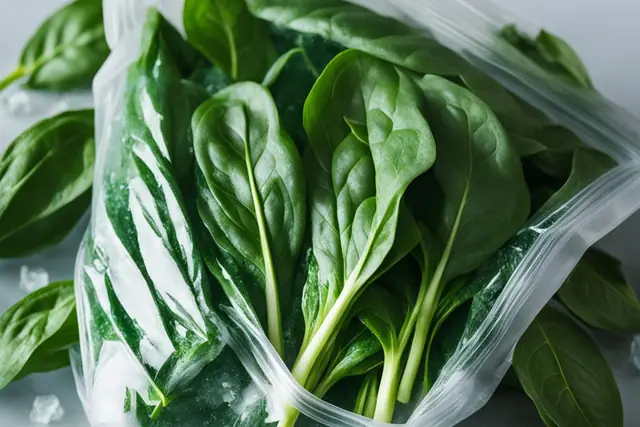
To freeze spinach, you have two options. The first method involves freezing whole spinach leaves. Simply remove any wilted or damaged leaves, place the fresh spinach leaves in a freezer bag, remove as much air as possible, and seal the bag tightly. Alternatively, you can puree the spinach and freeze it in freezer bags, ice cube trays, or baby food containers for easy portioning and later use. Both methods are effective and allow you to choose the option that suits your needs best.
Table: Freezing Spinach Comparison
| Method | Advantages | Disadvantages |
|---|---|---|
| Freezing Whole Leaves | Retains some texture and shape when thawed | Takes up more space in the freezer |
| Pureeing and Freezing | Easy portioning and convenient for blending into recipes | Can result in a slightly mushy texture when thawed |
Now that you know freezing spinach is possible and straightforward, you can make the most of your leafy greens and enjoy the convenience of always having spinach on hand. Whether you're looking to reduce food waste, save money, or simply have a versatile ingredient at your fingertips, freezing spinach is the answer. So go ahead, stock up on spinach, freeze it, and embrace the green goodness!
References:
- "How to Freeze Spinach Without Blanching: An Easy Guide." Foodal, December 10, 2020.
- "How to Freeze Spinach for Long-Term Storage." The Spruce Eats, November 13, 2020.
What To Know Before Freezing Spinach
Before you start freezing fresh spinach, it's important to understand that frozen spinach will undergo some changes in texture and appearance. When thawed, frozen spinach becomes wilted and watery. However, these changes do not affect its usability in cooked or blended recipes. In fact, frozen spinach works remarkably well in a variety of dishes, including smoothies, soups, dips, and pasta dishes.
While frozen spinach may not retain its fresh texture, it still retains its nutritional value. It contains essential vitamins and minerals, making it a healthy addition to your meals even after freezing. So, don't let the change in texture deter you from freezing spinach.
When using frozen spinach in your recipes, it's best to choose dishes where consistency and texture matter less. Blended recipes, such as smoothies and soups, are particularly ideal for using frozen spinach. The wilting and wateriness of thawed spinach won't affect the overall taste and texture of these dishes. So go ahead and experiment with frozen spinach in your favorite recipes!
Spinach Preservation Tips
To make the most of your frozen spinach, here are some useful preservation tips:
- Label and date: When freezing spinach, it's a good practice to label the freezer bags with the contents and date of freezing. This will help you keep track of its freshness and ensure you use it within a reasonable timeframe.
- Portion control: Consider dividing your frozen spinach into smaller portions before freezing. This way, you can easily thaw and use only what you need without defrosting a large batch.
- Proper packaging: Use freezer-safe bags or containers to store your frozen spinach. Ensure that the packaging is airtight and that you remove as much air as possible before sealing. This will prevent freezer burn and help maintain the quality of the spinach.
- Freeze in usable forms: If you plan to use spinach in blended recipes like smoothies, consider freezing it in ice cube trays or puree it and freeze it in freezer bags. This will make it easier to portion and use when needed.
By following these preservation tips, you can ensure that your frozen spinach remains flavorful and ready to use whenever you need it. Don't let excess spinach go to waste; freeze it and enjoy the convenience of having this versatile green goodness at your fingertips!
https://www.youtube.com/watch?v=9kzZP3wAv2A
How To Freeze Fresh Spinach
Freezing fresh spinach is a simple and efficient way to preserve its nutritional value and ensure you always have this leafy green on hand. There are two preferred methods for freezing fresh spinach: freezing whole spinach leaves and freezing pureed spinach. Let's explore both methods in detail.
Freezing Whole Spinach Leaves
To freeze whole spinach leaves, start by removing any wilted or damaged leaves. Then, give the spinach a quick rinse under cold water and pat it dry with a clean kitchen towel. Once dry, place the spinach leaves in a freezer bag, remove as much air as possible, and seal the bag tightly. Label the bag with the freezing date for easy reference.
Freezing Pureed Spinach
If you prefer to freeze pureed spinach, begin by blanching the fresh spinach leaves in boiling water for about 2 minutes. Blanching helps retain the color and nutritional properties of the spinach. After blanching, transfer the spinach to an ice bath to stop the cooking process. Once cooled, drain the spinach and puree it in a high-powered blender or food processor. Pour the pureed spinach into freezer bags, ice cube trays, or baby food containers, leaving some space for expansion. Seal the containers tightly and label them with the freezing date.
Both methods of freezing spinach allow you to preserve its freshness for up to six months. Whether you choose to freeze whole leaves or puree, you'll have a convenient supply of spinach for all your culinary needs.
Delicious Recipes That Use Spinach
Frozen spinach is a versatile ingredient that can elevate the flavor and nutrition of many dishes. Whether you're looking to add a healthy twist to your smoothies, soups, or pasta dishes, frozen spinach is a convenient option. Here are some delicious recipes that make the most of frozen spinach:
Spinach and Feta Stuffed Chicken Breast
Ingredients:
- 4 boneless, skinless chicken breasts
- 1 cup frozen spinach, thawed and drained
- ½ cup crumbled feta cheese
- 2 cloves garlic, minced
- 1 tablespoon olive oil
- Salt and pepper to taste
Instructions:
- Preheat the oven to 375°F (190°C).
- In a bowl, combine the thawed spinach, feta cheese, minced garlic, olive oil, salt, and pepper.
- Cut a pocket into each chicken breast and stuff it with the spinach and feta mixture.
- Place the stuffed chicken breasts in a baking dish and bake for 25-30 minutes, or until the chicken is cooked through.
- Serve hot with a side of roasted vegetables or a salad.
Creamy Spinach and Mushroom Pasta
Ingredients:
- 8 ounces pasta of your choice
- 1 tablespoon olive oil
- 1 cup sliced mushrooms
- 2 cloves garlic, minced
- 1 cup frozen spinach, thawed and drained
- ½ cup heavy cream
- ¼ cup grated Parmesan cheese
- Salt and pepper to taste
Instructions:
- Cook the pasta according to package instructions.
- In a large skillet, heat the olive oil over medium heat. Add the sliced mushrooms and minced garlic, and sauté until the mushrooms are golden brown.
- Add the thawed spinach to the skillet and cook for another 2-3 minutes.
- Pour in the heavy cream and grated Parmesan cheese. Stir until the sauce thickens.
- Season with salt and pepper to taste.
- Add the cooked pasta to the skillet and toss to coat it in the creamy spinach and mushroom sauce.
- Serve hot, garnished with additional grated Parmesan cheese, if desired.
Spinach and Lentil Soup
Ingredients:
- 1 tablespoon olive oil
- 1 onion, diced
- 2 cloves garlic, minced
- 1 cup diced carrots
- 1 cup diced celery
- 1 cup red lentils
- 4 cups vegetable broth
- 1 cup frozen spinach
- 1 teaspoon dried thyme
- Salt and pepper to taste
Instructions:
- In a large pot, heat the olive oil over medium heat. Add the diced onion, minced garlic, diced carrots, and diced celery. Sauté until the vegetables are tender.
- Rinse the red lentils under cold water and add them to the pot.
- Pour in the vegetable broth and bring the mixture to a boil. Reduce the heat and simmer for about 20 minutes, until the lentils are cooked through.
- Add the frozen spinach to the pot and cook for another 5 minutes.
- Season the soup with dried thyme, salt, and pepper.
- Remove from heat and serve hot with a side of crusty bread.
These are just a few examples of the many delicious recipes you can create using frozen spinach. From savory main dishes to comforting soups, frozen spinach adds a nutritious and vibrant touch to your meals. Get creative in the kitchen and enjoy the convenience of having frozen spinach on hand!
| Recipe | Preparation Time | Cooking Time | Servings |
|---|---|---|---|
| Spinach and Feta Stuffed Chicken Breast | 15 minutes | 30 minutes | 4 |
| Creamy Spinach and Mushroom Pasta | 10 minutes | 20 minutes | 2 |
| Spinach and Lentil Soup | 10 minutes | 30 minutes | 4 |
Image source: source
Why You'll Love Freezing Spinach
Freezing spinach offers many benefits. It allows you to have fresh spinach on hand whenever you need it, without worrying about it going bad in the fridge. By freezing your own spinach, you can also save money as it is a cost-effective method of preserving this nutritious vegetable. Furthermore, freezing spinach helps reduce food waste, ensuring that none of your greens go to waste.
When you freeze spinach, you preserve its nutritional value. Spinach is packed with vitamins, minerals, and antioxidants that are beneficial for your overall health. Freezing locks in these nutrients, allowing you to enjoy their benefits even when the spinach is thawed and cooked.
Another reason to love freezing spinach is its versatility. Once frozen, spinach can be added to a variety of dishes including smoothies, soups, stir-fries, and casseroles. Its mild flavor blends well with other ingredients, enhancing the taste and nutritional content of your meals.
Cost-Effective Spinach Preservation
Freezing spinach is a cost-effective way to preserve this leafy green vegetable. It allows you to buy spinach in bulk or take advantage of sales without worrying about it spoiling. By freezing spinach, you can extend its shelf life for months, saving money in the long run.
Reduce Food Waste
Food waste is a significant issue, but by freezing spinach, you can do your part in reducing it. Freezing spinach prevents it from wilting and spoiling, ensuring that you can use every leaf you buy. By reducing food waste, you're not only saving money but also helping the environment by minimizing the resources wasted in producing and transporting food that ends up in the trash.
| Benefits of Freezing Spinach | Cost-Effective Preservation | Reduce Food Waste |
|---|---|---|
| Allows you to have fresh spinach on hand | Saves money by extending shelf life | Prevents spinach from wilting and spoiling |
| Preserves the nutritional value of spinach | Enables bulk buying and taking advantage of sales | Helps minimize resources wasted in food production |
| Offers versatility in various recipes | Reduces the need for frequent grocery shopping | Contributes to a more sustainable food system |
Ingredients and Supplies
When it comes to freezing spinach, having the right ingredients and supplies on hand is essential. Here's a list of what you'll need to successfully freeze and store your spinach:
- Fresh spinach leaves: Make sure to select fresh, crisp spinach leaves for freezing.
- Coconut water (or plain water): This will help maintain the color and texture of the spinach during freezing.
- Zip-top bags: These are ideal for storing the frozen spinach and keeping it fresh.
- Silicone ice cube trays: If you prefer freezing the spinach in smaller portions, ice cube trays are a great option.
- A high-powered blender or food processor: This is necessary if you choose to puree the spinach before freezing.
By having these supplies ready, you can ensure a smooth and successful spinach freezing process.
| Ingredients | Supplies |
|---|---|
| Fresh spinach leaves | Zip-top bags |
| Coconut water (or plain water) | Silicone ice cube trays |
| A high-powered blender or food processor |
Freezing spinach requires a few key ingredients and supplies. Fresh spinach leaves are essential, along with coconut water or plain water to help maintain the spinach's texture. Zip-top bags are necessary for storing the frozen spinach, while silicone ice cube trays provide a convenient option for portioning. Lastly, a high-powered blender or food processor will come in handy if you choose to puree the spinach before freezing. With these ingredients and supplies, you'll be well-equipped to freeze and store your spinach with ease.
Why Coconut Water?
You may be wondering why coconut water is recommended for freezing spinach. Coconut water contains natural sugars and electrolytes that help preserve the color and freshness of the spinach during freezing. It also adds a subtle sweetness to the spinach, making it a great option for use in smoothies and other recipes. If you don't have coconut water on hand, plain water can be used as an alternative.
Necessary Kitchen Tools
In addition to the ingredients and supplies mentioned above, a few essential kitchen tools will be helpful when freezing spinach. These include a sharp knife for removing any wilted or damaged leaves from the fresh spinach, a cutting board for preparing the spinach, and a measuring cup for portioning the coconut water or plain water. Having these tools readily available will streamline the freezing process and ensure that your spinach is properly preserved.
Two Ways to Freeze Spinach
When it comes to freezing spinach, you have two main methods to choose from: freezing whole spinach leaves or pureeing the spinach and freezing it in different forms. Each method has its own advantages, so let's explore them both.
Freezing Whole Spinach Leaves: This method is straightforward and ideal if you prefer to have intact spinach leaves for certain dishes. Start by removing any wilted or damaged leaves. Then, place the fresh spinach leaves in a freezer bag, remove as much air as possible to prevent freezer burn, and seal the bag. Label the bag with the date of freezing for easy tracking. This method is perfect for dishes like salads or as a side vegetable.
Freezing Spinach Puree: If you frequently use spinach in smoothies, soups, or sauces, freezing pureed spinach is a convenient option. Begin by washing and blanching the spinach to preserve its vibrant color. Once blanched, drain and puree the spinach using a high-powered blender or food processor. You can then freeze the pureed spinach in freezer bags, ice cube trays, or baby food containers. Freezing the puree in ice cube trays allows for easy portioning when you only need a small amount.
Both methods are effective and provide you with options depending on how you plan to use the frozen spinach in your recipes. Choose the method that best suits your needs and enjoy the convenience of having frozen spinach readily available.
| Method | Advantages |
|---|---|
| Freezing Whole Spinach Leaves | - Intact leaves for certain dishes - Easy to portion for recipes |
| Freezing Spinach Puree | - Convenient for smoothies, soups, and sauces - Easy portioning with ice cube trays |
How Long to Freeze Spinach
If you're wondering about the freezing duration and shelf life of frozen spinach, you've come to the right place. Frozen spinach can be stored in the freezer for up to a year without significant changes in quality. However, it's important to take certain steps to ensure the spinach stays fresh and retains its nutritional value.
Proper storage is key to maintaining the longevity of frozen spinach. Make sure to store it in freezer-safe bags, removing as much air as possible before sealing them tightly. This helps prevent freezer burn and ensures that the spinach remains flavorful and ready for use months later. It's also a good idea to label the bags with the date of freezing for easy tracking and rotation.
While frozen spinach can be stored for up to a year, it's recommended to use it within six months for the best texture and flavor. Over time, frozen spinach may lose some of its original crispness and become slightly wilted when thawed. However, this doesn't affect its usability in cooked or blended recipes, making it a versatile option for adding greens to your dishes all year round.
Shelf Life of Frozen Spinach
Now, let's take a look at the shelf life of frozen spinach in different forms:
| Spinach Form | Shelf Life |
|---|---|
| Whole leaves | Up to 1 year |
| Pureed or blended | Up to 6 months |
| Spinach cubes | Up to 3 months |
By following proper storage techniques and using frozen spinach within the recommended timeframes, you can enjoy the convenience and nutritional benefits of this leafy green whenever you need it. So go ahead, stock up on spinach, freeze it, and have a supply of green goodness ready to enhance your favorite recipes!
Uses for Frozen Spinach
When it comes to cooking with frozen spinach, the possibilities are endless. This versatile ingredient can be used in a wide range of recipes, adding both nutrition and vibrant color to your dishes. Whether you're looking to whip up a quick and healthy smoothie, create a comforting pasta dish, or elevate the flavor of your soups and quiches, frozen spinach can be your go-to ingredient.
One popular way to use frozen spinach is in smoothies. Simply blend it with your favorite fruits, yogurt, and a liquid of your choice, such as coconut water or almond milk, for a nutritious and satisfying drink. Frozen spinach adds an extra boost of vitamins and minerals to your smoothie, making it an excellent choice for a quick and easy breakfast or snack.
You can also incorporate frozen spinach into pasta dishes. Add it to your favorite pasta sauce, whether it's a classic marinara or a creamy Alfredo, for a nutritious twist. The spinach will not only enhance the flavor of the dish but also provide a vibrant green color that will make your pasta visually appealing.
Another tasty way to use frozen spinach is in soups and quiches. You can throw a handful of frozen spinach into your favorite vegetable or chicken soup for an added dose of vitamins and minerals. Additionally, frozen spinach works perfectly in quiches, adding a burst of flavor and color to this classic dish. Simply thaw the spinach, squeeze out the excess moisture, and mix it with your other ingredients before baking.
As you can see, frozen spinach offers a world of culinary possibilities. It's a convenient ingredient that allows you to enjoy the benefits of spinach year-round. Whether you're a fan of smoothies, pasta dishes, soups, or quiches, frozen spinach can elevate your cooking and help you create delicious and nutritious meals.
How to Store Smoothies
If you find yourself with leftover smoothies that include frozen spinach, there are a few simple ways to store them for later use. One option is to freeze the smoothie in ice cube trays or popsicle molds. This allows you to conveniently portion out individual servings that can be easily thawed and enjoyed when needed. Simply pour the smoothie into the trays or molds, ensuring they are filled to the desired portion size, and place them in the freezer until solid. Once frozen, transfer the smoothie cubes or popsicles to a freezer-safe bag or container for long-term storage.
Another option for storing leftover smoothies is to refrigerate them in airtight containers or mason jars. Be sure to leave some headspace at the top of the container to allow for expansion as the smoothie freezes. When ready to enjoy, simply thaw the smoothie overnight in the refrigerator and give it a quick shake or stir before consuming. This method is ideal for those who prefer to drink their smoothies chilled rather than frozen.
To further extend the lifespan of your smoothies, you can also freeze the individual ingredients. By doing so, you can easily blend up a fresh smoothie whenever the craving strikes. Simply freeze fruits like bananas, berries, or pineapple chunks in a single layer on a baking sheet, and once frozen, transfer them to freezer-safe bags or containers. You can also freeze liquid bases like coconut water, almond milk, or yogurt in ice cube trays. This allows you to have a variety of ingredients readily available to create your own custom smoothie combinations.
Smoothie Storage Tips:
- Freeze leftover smoothies in ice cube trays or popsicle molds for easy portioning.
- Refrigerate smoothies in airtight containers or mason jars for a chilled option.
- Freeze individual smoothie ingredients like fruit or liquid bases for convenient blending.
- Label and date your smoothie storage containers for easy tracking.
- Thaw frozen smoothies in the refrigerator overnight before consuming.
With these storage tips in mind, you can make the most of your smoothie ingredients, including frozen spinach. Whether you choose to freeze leftover smoothies or freeze individual ingredients for future use, you'll always have a refreshing and nutritious beverage at your fingertips.
How to Store Frozen Spinach
Proper storage is essential to maintain the quality and freshness of frozen spinach. By following these guidelines, you can ensure that your frozen spinach remains in optimal condition for future use.
Freezer-safe Bags
When storing frozen spinach, it's crucial to use freezer-safe bags to prevent freezer burn and protect the flavor and texture of the spinach. Choose high-quality bags that are specifically designed for freezer use. These bags are thicker and more durable, providing an extra layer of protection against air and moisture. Before sealing the bags, remove as much air as possible to minimize the risk of freezer burn.
Label and Date
Labeling the freezer bags with the date of freezing is a simple yet effective way to keep track of the spinach's shelf life. This ensures that you use the oldest bags first and helps avoid unnecessary waste. Use a permanent marker to write the date of freezing on the bags before placing them in the freezer.
Frozen Spinach Shelf Life
Frozen spinach can be stored for up to a year in the freezer. However, it's essential to inspect the spinach periodically for signs of freezer burn or deterioration. If you notice any ice crystals or changes in texture and color, it's best to use the spinach sooner rather than later.
| Storage Method | Shelf Life |
|---|---|
| Freezer Bags | Up to 1 year |
| Frozen Spinach Cubes | Approximately 3 months |
By following these storage tips, you can preserve the quality and freshness of your frozen spinach, ensuring that it remains a nutritious and convenient ingredient for your favorite recipes.
Conclusion
In conclusion, freezing spinach is a simple and effective way to preserve this nutritious leafy green. By following the steps outlined in this article, you can ensure that you always have frozen spinach on hand for all your culinary creations. Whether you're making smoothies, soups, or pasta dishes, frozen spinach adds a burst of flavor and color to your recipes.
With frozen spinach, you can minimize produce waste and have access to fresh greens all year round. The versatility of frozen spinach allows you to experiment with different dishes and explore new recipes. Plus, freezing spinach is a cost-effective method of preserving this nutritious vegetable, helping you save money while reducing food waste.
In summary, don't let excess spinach go to waste. Freeze it and enjoy the convenience of green goodness anytime. Whether you freeze whole leaves or puree the spinach, proper storage is key to maintaining its quality. Remember to label and seal the bags, removing as much air as possible to prevent freezer burn.
So, go ahead and start freezing spinach to reap its benefits. From smoothies to soups, frozen spinach is a versatile ingredient that adds a nutritional boost to your meals. Give it a try and discover the convenience and vibrant flavors that frozen spinach brings to your kitchen.
Source Links
- https://unsophisticook.com/how-to-freeze-spinach/
- https://joyfullymad.com/how-to-freeze-spinach/
- https://www.almanac.com/how-freeze-spinach-and-other-greens
Frequently asked questions
- Can you freeze spinach?
Yes! Freezing spinach is a great way to preserve it and have it on hand whenever you need it.
- What should I know before freezing spinach?
It's important to note that frozen spinach will lose its texture and become wilted and watery when thawed. However, this doesn't affect its usability in cooked or blended recipes.
- How do I freeze fresh spinach?
There are two preferred methods for freezing fresh spinach. You can freeze whole spinach leaves by removing any wilted or damaged leaves, placing them in a freezer bag, and freezing. Alternatively, you can puree the spinach and freeze it in various forms like freezer bags, ice cube trays, or baby food containers.
- How long can I freeze spinach?
Frozen spinach can be stored for up to a year in the freezer. However, spinach cubes will last for about 3 months.
- What can I use frozen spinach for?
Frozen spinach can be used in a wide variety of recipes, including smoothies, pasta dishes, soups, quiches, and more. It adds nutrition and a vibrant green color to your dishes.
- How do I store smoothies that include frozen spinach?
You can freeze the smoothie in ice cube trays or popsicle molds and thaw them as needed. Alternatively, you can store the leftover smoothie in mason jars or airtight containers in the refrigerator.
- How do I properly store frozen spinach?
Frozen spinach should be kept in freezer-safe bags, removing as much air as possible before sealing them. It's recommended to label the bags with the date of freezing for easy tracking.
AprilCook, recipe developer and the heart of Chefwiz. More about April